-
-
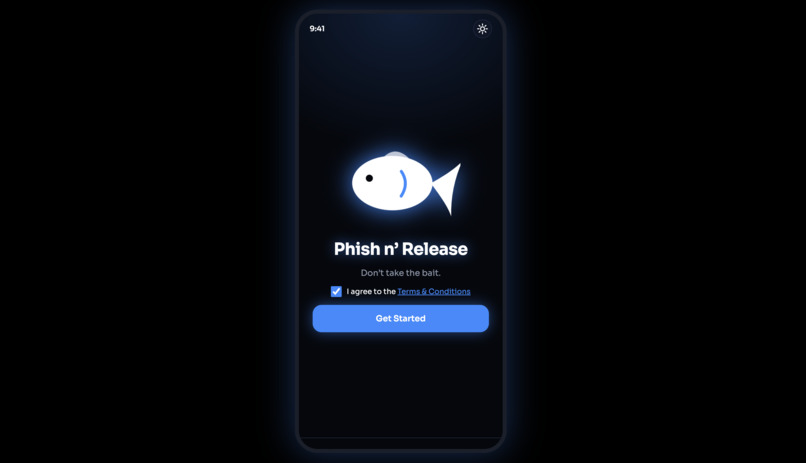
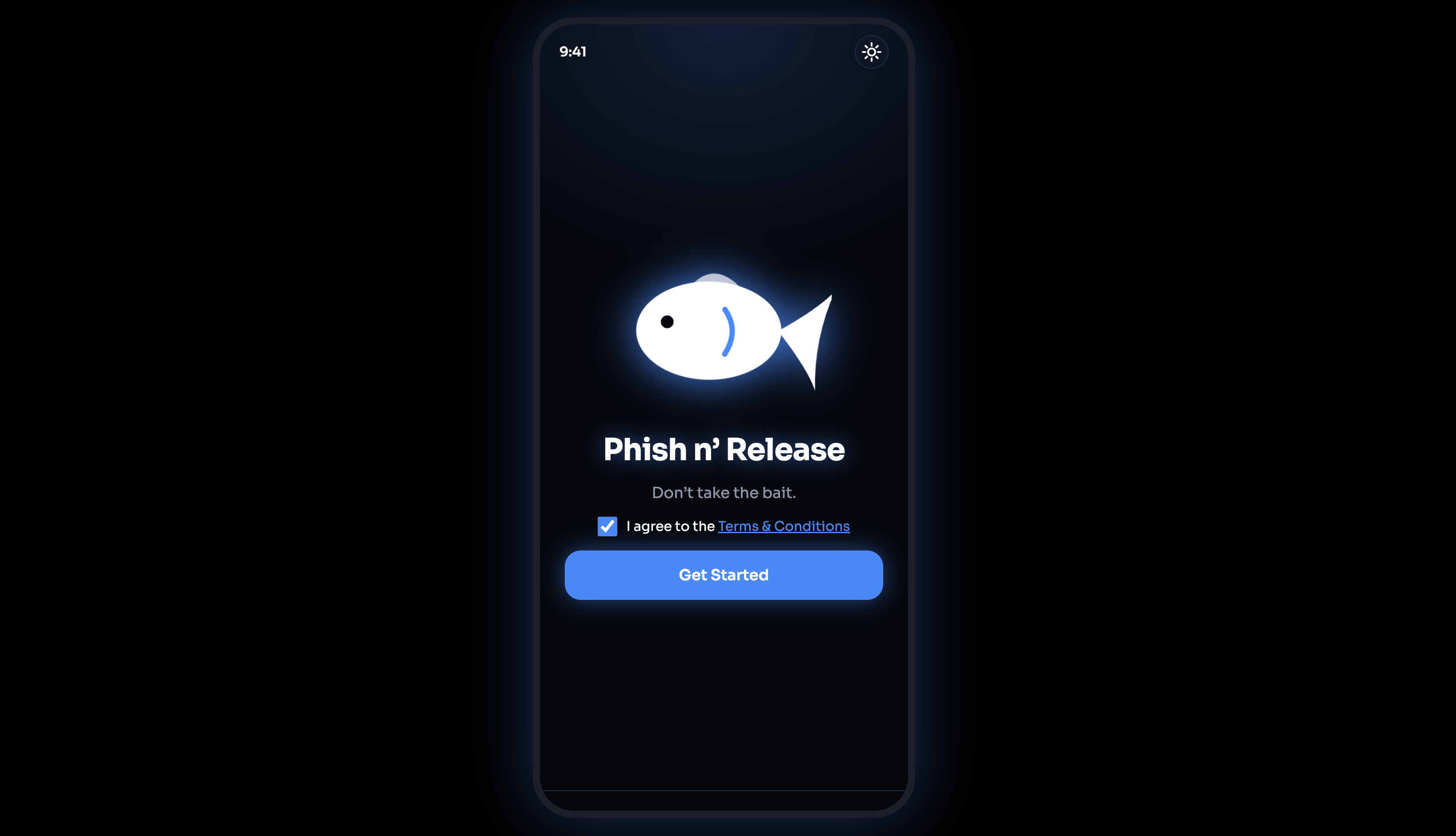
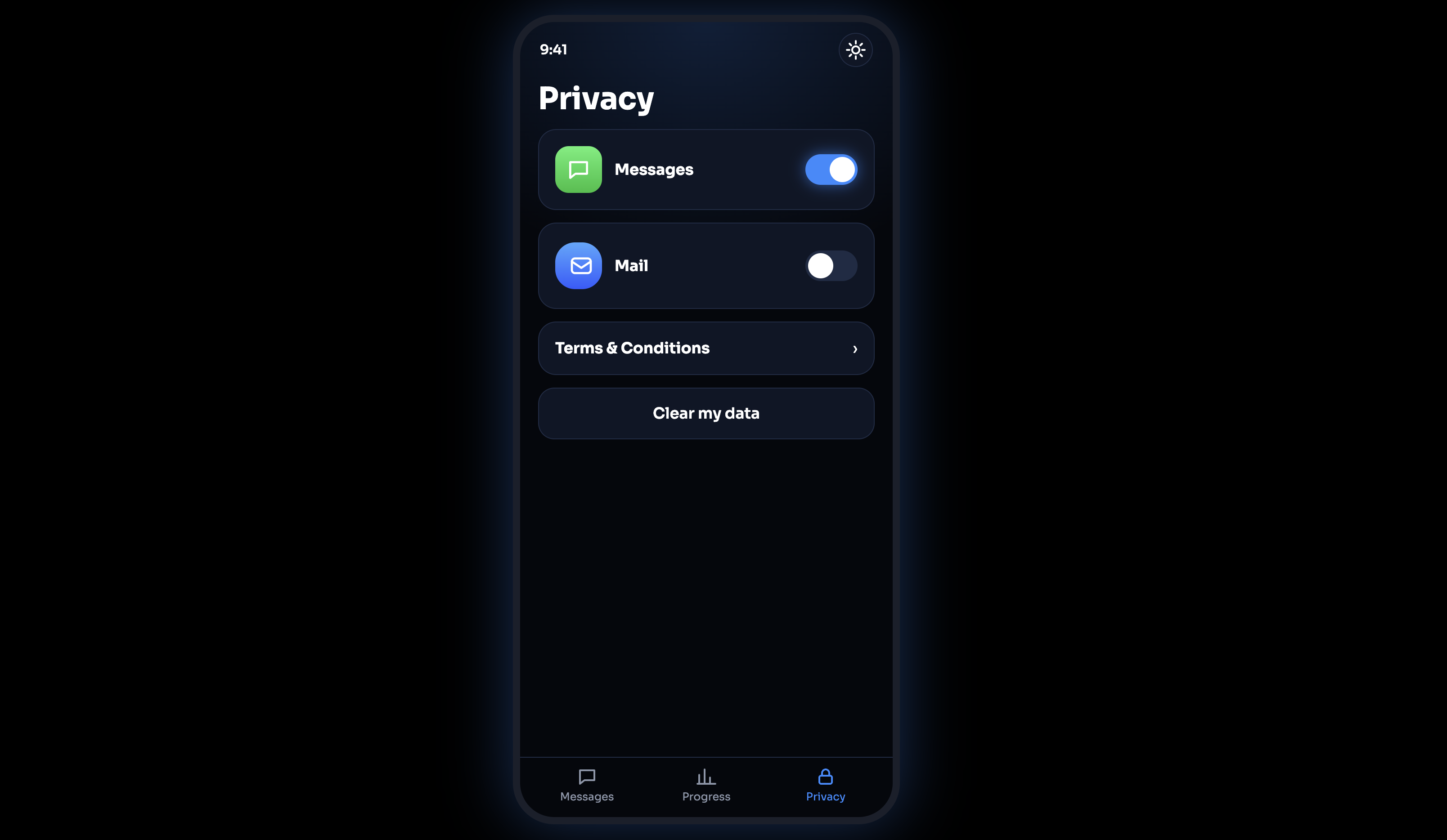
Home Page | Permissions & Privacy
-
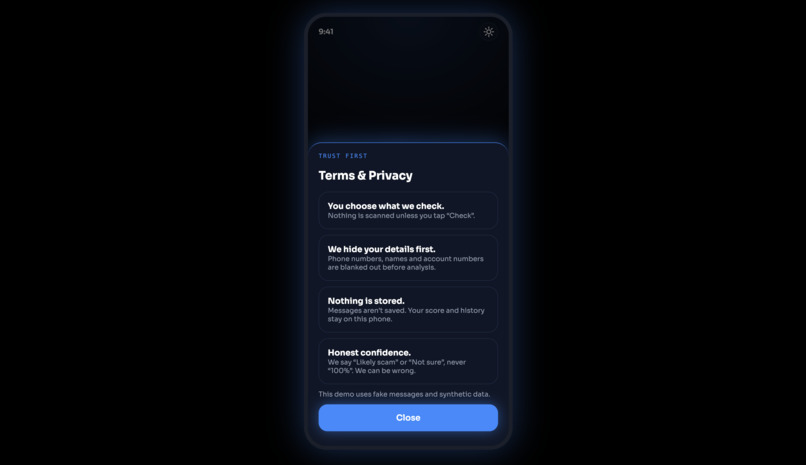
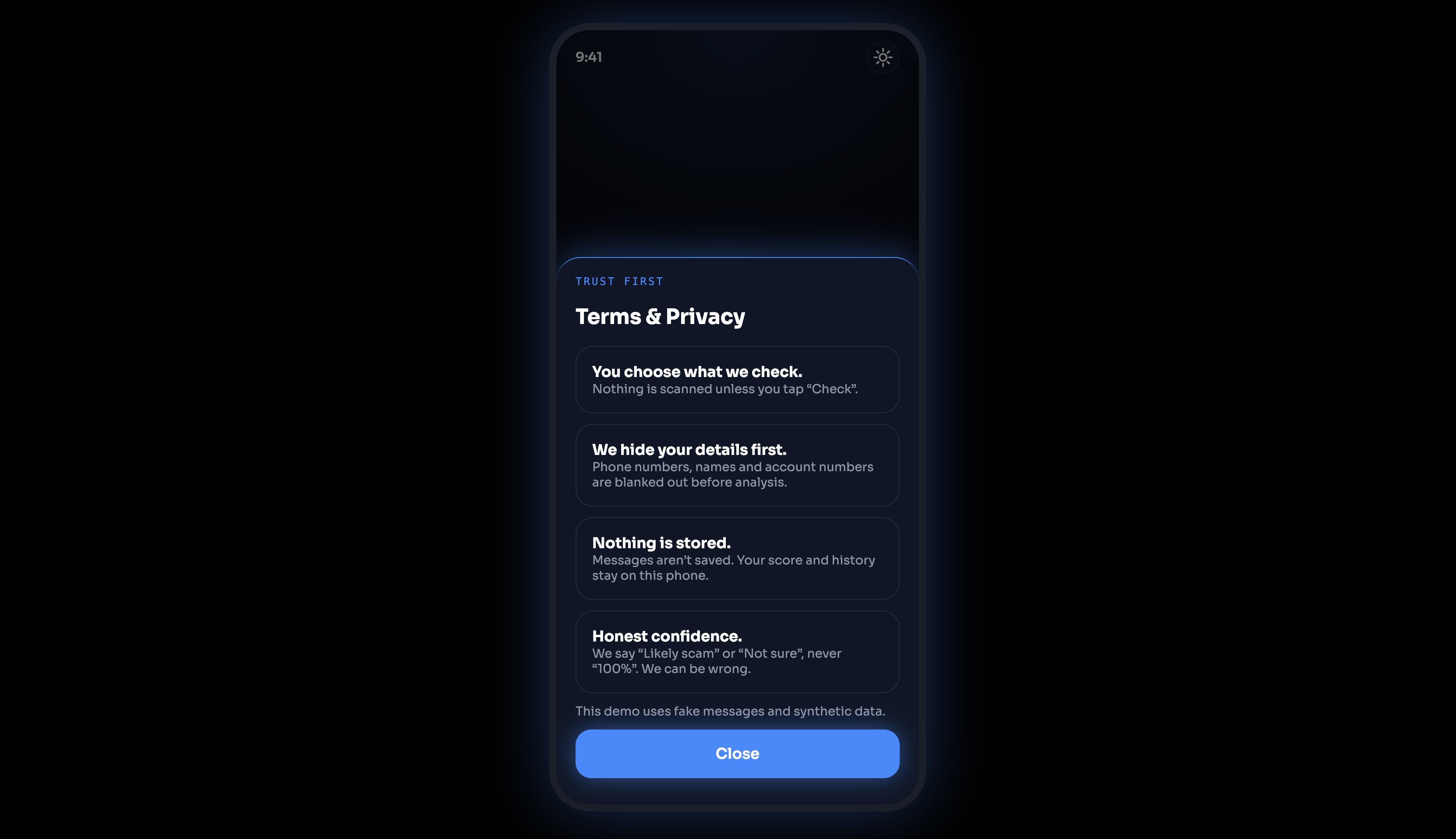
Terms & Conditions
-
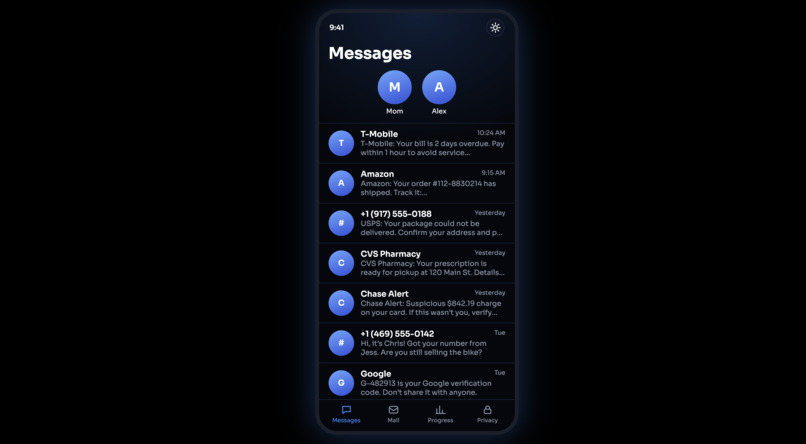
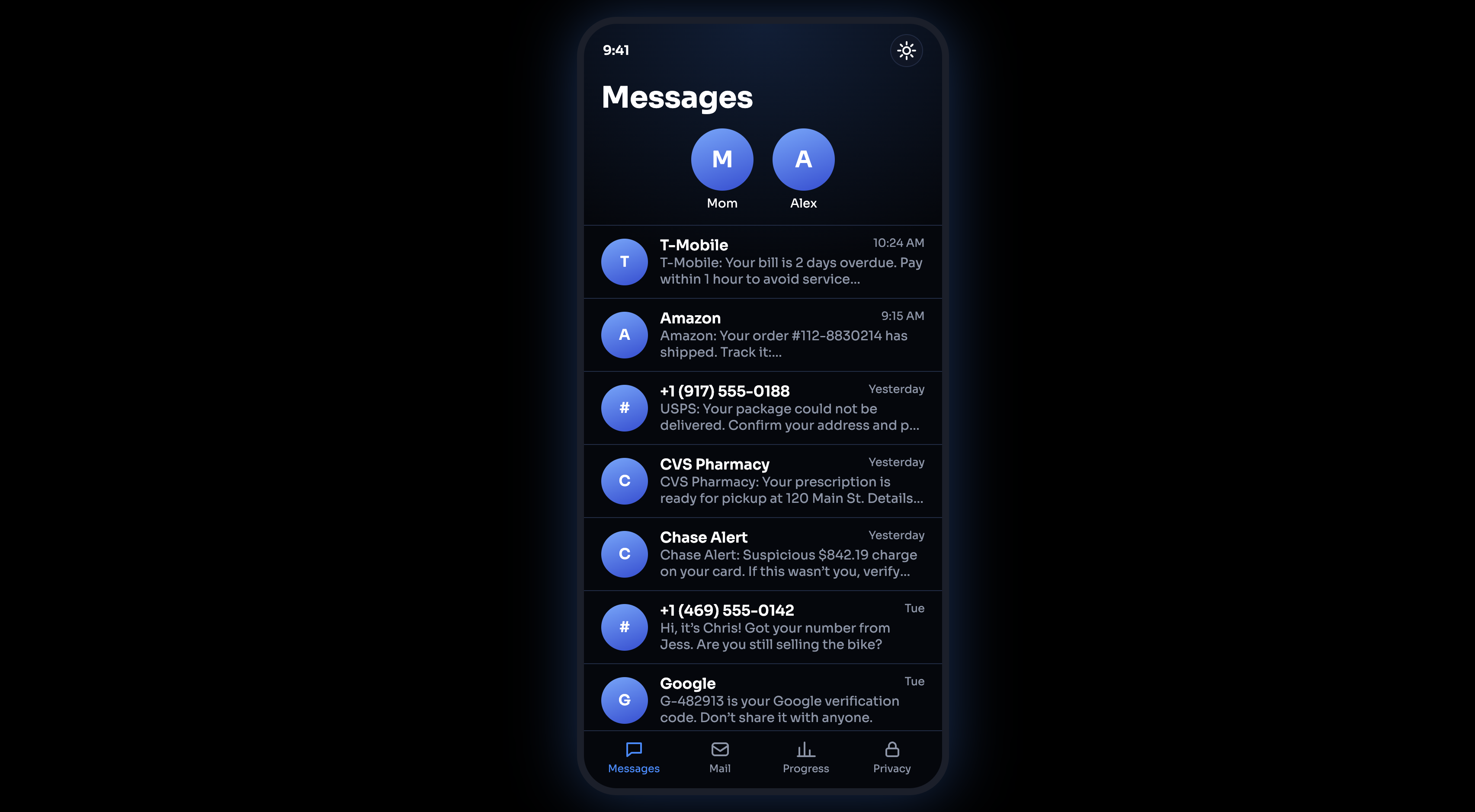
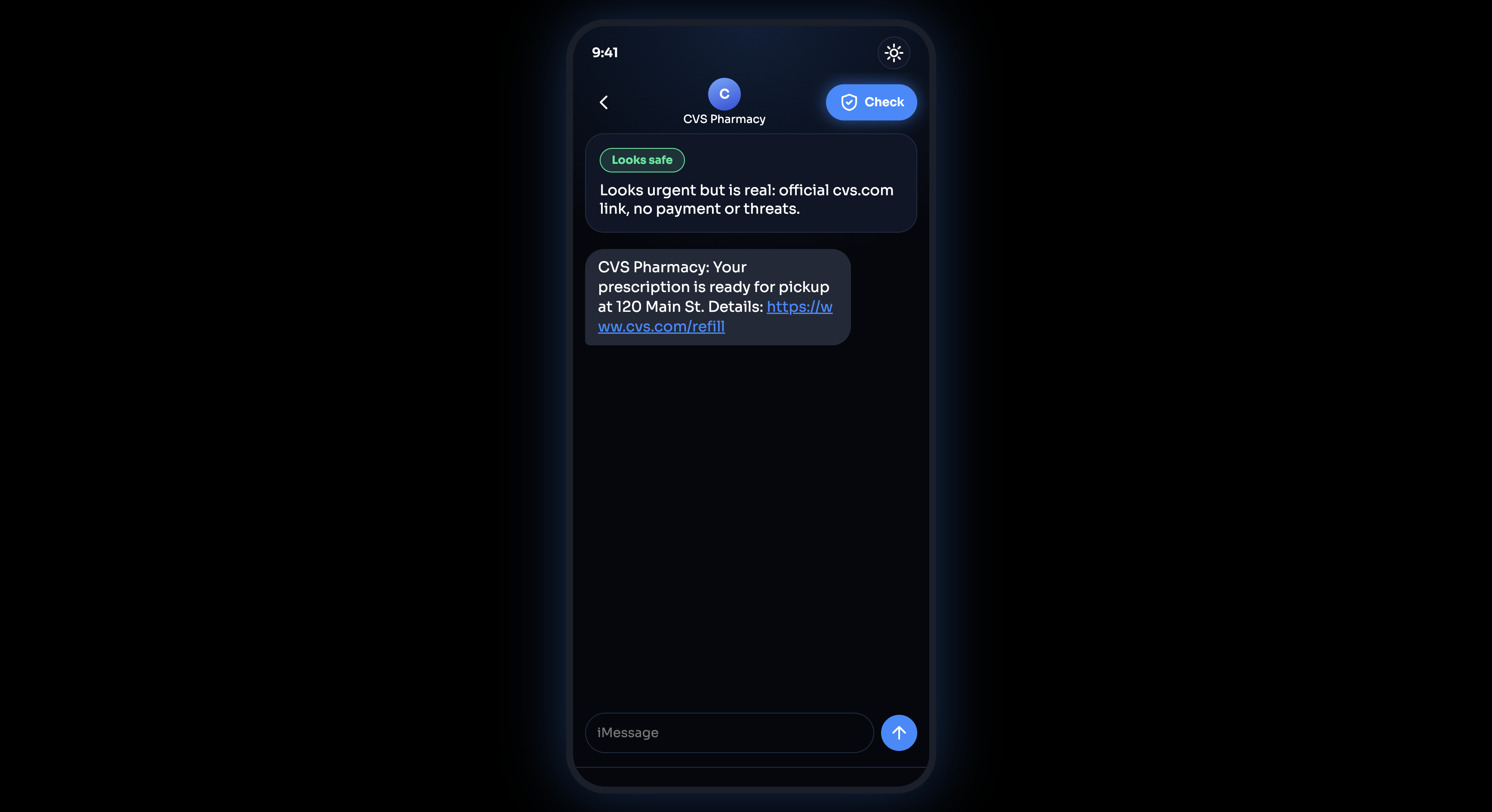
Messages Display
-
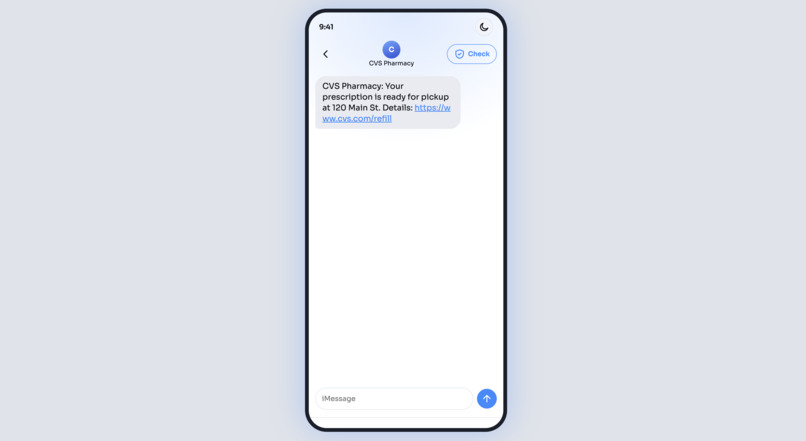
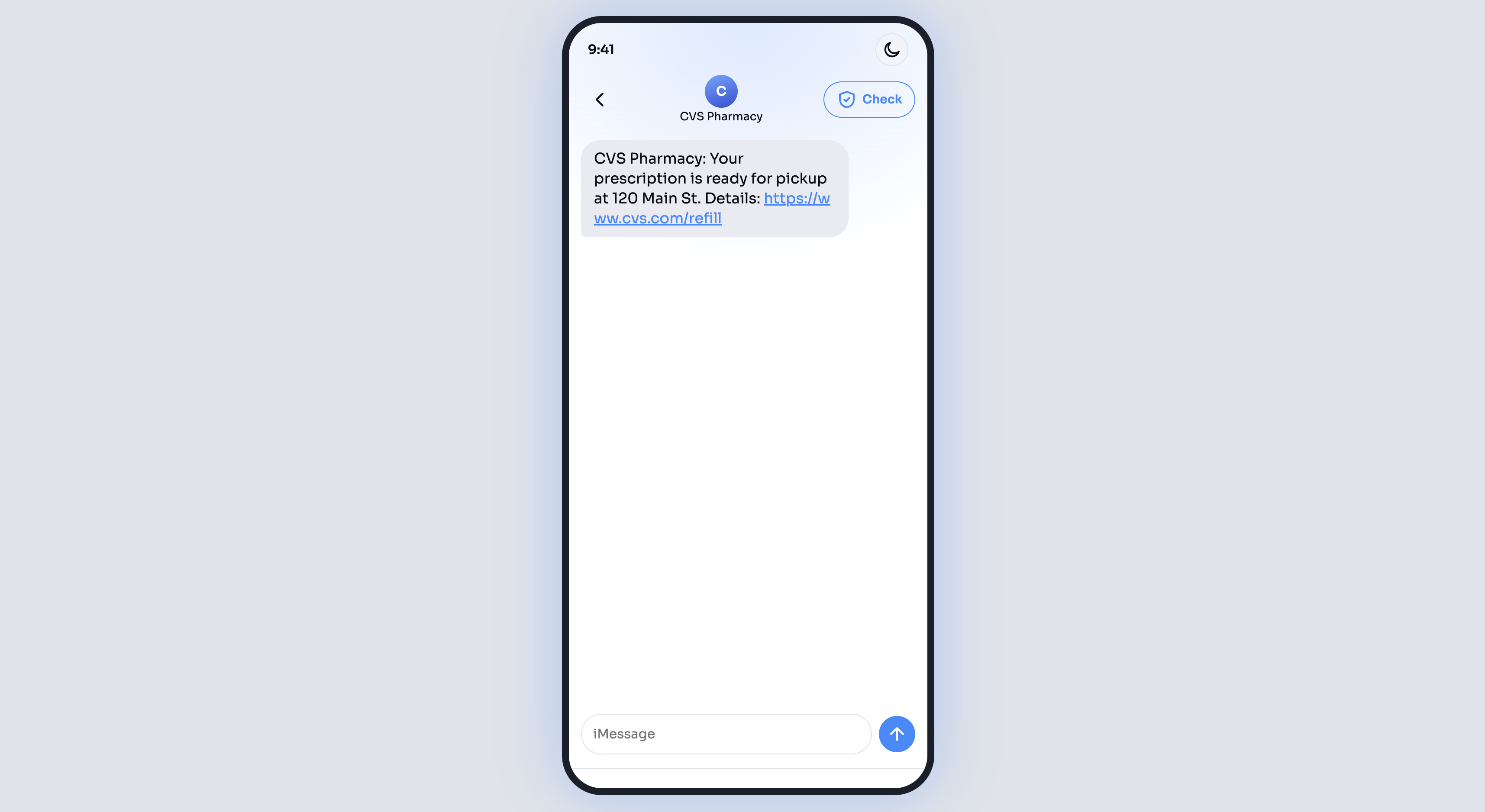
Light Mode Feature | Messages Chat
-
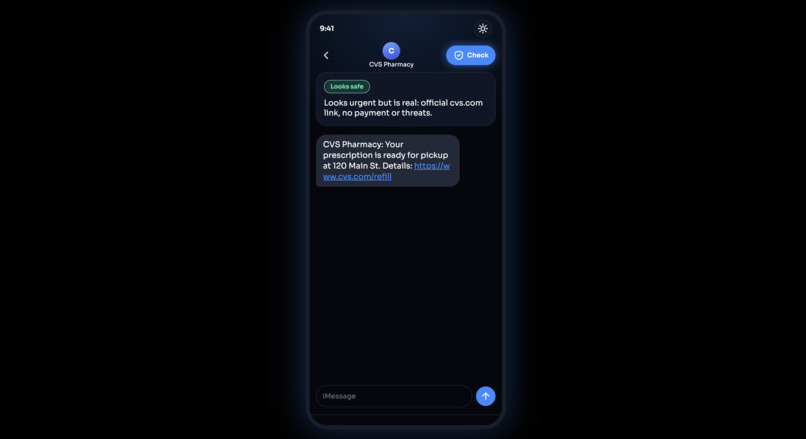
Checking of Message Credibility
-
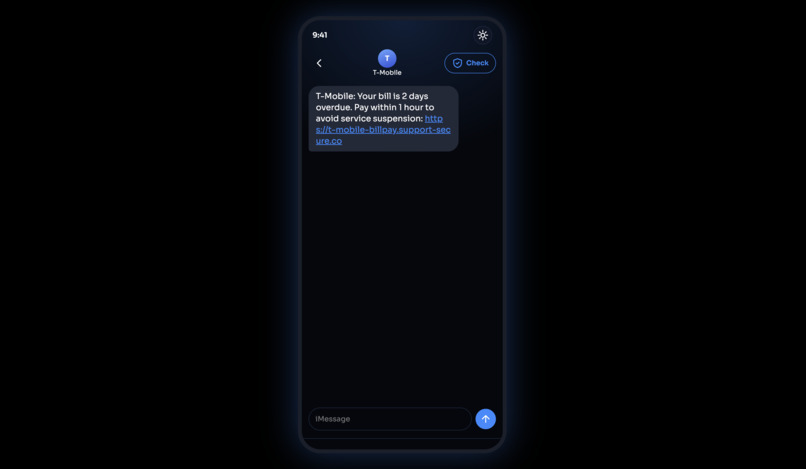
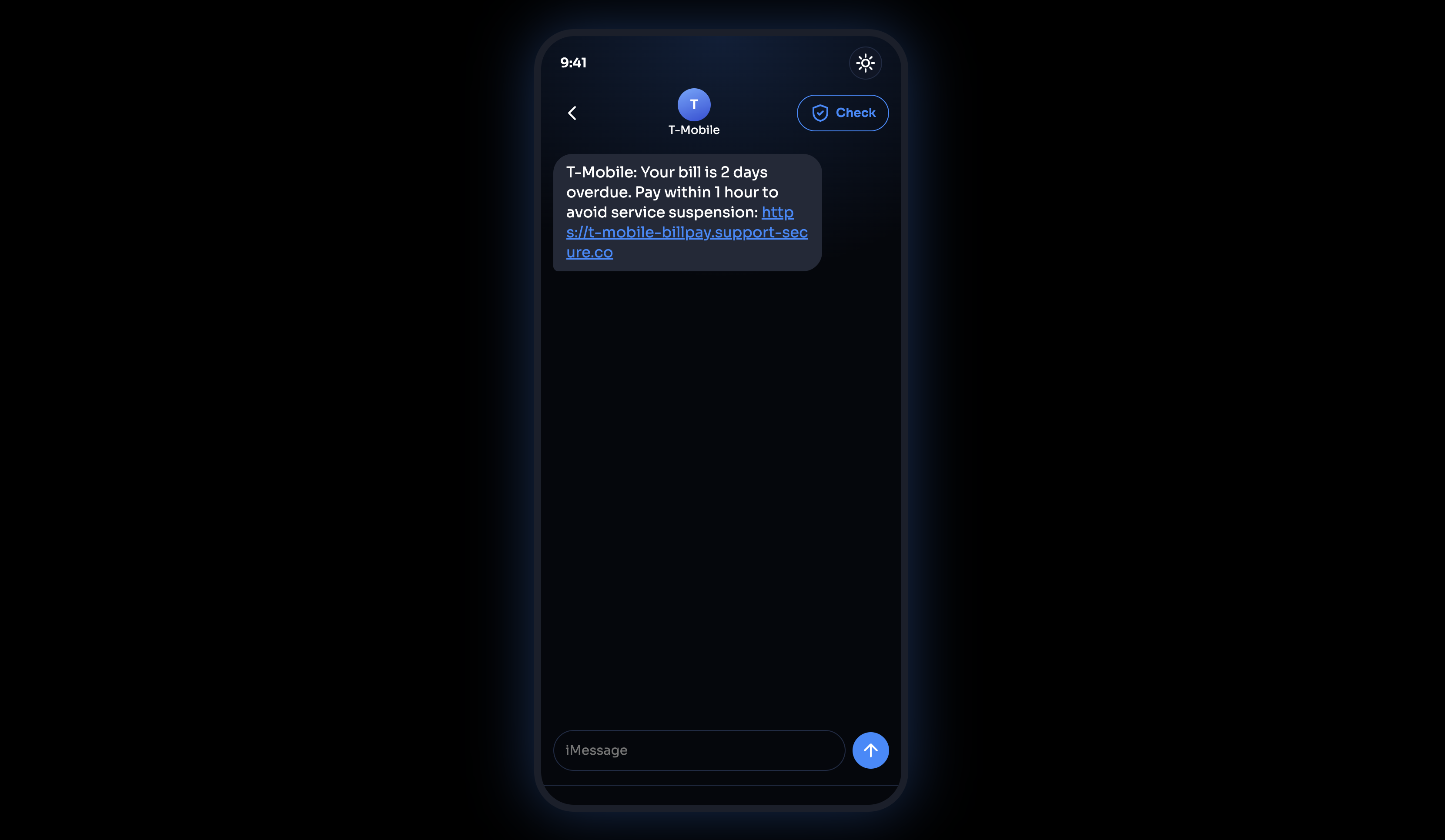
Another Message Example
-
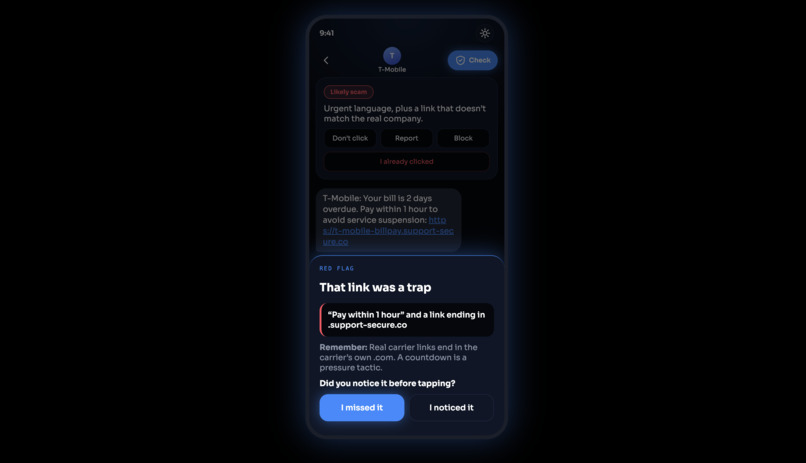
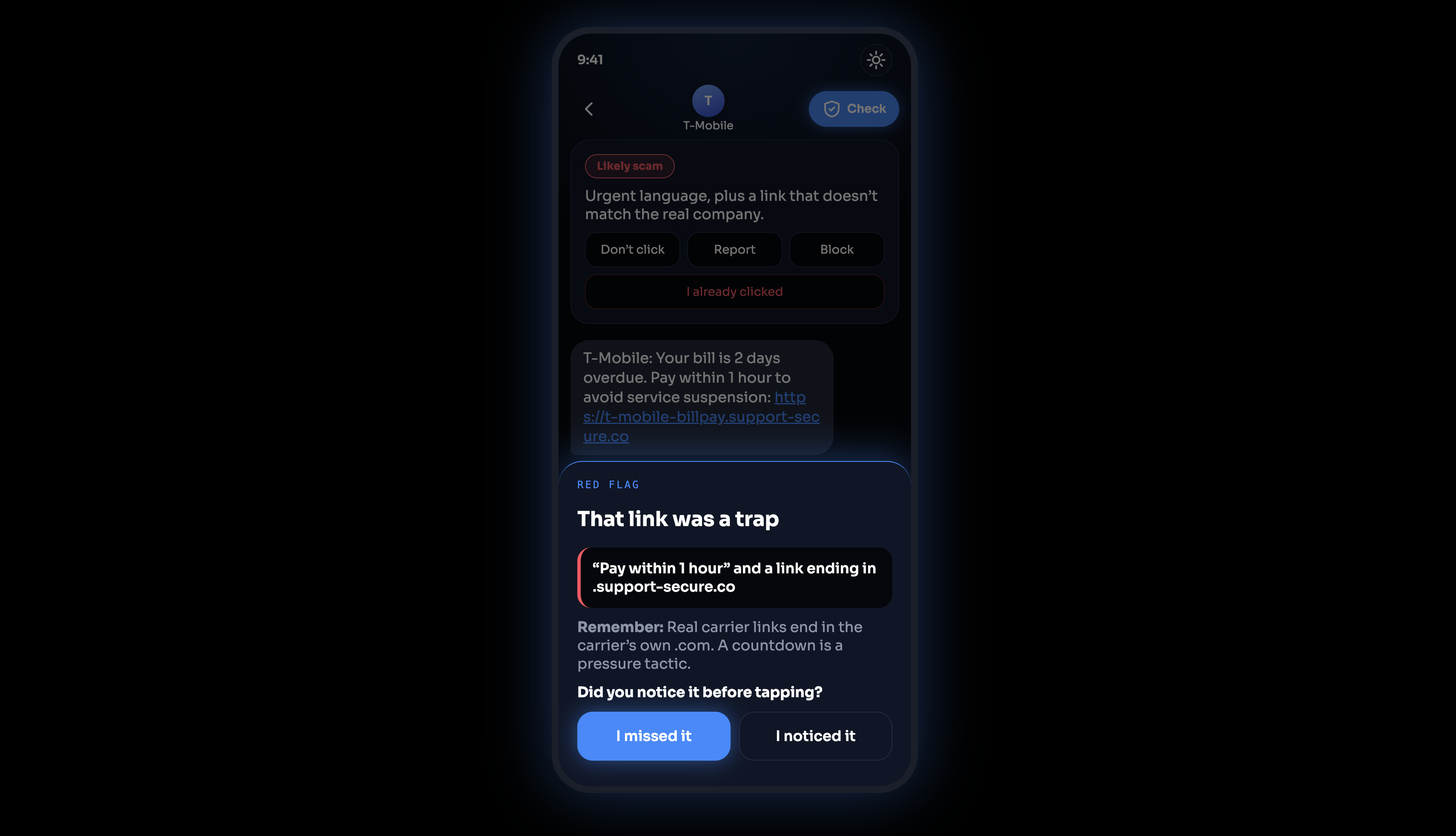
Warning | Detection of Scam
-
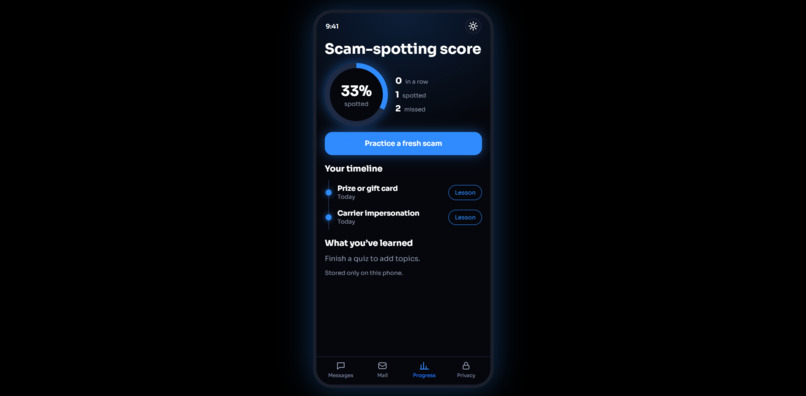
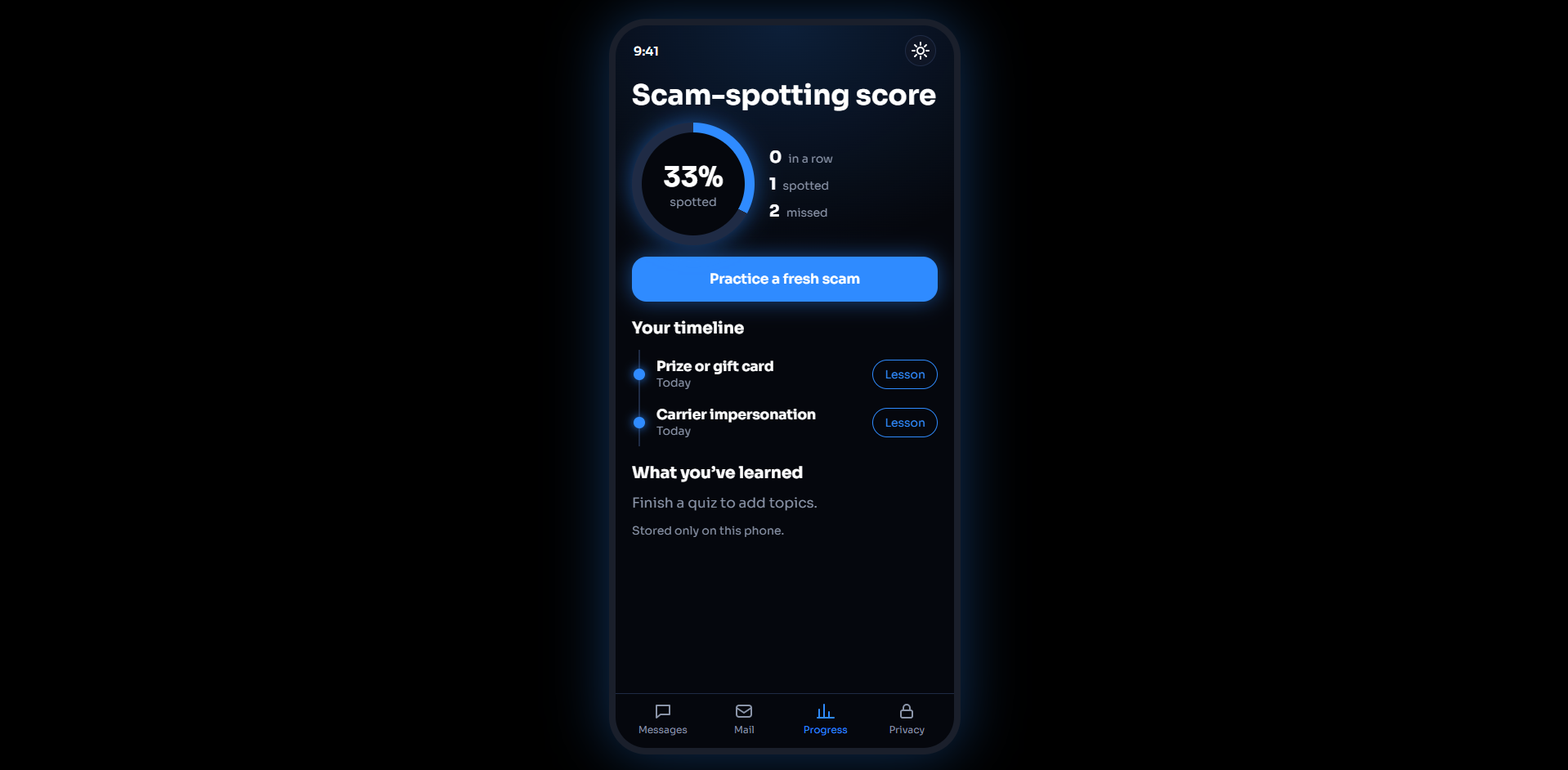
Accuracy Score & Timeline
-
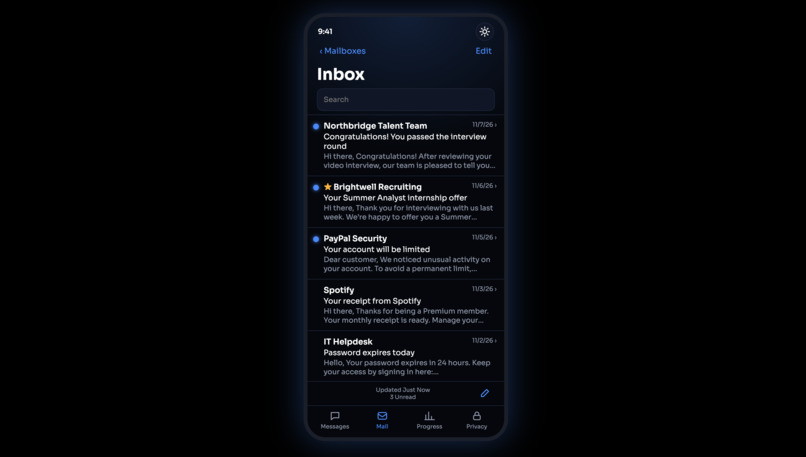
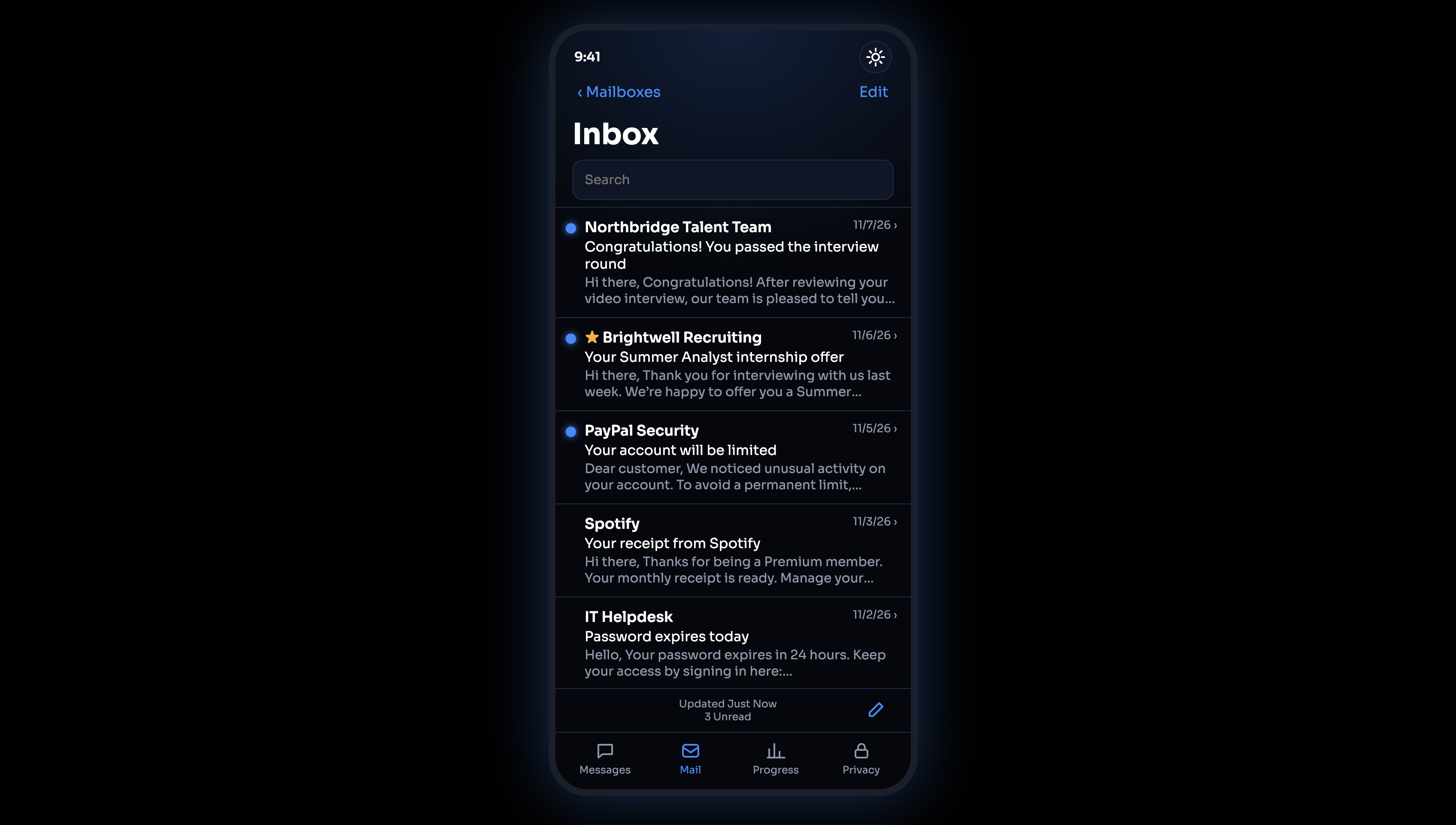
Mail Display
-
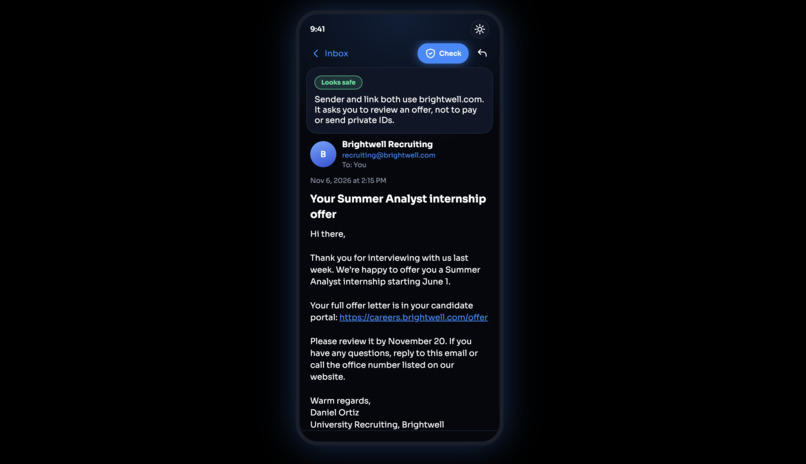
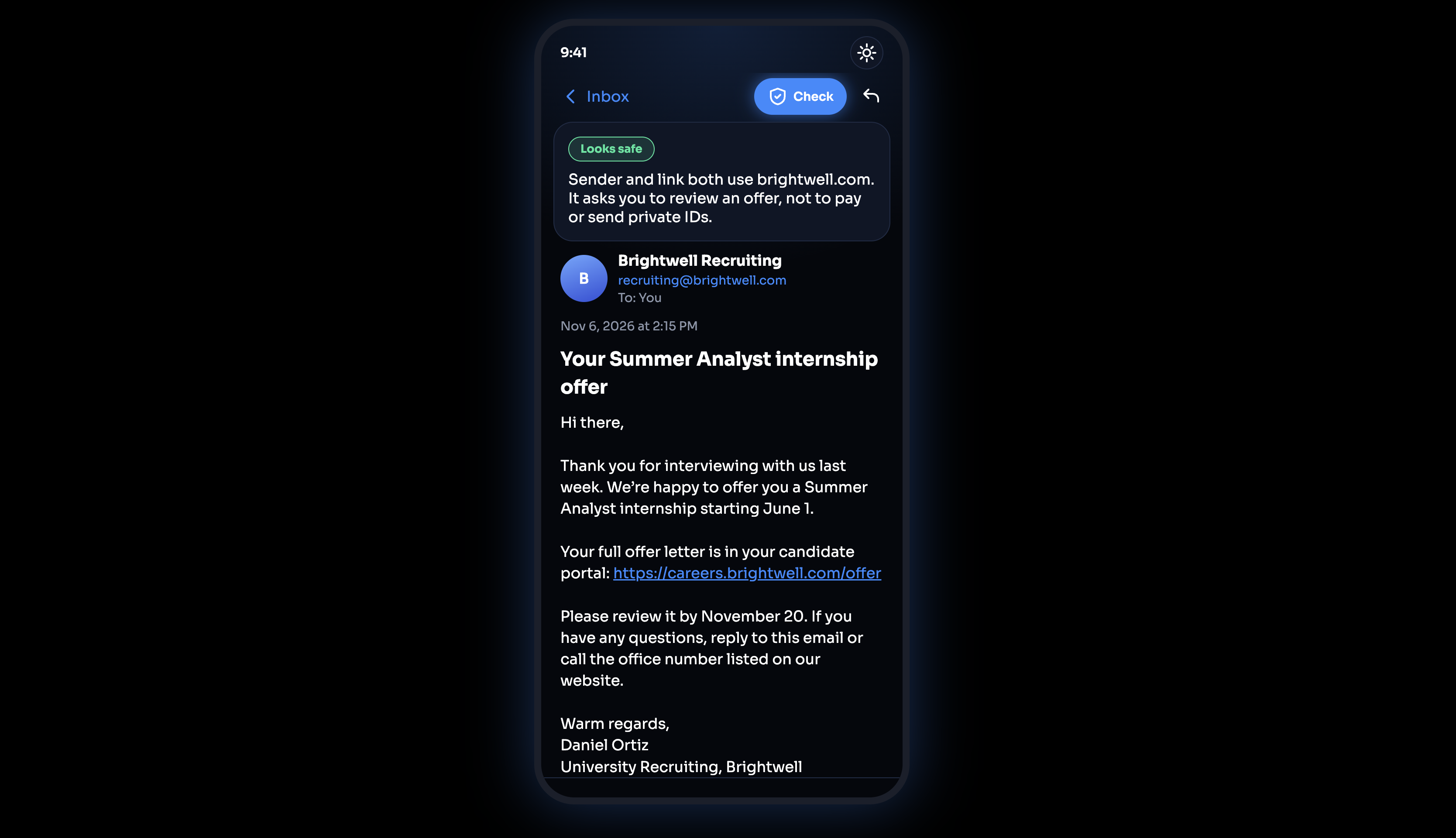
Checking of Credibility of Mail
-
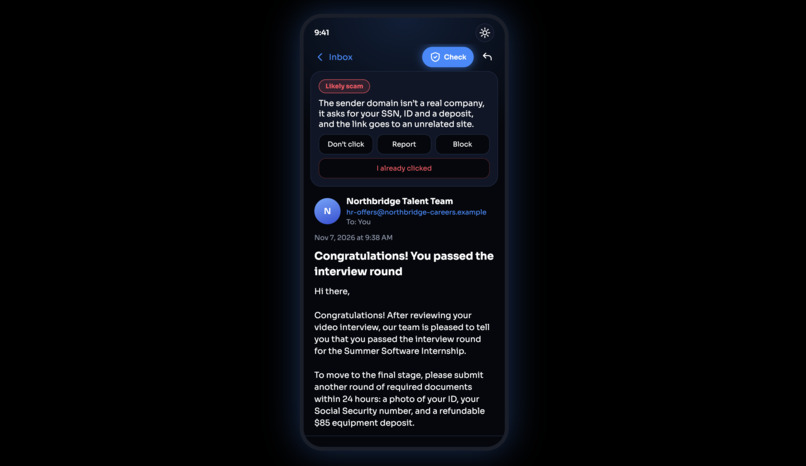
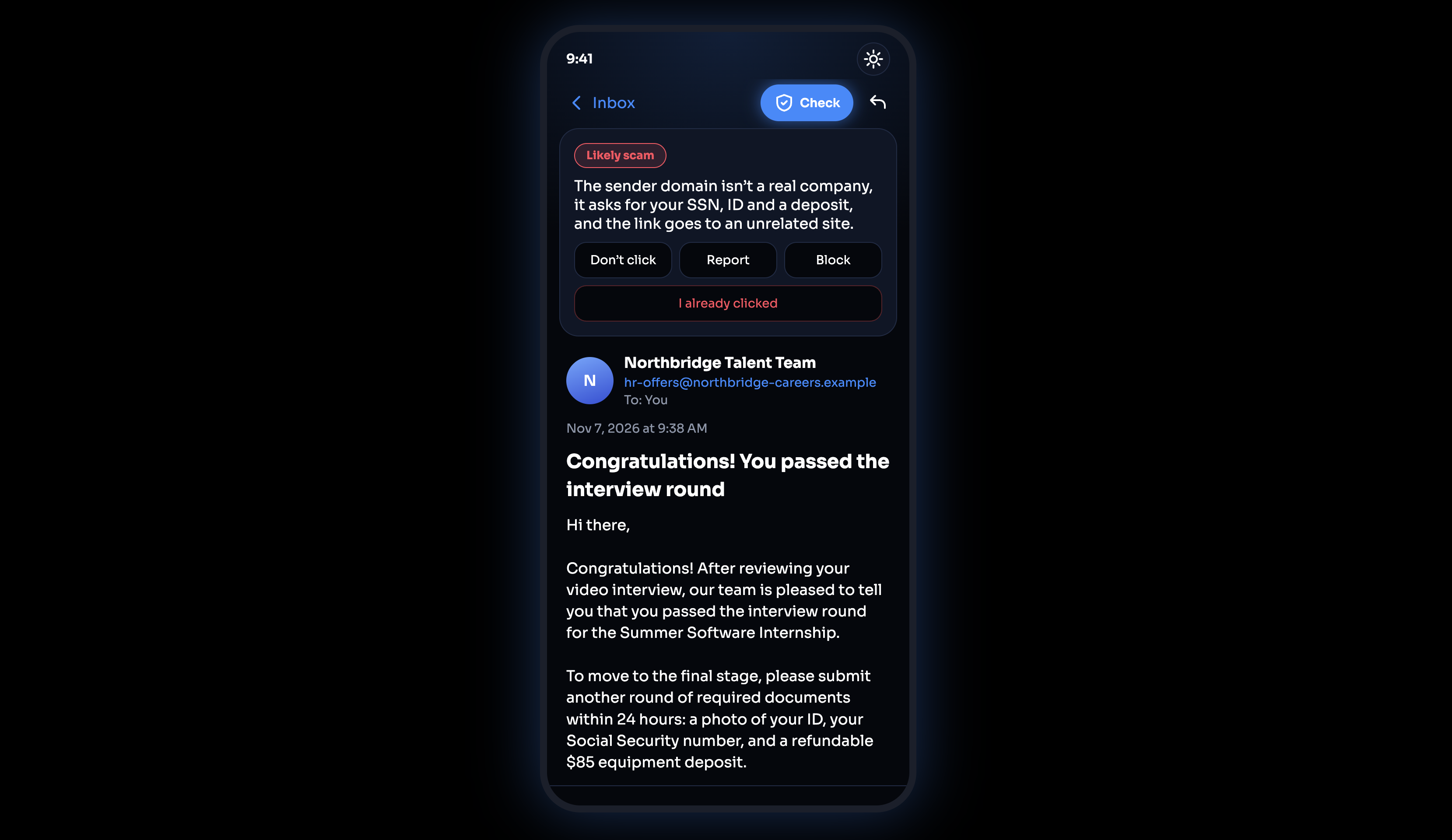
Email Fraud Detected
-
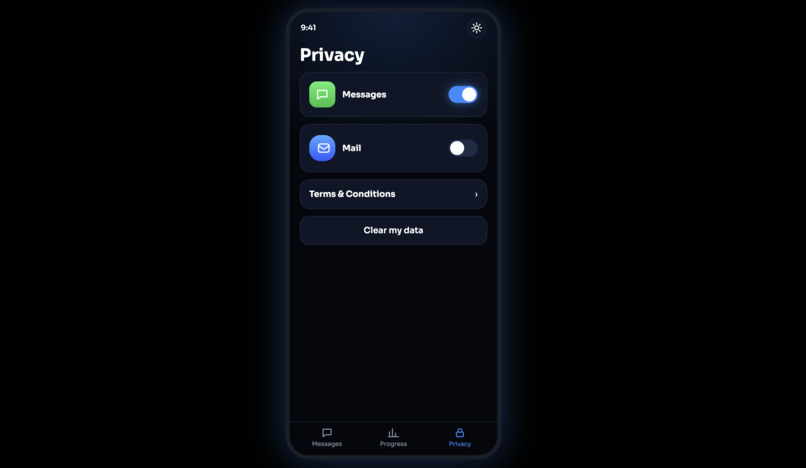
Privacy & Personalization
Inspiration
Have you ever come close to falling for a fraudulent message? It happens to the best of us, and in a workplace setting, a single click can compromise an entire organization. While enterprise phishing simulation tools exist, they are often dry, unintuitive, or fail to actually educate the user in a meaningful way. We wanted to bridge this gap by creating an accessible, user-friendly application that can be used by anyone, but is specifically optimized to proactively train employees. By providing an engaging, hands-on learning experience, we aim to transform an organization's biggest vulnerability—human error—into its strongest line of defense against modern scams
What it does
Phish n' Release is an educational application that periodically sends users simulated spam and phishing SMS messages. If a user falls for the simulation and interacts with the message, the app immediately launches an interactive walkthrough. This module breaks down the anatomy of the message, highlighting the specific red flags that indicate it was a scam. By providing a real-time perspective on why a link is dangerous and what signs to look for, we empower users to confidently evaluate and handle suspicious messages in the real world.
How we built it
Research & Ideation: We started by identifying crucial educational features needed to supplement standard scam detection, ensuring users actually learn to detect scams on their own. UI/UX Design: We researched UI trends to determine what makes an app engaging, then built standard wireframes in Figma prioritizing usability and modern design metrics. Front-End Development: We translated our Figma wireframes into clean HTML/CSS to serve as the functional baseline for our interface. Prototyping: We simulated demo data to successfully display the app's core educational loop and functionality. Polishing & AI Integration: We incorporated dynamic visual elements—like a custom animation on our home screen—and leveraged AI tools to streamline our workflow and enhance our design ideas.
Challenges we ran into
Our team navigated several technical hurdles throughout the project. First, we had to learn Figma on the fly, navigating its design and prototyping tools before figuring out how to successfully convert those wireframes into functional HTML/CSS. We also faced UI styling challenges, specifically having to painstakingly adjust our simulated mail environment so it accurately mirrored a real iOS mail application. Finally, to cleverly allude to "phishing," we wanted a custom fish animation on our homepage. Getting the movement just right took a lot of trial and error, but we persisted until it fell into place perfectly.
Accomplishments that we're proud of
We are incredibly proud of our team synergy. Despite meeting for the very first time, we collaborated seamlessly and played to each other's strengths. We're also thrilled with how professional our interface looks thanks to our rapid crash course in Figma, and we are amazed that we successfully designed, coded, and delivered a polished product under the intense pressure of a 24-hour crunch.
What we learned
We leveled up significantly in both hard and soft skills. On the technical side, we learned rapid prototyping to build a viable working demo with limited time, and we learned how to effectively integrate AI tools to make our workflow as smooth as possible. Just as importantly, we learned critical time management and how to quickly divide roles and delegate tasks based on each teammate's individual strengths when working with new people.
What's next for Phish n' Release
Our next steps are to implement stronger, dynamic phishing prediction and detection algorithms. As scammers evolve, Phish n' Release will too, incorporating up-to-date identifiers for new types of social engineering to keep users informed of the latest methods. Ultimately, our vision is for this proactive education to become second nature for everyday users, just like multi-factor authentication is today.


