-
-
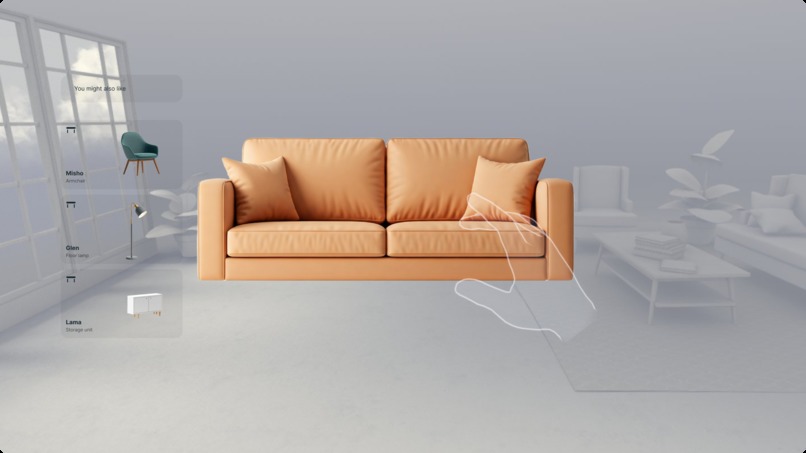
Feature to try items in context before buying
-
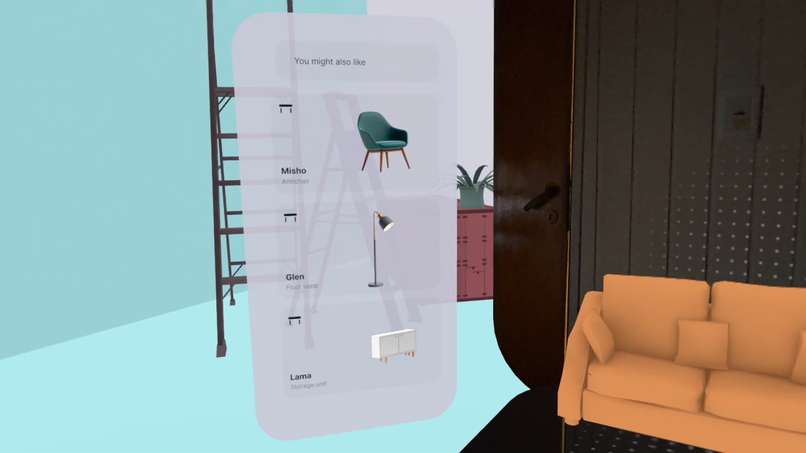
Cross-selling experience based on user's search
-
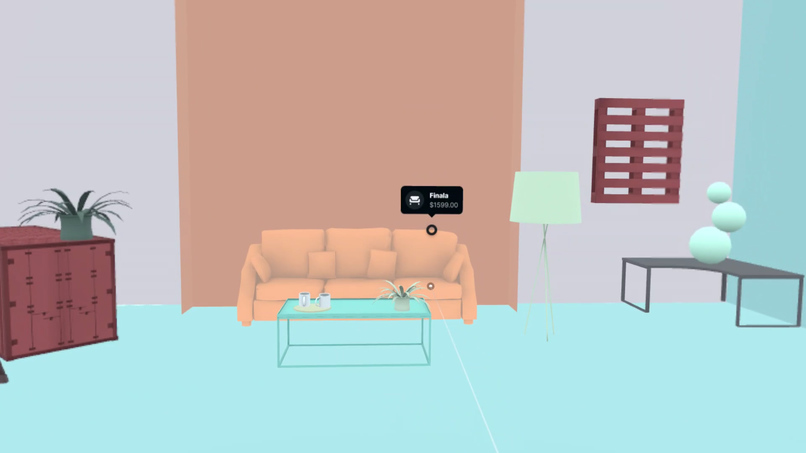
Immersive shopping tags
-
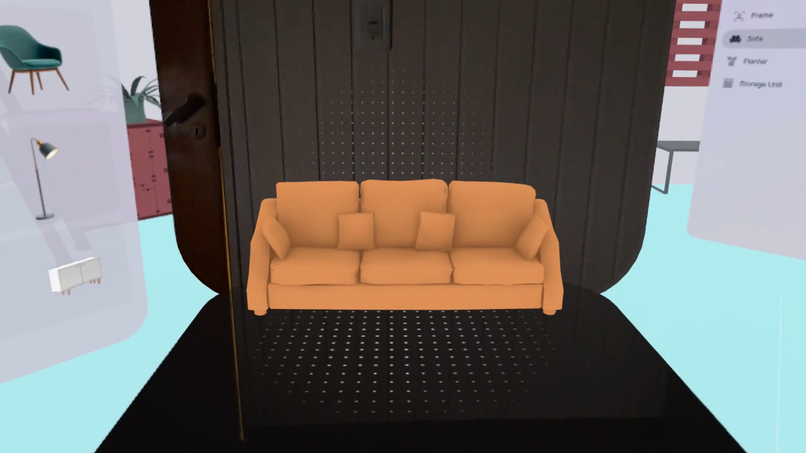
MR visualization
-
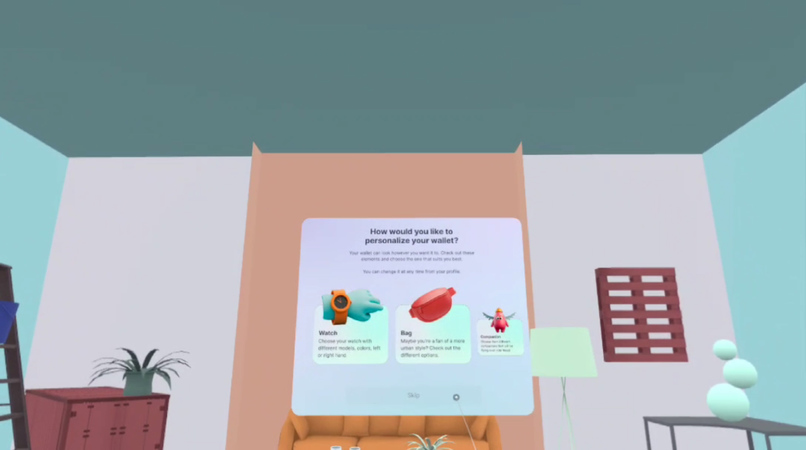
Wallet integration
-
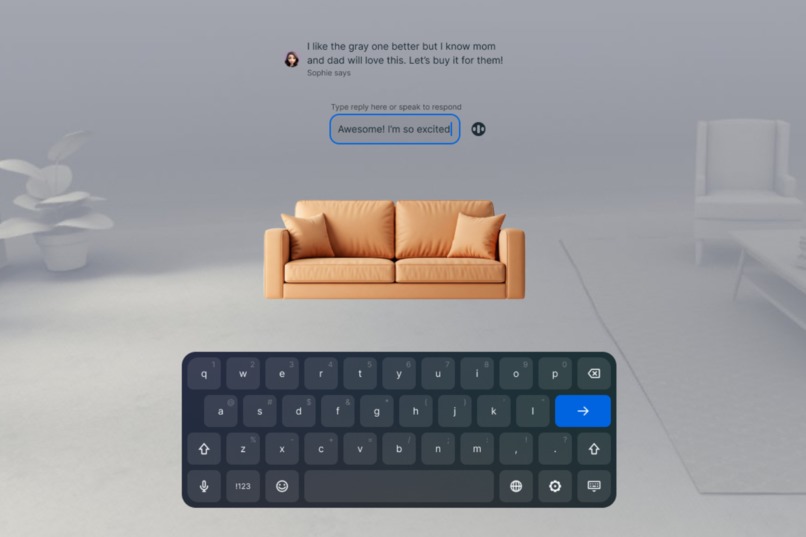
Multimodal built-in chat functionality
-
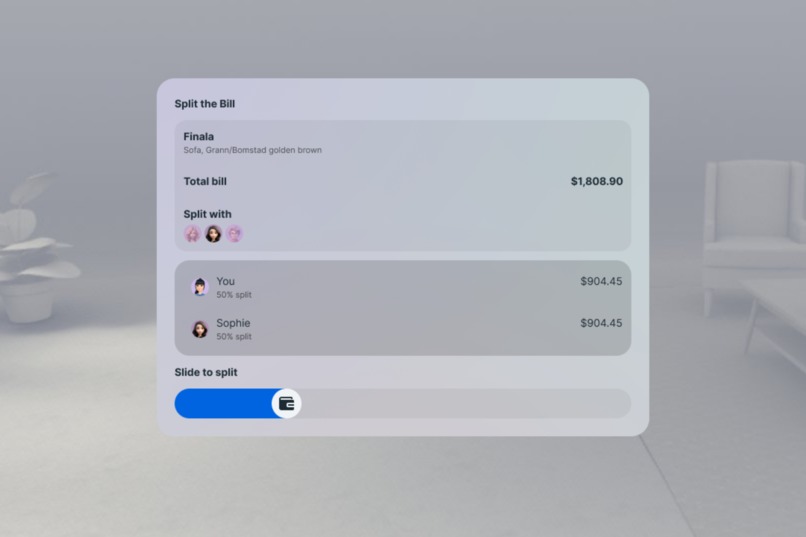
Split payment feature
-
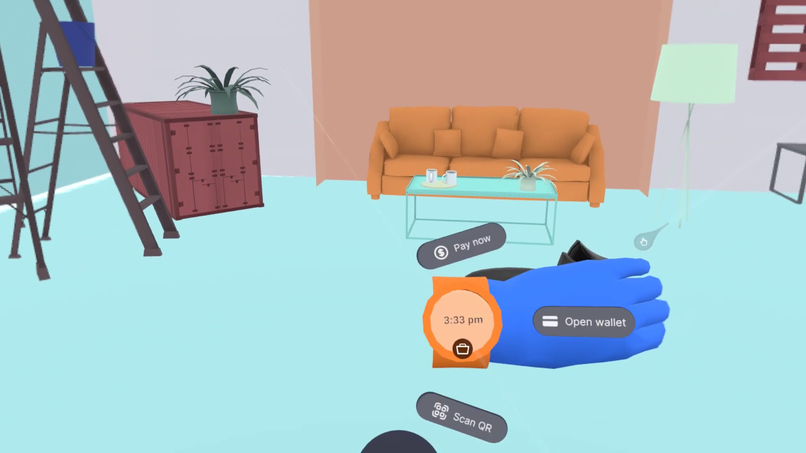
Wallet integration (watch)
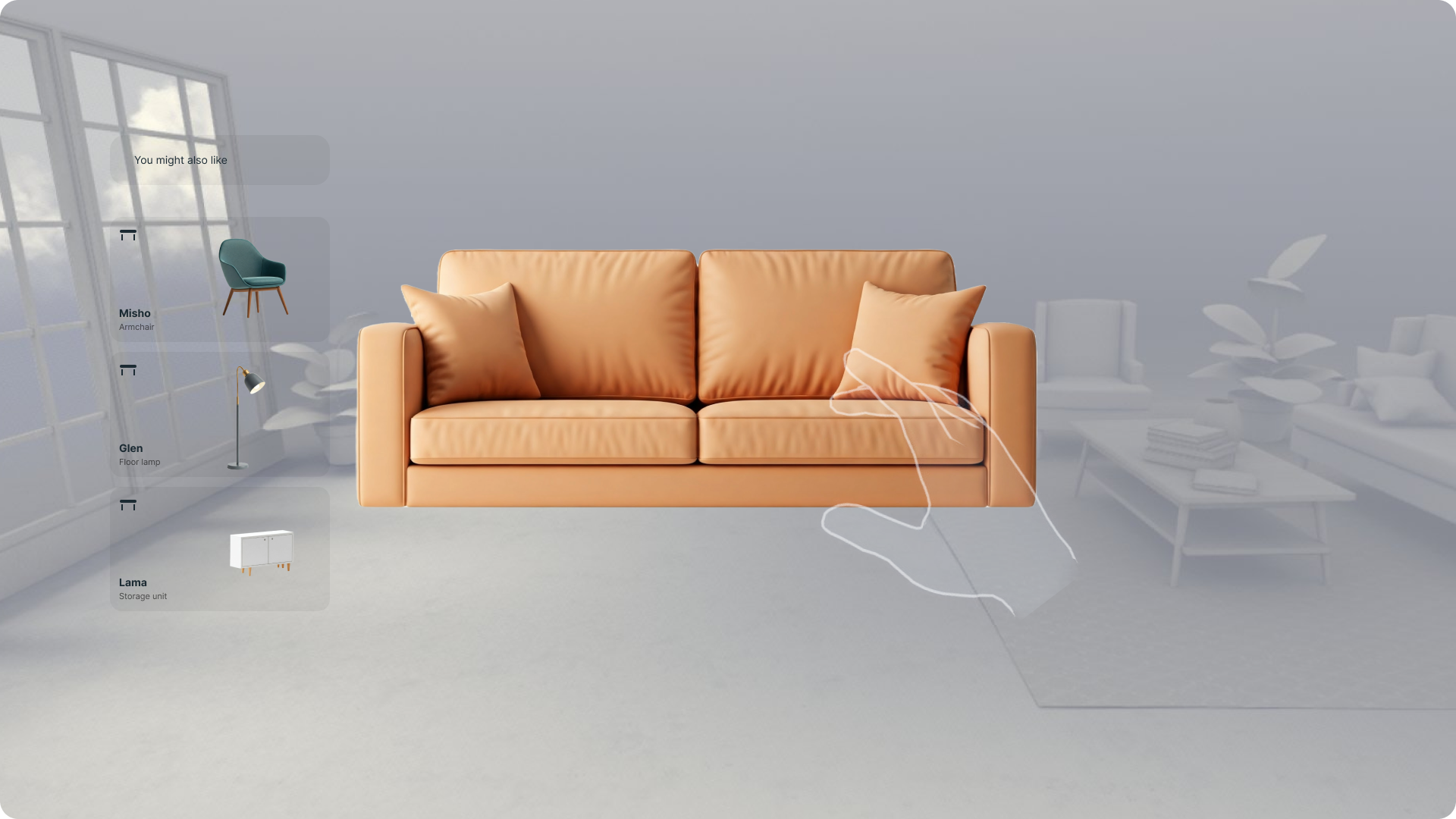
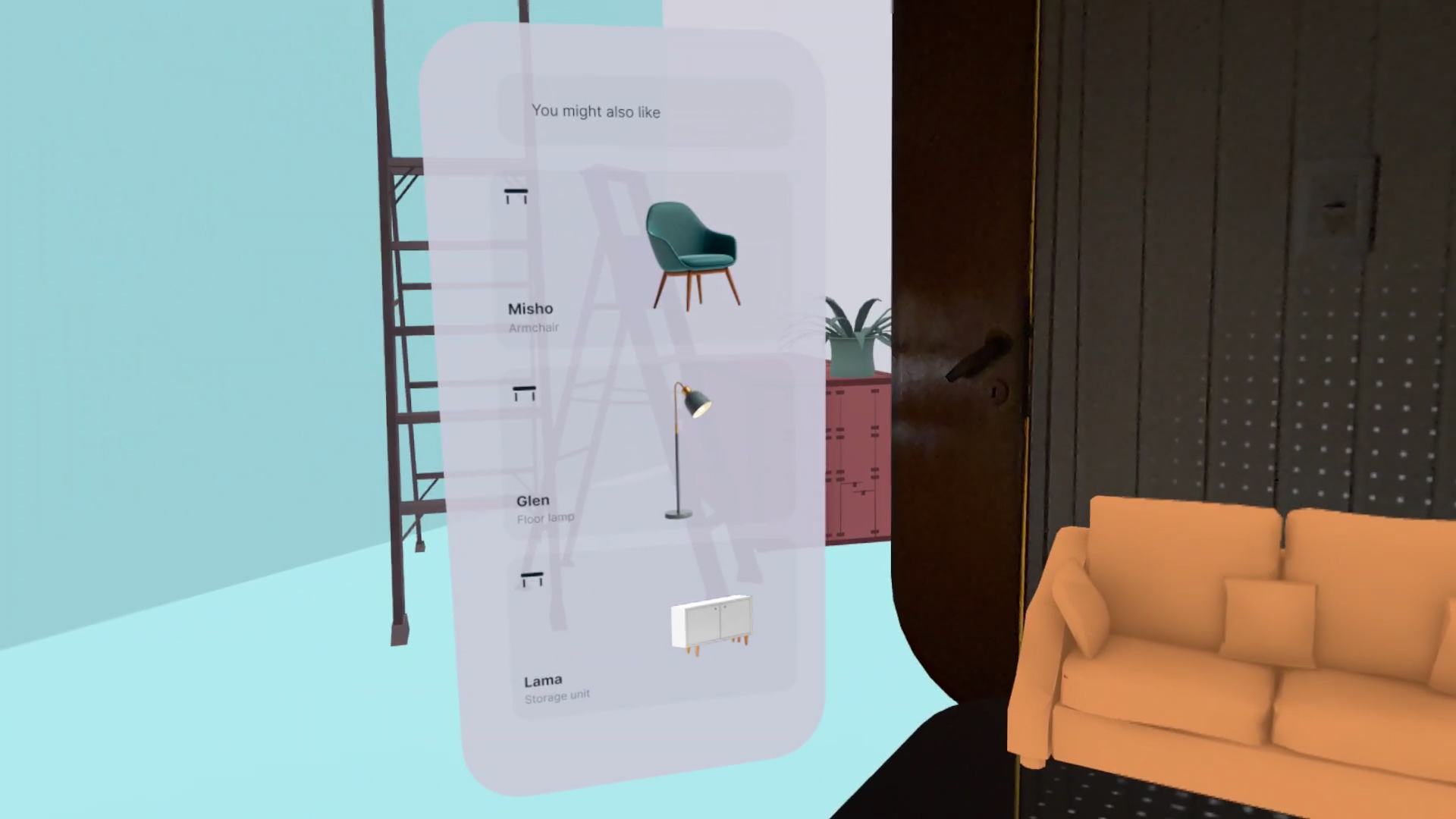
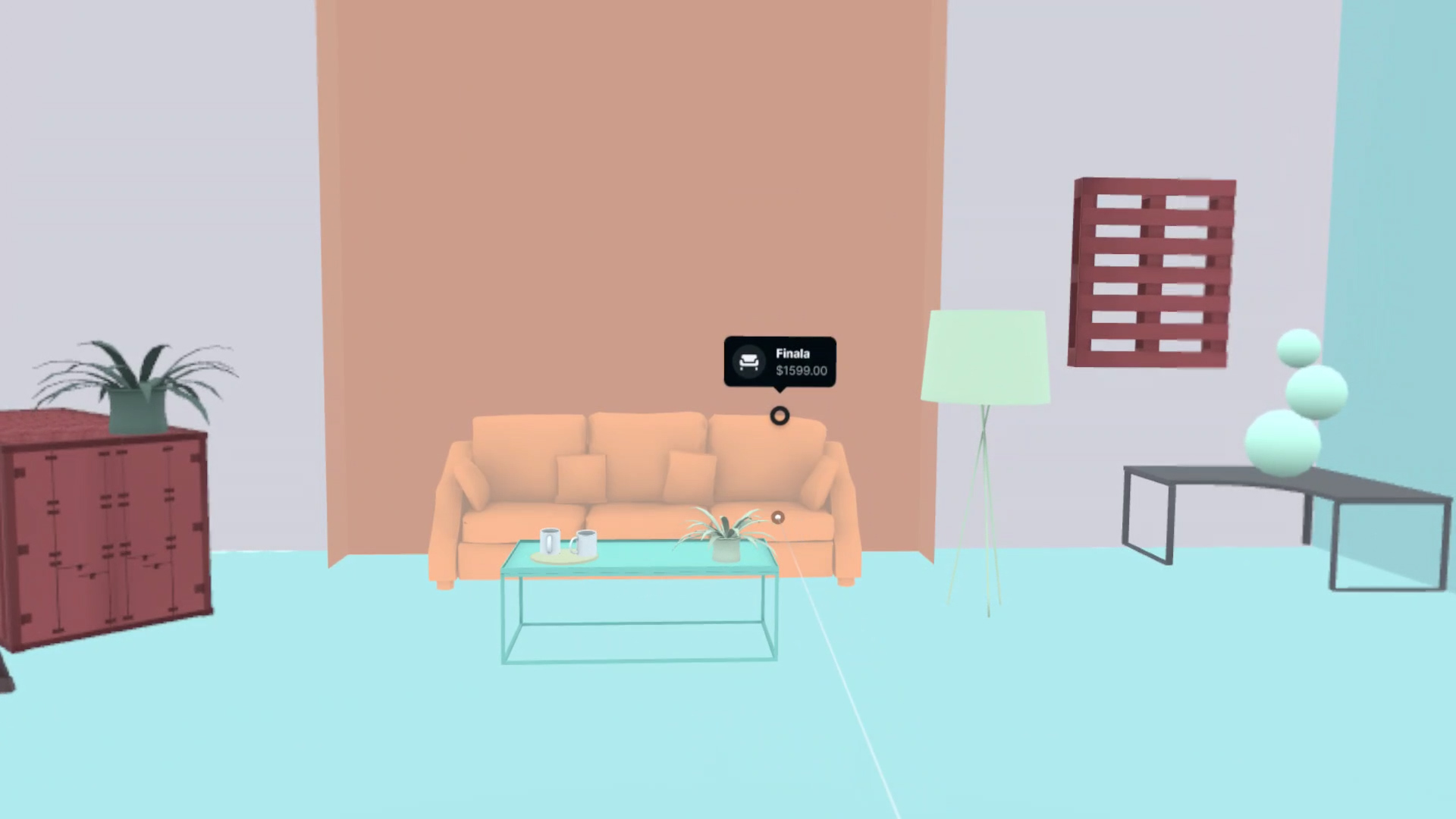
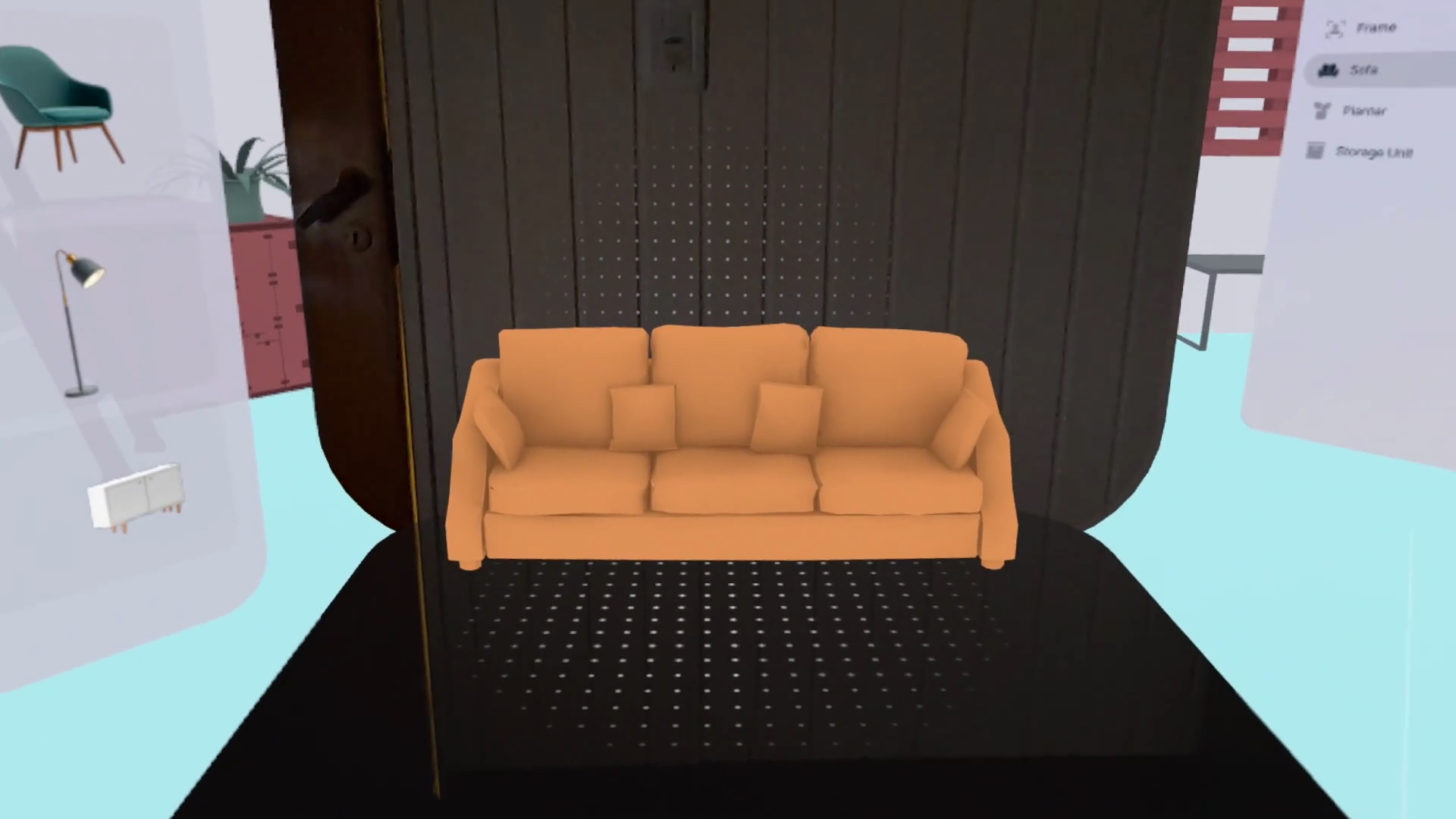
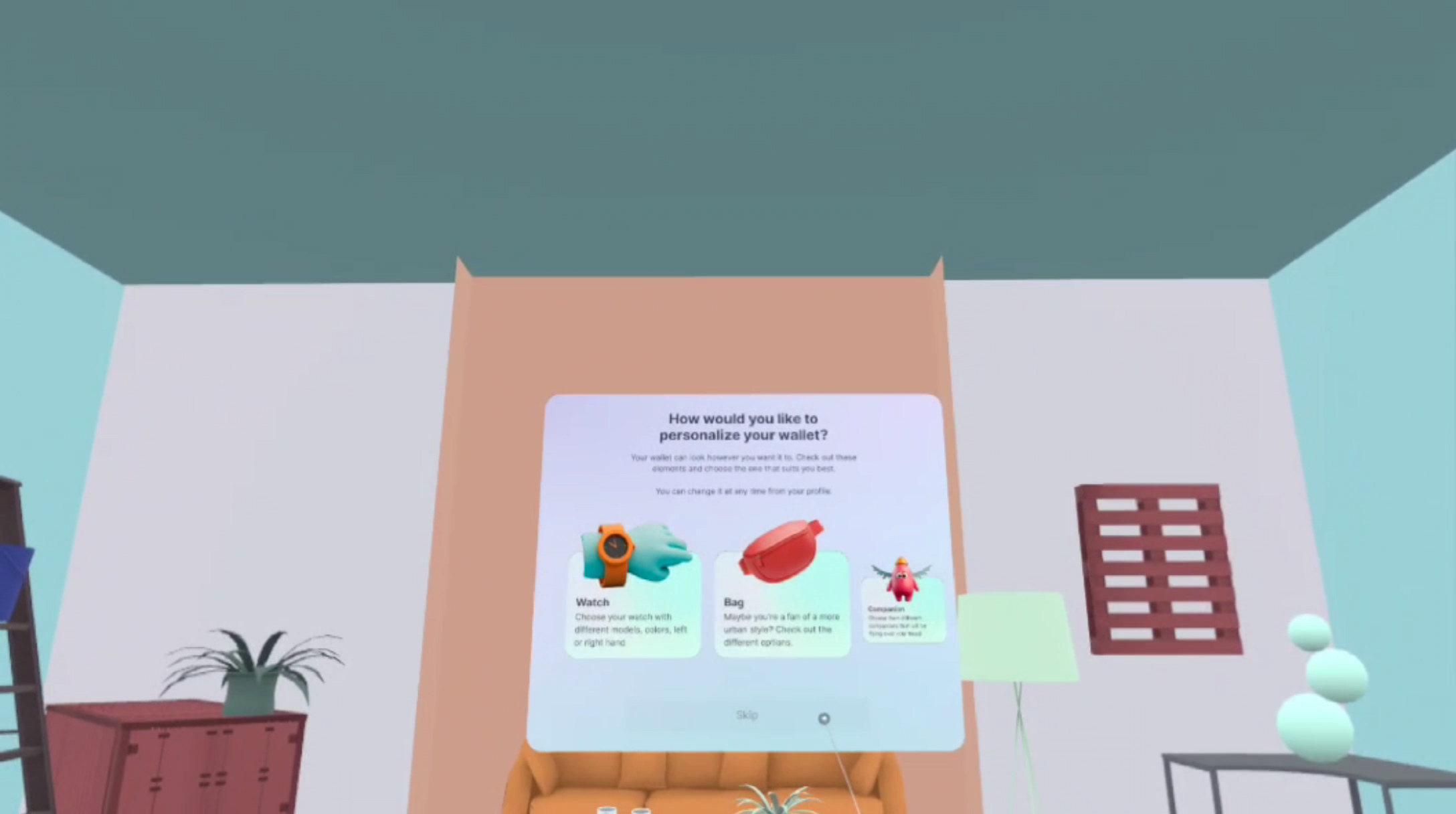
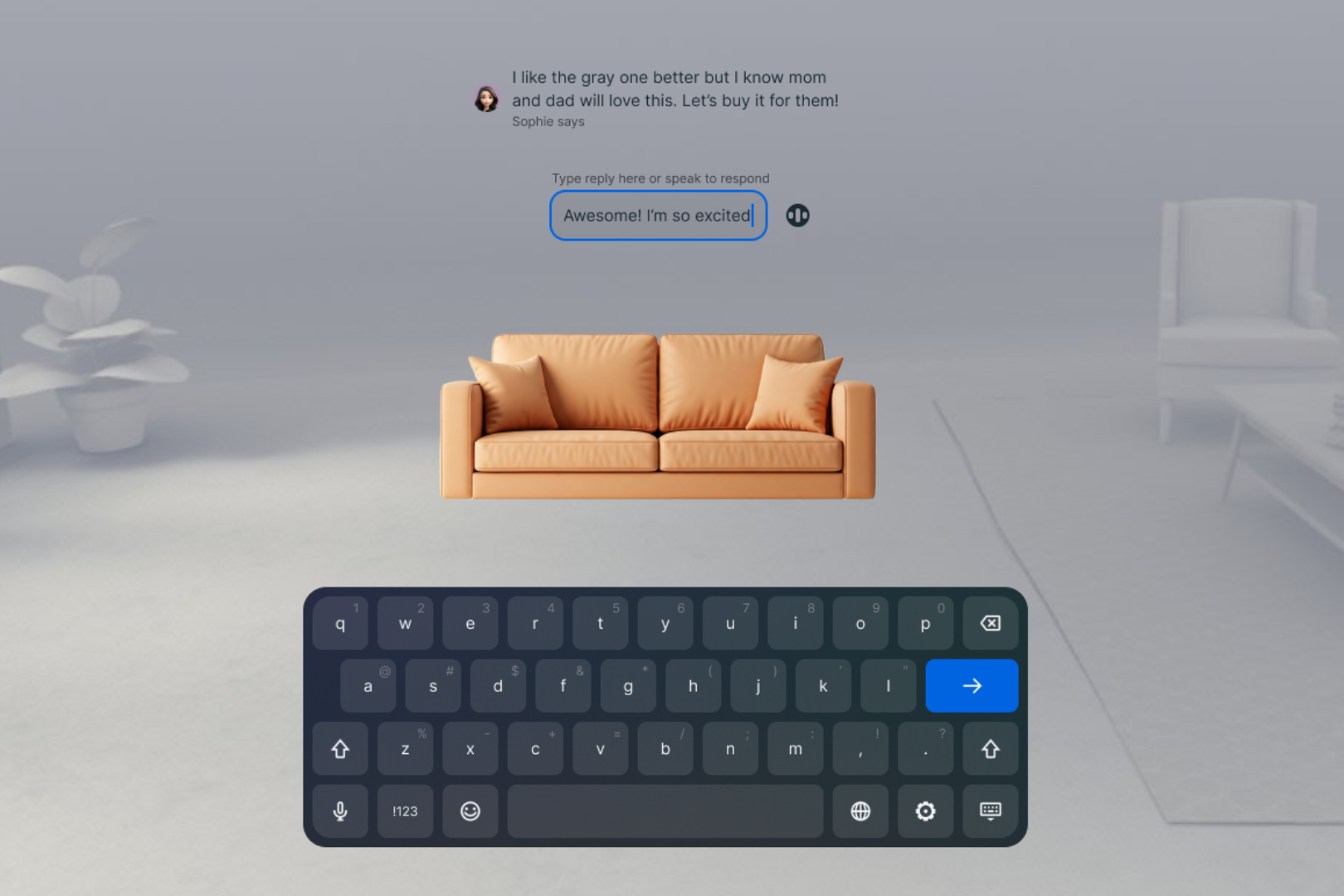
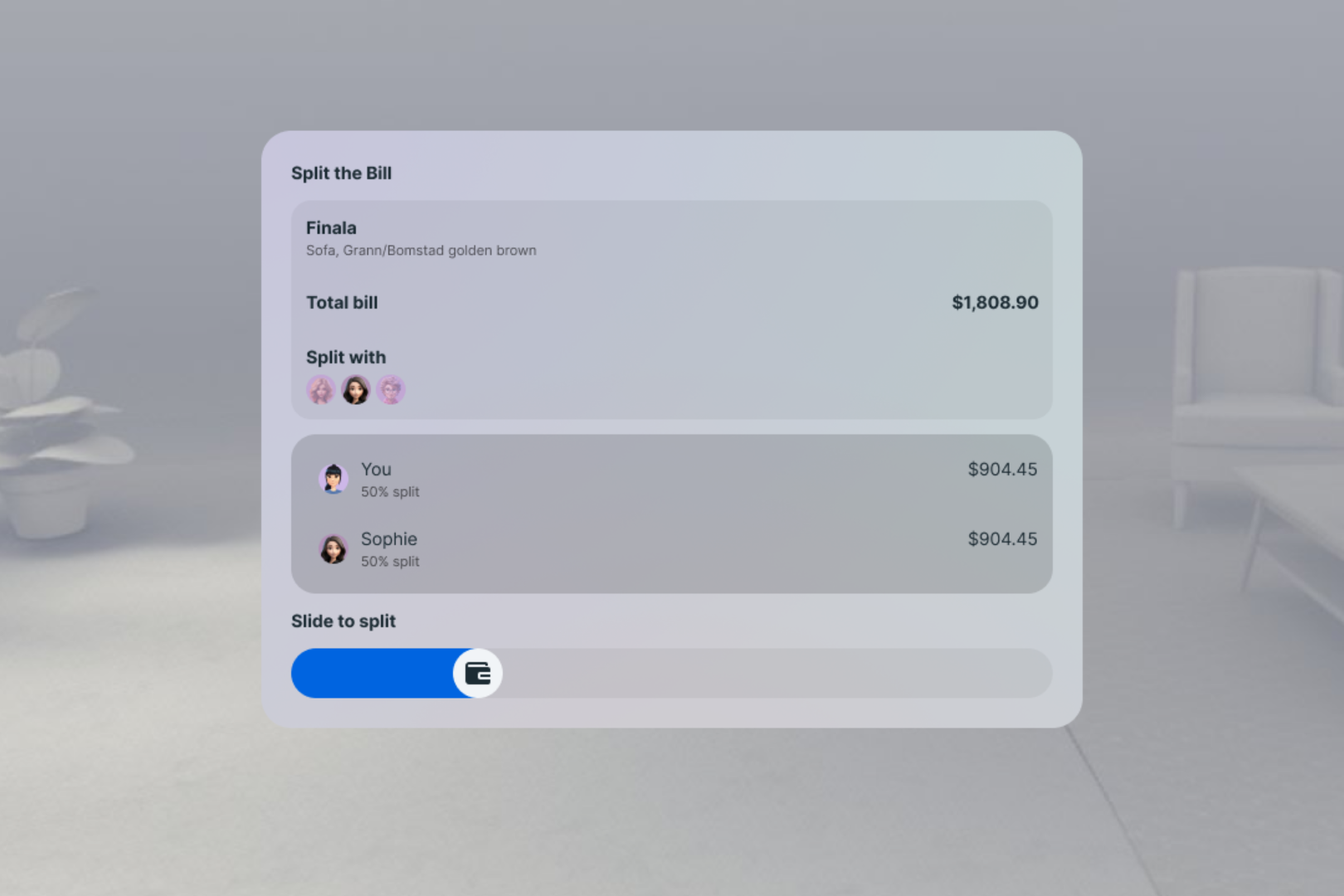
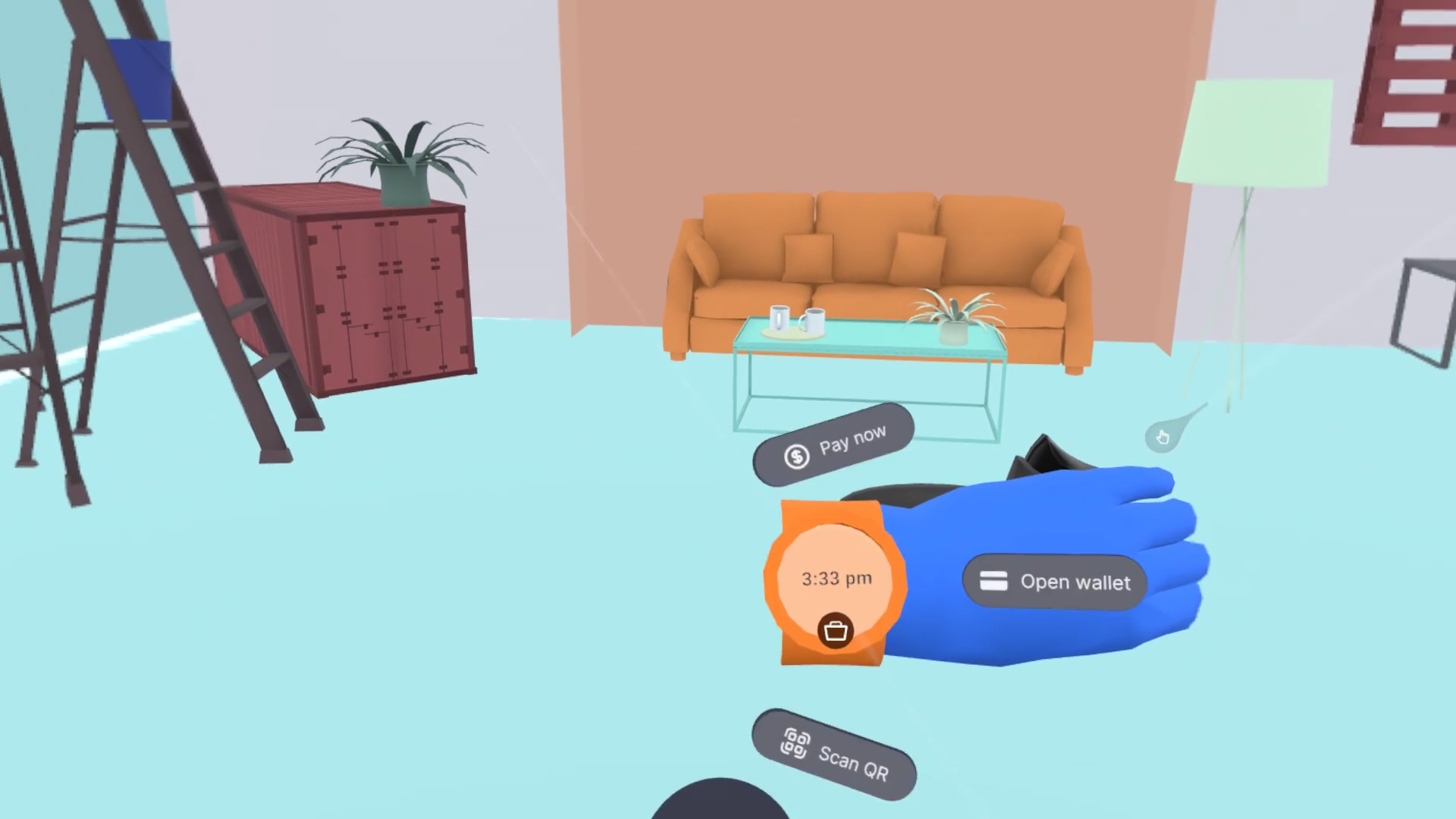
A virtual showroom with multi-user collaboration and split payment features.
Project Synergy was inspired by the need for immersive, collaborative, and accessible retail experiences that transcend physical limitations. In a world where digital shopping has become the norm, we saw an opportunity to integrate the capabilities of XR with convenient payment solutions, making retail not just functional but enjoyable and inclusive. From selecting an item to buy to collaborating with loved ones remotely, this project redefines how people interact with retail environments.
We explored how multimodal interactions, group decision-making, and seamless payment solutions could elevate the retail experience.
Inspiration
Our inspiration came from personally reflecting on the gaps in existing digital shopping experiences. Traditional online retail platforms, while convenient, often fail to capture the social aspect of in-person shopping. Customers are left making major purchase decisions—such as selecting furniture for their home—without the tactile feedback or the ability to seek real-time input from friends and family.
Therefore, we set out with a vision to create an immersive virtual environment where users could explore products, collaborate with others, and make payments with ease—all from the comfort of their homes.
Additionally, as we looked to delve deeper into the payments flow through multiple brainstorming sessions around the state of integrated payment solutions such as payment gateways in immersive environments, we learnt that lengthy checkout processes require multiple steps such as entering card details or logging into payment platforms. This is a major reason for cart abandonment, with over 70% of carts abandoned online due to complicated payment processes. We therefore saw reducing friction in payment processes through XR as an additional opportunity area to cater to in the retail use case with potential to be applied to allied industries too such that as XR adoption increases, payment systems need to evolve to integrate with these platforms.
What it does
The Virtual Showroom allows customers to:
- Step into a fully immersive retail environment and browse products like sofas, tables, and decor.
- Invite friends or family to co-shop in the virtual space, regardless of physical location.
- Use gesture-based and voice-activated controls to interact with products for better accessibility.
- Collaboratively vote on items and visualize them in real-time within a shared space.
- Split payments seamlessly at checkout using a built-in multimodal payment interface.
How we built it
Brainstorming on FigJam: Before jumping into prototyping, we spent the initial weeks on research and brainstorming to identify gaps and cater to a real user need. We started with a series of team alignment activities to break the ice and understand each other's working style. After which we proceeded to do extensive secondary research. This was followed by defining archetypes for our end user, subsequent journey mapping, defining user scenarios and creating corresponding user flows. We then fleshed out what to prototype by translating our user scenario into a detailed narrative through a storytelling framework. All of which has been detailed out in the following FigJam.
Prototyping in Figma: We started with low-fidelity wireframes in Figma to map out the user journey and interactions within the virtual showroom that we had laid out during the brainstorming phase. This helped us define the layout and flow of features such as product browsing, multi-user collaboration, and split payments.
ShapesXR for 3D Prototyping: Leveraging ShapesXR’s Figma Integration allowed us to bring the designs into an immersive 3D space, testing spatial interactions such as object selection, multi-user collaboration, and gesture-based payments.
Testing on Meta Quest 3: The Meta Quest 3 provided a platform to iterate and test our designs in a realistic XR environment. We used this to validate the nuances of interaction and the overall usability of the interface.
Challenges we ran into
Designing for Spatial Context: Moving from 2D layouts in Figma to fully immersive 3D spaces in ShapesXR required us to rethink spatial relationships and ergonomics in a virtual environment. Balancing aesthetics with functional navigation was a key challenge at times.
Conveying that two experiences coexist in the same environment: We chose to prototype a solution that had two distinct elements — a digital wallet as a part of the onboarding experience along with the virtual showroom retail experience featuring the integrated payment gateway. This was often a challenge to effectively communicate visually, in just a few layers, that this is an integration of two products and therefore required careful consideration to avoid giving rise to any confusion.
Accomplishments that we're proud of
Successful virtual collaboration across time zones: Despite each of us on the team being located in different timezones, open and effective communication helped us collaborate across the various phases of the project and deliver a cohesive final outcome.
Translating our intangible ideas to a tangible prototype: Though we still have a long way to go in terms of the level of polish we aim to achieve with the project, we were able to successfully prototype an initial version of an immersive, intuitive showroom experience that allows users to browse, collaborate, and complete transactions without breaking immersion. All of which definitely seemed quite monumental and overwhelming when we were getting started.
The opportunity to explore a new tool — ShapesXR: Although we began with a moderate knowledge of Shapes XR before starting, it has now greatly expanded through the course of the project. Understanding its capabilities and the nuances of its ways of working has significantly improved and helped us create a smooth flow without any dead spots or gaps in the experience.
What we learned
Designing for Immersion: Unlike traditional screen-based interfaces, we learned that designing for XR requires an additional understanding of spatial context, 3D interaction mechanics, and user ergonomics in a virtual environment.
Importance of Accessibility in XR: Many users are new to XR, so providing clear guidance and intuitive controls is crucial. We learned that accessibility features like multimodal input options significantly enhance user adoption and are extremely essential to consider at each stage of the interaction.
What's next for Synergy
Looking ahead, we envision expanding the capabilities of the virtual showroom to include:
- Dive deeper into the unknowns: This being only the first version of our prototype, we intend to test it out with real users to iterate on the experience to help bring it to the level of polish needed to further scale this as a solution.
- AI-Driven Recommendations: Personalized suggestions based on user preferences and behavior.
- Cross-Industry Applications: Extending the concept to other industries such as fashion, automotive, and real estate.
- Haptic Feedback: Incorporating tactile elements to simulate textures and materials in XR.
- Scalable Platforms: Developing solutions that work across various devices, including mobile AR, for broader accessibility.
Built With
- figma
- imagen3
- metaquest3
- premierepro
- shapesxr


Log in or sign up for Devpost to join the conversation.