-
-
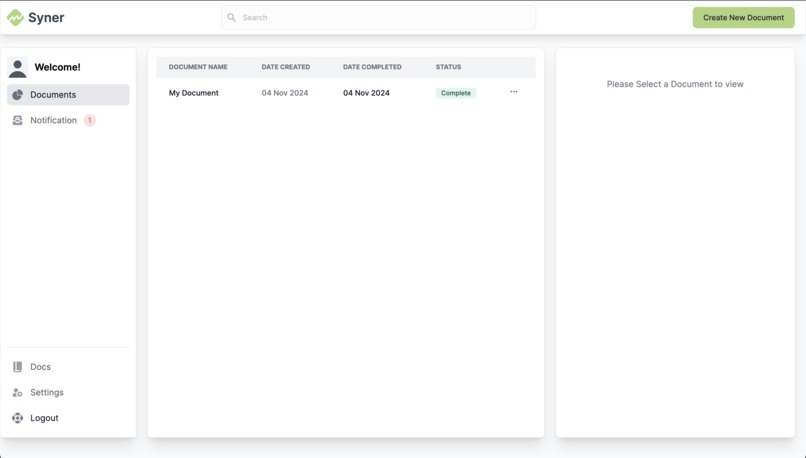
Dashboard
-
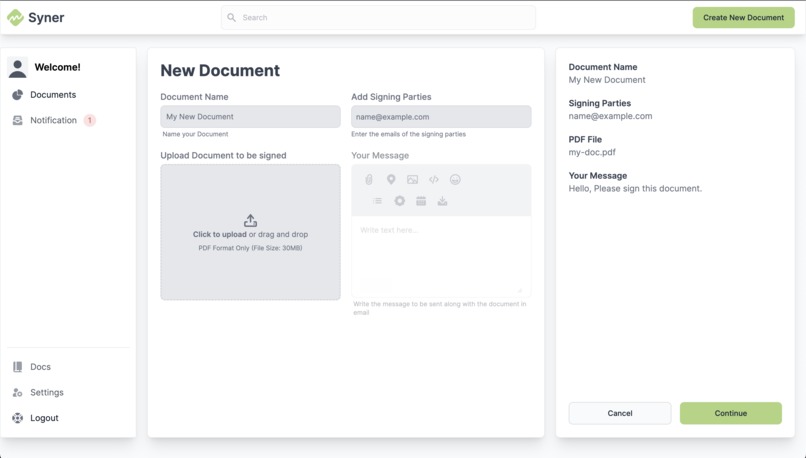
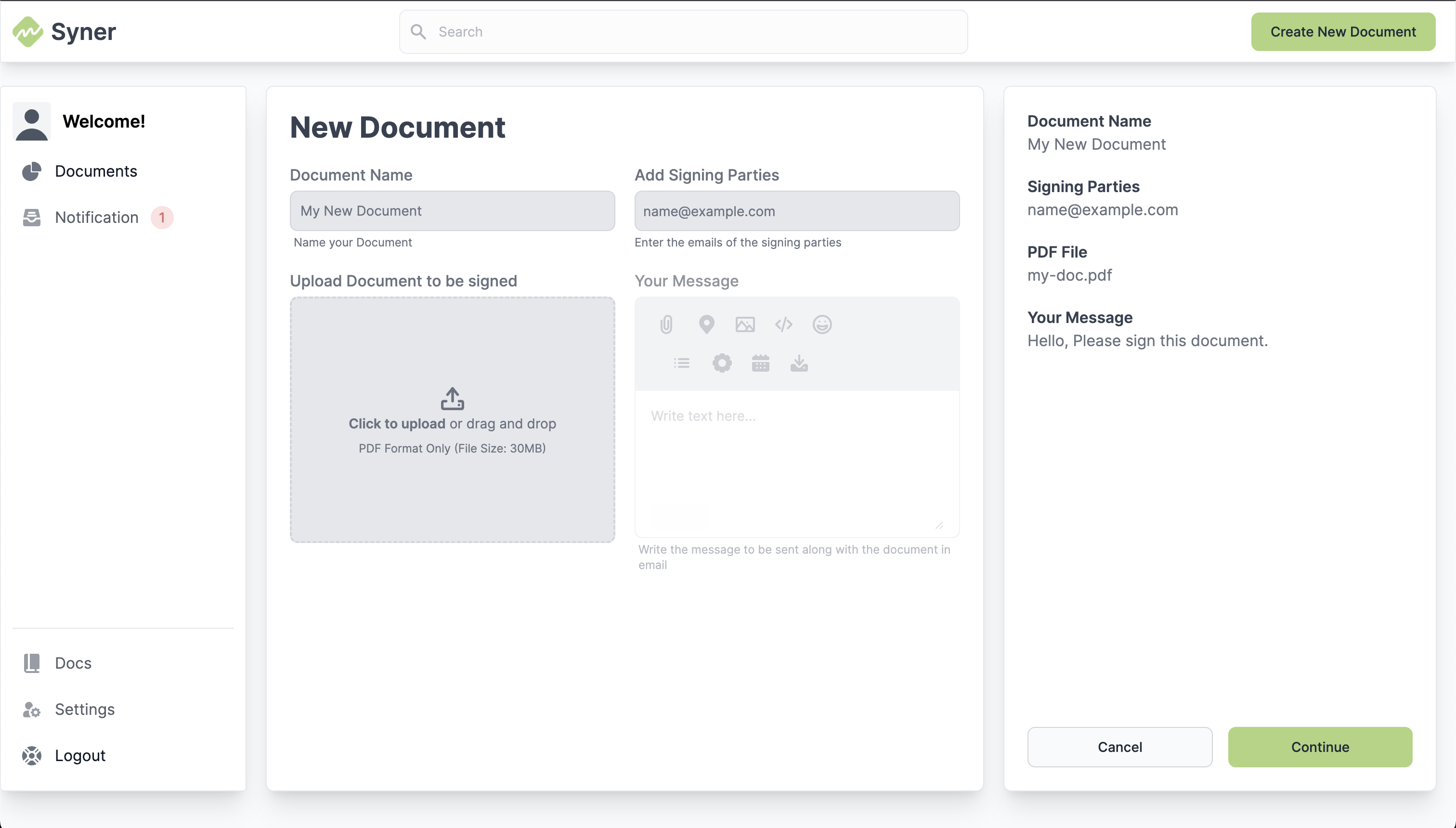
Document Creation
-
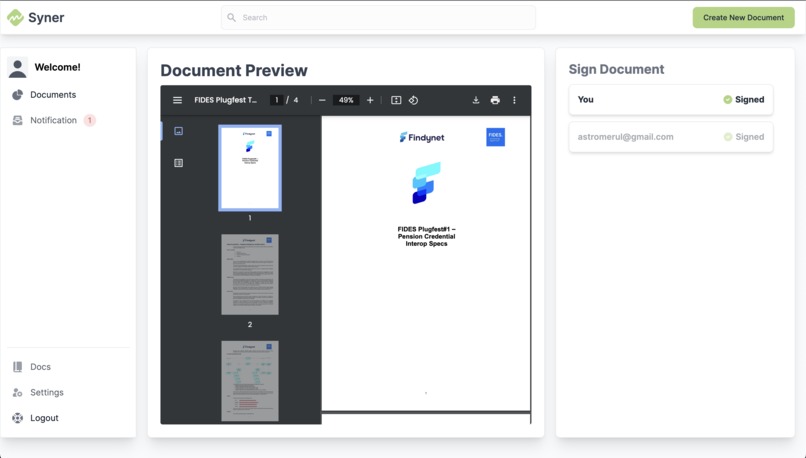
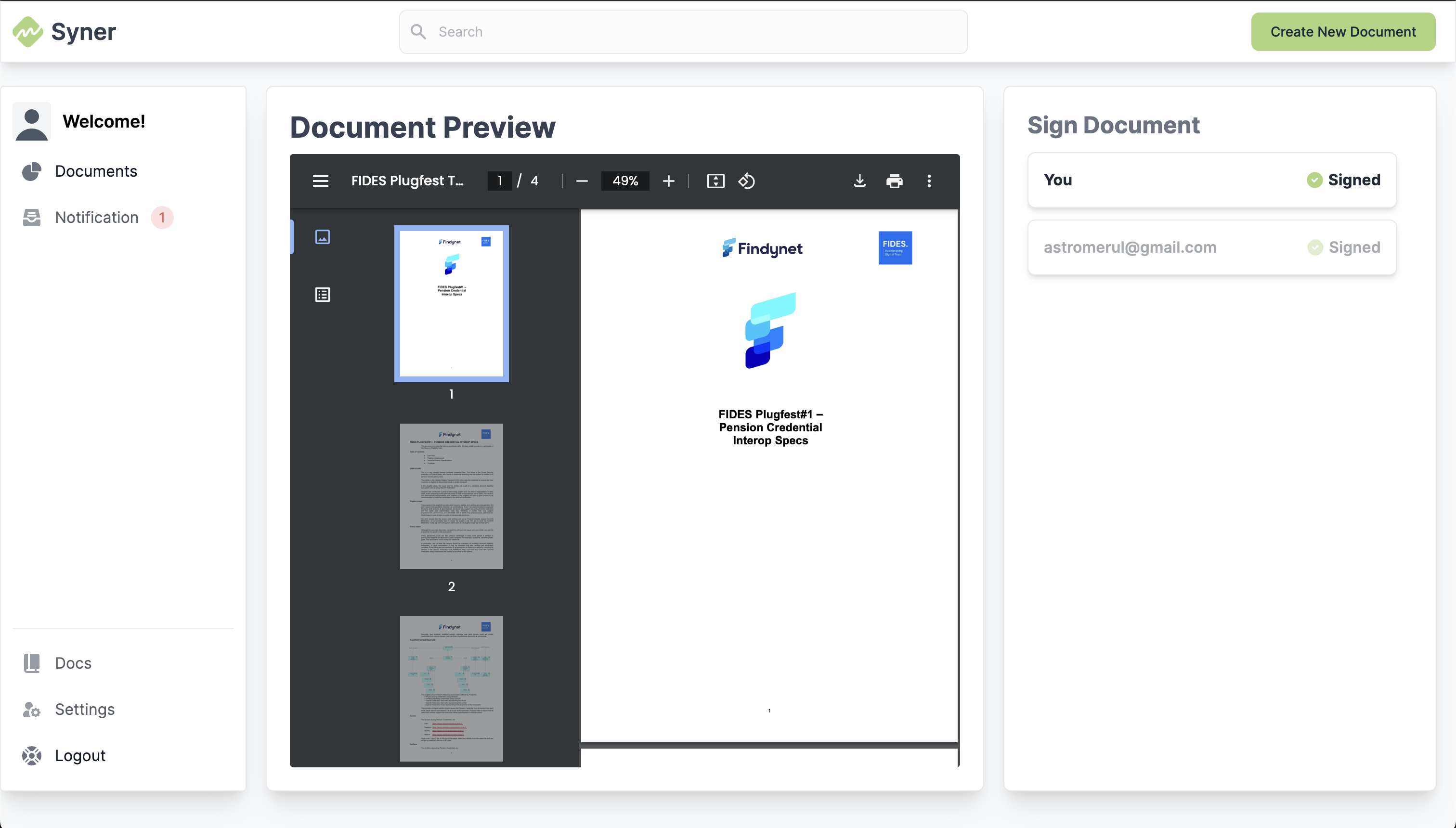
Document Signing
Inspiration
With updates coming to EU regulations, decentralised identity is going to play a big role in the future of digital interactions. With current platforms focusing on centralised data storage and corporate identity based access management systems, we were inspired to create a decentralised solution that allows individuals to
What it does
Syner allows individuals to use DID based access management with human identity verification to access and sign documents, for notary and legal interactions using verifiable credential based access and ETSI / eiDAS 2.0 complient signing solutions.
How we built it
Syner uses OpenID4VC interop standards as well as Pinata Files API to create a seamless DID powered signing experience, the document is signed by the user's DID by presenting it's hash as part of the "nonce" in a signing request, although a bit hacky it allows us to be able to sign a document.
It uses ASIC insipired containers to attach signatures, and uses open source libraries to achieve it's goals
Challenges we ran into
Signing data in a compliant manner and attaching signatures to PDFs is an uphill battle and at the end we ended up not going for PDF level signatures but rather appending signatures to a container.
Accomplishments that we're proud of
We are pretty proud of creating a system where in we can use containers to sign data and create restricted access to sign a document using the IDV provider Veriff.
What we learned
We learned a lot about different PDF signature standards and ETSI recognized signature schemes
What's next for Syner
Syner will be launched as a full product after undergoing a refactor and security evaluation, it will also be added as a modular component in AuvoID - the larger organization identity management platform we have previously built.
Built With
- javascript
- nestjs
- postgresql
- svelte
- typescript


Log in or sign up for Devpost to join the conversation.