About the Project
Inspiration
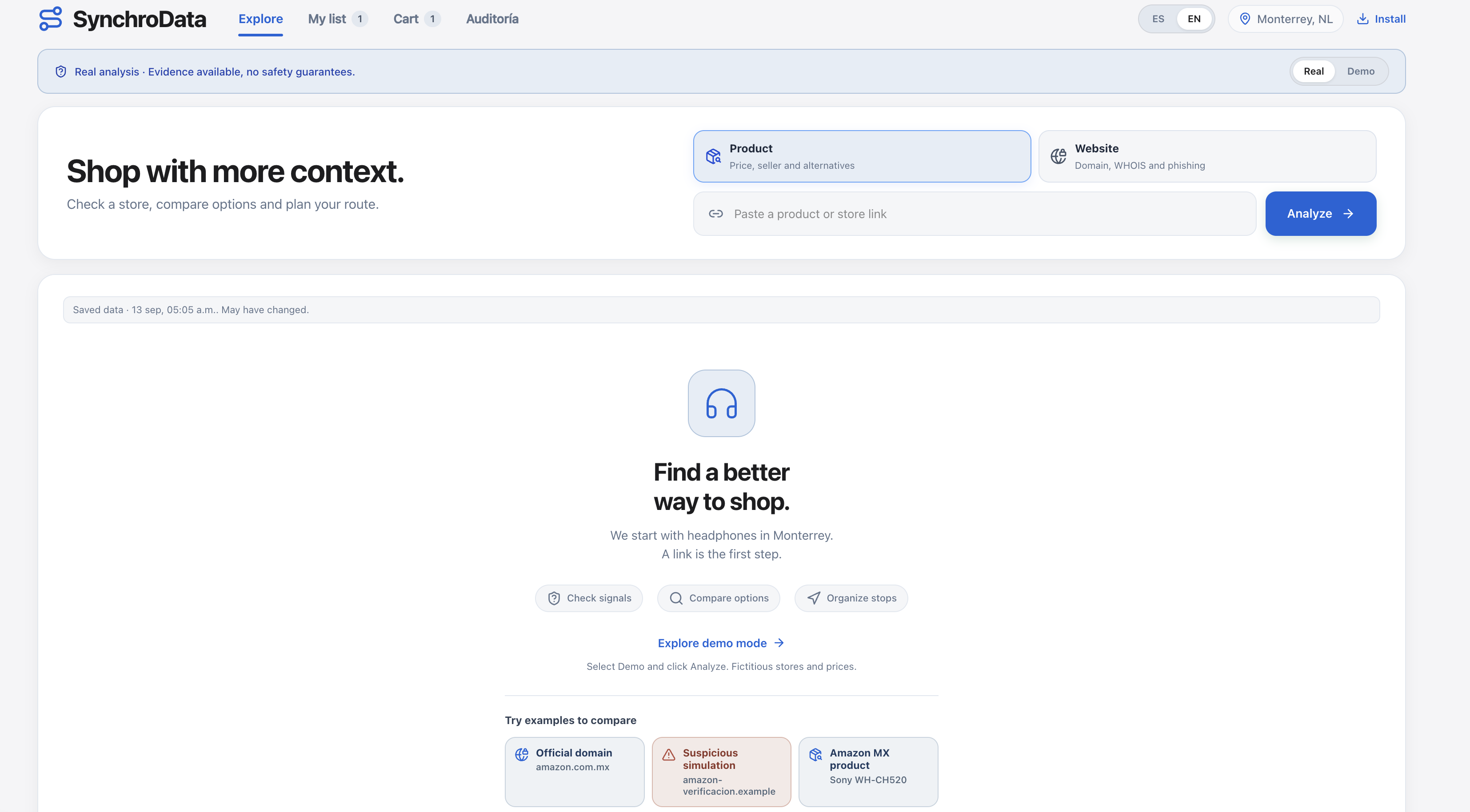
The project was inspired by the pressing need to modernize forensic data auditing and financial risk assessment, moving past manual reviews that struggle with massive volumes of data. We wanted to bridge this gap by harnessing autonomous AI agents to automate complex analytical workflows and empower auditors with real-time, data-driven intelligence.
What it does
It functions as a full-stack forensic data auditing platform powered by autonomous LLM agents that automatically detects financial fraud schemes, analyzes risks, and processes local datasets. It combines a FastAPI backend with an interactive Next.js frontend featuring geospatial mapping and model evaluation tools to turn complex data into actionable intelligence.
How we built it
- Backend: Built using Python and FastAPI, managing data persistence with SQLite (
forensic-demo.db). - AI & Services: Features dedicated modules in
app/services/—such asforensic.pyfor analytical processing, andagent.pyandrouting.pyfor orchestrating autonomous LLM workflows. - Frontend: Developed with Next.js, React, and Tailwind CSS, integrating Leaflet for geospatial mapping to visualize branch locations and critical risk points.
- Testing & Benchmarking: Utilizes Playwright and Vitest for automated testing, alongside custom evaluation scripts in the
evaluation/directory to ensure model performance.
Challenges we ran into
Integrating traditional analytical algorithms with autonomous LLM agents presented significant architectural hurdles, particularly in structuring local dataset outputs so the AI could effectively reason through complex fraud schemas. Ensuring seamless communication between the FastAPI backend routing logic and the dynamic React frontend required careful state management, while optimizing geospatial rendering and local database query performance demanded rigorous testing.
Accomplishments that we're proud of
We successfully bridged traditional analytical data processing with autonomous AI agent routing, creating a seamless full-stack pipeline from a FastAPI backend to an interactive Next.js interface. Establishing automated testing and rigorous evaluation benchmarking scripts also ensured our system delivers reliable, high-performance diagnostics.
What we learned
Throughout development, we deepened our expertise in orchestrating LLM agents for specialized domain tasks, designing scalable full-stack architectures with FastAPI and Next.js, and implementing automated testing pipelines. We also gained valuable insights into structuring forensic data schemas and building intuitive geospatial interfaces.
What's next for SyncroData
We plan to expand the platform's analytical capabilities by incorporating broader datasets, refining our autonomous AI agent routing for deeper multi-step reasoning, and scaling the infrastructure.

Log in or sign up for Devpost to join the conversation.