-
-
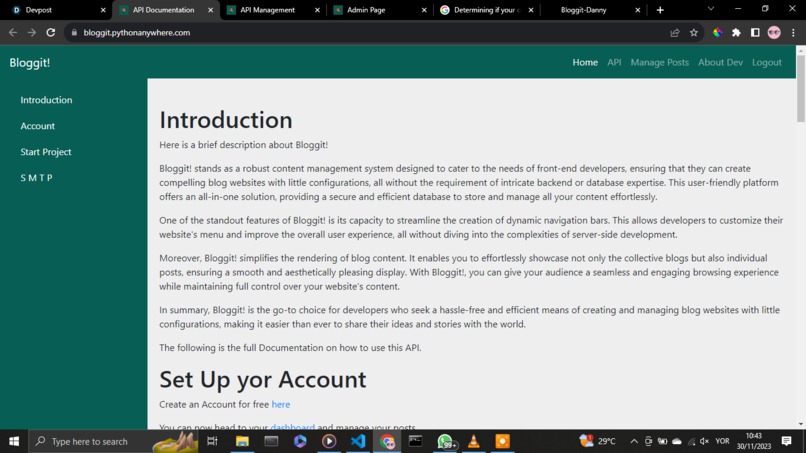
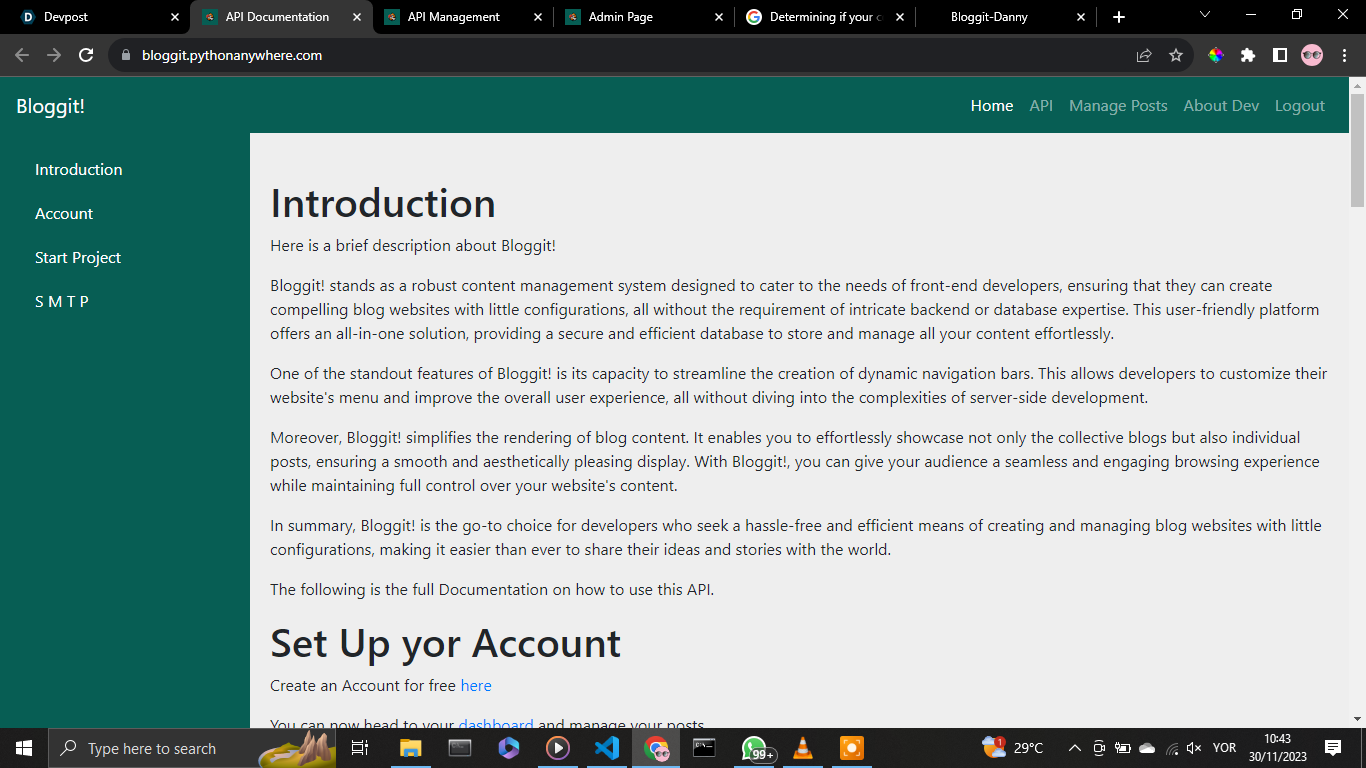
Bloggit's documentation Page
-
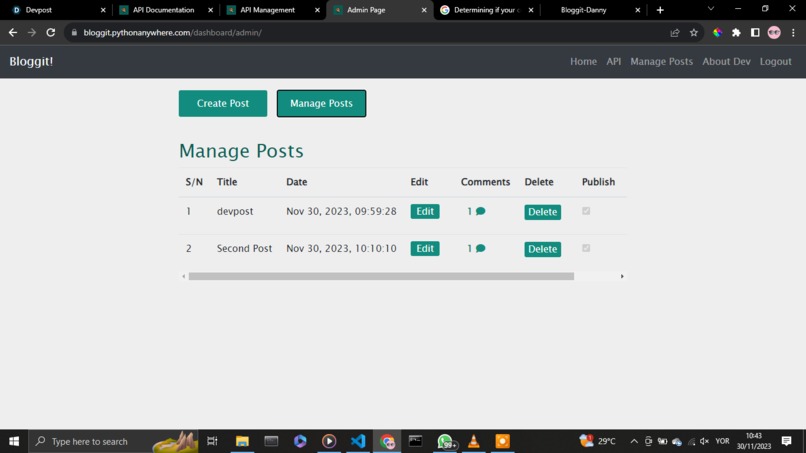
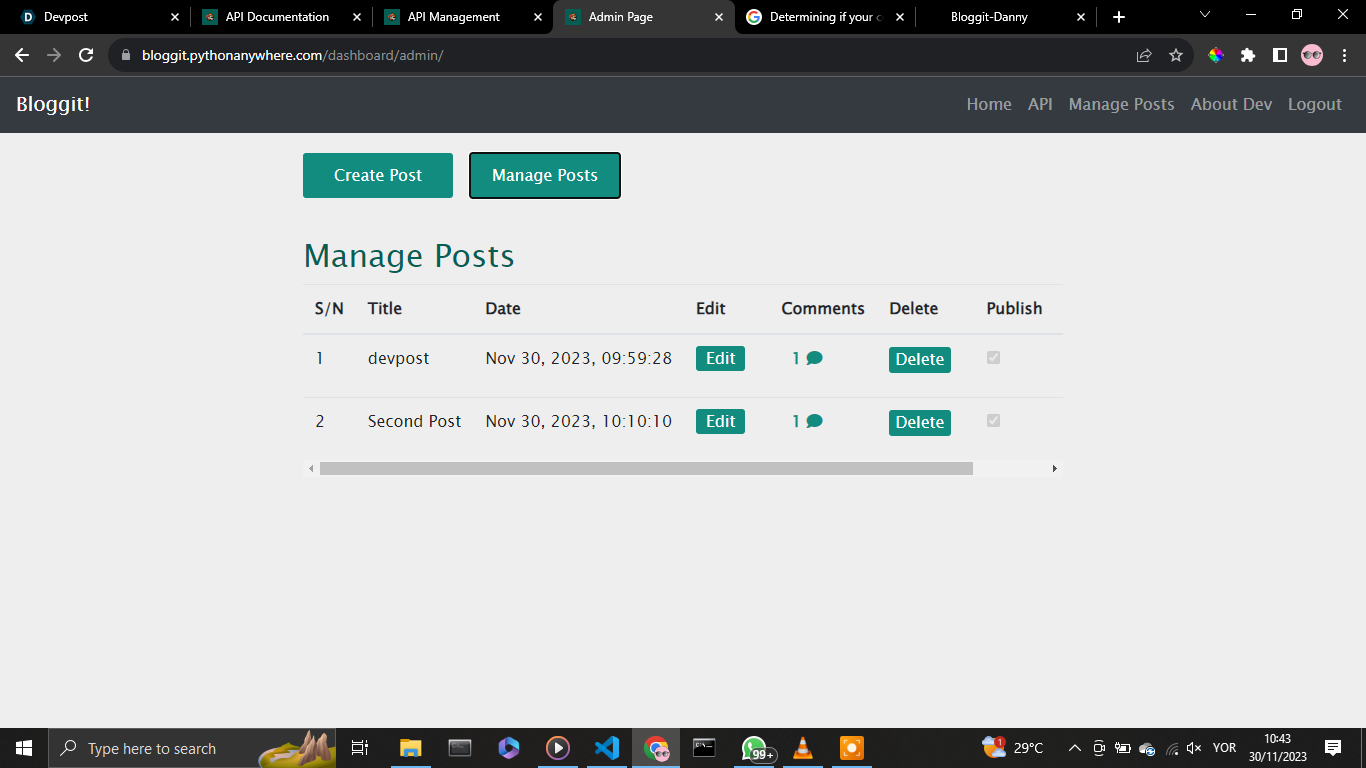
Manage Posts page
-
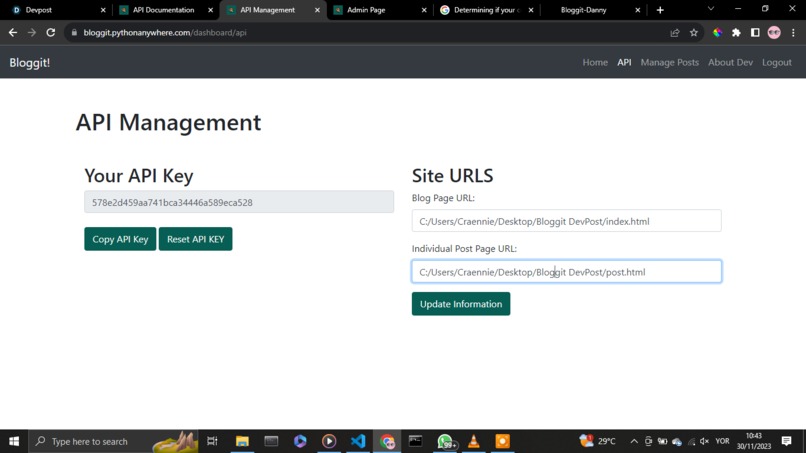
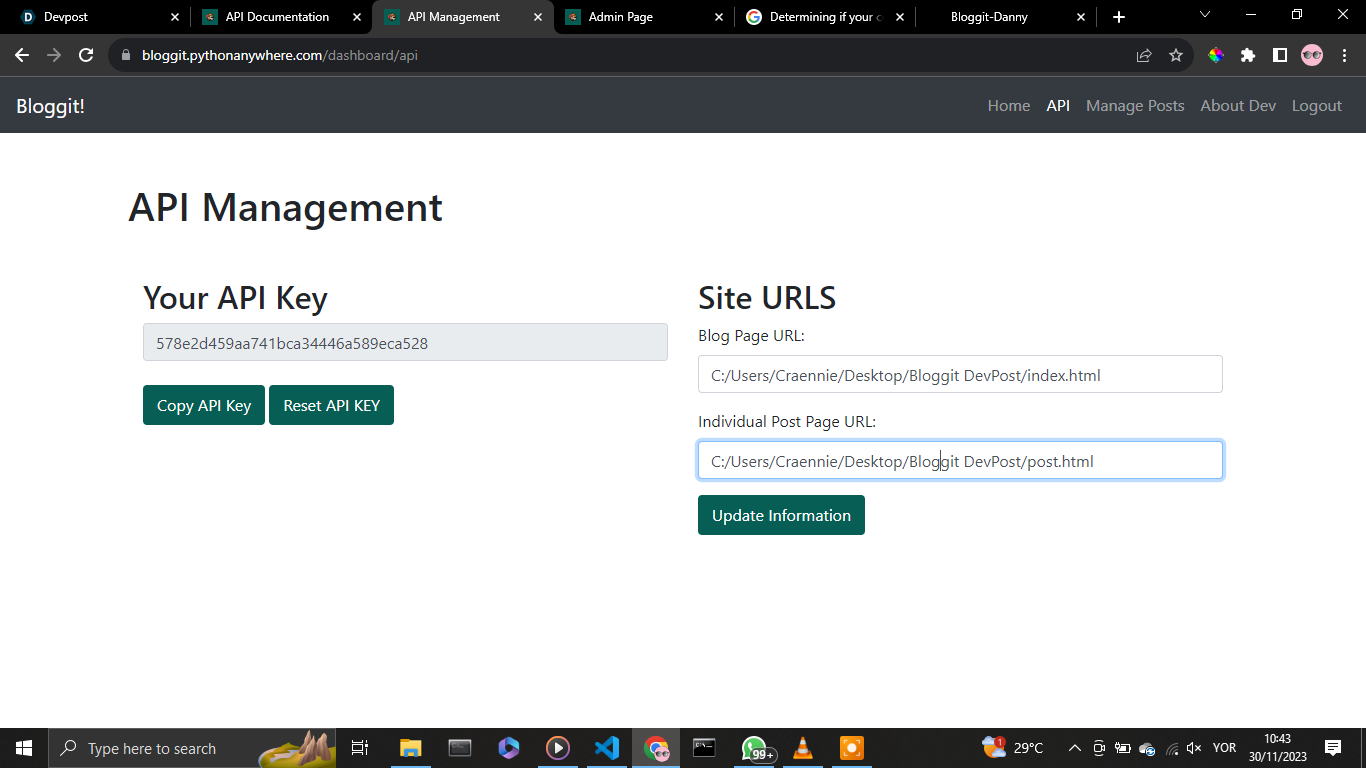
API and Site Urls Pages
-
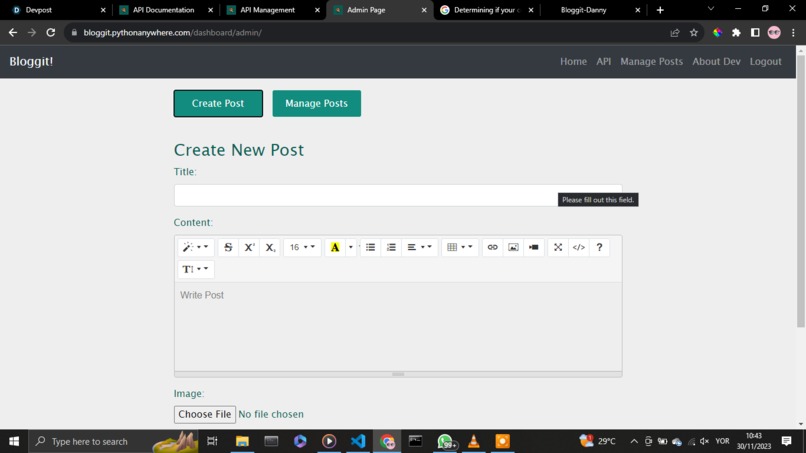
Make Post Page
-
-
-
-
-
Inspiration
BloggIt was born out of a fundamental need for simplicity and dynamism in managing web content during my journey through frontend development. Frustrated with the tedious task of manually editing HTML pages to add new posts to my blog, I sought a straightforward solution. Though I initially explored 11ty, its intricate steps didn't align with my vision for a hassle-free approach. Transitioning into backend development and API, I recognized an opportunity. Armed with newfound skills, I set out to create BloggIt - an intuitive platform tailored to simplify content management for frontend developers, freeing them from the burden of constant HTML adjustments.
What it does
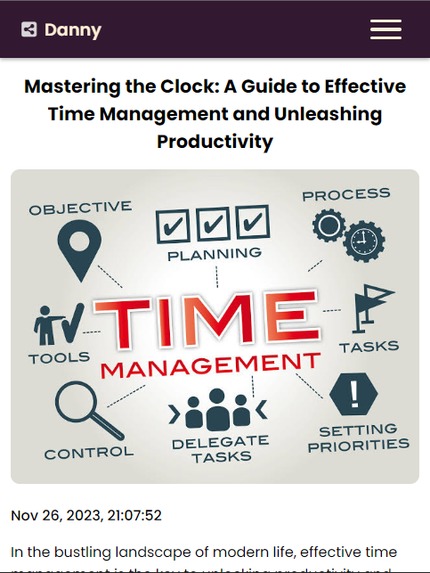
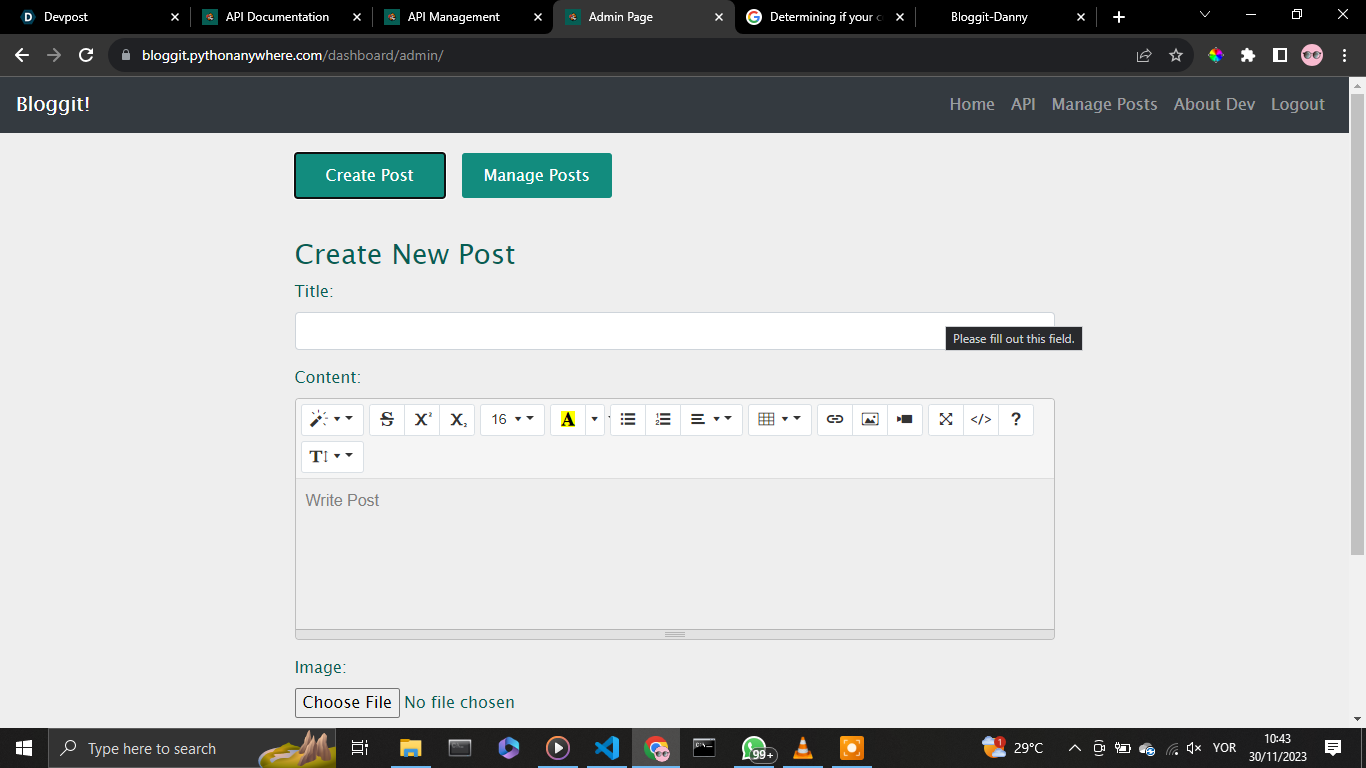
Bloggit is a robust content management system designed specifically for front-end developers, enabling them to effortlessly create engaging blog websites with minimal configuration. It eliminates the need for intricate backend or database expertise, providing a user-friendly solution that securely stores and manages content.
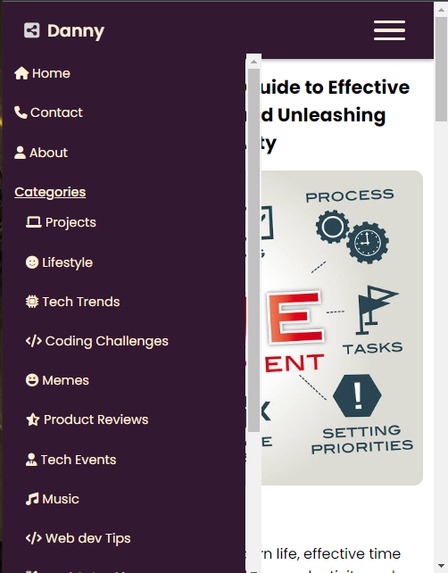
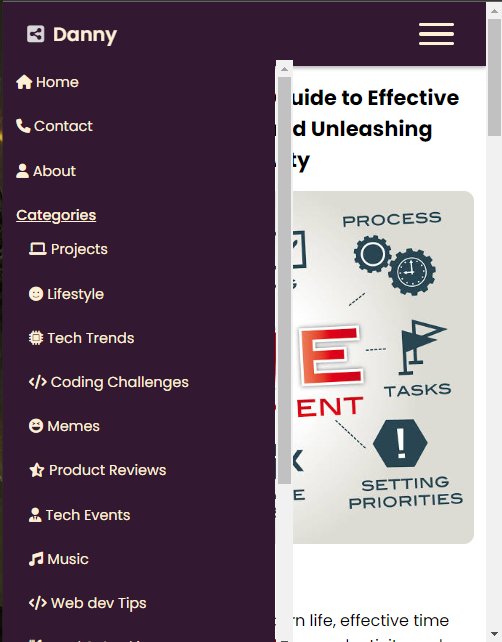
Noteworthy among its features, Bloggit excels in simplifying the creation of dynamic navigation bars, allowing developers to customize their website's menu seamlessly. This enhancement significantly improves the overall user experience without the complexities of server-side development.
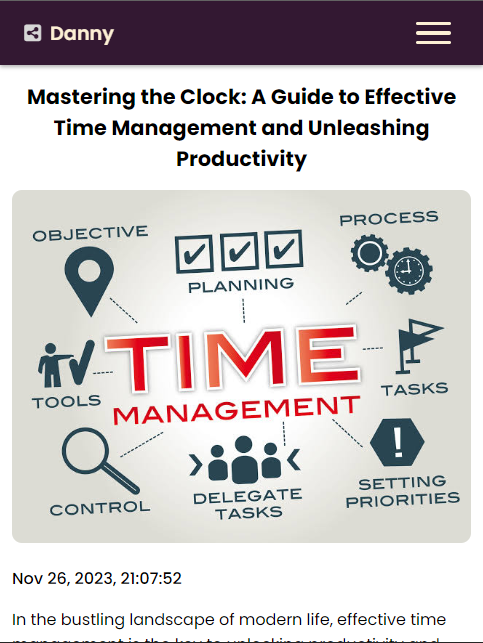
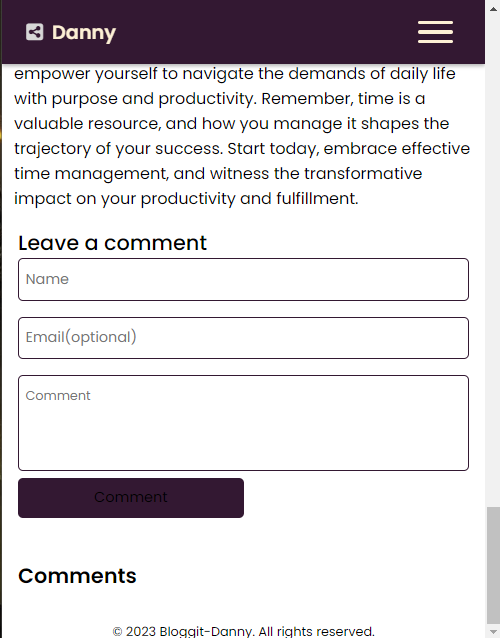
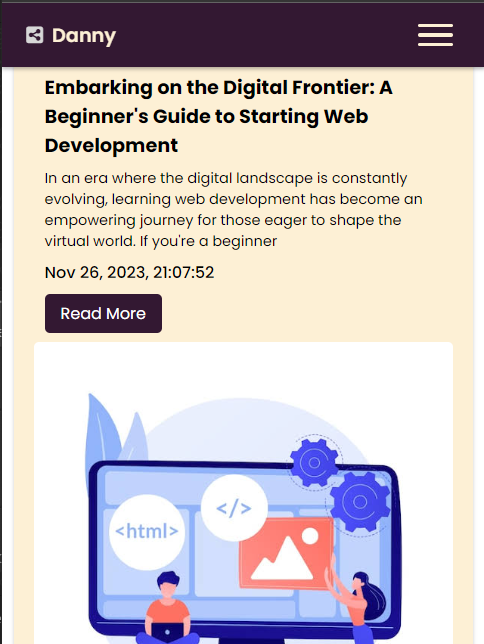
Moreover, Bloggitsimplifies the presentation of blog content, facilitating the seamless display of both collective blogs and individual posts. It ensures a visually appealing and smooth browsing experience while granting users complete control over their website's content.
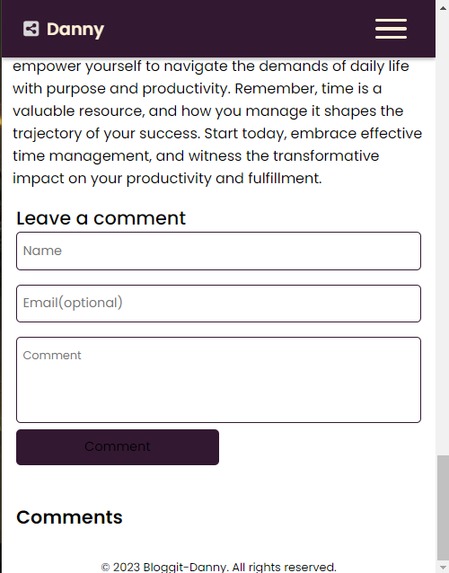
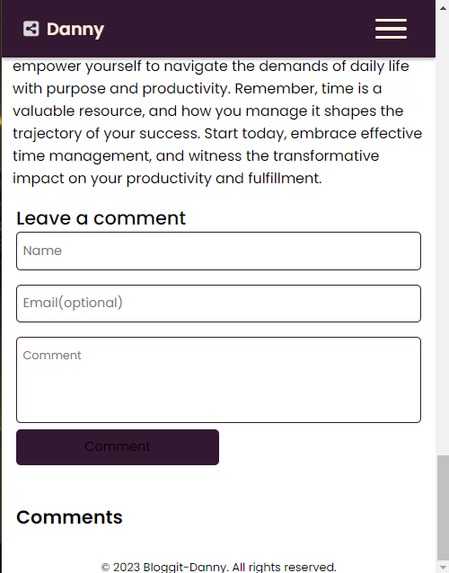
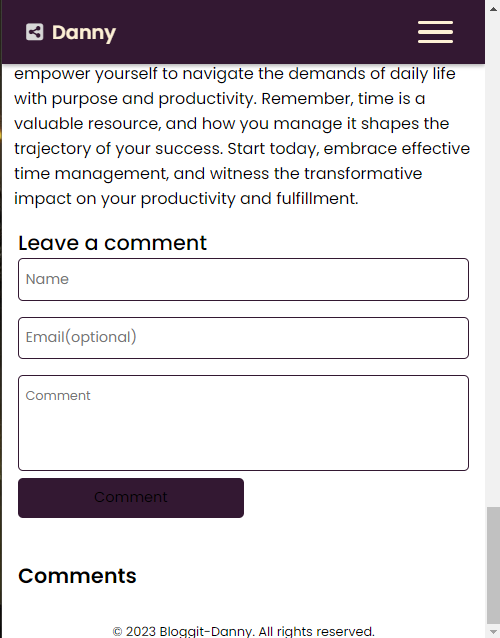
In addition to these capabilities, Bloggit integrates a comment feature, enabling users to engage with posts by leaving comments. Notably, it offers robust management tools for posts and comments, empowering users to efficiently oversee and moderate discussions on their platform.
While the users can use Bloggit 's provided templates, they can also decide not to use them and render the returned Data in their own terms/way.
How we built it
Backend Infrastructure: Python, a versatile and powerful programming language, formed the backbone of our backend infrastructure. Django, renowned for its efficiency and scalability, was utilized as the primary framework to handle data operations, manage user interactions, handle manage posts and comments and facilitate seamless communication between the front and backend.
FrontEnd Infrastructure: Using JavaScript and its framework - jQuery, we used this to render Posts and Comments, also the preloaders and the other templates.
Challenges we ran into
While this project was almost smooth through out the creation, faced issues like Content Handling Errors from the FrontEnd, avoiding theft so nobody will be able to use others Blog Contents.
Accomplishments that we're proud of
- Managing Posts and Comments
- Rendering the Posts and Comments on the FrontEnd Developer's Page(s)
What we learned
- Got a deeper knowledge of APIs, how to create and use them.
What's next for Bloggit
Till now, Bloggit only supports normal HTML5, CSS3 and Vanilla Js - jQuery, we now want it to support other frameworks like ReactJs.
Built With
- bootstrap
- django
- django-rest-framework
- javascript
- jquery
- postgresql
- python


Log in or sign up for Devpost to join the conversation.