About Synced
Why does every message turn into another thing you have to remember?
That question is where Synced started.
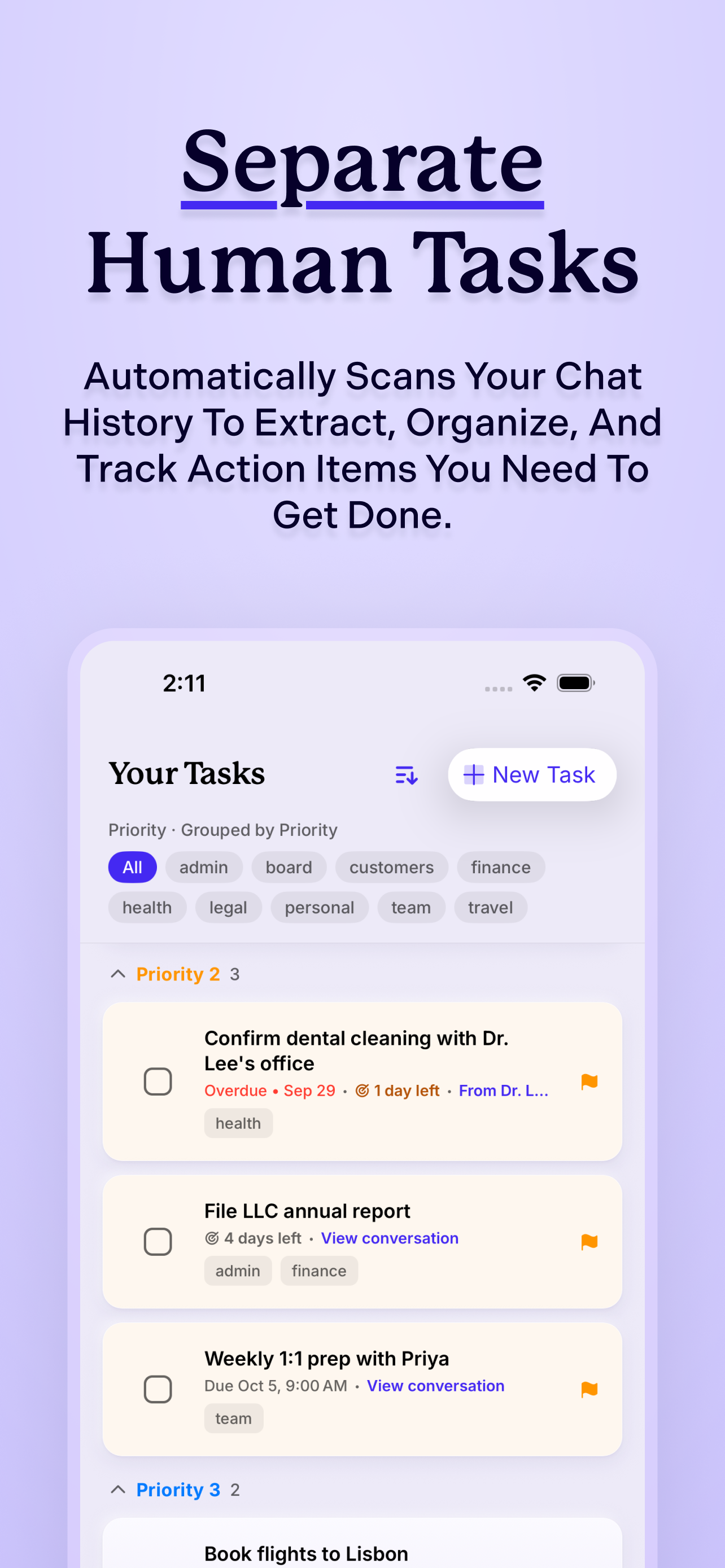
A meeting request means checking calendars. A file request means opening Drive. A follow-up means setting a reminder. A quick email can quietly create five minutes of work across three different tools.
Microsoft found that knowledge workers are interrupted by meetings, email, or chat around 275 times a day. That sounded extreme until we looked at how often we were doing exactly this ourselves.
We wanted to make the message itself executable
If someone asks
“Can we meet next week, and can you send me the latest deck beforehand?”
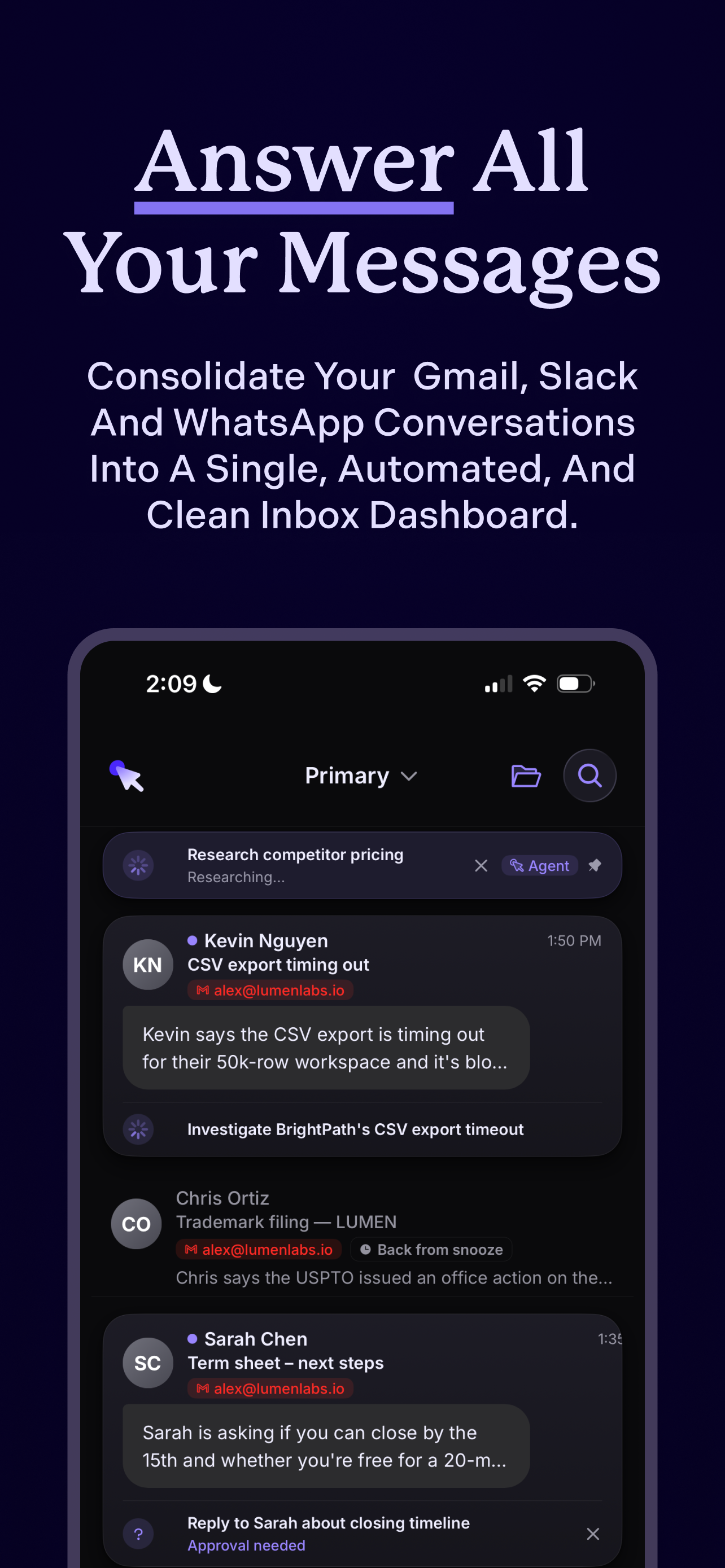
Synced does not just summarize the request or draft a polite response.
It can
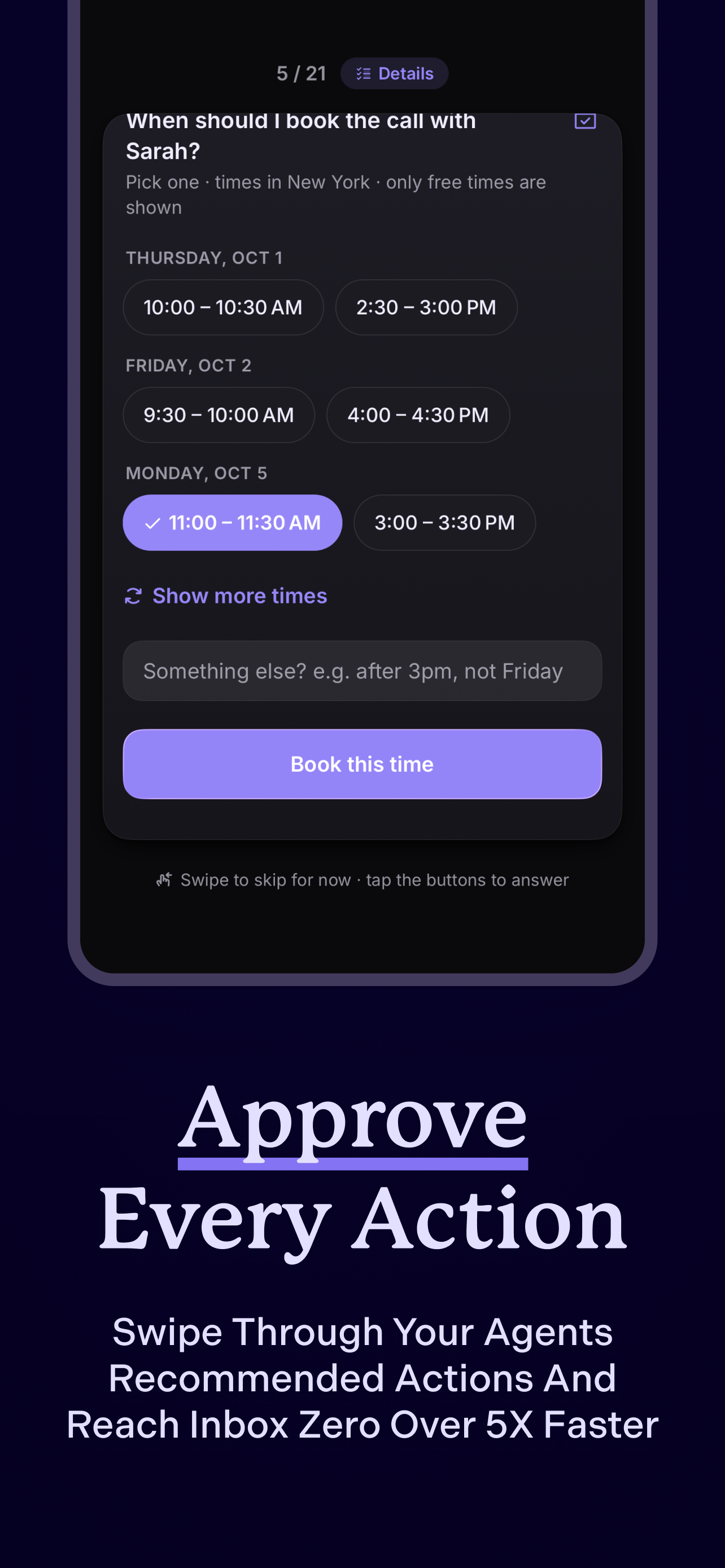
- find mutual availability
- book the meeting
- locate the right file
- send it in the reply
- keep the follow-up attached to the conversation
That sounds simple when it works.
Building it was not.
The real engineering challenge
Real inboxes are chaotic.
People are vague. Context is buried in old threads. The right file might live in Drive. Availability might depend on another calendar. A task that looks obvious to a human often requires understanding relationships, priorities, and what happened three conversations ago.
That became the real question
Not “can an AI write an email?”
Can it understand enough context to safely finish the work behind the email?
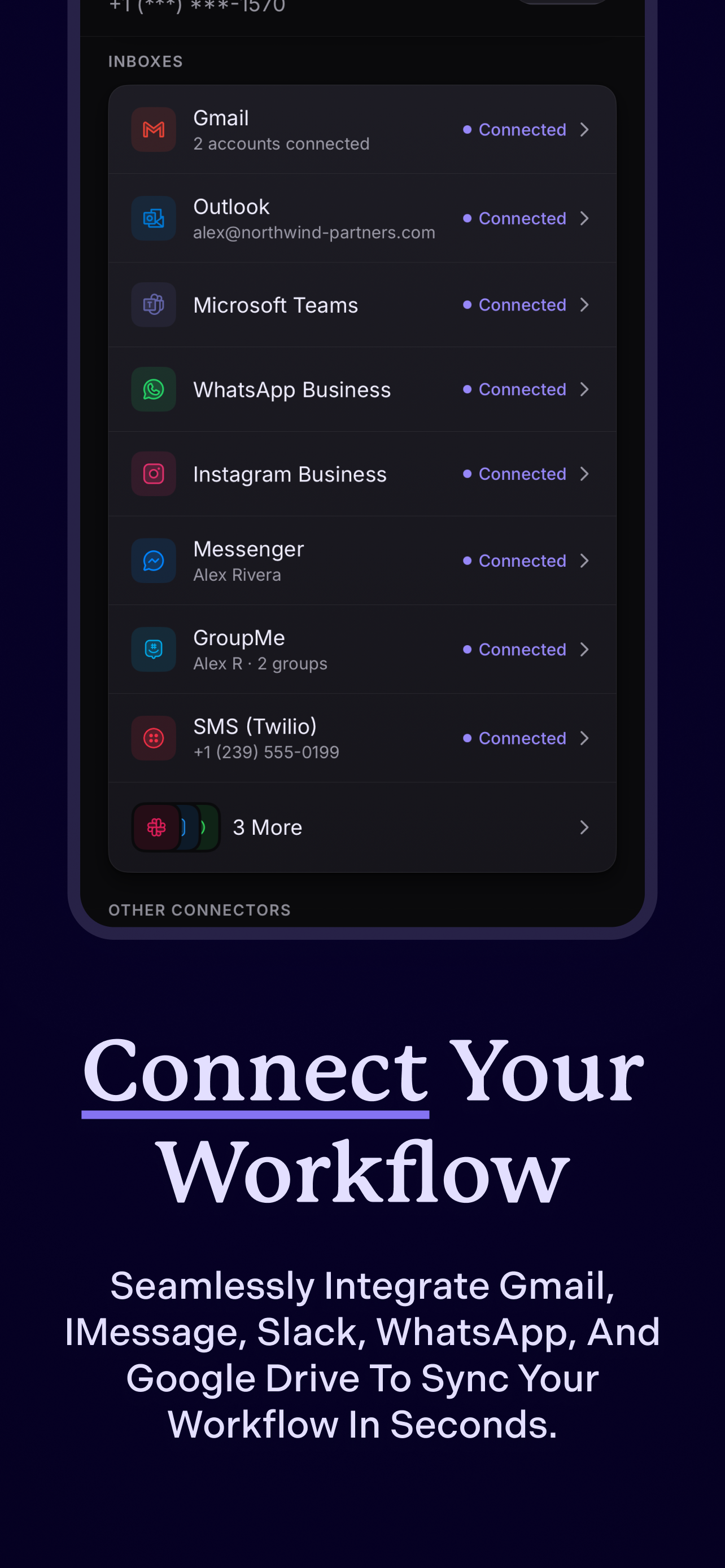
We started with Gmail and built Synced around connected tools like Calendar and Drive, with plans to expand across Slack, texts, DMs, and the rest of the places where work actually happens.
We also added
- human approval for sensitive actions
- narrow permissions
- a full audit trail
One of the biggest things we learned is that autonomy without trust is useless.
This problem was years in the making
The project builds on something we had already been obsessed with for years.
We met on a middle school math team and kept building together after that. We started a robotics team, built a diabetic retinopathy diagnostic prototype covered by Forbes, and later built TigerMeet, scheduling infrastructure used for more than 10,000 meetings across Princeton, Penn, UF, and Brandeis.
TigerMeet taught us something important
Scheduling is rarely just scheduling.
It is coordination.
Someone has to understand who is involved, what they need, what happens next, and what cannot fall through the cracks.
Synced is our attempt to generalize that idea beyond meetings and into the entire inbox.
What we learned from real users
We first tested Synced with 10 high-volume inbox users.
The original waitlist hit 300 signups in 3 days, and those early users completed more than 600 tasks in Synced.
Since then, we have kept pushing the product onto real inboxes rather than polishing demo workflows, because every failure teaches us more than a perfect example ever could.
The biggest thing we have learned is that the product becomes much more valuable when it starts replacing part of the inbox itself, rather than acting like another AI tool users have to remember to open.
The hardest part has not been the demo
The hardest part has been getting Synced ready to scale responsibly.
Because Synced can read and act across Gmail and Outlook, broader access requires security and compliance work before we can open it beyond a controlled beta.
That has become a real constraint on growth, but it has also forced us to think seriously about permissions, trust, and what it actually means to let software act on someone’s behalf.
Where we think this is going
The future of AI at work probably does not look like another chat box.
It looks more like software that quietly understands what needs to happen and gets it done.
That is what we are trying to build with Synced.

Log in or sign up for Devpost to join the conversation.