-
-
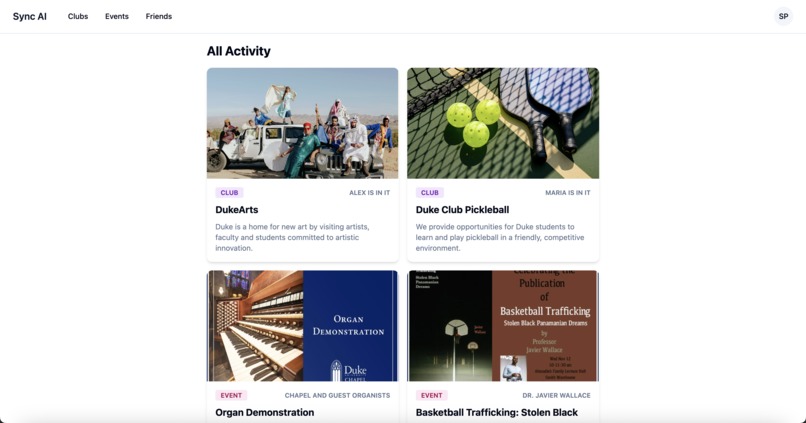
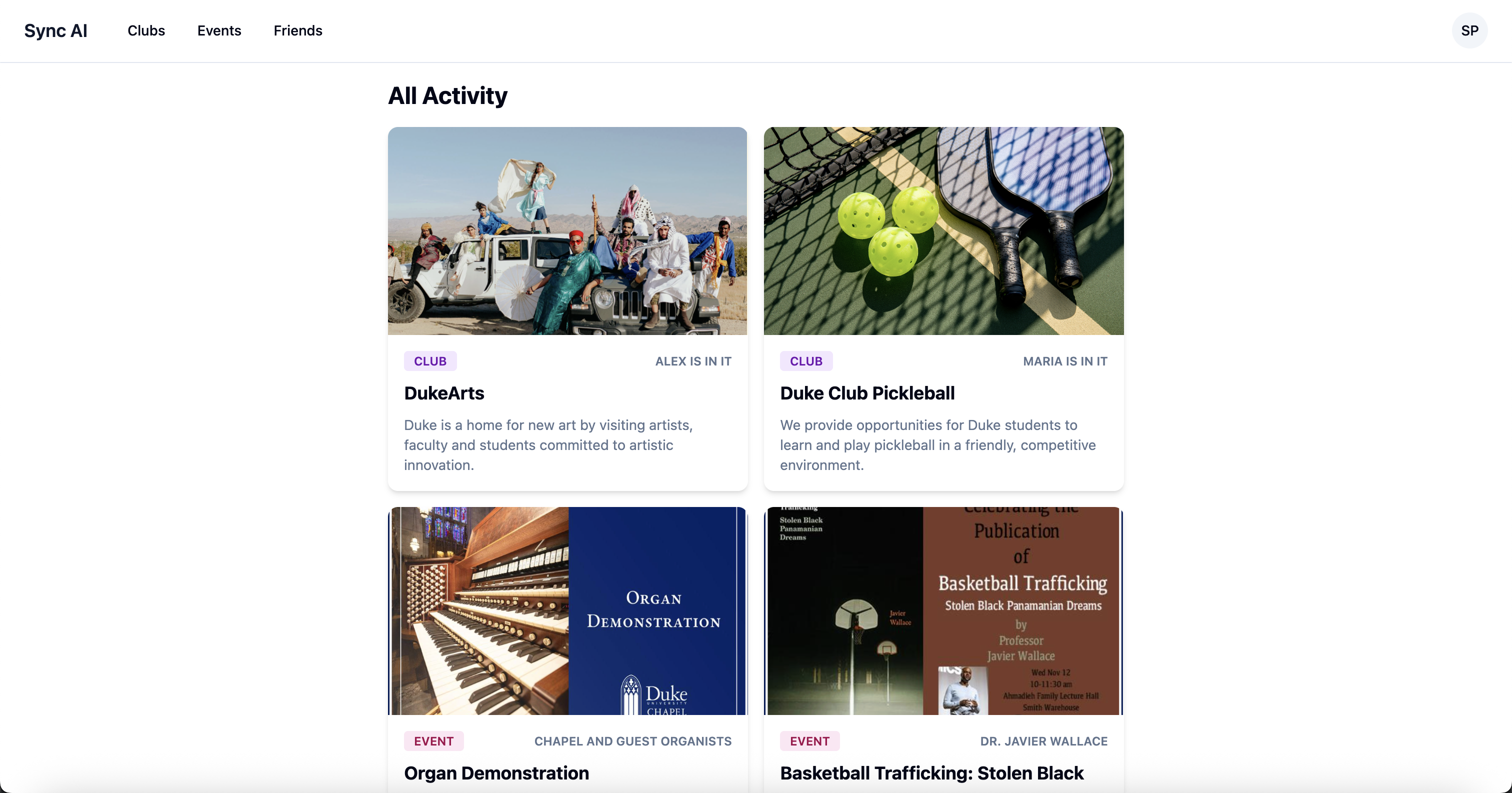
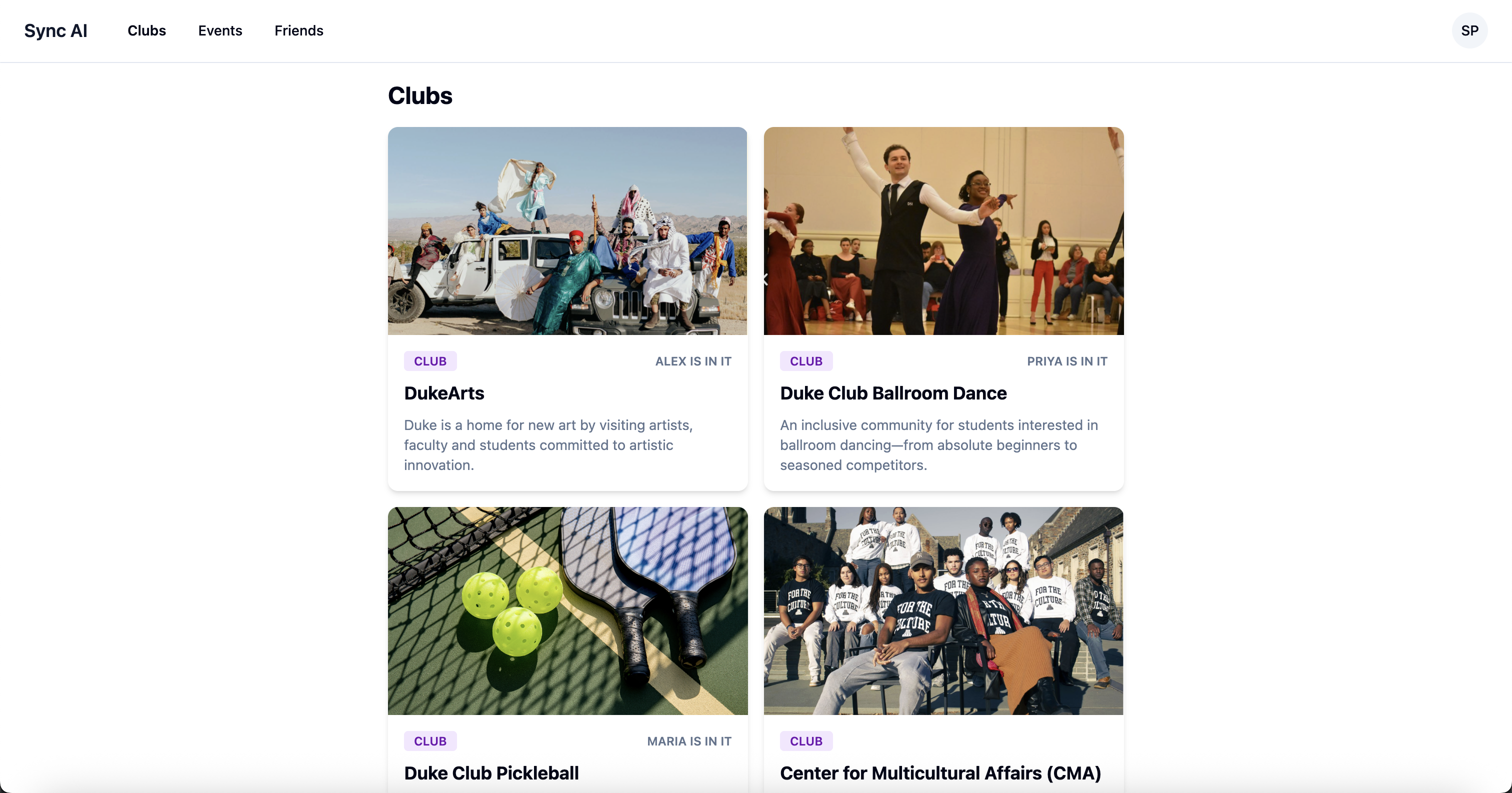
Home page
-
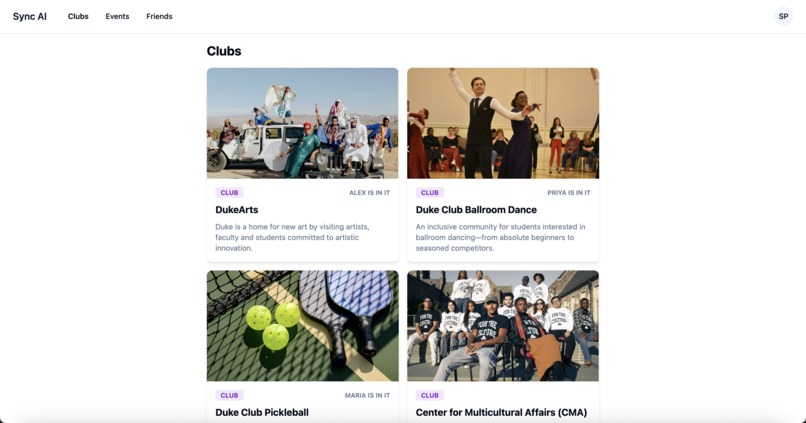
Page only showing clubs
-
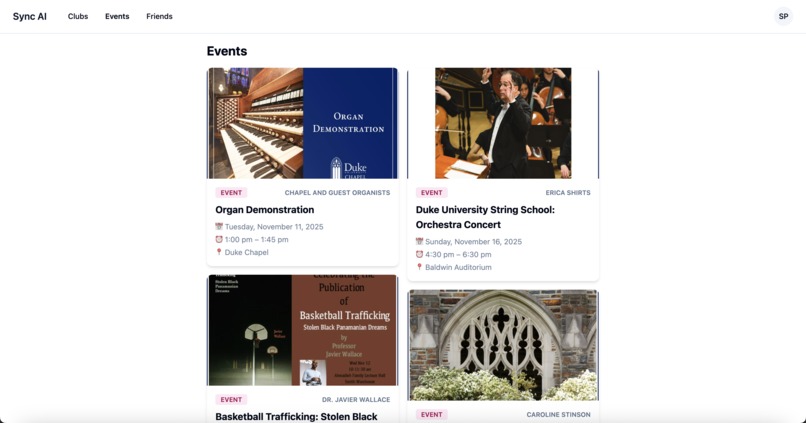
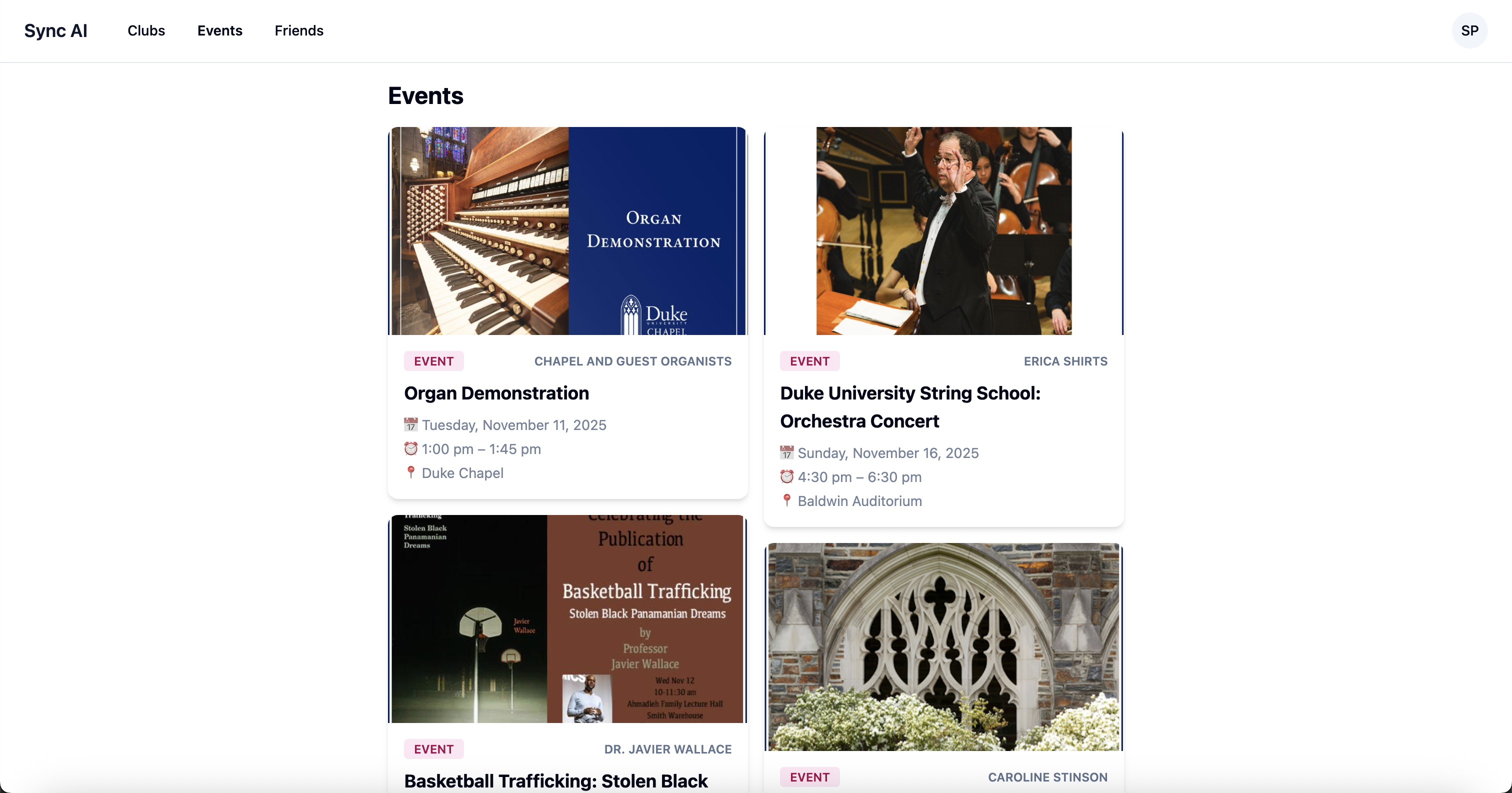
Page only showing events
-
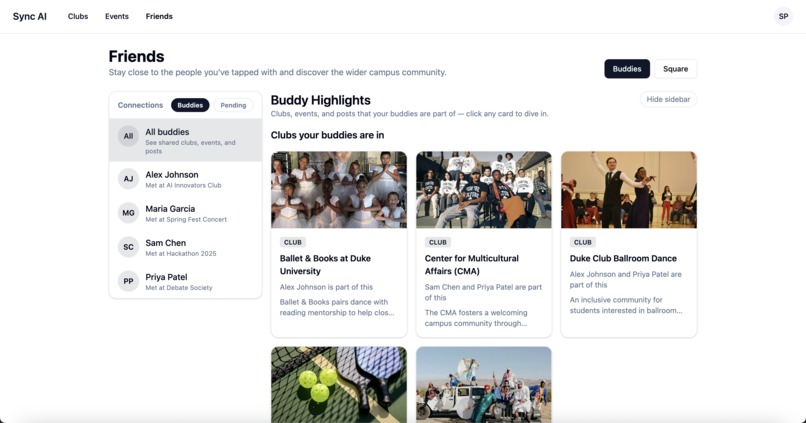
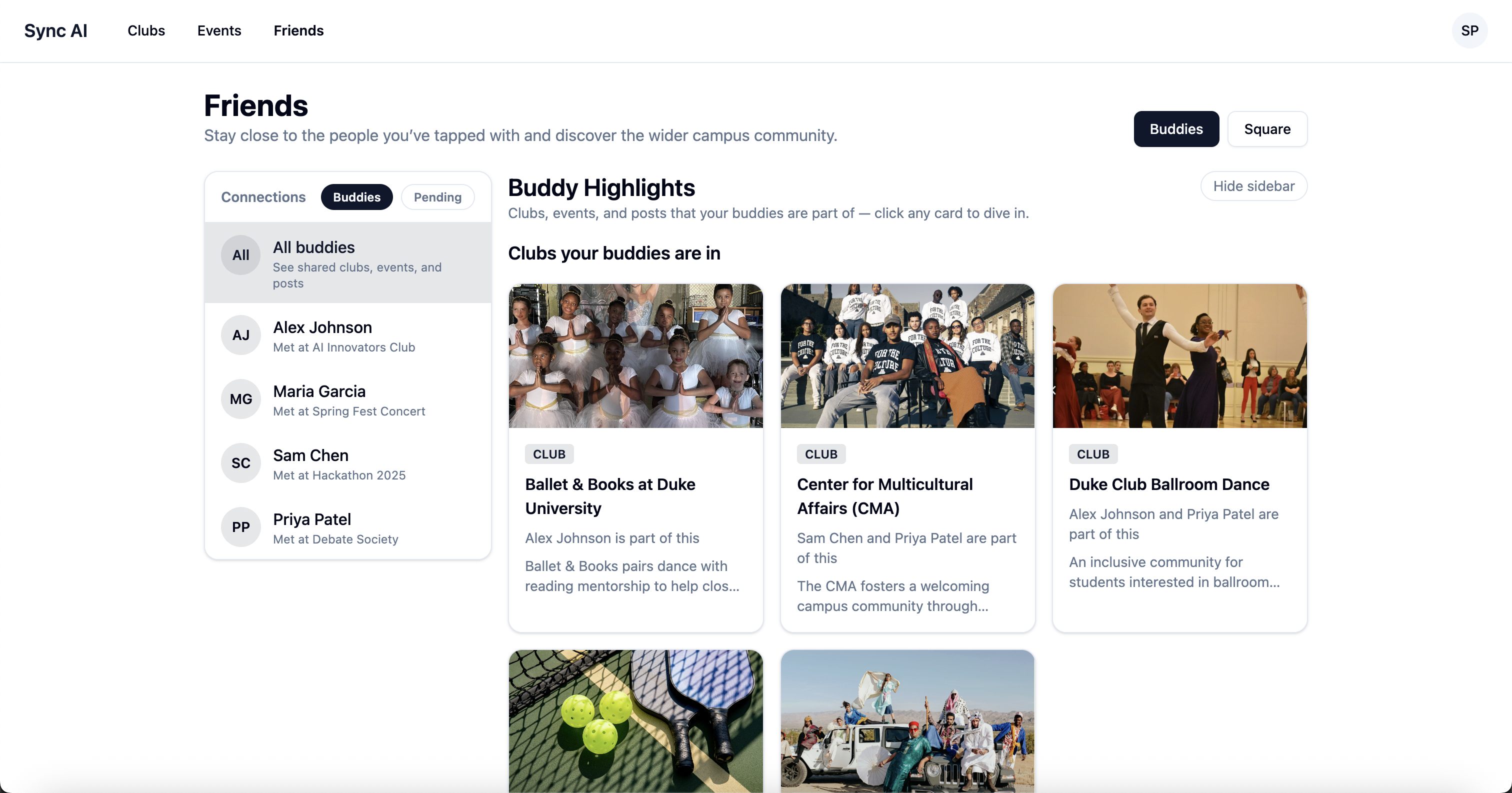
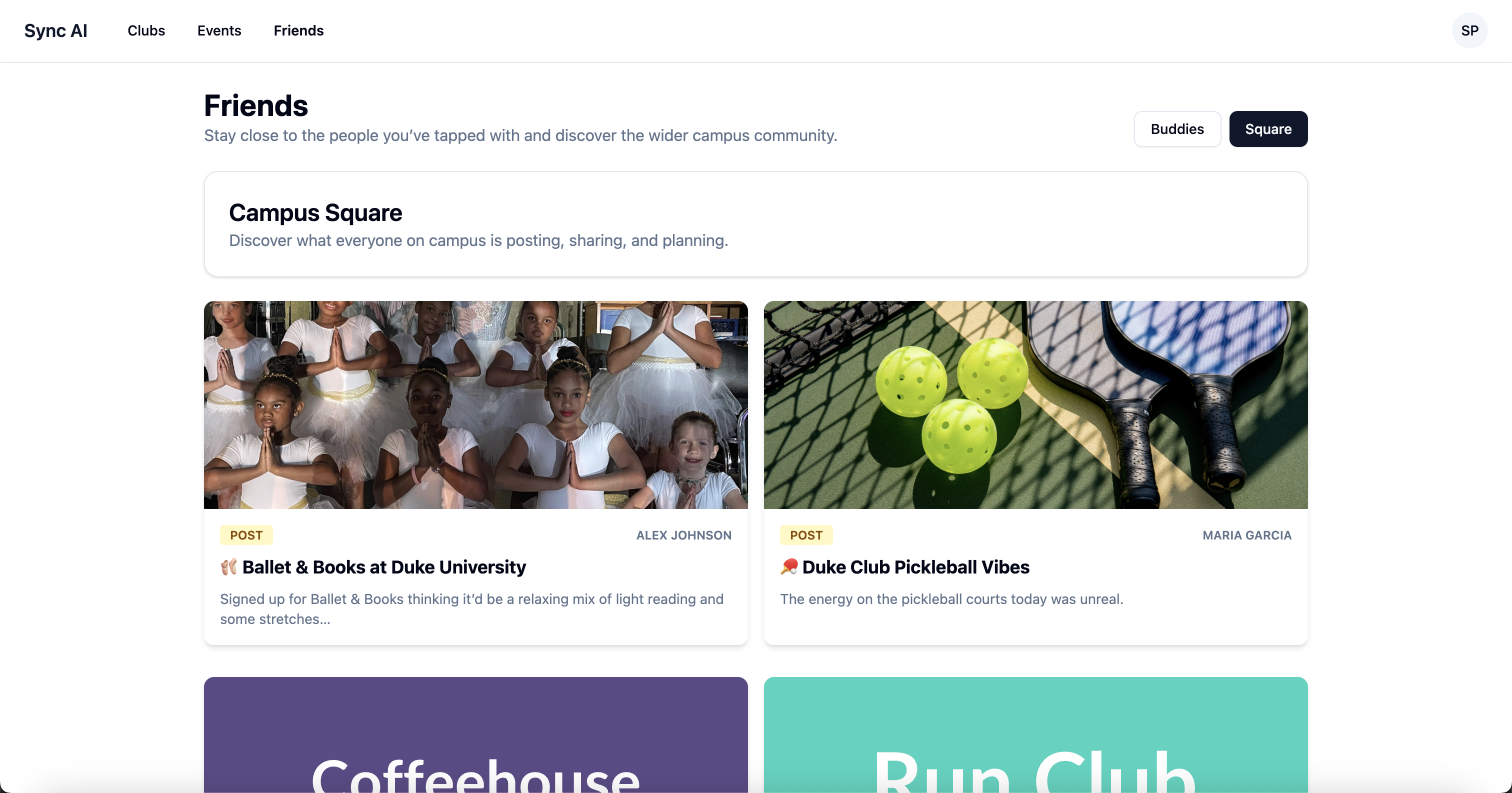
Stay connected with your friends
-
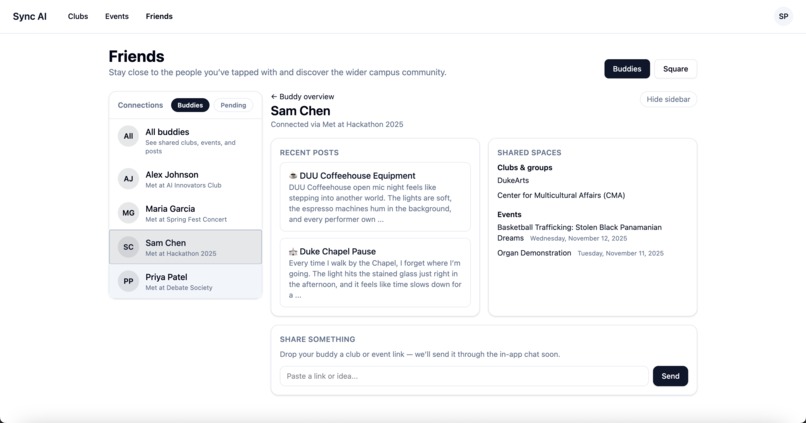
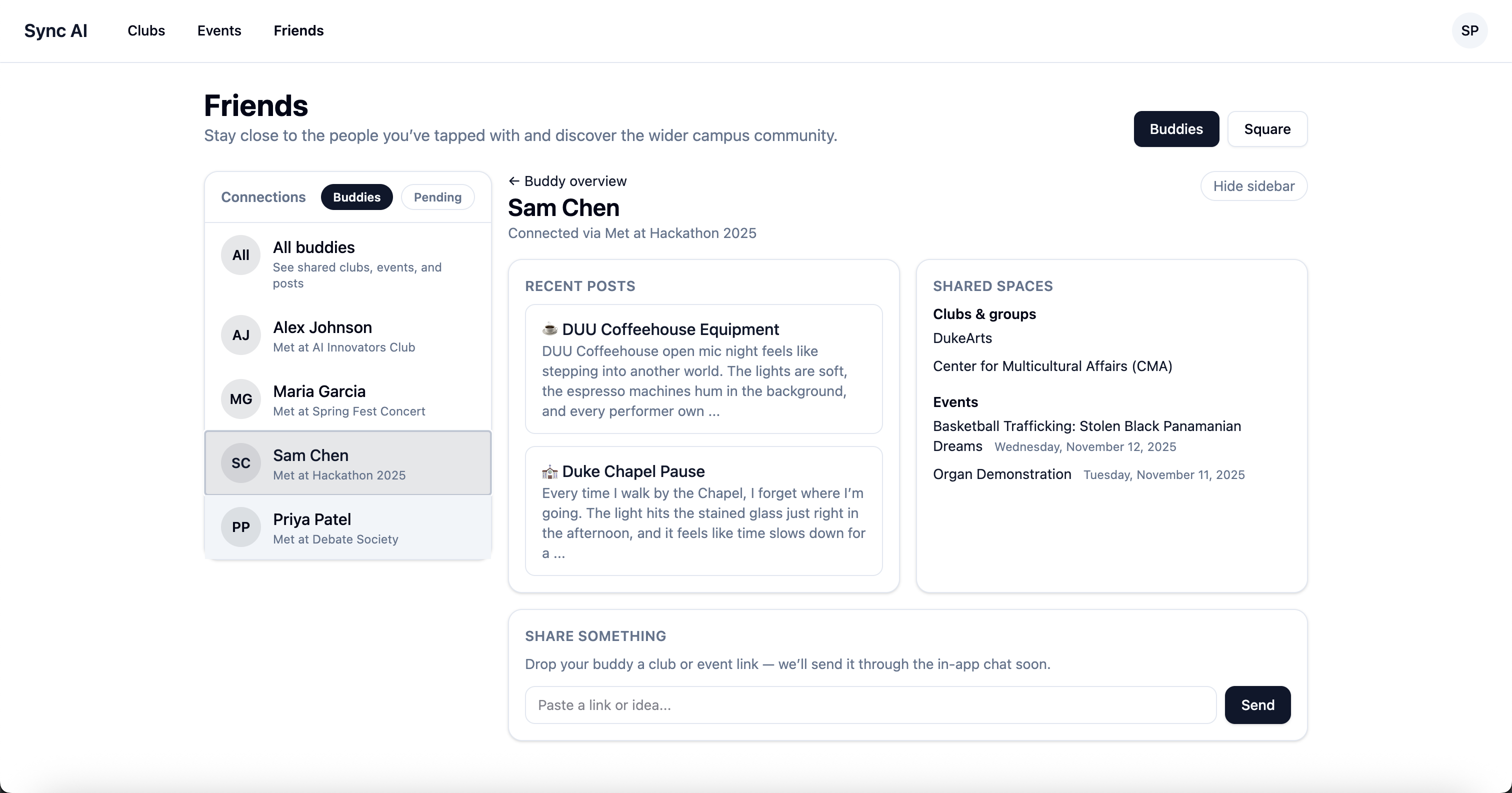
See their recent posts and what shared interests you have
-
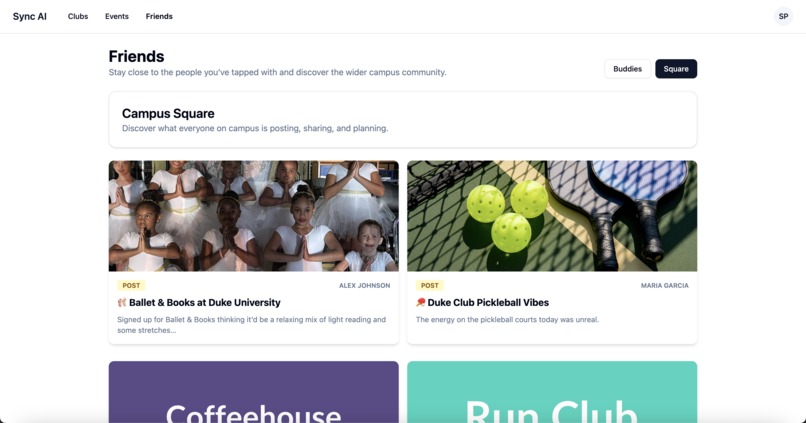
See posts from everyone around campus
-
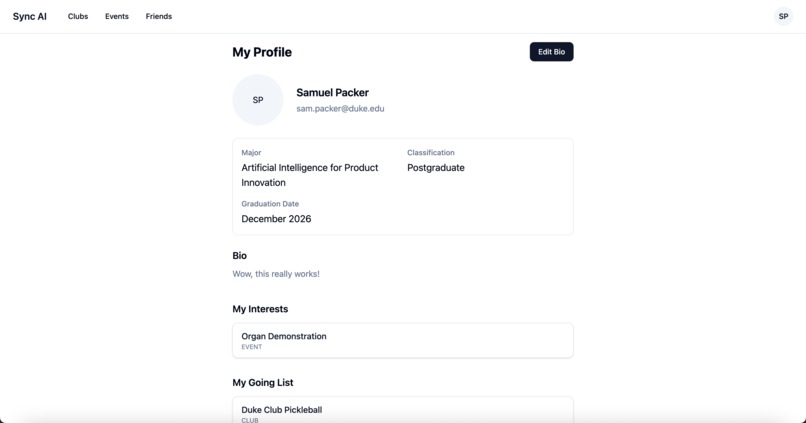
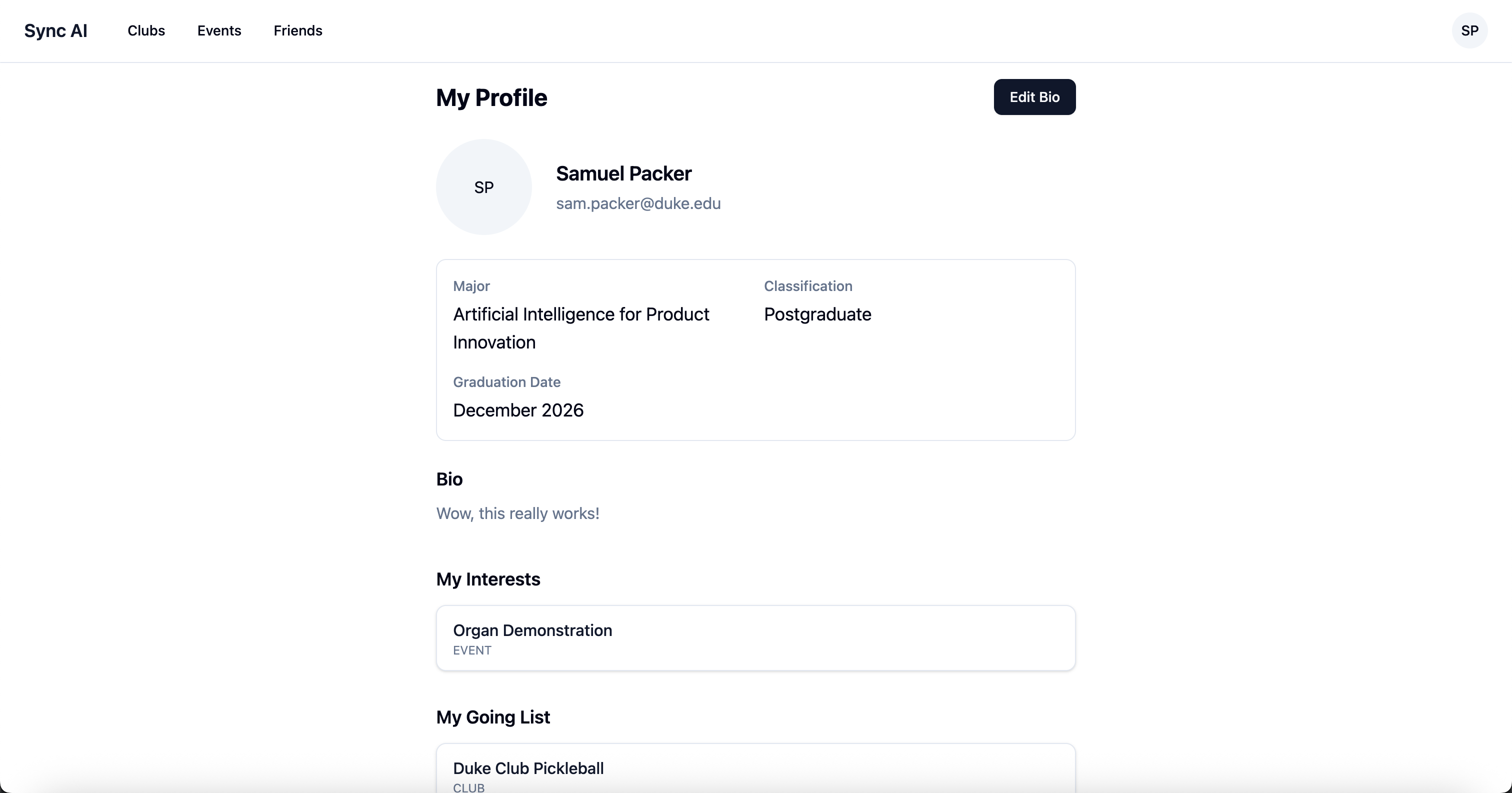
See your profile
What if there was a way to stop one of the biggest conflicts from ever happening? In politics, there's a zero-sum mentality: the U.S. wins and China loses, or vice versa. But why does one country have to win for the other to lose? What if we could help shift the mentality back to what it used to be: a win-win, collaborative approach rather than a competitive one. One of the few places where the U.S. and China still collaborate is in academia. Our team is the perfect representation of that. We have two Chinese students, one Indian American student who serves in the military, and one student with a business background who experienced this isolation problem firsthand throughout undergrad. We represent exactly the kind of collaboration that should exist, yet all of us have faced our own struggles with connection.
The solution traces back to World War II. Years after the war, scientists questioned civilians who knew genocide was happening in their own backyard and asked why they did nothing. The answer: they were able to distance themselves. When they thought of the enemy as less than human, murder became acceptable, like killing a cockroach rather than murdering a human. Connection is what makes us see each other as human. Isolation is what enables us to look away.
And this isn't just about preventing future conflict. The inability to connect drives people to isolation, depression, and even suicide. This is the Gen Z loneliness epidemic, and it's happening right now on our campuses. Our solution addresses both: fostering genuine human connection, specifically within universities, to bring people back from isolation and connect them through shared interests and hobbies.
We built a direct replacement for campus engagement platforms like CampusGroups, which powers DukeGroups and similar systems at universities nationwide. A complete rethinking of how students discover and connect with clubs. Now you might be thinking, "We already have DukeGroups, so why would we need something like this?" The issue isn't Duke's choice, it's what the industry has given them to work with. Platforms like CampusGroups dump a giant, unintuitive list of clubs at students and expect them to figure it out. There's no personalization, no guidance, no understanding of who you are or what you need. For introverts, for international students, or anyone who doesn't immediately know where they fit, these platforms are overwhelming. They create an unfairly balanced campus where only the most extroverted, the most confident, or the most well-connected thrive. Everyone else feels the immense burden to find a club within the first week for fear of missing out. And when they can't navigate the chaos, they retreat into isolation. These platforms fail to solve the fundamental problem: meaningful connection.
Our approach is education-first. We're not competing for students' attention or trying to be the next Instagram. We let universities brand Sync AI to their needs. Students don't see a third-party app. They see their university's branding, building trust and safety from day one. This solves the chicken-and-egg problem that kills most social platforms: we go directly to student life and engagement offices, and the entire student base is instantly there.
We fully support SAML 2.0 and Shibboleth, which is how we integrated with Duke's Single Sign-On (SSO) for this hackathon. That integration proves our security model works. If you think our platform is insecure, then by extension, Duke's SSO is insecure. We understand how difficult it is to integrate with universities, so we're building to support every authentication protocol used in higher education: CAS, OAuth2, and federation with Internet2 / InCommon. We want to make it incredibly easy for any university to integrate our software securely into their environment. The data we collect about students is completely compliant with FERPA.
What separates our platform from existing solutions is that everything we've built is grounded in the user experience. Instead of dumping a list of clubs at students, we match them to communities where they'll actually belong. We implemented GloVe (Global Vectors for Word Representation), a model that creates word embeddings by capturing the statistical co-occurrence of words in a large text corpus. This lets us output recommendations based on semantic distance, matching students to clubs that truly align with their interests. To create truly personalized recommendations, we built an agentic recursive self-improvement (RSI) recommendation system with Bayesian updating and interaction embeddings. The system learns from each student's interactions and gets better over time.
We didn't build this in 24 hours for fun. This is a deliberate effort to solve a real-world problem affecting millions of students. We've considered the business viability, the ethical implications, and the long-term sustainability. Our team brings together some of the smartest AI students here with very diverse backgrounds in machine learning and a business perspective focused on integration and go-to-market strategy. By using interpretable ML models, we ensure transparency and accountability. Students and universities can understand why recommendations are made. By integrating with university SSO systems, we provide enterprise-level security. By letting universities own the branding, we eliminate the trust barrier. By focusing on genuine connection rather than engagement metrics, we prioritize human wellbeing over growth at all costs. Every decision we've made, from the technical architecture to the business model, is designed to create something that works in the real world.
Duke has an outrageously incredible body of talent, resources, and money. If a better platform existed, they would have adopted it already. The problem isn't a lack of money or technology. It's that every platform sacrifices connection for growth. We built one that doesn't.
Built With
- flask
- glove
- postgresql
- svelte

Log in or sign up for Devpost to join the conversation.