-
-
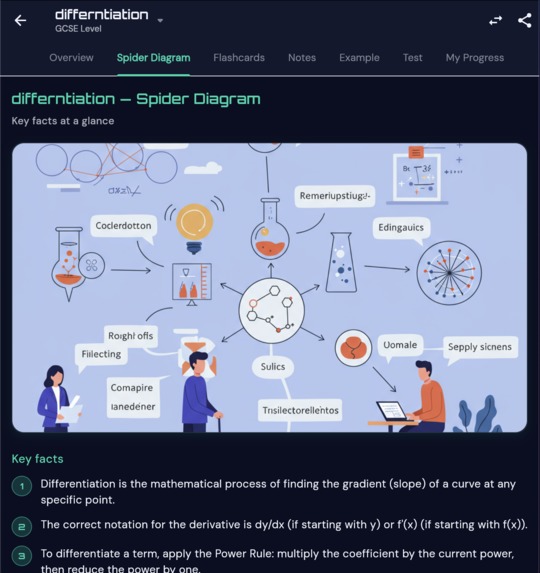
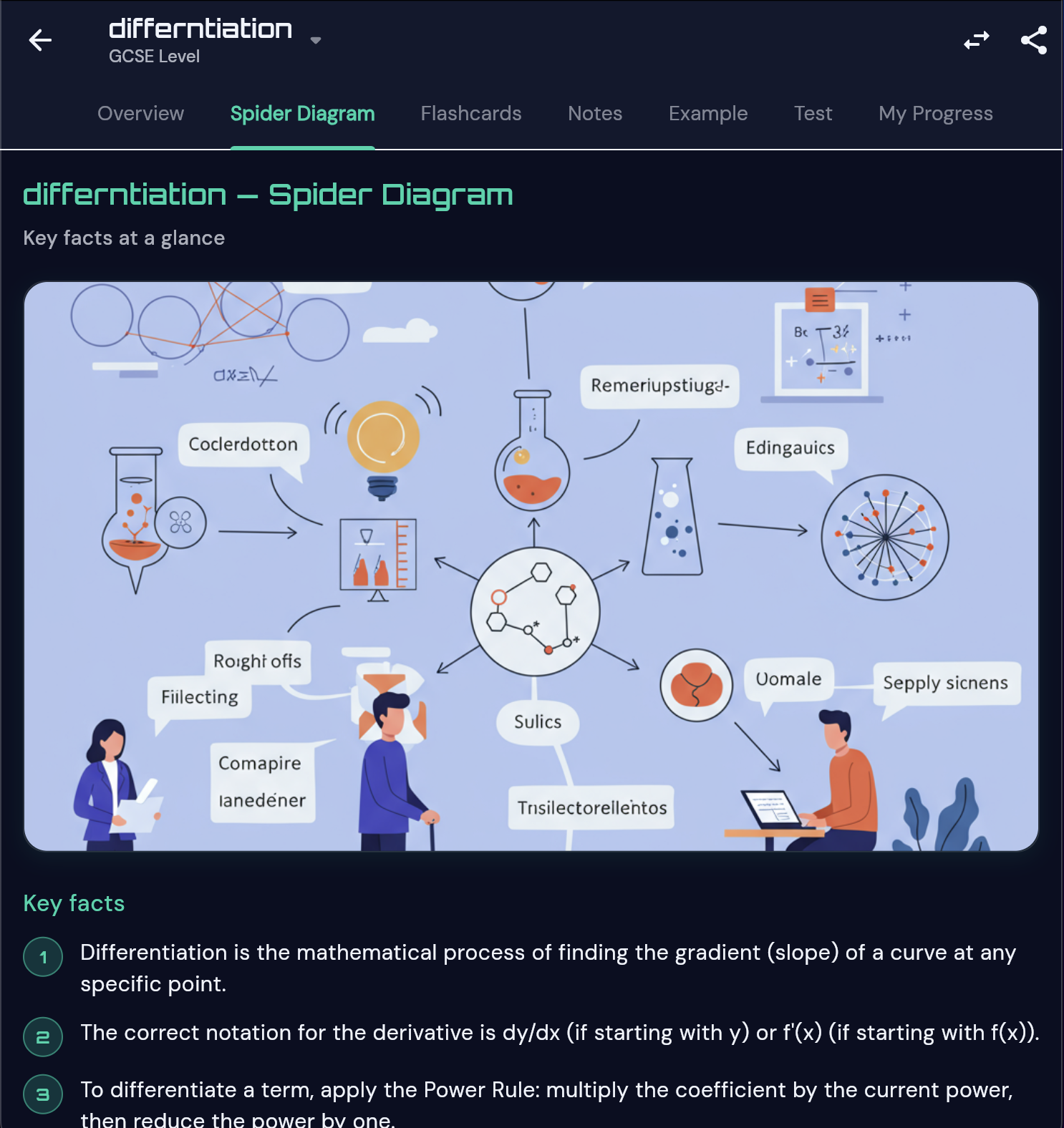
mindmap
-
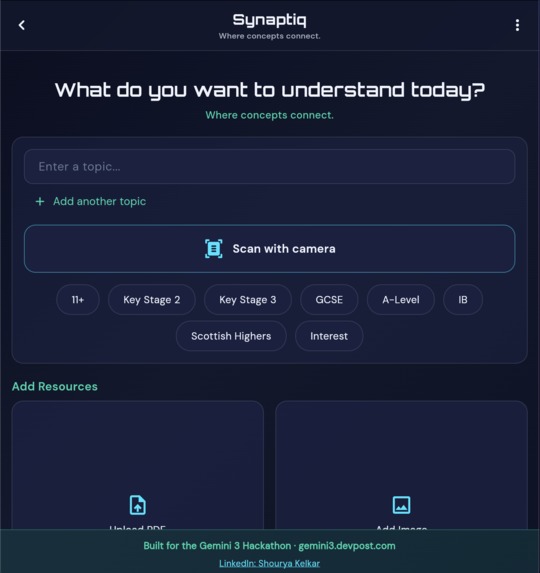
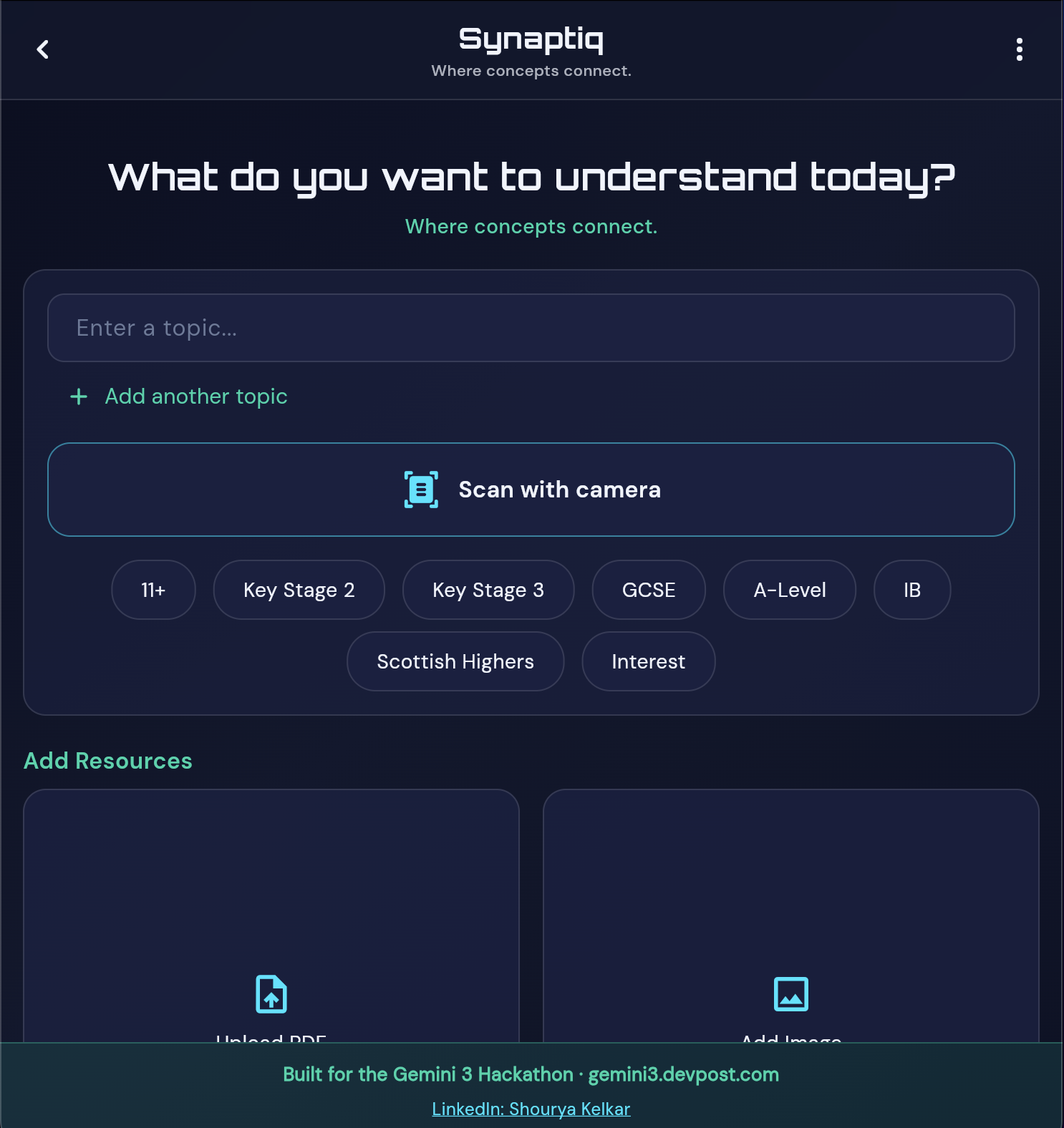
Topic Creation
-
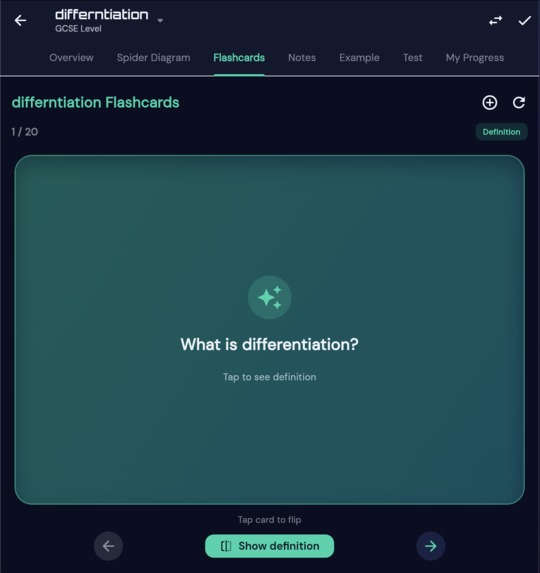
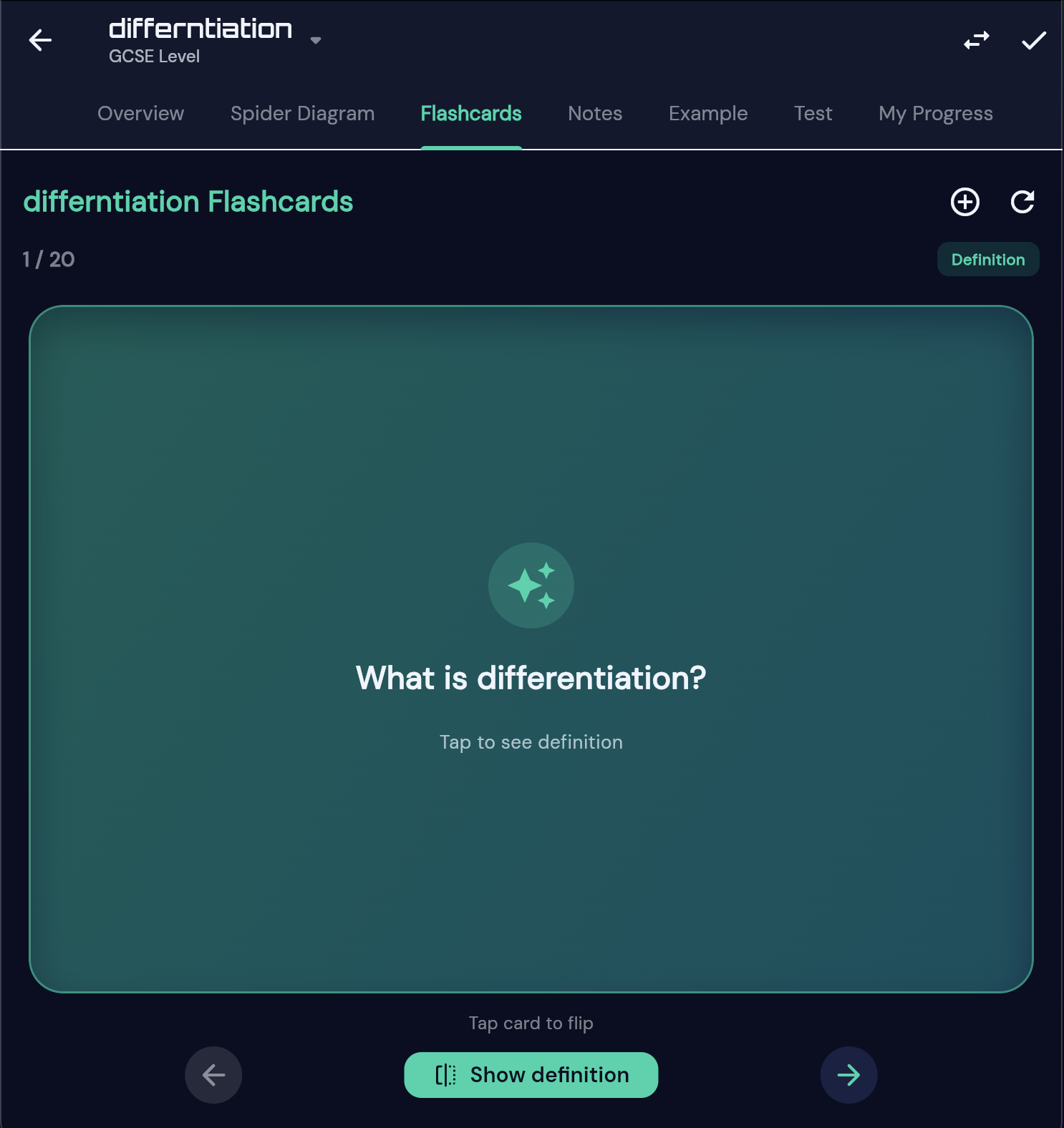
Flashcards
-
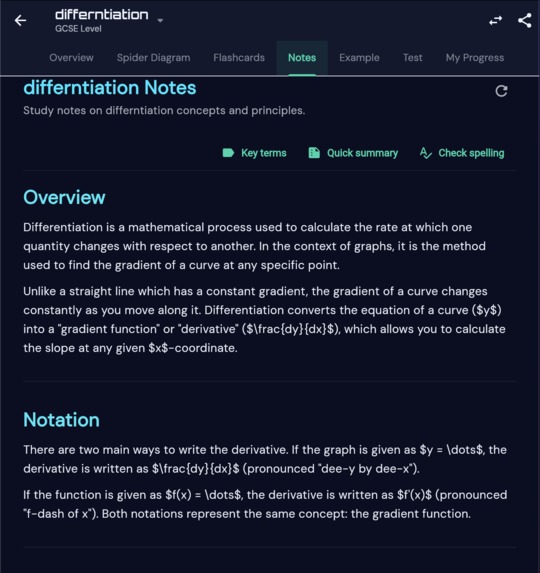
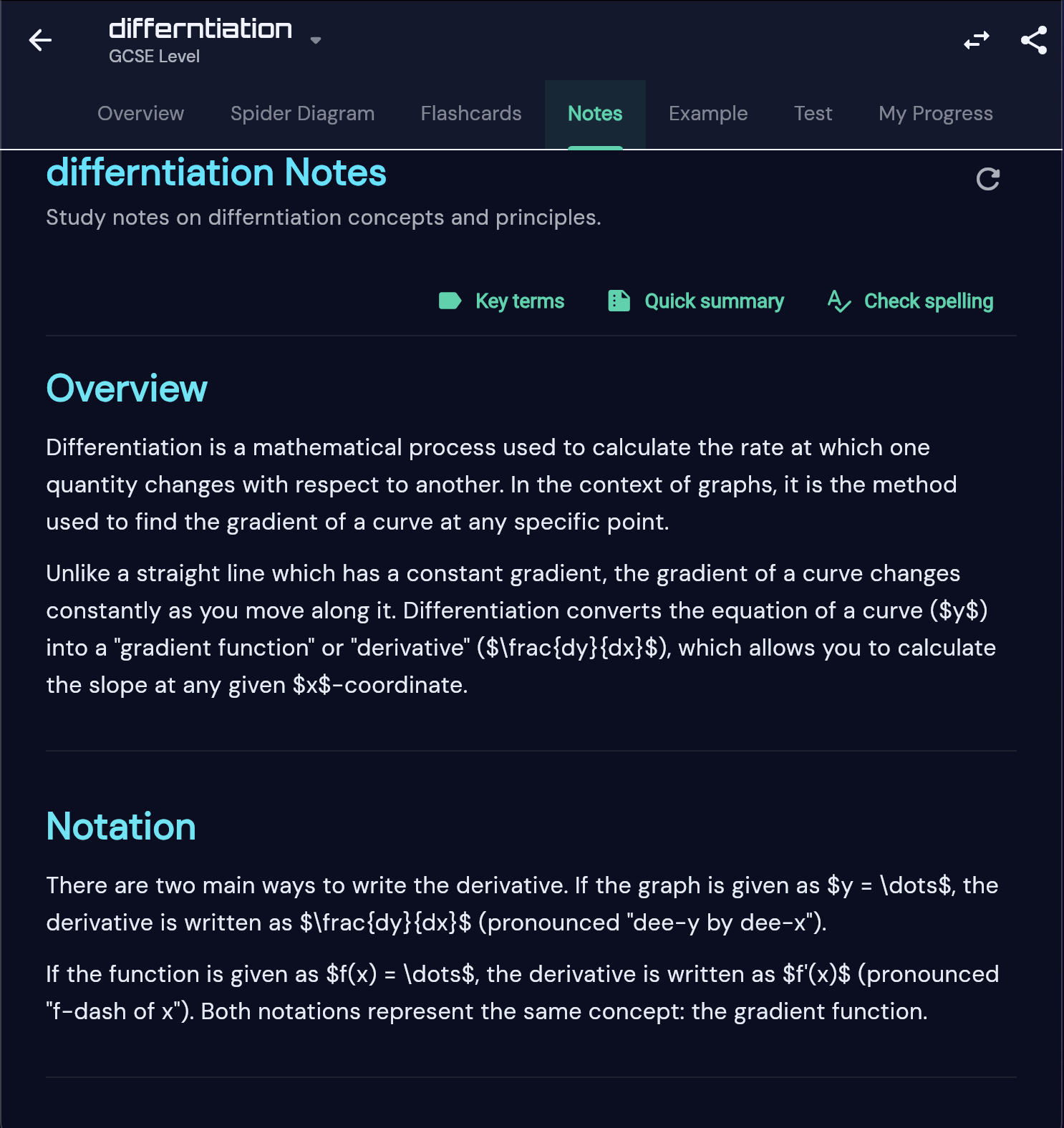
Notes
-
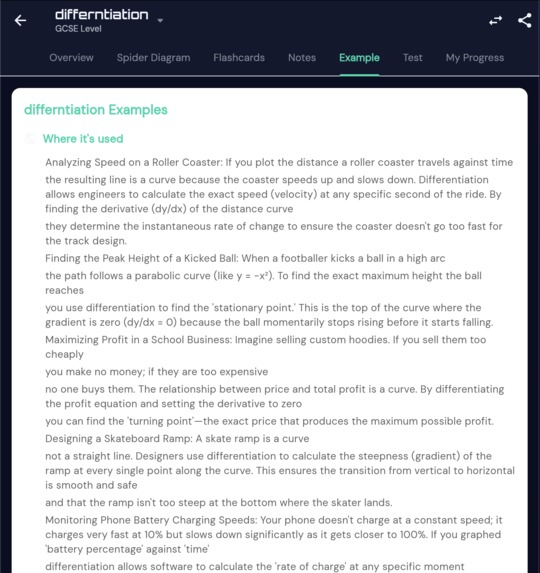
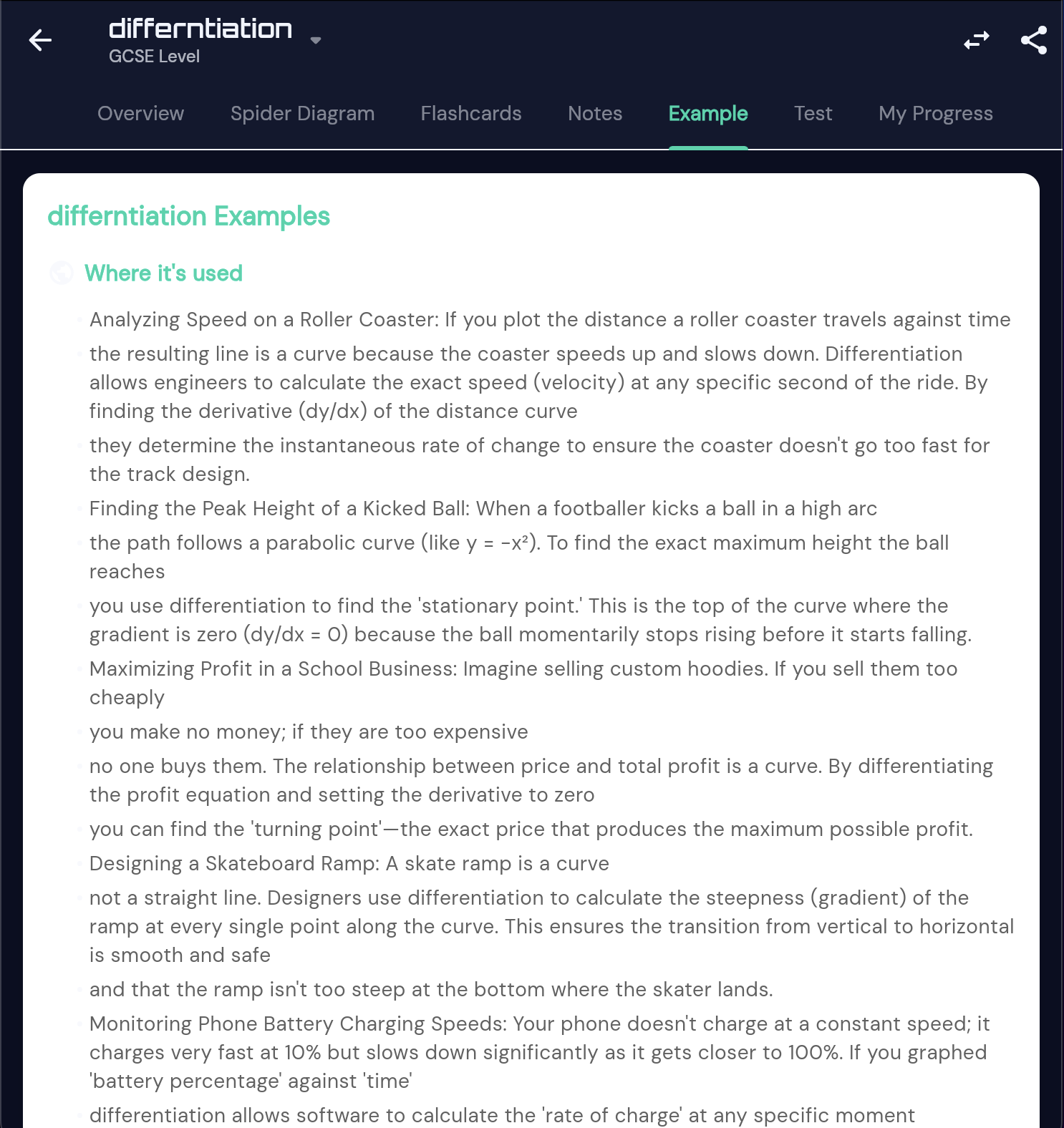
real life examples
-
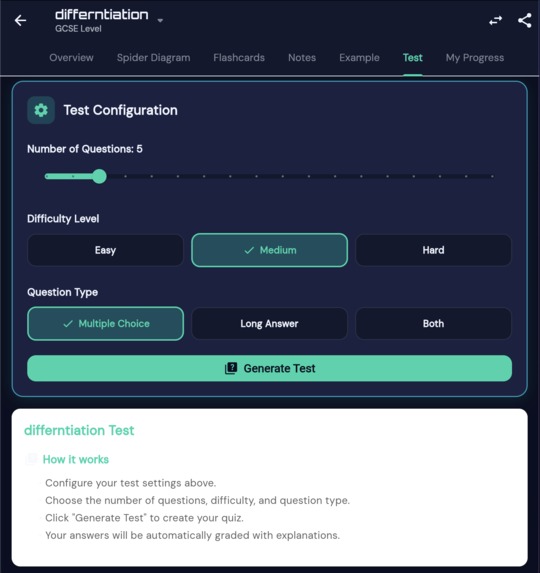
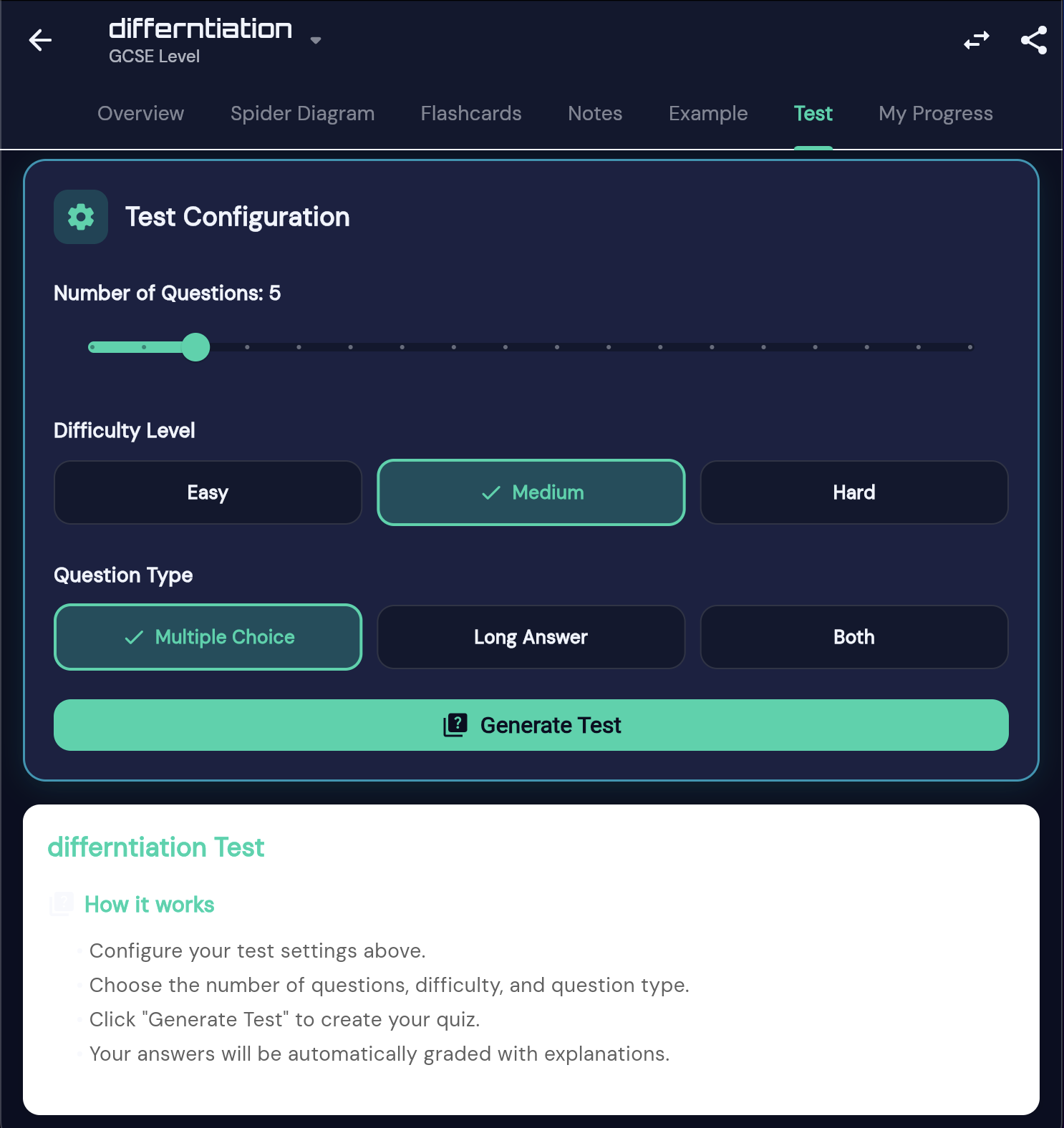
Test generation
-
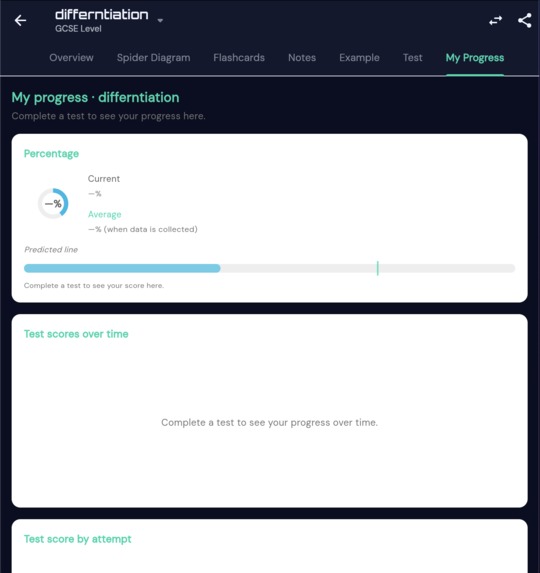
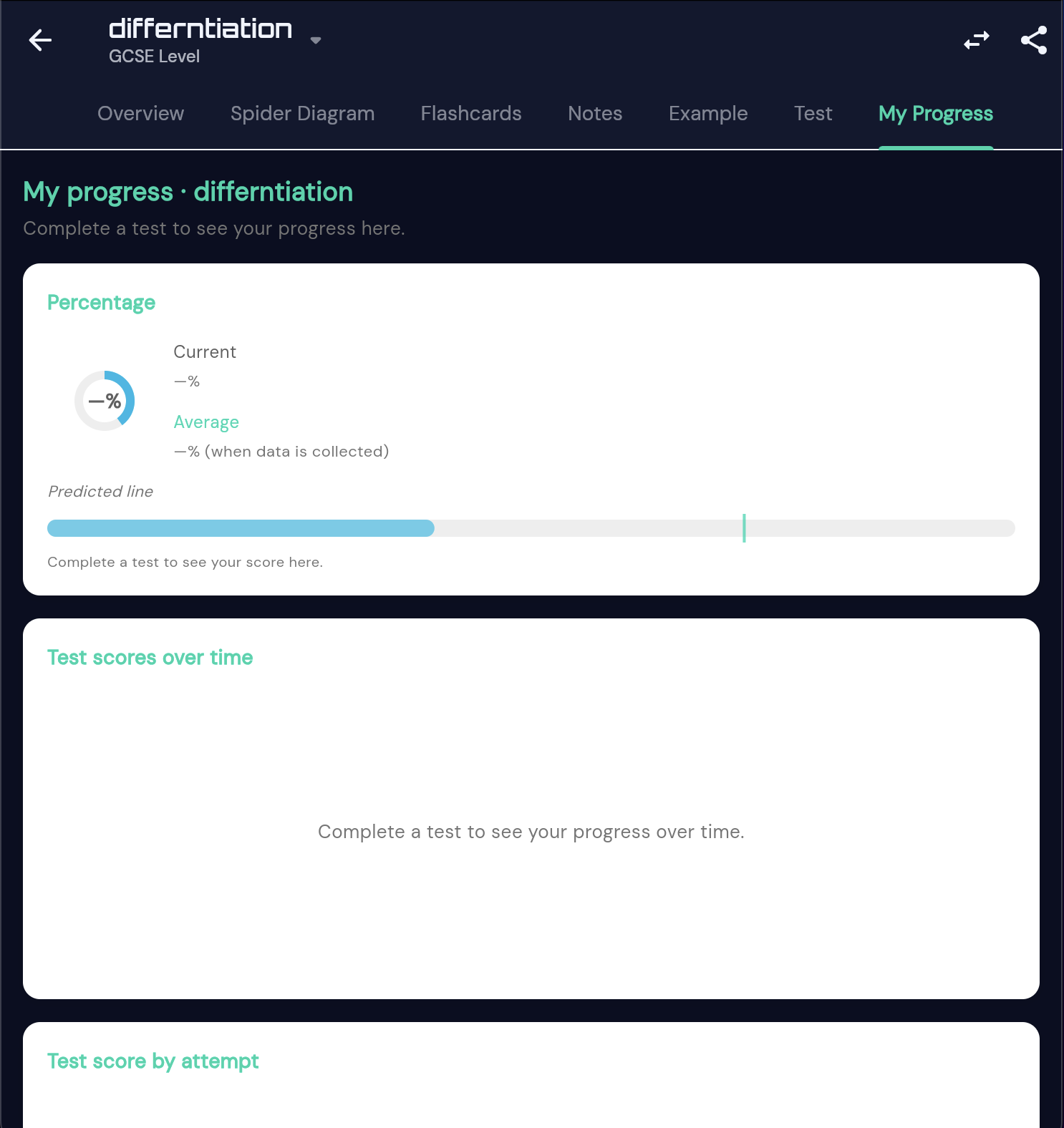
Progress screen
-
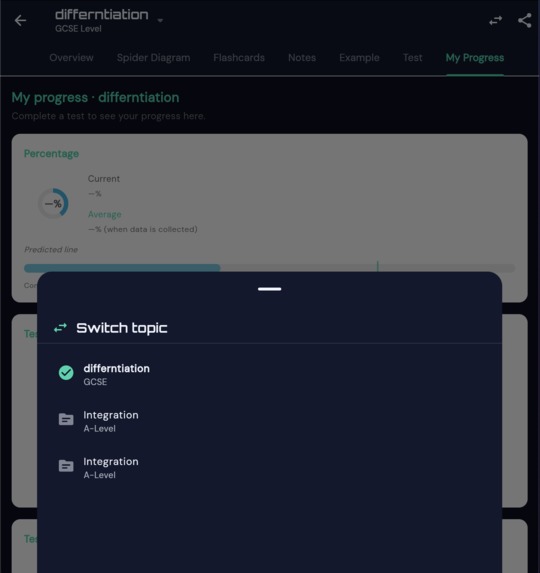
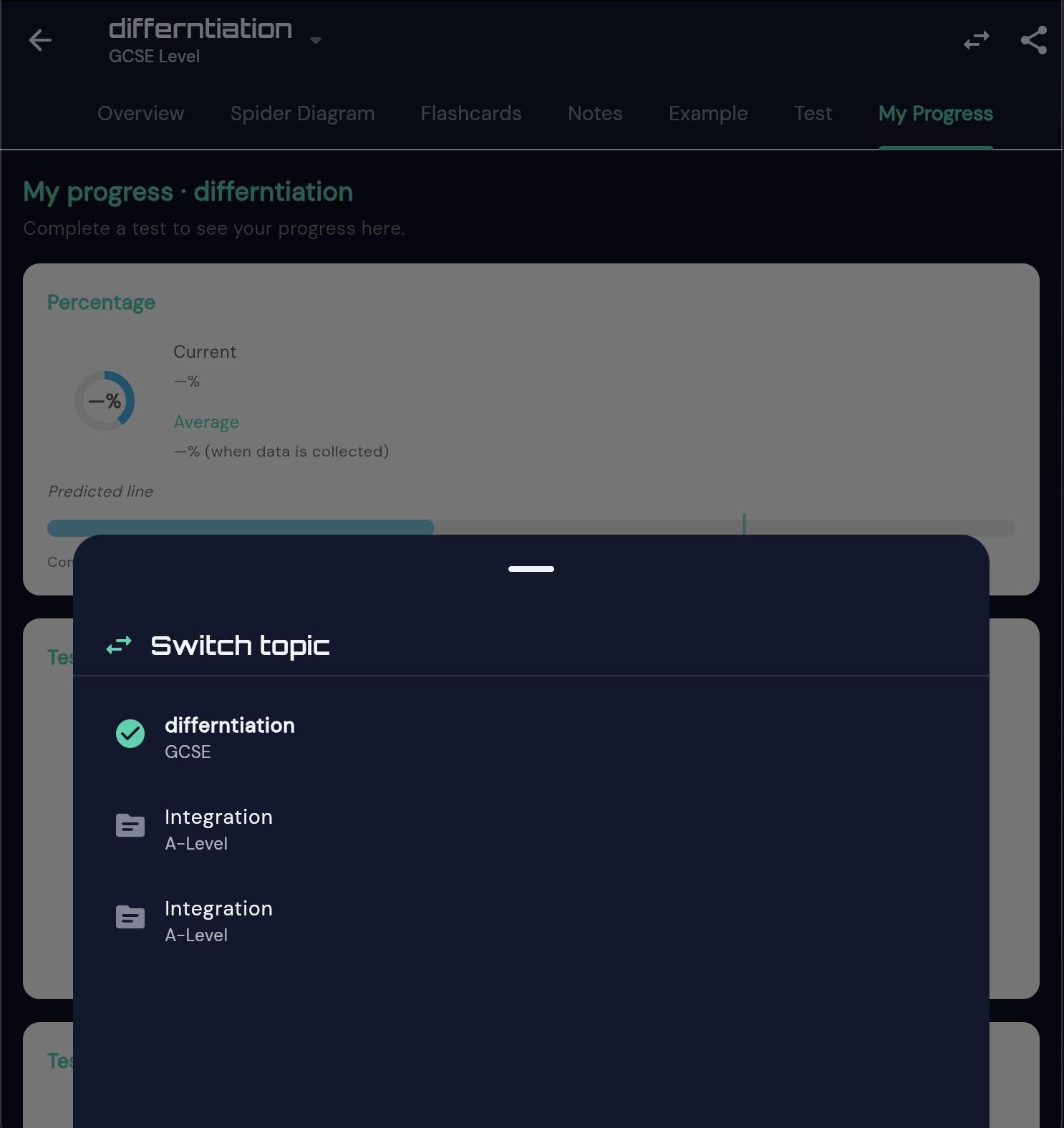
Topic switch
Synaptiq — Where Concepts Connect
My story for the Gemini 3 Hackathon: what drove me to build this, what I learned, and how I turned an idea into a working study tool.
⸻
What Inspired Me
I’ve always been frustrated with study tools that promise “complete packs” but end up giving half-finished notes, confusing flashcards, messy mind maps, or tests that don’t make sense. I wanted to create something different—a place where you enter a topic and get a full, coherent study experience. Everything should work together, not feel scattered across different tools.
What really inspired me: • AI working together — I wanted multiple specialized agents (notes, mind maps, brain dump, flashcards, examples, tests) that communicate with each other, all powered by Gemini 3 Pro. Each agent has a role, and together they create a complete study pack. • Learning science — I built features inspired by real revision strategies: spider diagrams with key facts and visuals, brain-dump summaries, and progress tracking so I can see how much I’m learning. • Practical, cross-platform — Using Flutter, the app runs on both web and mobile. Firebase keeps my topics synced, and I can start from PDFs, images, or typed text, so my workflow is always consistent.
My goal was simple: one topic in, one full study experience out—organized, coherent, and actually useful.
⸻
What I Learned • Breaking work into steps is key — I realized a single “mega prompt” doesn’t scale. Splitting the process into agents (notes → mind map → brain dump → flashcards → examples → tests) and running them in order made everything more reliable. • Gemini 3 Pro + Imagen is powerful — Generating visuals is not just about calling an image API. I carefully prompt Gemini 3 Pro to create topic-specific content and then use Imagen to turn that into clean, coherent images. Spider diagrams, hero images—each has a purpose. • Curriculum awareness matters — I added optional web search for context (like SaveMyExams for UK GCSE/A-Level) so the notes are aligned to the syllabus. • Designing for humans — I made sure math and formulas display correctly, handled failures gracefully, and kept the flow smooth even when one step fails.
⸻
How I Built It
Here’s the workflow I created: 1. Normalize the topic — Clean it up and clarify it (e.g., “inverse trig” → “Inverse trigonometric functions”). 2. Generate notes — Structured, level-appropriate, and optionally enriched with web search. 3. Create a mind map — Extract hierarchy from notes for layout and spider diagrams. 4. Brain dump — Pull out key facts and generate image prompts for diagrams. 5. Flashcards — Turn notes into front/back cards, including math formatting. 6. Real-world examples — Show how concepts appear in real life. 7. Test questions — Multiple choice or long answer, configurable by difficulty.
I orchestrated all of this using Gemini 3 Pro, so each agent runs in order and produces a single, complete study pack.
⸻
Challenges I Faced • Keeping the pipeline reliable — Sometimes steps like image generation fail or are slow. I built timeouts and fallback mechanisms so notes, flashcards, and tests still work. • Making math look right — Raw LaTeX sometimes didn’t render. I added a layer that converts it to readable math (e.g., sin⁻¹, √x) so formulas are easy to understand. • Spider diagrams as one image — I wanted a single, clear diagram, not dozens of fragments, so I structured the flow carefully. • Aligning to curriculum and level — Ensuring notes matched exam boards and levels took precise instructions and sometimes extra web context. • Supporting different inputs — Whether I started with just a topic or a PDF/image/text, the pipeline works the same and shows progress step by step.
⸻
In Summary
What makes Synaptiq special is agentic AI: multiple agents (topic → notes → mind map → brain dump → flashcards → examples → tests) orchestrated with Gemini 3 Pro, enhanced by Imagen visuals, optional web search for curriculum-aware content, progress tracking, and math-aware UI.
I built it because I was tired of incomplete notes, half-finished flashcards, messy mind maps, and clunky tests. I wanted a tool that turns one topic into a complete, coherent study experience.


Log in or sign up for Devpost to join the conversation.