-
-
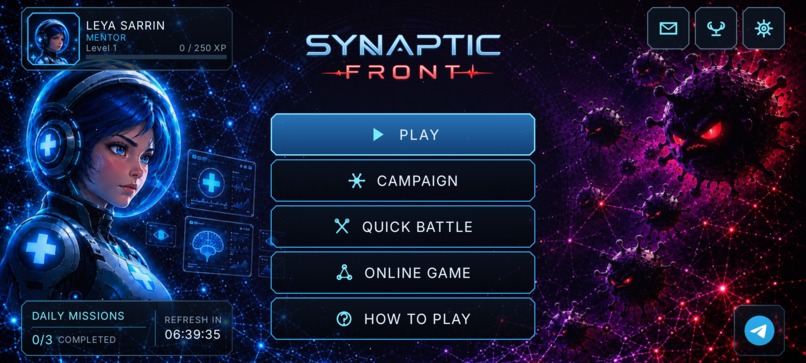
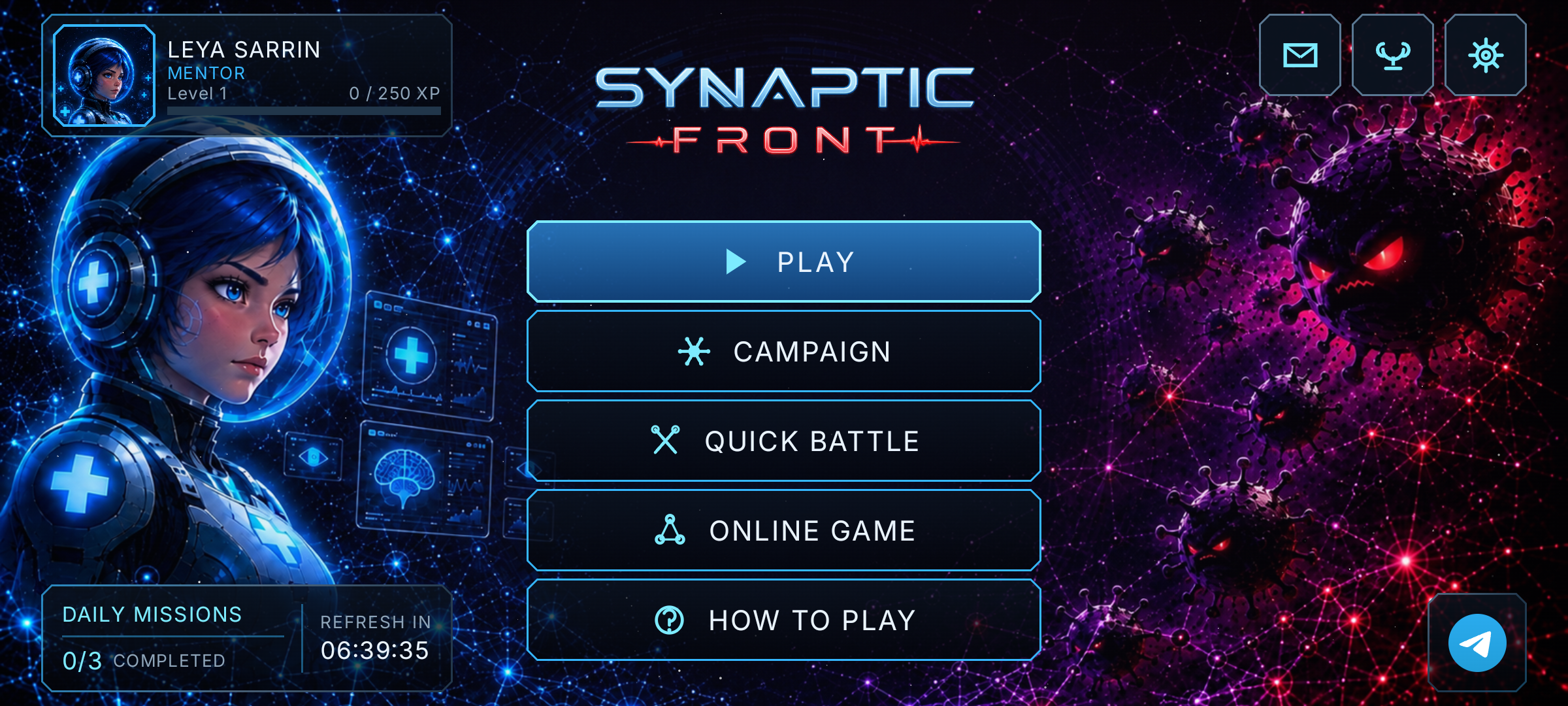
Main Menu
-
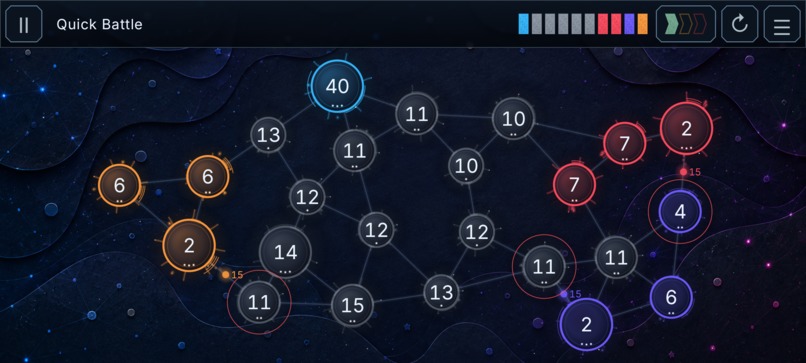
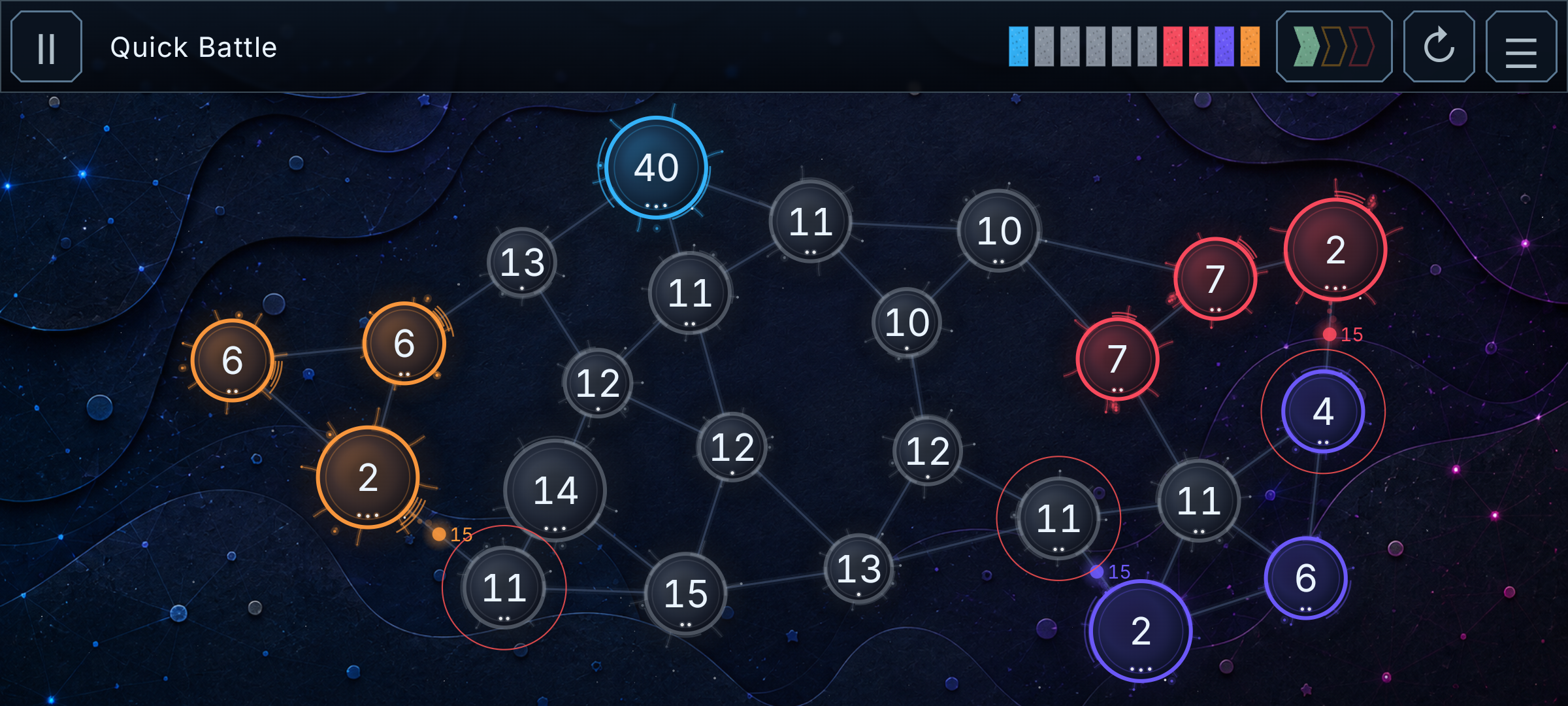
Quick Battle Gameplay
-
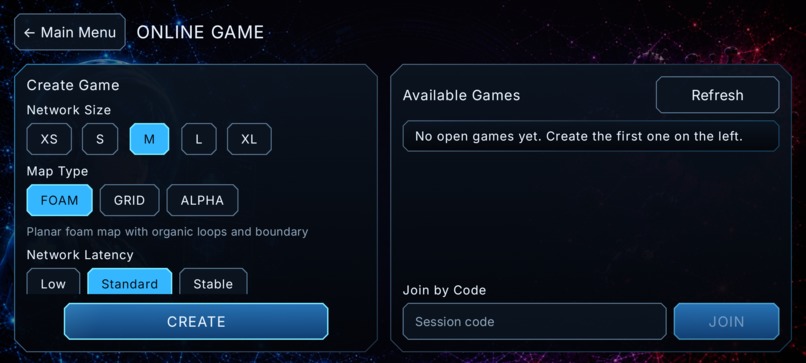
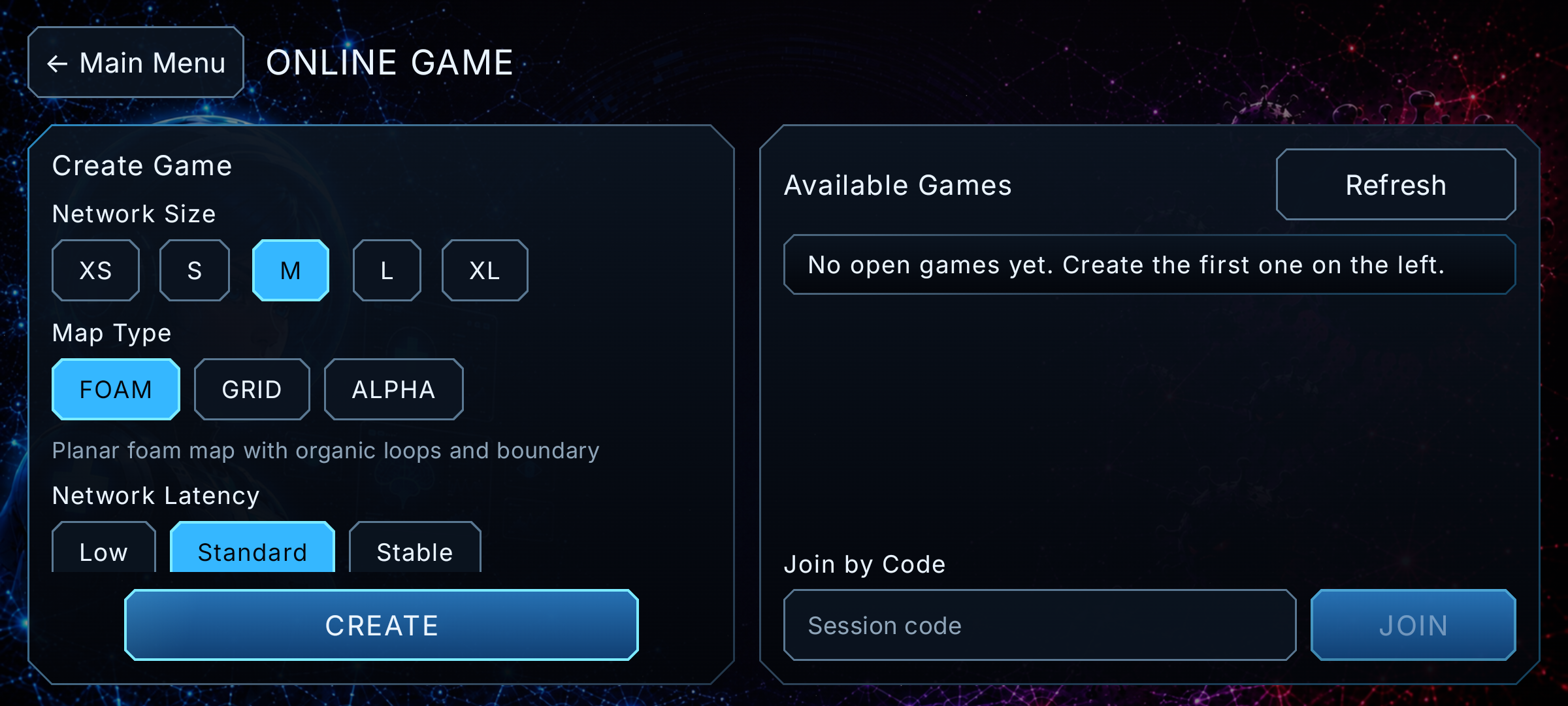
Online Game
-
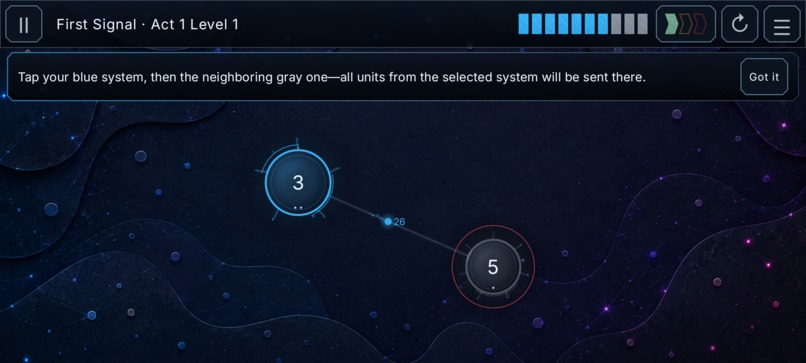
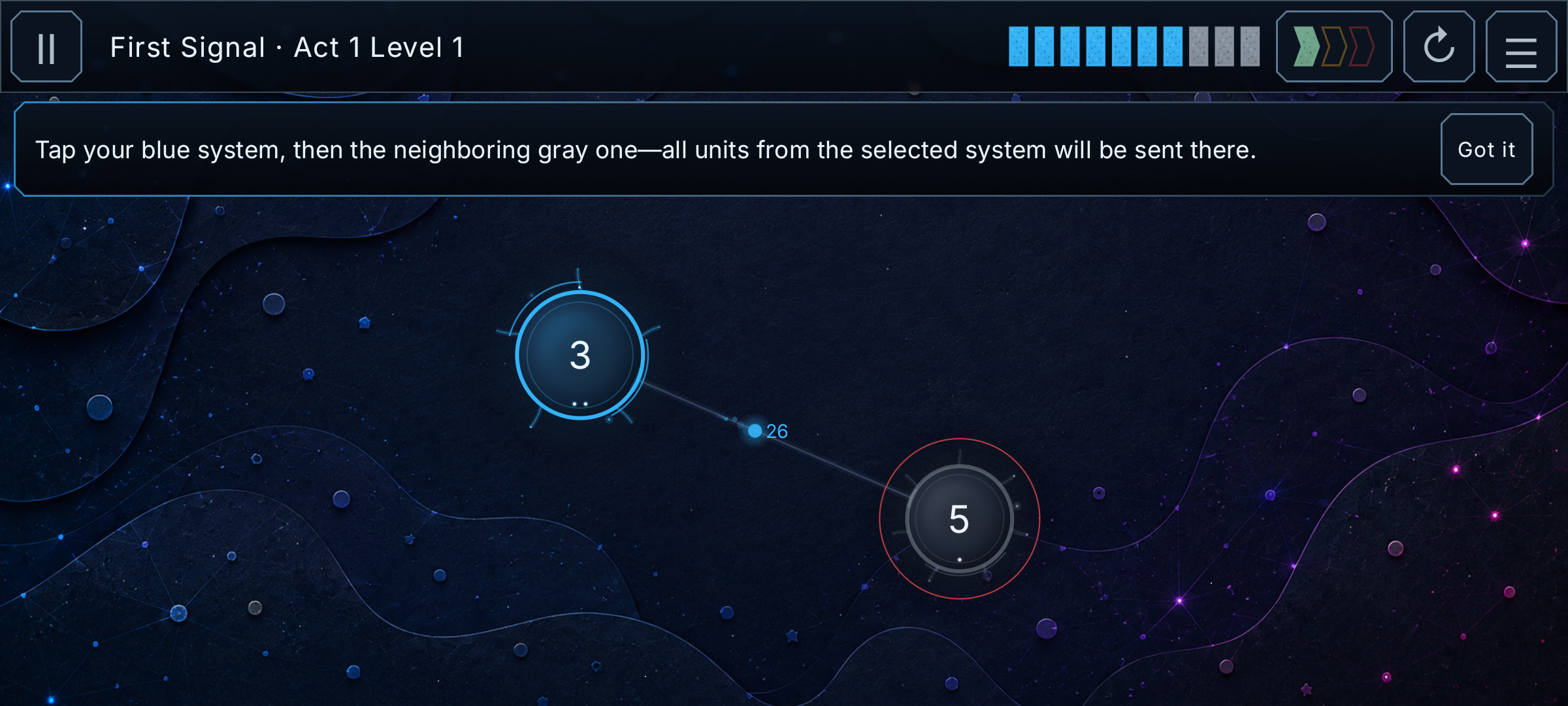
First Mission
Inspiration
As a child in Ukraine, I spent countless hours playing small strategy games built in Flash. They were sometimes rough around the edges, but they created entire worlds inside a browser window.
I was especially fascinated by games where control spread from node to node and a single decision could change the whole battle. They left me with a dream: one day, I would build a strategy game of my own.
For years, that dream felt financially impossible. An RTS requires programming, design, art, sound, artificial intelligence, content, networking, and testing—the work of a studio, not one person.
When Russia's full-scale invasion began, I left Ukraine and moved to Barcelona. While rebuilding my life in a new country, the old dream returned. In the evenings and during my free time, I started creating something of my own: a game about a fractured neural network whose broken connections must be restored.
I did not intend that metaphor to be personal, but I cannot pretend it is accidental.
Modern development tools finally made the attempt possible. AI helped me prototype ideas, investigate bugs, write tests, and iterate at a speed I could never achieve alone. It did not invent the game or make the creative decisions. It shortened the distance between imagination and a playable result.
That game became Synaptic Front.
What It Does
Synaptic Front is a sci-fi real-time strategy game designed for mobile devices.
Players capture neural nodes, generate units, route signal fleets, automate supply lines, and fight for control of a damaged network.
The game includes:
- A 50-mission offline campaign
- Procedurally generated Quick Battles against AI
- GRID and organic FOAM map generators
- Real-time online PvP for 2–4 players
- Persistent progression and 41 achievements
- Six interface languages
At the center of the story is a neural emergency. The player commands IRIS, a therapeutic AI, and must restore the mind of an engineer before a pathological cascade makes the damage permanent.
How I Built It
I built Synaptic Front as a native Android application using Kotlin and Jetpack Compose.
Its architecture separates the Android interface from a platform-independent simulation core. The game runs at a fixed rate of 30 ticks per second, and every action becomes a deterministic command applied at a precise tick boundary.
Online matches use the same simulation on every device. A Micronaut and Netty WebSocket server manages lobbies and orders commands, but the game rules remain deterministic on each client.
AI tools became collaborators throughout development. I used them to explore implementations, review code, create tests, improve localization, and iterate on the interface. Every result still had to be understood, integrated, tested, and refined by me.
Challenges I Faced
The greatest challenge was scope. A real-time strategy game is not one feature but a collection of systems that must work together continuously.
Deterministic multiplayer was particularly difficult. Two devices must process the same commands and arrive at exactly the same state. Even one inconsistent random-number call can eventually split a match into two different realities.
Designing for mobile was another challenge. Traditional RTS games assume a large screen, a mouse, and many controls. I had to reduce interaction to clear tap-and-drag gestures without removing meaningful tactical choices.
Finally, balancing 50 campaign missions while developing the project independently required constant iteration and discipline.
What I Learned
I learned that AI is most powerful when paired with a clear vision. It can multiply effort, but it can also multiply confusion. Precise rules, tests, and documentation made rapid development possible without losing control of the project.
Most importantly, I learned that limited resources no longer have to mean limited ambition. A solo developer can now attempt projects that once required an entire studio.
Synaptic Front began as a memory of the Flash games I played as a child. It survived years of waiting, a war, and a move across Europe before becoming a game people can finally play.
Some dreams do not disappear. They wait until you are ready to ship them.
Built With
- android
- claude
- codex
- compose
- coroutines
- gradle
- jetpack
- junit
- kimi
- kotlin
- micronaut
- websockets


Log in or sign up for Devpost to join the conversation.