-
-
Synapsis!
-
Motivation
-
Proposal
-
Tech Stack
Inspiration
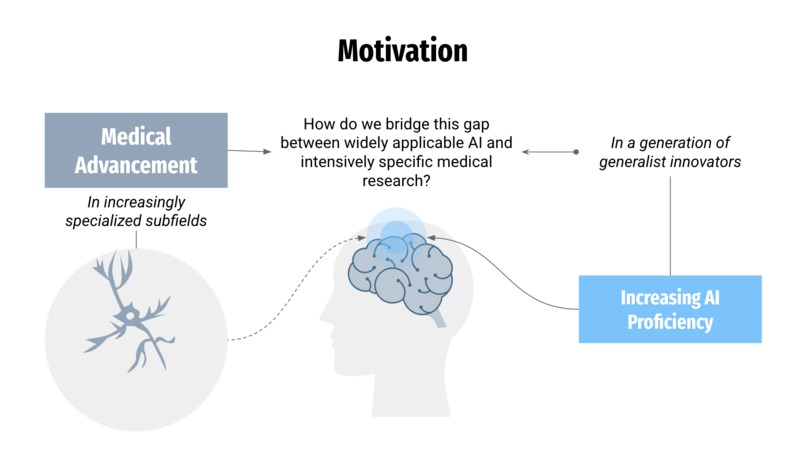
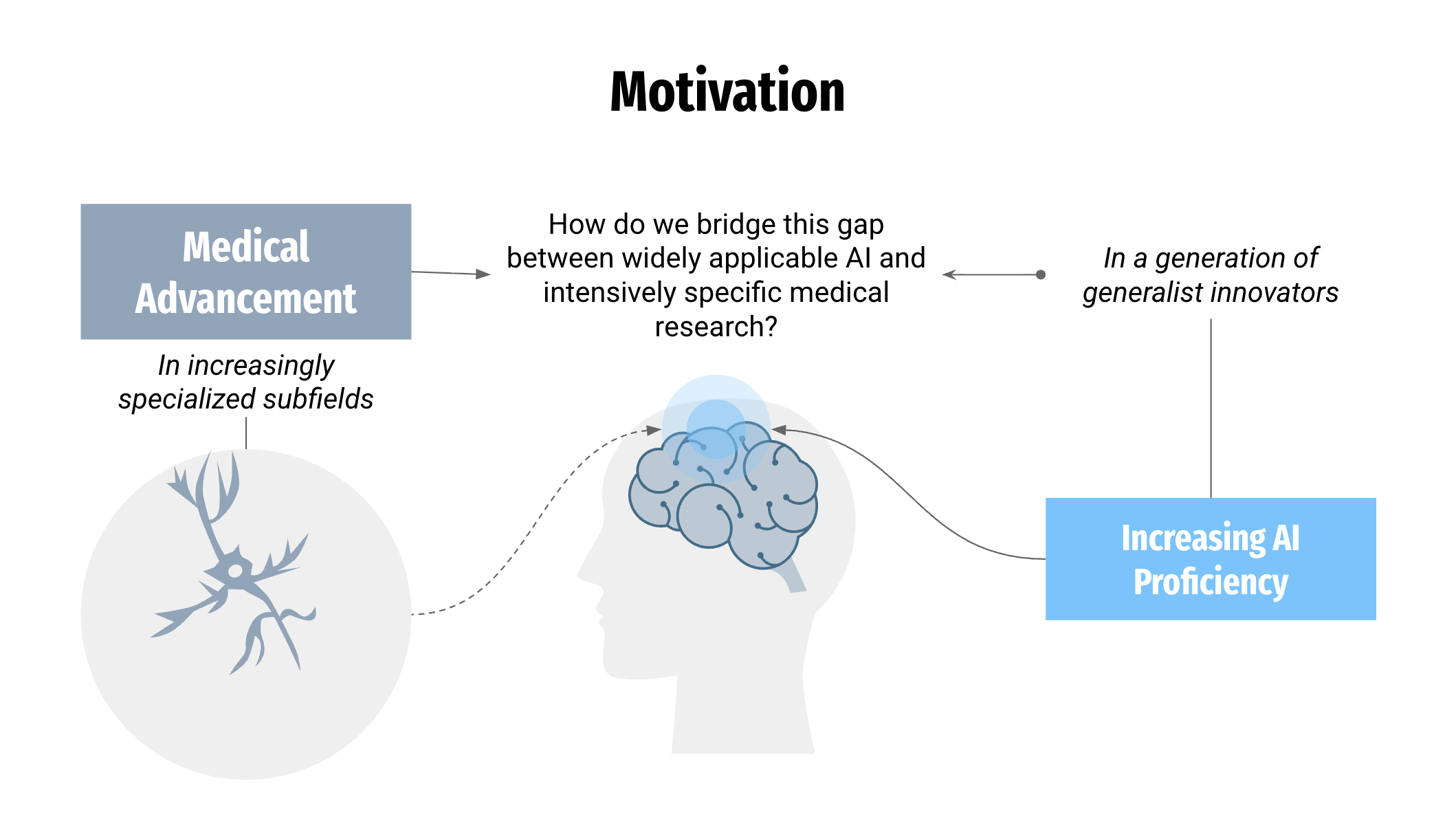
Too many medical problems that quietly shape people’s lives go overlooked. Clinical studies get funded, but never get out into the public eye. Not because they aren’t important — but because they don’t attract attention, funding, or technical talent.
At the same time, thousands of AI and computer science researchers want their work to matter beyond papers and benchmarks. They want to build things that improve lives — but don’t always know where their skills could make the biggest difference in medicine.
Synapsis exists to close that gap.
We believe the future of healthcare depends on connecting the right technical minds to the right medical challenges — especially the ones that have been underserved for decades. When AI expertise meets real human need, progress stops being abstract and starts becoming personal.
What it does
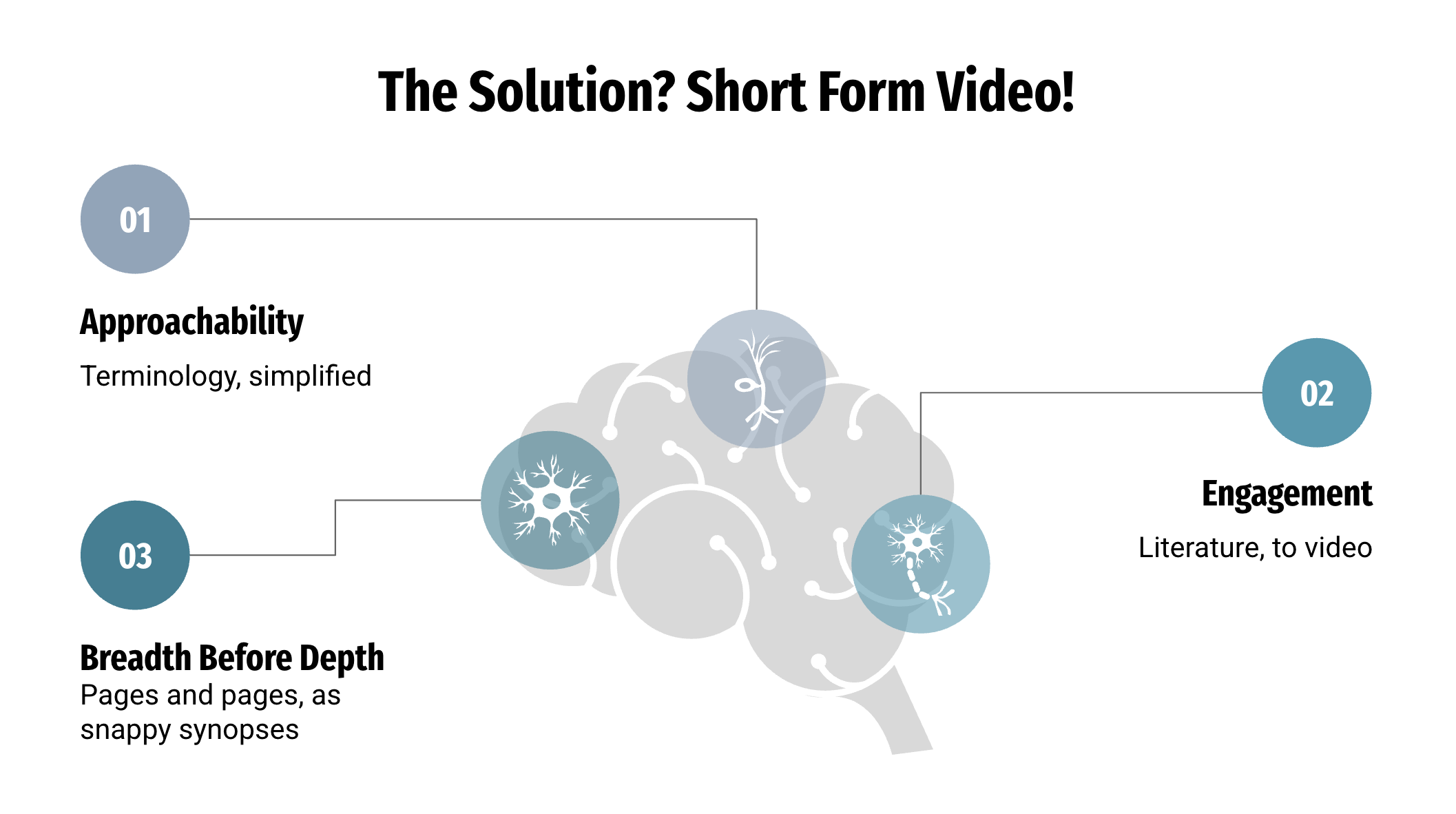
Synapsis empowers users with highly flexible, general-purpose AI skills to explore and discover a medical research niche in which their skills could be instantly leveraged. It does so by:
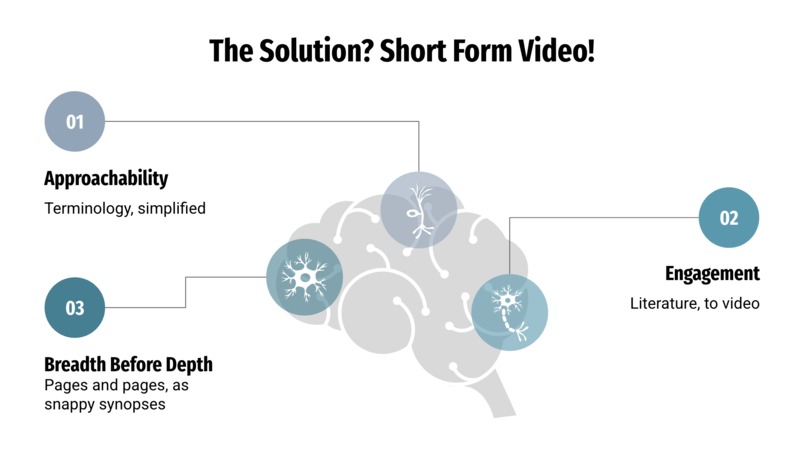
(1) Delivering short-form content based on an intersection of the user's interests within healthcare and AI (2) Identifying recent clinical trials or research studies relevant to those interests (3) Summarizing their results through a quick yet immersive short-form content collection.
Our goal is to democratize medical information and allow a new generation of AI-focused builders to work in the health and medical space.
How we built it
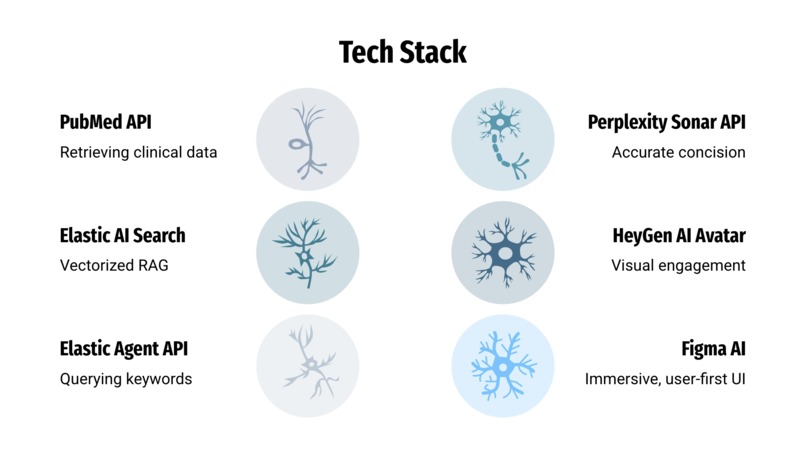
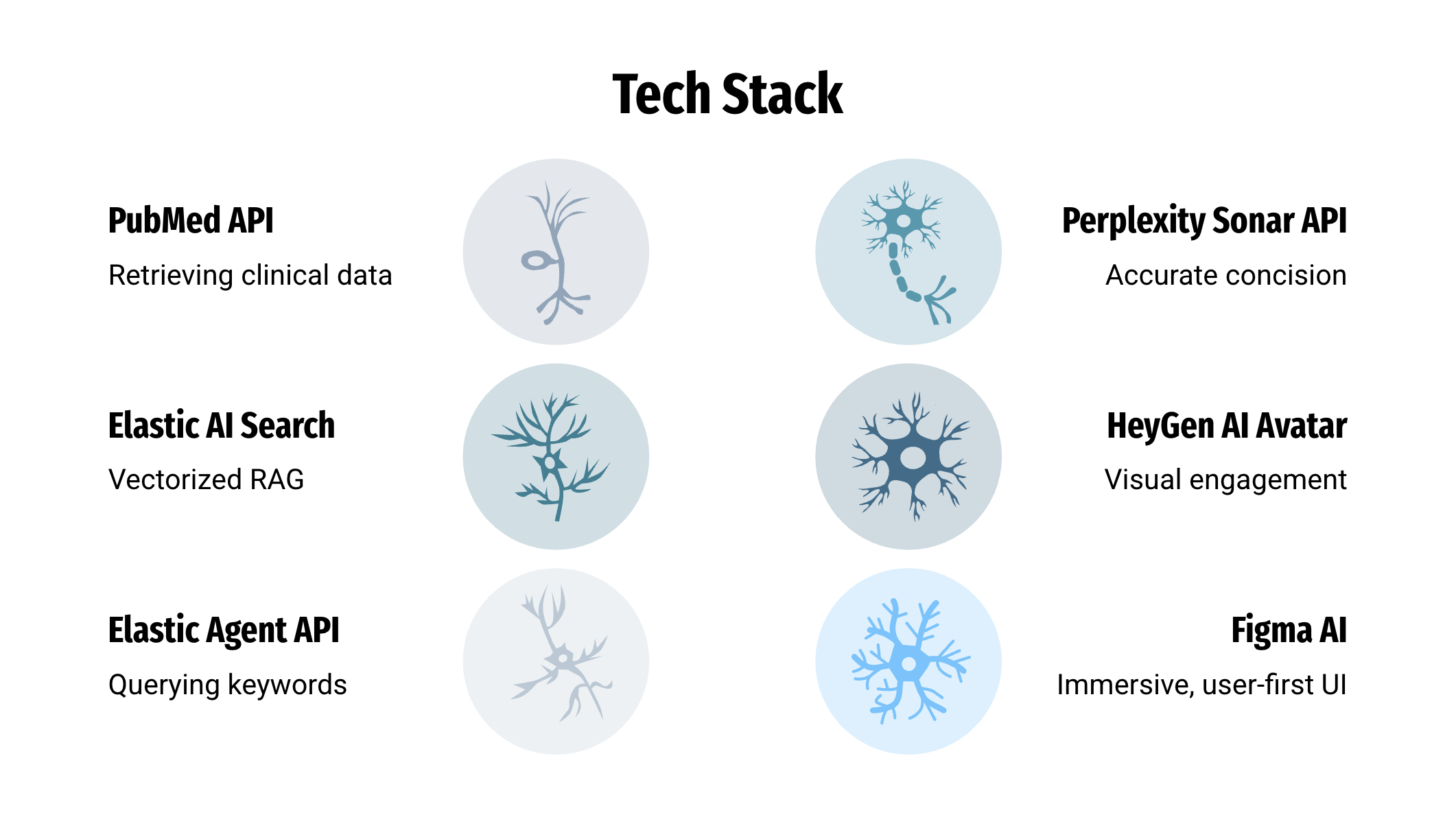
We used PubMed API for retrieving recent clinical trials and medical research, ElasticSearch to create a database of vectorized embeddings and to query for relevant literature, Perplexity to create reliable and trustworthy summaries of said literature, and HeyGen to create engaging short-form videos with dynamic visuals and realistic avatar narrators. The full flow of our product is : PubMed API for clinical data --> Elastic Search --> Hey Gen --> Front End React
Challenges we ran into
- PubMed had some limitations with clinical data available. We decided to focus on brain and cognitive science for now, and focus on building the product. After talking with the awesome engineers at OpenEvidence, we realized we can’t focus on the relationships but rather the product itself and what it could accomplish.
- HeyGen had a lot of API options for us to consider. Picking a balance of speed and quality took some experimentation.
- Connecting our agentic Elastic AI Search to our Perplexity layer. We had some trouble aligning our natural language and rigid JSON formats, but we were able to come up with some creative solutions!
- Defining our user persona and user base. We were able to get great advice from the OpenEvidence engineers that guided our design decisions.
Accomplishments that we're proud of
- Working together well! Collaboration across our different backgrounds let us connect at the event and build out a really creative idea.
- Making something that democratizes information on medical and clinical research so everyone has access to and an understanding of it!
- Figuring out how to use HeyGen and also integrating PubMed API!
- Pair programming when things got tough, goofing off, taking breaks, and only drinking 3 forms of caffeine at any given time.
- Making it into 2 (?) documentaries about TreeHacks! (We’ll see if we end up in them :) )
What we learned
- Integrating different API’s together is hard!
- Front-end has to be prioritized as well to get a better look and feel to the product.
- Hello Panda cookies are addictive.
- It’s important to define the user persona and story early on.
What's next for Synapsis
- Prompt-tuning and fine-tuning the video generation to make it seem more open, inviting, and real. We think this will help people empathize with the syndrome.
- Making our videos funny! We want to add memes to them and make it more engaging so people our age will find them interesting!
- Generate potential ideas and further insights on each paper presented to show the user more possibilities with this clinical topic
- Getting access to more clinical data and accessing the full text of restricted articles to show case images and other important figures when our
- Expand Synapsis to be used for medical students as a new target audience
- Focus on adding more modal and pop-up information for users to explore what specific AI applications
Built With
- claude
- elasticsearch
- figma
- heygen
- perplexity
- pubmed
- python
- react
- typescript


Log in or sign up for Devpost to join the conversation.