-
-
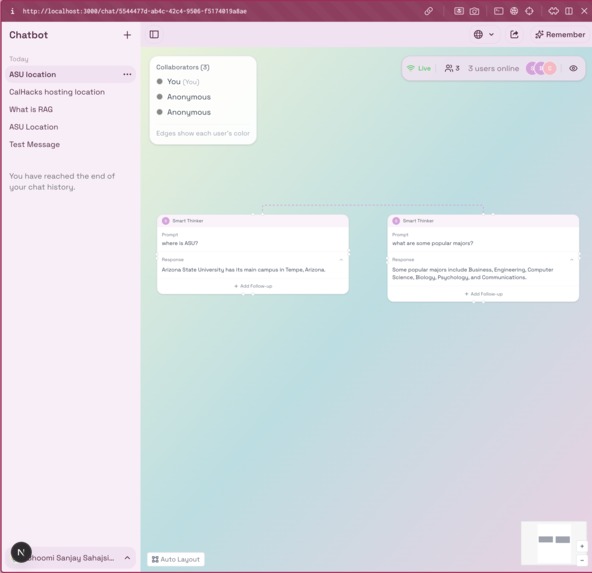
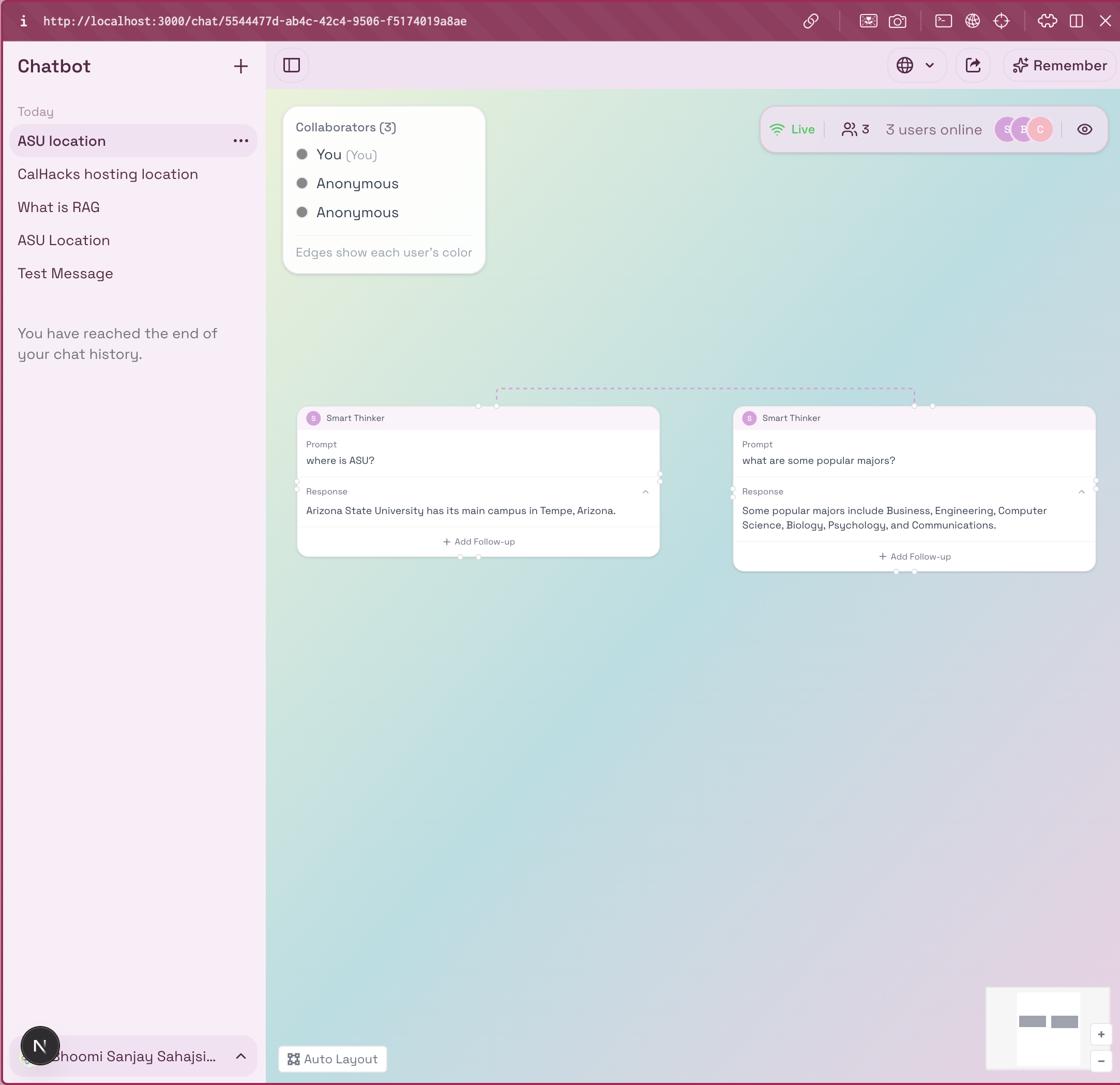
Canvas of nodes
-
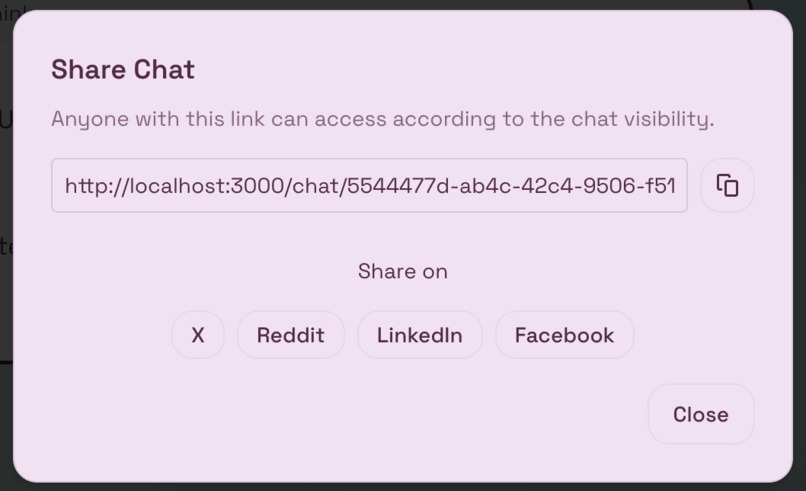
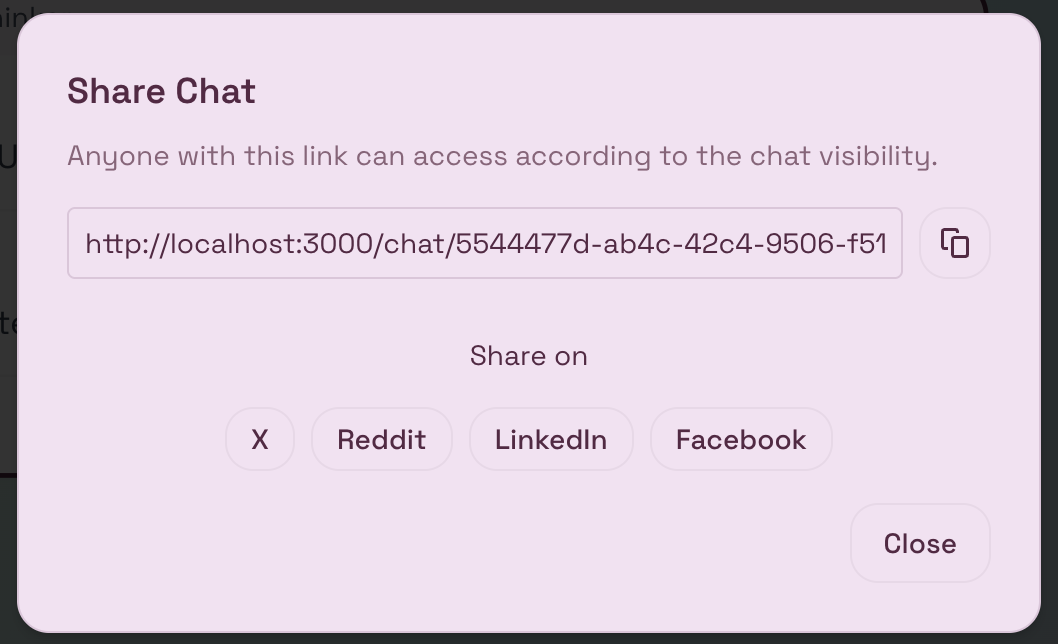
Share chat to invite collaborators
-
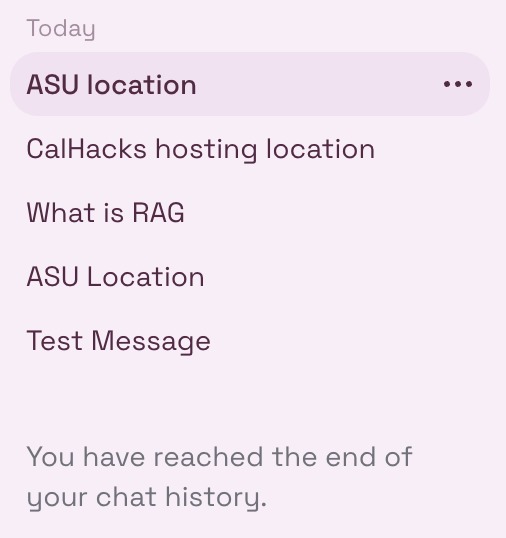
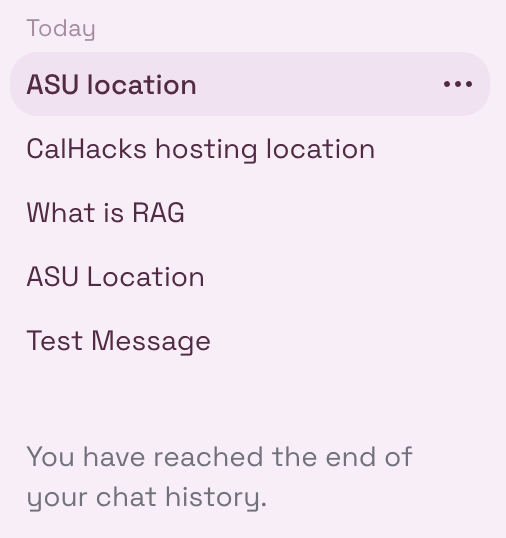
Chat History Sidebar
-
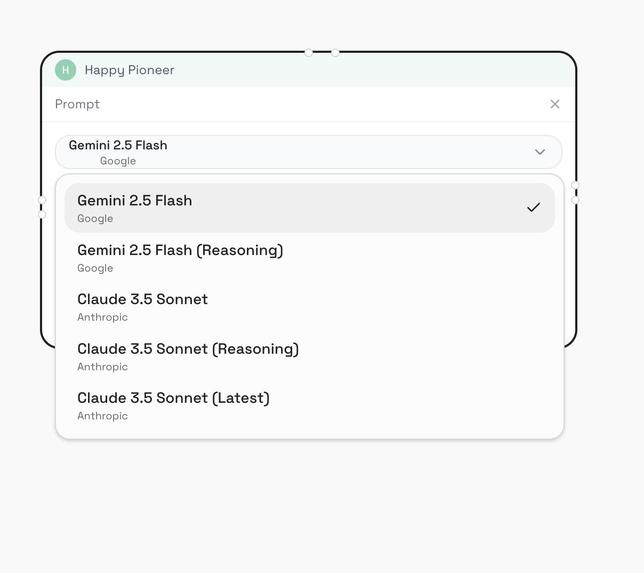
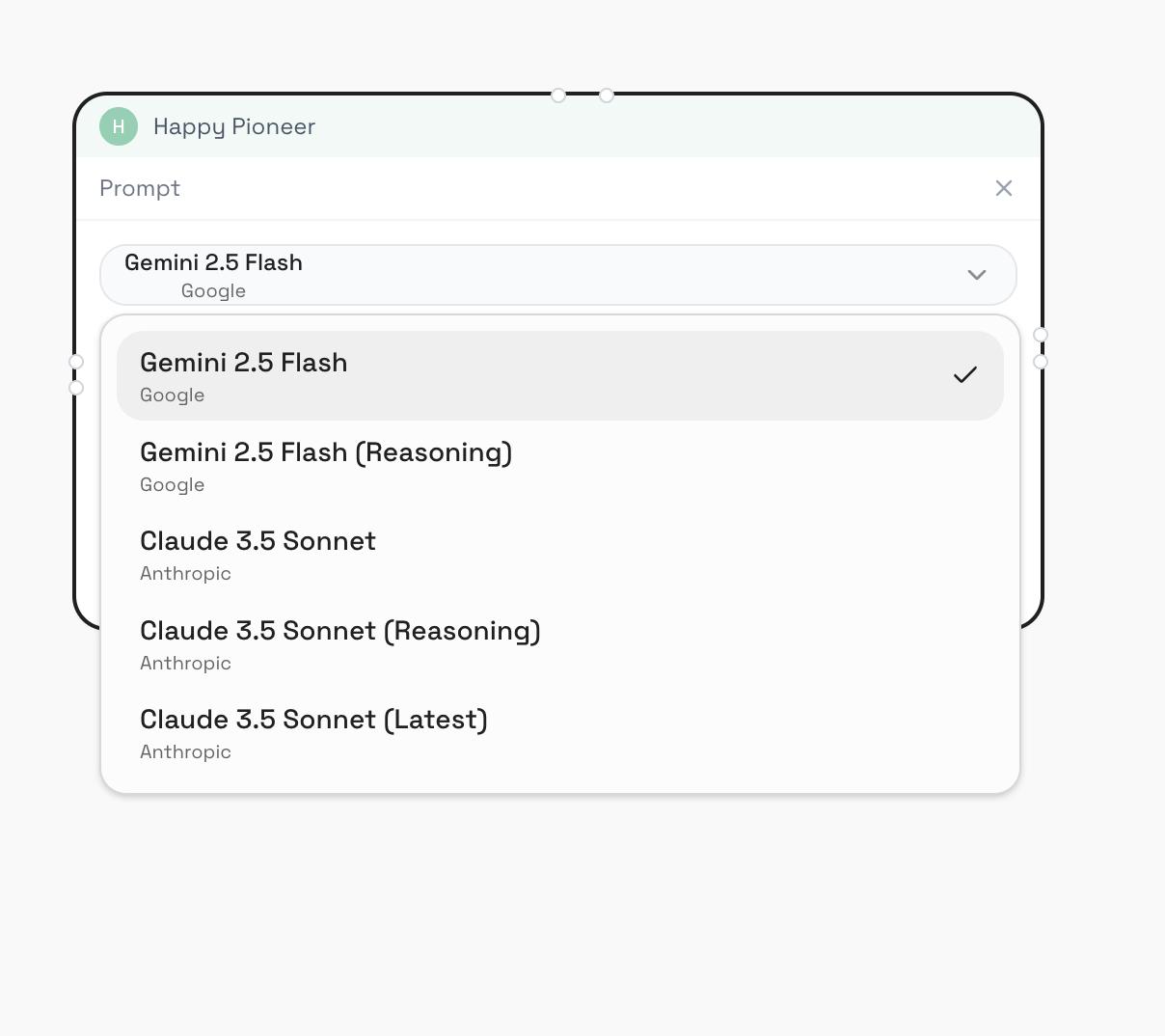
Multi-model support (inside node)
-

Save your node to memory

Inspiration
At the start of Calhacks, our team struggled to organize ideas. Each of us used different tools — Notion, Google Tasks, and AI models like ChatGPT and Gemini — which made collaboration fragmented. Sharing ideas across platforms was slow and disjointed. This inspired us to build Synapse, a real-time, AI-native collaboration tool that connects thoughts like a brain.
What it does
Synapse is a multimodal, real-time collaboration platform where every idea is represented as a node. Users can have AI-driven conversations, add follow-up questions, and Synapse automatically creates edges that link related ideas. The system preserves context between connected nodes and allows teams to collaborate live, search, and summarize across their entire graph of thoughts.
How We Built It
Synapse was built with a modern full-stack AI architecture designed for speed, scalability, and real-time collaboration.
Frontend
- Framework & Language: Next.js 15.3 (React 19 RC) with TypeScript 5.6
- Styling & UI: TailwindCSS 4.1 (OKLCH palette), Framer Motion, Radix UI, shadcn/ui, Lucide React
- Graph Rendering: ReactFlow, Dagre, D3 Scale
- Real-Time Collaboration: Liveblocks
- Code & Text Editing: CodeMirror 6, ProseMirror
Backend
- Server: Next.js API Routes (App Router) on Node.js
- Authentication: NextAuth 5.0 (JWT)
- Database & Caching: PostgreSQL with Drizzle ORM, Redis
AI Layer
- AI SDK: Vercel AI SDK 5.0 integrating OpenAI and Gemini 2.5 Flash
- Memory & Context: Supermemory for contextual memory and RAG-style retrieval
Challenges We Ran Into
One major challenge was maintaining shared context between multiple users and AI models. Making the real-time collaboration work seamlessly required synchronizing node updates across sessions with minimal latency, which demanded deep optimization.
We also faced difficulties managing multiple LLM APIs while keeping the interface responsive and coherent.
Accomplishments that we're proud of
We’re proud of building a fully functional real-time collaboration system in under 36 hours. The visual node-based interface, AI context retention, and seamless multi-user sync worked together exactly as envisioned. It was also rewarding to see our initial problem—messy team ideation—turn into a working solution.
What we learned
We learned how to design scalable real-time architectures, manage context persistence for LLMs, and integrate multimodal AI systems effectively. Most importantly, we learned how design thinking and technical problem-solving can merge to enhance human-AI collaboration.
What's next for Synapse - Your Graph of Thoughts
We plan to extend Synapse into a connected workspace that integrates with tools like Notion, Slack, and Jira. The next step is to implement persistent knowledge graphs, multi-agent support, and team dashboards that summarize insights across projects — making Synapse a true graph of collective intelligence.
Built With
- biome
- codemirror
- d3-scale
- dagre
- drizzle-orm
- framer-motion
- gemini-2.5-flash
- liveblocks
- lucide-react
- next.js
- nextauth
- node.js
- openai
- opentelemetry
- pnpm
- postgresql
- prosemirror
- radix-ui
- react
- reactflow
- redis
- shadcn/ui
- supermemory
- tailwindcss
- turbopack
- typescript
- vercel-ai-sdk
- vercel-analytics
- vercel-blob
- vercel-functions


Log in or sign up for Devpost to join the conversation.