-
-
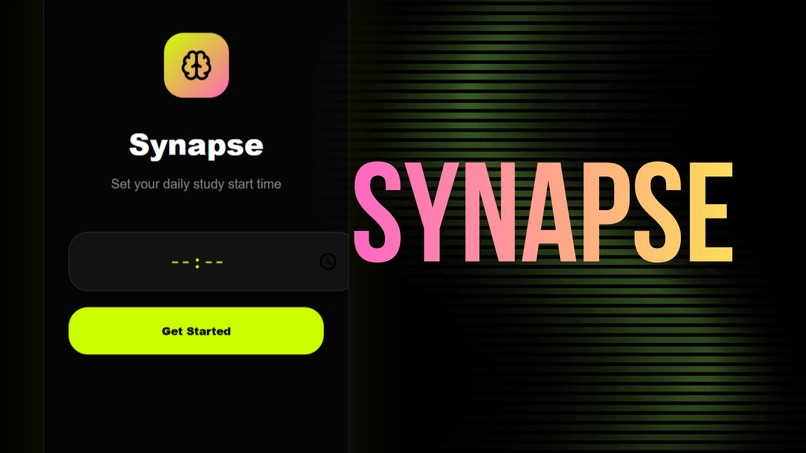
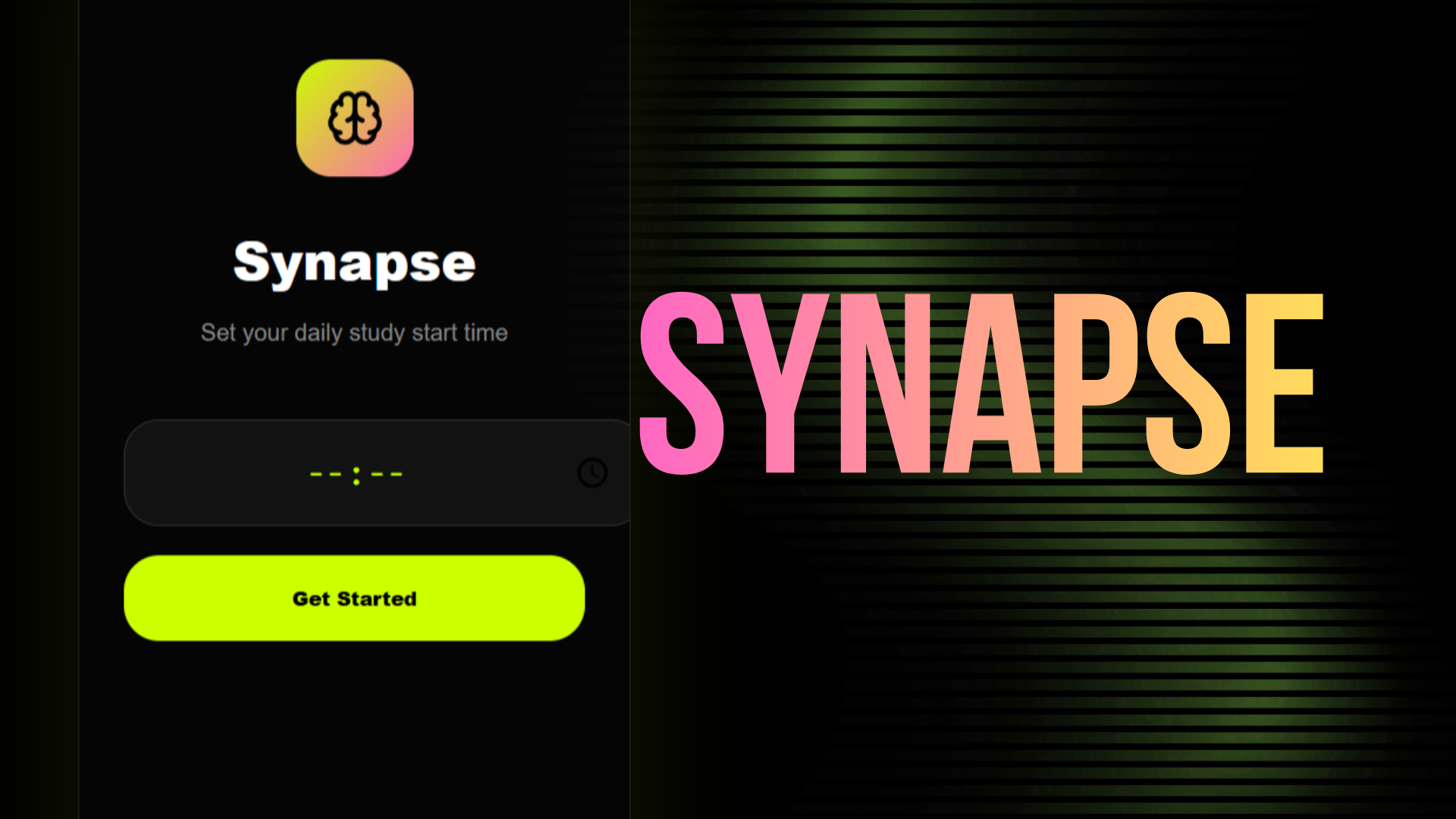
Onboarding: Setting the daily study schedule to build lasting discipline.
-
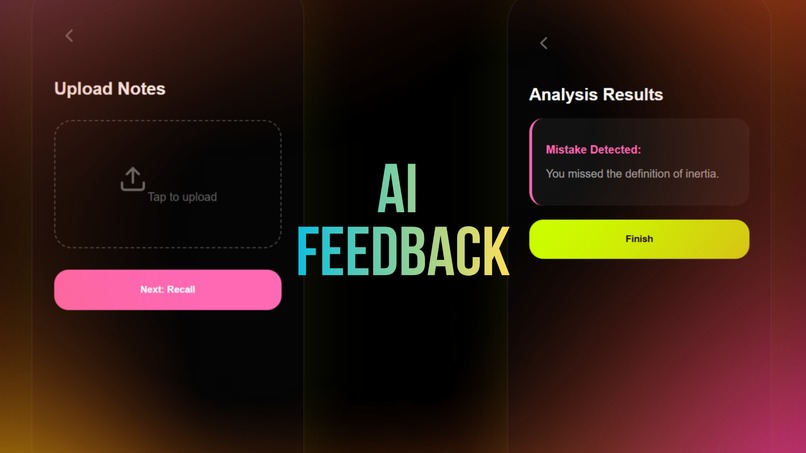
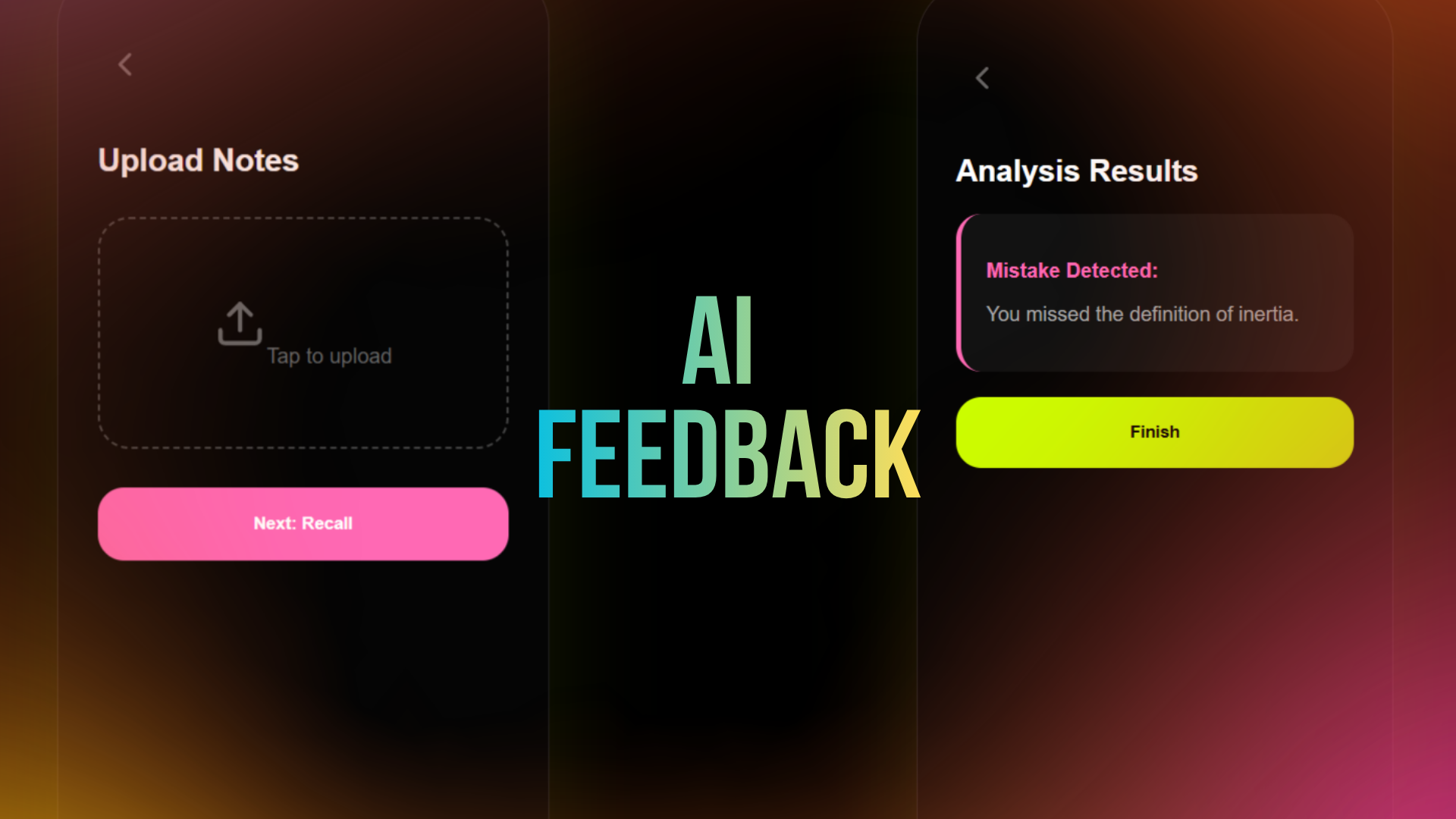
AI Feedback: Upload notes to instantly identify knowledge gaps.
-
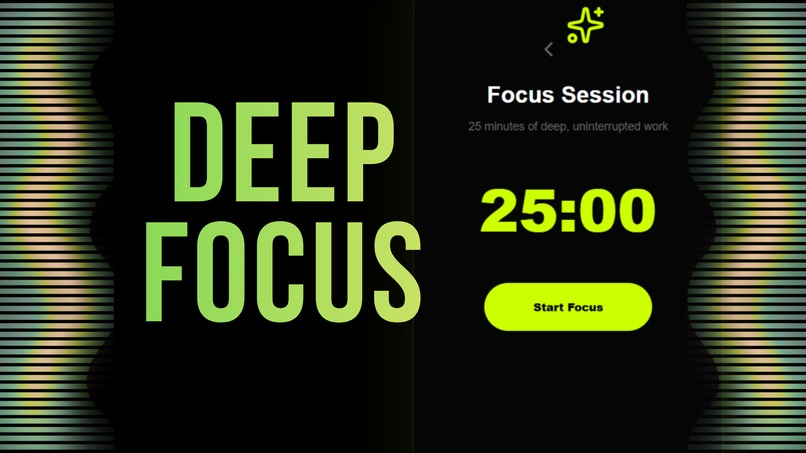
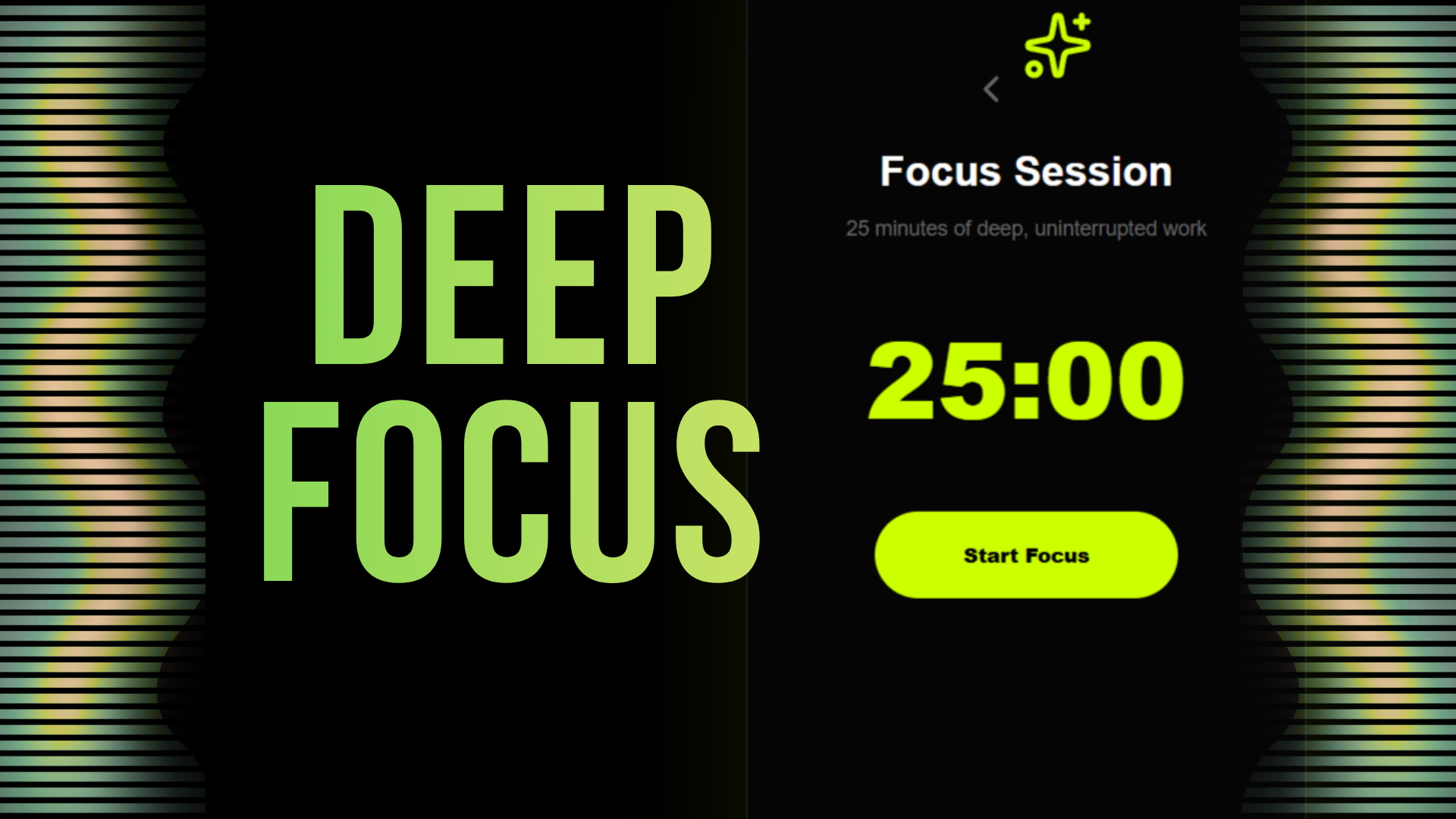
Deep Focus Mode: Minimizing distractions with 25-minute study intervals.
-
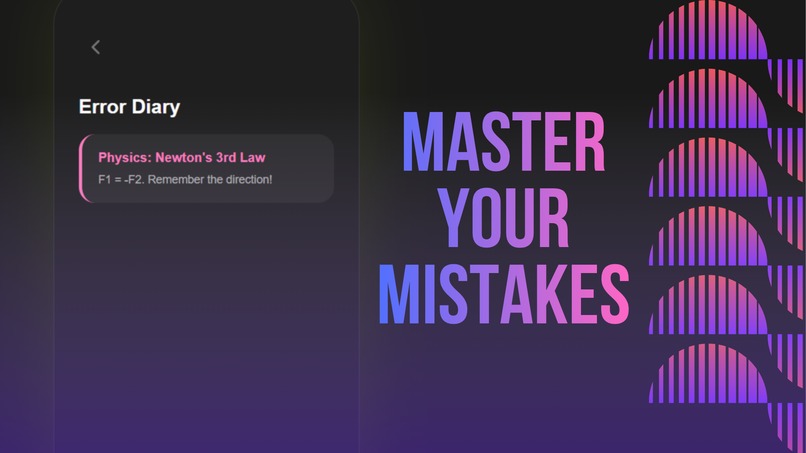
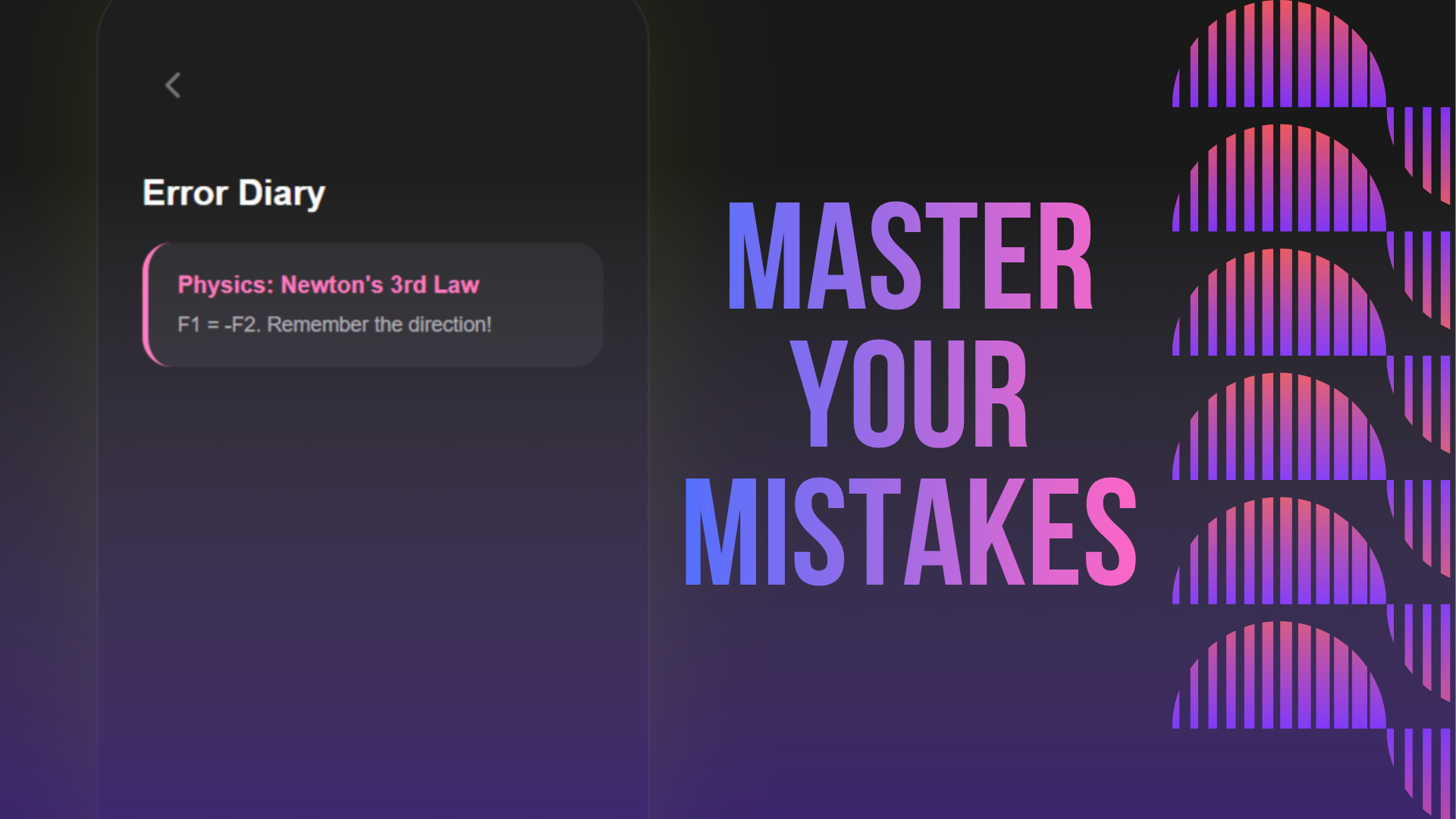
Error Diary: A personal repository to systematically master past mistakes.
Inspiration
The inspiration for Synapse came from my own reality as a student. Waking up at 5:30 AM and returning home exhausted after 18:00, I faced the classic dilemma: how to study efficiently without burning out? I saw my classmates—like a friend who spent an entire day studying for Physics only to receive a failing grade—struggling with the "illusion of competence." I realized that hours of passive studying without proper rest and, more importantly, without rigorous error analysis, is a recipe for failure. Synapse was born to bridge the gap between "working hard" and "working smart."
What it does
Synapse is an AI-powered study companion that transforms passive learning into active mastery. Inspired by high-performance study methodologies from Asian educational systems, the app integrates three core pillars:
Pomodoro Focus: Optimized intervals to prevent cognitive fatigue.
AI-Driven Recall: A tool to verify understanding rather than just memorizing text.
Error Diary: A systematic approach to learning from mistakes, ensuring students never step on the same rake twice.
How we built it
The prototype was built using React for the interface and deployed via Vercel to ensure accessibility. For the development environment, I utilized CodeSandbox to rapidly iterate on the UI. The current architecture is designed to integrate with powerful LLMs (like OpenAI’s GPT models) to provide nuanced, personalized feedback on student notes. While the current version is a web-based MVP, the vision is a native mobile application built with C#/.NET or Java, featuring secure user authentication (leveraging tools like Firebase/Supabase) to track individual progress over time.
Challenges we ran into
The biggest hurdles were managing the tight hackathon deadline, architecting the state management for the application flow, and refining the core idea into a cohesive user experience. Balancing technical implementation with the need for a clean, distraction-free UI required constant prioritization.
Accomplishments that we're proud of
I am proud to have designed and deployed a fully functional web-based prototype in just 24 hours. I managed to craft a consistent, minimal design system and color palette that reflects the energy of the project. Most importantly, I’ve taken the first step toward solving a problem that has personally hindered my own academic journey.
What we learned
This hackathon was a crash course in rapid prototyping and deployment. I learned how to handle environment configuration, manage React state transitions, and, crucially, how to translate a complex pedagogical idea into a simple, usable digital interface.
What's next for Synapse: Smart Study Companion
Our roadmap focuses on scaling the AI integration. We plan to implement:
Advanced Analytics: A dashboard that tracks error patterns, highlighting strong vs. weak areas.
Smart Allocation: An intelligent algorithm that prioritizes study topics based on the "70/30 rule"—allocating 70% of time to challenging concepts and 30% to reinforcement—similar to high-level SAT/ACT prep strategies.
Gamification: Achievement systems to keep student engagement high.
Native Mobile Transition: Moving from a web-app to a robust mobile experience with persistent user profiles.
Built With
- codesandbox
- firebase
- lucide-react
- openai-api
- react.js
- typescript
- vercel

Log in or sign up for Devpost to join the conversation.