Inspiration
We kept thinking about what it feels like to get a brain scan and then just... go home. No results. No timeline. Just a quiet, anxious wait that can stretch for days. That waiting game is scary in a way that feels completely unnecessary and the scan is done, the data exists. We wanted to do something about the silence.
What it does
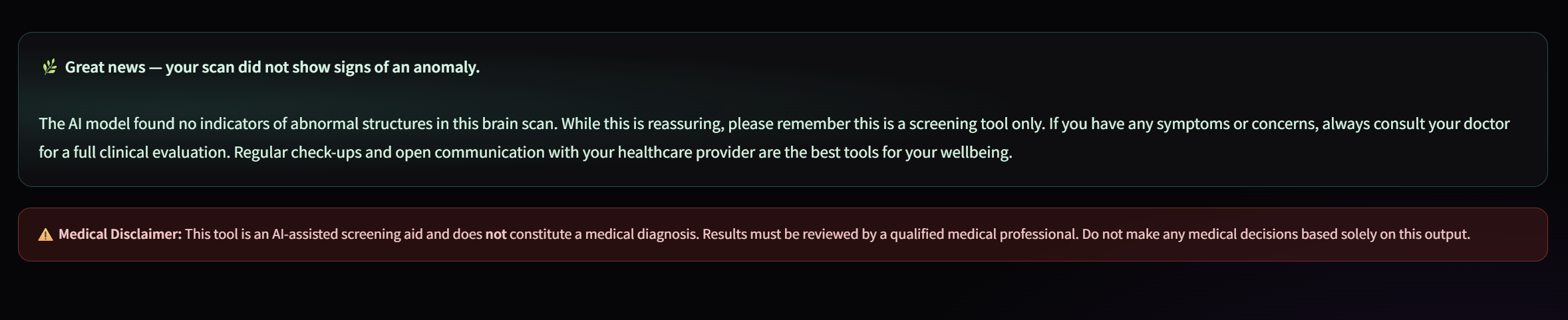
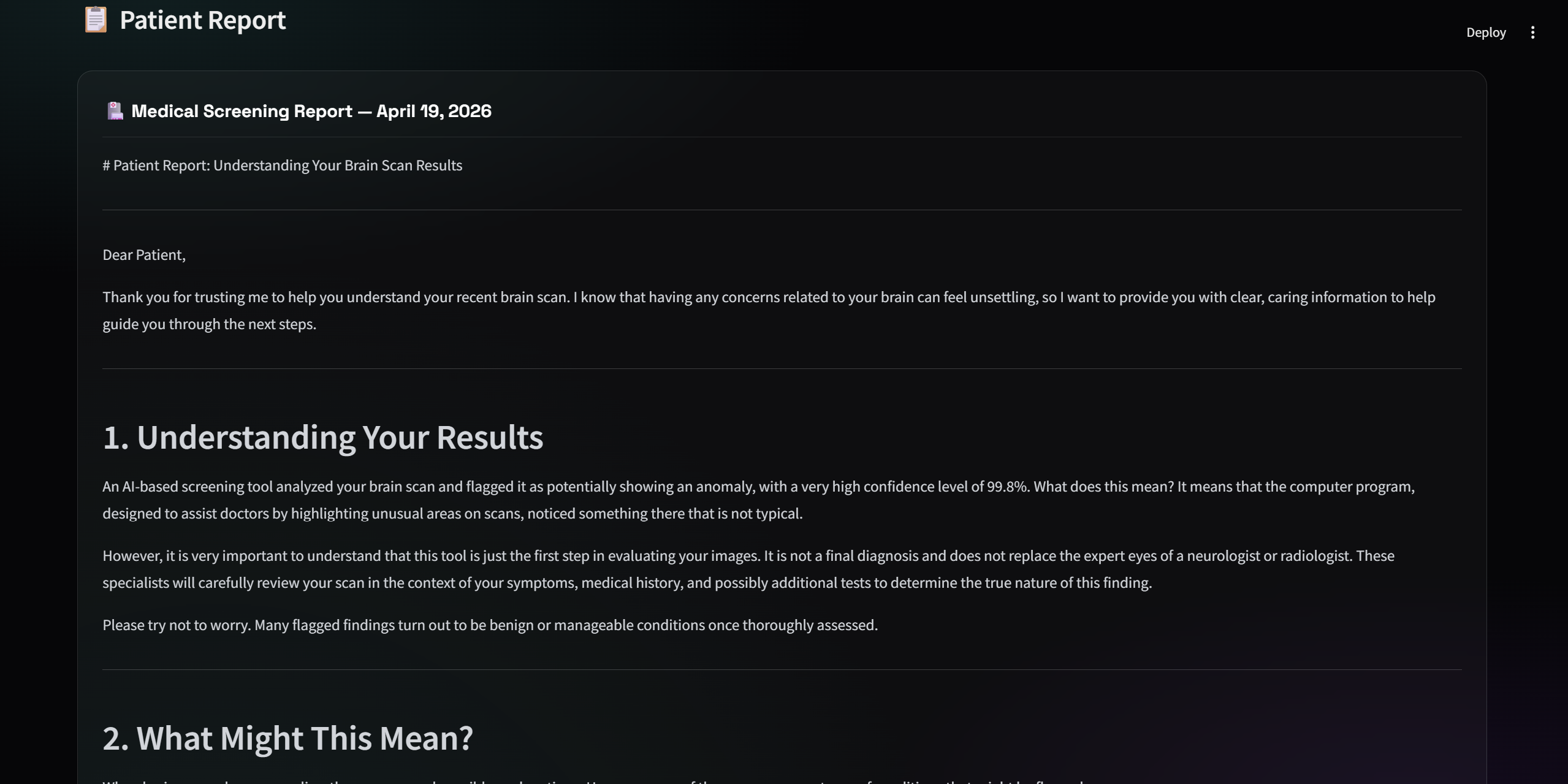
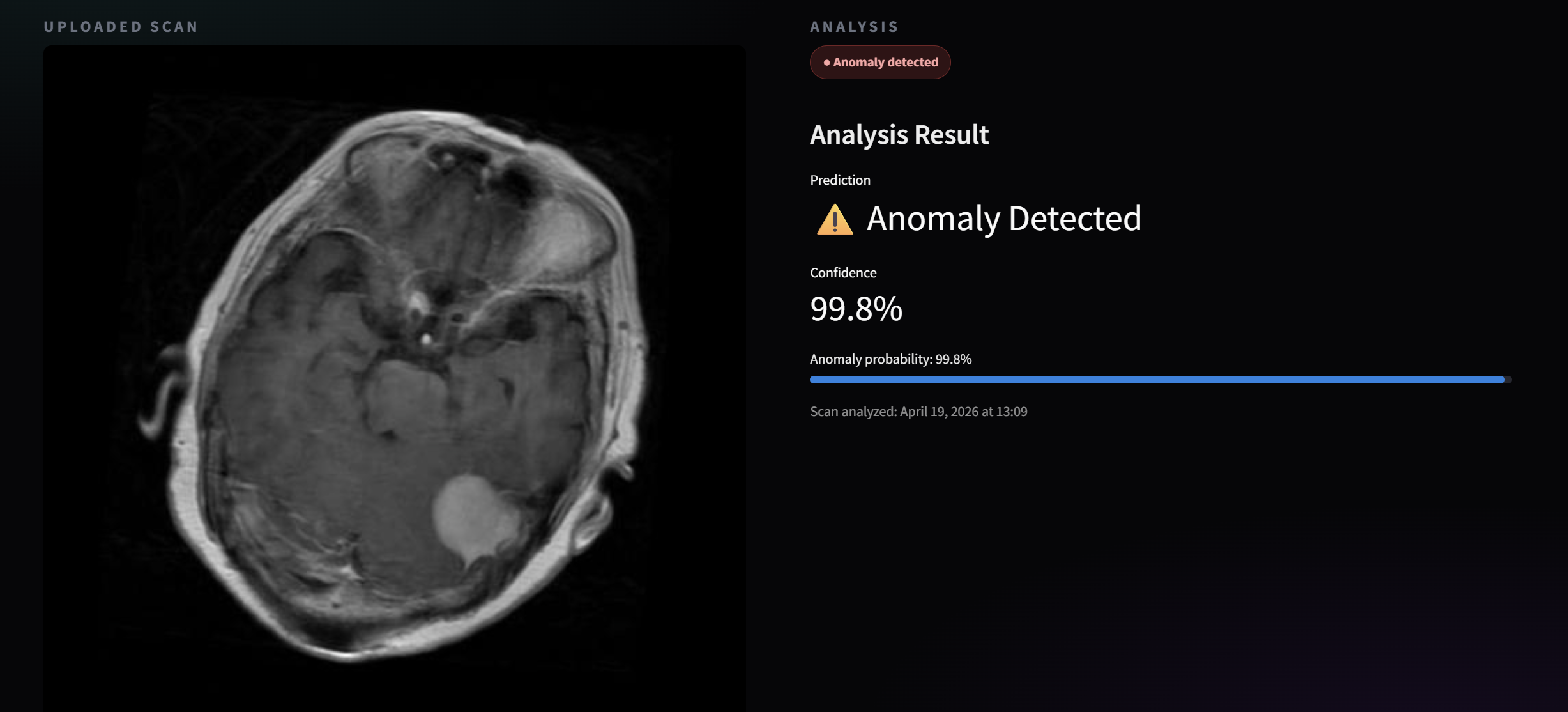
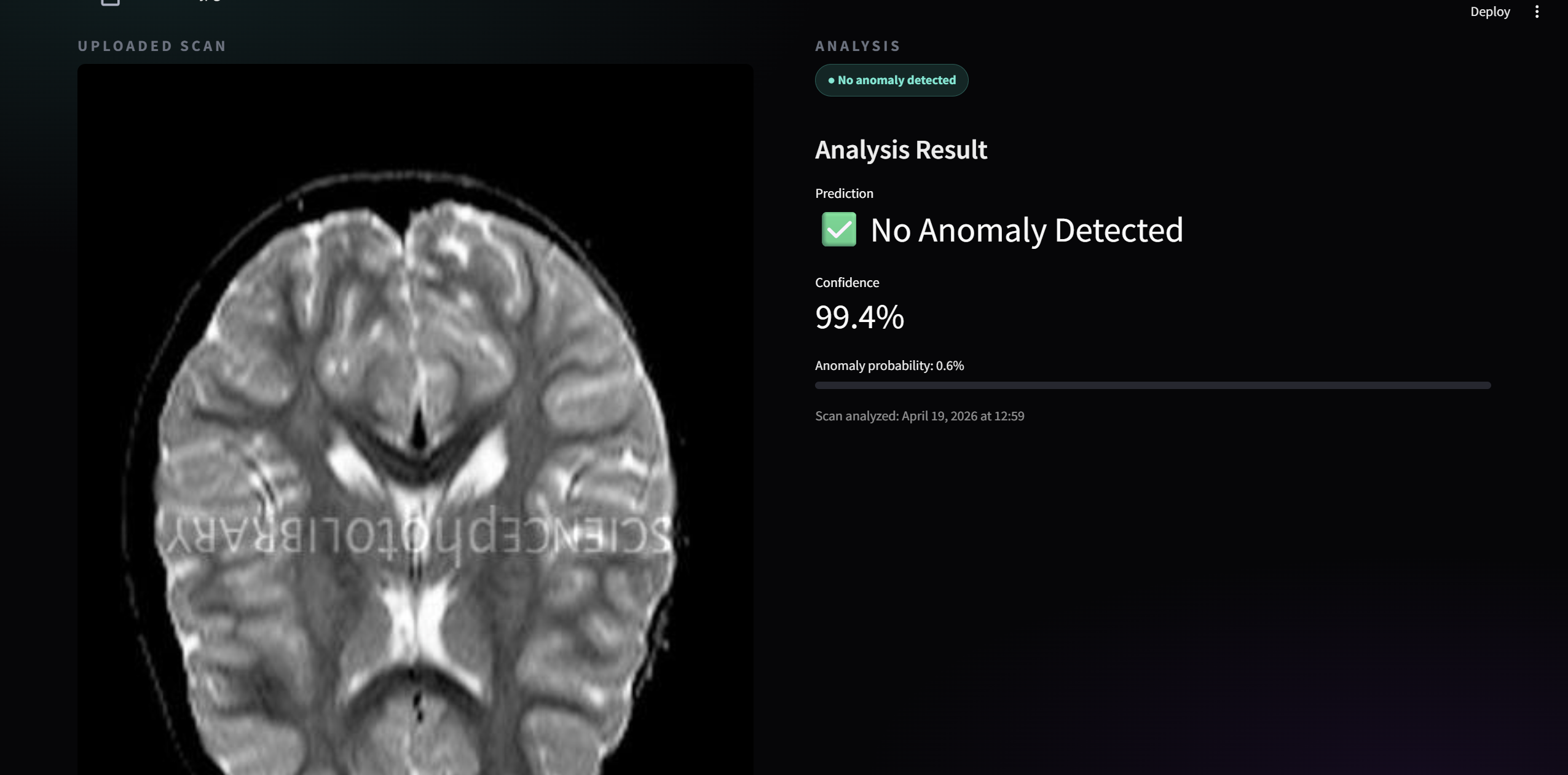
You upload a brain scan, and Synapse gets to work. It flags any anomalies it finds with 98% accuracy and then writes a report explaining what it saw. In plain, calm language that actually makes sense to the person reading it. Think of it as the reassuring explanation you'd want from a doctor who has time to talk.
How we built it
The image analysis runs on EfficientNet, it's what does the heavy lifting of reading the scan. Once it finds something, we hand off to OpenAI to write the patient report. The whole thing lives in a Streamlit app with a UI we designed to feel calm and approachable.
Challenges we ran into
Getting an AI to explain a potentially serious finding without either alarming someone unnecessarily or being so vague it's useless took a lot of iteration. Every word in those reports carries weight, and we felt that pressure the whole time we were building.
Accomplishments that we're proud of
Hitting 98% accuracy felt great. But honestly, what we're most proud of is reading back a generated report and thinking and seeing how caring and compassionate it was.
What we learned
Healthcare AI has a communication problem that's just as real as its accuracy problem. You can build something technically impressive and still make people feel worse.
What's next for Synapse - AI-assisted anomaly detection & Support System
Brain scans are just the start. The same waiting game problem exists across radiology, chest scans, spinal imaging, you name it. We want to expand to more scan types and eventually plug directly into hospital systems, so results reach patients faster without anyone having to chase them down.
Built With
- numpy
- pandas
- pillow
- python
- scikit-learn
- streamlit

Log in or sign up for Devpost to join the conversation.