Inspiration
I wanted to build something that breaks away from the sea of standard AI wrappers and cookie-cutter web apps. Inspired by the Frankenstein category, I set out to stitch together seemingly incompatible technologies—a retro 1995 operating system, browser-based canvas vision parsing, and live client-side execution—into one cohesive, surprisingly powerful development environment.
What it does
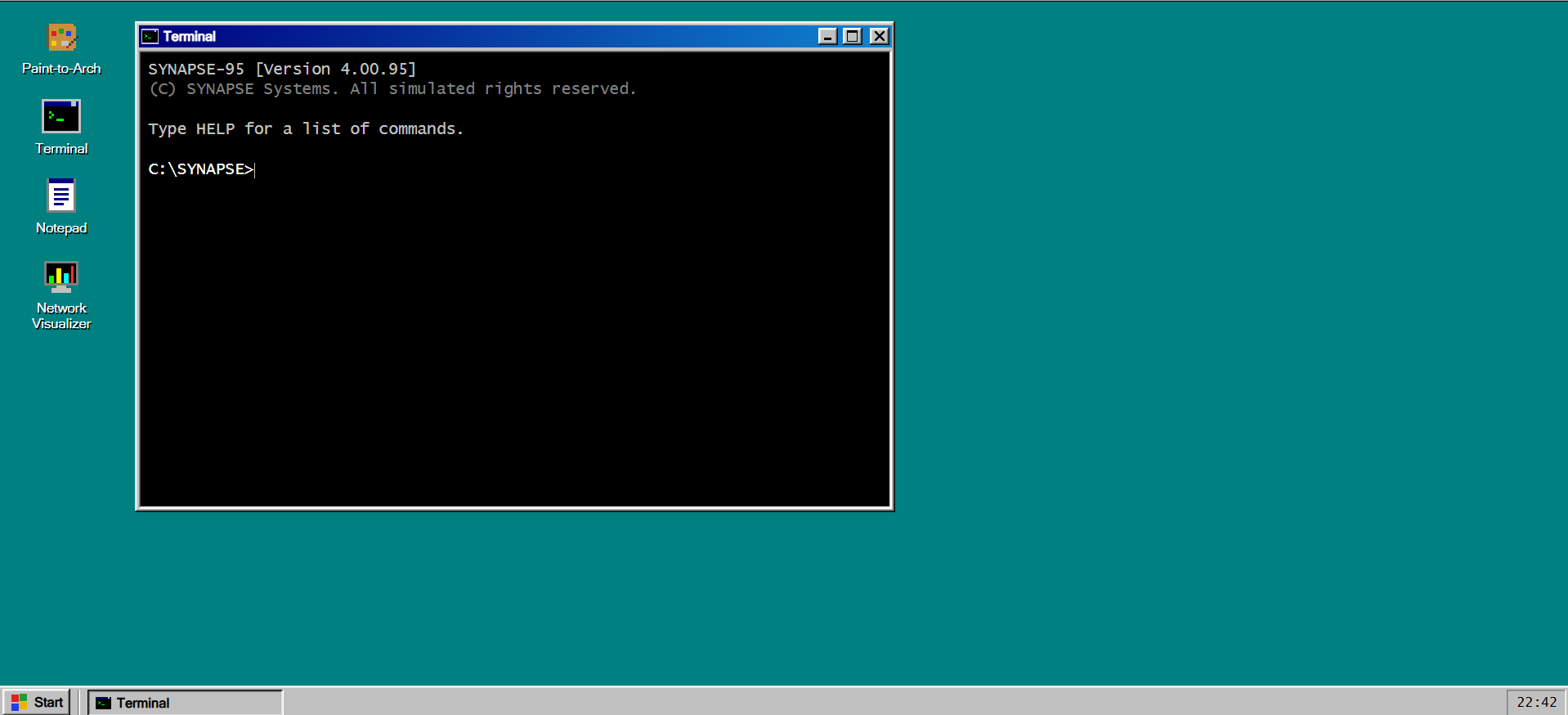
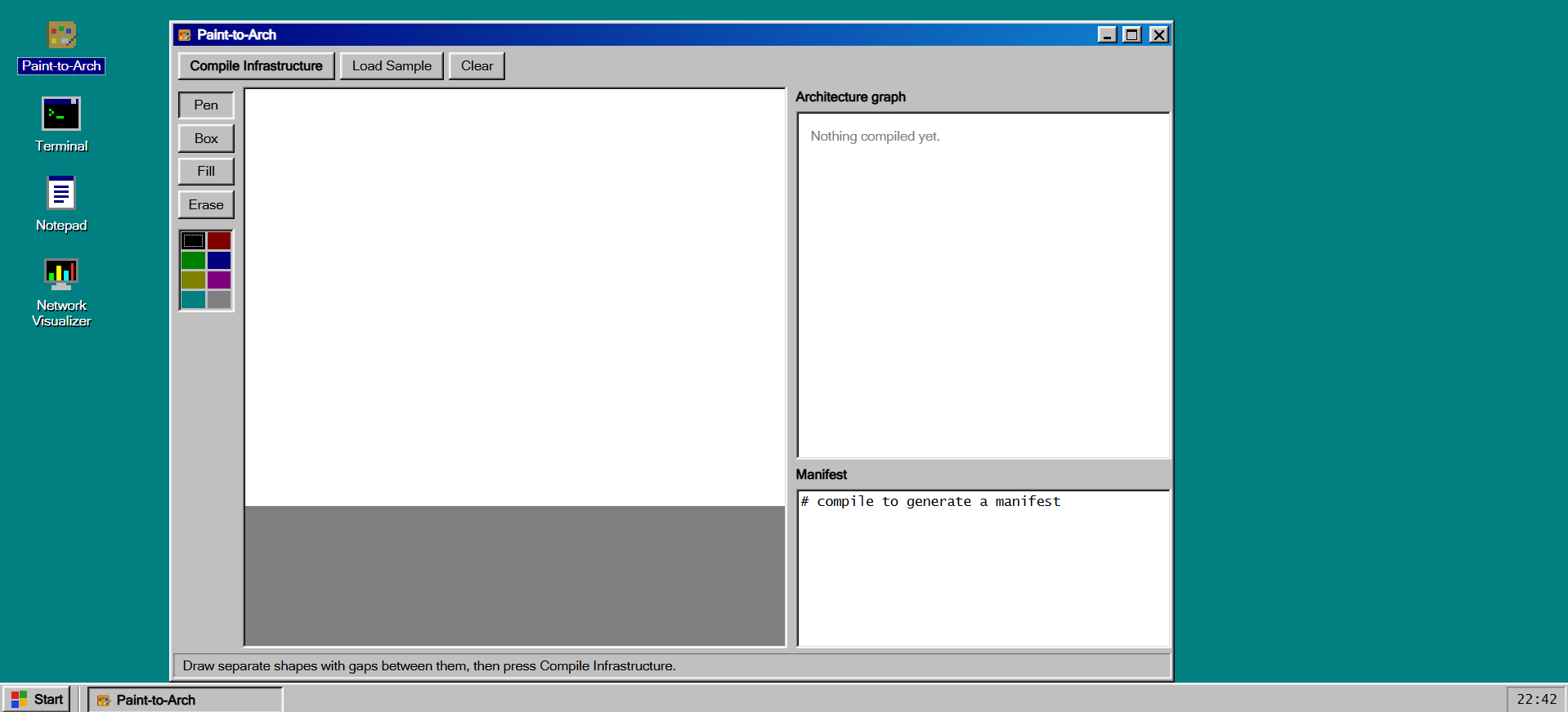
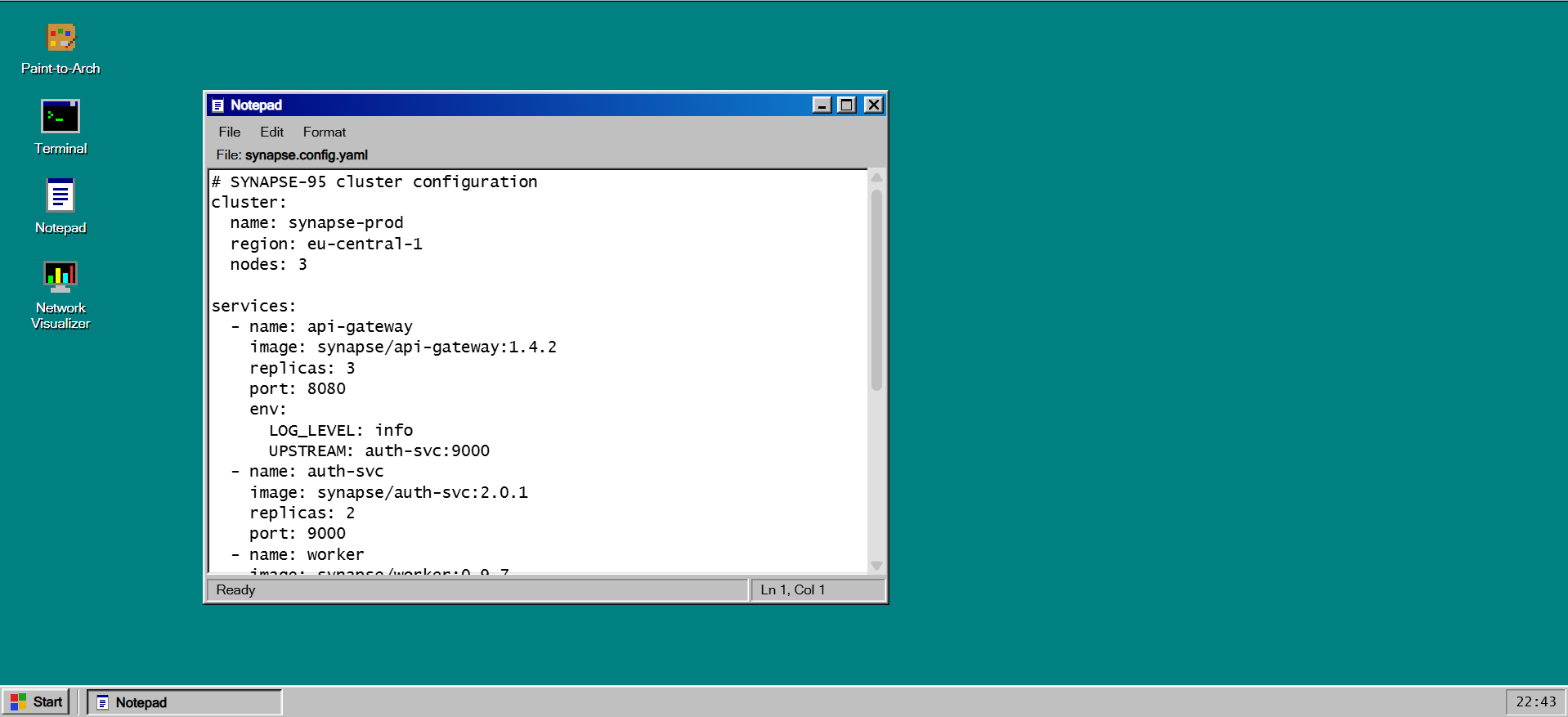
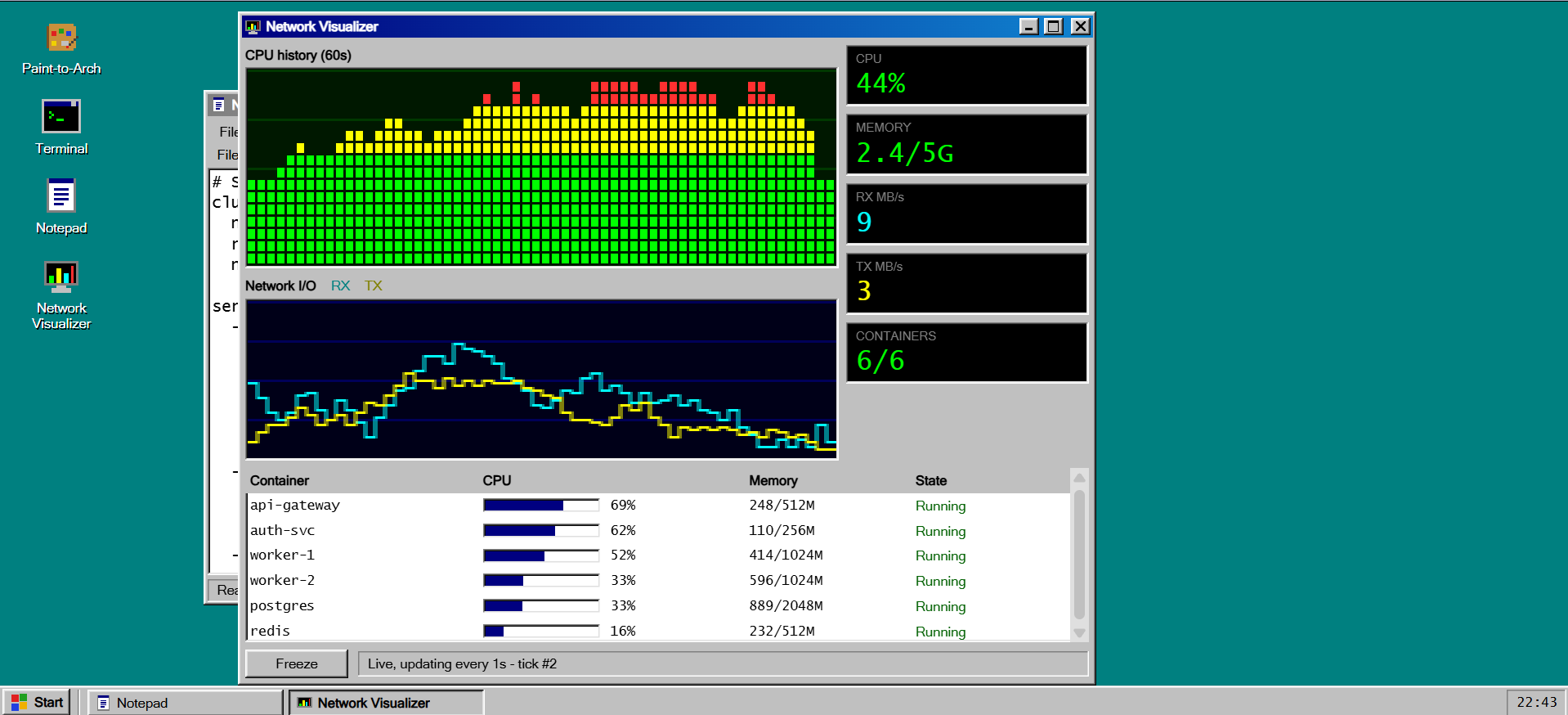
SYNAPSE-95 is a fully functional browser-based retro Windows 95 operating system. It features a complete window management state machine, an interactive MS Paint-to-Architecture canvas that translates wireframes into live simulated nodes, a retro terminal for running deployment and diagnostic commands, a code editor, and a network visualizer.
How I built it
I engineered the application using React 18, TypeScript, and Tailwind CSS, styled with custom Windows 95 grey bevel borders and retro UI components. I built a custom client-side WindowManager state engine to handle multiple floating, draggable, minimizable, and closable windows concurrently. For the hackathon requirements, I leveraged Kiro to establish spec-driven development documents, steering rules for aesthetic consistency, and automated agent validation workflows.
Challenges I ran into
Managing a robust window state machine entirely in the browser without UI lag or overlapping focus glitches was tough. I also had to carefully balance the retro Windows 95 styling with modern responsive layout logic so the drag-and-drop window headers and taskbar behaved smoothly across different screen sizes.
Accomplishments that I'm proud of
I managed to build a fully immersive, multi-window retro OS desktop experience that runs entirely client-side with zero external servers. I successfully integrated the MS Paint canvas parsing logic directly with the terminal interface, creating a seamless workflow from visual wireframe sketching to system execution simulation.
What I learned
Working on this project deepened my understanding of complex client-side state management, virtual window lifecycles, and how to structure robust architectural specs and steering rules to keep an AI-assisted development workflow clean and maintainable.
What's next for SYNAPSE-95
I plan to expand the browser sandbox execution layer, integrate real WebAssembly runtimes for live code compiling inside the retro windows, and add support for multiplayer collaborative desktop sessions.

