What Inspired Us
SYNAPP began with a simple observation that felt increasingly hard to ignore. Many people want to invest in real experiences, yet those experiences feel muted compared to the immediate pull of a screen. We kept seeing the same cycle. Someone tries a hobby, expects it to feel rewarding, and then quits when the reward never arrives. The story people tell themselves is that they lack discipline, but the pattern suggested something deeper: a reward system that has been trained to respond to rapid, high stimulation and struggles to register slower, more meaningful signals.
What We Learned
Digging into the research changed how we understood the problem entirely. We learned about dopamine dysregulation and how variable reward schedules in social media push the brain's baseline below normal over time, making real-world experiences feel underwhelming by comparison. This is often called reward blunting. We also learned about hedonic interoception, the body's ability to distinguish genuine reward from hollow stimulation. This sense is trainable and accuracy can improve 40 - 60% with deliberate practice, which meant there was something real to design around.
Most importantly, we learned that this isn't a willpower problem or a character flaw, it's neurological. That reframe changed everything about how we approached the design.
How We Built It
Our process started with the senses, mapping out the full range of human sensory experience beyond the traditional five. We were looking for something that felt scientifically grounded and underserved by existing tools.
Hedonic interoception stood out immediately since it was measurable, degraded by modern digital behavior, and completely invisible in the wellness app landscape. From there, we researched heavily by looking at neuroscience papers, real testimonies from people describing reward blunting without knowing the term, and clinical frameworks from addiction medicine. We wanted every design decision to trace back to something true.
The core design challenge was making the invisible, visible without overwhelming the user. We didn't want another dashboard. We wanted something that reflected the real experience back without any need for interpretation. We initially designed around a literal brain visualization, mapping neural activity zones onto an anatomical brain. But we had significant limitations rendering the organic, detailed biological form we envisioned at the fidelity our design required. So we pivoted, and made the product better.
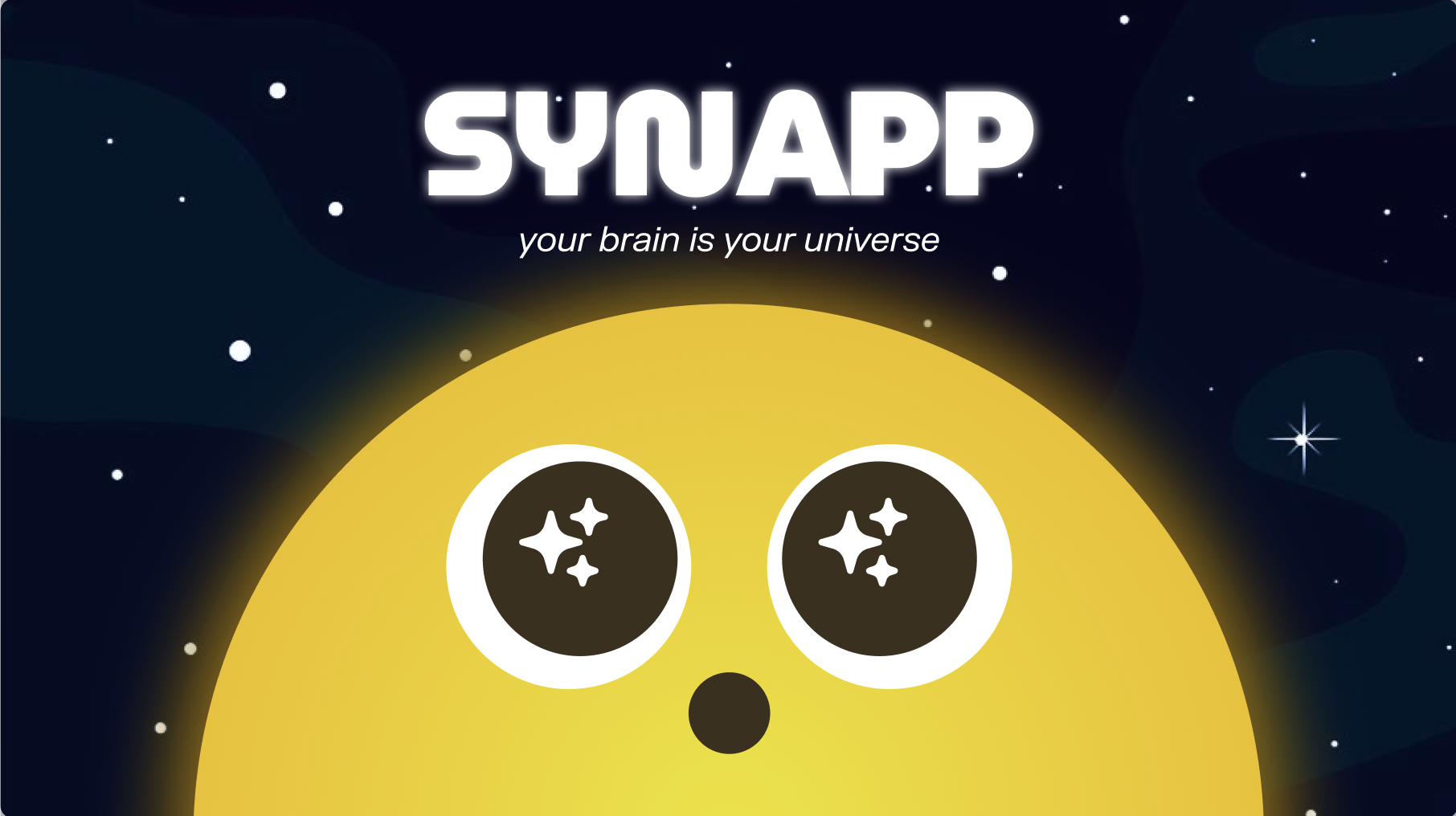
We reframed the brain as a personal universe. Different regions of the brain became planets, and the activities that activated those regions appeared as constellations. Each time you returned to something that genuinely moved you, those constellations grew brighter and more defined, gradually forming recognizable clusters of stars.
Challenges We Faced
The hardest design challenge was restraint. We had more biometric data than we could responsibly surface. It took discipline to show insights only at natural transition points and to limit suggestions to one per day. We also chose to hide moment-to-moment fluctuation until it became a meaningful trend. Each cut made the experience calmer and more trustworthy. The second challenge was the tool itself. Most of us were fluent in Figma, but Figma Make was new territory. Learning to prototype interactive, data-responsive flows while maintaining our design quality required a significant learning curve mid-project. The third was emotional. Designing a tool that touches clinical territory, handles sensitive biometric data, and serves users who may be quietly struggling required us to hold a higher standard of care. Every safeguard in the app reflects a real conversation we had about where the line is, and why it matters.
We're proud of where we landed. SYNAPP is the tool we wished we'd had.
Accomplishments
We are proud of the visual identity we created and how clearly it communicates an abstract internal experience. The universe metaphor gives SYNAPP a signature look while staying readable and emotionally grounded, which is difficult to achieve in speculative wellness design. We are also proud of the level of craft we maintained under a tight timeline. Building a cohesive system, refining flows, and producing a polished prototype while learning new tooling in parallel pushed our team, and we delivered more than we initially thought was possible. Most importantly, we are proud that SYNAPP offers a clear point of view in a crowded space by reframing the problem as a measurable and trainable sense rather than a motivation failure.
What It Does
SYNAPP is a speculative wellness app for Gen Z that uses future iPhone biometric sensing to visualize genuine reward in real time. It helps users see the difference between the shallow stimulation of scrolling and the deeper reward of real engagement by translating bodily signals into a living brain map. That map evolves as users try new activities, return to what resonates, and build lasting pathways over time.
SYNAPP also includes a short recalibration experience designed to lower the noise floor when the system detects an elevated reward threshold, making it easier for real world activities to feel rewarding again. The product is designed to be lightweight and non-intrusive, surfacing only the most actionable insight at the right moment rather than encouraging constant checking.
Whats Next For SYNAPP
In the future, we hope to deepen the prototype by refining how constellations form and connect across different regions so the universe metaphor communicates progression more clearly over weeks of use. We will polish the core flows and microinteractions so the experience feels calm and intuitive. We also plan to expand our storytelling deliverables by producing a short demo video that follows a single user arc from numbness to renewed reward and uses the map as the emotional payoff. Lastly, we will continue strengthening safeguards and trust design, including clearer boundaries around clinical escalation, on-device privacy framing, and anti-obsession patterns that reinforce the app’s purpose over time.
Built With
- claude
- figma


Log in or sign up for Devpost to join the conversation.