-
-

Favicon for our website
-
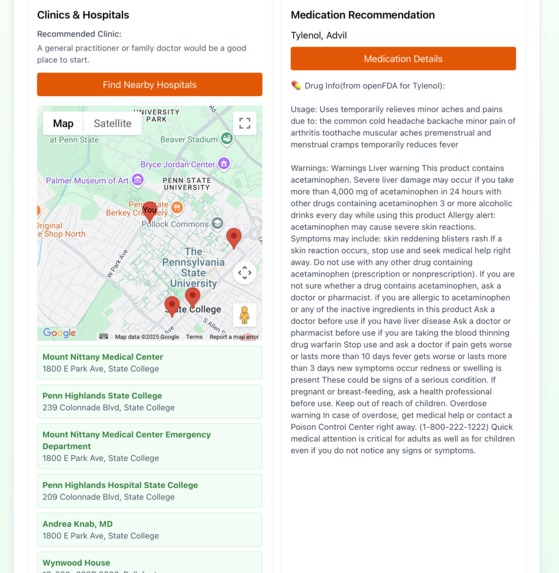
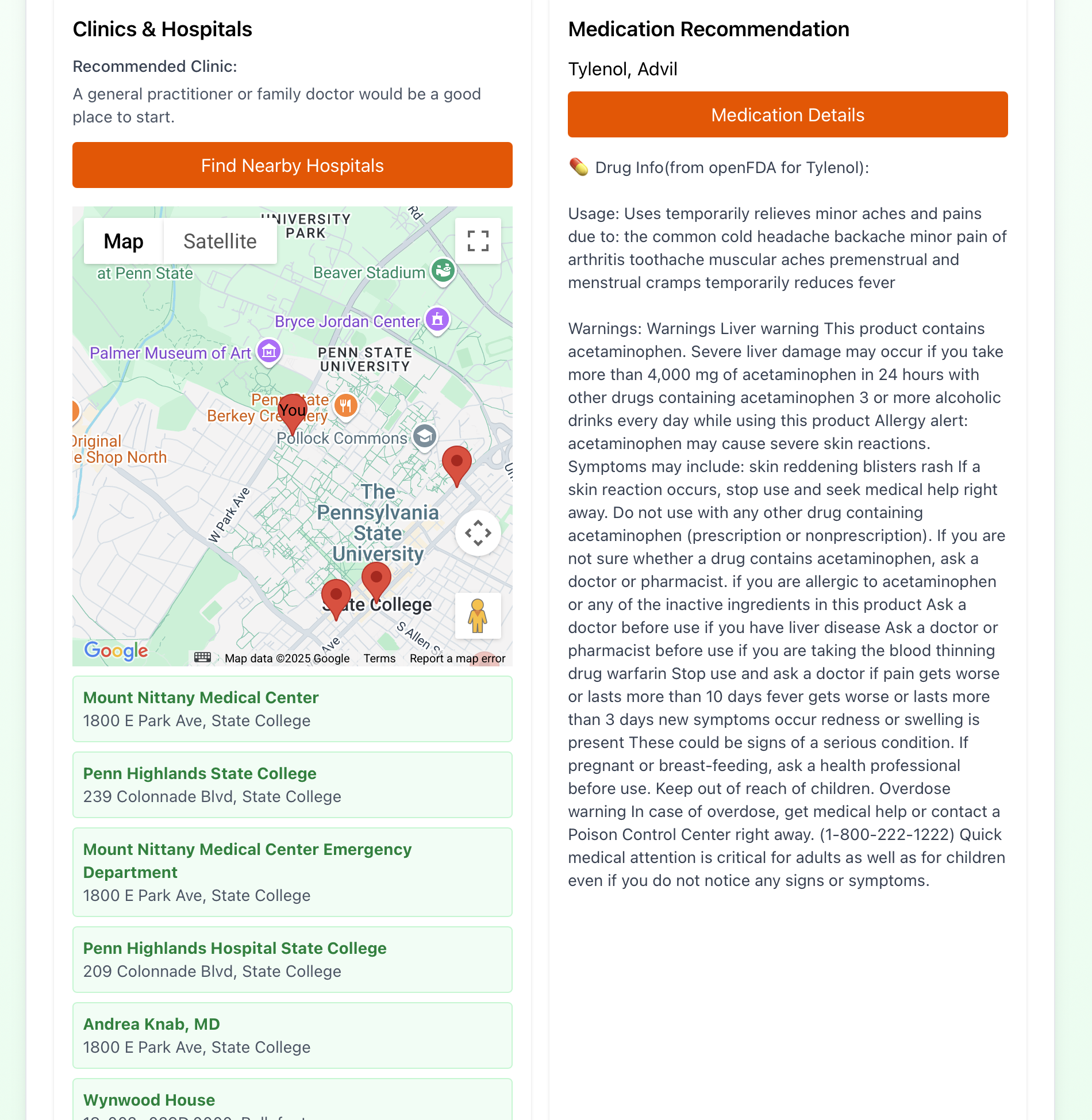
Location and Medication recommendation
-
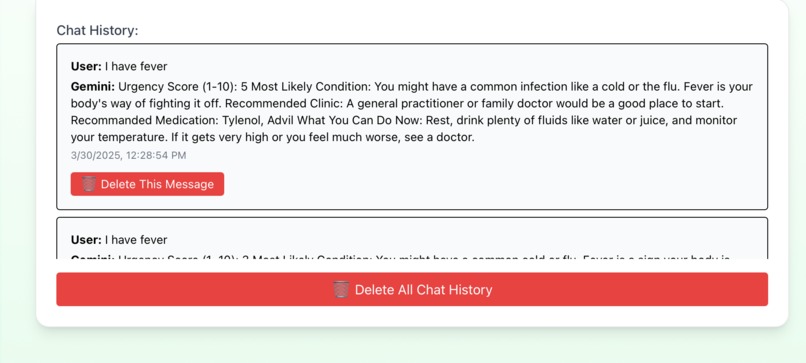
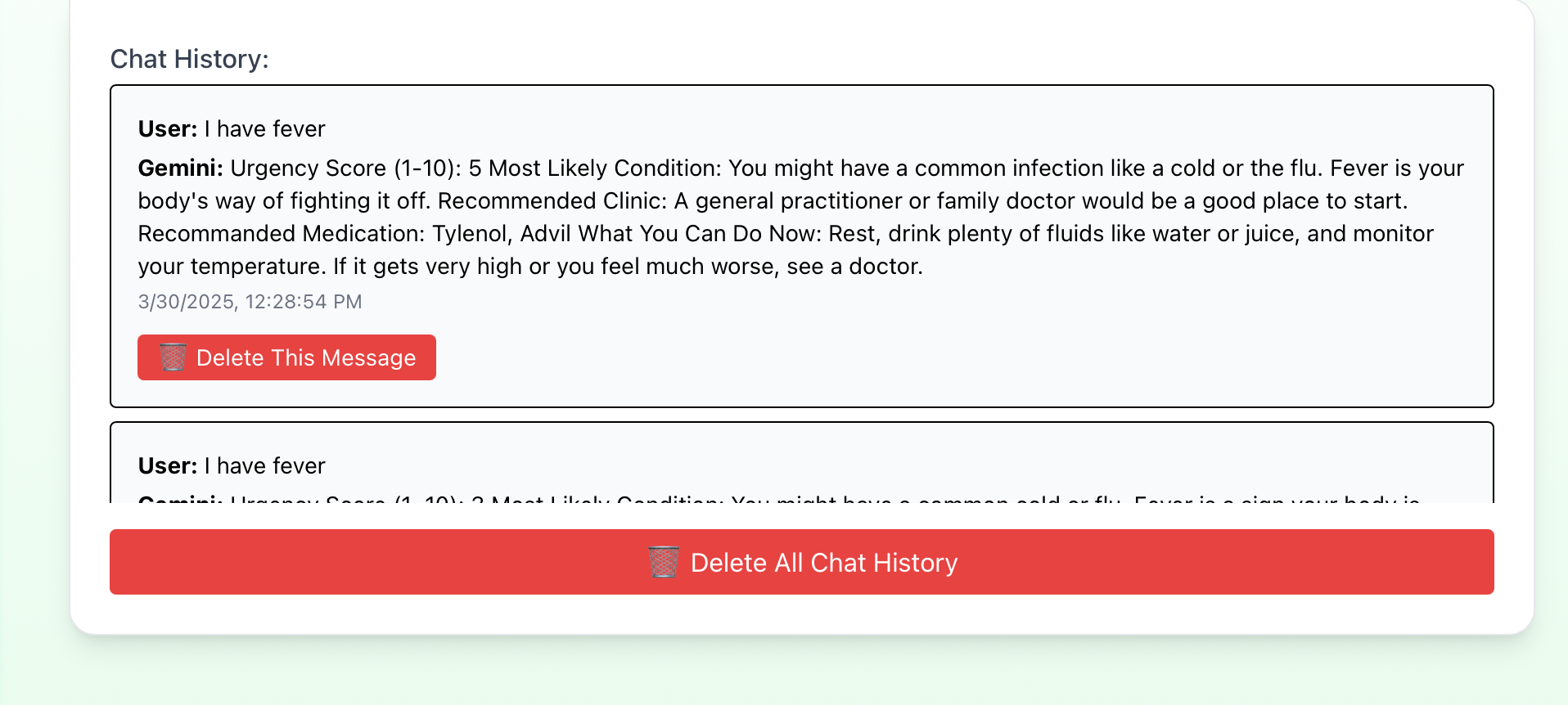
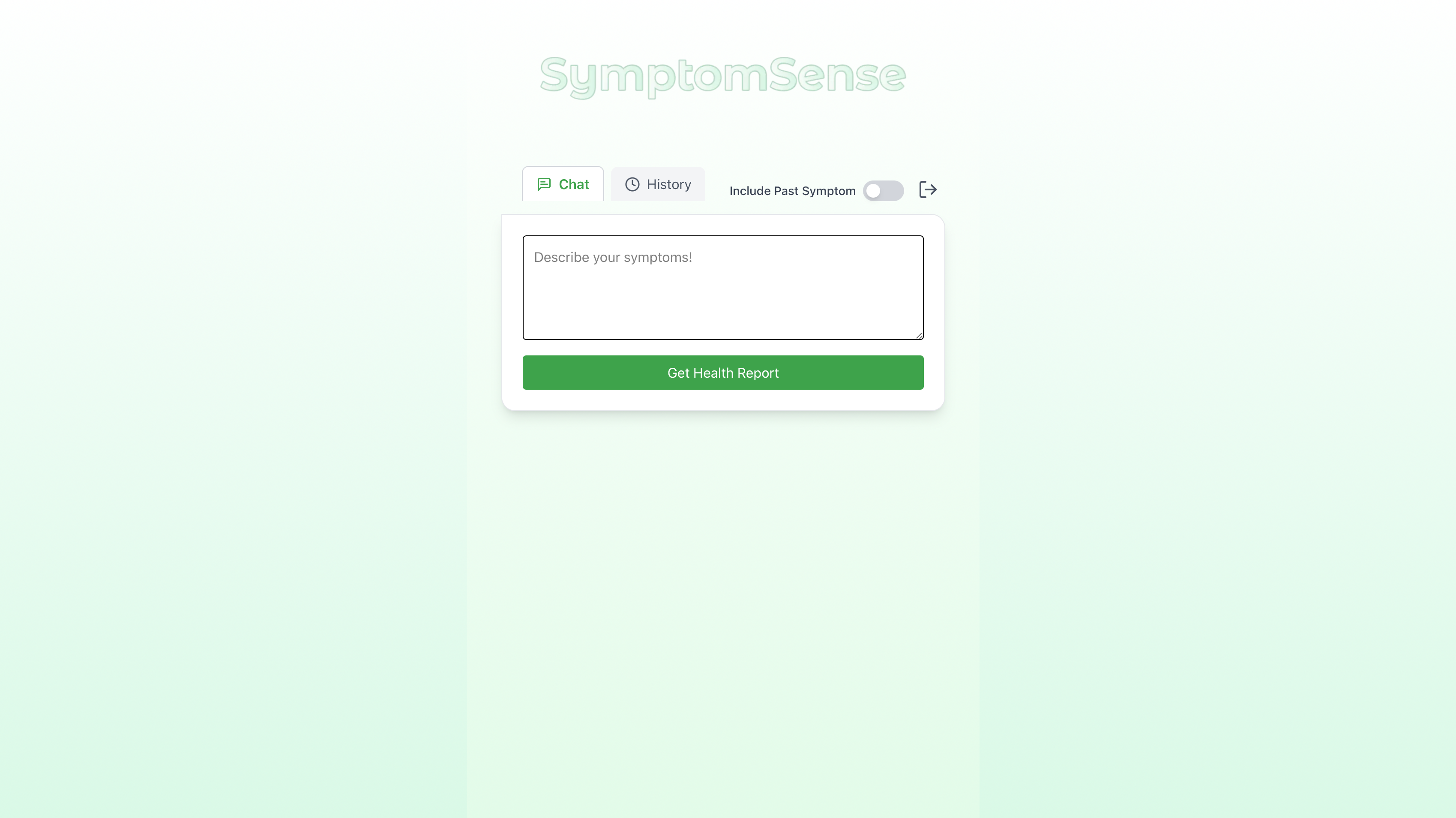
History
-
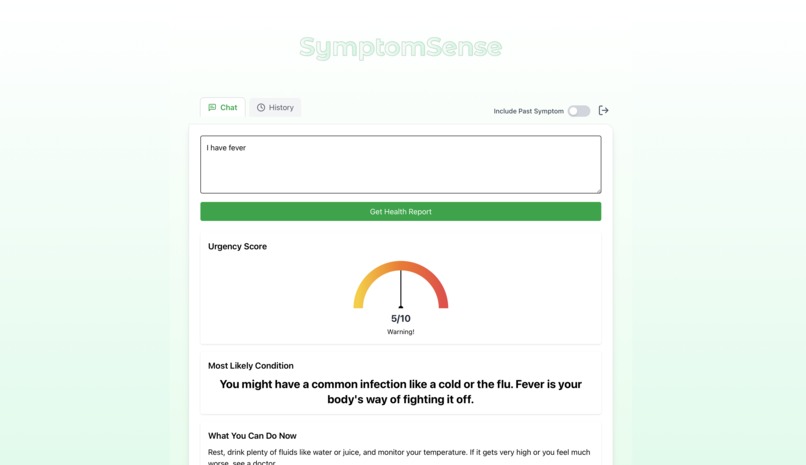
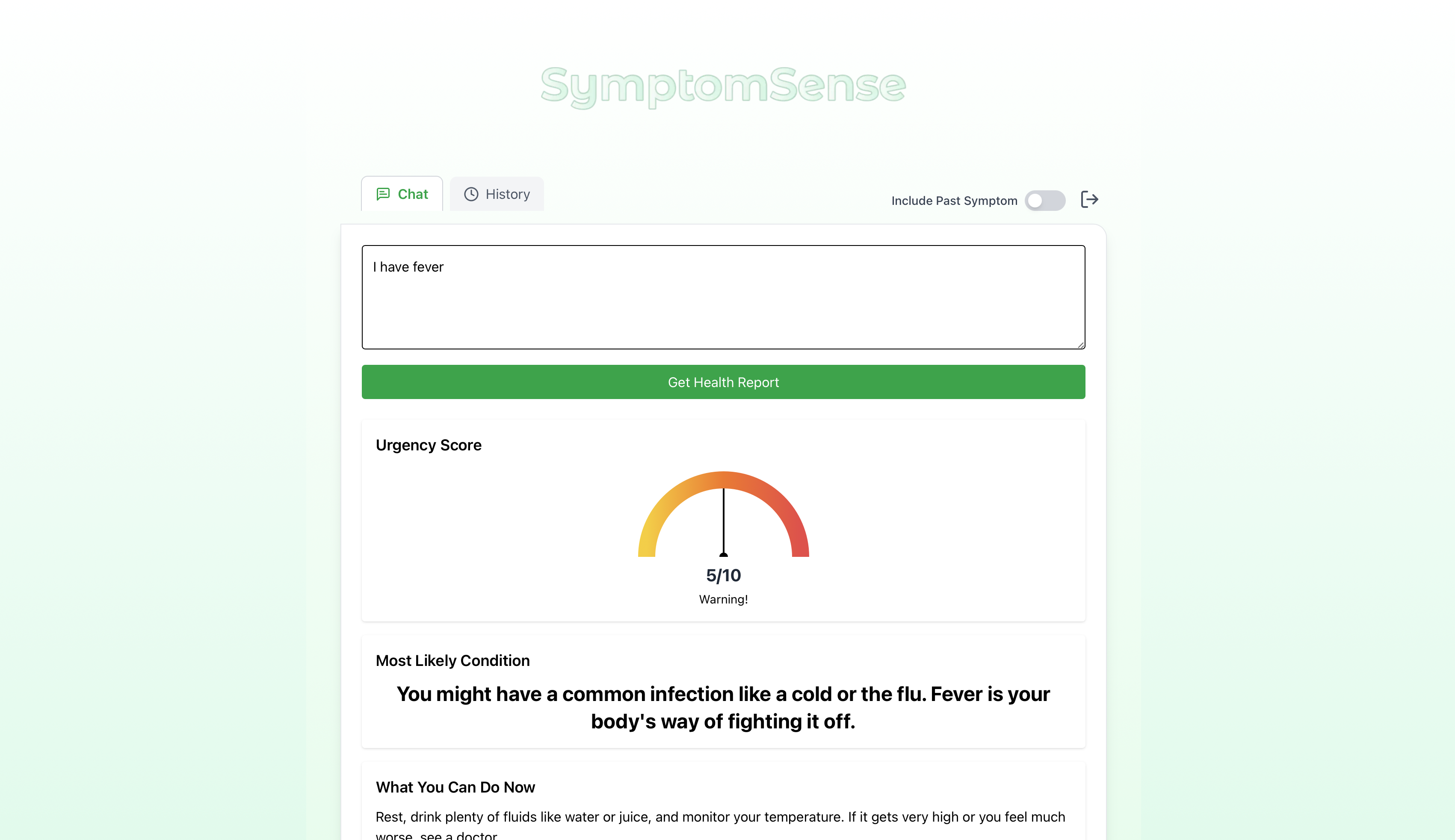
Symptom response
-
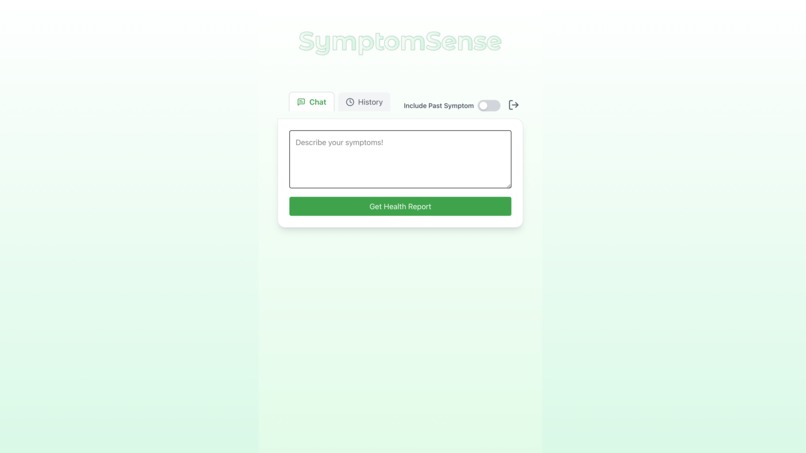
Intro page
-
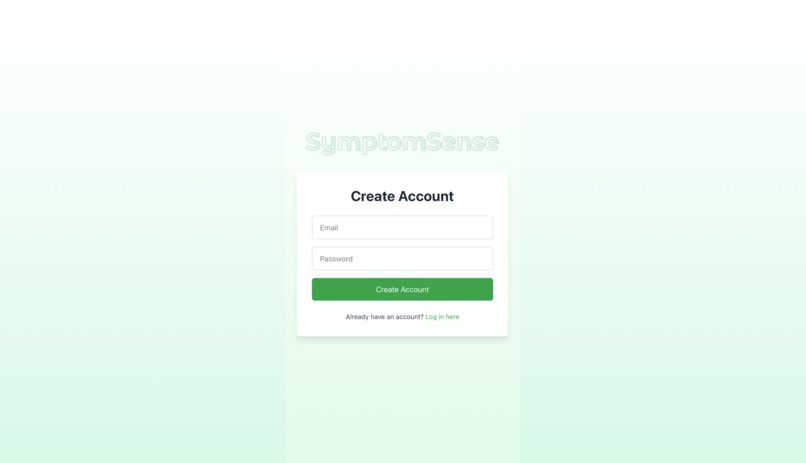
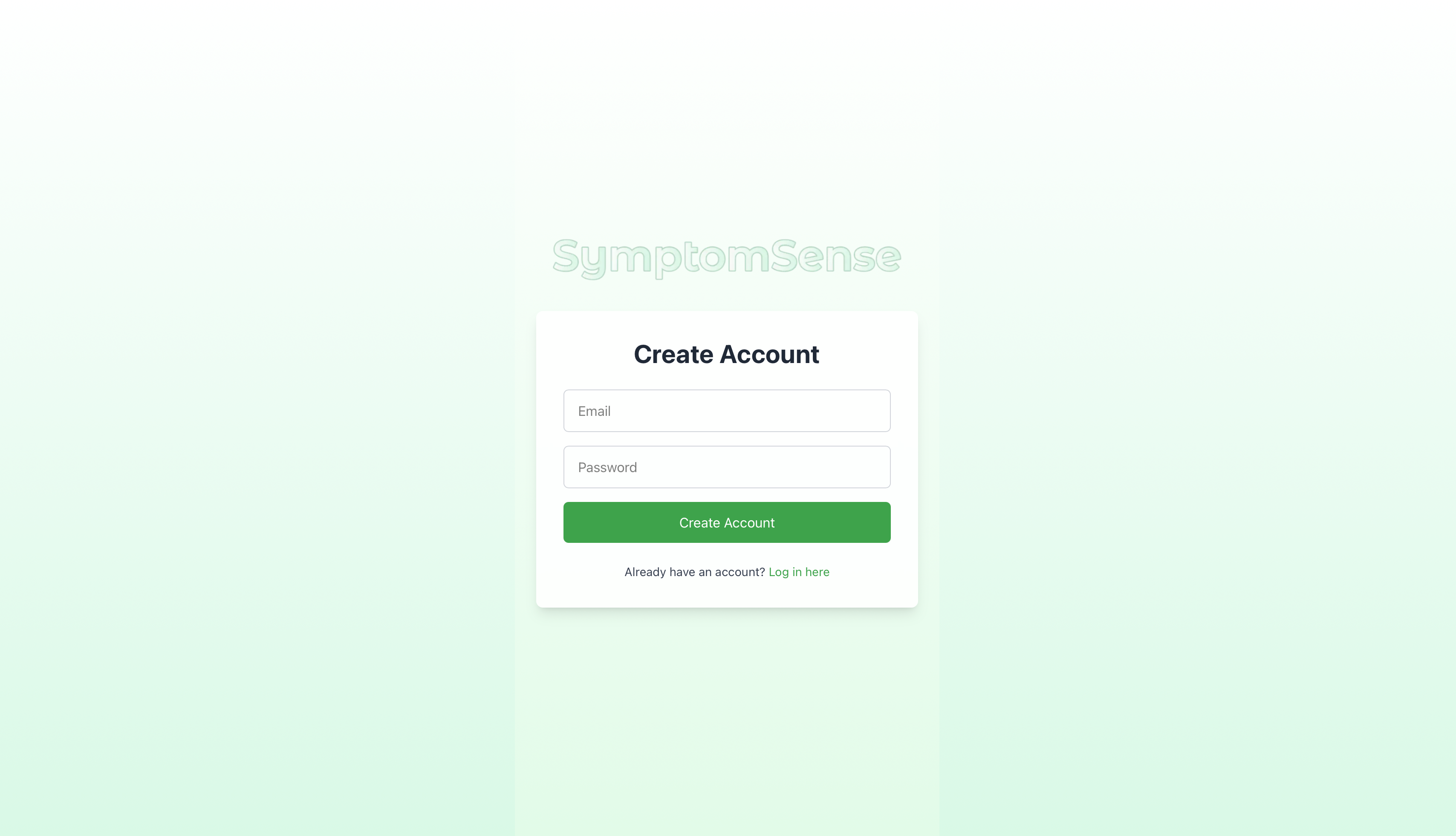
Create an account
-
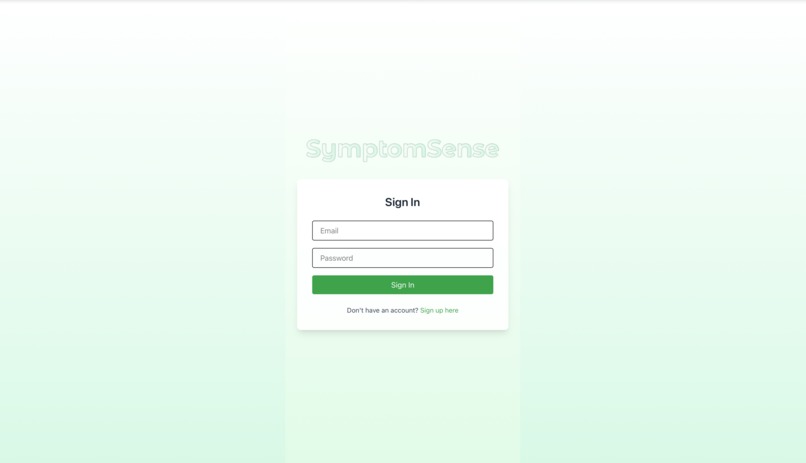
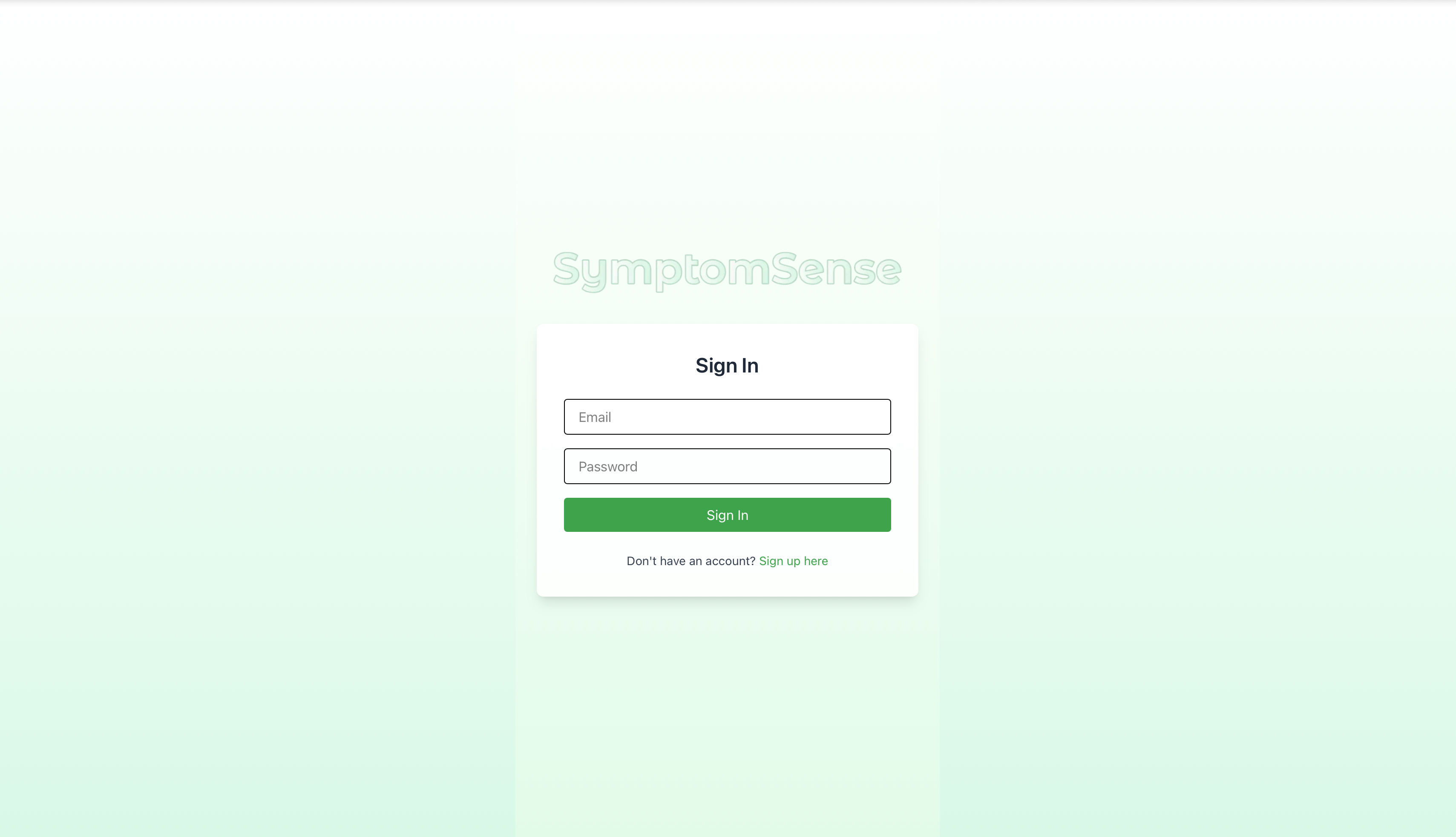
Sign in page

Inspiration
As international students, we have personally experienced these challenges. For example, when we feel unwell, we usually need to visit the University Health Services (UHS) on campus. However, even reaching UHS involves multiple steps: logging into the website, navigating the system, and booking an appointment — all of which can be overwhelming when we’re already not feeling well. The biggest challenge often comes when we are required to choose a department based on our symptoms before booking a visit. For many of us, it’s difficult to accurately judge what kind of care we need, leading to confusion and delays in getting help.
We have made up our mind to develop a platform whereby not only international students but also elderly individuals and people who may not fully understand the symptoms they are experiencing can properly take care of their health. To solve these problems, our platform would provide users with initial guidance based on their symptoms, helping them better understand their condition and navigate their next steps. It will offer a one-stop-shop for pharmaceutical advice, symptom diagnosis, and suggestions for the nearest reliable hospitals or clinics, allowing users to make informed health decisions quickly and confidently.
This will ensure that everyone, regardless of age or background, receives appropriate care at the appropriate time, avoiding unnecessary confusion and saving valuable time during stressful situations
What it does
Our platform provides users with an empowerment through a thorough health checkup based on their submitted symptoms. When the users input what they have as symptoms, the system generates an extensive output that includes:
- Urgency Score: Rates the severity of the condition and provides a degree of priority for the subsequent course of action.
- Most Likely Condition: Determines the most probable condition of the given symptoms. 3.Recommended Medications: Recommends the appropriate medicines for the condition. 4.Recommend Next Steps: Provide users with clear, actionable information on managing well their immediate symptoms 5.Nearby Hospitals: Locate and suggest available nearby health institutions in the event that they need immediate medical care.
- Chat History and Symptom Tracking: Keeps track of previous interactions and symptom reports, allowing users to monitor their health over time and refer to previous conditions at a glance.
How we built it
Our application was coded in TypeScript as the main programming language, and the development environment utilized was Visual Studio Code. Because of the AI-driven nature of the application, we implemented the Gemini API to obtain responses for various features including:
- Urgency Score: Identifying seriousness of the condition.
- Most Likely Condition: Identifying probable causes based on reported symptoms.
- Recommended Medications: Offering appropriate medications based on the case of the user.
- Next Steps: Offering actionable advice to treat symptoms appropriately. To suggest proper recommended medications, we added data from the OpenFDA API, making the AI model more capable of providing trusted and accurate information. In locating nearest hospitals, we added Google Maps APIs, utilizing the following services:
- Geocoding API: To convert user-entered addresses into geographic coordinates.
- Places API: To locate and retrieve the detailed data of hospitals nearby.
- Maps JavaScript API: To show maps and mark the locations of the hospitals. To keep and store the history of the user chat in a manner effective, we used MongoDB as our database such that we could retrieve and process previous data. Collaboration was one of the key aspects of our project, and for that, we employed GitHub to facilitate seamless version control, effortless merging of the code, and efficient collaboration.
Challenges we faced
During the development of our platform, we faced some challenges which required innovative solutions and collaboration.
- UI/UX Design and Implementation: Designing an intuitive and user-friendly interface was one of the biggest challenges.
- AI Response Prompt Engineering: Crafting effective and context-aware prompts for the AI model was another challenge.
- API Integration and Management: Integrating different APIs into a single platform without sacrificing stability and performance was a challenge in itself.
- MongoDB Database Integration: Establishing a secure and speedy connection between MongoDB and the platform to save user data and chat history was a challenge in itself.
- Version Control and Team Collaboration with GitHub: Team collaboration and management of multiple branches, commits, and merges within GitHub was challenging as the project increased in size.
Things that we're proud of accomplishing
Throughout the development process of SymptomSense, we enjoyed a few major accomplishments which are a testament to our technical ability and hard work. We were able to combine several APIs, such as Google Maps and OpenFDA, and calibrated AI responses through the Gemini API to provide users with feedback on symptoms, medication, and next steps. Our focus on user-centered design paid off in a simple-to-use interface, and MongoDB gave us secure and successful management of user data.
What we learned
We learned API integration, AI output prompt engineering, and user interface design with the user at the forefront through building SymptomSense. We learned more about database management with MongoDB and version control by working with GitHub.
What is next for SymptomSense.
To take SymptomSense forward, we intend to introduce a feature that creates a PDF health report based on symptom information input by the user and AI-based suggestions. The user can have this report sent securely to a health professional at their own will, enabling users to get expert medical guidance from home. For this feature to function, however, there would have to be positive user authorization and consent in order to ensure that sensitive health information is shared appropriately. Further, to secure user information and prevent potential violations, we would ensure full compliance with HIPAA standards, adhering to best practices of data security and protection.
Built With
- gemini-api
- github
- google-maps
- mongodb
- openfda-api
- typescript
- visual-studio


Log in or sign up for Devpost to join the conversation.