-
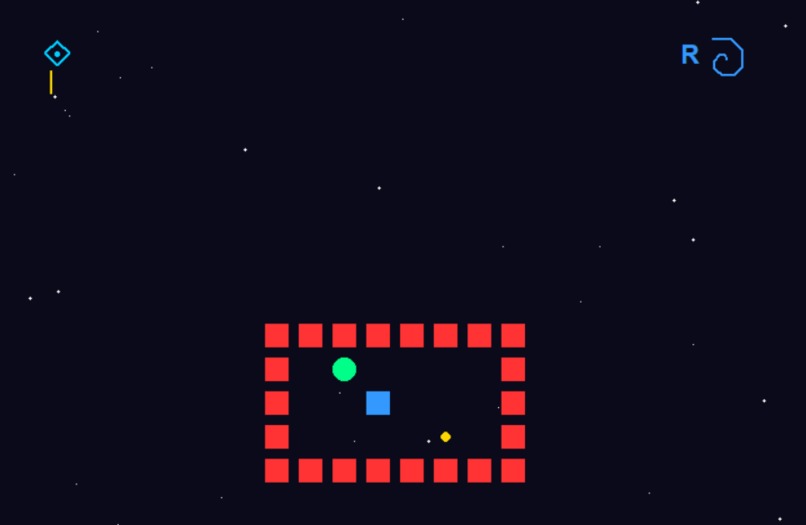
Level 1
-
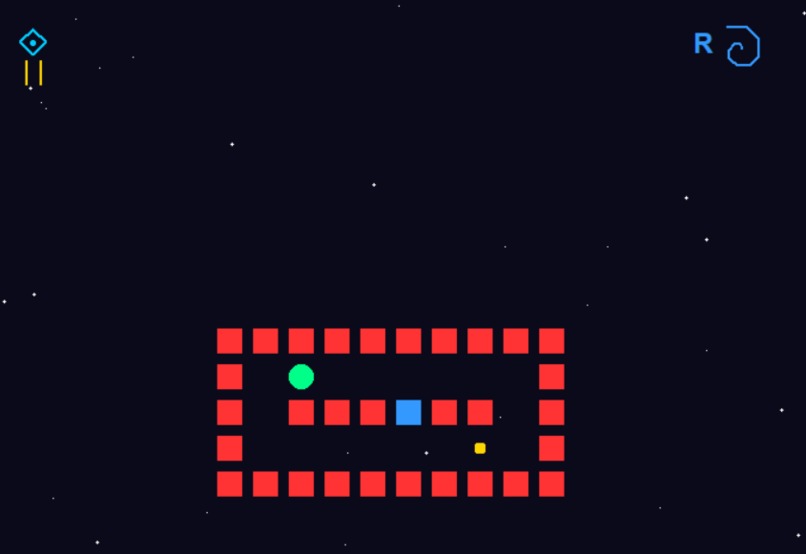
Level 2
-
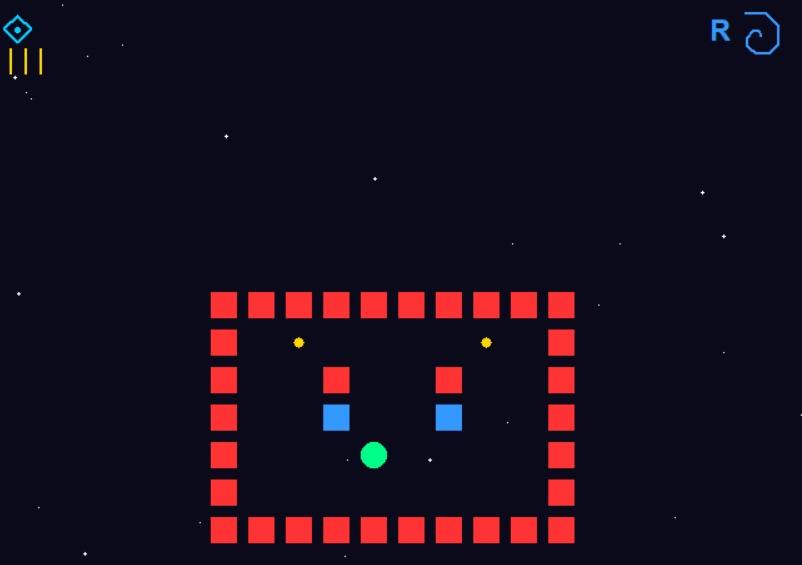
Level 3
-
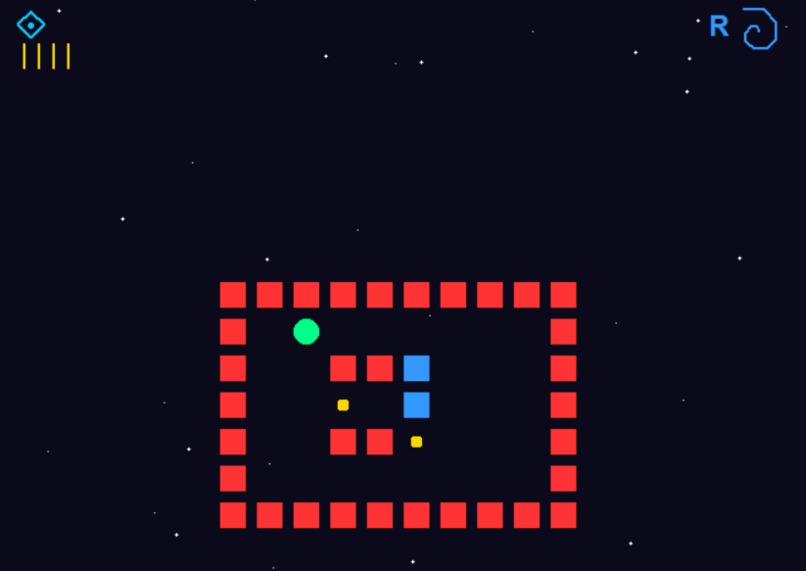
Level 4
-
-


SYMBOLOGIC - PRABHGUN AND KEVIN
Inspiration
Our team was captivated by the concept of a centuries-long voyage in the year 3000. We realized that over vast amounts of time, spoken language would likely drift or disappear. We were inspired to create a "Rosetta Stone" for the deep-space era—a game that uses the universal language of geometry and logic to connect humans and potential extraterrestrial life through shared spatial problem-solving.
What it does
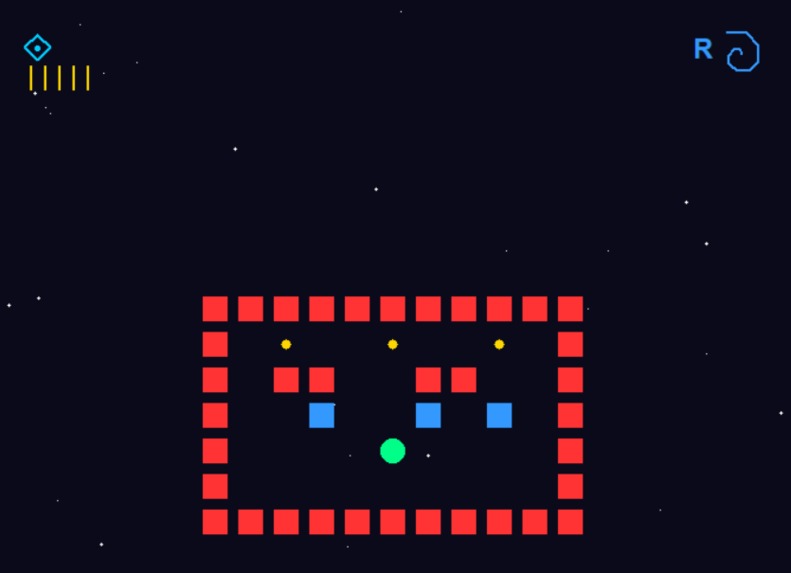
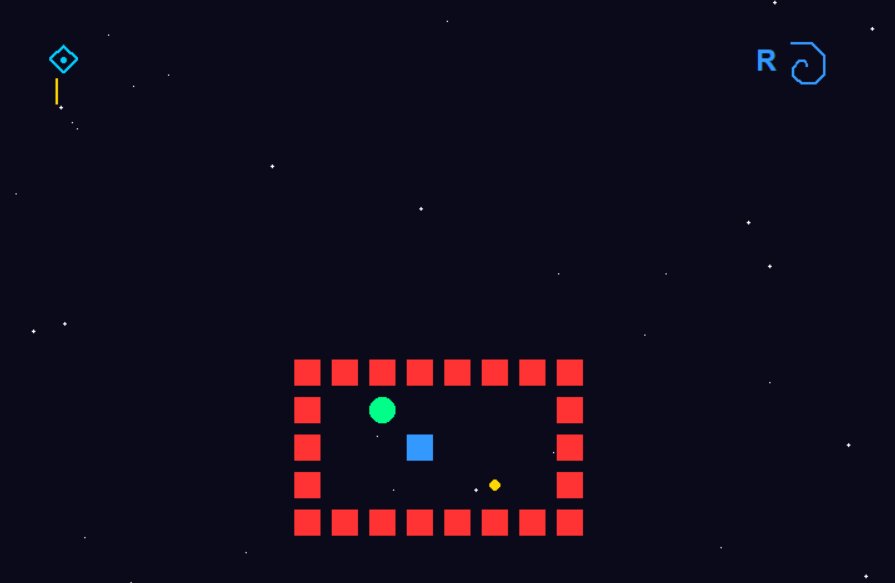
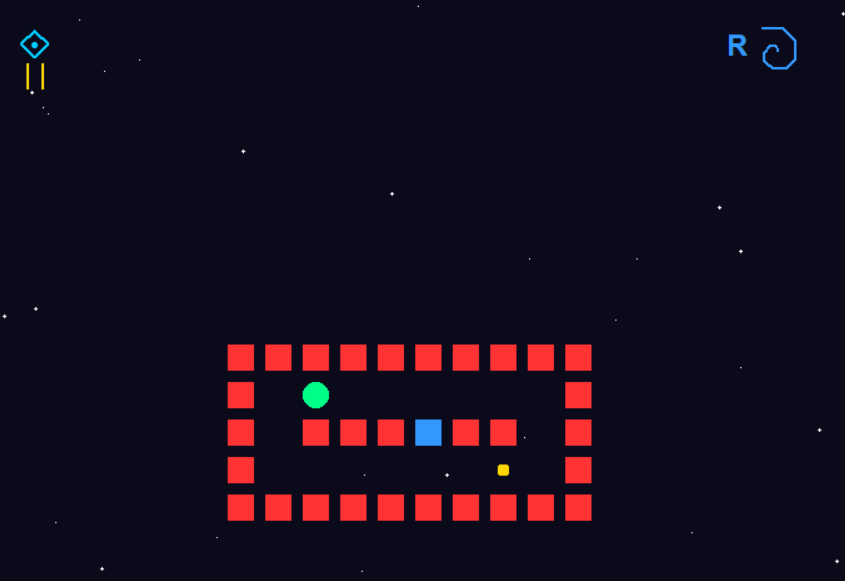
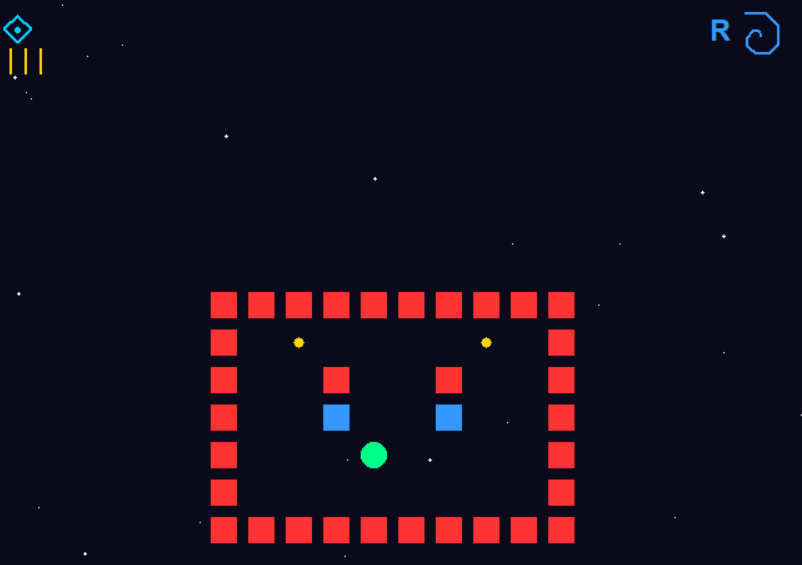
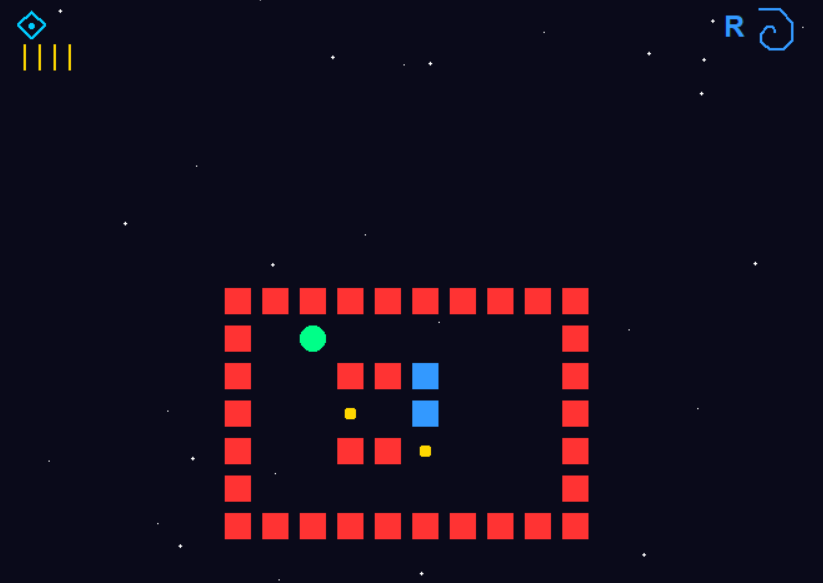
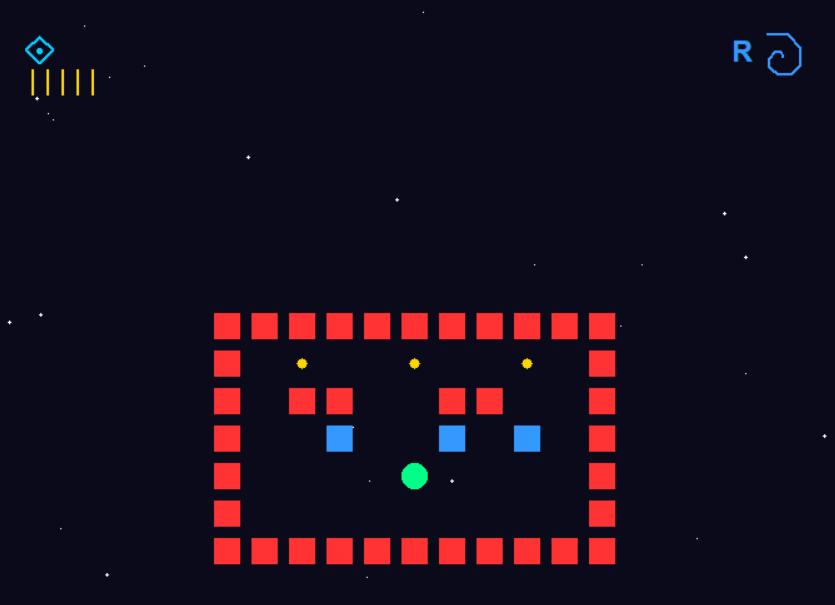
Symbologic is a language-independent puzzle game. The player controls a biological entity (green circle) and must navigate a series of 5 increasingly difficult "Cargo Bay" environments. The goal is to push resource modules (blue blocks) onto power sockets (gold circles). It utilizes zero human text, relying instead on archaic tally marks, geometric symbols, and a universal "reset" spiral to guide the player through the logic of the starship.
How we built it
We built Symbologic using the Python Turtle module, leveraging its vector-drawing capabilities to create a stark, high-contrast "deep space" aesthetic.
- Logic: We implemented a custom coordinate-grid system for movement and collision detection.
- State Management: We used a list-based level loader to clear and rebuild the environment as the player progresses.
- UI: We utilized procedural drawing to create dynamic tallies and a final victory trophy that scales to the screen.
Challenges we ran into
The biggest challenge was "The Language of Non-Language." We had to figure out how to signal a "reset" or a "win" without using words like "Start" or "Level 1." We went through several iterations of UI design, eventually landing on a geometric progression for levels and a spiral glyph for the redo function. Balancing the puzzle difficulty was also tricky—ensuring the corridors were tight enough to be a challenge but wide enough to allow for tactical maneuvering.
Accomplishments that we're proud of
We are incredibly proud of the UI integration. The way the level tally and the diamond "Core" icon work together creates an intuitive sense of progression. We also successfully created a game that feels "futuristic yet ancient," blending neon sci-fi colors with primitive counting methods.
What we learned
Building this project taught us the importance of intuitive UX. We learned that you don't need text to explain complex rules if the visual feedback is consistent. We also deepened our understanding of game loops and how to manage multiple object instances (walls, boxes, goals) within a limited drawing framework like Turtle.
What's next for Symbologic
Next, we want to expand the "Universal Truths" aspect of the game. We plan to add interstitial "transmission" screens that teach the player about Earth's biology and math—such as the Fibonacci sequence or the Carbon-12 atom—to further the mission of informing extraterrestrial life about who we are.
Built With
- python
- turtle

Log in or sign up for Devpost to join the conversation.