-
-
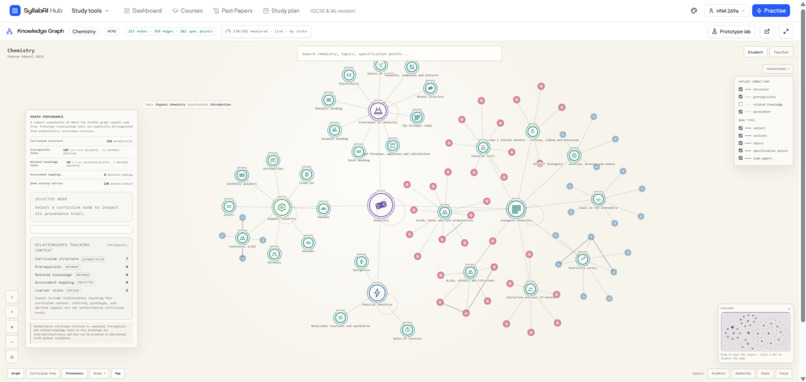
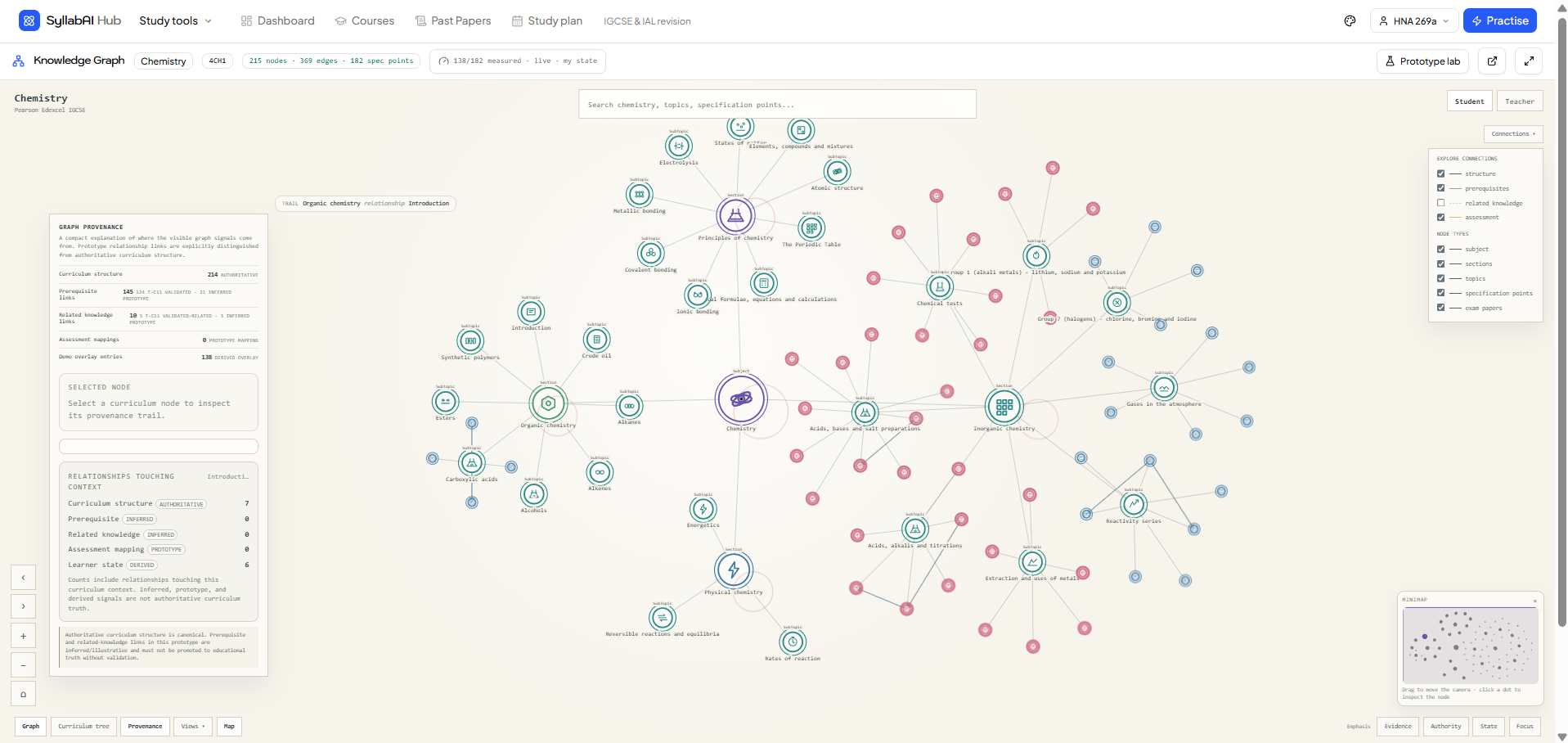
Knowledge Graph
-
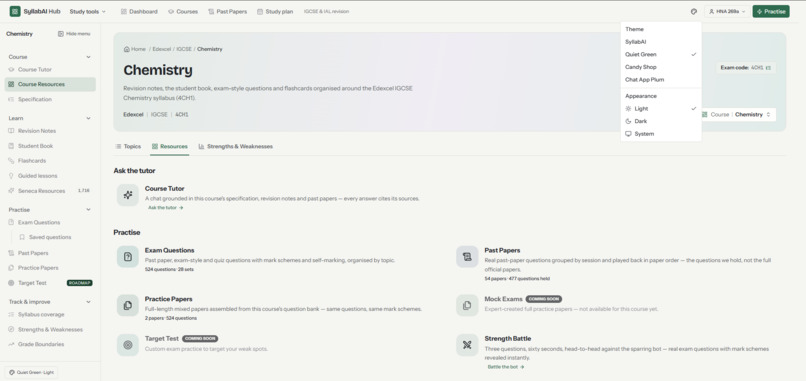
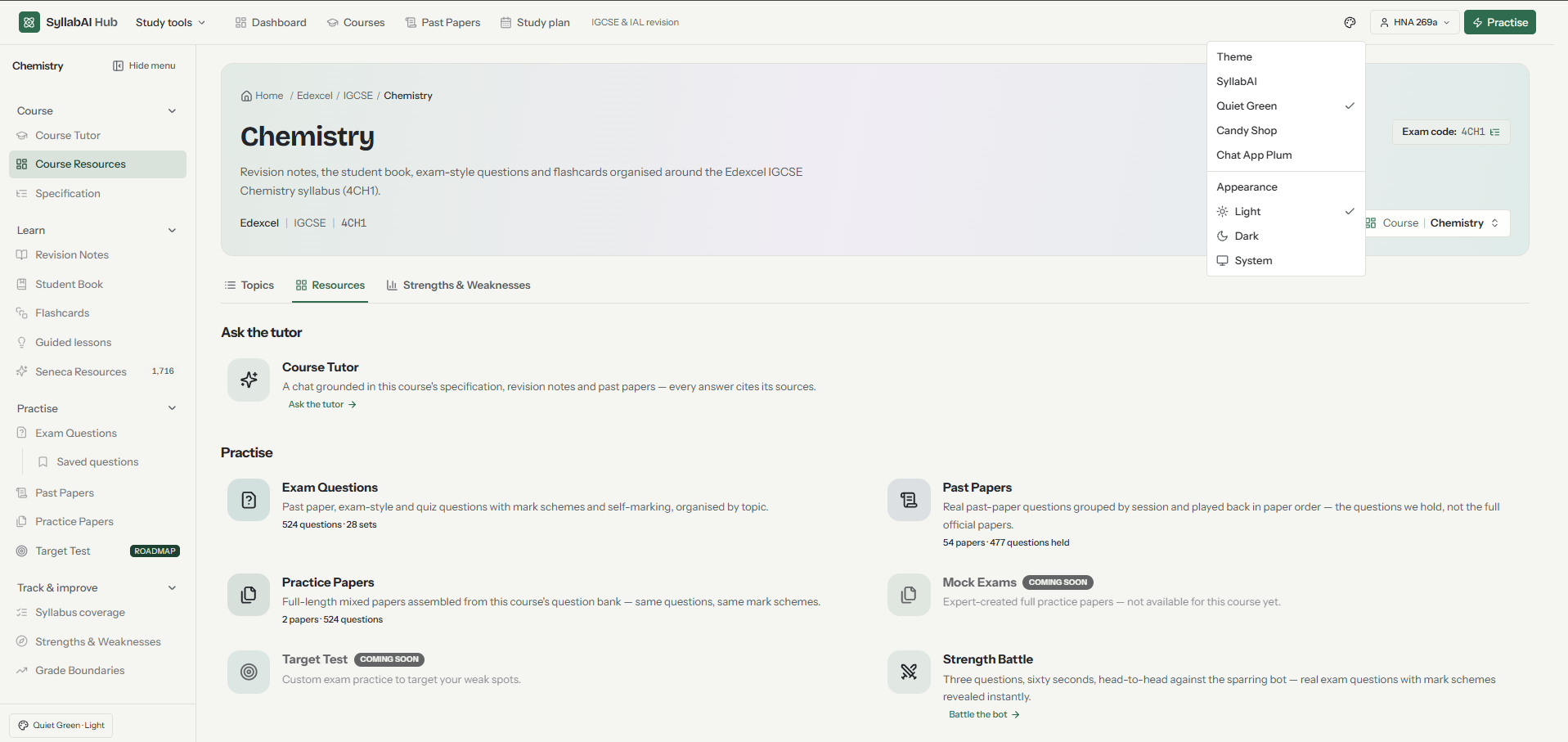
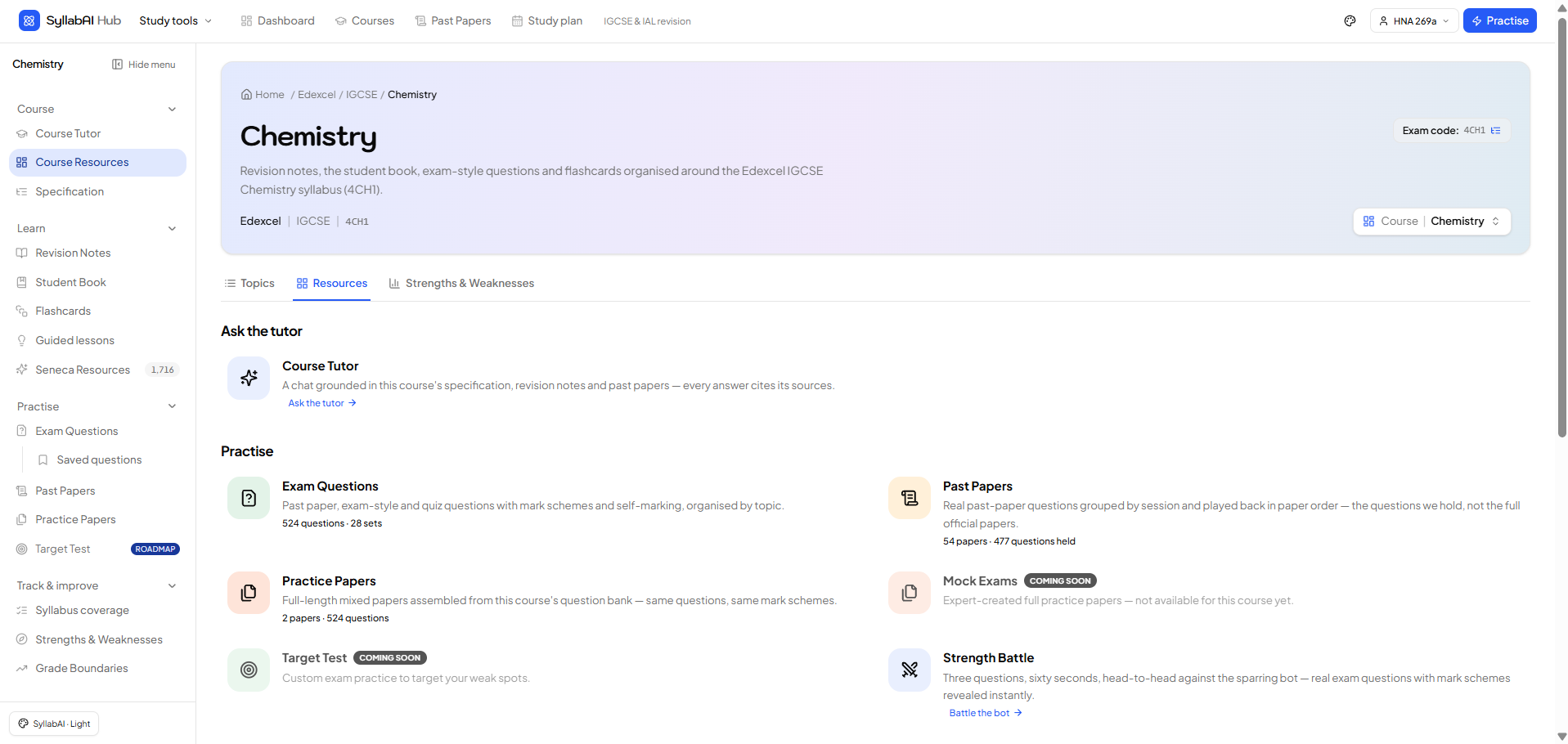
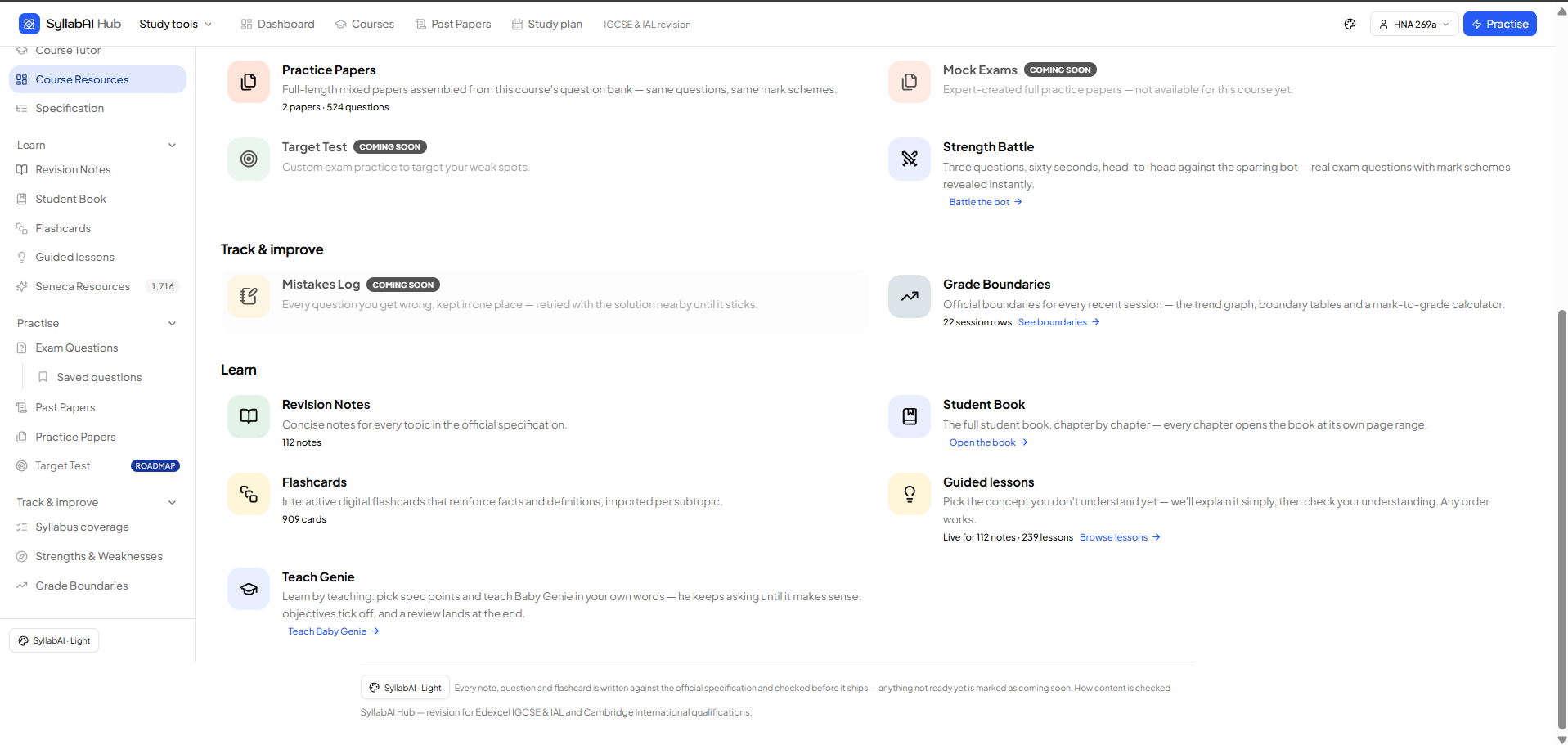
Course Resources Page 3
-
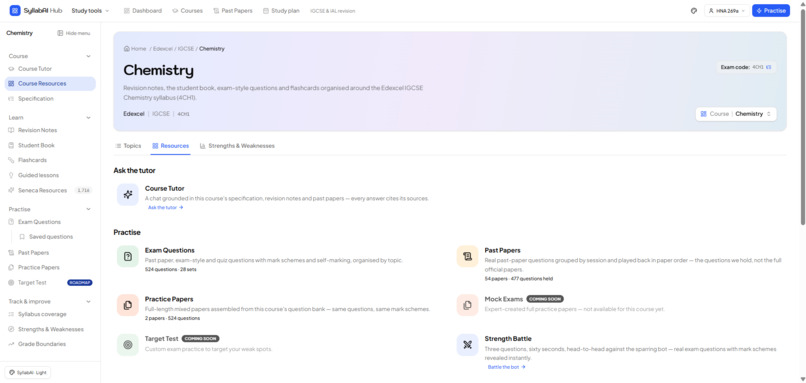
Course Resources Page
-
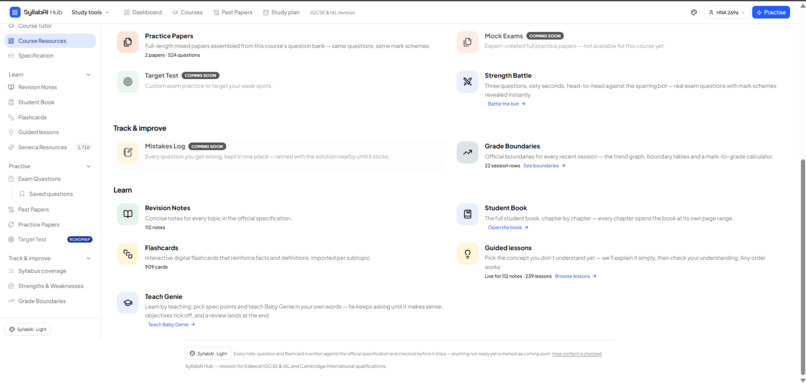
Course Resources Page 2
-
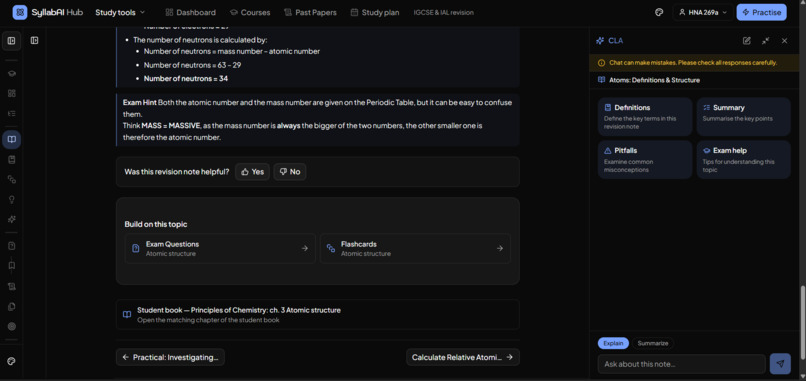
Links to mapped resources
-
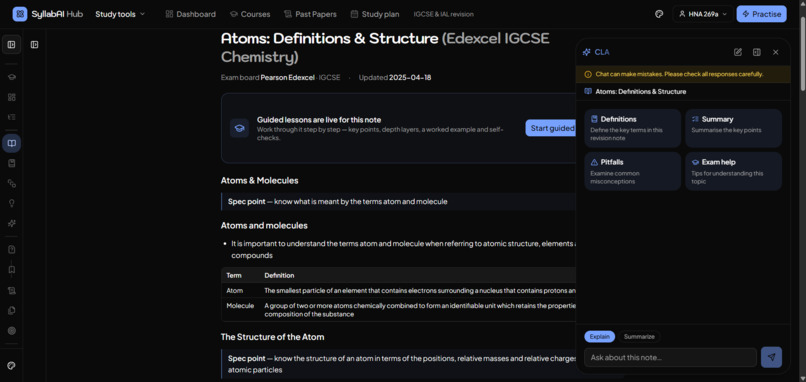
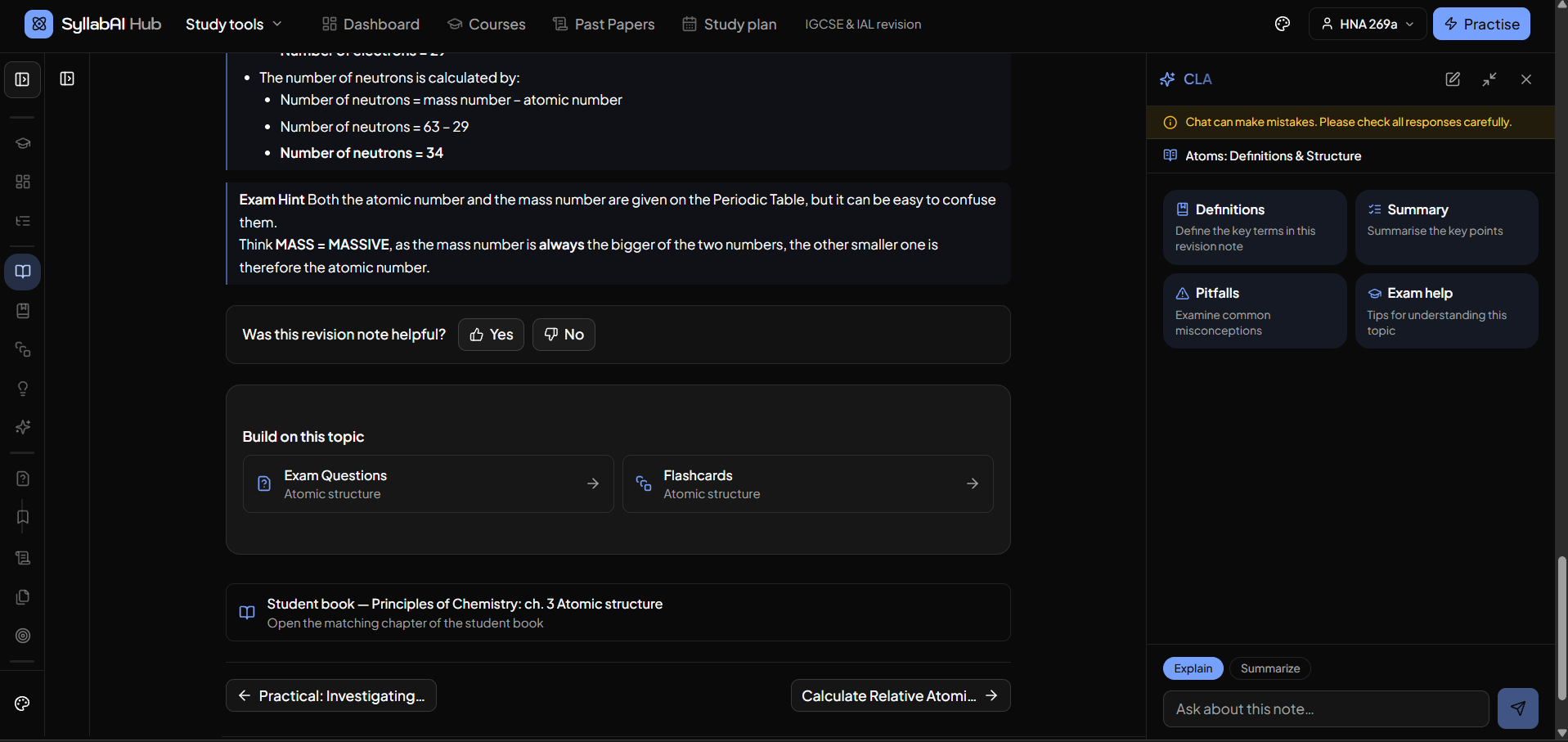
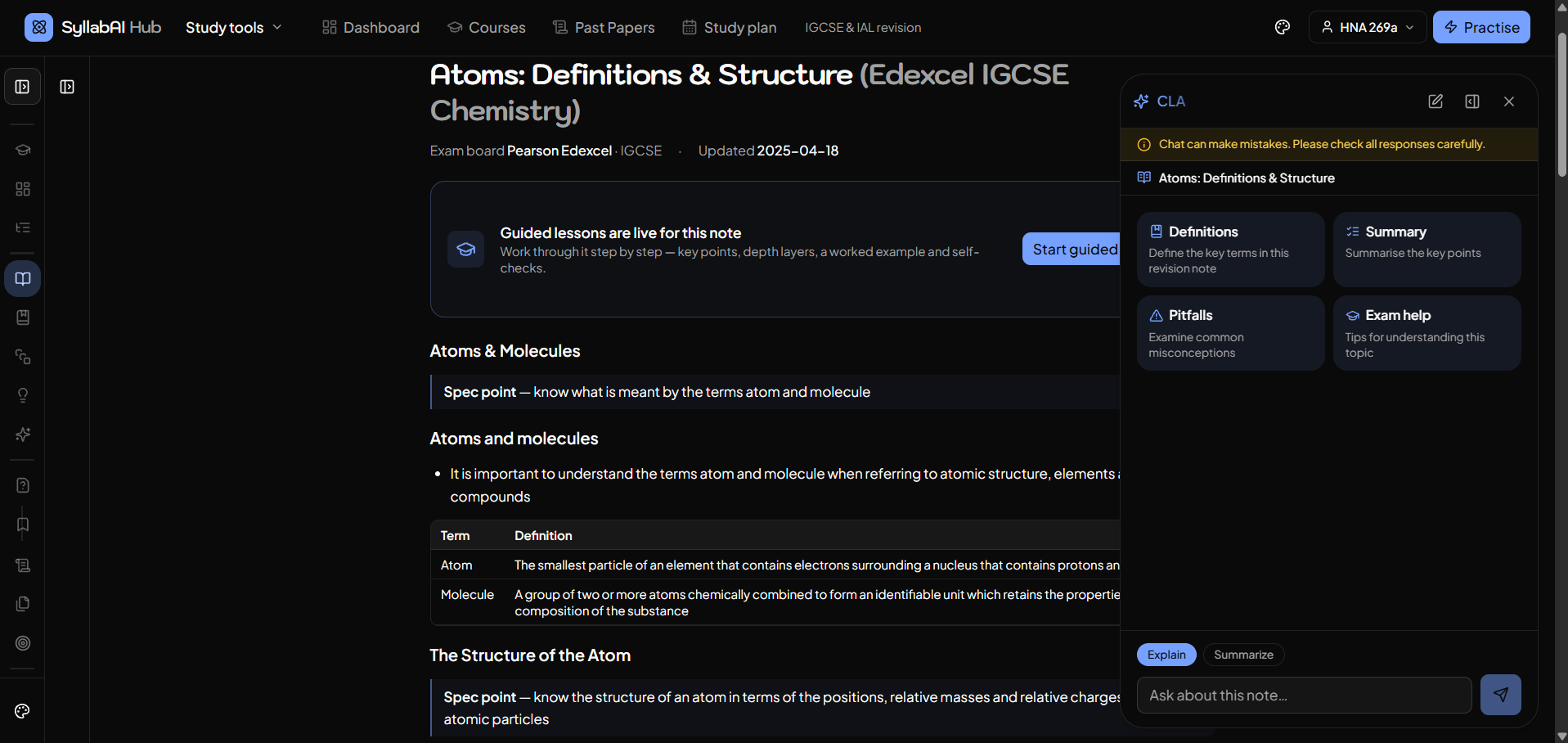
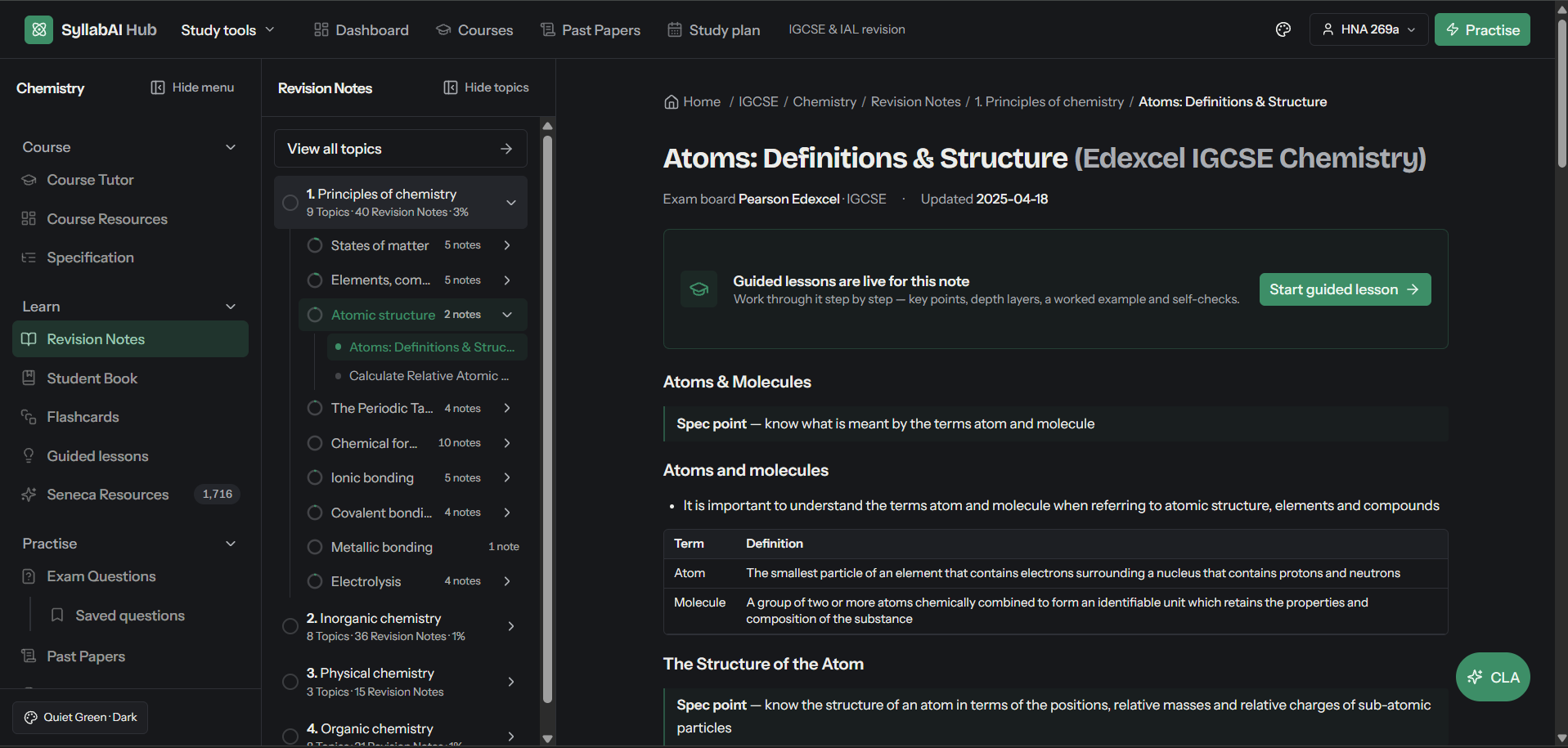
Revision Notes + Contextual Learning Assistant
-
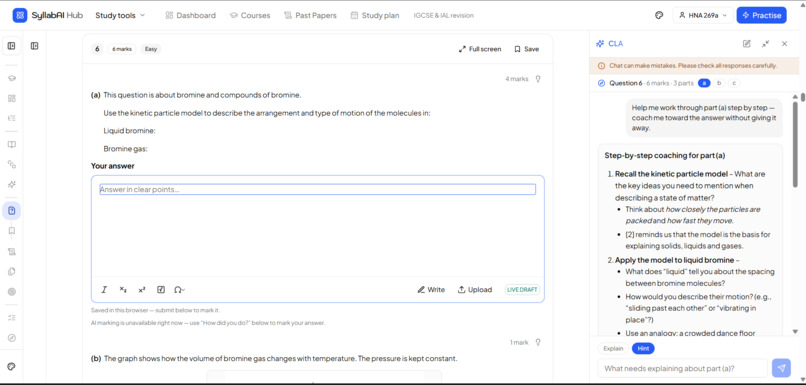
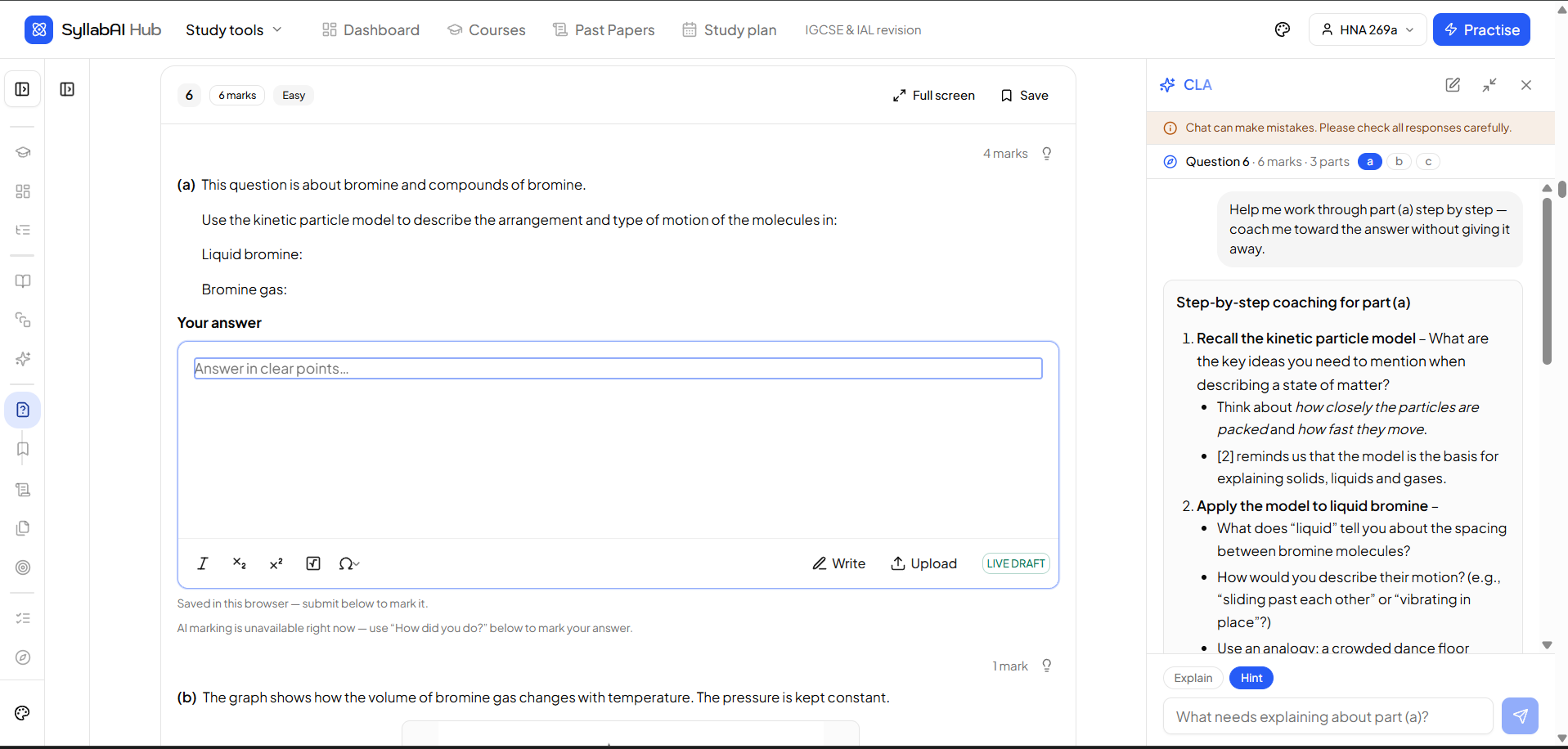
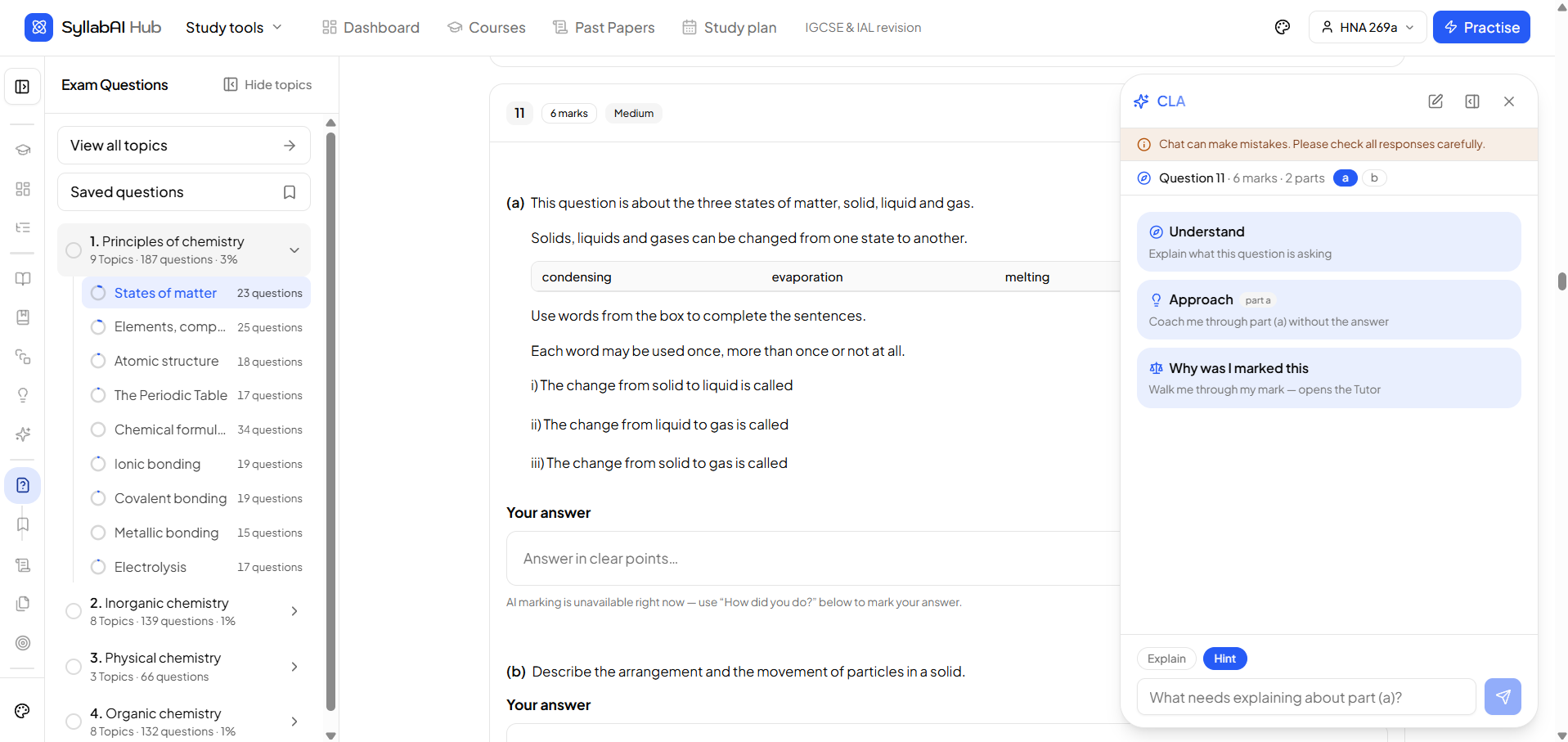
Exam Question Attempt + CLA
-
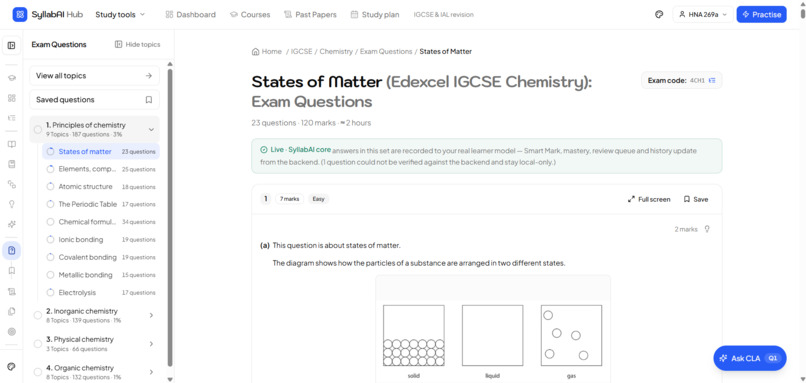
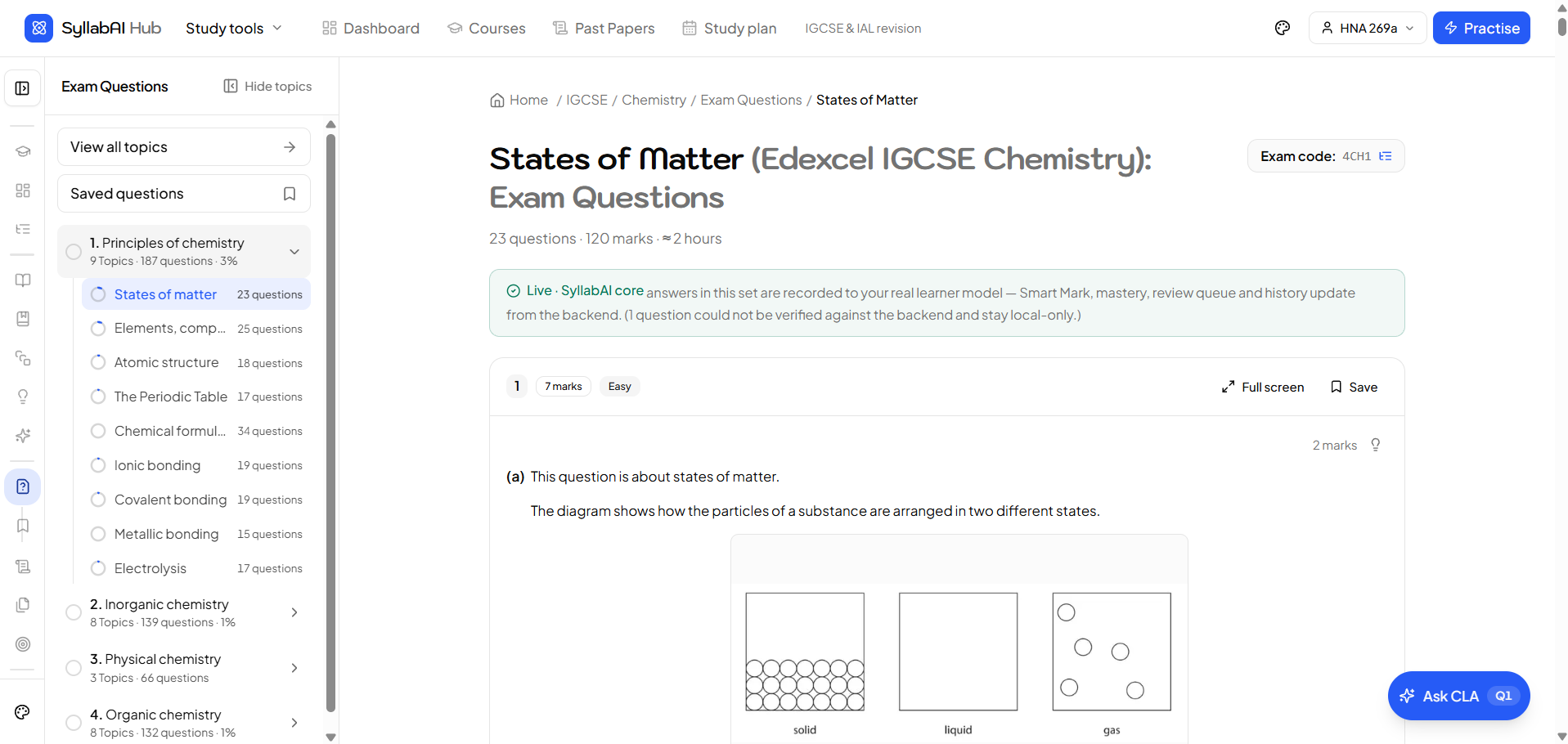
Exam Question
-
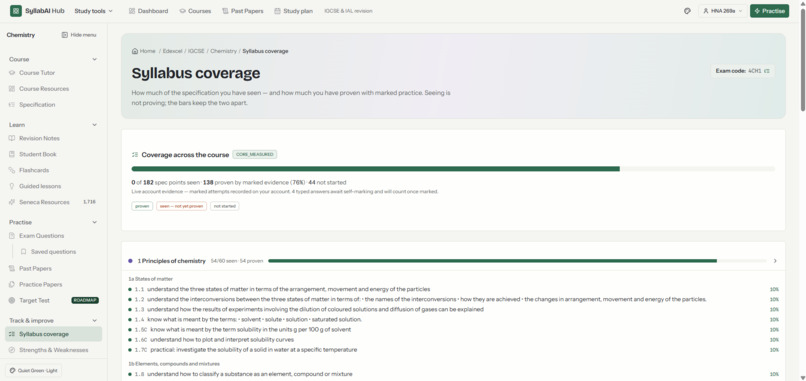
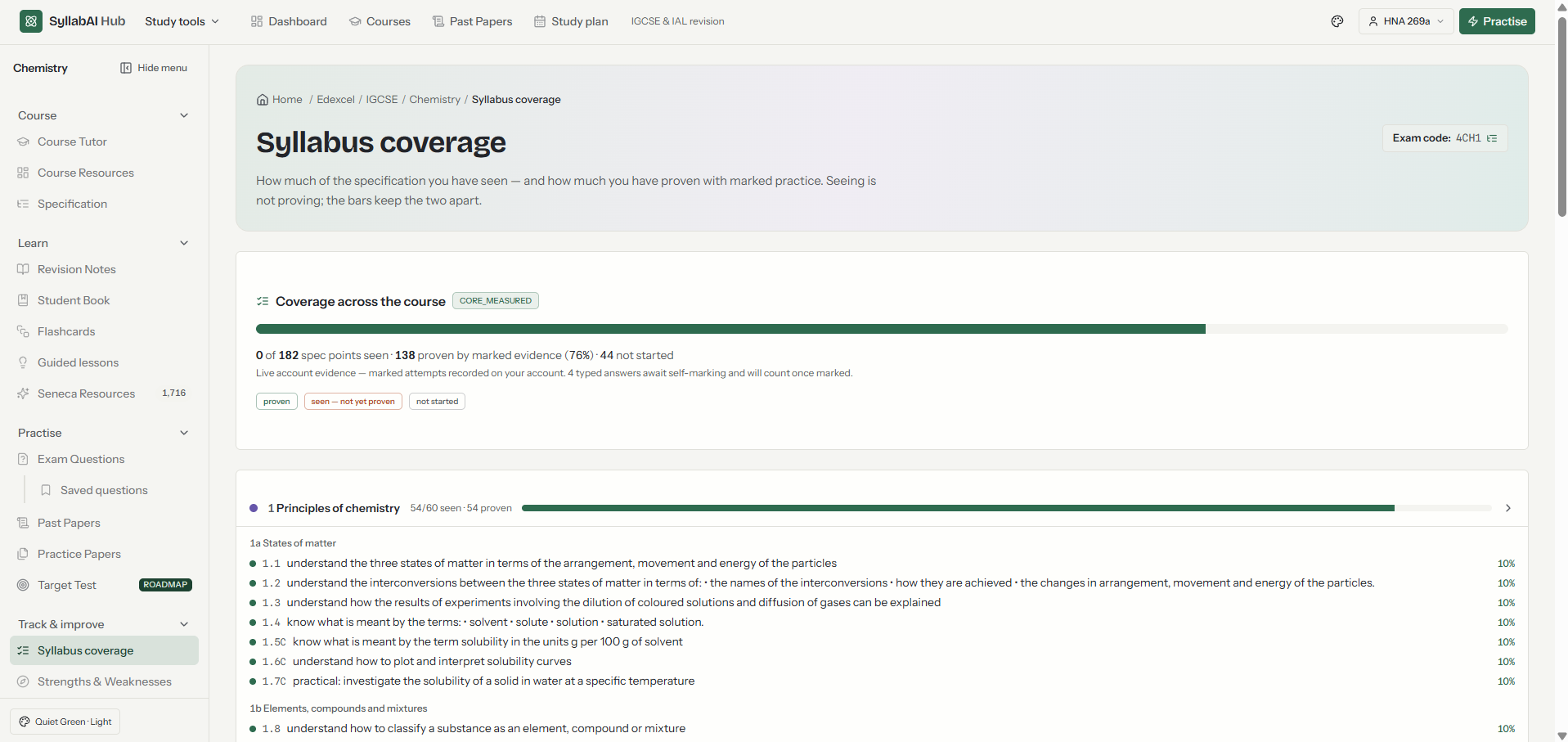
Syllabus Coverage
-
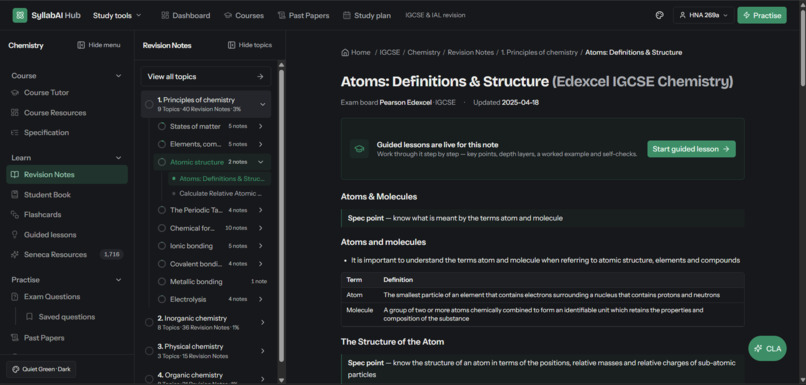
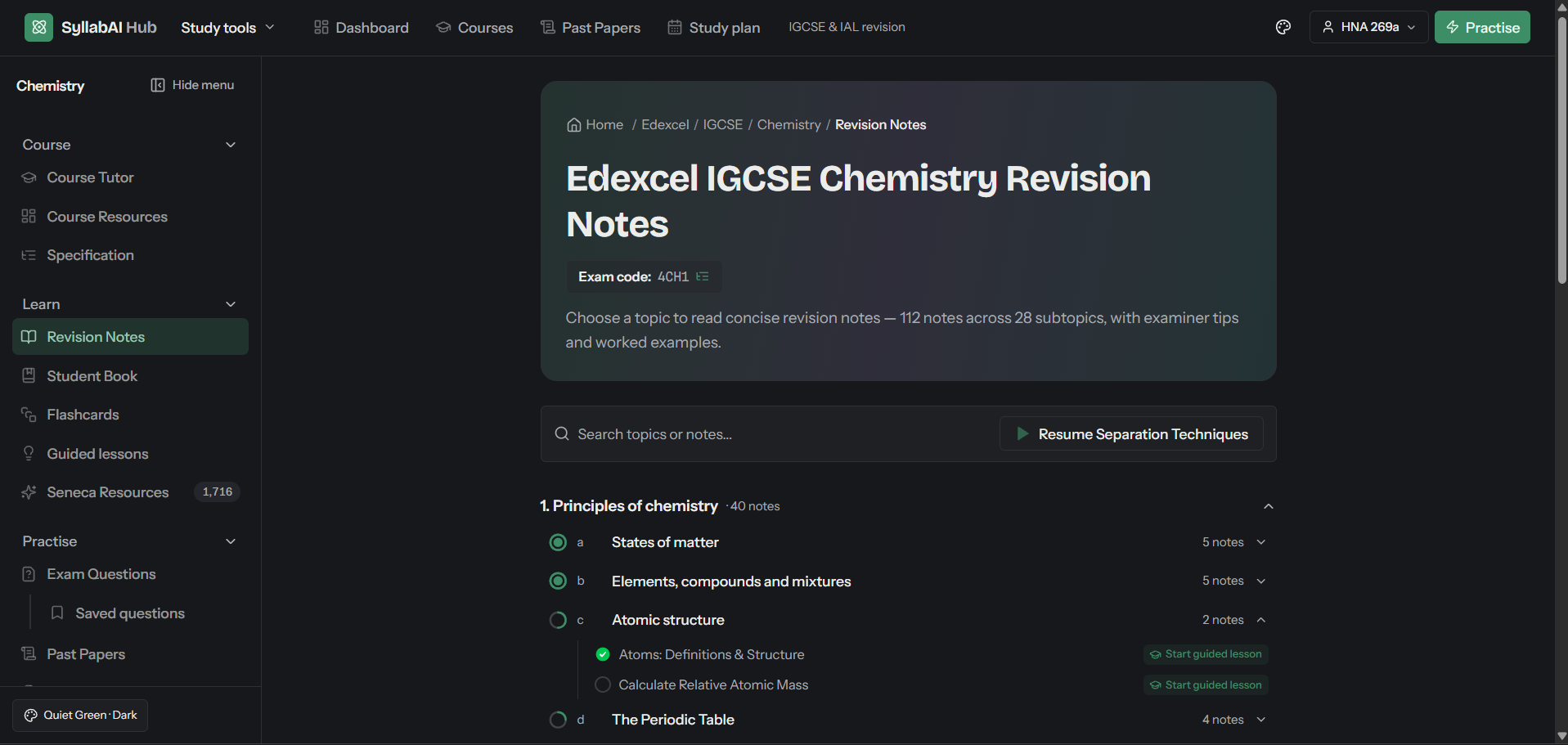
Revision Notes
-
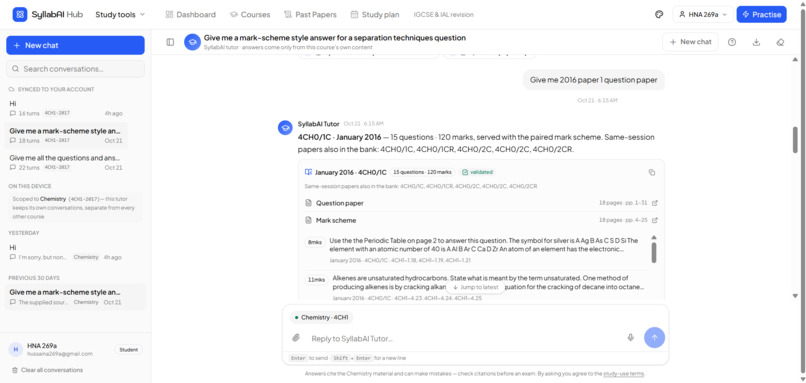
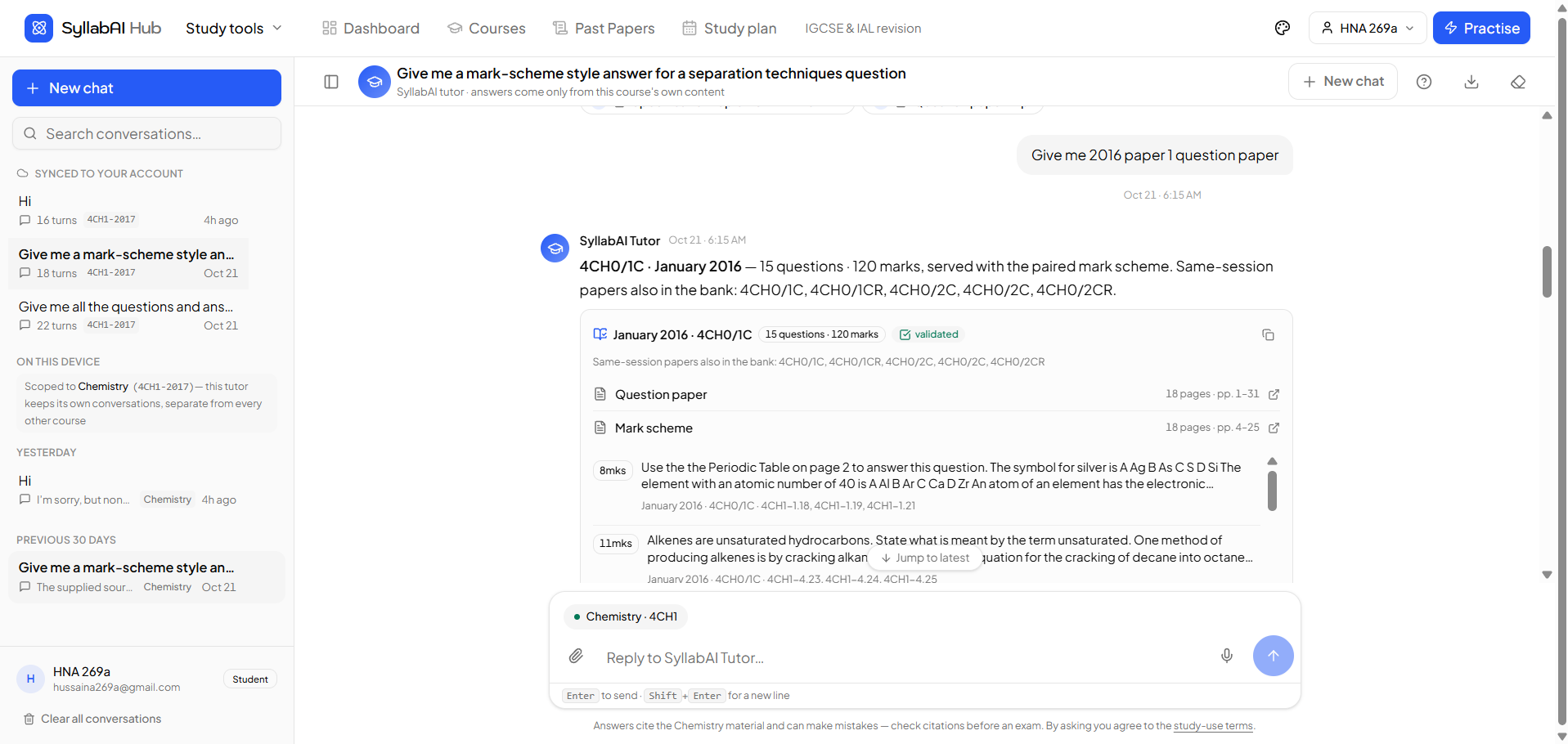
RAG based AI Tutor
-
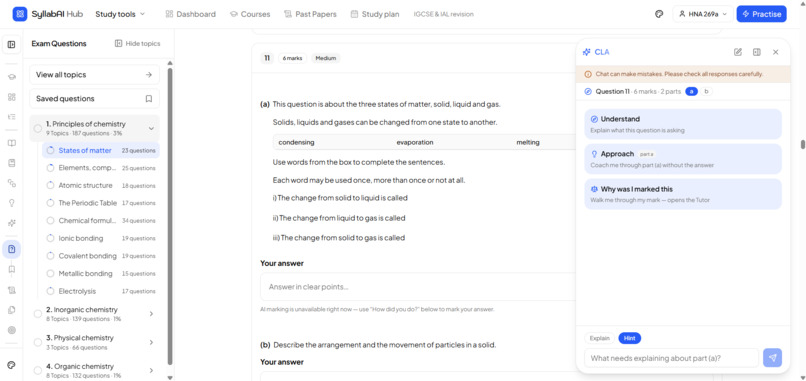
Exam Question + CLA
-
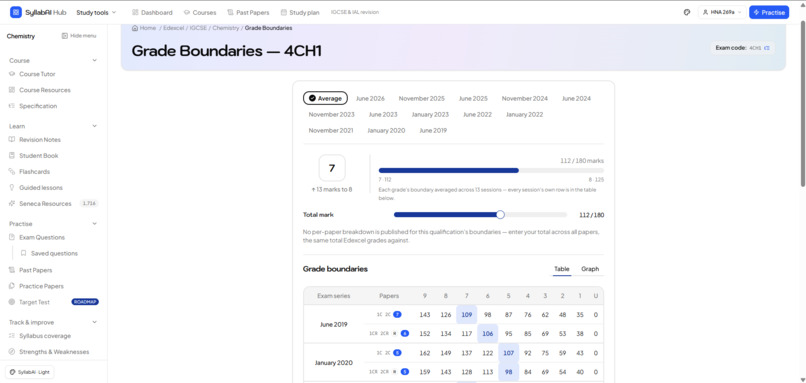
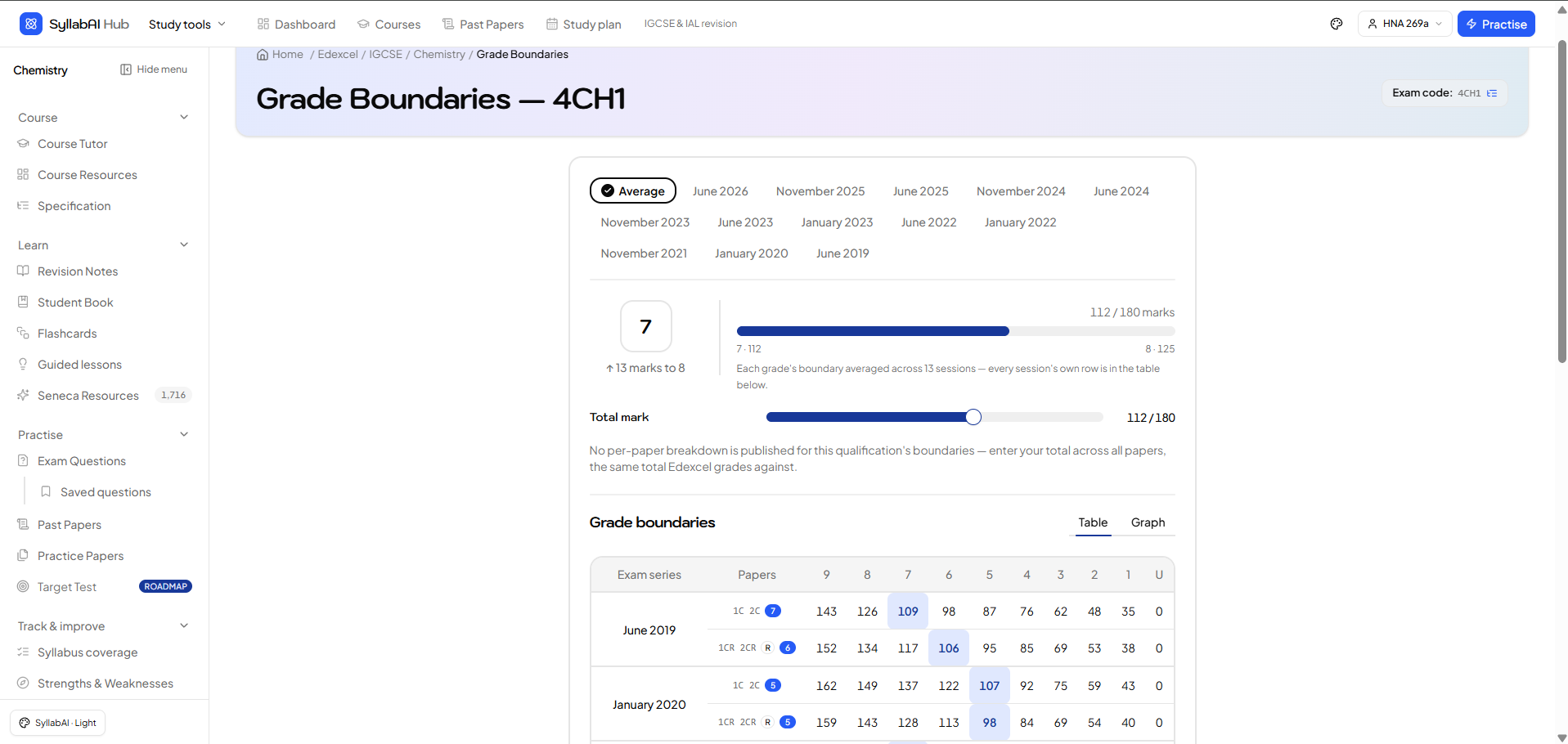
Grade Boundary Calculator
-
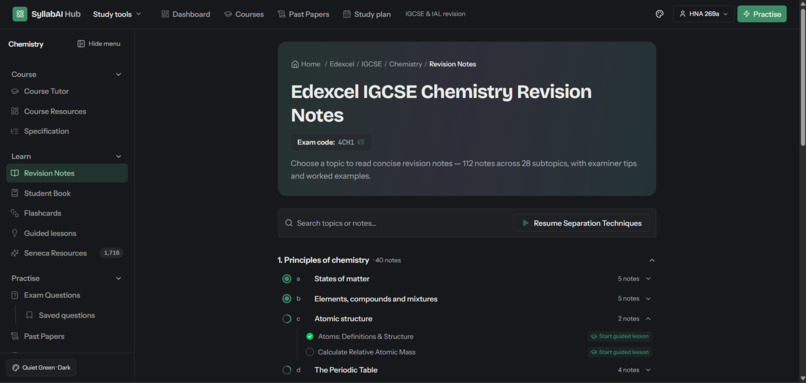
Revision Notes Select
💡 Inspiration
In Bangladesh's English-medium system, exam outcomes are brutally bimodal. One group of students finishes IGCSE and International A-Level in a single sitting with straight A*s. Another group retakes the same paper three, four, five times — and never crosses the grade boundary. Teachers call it "discipline" or "talent". Two of my friends — both retakers — have now given up entirely and gone to work. In our system there is no soft landing: the universities that accept A-Level retakers are few, and the Bangla-medium route that would have absorbed them doesn't exist for English-medium candidates. The retake dead-end is not an academic problem. It is a life-trajectory problem.
I lived the other side of this distribution. My family couldn't afford the standard school-plus-coaching-plus-private-tutor stack, so I registered as a private candidate and self-studied: three O-Level subjects in three months in 2019, three more in 2020 — six A*s, no coaching, no tutor, no school. I worked in my father's store the whole time. Later, I sat my A-Levels three months after my father died, still running the store full-time, doing maths on the back of order receipts between customers. I got full UMS in every unit.
What made that possible was not intelligence. It was a method the system never teaches: past papers, mark schemes, and pattern-matching until you can predict what the examiner will reward. When I became a tutor in Dhaka, I watched students with more hours and more talent than I had fail anyway — because they were drilled on papers reactively, taught to write bullet-points by coaching centres, and never diagnosed for the Year-4 fraction gap that was actually failing their calculus. The information needed to fix this is public — syllabi, mark schemes, examiner reports, grade boundaries. What's missing is the infrastructure to use it at the level of one student. SyllabAI is that infrastructure.
🧠 The idea: a four-layer model of academic performance
Synthesising the learning-science literature, we model exam performance as the interaction of four layers:
$$\text{Performance} \sim \underbrace{K}_{\text{content}} \times \underbrace{E}_{\text{exam literacy}} \times \underbrace{S}_{\text{learning strategy}} \times \underbrace{R}_{\text{self-regulation}}$$
Weakness in any layer can zero out the others. This explains the effort paradox: the "effortless" A* student has efficient effort (strong strategy and self-regulation), while the failing student's 200 hours of rereading and highlighting are real but misdirected — the literature rates those strategies low utility, while practice testing and distributed practice are high utility. Self-regulated learning alone has an effect size of (d = 0.859), and Bloom's one-to-one mastery tutoring moves an average student up roughly (2\sigma) — to the 98th percentile. Our goal: build that diagnostic tutor in software, for the students who can't afford it in person.
🛠️ How we built it
SyllabAI is a production platform — live at syllab-ai.com — designed as both an intervention and a research instrument (design-based research, cycle 1 of 3).
1. Syllabus knowledge graph. We parse official Edexcel/Cambridge syllabus PDFs into a graph — Subject → Unit → Topic → Sub-topic, with PART_OF, REQUIRES_PREREQUISITE, and RELATED_TO edges — stored in Neo4j. Prerequisite edges are suggested by an LLM and validated by subject experts, because a prerequisite is a pedagogical claim, not a string match. When a student is red on Integration, the system walks backward through Differentiation → Algebraic Manipulation → Fractions and surfaces the real root cause — diagnostic work no human tutor has time to do in the last two months before an exam.
2. Learner model (proficiency overlay). Every sub-topic carries a proficiency score in ([0,1]), updated by a hybrid pipeline: an immediate rule update ((+0.05) correct, (-0.03) incorrect, (+0.02) streak bonus), a weighted moving average (p \leftarrow 0.7\,p + 0.3\,x), a nightly Bayesian knowledge tracing batch (Corbett–Anderson) estimating slip and guess parameters, and Ebbinghaus-style time decay applied faster to weaker nodes:
$$P(L_{n+1} \mid \text{obs}) \text{ updated nightly, } \quad R(t) = e^{-\lambda(p)\,t},\ \lambda'(p) < 0$$
The overlay renders as a colour-coded map (green (>0.8), amber (0.4)–(0.8), red (<0.4), grey unattempted) — the same map teachers get on day one, cutting the month usually spent diagnosing a new student.
3. Knowledge-Augmented RAG (KA-RAG). Our tutor doesn't just vector-search. A Text2Cypher step extracts the paper, question, and sub-topic from the student's question, queries the knowledge graph for that sub-topic and its prerequisites, and only then performs vector retrieval over the chunked past papers, mark schemes, and examiner reports. The LLM answers only from retrieved context with citations, using chain-of-thought prompting that articulates the marking points earned at each step and the syllabus point tested — verifiable and pedagogically visible, the constructive engagement the ICAP framework says actually works.
4. Smart Mark. The same RAG infrastructure marks free-text answers against the official mark scheme at the level of individual marking points. It makes the "K.E.A.R.N. Gap" visible: students see not just whether they were right, but which marking points they missed, what mark-scheme vocabulary they should have used — and it flags bullet-point answers as mark-scheme-incomplete even when the content is correct, breaking the worst habit coaching centres teach.
5. The learning log. Every attempt logs score, time, confidence rating, doubt type (concept / calculation / wording), problematic flag, and an already-solved indicator — enough to detect the five struggle types in our pre-registered typology (prerequisite gaps, surface engagement, exam literacy, metacognitive illusions, motivational collapse) without burdening the student with meta-tasks.
Stack: TypeScript monorepo with a Next.js hub (Turborepo, Vercel), Python FastAPI services, PostgreSQL, Neo4j, and a vector store for RAG; GPT-4-class models for grounded chain-of-thought answers, a smaller model for Text2Cypher entity extraction to manage cost; nightly BKT + decay batch jobs. Mobile-first and short-session-friendly, because study time for our students is stolen in 20-minute increments between customers. Pilot scope: Edexcel IAL Chemistry, ~50 students.
😤 Challenges
- Hallucination control in a domain where a wrong answer costs a grade. The system is instructed to answer only from retrieved official material with citations, and LLM marks remain overridable by teachers — with a calibration study planned against human marking.
- Knowledge graph construction. Syllabus PDFs don't parse cleanly, and prerequisite edges encode teaching judgement. We settled on hybrid construction: LLM-suggested, expert-validated.
- The multi-topic blind spot. Chapter-wise question compilations skip any question drawing on several topics — exactly the questions that separate A from A*. Our ingestion pipeline adds secondary topic tags so cross-topic practice sets are possible.
- Telemetry vs. UX. A research-grade log schema can turn learning into data entry. Keeping confidence ratings and doubt flags to one tap was harder than building the pipeline.
- Designing for interrupted lives. Any intervention assuming a quiet room and a contiguous hour systematically fails the students who need it most.
📚 What we learned
- Struggling students are not failing to study — they are failing to study differently. The retake cycle is a strategy failure, not an effort failure.
- Mark schemes are the most wasted formative dataset in the system — used as summative checklists when they are examiner-written rubrics for diagnosis.
- Logging for pre-registered predictions changes what you build: every feature had to earn its telemetry.
- Hybrid beats pure automation: LLM suggestions + human validation for the graph, LLM marks + teacher override for assessment.
🚀 What's next
Cycle 2 expands to more subjects and cohorts and tests our six pre-registered predictions about how chronic retakers differ from one-sitting completers; cycle 3 evaluates the teacher-facing loop. Beyond Bangladesh English-medium, the architecture is portable to IB and AP, and the RAG pipeline extends multilingual. We built the thing I needed and couldn't have — and the thing my friends needed, three retakes too late.
Built With
- bun
- drizzle-orm
- framer-motion
- hono
- katex
- knowledge-graph
- mathlive
- neon
- nextjs
- openai
- pdfjs
- playwright
- postgresql
- rag
- react
- recharts
- shadcn-ui
- spaced-repetition
- tailwindcss
- tiptap
- turborepo
- typescript
- vercel
- zod
- zustand
