-
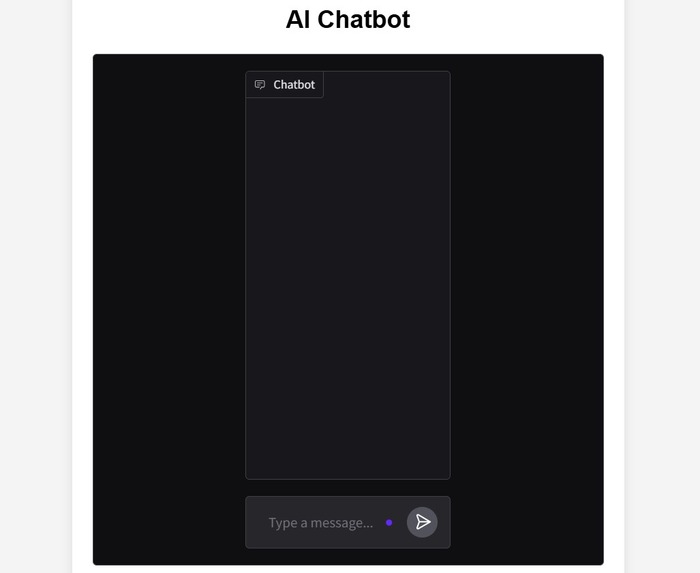
front end of chatbot
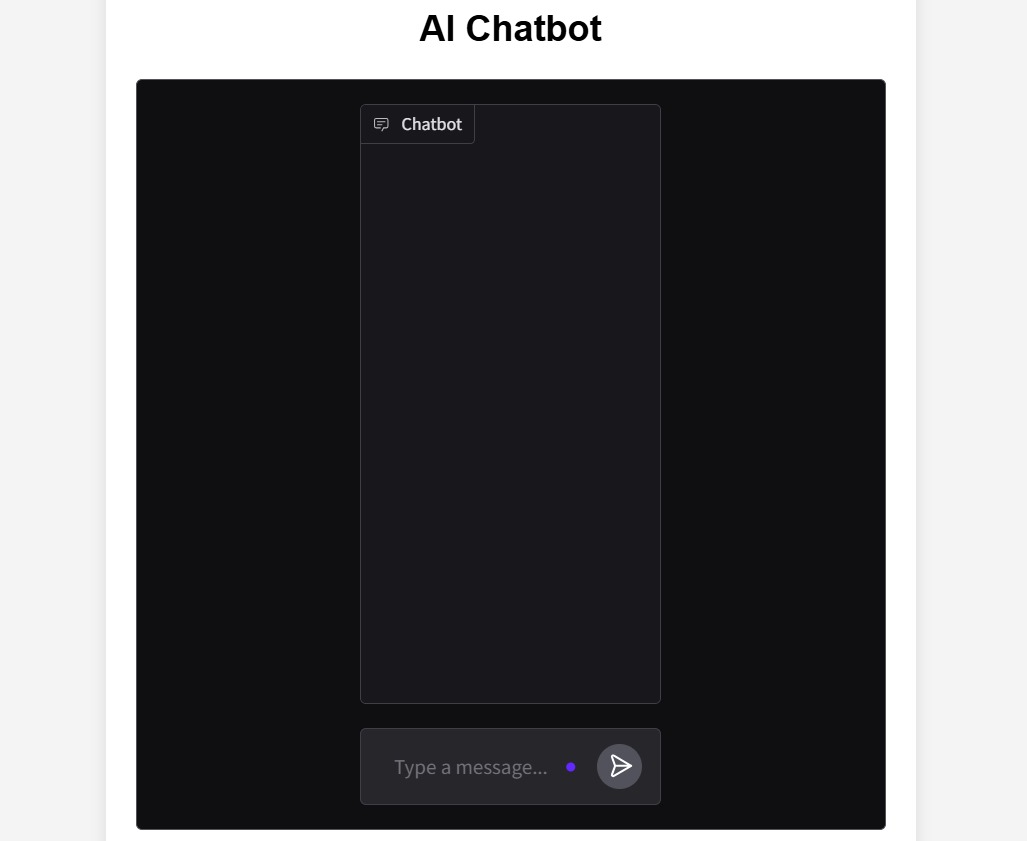
My Journey with Swiper: The AI Chatbot
Inspiration
My fascination with AI's potential to enhance communication and make information more accessible sparked the idea for Swiper. After using various AI tools, I realized the need for a more intuitive and engaging chatbot experience that resembles natural conversation. I wanted to create a chatbot that provides information and understands context and emotions, similar to how humans interact.
Building the Project
To bring Swiper to life, I followed these key steps:
Research and Planning: I studied existing chatbot technologies and frameworks, focusing on natural language processing (NLP) and machine learning algorithms. This helped me identify the best approach for building Swiper.
Choosing the Right Tools: I decided to use Python for development, leveraging libraries like TensorFlow and NLTK for NLP capabilities. Additionally, I incorporated APIs to connect Swiper to various data sources for real-time information.
Development Process:
- Designing the Architecture: I created a modular architecture, allowing for easy updates and expansions in the future.
- Training the Model: I gathered diverse datasets to train Swiper, focusing on conversational patterns and user intent recognition.
- User Interface: I built a simple and user-friendly interface that makes it easy for users to interact with Swiper seamlessly.
Testing and Iteration: I conducted several rounds of testing with beta users, gathering feedback to improve Swiper's responses and overall user experience.
Challenges Faced
Throughout the development of Swiper, I encountered several challenges:
Understanding Context: One of the biggest hurdles was teaching Swiper to understand context in conversations, as people often use subtle cues and references. I spent a significant amount of time refining the NLP model to better grasp variations in user inputs.
Data Quality: Gathering high-quality training data was crucial. I faced challenges in curating diverse datasets that accurately reflect real-world conversations while ensuring privacy and ethical standards.
User Engagement: Keeping users engaged with meaningful interactions was a continual challenge. I had to fine-tune Swiper's responses to be informative yet conversational, striking the right balance.
What I Learned
This project taught me invaluable lessons, including the importance of user feedback in shaping technology and the complexities behind creating AI that feels relatable and human-like. I also gained practical experience in machine learning and software development fundamentals, which I will apply to future projects.
Swiper has been a fulfilling journey of creativity, learning, and perseverance. I am excited to continue enhancing its capabilities and exploring how it can better serve users' needs!
Built With
- chatgptapi
- css3
- express.js
- git
- github
- gradio
- html5
- javascript
- node.js
- python
- render.com

Log in or sign up for Devpost to join the conversation.