-
-
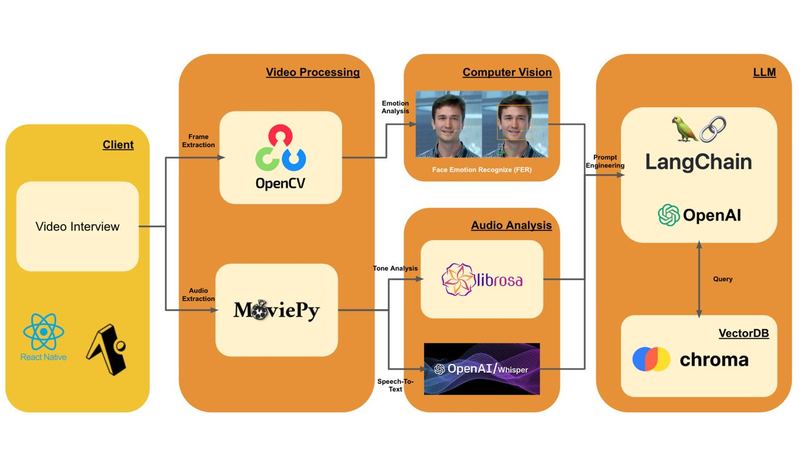
API Integration on our project
-
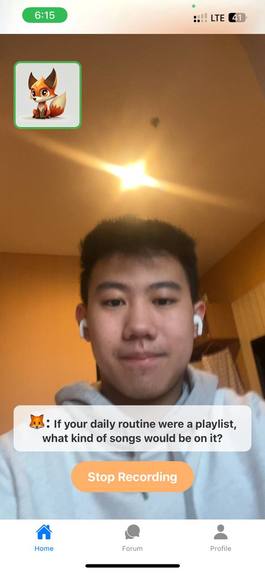
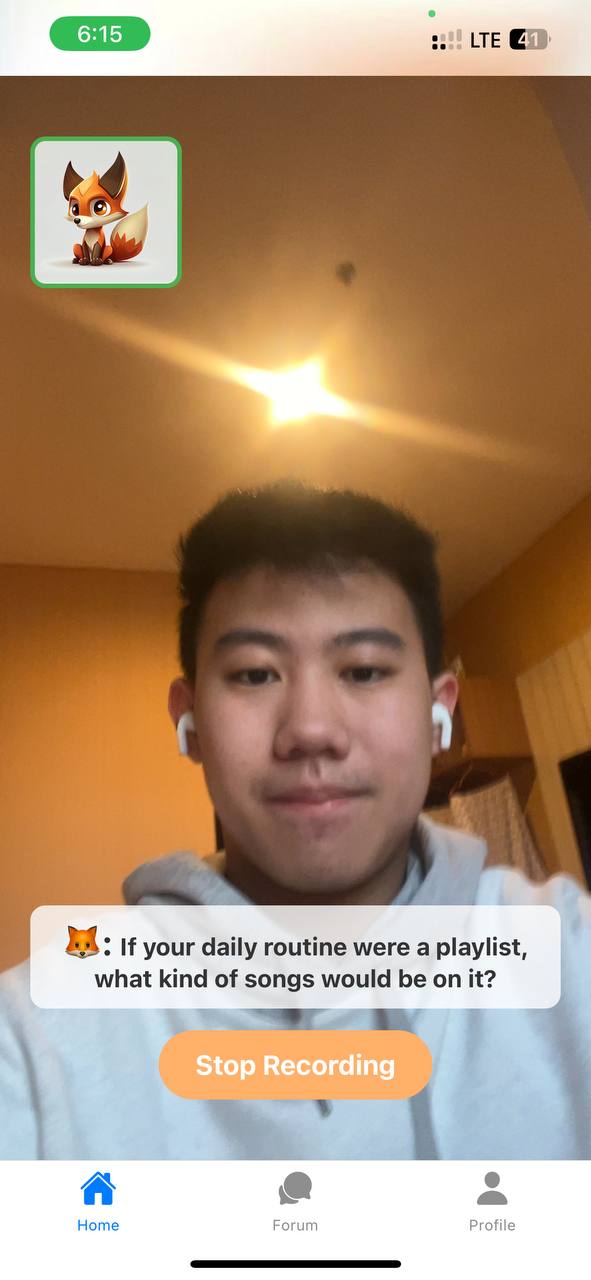
AI-based video interview
-
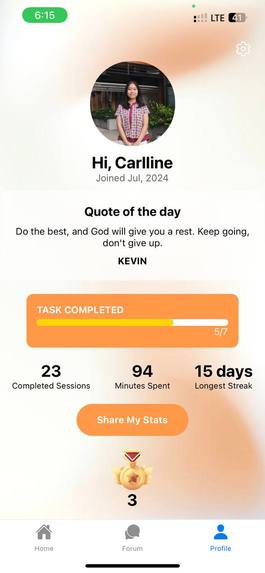
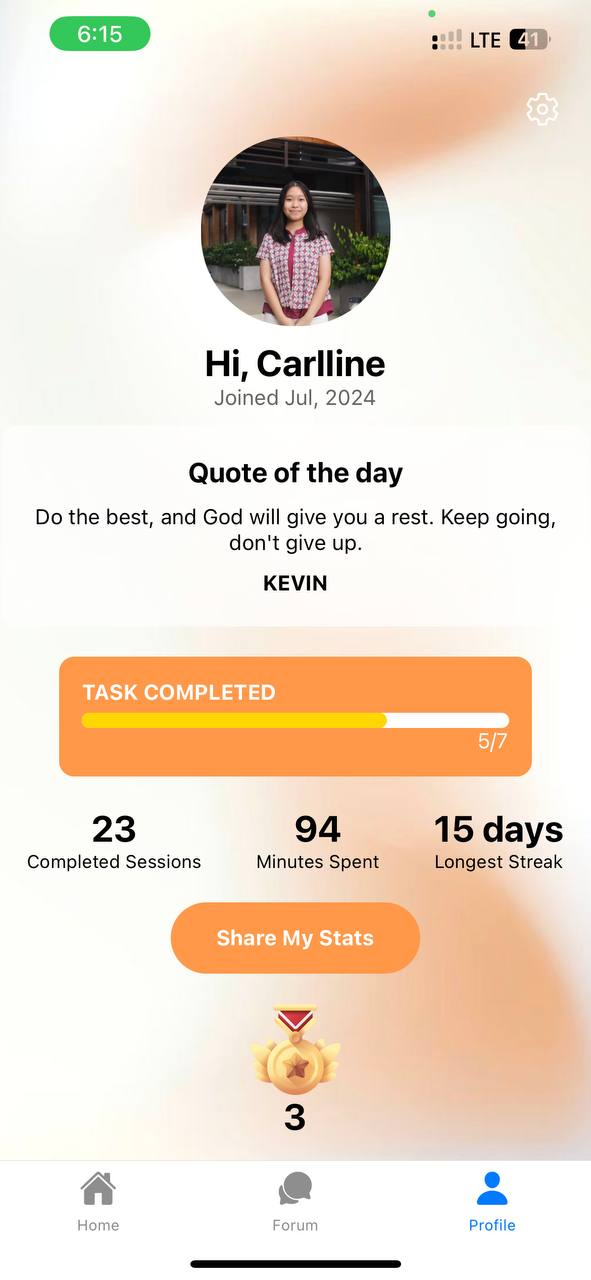
Personal profile and tracker
-
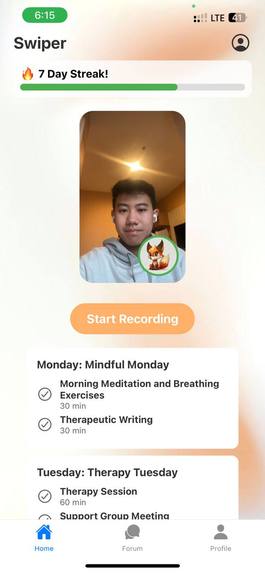
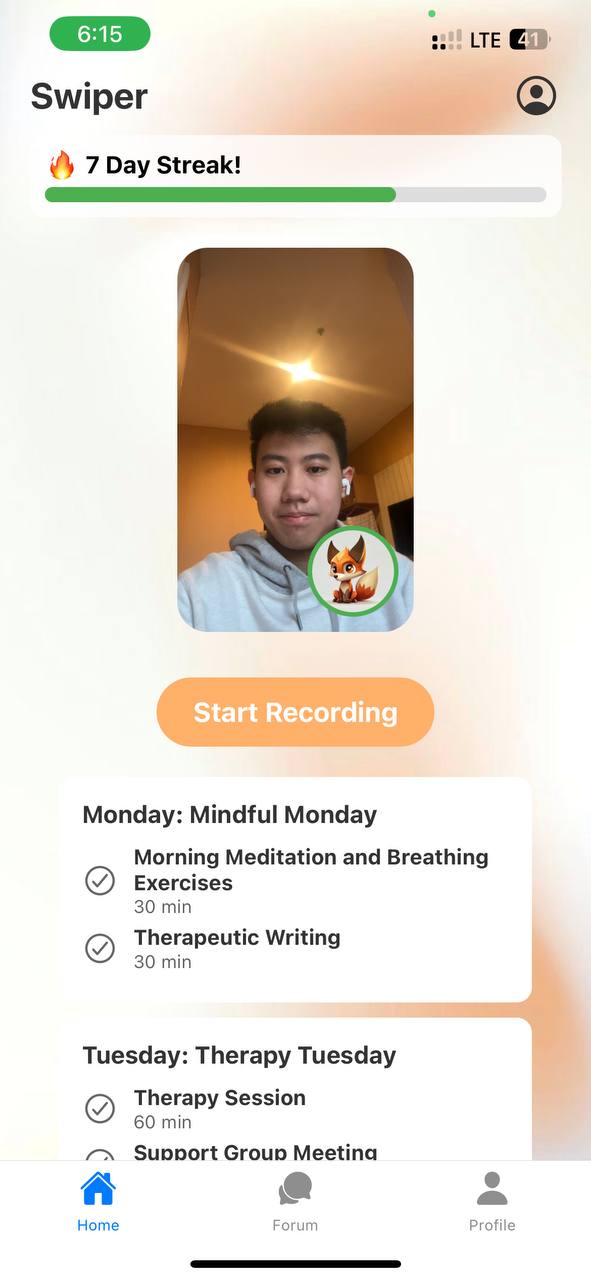
Plan Generation based on Interview
-
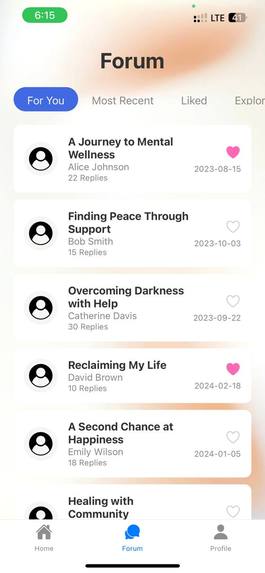
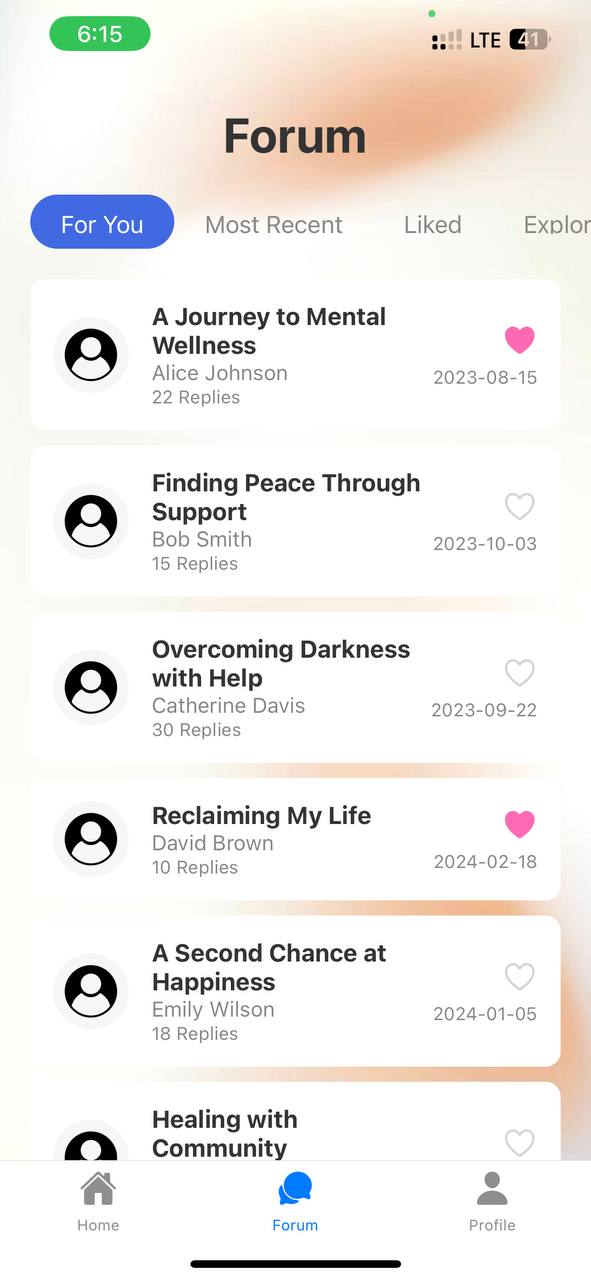
Personalised feature to find people with similar stories

About us
We are a group of students from diverse backgrounds, united by a common goal: to create an application that addresses mental health issues. Combining our expertise in Information Engineering, Biological Sciences, and Information System, we aim to develop "Swiper" – an innovative app designed to help people ‘swipe’ their mental health problems and find the support they need.
Inspiration
Inspired by a scene from Inside Out 2 where Disgust analyzes the thoughts of Riley's friend through her facial expression, we aim to develop an innovative approach to mental health analysis. Our goal is to evaluate people's mental health by analyzing their body movements, gestures, emotions, and tone of voice to determine their mental well-being. We recognize that many teenagers today are hesitant to visit a psychiatrist due to fear of judgment and concerns about the treatments that might be recommended, such as medication or therapy. This reluctance often stems from the stigma surrounding mental health issues and the intimidating nature of traditional therapy settings. To address this, we aim to provide therapy through fun and exciting activities that can be regularly enjoyed. By integrating therapeutic practices into everyday activities, we hope to make mental health care more accessible and less daunting.
What it does
We have focused on three primary features to assist individuals in their journey to healing. (1) The application begins with an AI-guided interview designed to analyze users' body language, gestures, emotions, and tone of voice to assess their current mental health stage. By combining facial expression analysis with self-reported data, this app offers personalized resources such as mindfulness exercises, therapy recommendations, and self-help articles based on detected emotional states. (2) This initial assessment is pivotal in tailoring a personalized 5-7 day activity planner aimed at promoting emotional well-being and resilience. Each day of the planner is carefully structured to incorporate therapeutic activities that address specific mental health needs identified during the assessment. Throughout the journey, users have access to virtual consultation sessions with professional consultants. These sessions provide a valuable opportunity to review progress, receive personalized guidance, and make adjustments to the activity plan as necessary. (3) In addition to these one-on-one consultations, a community forum within the app offers a supportive space for users to share their mental health experiences. Using AI algorithms, the forum connects users based on shared journeys, fostering empathy and mutual support among participants navigating similar challenges. This comprehensive approach integrates advanced technology with personalized care to empower users in proactively managing their mental health.
How we built it
Our project is built on top of several open-sources library such as OpenCV, Librosa, Moviepy, and OpenAI Whisper which together is integrated to build a coherent multimodal model. We also utilise GenAI framework such as LangChain to integrate with the OpenAI chatbot model. Last but not least, the application of RAG to further personalise the content to be shown to our user.

Challenges we ran into
Time constraints We realised that Hackathons typically have very short timeframes. In this case, we need to prioritise which features are essential and which can be omitted or simplified to meet the deadline.
Theoretical based model One of the significant challenges we encountered was developing a theoretical model for our application, especially since none of us have backgrounds in psychology. This required us to extensively research and understand psychological theories and concepts to ensure our approach to mental health assessment and support was effective and informed.
Accomplishments that we're proud of
As first-time participants in a hackathon, we are amazed and proud of how far we've come. Reflecting on the first three hours of the hacking period, we were initially puzzled and unsure of what to do. The intense, time-constrained environment added to the pressure, making our achievements even more gratifying. Despite lacking backgrounds in psychology, we designed a user-friendly interface and developed a theoretical model for mental health assessment through extensive research. Our diverse team, with expertise ranging from coding to biology, collaborated effectively to overcome challenges and create a comprehensive solution. We learned to rapidly prototype and push ourselves out of our comfort zones. This hackathon not only resulted in a product but also provided us with invaluable experience, enhancing our ability to innovate and problem-solve under high pressure and tight deadlines.
What we learned
While developing the app, we noticed a few things, especially on researching. Teens today are facing a relentless storm of pressure: academic expectations, social media comparisons, and a rapidly changing world. It's no surprise that mental health issues are on the rise. These problems aren't always easy to spot – they can manifest as anything from feeling down all the time and losing interest in hobbies to constant anxiety, trouble sleeping, or even physical aches and pains. There's no one-size-fits-all answer, and that's why getting help from a professional is super important.
But even reaching out for help can feel daunting for teens. Left unaddressed, mental health issues can snowball, affecting their schoolwork, relationships, and overall well-being. This isn't just an individual problem - it's a growing concern for our entire community. When teens struggle, everyone feels the impact. That's why prioritizing mental health support for young people is crucial.
What's next for Swiper
We do acknowledge the current version of the app is not really that promising to maintain our user satisfaction. So, in the future we will implement some of our ideas to improve our user experience. Here are some of our ideas.
- Create a safe and anonymous forum or chat room for users to connect and share experiences with others facing similar challenges. Peer support can be incredibly valuable for teens, and the app can provide a platform for building positive connections.
- Implement gamification elements to encourage regular app usage, completing exercises,and achieving goals. Rewards could be badges, virtual support points, or unlocking new content. This can make mental health self-care more engaging and motivating.
We highly prioritize user privacy and security when using AI features and collecting user data. Transparency and strong security measures are essential for building trust with users.
Built With
- chromadb
- expo.io
- fastapi
- javascript
- langchain
- openai
- python
- react-native
- typescript
- whisper


Log in or sign up for Devpost to join the conversation.