-
-
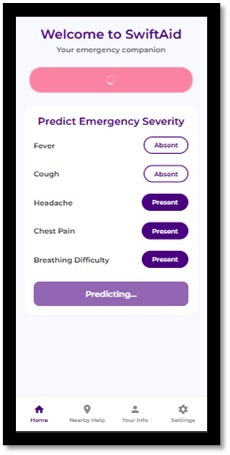
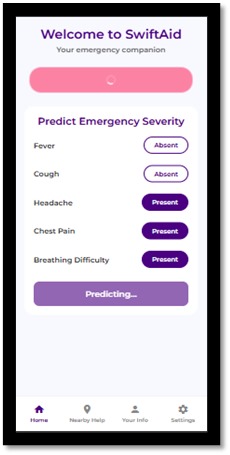
Homescreen
-
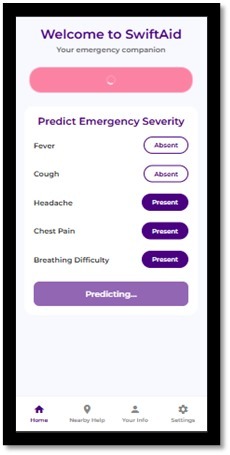
Homescreen
-
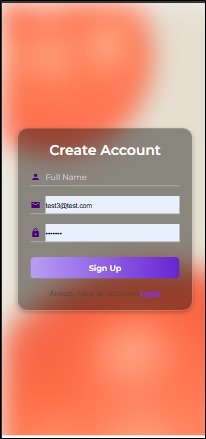
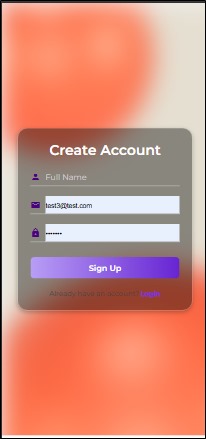
Signup Screen
-
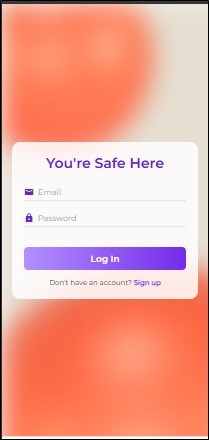
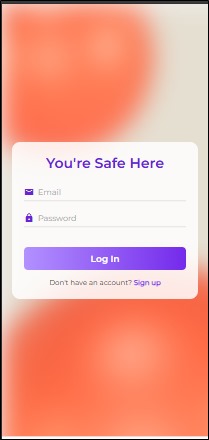
Login Screen
-
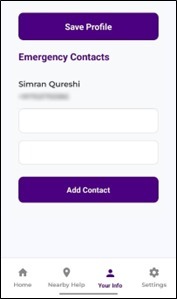
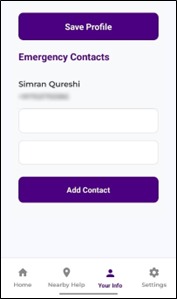
Emergency Contacts
-
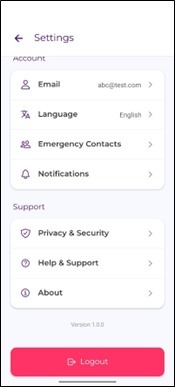
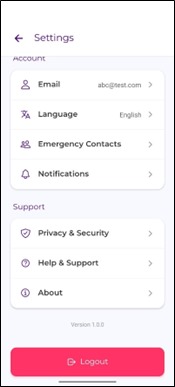
Settings Screen
-
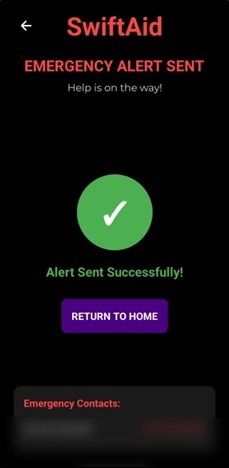
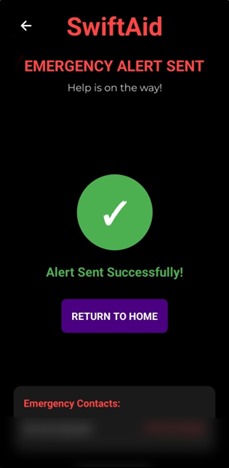
SOS sent Screen
Inspiration
SwiftAid was inspired by a frightening day in my own home. Early one morning, my mother started coughing. By noon, her condition suddenly escalated into confusion, hallucinations, and eventually cardiac arrest.
We panicked. We didn’t know who to call, what to do, or how to help while waiting. The ambulance took longer than we hoped. She survived — but that helplessness changed everything for me.
That day showed me how quickly emergencies escalate and how unprepared most families are. That moment became the driving force behind SwiftAid.
What it does
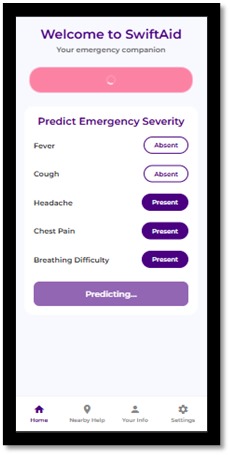
SwiftAid is a rapid-response emergency platform that lets users report a crisis in just a few taps. It uses functions to predict and evaluate severity, captures precise location of the user, and instantly alerts family, nearby responders, and emergency services simultaneously.
It cuts confusion, accelerates response, and brings clarity when every second matters.
How we built it
I built SwiftAid using:
- A React/React Native front-end
- A Python backend
- ML models for severity classification
- Real-time geolocation
- Automated multi-channel alerting
Everything is optimized for speed, reliability, and ease of use under stress.
Challenges we ran into
- Designing for real-world panic conditions
- Achieving accurate severity prediction
- Maintaining precise geolocation
- Handling simultaneous alerts
- Ensuring the UI stayed simple and functional even with poor network connectivity
- Ambulance data not collected via OSM even in this tech savvy era of 2025
- Internet dependency
- Hospitals not integrated.
Accomplishments that we're proud of
- Built a fast, smooth emergency flow
- Integrated ML + real-time alerts successfully
- Designed a clean, attractive, intuitive UX
- Turned a personal crisis into a solution that can help countless others
What we learned
I learned to design for chaos, not ideal scenarios.
I strengthened my knowledge in ML, scalable backend design, geolocation handling, and emergency UX, new technologies, api integration, functionality testing, failure fallback, realtime applicability.
Most importantly, we saw how impactful technology becomes when built with empathy.
What's next for SwiftAid
- Integrating wearable health data
- Partnering with hospitals and responders
- Building community responder networks
- Enhancing predictive analytics
- Adding offline-first features for disasters
- Making it Internet independent
- Getting emergency services dataset and connecting it to users
- Building a supportive Community
- Adding user-friendly guidelines on how to tackle such situations
SwiftAid began as a response to one scary day — now it’s about ensuring no one faces an emergency unprepared or alone.


Log in or sign up for Devpost to join the conversation.