-
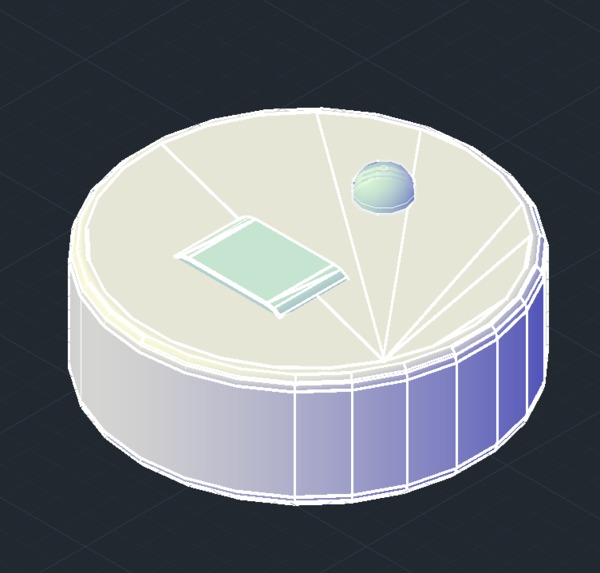
Prototype LadyBird1

Blood tests are a fundamental tool we can use to assess a patient's baseline health, identify abnormalities and get that patient back to their normal when they're unwell.
At the start of this weekend I wanted to build a device that would reduce the wait time for blood results in hospital by making a portable automated device that would return results in minutes. After gaining insight and inspiration from the speakers and my fellow hackers I've found a new direction and that is to make every aspect of the device open source. It is hoped with this approach it can become a tool within primary care facilities such as GP surgeries, pharmacies and also in hard to reach regions or conflict zones.
The LadyBird OS analyses a single blood sample to produce a range of common blood test including but not limited to glucose, urea, total protein, albumin, triglycerides, hematocrit, and hemoglobin. A single vial is used and placed in the machine. The machine uses non destructive light from the visible spectrum to detect and quantify the molecules present in the sample. Therefore improving turn around time from hours to approx. 15-20 min.
We have 2 strong design principles : keep it green and keep it open source.
The sheer volume of disposable waste generated by the medical industry is understandable but still terrifying. I spent a lot of time researching technologies that would reduce the waste involved with this kind of device and found that raman spectroscopy offers a clean and reliable solution. In order to keep this device cheap to produce and accessible to area which are difficult to reach the housing can be 3D printed and the software can be downloaded from an open source repo. This will greatly reduce the number of components that will need to be supplied to the end user.
The molecules in the blood will be detected using the spectroscopy and the results analysed by ML algorithms to produce the recognised results of the blood tests.
By focusing so strongly on making the product environmentally friendly I've focused my attention into a single technology, namely raman spectroscopy. Research is still required in this field to branch out into more tests. Perhaps alternatives with more potential exist so more time is still required in this area. Furthermore I have come to understand that data is a highly valued and protected commodity in the UK especially within healthcare. My hope to analyse the data gathered by the results would be difficult to do in the UK however after discussing this with other mentors I've learnt that other countries have more liberal laws around data protection where this would be less of an issue.
I tried to teach myself how to use AutoCad during this hackathon and have made a very crude first attempt of a prototype which I'm pleased with as it's a start and something to build upon. Additionally I've made very good contacts and have very interesting conversations with my fellow hackers.
This hackathon has taught me the possibilities that exist with open source technology. I've found resources like https://www.open-raman.org which is an online community of optical engineers who have made their open raman spectrometer for less than £500. Other communities have 3D printed a working centrifuge for $25 (https://www.researchgate.net/publication/332499140_Open_Source_Completely_3-D_Printable_Centrifuge) and a git repo dedicated to investigating diabetes with raman spectroscopy here: https://github.com/guevaracodina/raman-diabetes/.
Another key take away from the hackathon I have is the importance of the data we are collecting from the blood samples. The blood results can hold key information about the health of an individual or population over time. This could help us identify and track the impact of changes in the environment on a population's health or how people with similar blood characteristics react to different treatment.
Next is further research and development. Is it possible to add a saliva swab as well to capture more data? How can I make a prototype and replicate tests from previous published work? I'll start by connecting with the open source community out there and building upon their knowledge so the Ladybird and become a reality.
Built With
- cad
- python
- raman

Log in or sign up for Devpost to join the conversation.