-
-
homepage
-
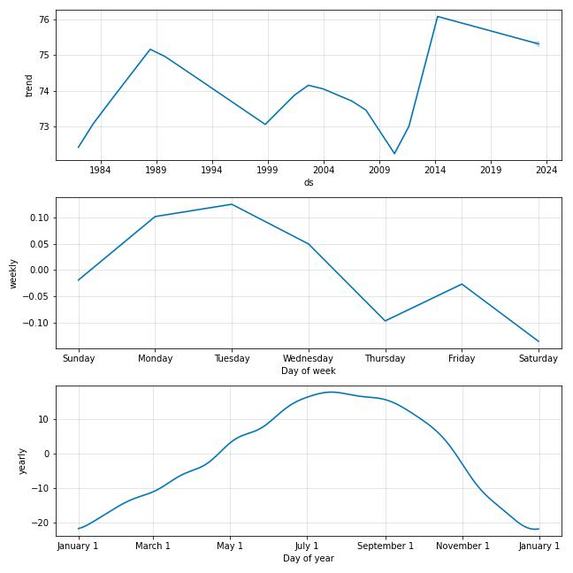
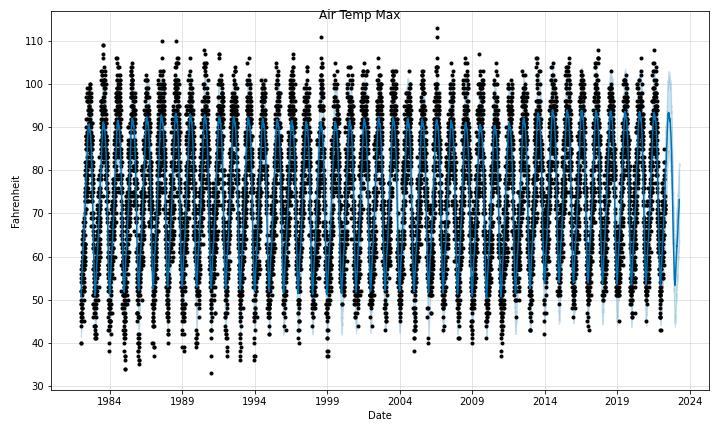
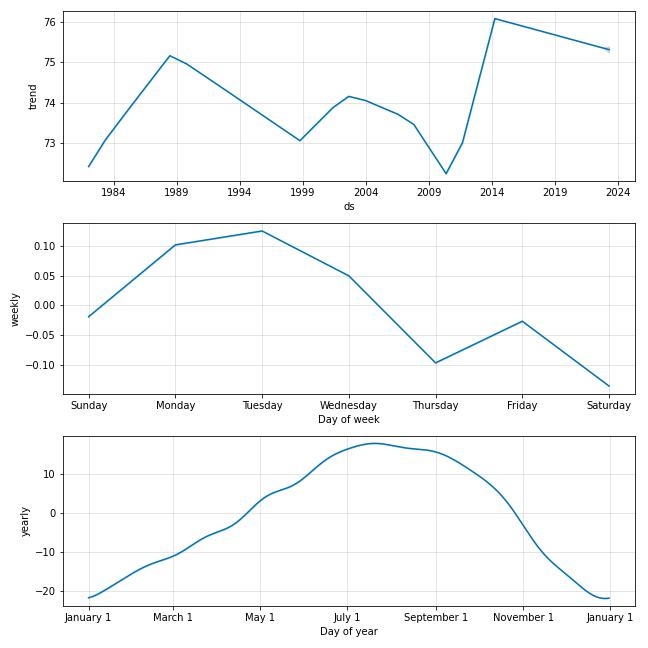
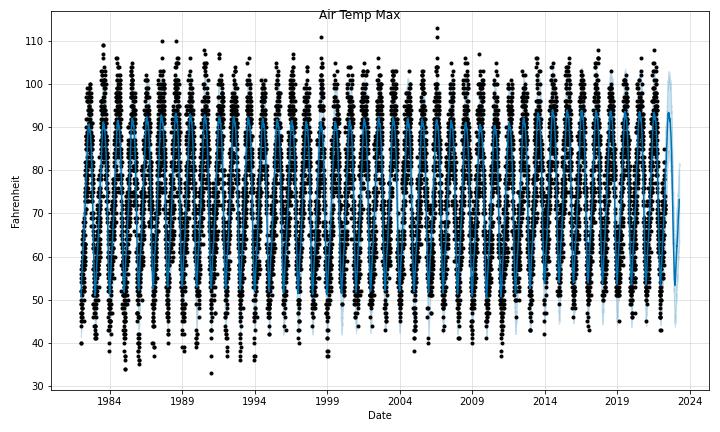
Air temp max trends
-
-
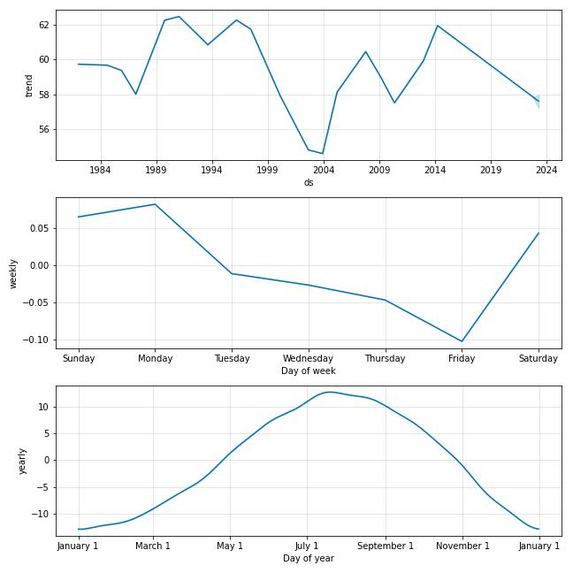
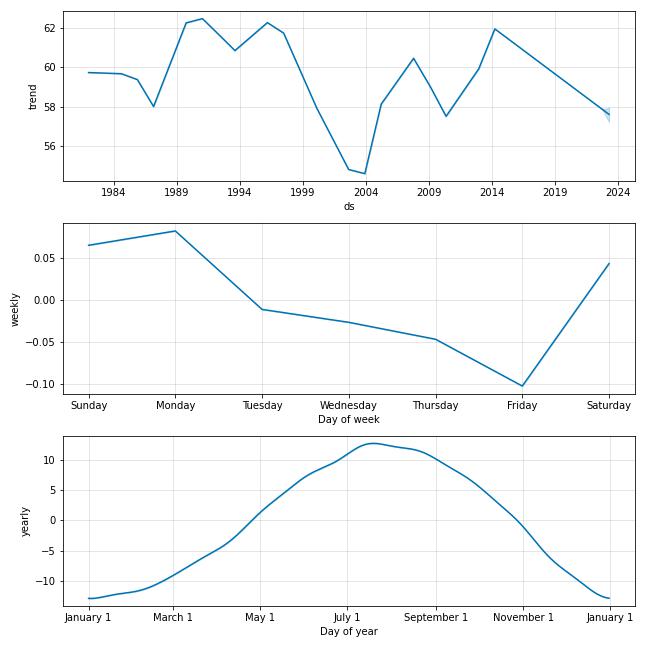
Soil temp max trends
-
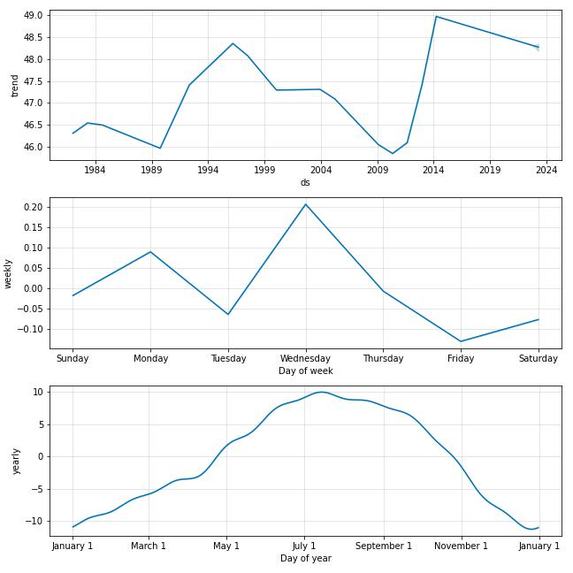
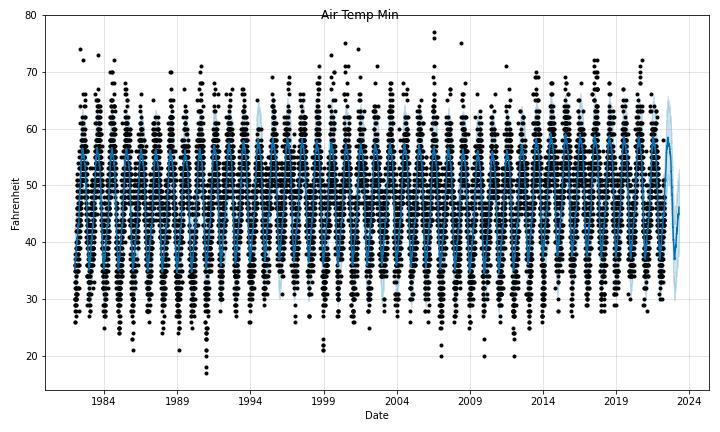
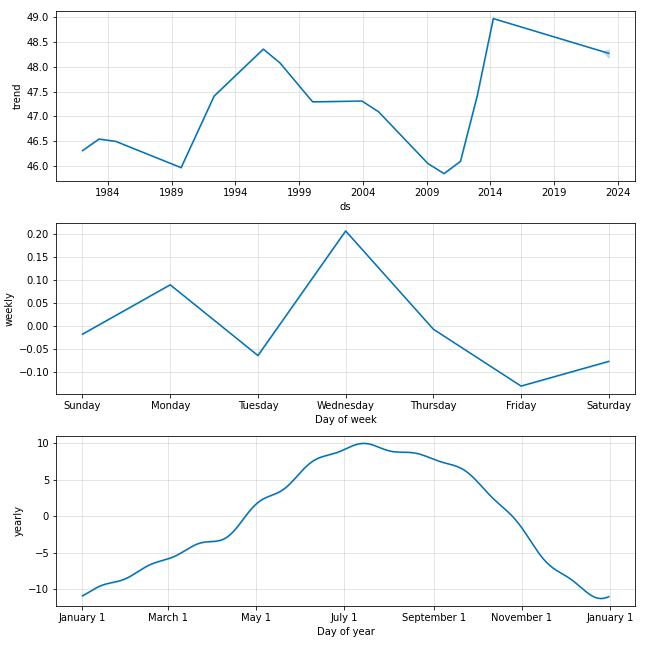
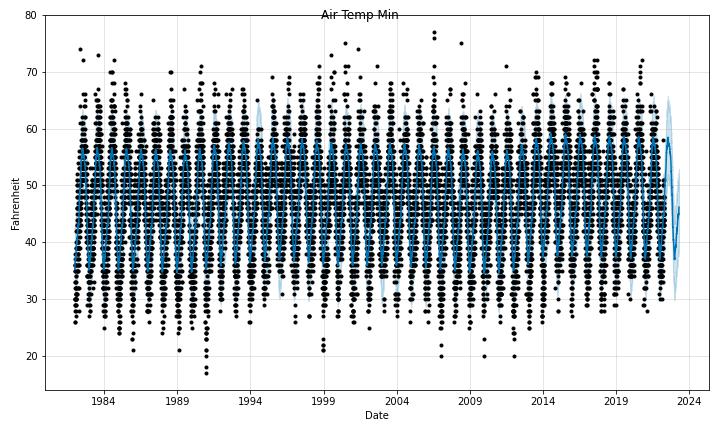
Air temp min trends
-
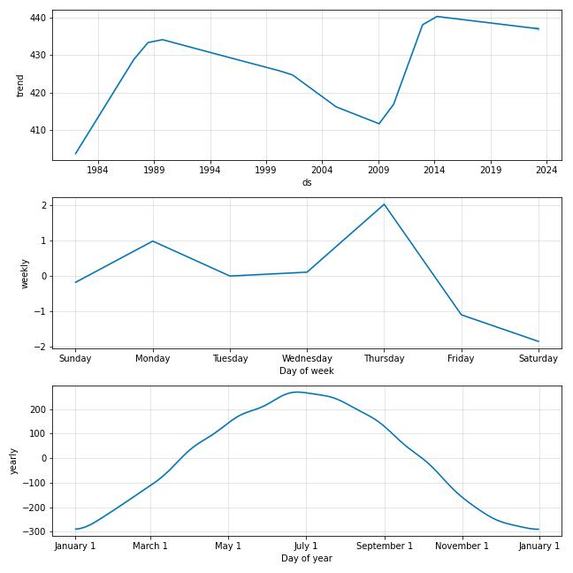
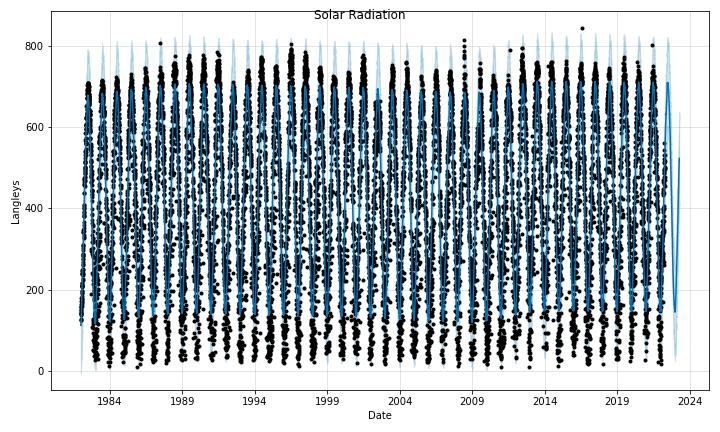
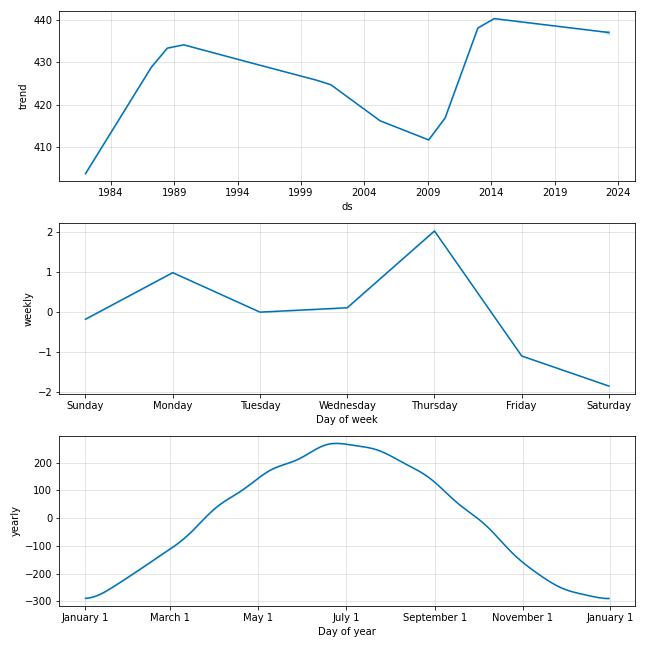
Solar radiation trends
-
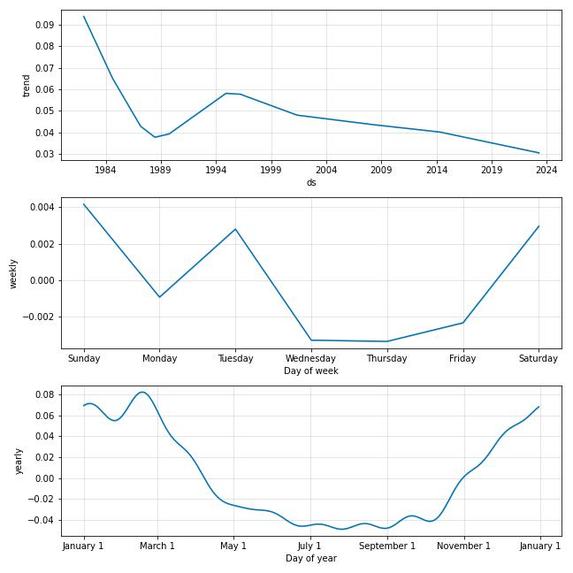
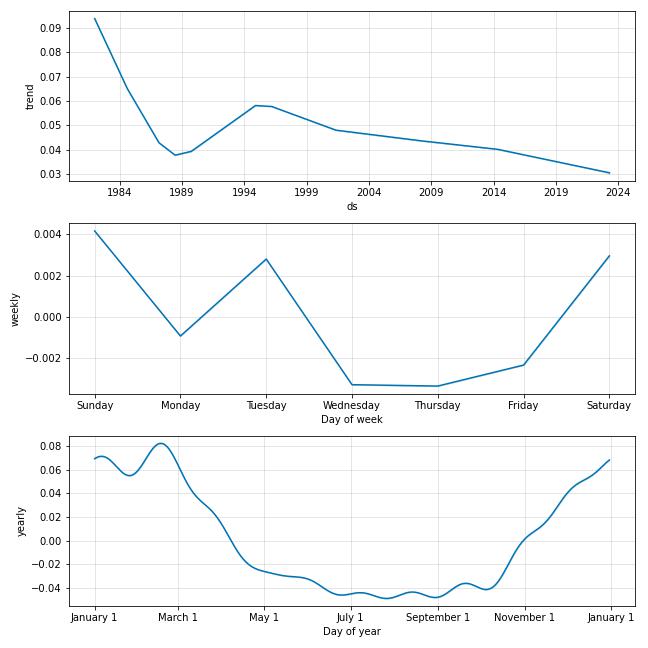
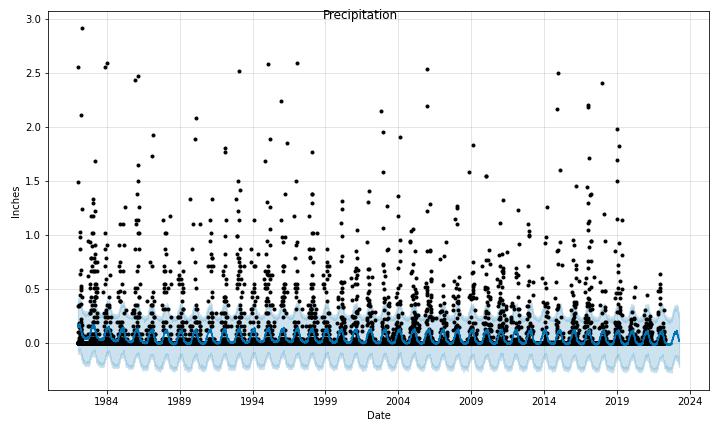
Precipitation trends
-
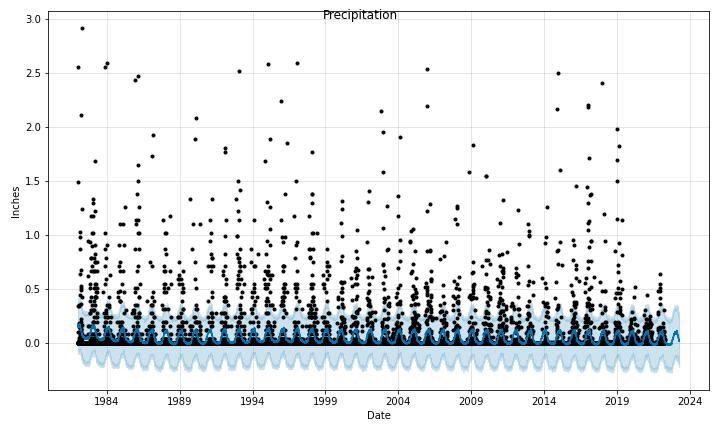
-
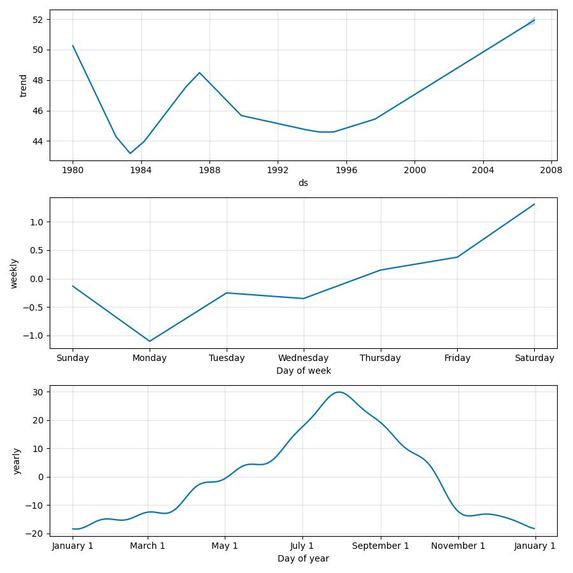
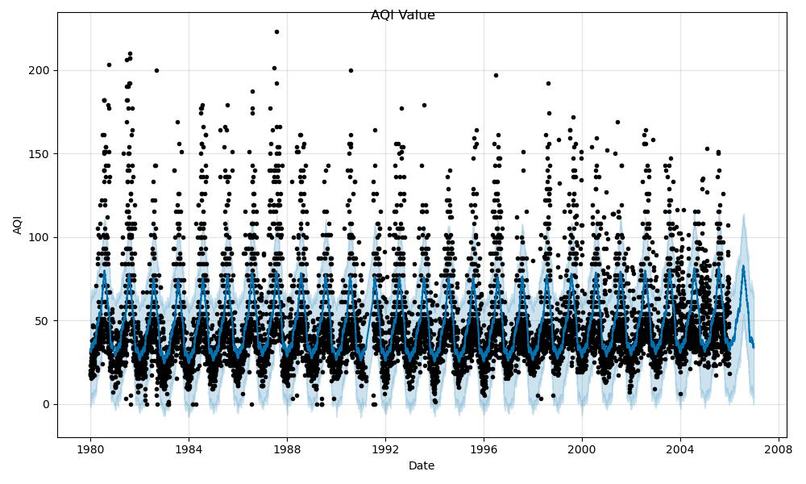
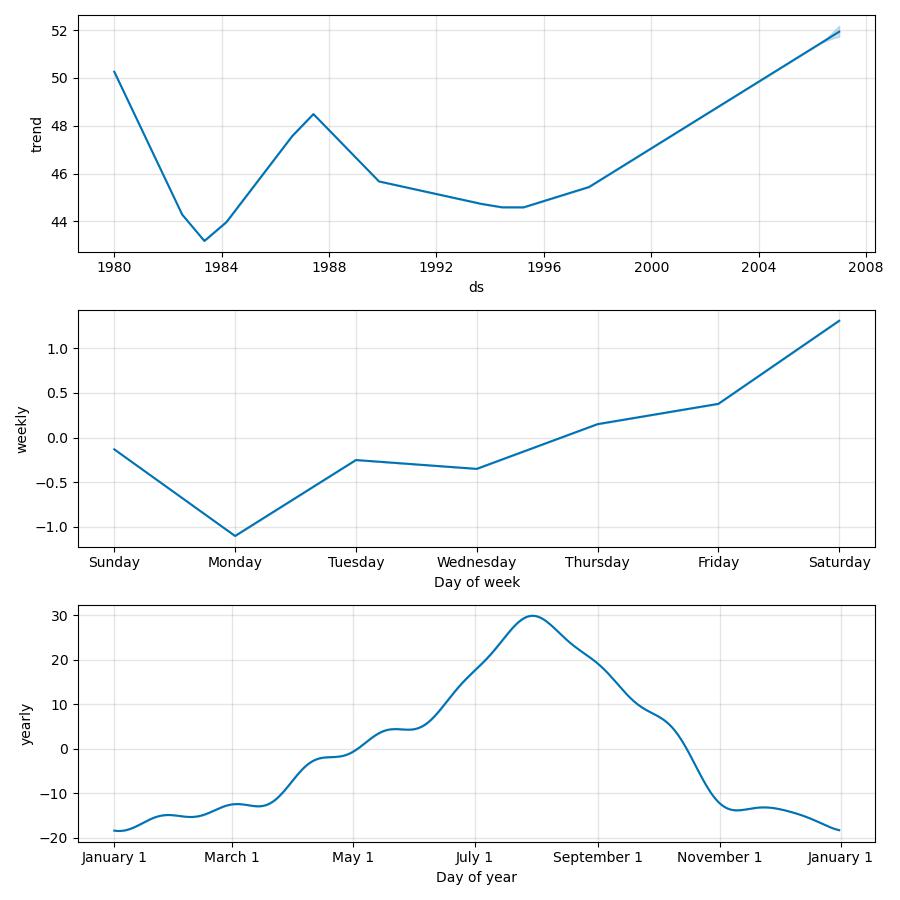
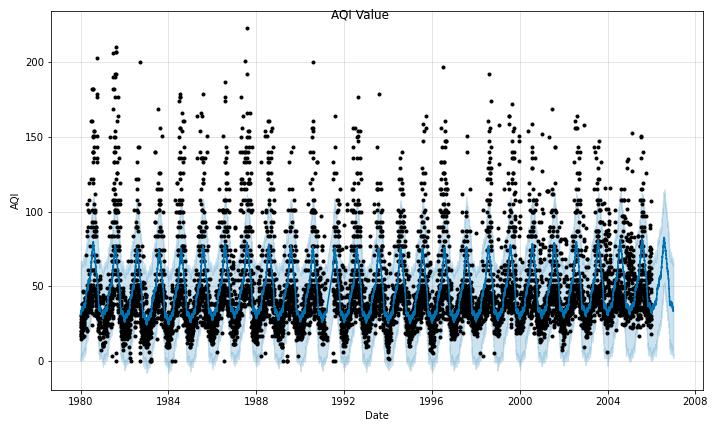
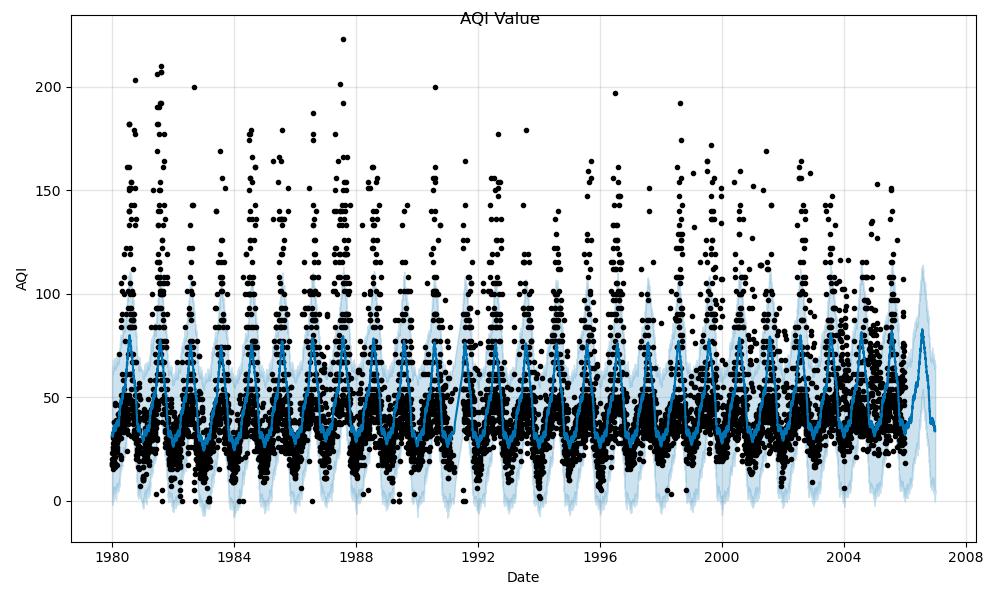
AQI trends
-
-
-
-
-

Inspiration
Our inspiration for this project stems from our love of the environment. As a generation who must face the problems of climate change, we wanted to extrapolate what our future would look like. Furthermore, our team wanted to practice using machine learning as it's an interdisciplinary field shared by everyone's major.
What it does
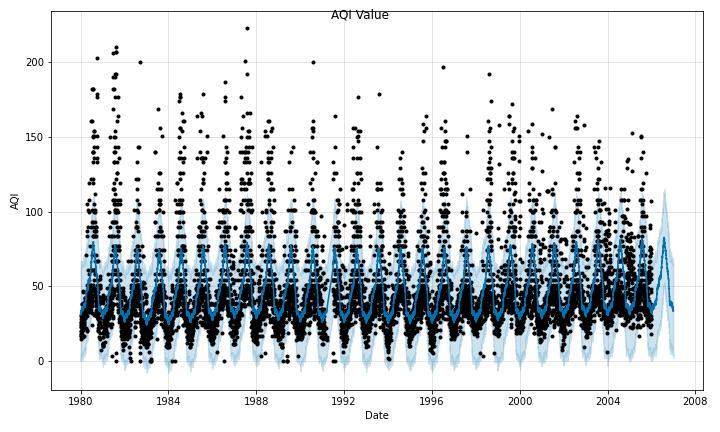
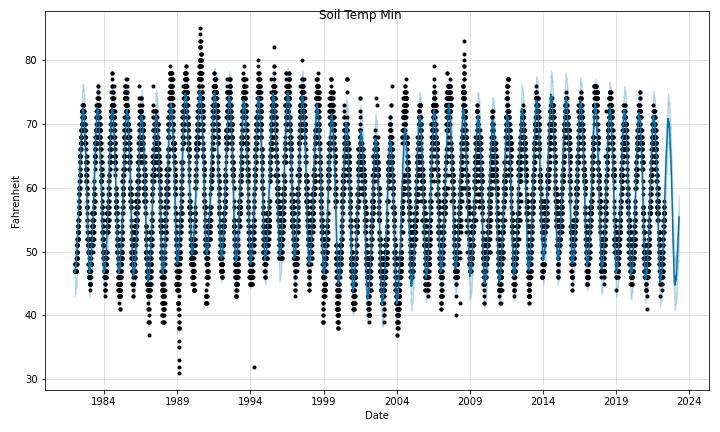
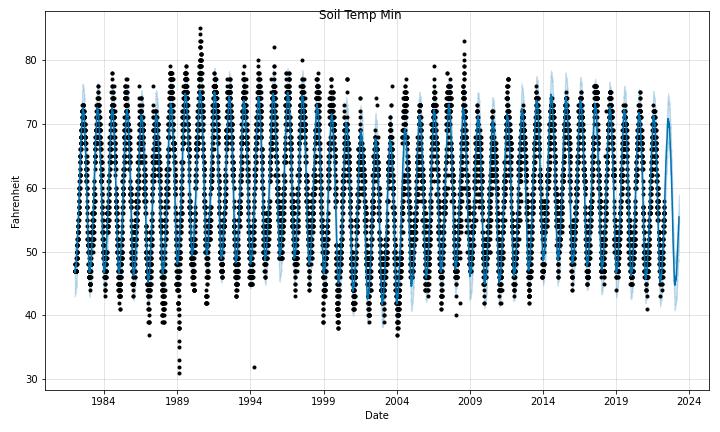
We ran a machine learning algorithm on public weather data sets provided by CAL EPA (Califonia Environmental Protection Agency) and the Univerisity Of California Integrated Pest Management Program). We attempt to forecast future weather conditions such as temperature, solar radiation, precipitation, air quality, and other outcomes using Facebook’s prophet machine learning framework to identify trends in the data.
How we built it
Downloaded publicly available datasets, and cleaned and processed the data. Using the Facebook Prophet timeseries forecasting framework we built predictive models. The website is created with a Django backend, which serves our webpage. For our launch page, we utilized a mix of html5, CSS, and javascript in order to design a UX that was both animated and reactive. We also designed by hand some of the pictures used on the site.
Challenges we ran into
Access to enough data that was connected to UC Davis/area was the hardest. In our initial search for data set on poverty and agricultural yields, we found that most of the data set was censored. Due to the 24hr time limit of the hackathon, getting full data access from government sites would be impossible. Other challenges we had were using new tools, learning how to use html5 and CSS, and learning how to use machine learning
Accomplishments that we're proud of
Finding a useable data set that connected us back to UC Davis was the hardest and most accomplishing part. Furthermore, two of our members are first-time coders and their success in parts of the project was very inspiring. However, our greatest accomplishment was getting everything to work!
What we learned
We found that trends show that climate change is causing lower precipitation, higher bad air quality, and higher temperatures. Its clear that climate change is going to be an issue. These changes obviously have a environmental effect, but researchers should also try to connect the predictions with social effects as well.
What's next for Sweater Weather
For our program, we would like to create a more robust data set along with further implementing data on poverty into our project. As a team, we are all graduating and will be moving on to years of friendship and time exploring the world. Our goals are to enter fields that seek to aid the healing of the environment.
Built With
- css
- django
- javascript
- markdown
- python
- timeseriesanalysis


Log in or sign up for Devpost to join the conversation.