-
-

Backside view
-
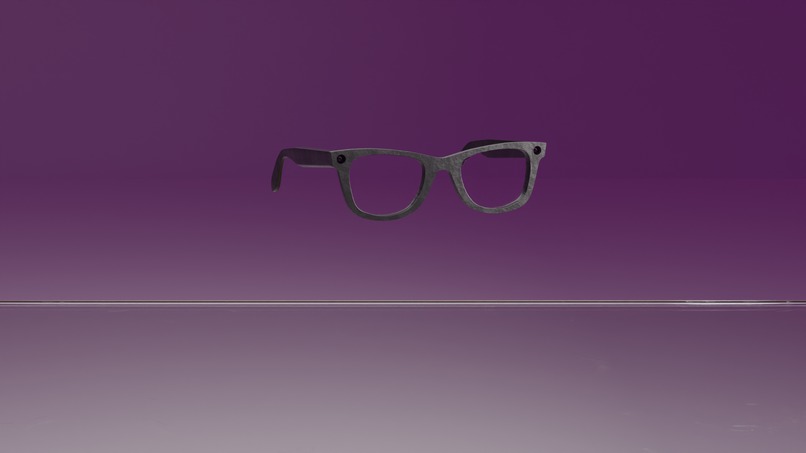
Front view


Inspiration
Human Connection Reading and interpreting human emotions for many seems to be an extra "sense," yet there is a large population that feels as though they are lacking this. Visual cues and vocal tones are generally needed to fully understand the way another person is feeling, yet many either aren't capable of using one of these senses or cannot interpret these cues. Sway aims to bridge this gap, allowing those who may not typically be able to interpret emotions to grow their emotional intelligence.
What it does
Equitable EQ Sway functions through a tangible device, a pair of glasses that contain a camera, a microphone, a speaker, and an application built to interpret the data from the glasses. The visual and auditory data being taken in through the glasses is put through an AI algorithm to detect the emotions being portrayed towards the user.
How we built it
The Process Initial brainstorming was done on paper; the final sketch of the glasses was created on Blender, which was then uploaded to the "hero" of our webpage. The data from these glasses are meant to be interpreted by AI. The app we created can take the visual and auditory data and process which emotions are being displayed during each interaction. Originally, the idea was to simply take this emotion data (which is stored locally while the camera and microphone data is deleted immediately) and display it in the right lens of the glasses. Although we kept this feature, we also wanted this device to have better accessibility functions. To do this, we conceptualized a speaker to be placed near the ear on the legs of the glasses. This speaker reads out emotions and other helpful items at a frequency and volume decided by the user within the app. The guide aspect of the app also gives helpful suggestions on how to react in situations that may be difficult for them to navigate without the use of Sway. Furthermore, within the app interface, we added a journal for users to document how they felt about individual interactions they had that day. A blog function was also added, where mental health professionals can share their insights on emotional cues and create a supportive community for those using the app.
Challenges we ran into
Minimizing Bias For devices such as Sway, it is beyond important that all groups of people can use the device with minimal bias. Originally, the glasses were only set to detect emotions through reading facial cues, but later, vocal tone recognition was added, as a majority of facial recognition software exhibits bias against those of color. By including vocal recognition, we hope bias will be minimized. Furthermore, the addition of the speaker allows those with visual impairments to better pick up on facial cues. The addition of the app and in-glasses screen in tandem with the device allows those with auditory impairments to better pick up on vocal tones.
Maximizing User Safety We also ensured that the only data stored was the analyzed emotional data (stored locally). The camera and microphone data are deleted immediately following analysis in the app.
Accomplishments that we're proud of
Accessibility The simulated demo of the view from the Sway glasses is exactly as we envisioned, providing feedback both visually and audibly for all types of users. The easily manipulatable app interface allows for a variety of uses for the Sway glasses. Furthermore, the addition of the accessibility button on all pages of our platform ensures easy access to our page for all viewers.
What we learned
Troubleshooting It is of utmost importance that the website and app are as comprehensive as possible. Through the use of Figma, we created almost 200 versions of our website and app. We learned the importance of prompting Figma with more specific prompts and using negative statements to ensure perfection in our project.
What's next for Sway
Bring Sway to the Markets Our team would love to bring the Sway Glasses to reality, as we project that these glasses have a significant positive impact on users.


Log in or sign up for Devpost to join the conversation.