-
-
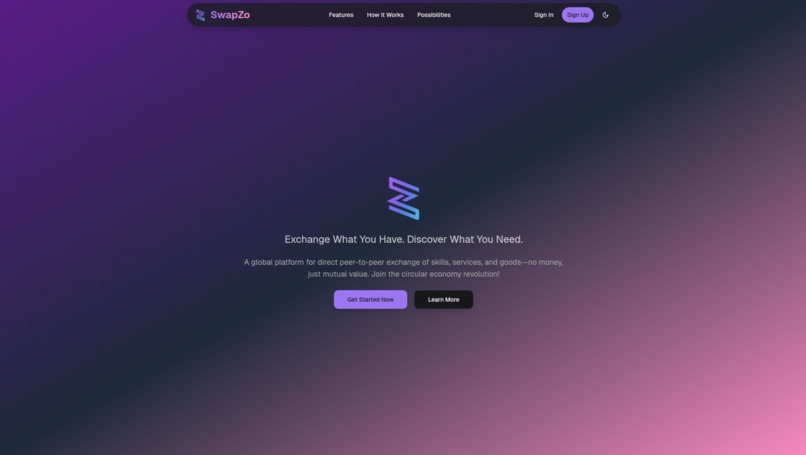
Landing Page (Dark Theme)
-
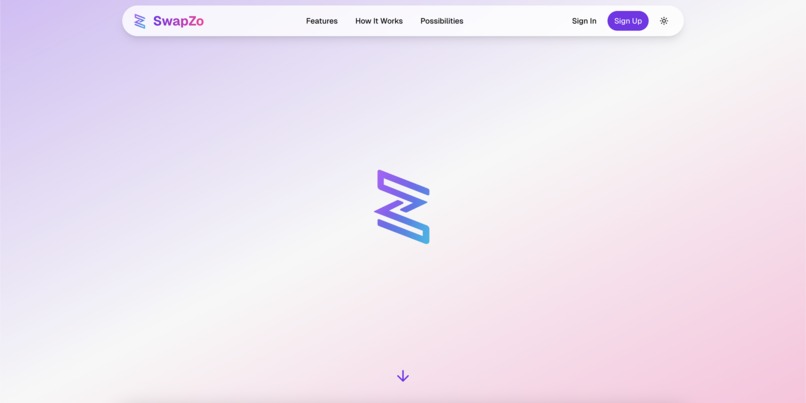
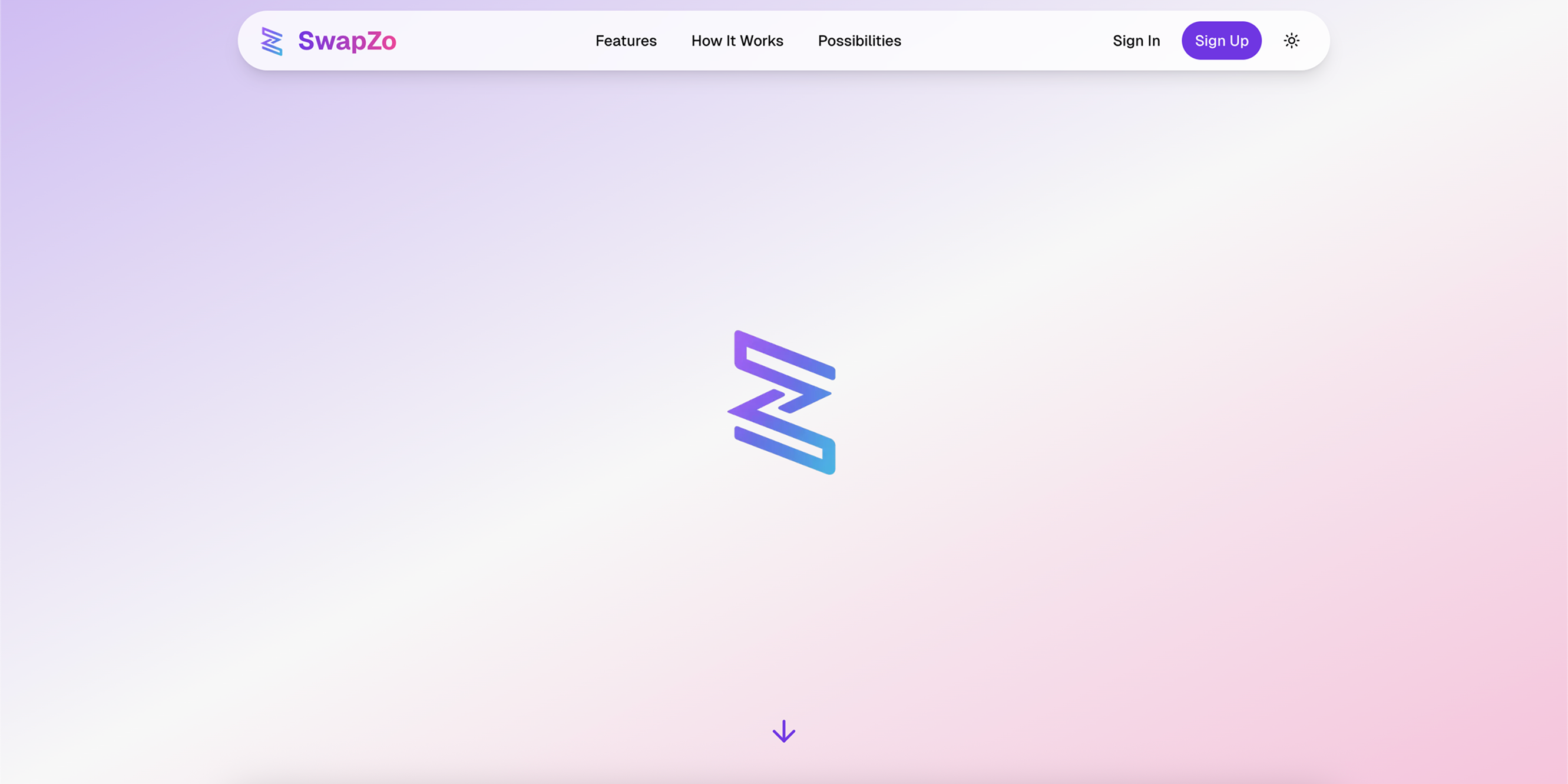
Landing Page (Light Theme)
-
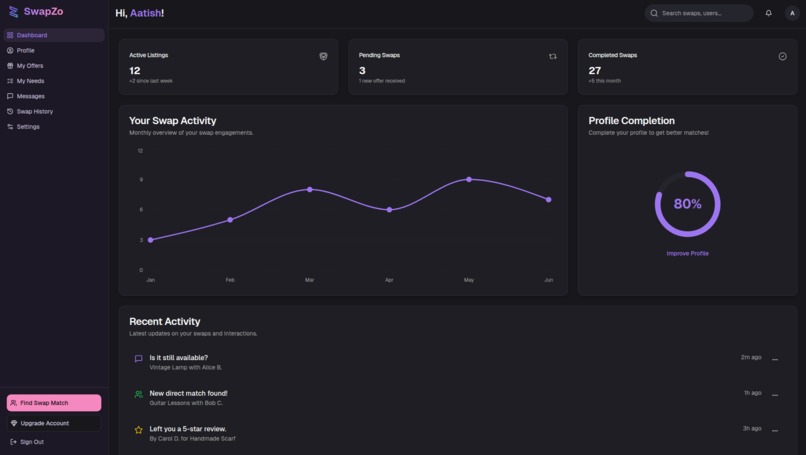
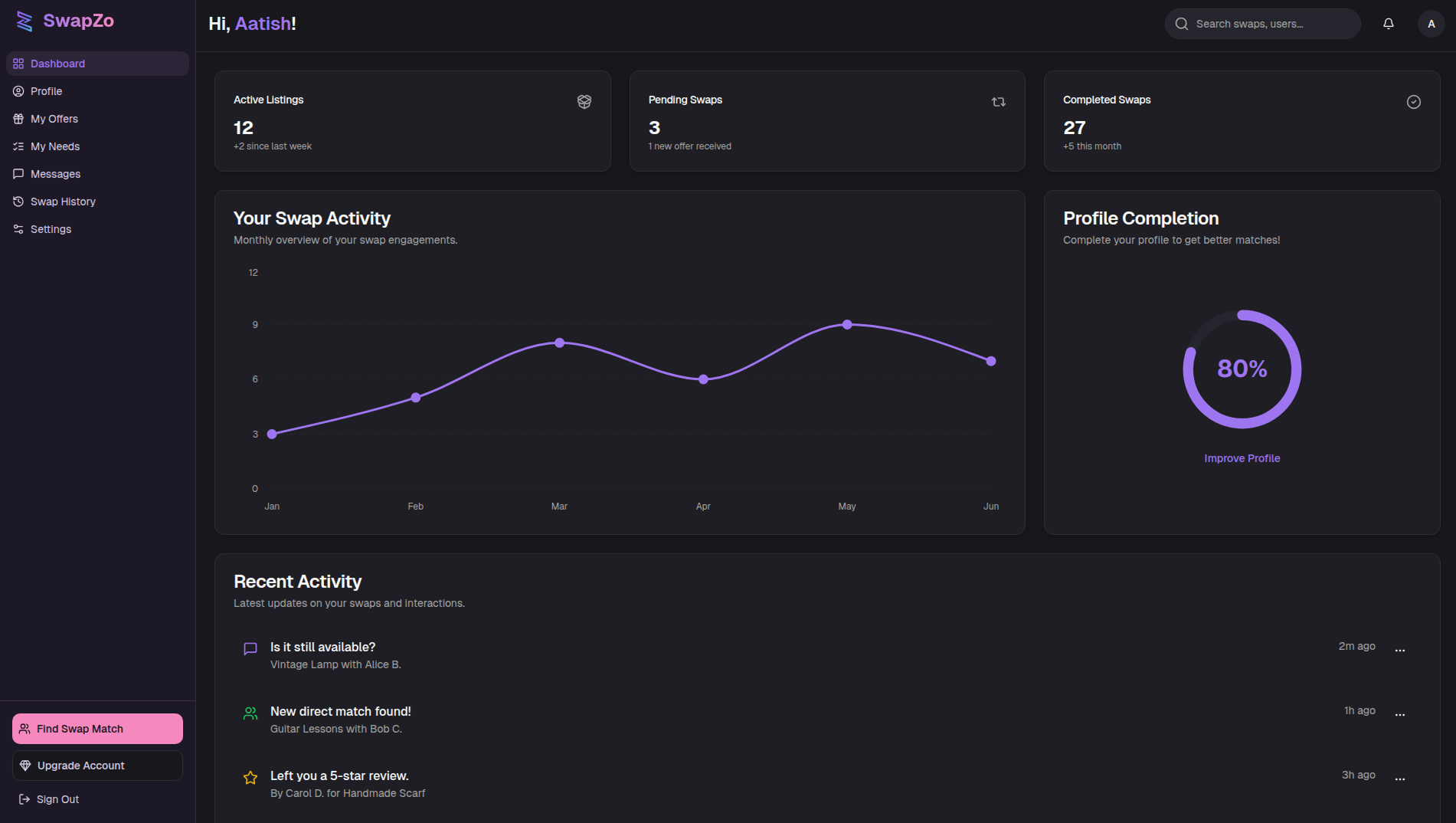
Dashboard (Dark Theme)
-
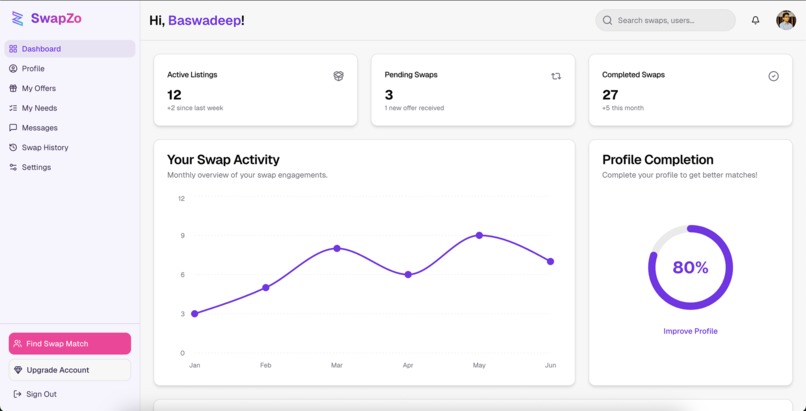
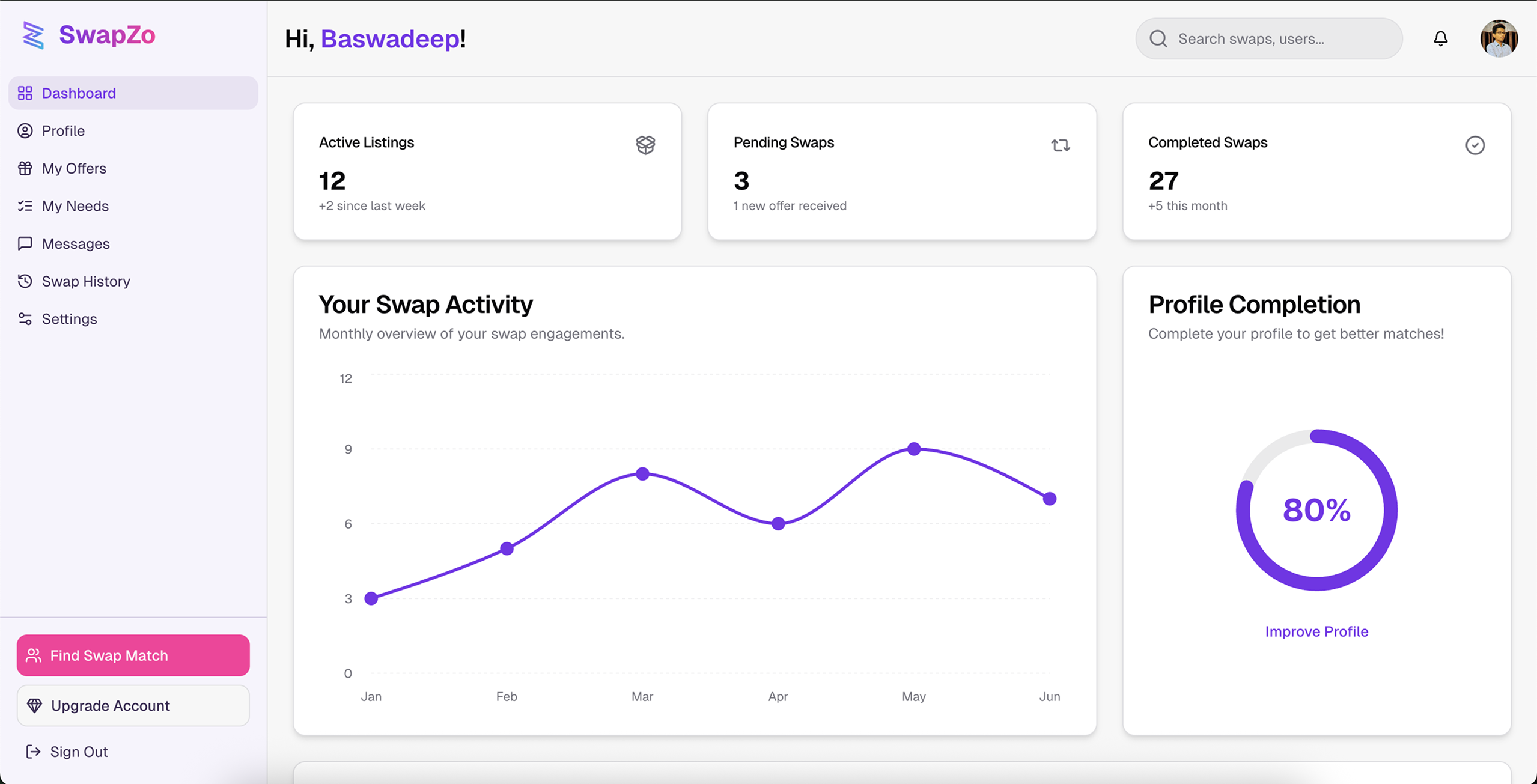
Dashboard (Light Theme)
-
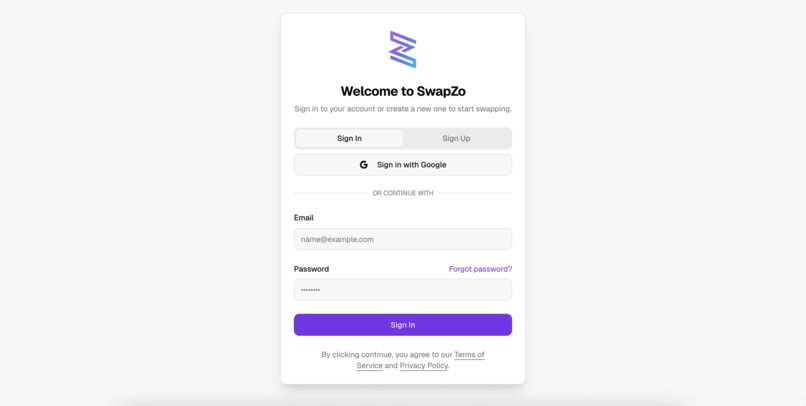
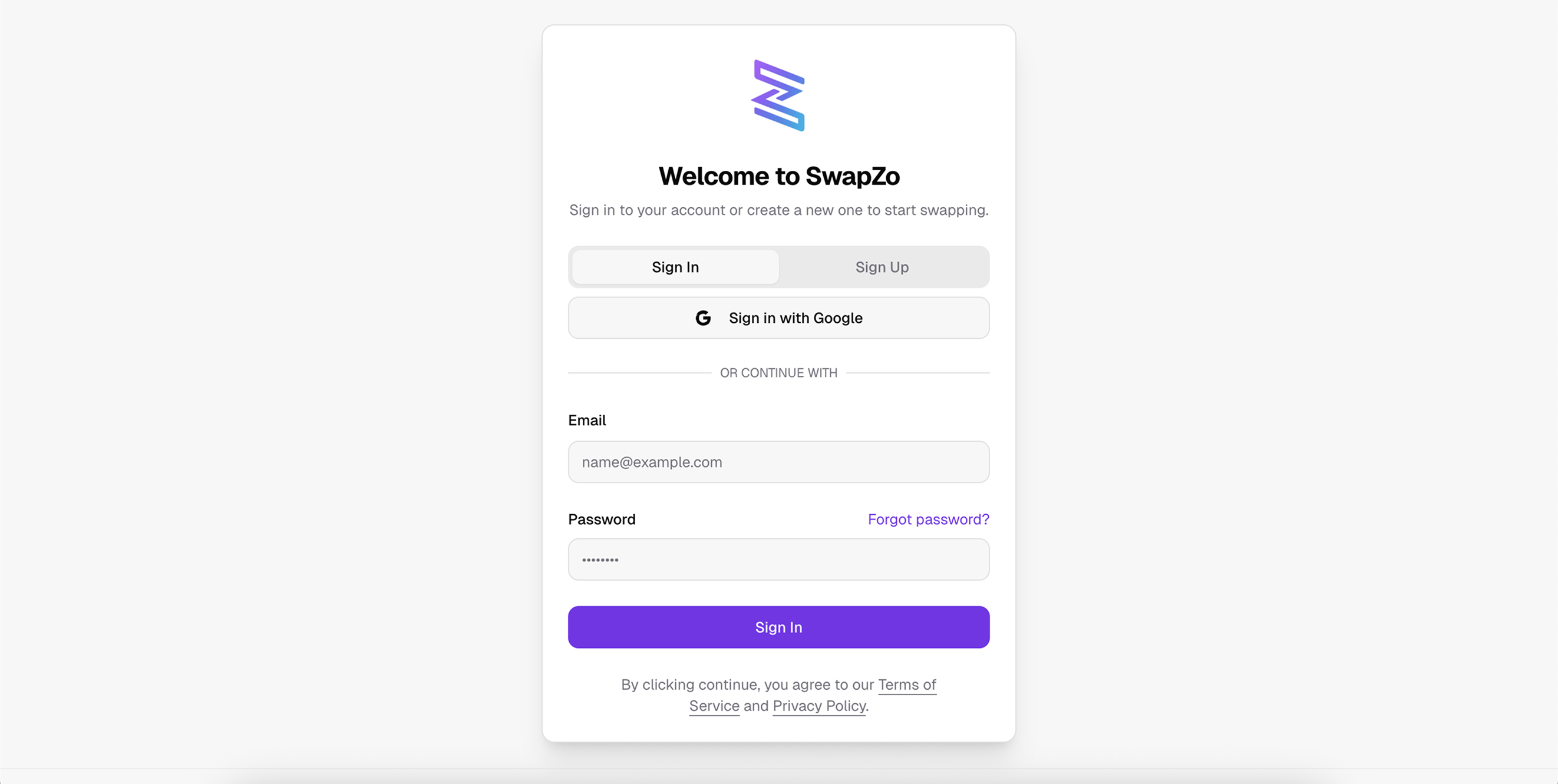
Login Page
-
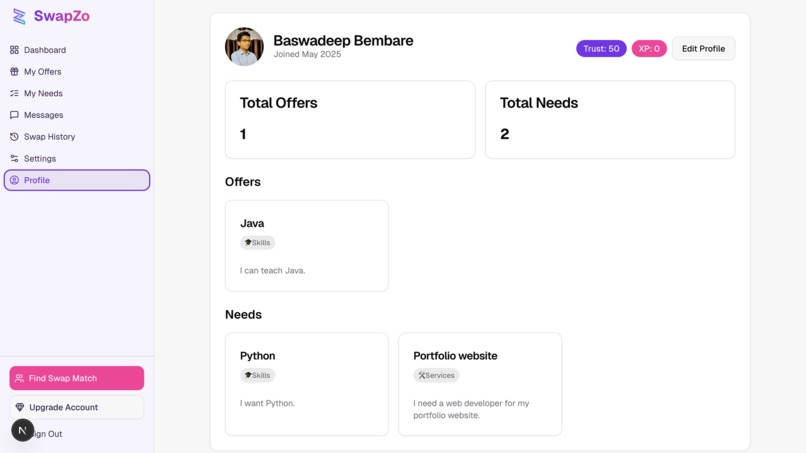
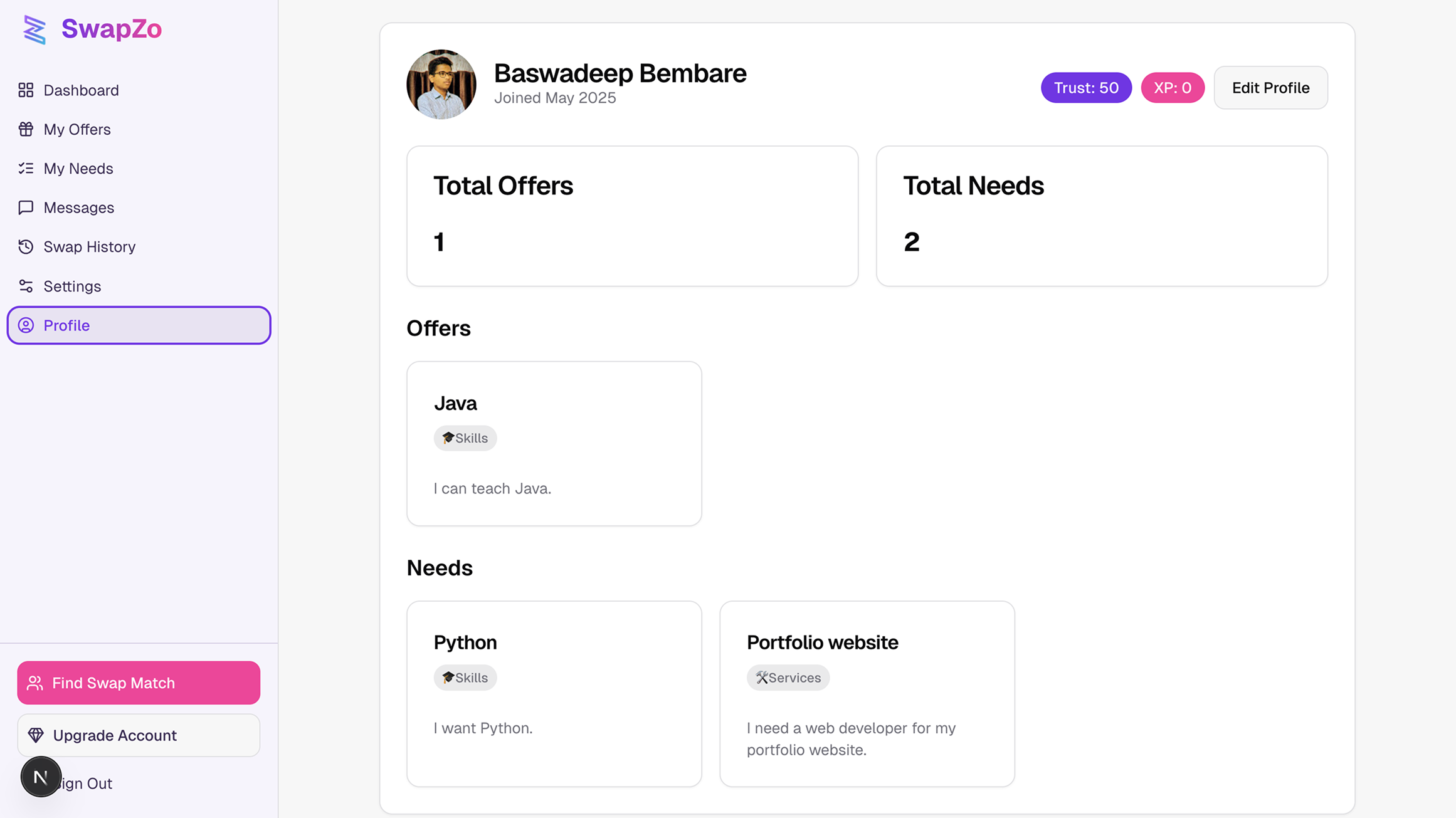
Profile Page
-
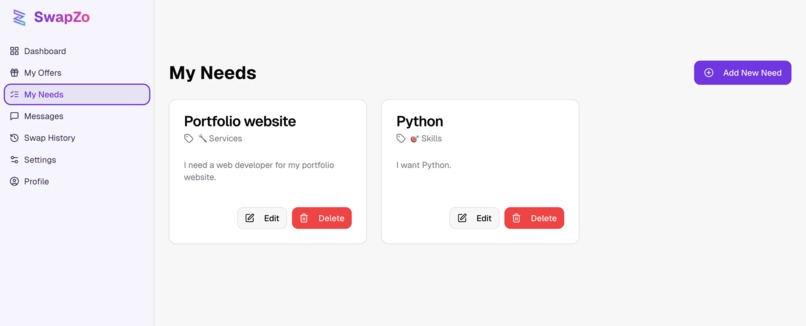
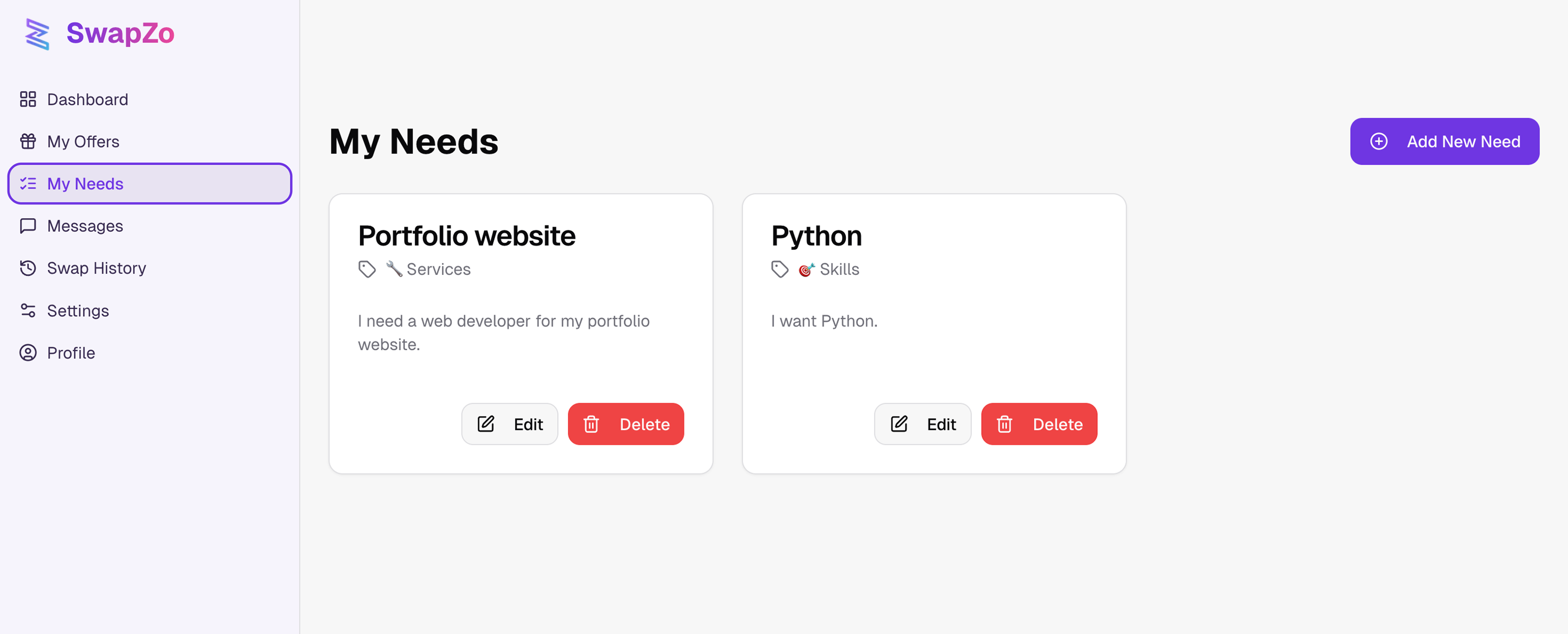
My needs Page
-
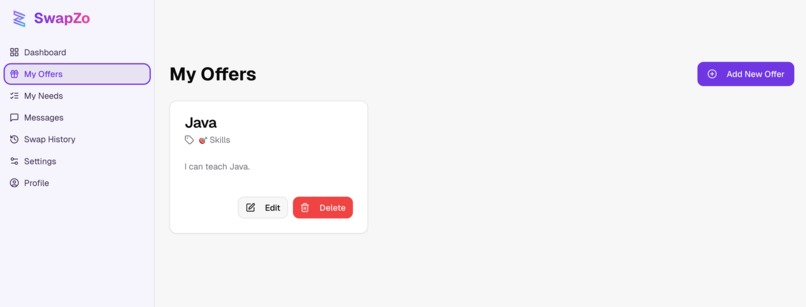
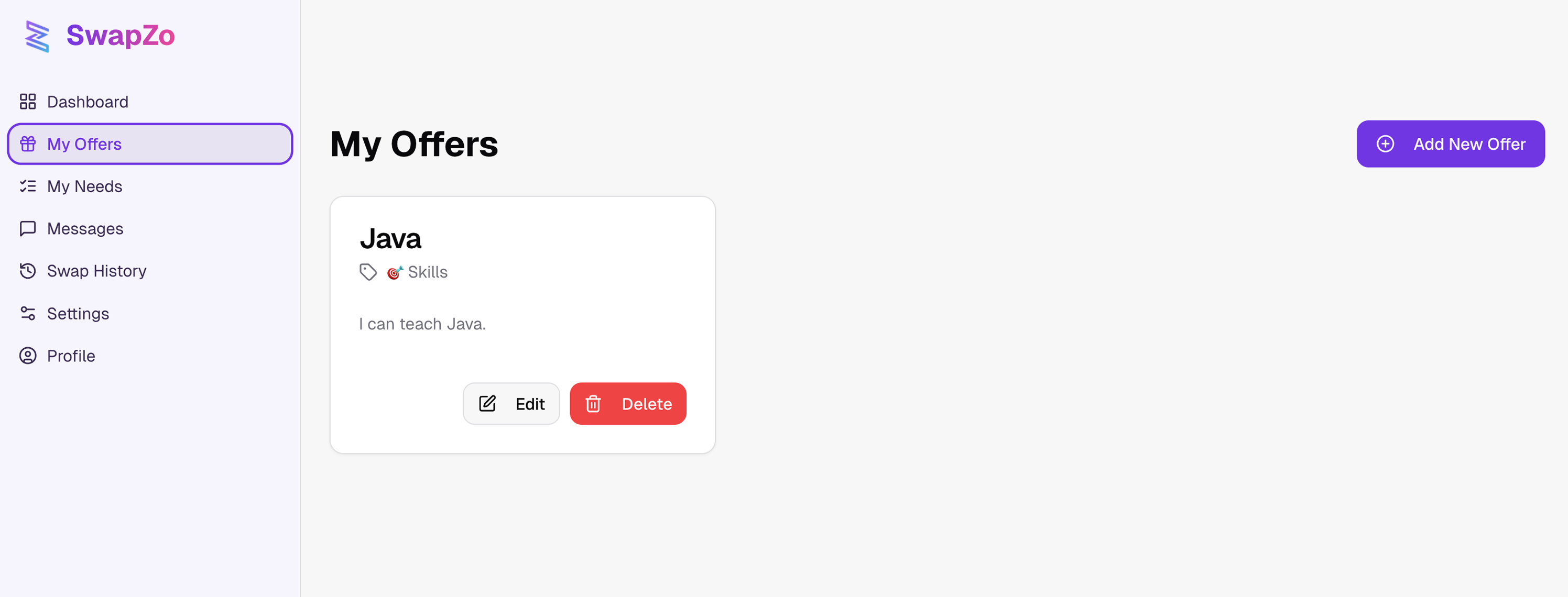
My Offers Page
-
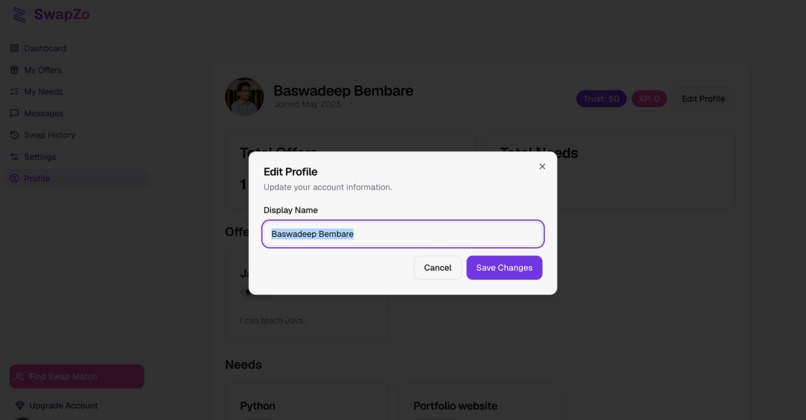
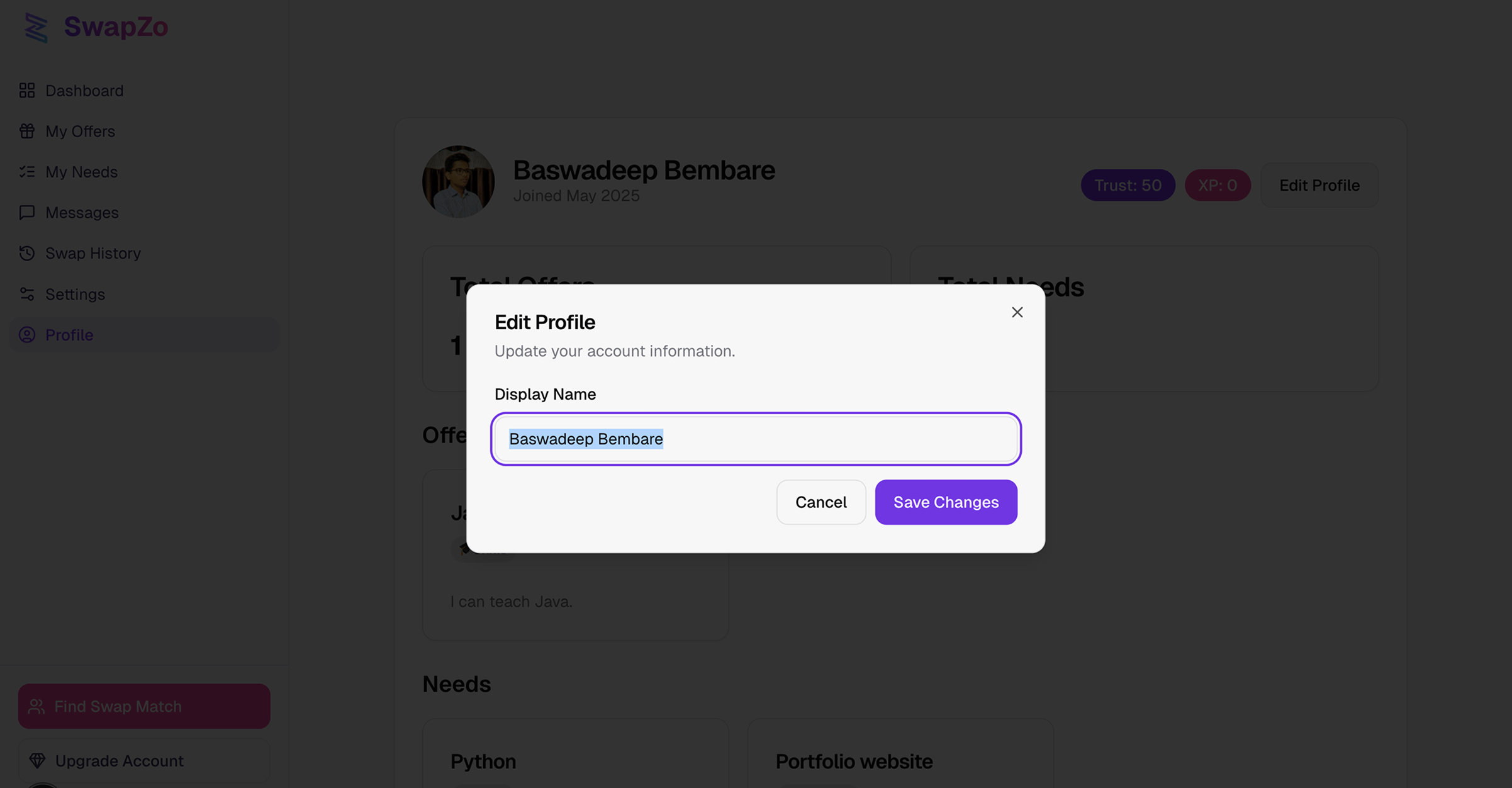
Edit Profile Section
-
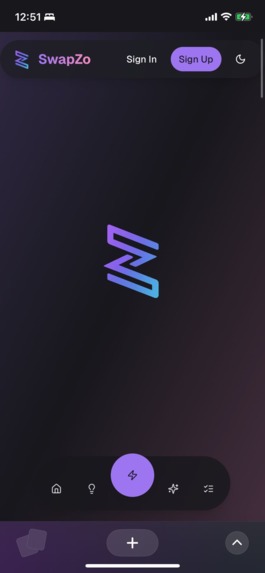
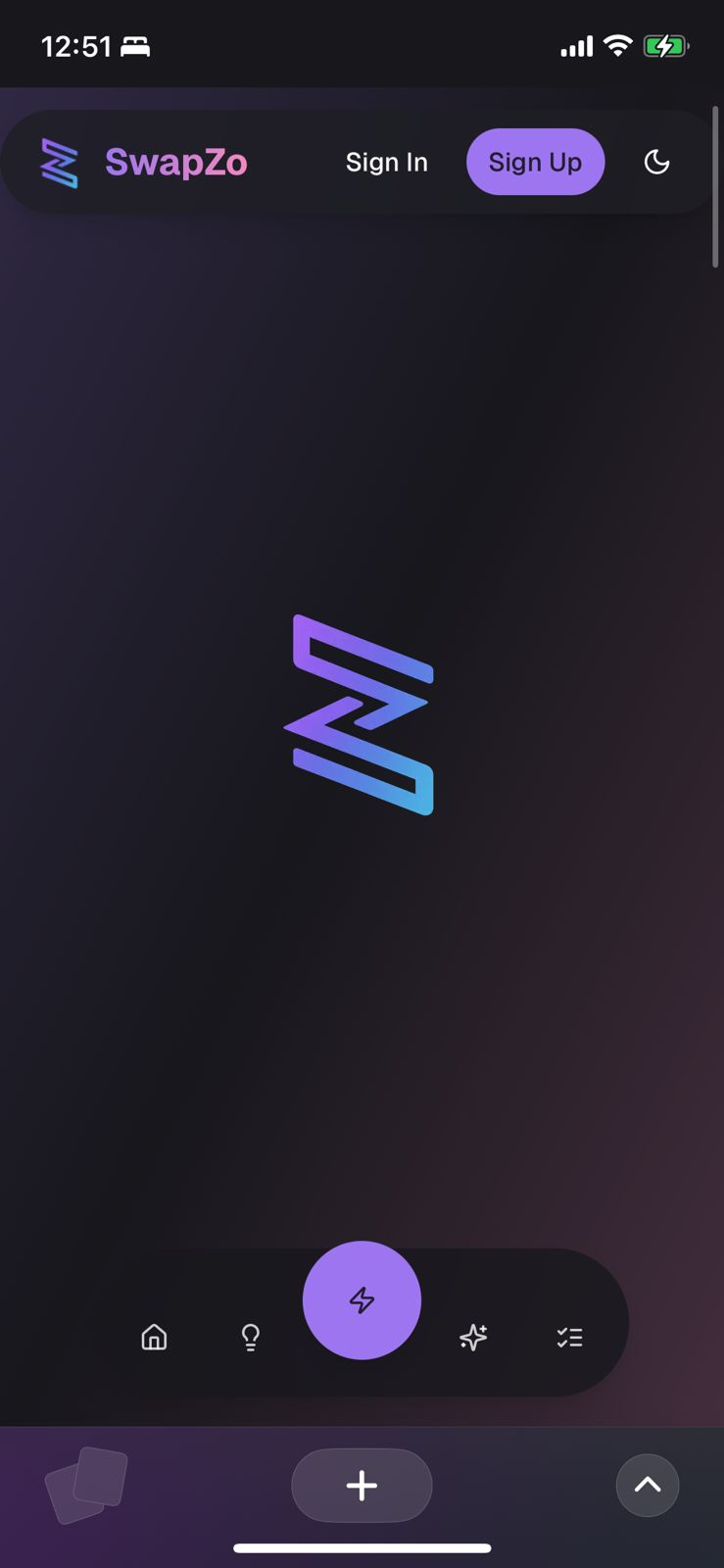
Landing Page (Mobile View)
-
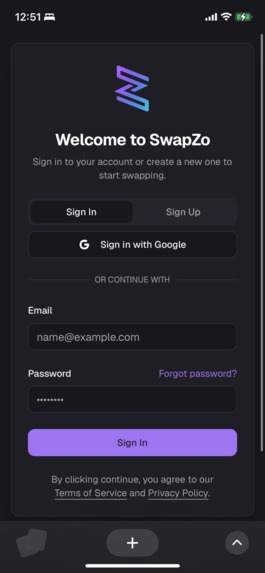
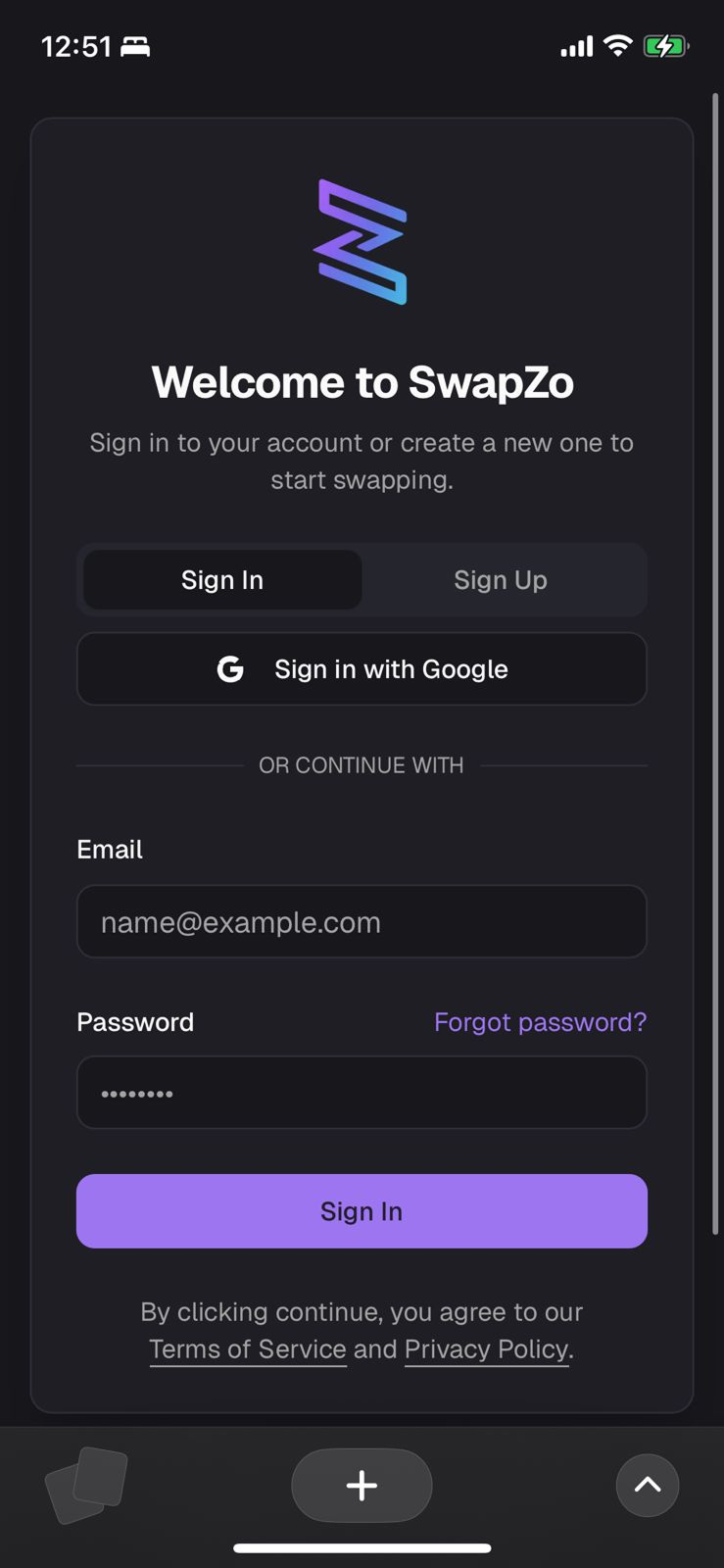
Login Page (Mobile View)
Inspiration
It all started with a simple moment of reflection. One of our team members was staring at a dusty guitar lying unused in the corner of his room. At the same time, he needed help building a personal portfolio website. Hiring a designer was too expensive, and asking a friend felt like a burden. That’s when a thought struck: “What if someone out there needs this guitar, and could offer exactly what I need in return?” That question turned into a spark — a realization that so many of us have skills, tools, and services, while we simultaneously struggle to access what we need. We imagined a world where people could trade talents instead of money, build trust-based exchanges, and create value through collaboration, not consumption.
We looked around and found inspiration in age-old practices like:
- Local community bartering
- Timebanking systems
- Skill-sharing co-ops
- Informal swaps among friends and neighbors
We realized there was no global platform where people could discover each other based on mutual needs — not price. That’s when Swapzo was born.
It wasn’t just about building another app.
It was about reviving an ancient way of life, with the power of modern technology.
A way to make trade more human again.
Swapzo is our answer to a question that’s both timeless and urgent:
“What do you have, and what do you need?”
If we can match those honestly, fairly, and globally — we can create a new kind of economy. One that runs not on cash, but on connection, trust, and shared value.
What it does
Swapzo is a global barter platform that helps people exchange skills, services, or items directly — no money involved.
Users create a Swap Profile listing what they can offer and what they need.
Example:
- Offer: “Logo Design – 2 hrs”
- Need: “Used Guitar”
Swapzo’s smart Barter Engine finds direct or chain matches (e.g. A → B → C → A).
Once matched, users chat securely, negotiate the exchange, and rate each other after the swap.
The platform includes:
- A Universal Swap Wallet to manage offers/needs
- A Trust System with reviews and badges
- Location filters for local goods and global services
In short, Swapzo lets people trade what they have for what they need, powered by trust, not money.
How we built it
- Swap Profile System: Users can add offers and needs, which are stored and retrieved in real-time using Firebase Firestore.
- Real-time Chat: Implementing using Firebase’s real-time database to enable seamless negotiation between users.
- Barter Matching Engine: Uses custom logic with Firestore queries to suggest direct or chain swap matches.
- AI Assistance: Integrated Gemini API to help users auto-generate compelling swap descriptions and improve communication.
- Responsive UI: Designed with Tailwind CSS to ensure a mobile-friendly and clean interface across devices.
Building Swapzo meant combining smart technology with human-centered design.
We chose a modern full-stack approach that balances real-time performance, scalability, and ease of use.
Challenges we ran into
- Designing a fair and efficient swap matching system, including multi-party chain swaps.
- Integrating the Gemini AI API for helpful yet accurate text suggestions.
- Building a trust and safety layer without making onboarding too complex.
- Ensuring smooth real-time syncing with Firebase for chat and profiles.
- Creating a responsive UI that works well for local goods and global services.
- Helping users understand and trust the concept of barter exchanges through better onboarding.
Each challenge made Swapzo stronger and more user-friendly.
Accomplishments that we're proud of
- Built a fully functional global barter platform supporting direct and chain swaps.
- Developed a smart Barter Engine that matches users based on mutual needs.
- Added AI-powered swap description assistance using Gemini API.
- Created a trust system with verified IDs, reviews, and dispute resolution.
- Delivered a sleek, responsive UI with Tailwind CSS for seamless user experience.
- Successfully onboarded early users who embraced cashless, skill-based exchanges.
- Designed flexible time credit functionality to enable delayed swaps.
These milestones make us confident in Swapzo’s potential to change how people trade.
What we learned
- Building a complex barter system requires careful design to ensure fairness and usability.
- Real-time features like chat and profile updates demand strong backend architecture and syncing strategies.
- Integrating AI (Gemini API) can greatly improve user experience but needs thoughtful prompt design and balance.
- Trust is fundamental; incorporating verified identities and user reviews builds community confidence.
- Responsive UI design with Tailwind CSS speeds up development while maintaining visual appeal across devices.
- User education is key—explaining barter concepts clearly boosts engagement and adoption.
- Iterative testing and user feedback are essential for refining features and onboarding.
- Combining old economic ideas with modern tech can create innovative, sustainable platforms.
Each lesson guides us toward a better, more user-friendly Swapzo.
What's next for SwapZo
- Expand the Barter Engine to support more complex multi-party swaps and improve match accuracy.
- Enhance AI features for smarter swap suggestions, chat assistance, and personalized recommendations.
- Launch mobile apps (iOS and Android) for easier access and on-the-go swapping.
- Introduce gamification elements like swap challenges, leaderboards, and rewards to boost engagement.
- Build community tools such as local swap groups, events, and forums to foster stronger connections.
- Integrate payment options for hybrid swaps that combine barter and cash.
- Strengthen trust systems with advanced verification and dispute resolution features.
- Scale infrastructure to support a growing global user base smoothly and securely.
Our goal is to make SwapZo the go-to platform for meaningful, cashless exchanges worldwide.

Log in or sign up for Devpost to join the conversation.