-
Home Page
-
Mission Statement
-
About
-
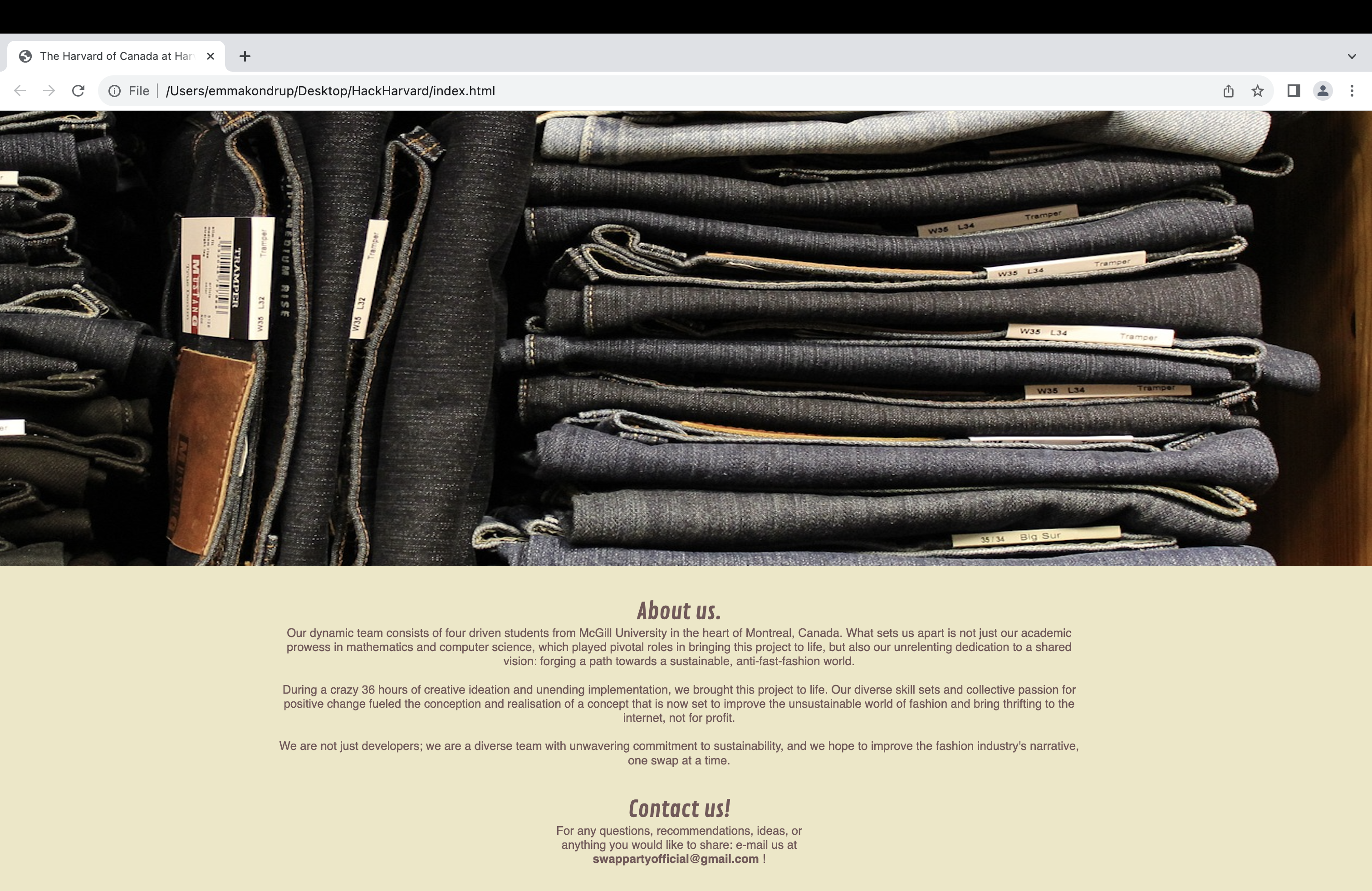
About us
-
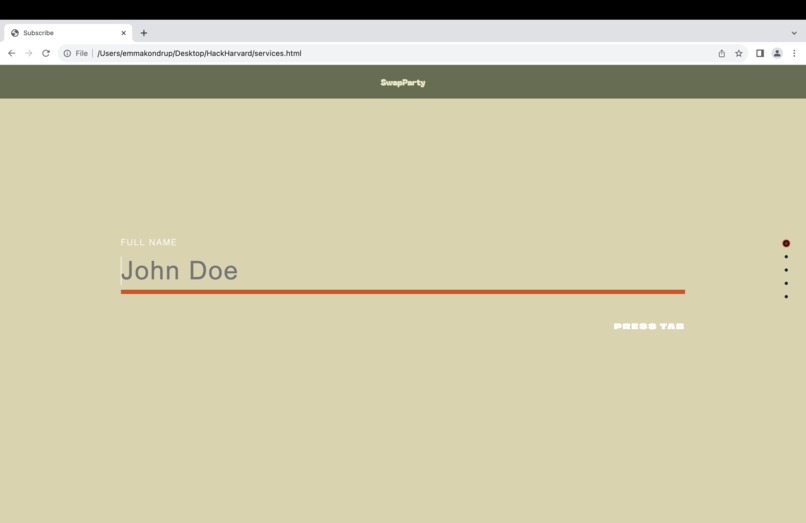
Name on quiz
-
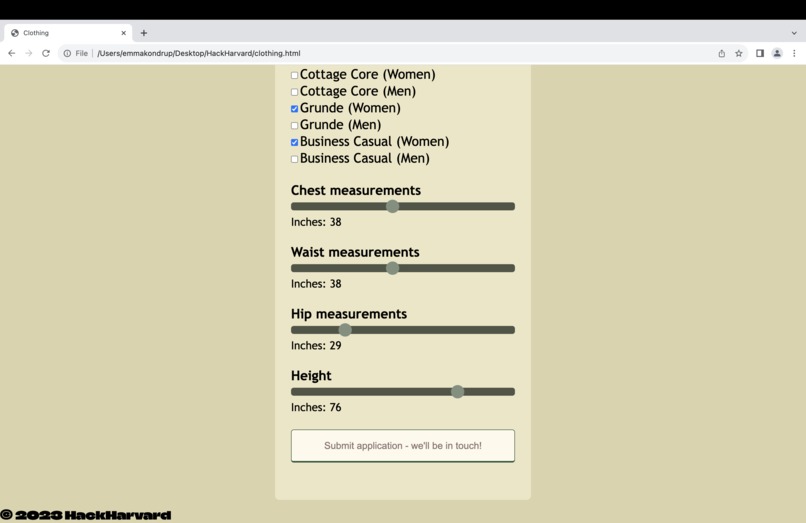
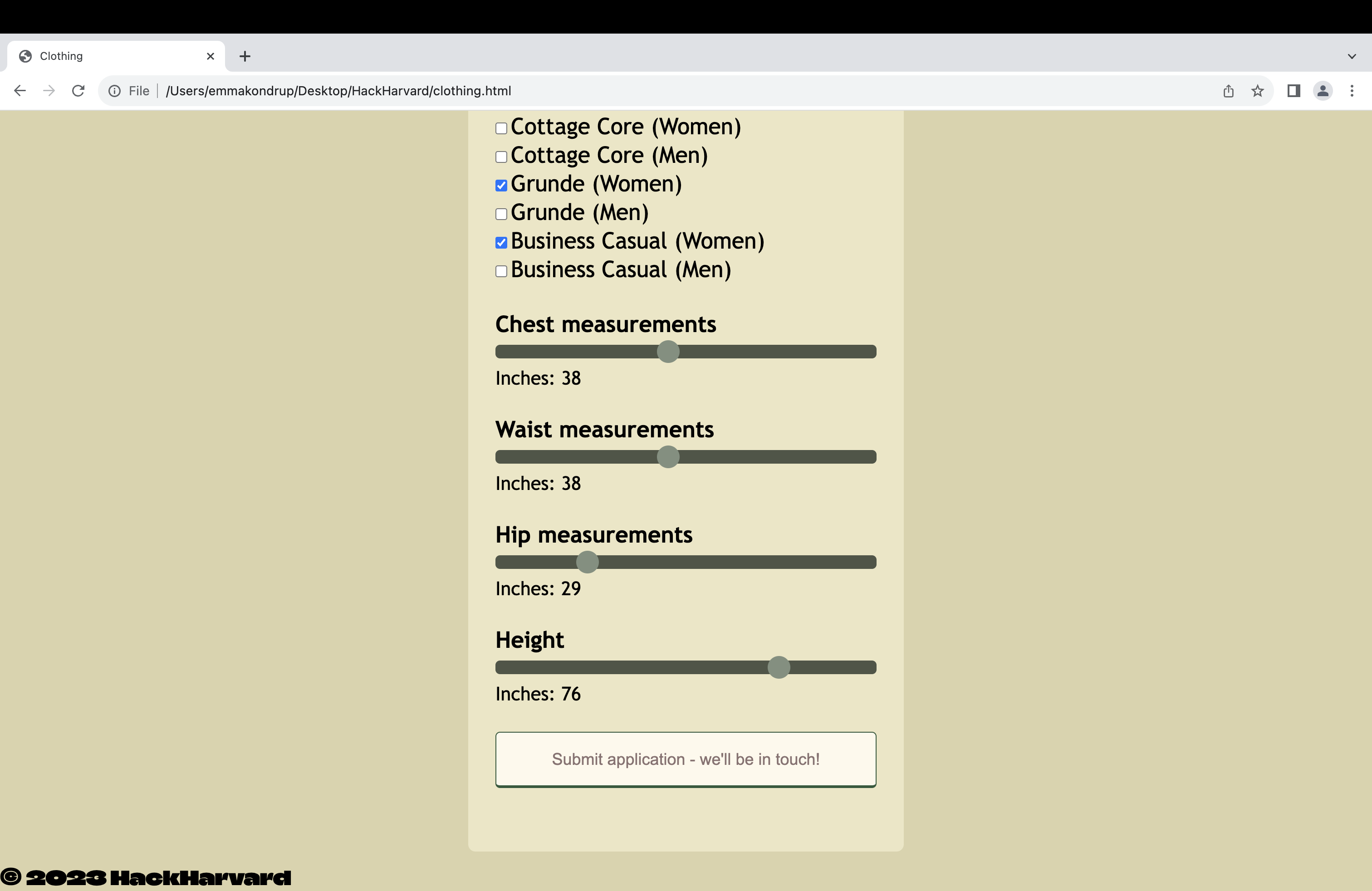
Sizes on quiz
-
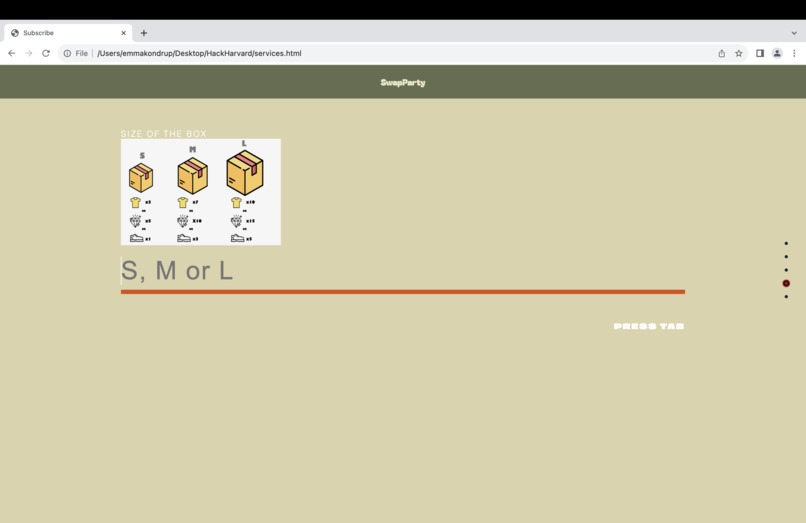
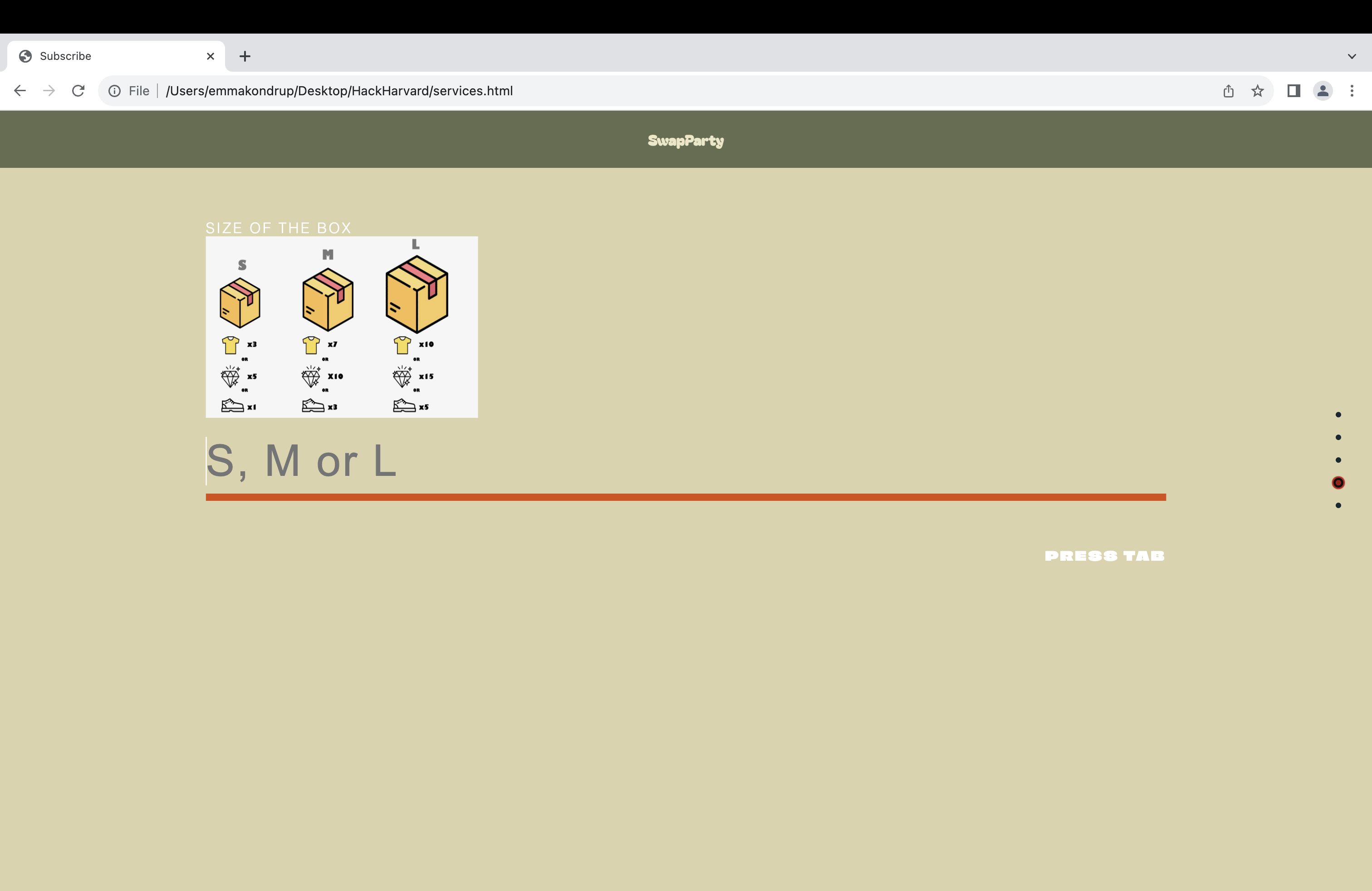
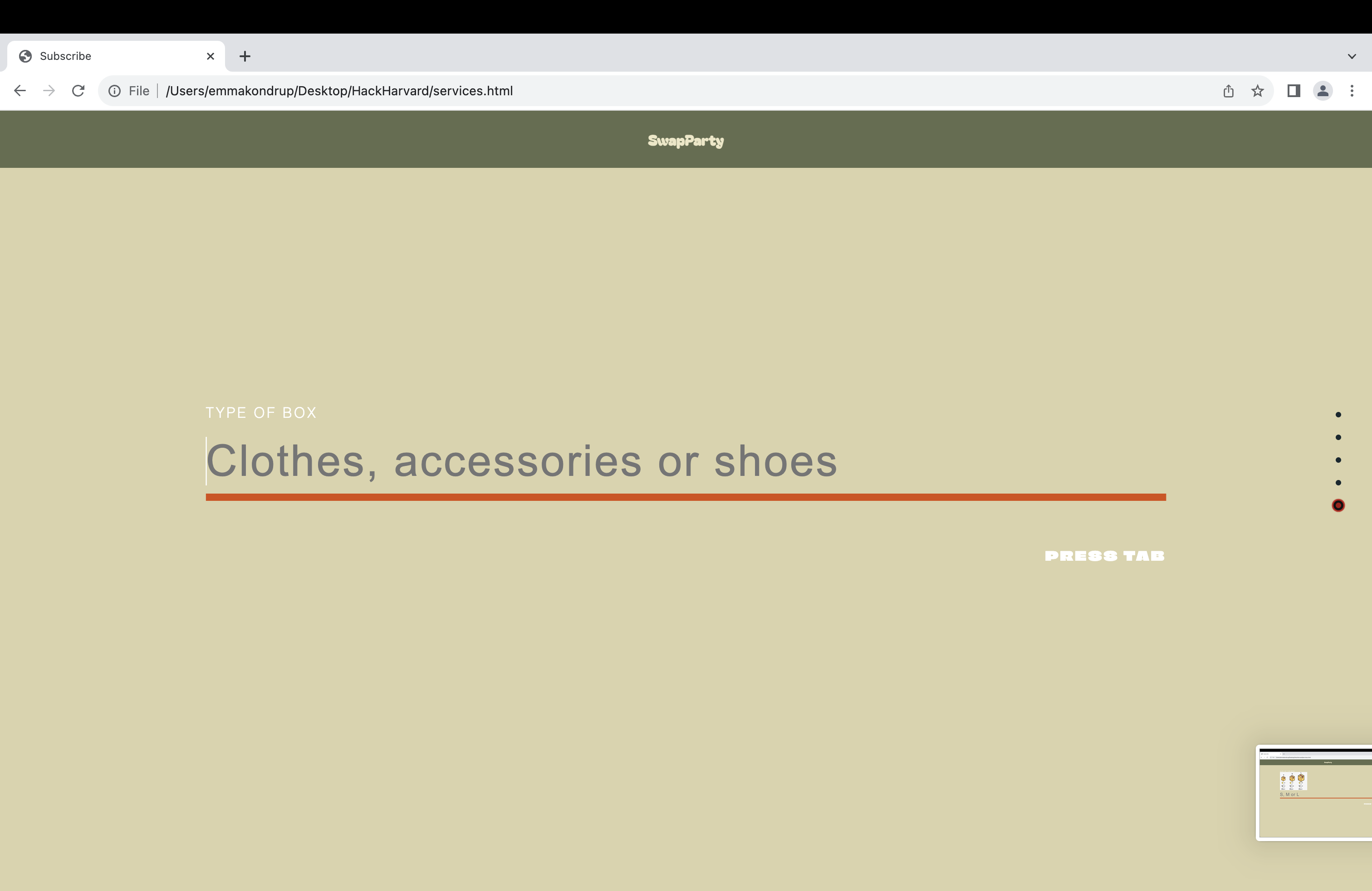
Box size on quiz
-
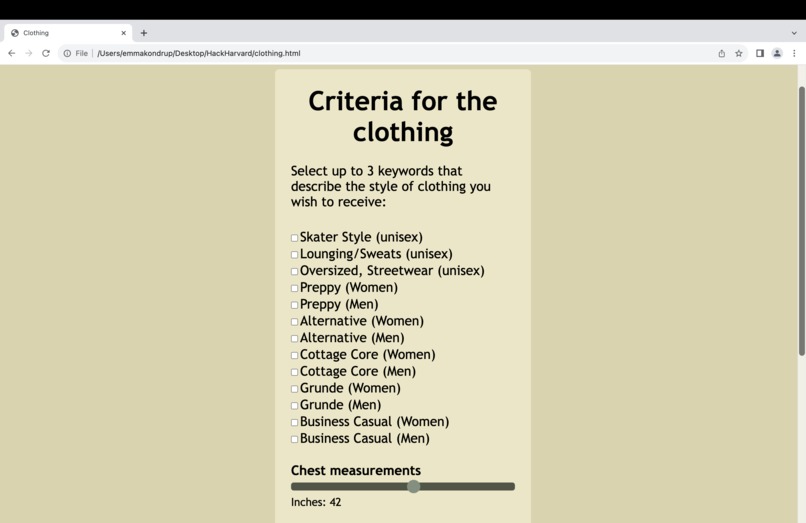
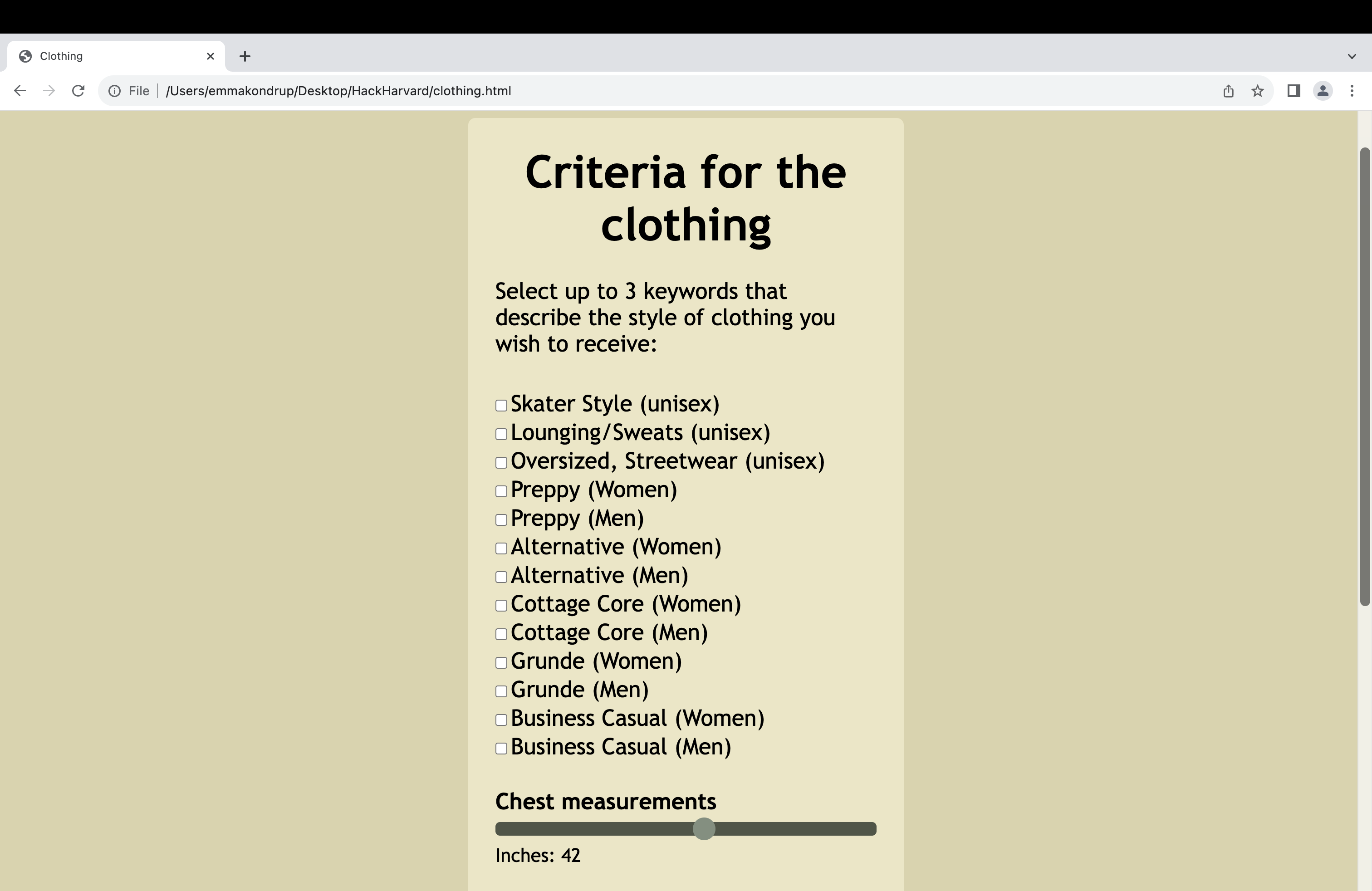
Style options on quiz
-
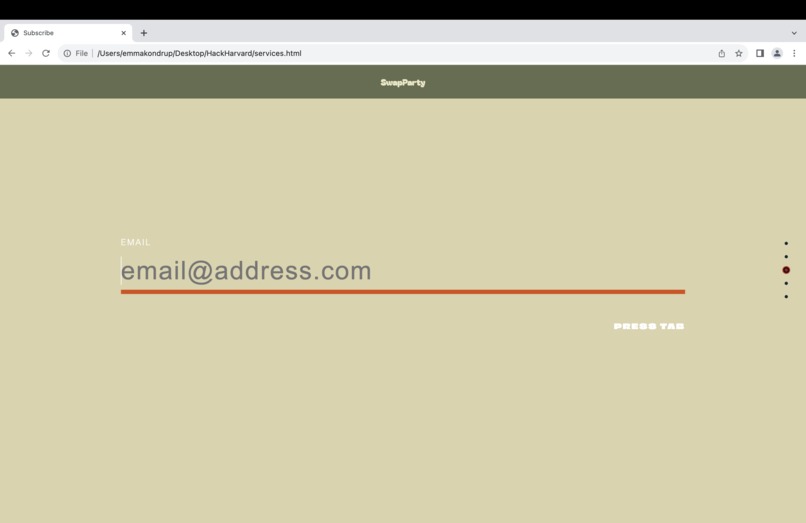
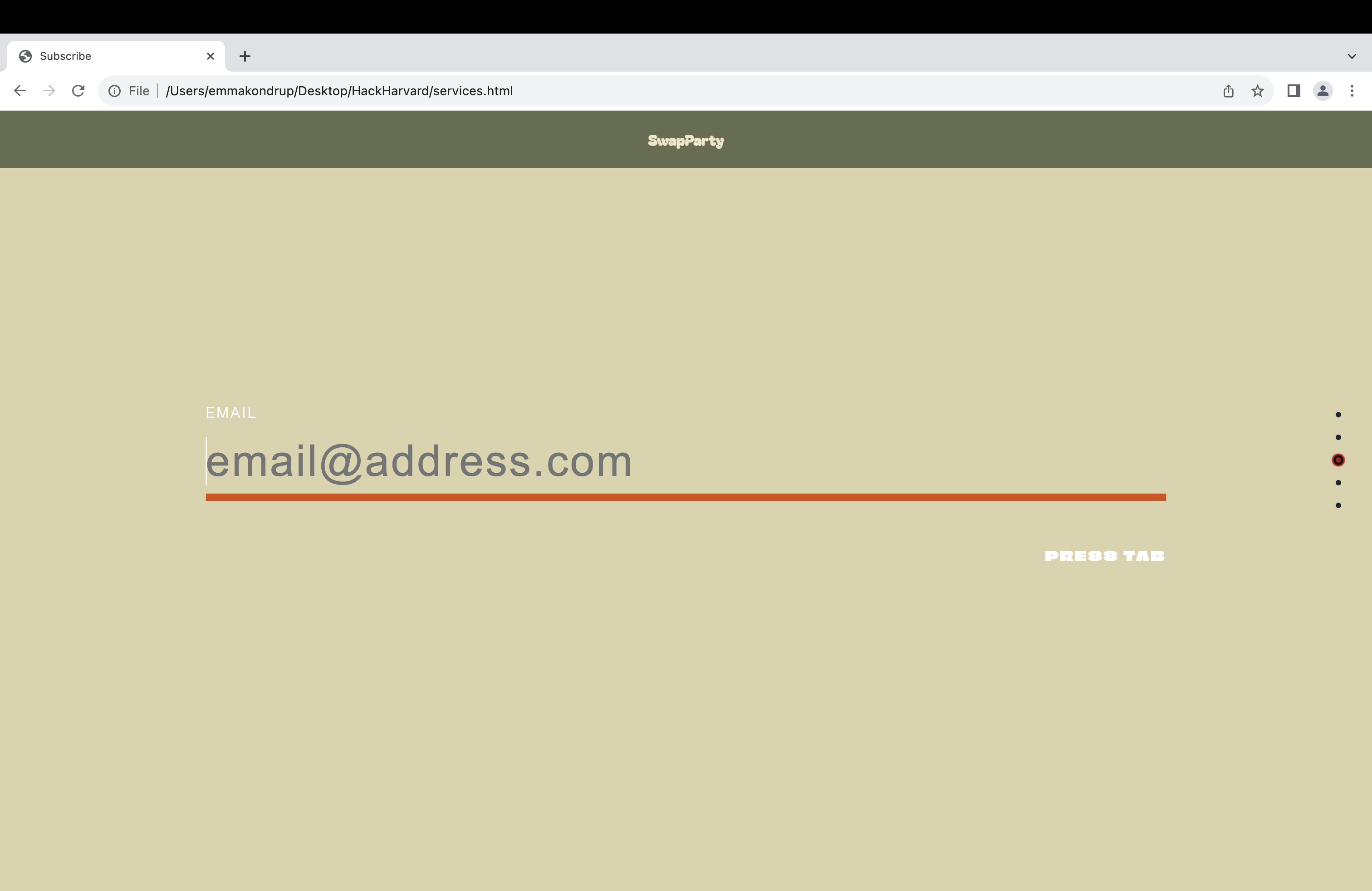
Email address on quiz
-
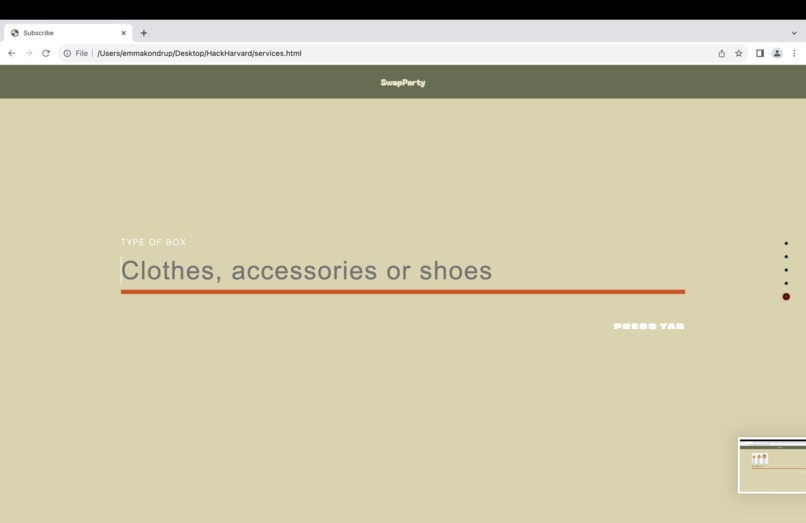
Object selection on quiz

Inspiration
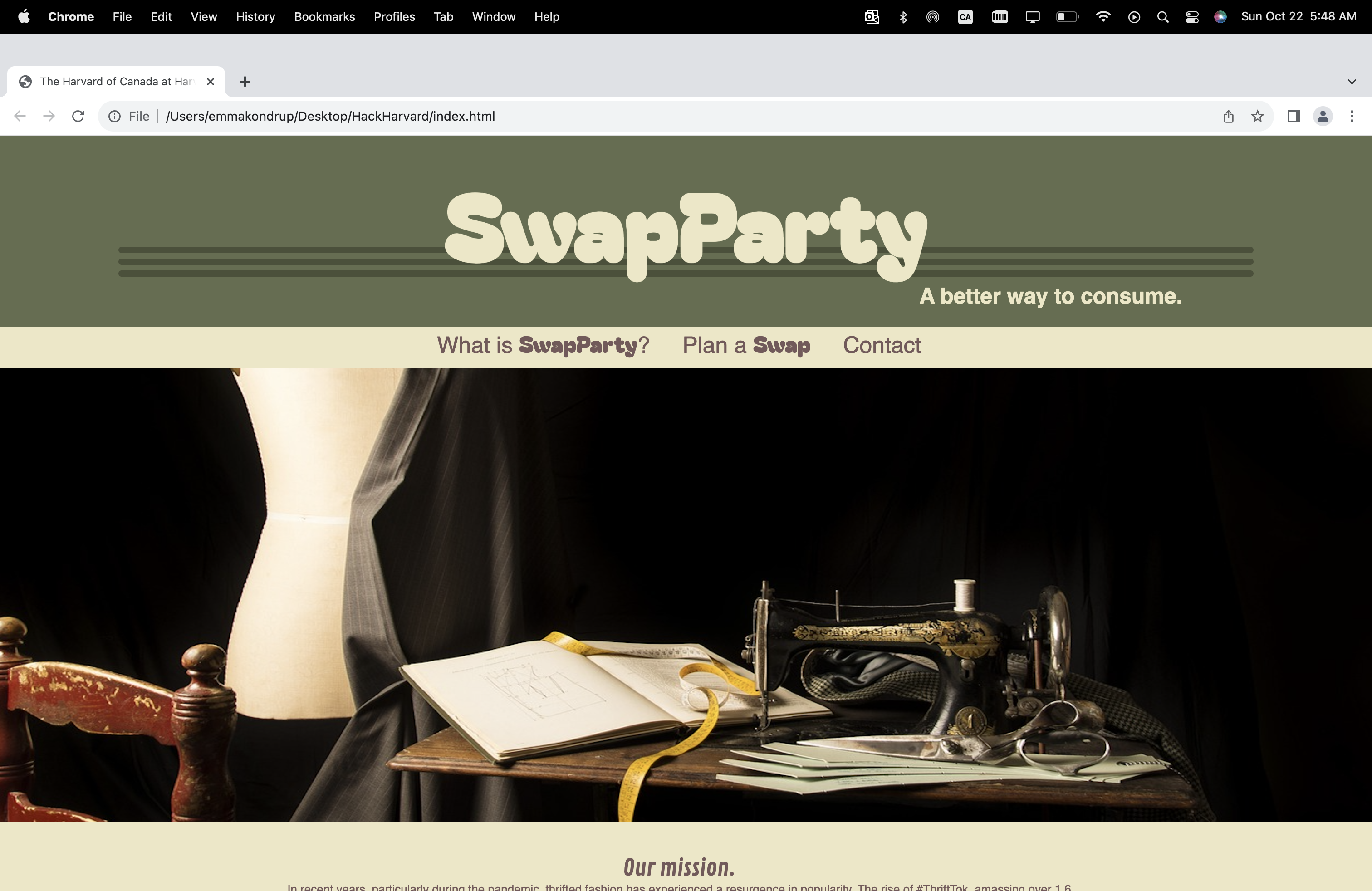
In recent years, particularly during the pandemic, thrifted fashion has experienced a resurgence in popularity. The rise of #ThriftTok, amassing over 1.6 billion views, and the unprecedented foot traffic in thrift stores have played a pivotal role in promoting sustainable practices such as upcycling and reusing fashion items. Thrifting stands as a formidable counterforce to the unsustainable trends of fast fashion and the overconsumption of clothing.
However, alongside the positive aspects of this trend, certain drawbacks have become evident. In Canada, where our pilot project will be initiated, the largest thrift store chain, Value Village, operates for profit, selling donated clothes at prices comparable to those of newly manufactured fast fashion items. Recent TikTok trends have shed light on the exorbitant prices of some thrift store items, such as distressed graphic t-shirts selling for $20 or plain baseball hats for $15. This commercialization undermines the essence of thrifting, making fast fashion once again a more affordable choice.
What it does
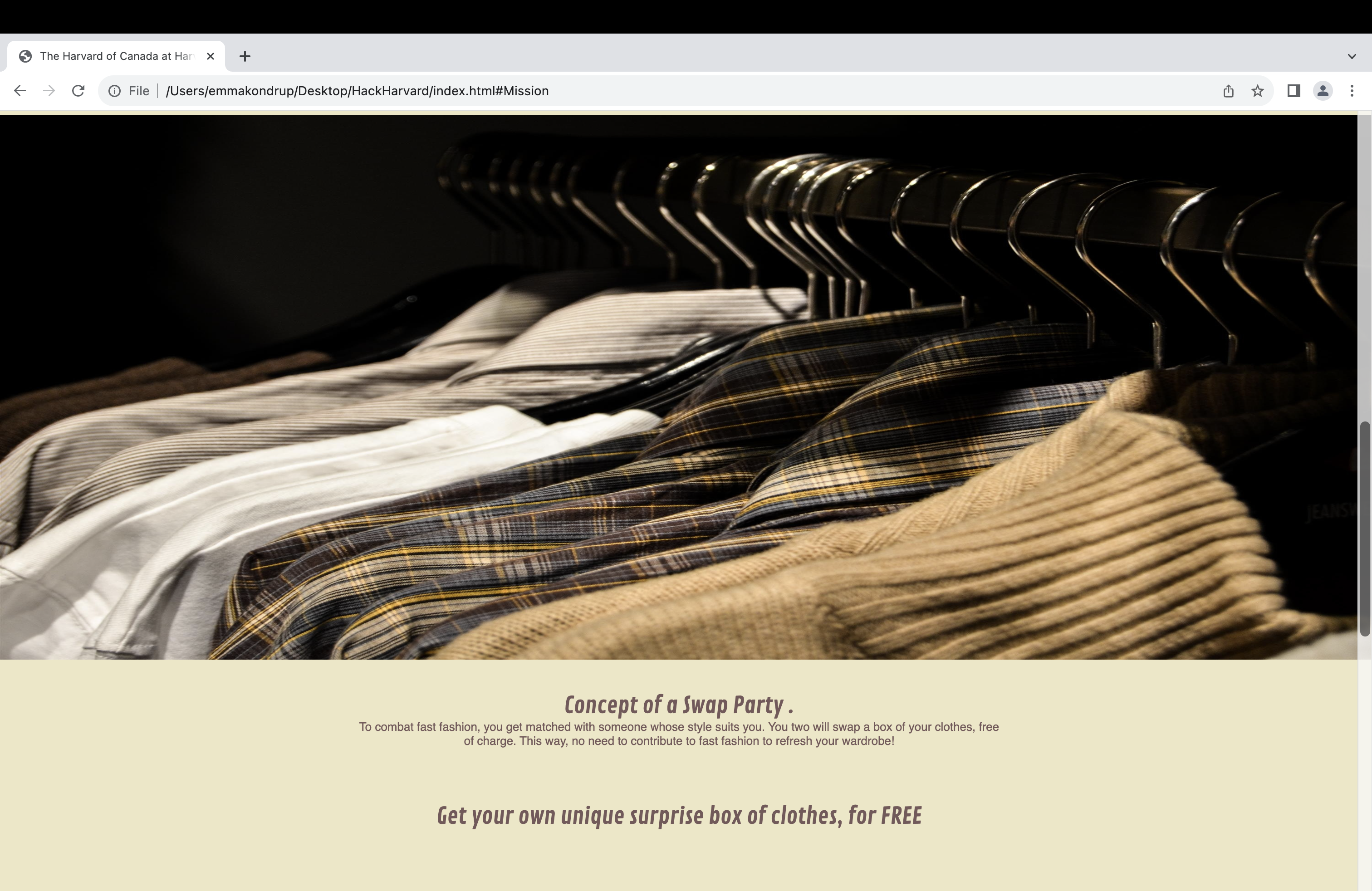
We are committed to rectifying this situation over time. Our initiative originates from the "clothing swap" events at our university, where people could exchange clothes by donating and receiving items from others. SwapParty represents an expansive clothing swap, designed to make thrifting not only more affordable, with customers only bearing shipping costs, but also more accessible for those without convenient access to physical thrift stores. It introduces an element of surprise through 'surprise boxes,' a concept gaining popularity. Our platform empowers users to swap clothing with like-minded individuals nationwide, sharing the same style and size, for as little as the cost of shipping. This innovative approach aims to steer fashion away from the fast fashion trend and make thrifting affordable and accessible once more, advancing our collective commitment to sustainability. To describe how it would work step-by-step, first the user would go on our website and click the button to "start a swap". Then, they would take a short quiz to choose the size of box they want, i.e. small, medium, or large, to choose what kind of objects will be in the box, i.e. clothing, accessories, or shoes. Then, the user would pick a few keywords out of a list to describe their style, as well as sizing for clothing and shoes, and a colour scheme for accessories. Once two people are matched by our fool-proof algorithm, they are then emailed automatically that they have been matched. After they've been matched, they have 72 hours to decide whether they want to accept or deny the swap. If both parties accept, then they have 48 hours to mail their curated box of their old clothes, accessories, or shoes. If there was enough time, we would have liked to implement a deposit system to make sure that both parties actually mail their boxes.
How we built it
We first came up with an algorithm to help us match two people based on their style compatibility and similar body measurements. After each user completes their quiz, their answers would be saved onto a JSON file, which we would then read on Python. The algorithm works by utilizing a counting system that keeps track of each person who will send and receive a box in the same "category". It quantifies the similarities between two people's style, and makes sure that their sizes are relatively the same. The algorithm first sorts the users into duos that match based on their box size choice and their objects that would be in the box. If those variables are the same for two people, they are put in a duo. Then, the algorithm quantifies how well their styles and general preferences match up, and the duos with the highest match count are then matched up. After, the program emails the two people who have been matched with an email including instructions on next steps.
Challenges we ran into
Going into this hackathon, none of our team members had any experience with front-end development. So, we didn't know how a website was to be built, nor did we have experience with any big projects. This is why we couldn't figure out how to connect our back-end and front-end work using flask. We also ran into challenges trying to send emails via Python, although we ended up with a function that can send an email to the users who have been matched. The real challenge that we weren't able to overcome was the link that we were planning on adding to the email where the user could confirm their participation in the swap. This wasn't possible for us to do in the given time frame because our flask component wouldn't work. To get flask to work, we originally tried using it with the appropriate directories and html files, but it gave us many errors. Then, when we tried using it without them, the website would work perfectly, but the back-end couldn't be connected to the front-end.
Accomplishments that we're proud of
We're proud that our back-end algorithm that matches people up and emails them once they have been matched. We're also very proud of the way our website looks, our front-end developer learned HTML during this hackathon and did a great job. It took us a long time to figure all of it out as this is all of our first hackathons and our first big project. We are also really proud of our creativity and our dedication to building a project that hacked to a more sustainable future. We think that our idea was original, never done before, and would make a positive change if implemented on a grand-scheme.
What we learned
We got comfortable using languages that were new to us, like html, css, flask, and really anything related to web development. We also learned from our mistakes of leaving flask till the end and not having enough time to focus on it, as well as not having a better and more balanced work balance and more defined roles in the project.
What's next for Swap Party
We hope to continue working on our project and eventually make it become a reality for users across Canada. We think that affordability and accessibility of sustainable fashion is a really important step we need to take as a society, while making the whole process fun.


Log in or sign up for Devpost to join the conversation.