-
-
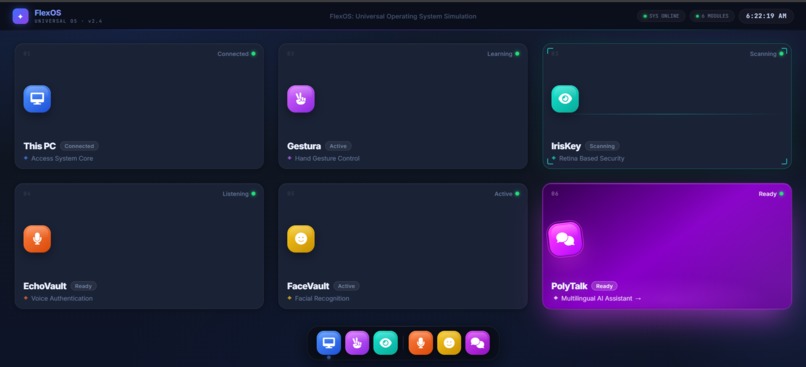
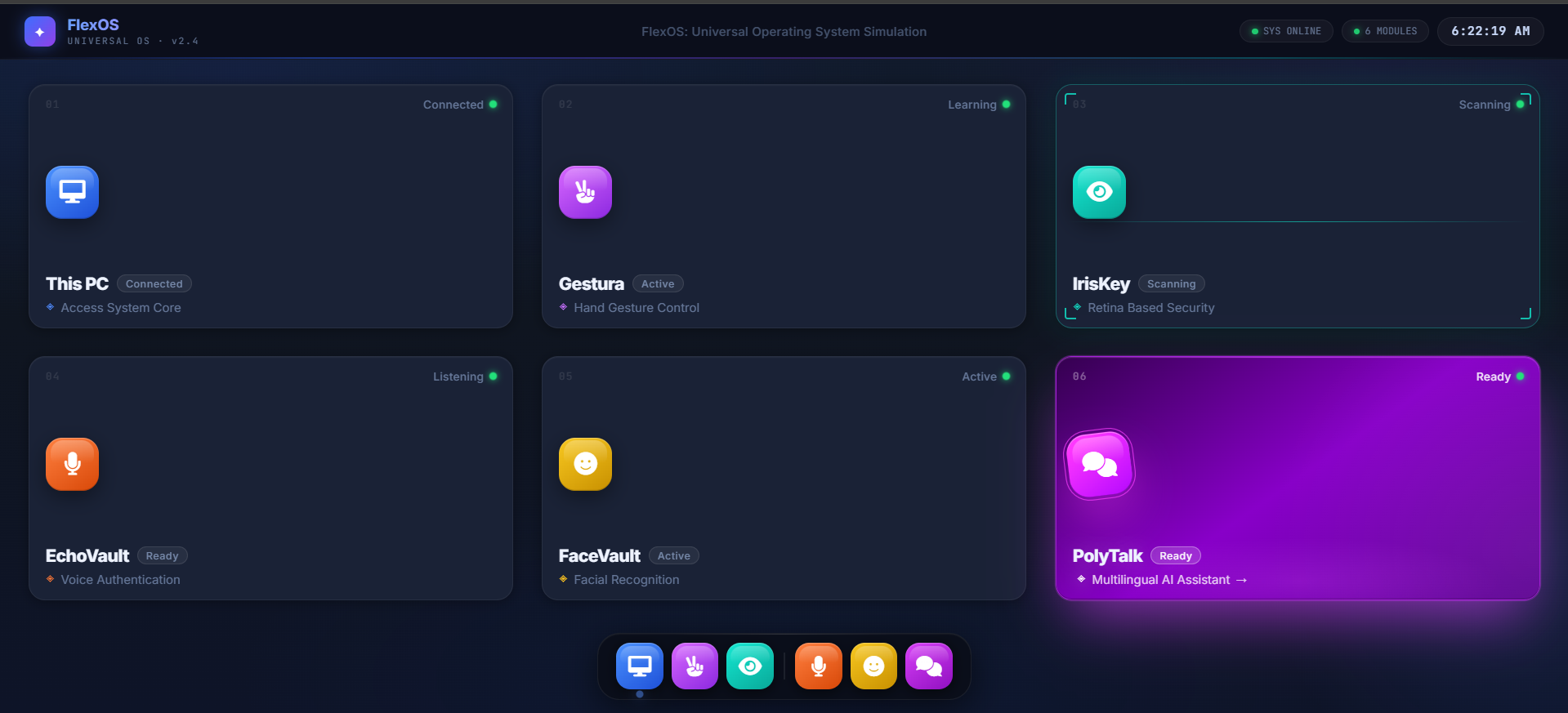
Home Page of the Application
Inspiration
1.3 billion people are forced to adapt to technology that was never designed for them.
We wanted to flip that reality and build technology that adapts to people, regardless of disability, age, or literacy level.
What it does
Sutradhar is an AI-powered unified accessibility ecosystem.
It combines voice-first assistance, AI indoor navigation, gesture controls, multilingual support, text-to-sign & sign-to-text conversion, smart detection hardware, and caregiver integration all in one platform.
How we built it
We built Sutradhar using Next.js + Flask with a modular AI architecture.
We integrated our published indoor navigation algorithm, a lightweight 1-bit LLM for resource-efficient AI, and affordable smart hardware prototypes.
Each feature works as a module within one seamless interface.
Challenges we ran into
- Designing for multiple impairments without complicating the UI
- Making AI efficient for low-resource devices
- Keeping hardware affordable
- Balancing personalization with simplicity
Accomplishments that we're proud of
- Published indoor navigation research (IEEE ICACCTech 2024)
- Built a purpose-specific 1-bit LLM (IEEE I4SDt ICT Analysis and Applications Conference paper)
- Developed a working modular prototype
- Designed a cost-effective smart stick
- Created an end-to-end unified accessibility vision
What we learned
- Accessibility must be an ecosystem, not a feature
- Simplicity requires deep design thinking
- Inclusion demands personalization
- Scalability depends on affordability
What's next for Sutradhar: Connecting Every Soul To Technology
- Pilot programs with NGOs and institutions
- Enhance neuromorphic brainwave interface
- Expand multilingual AI support
- Launch freemium + institutional licensing model
- Scale toward our first 100,000 users

Log in or sign up for Devpost to join the conversation.