-
-
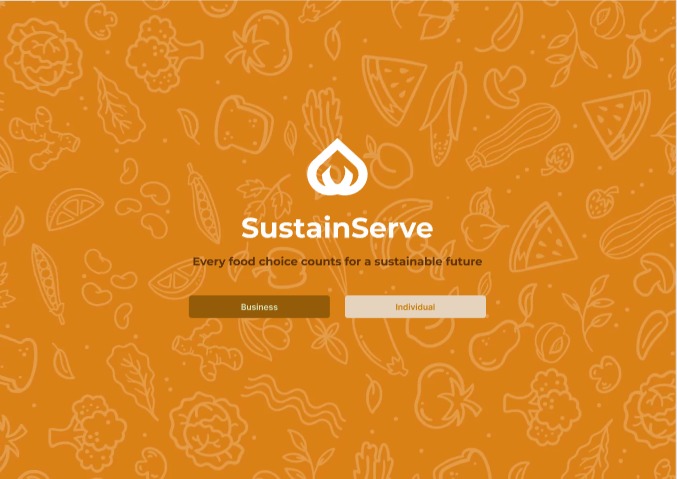
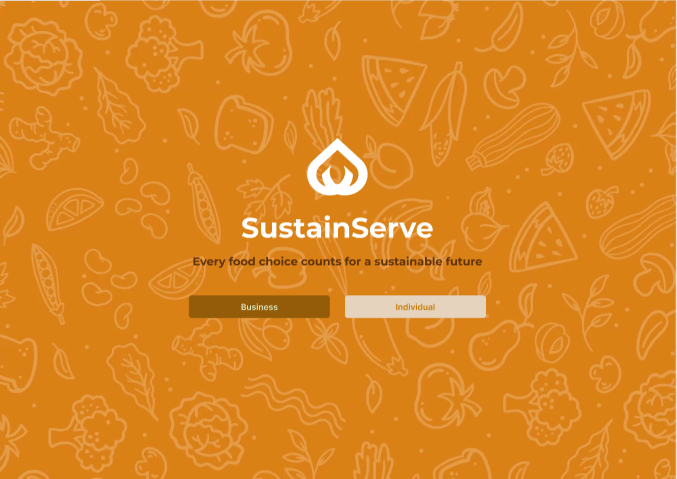
Landing page
-
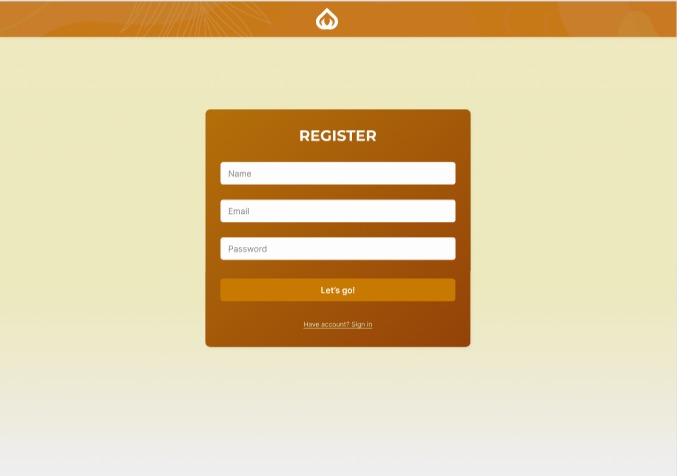
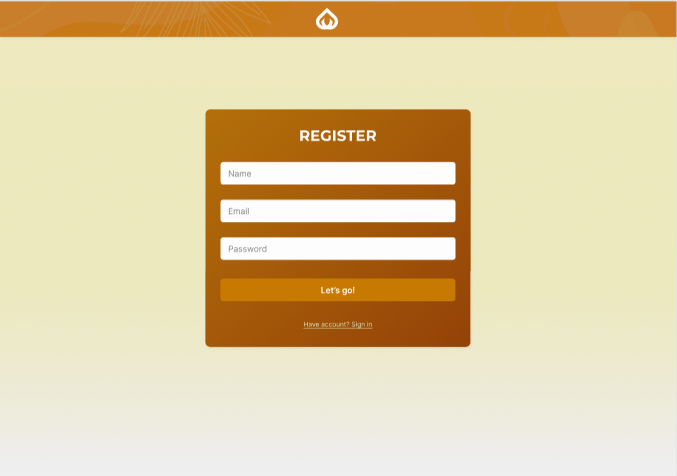
Register
-
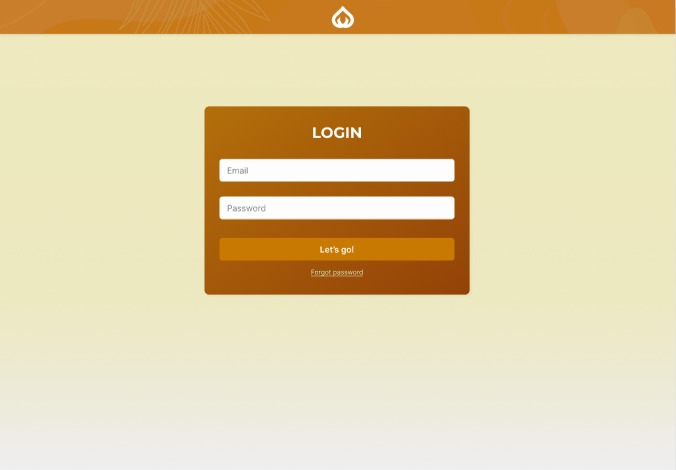
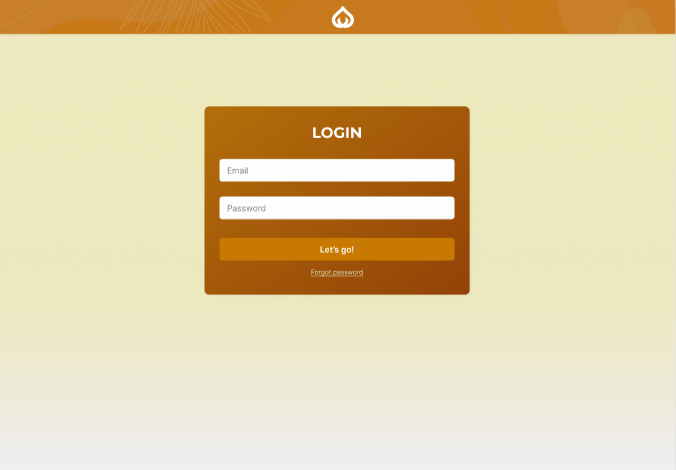
Login
-
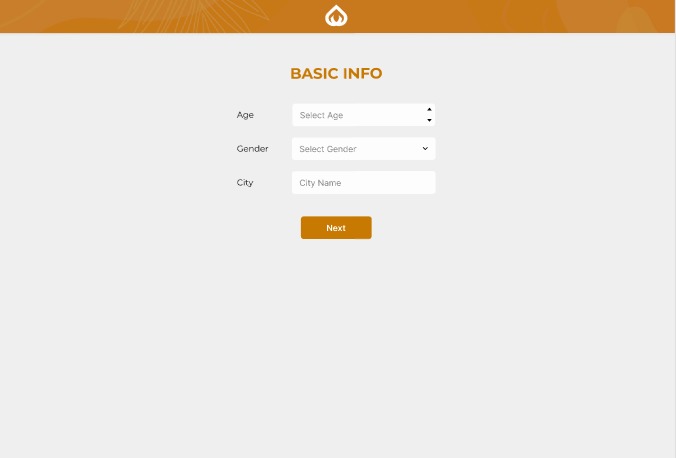
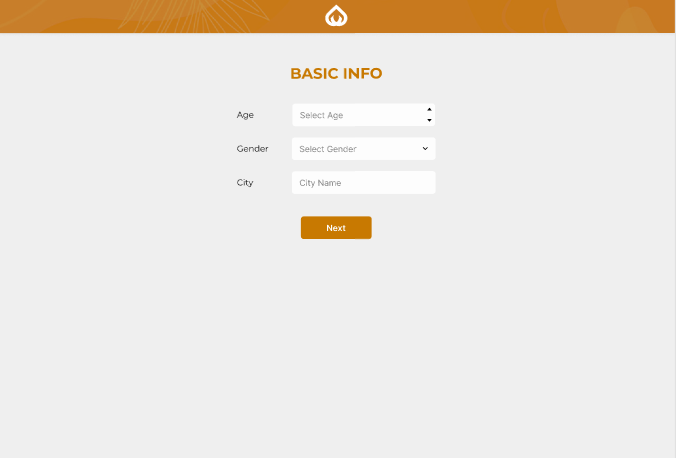
Basic Info
-
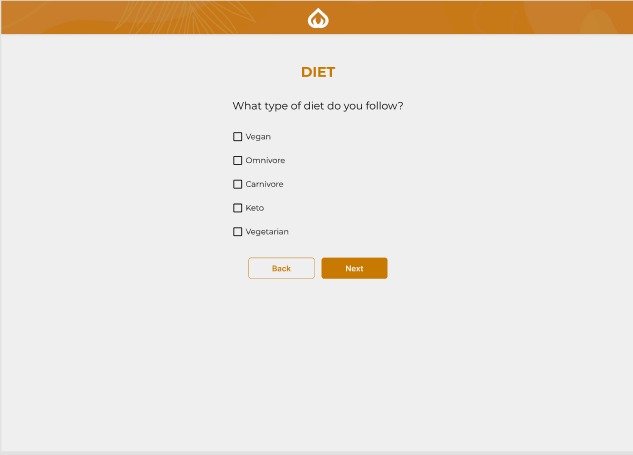
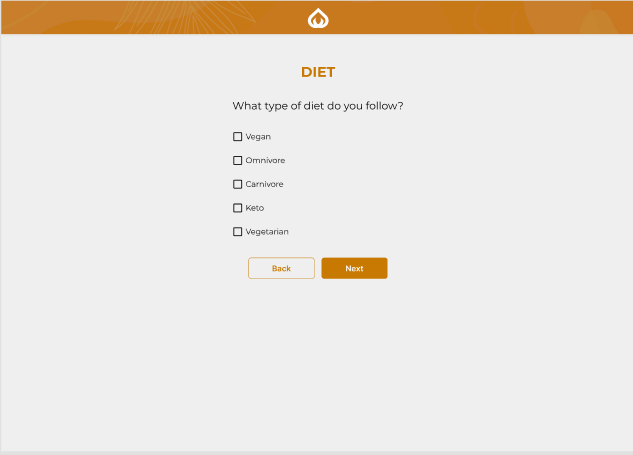
Diet
-
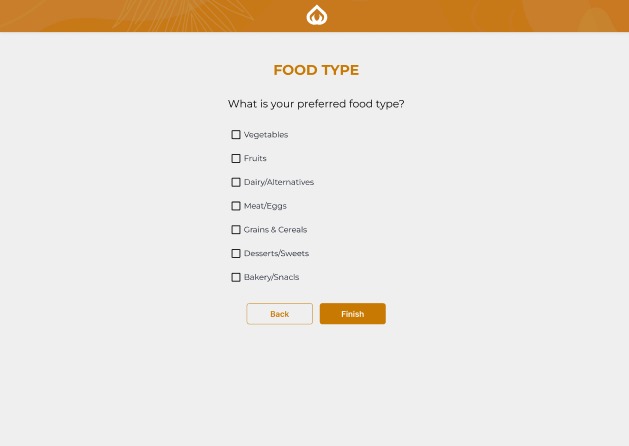
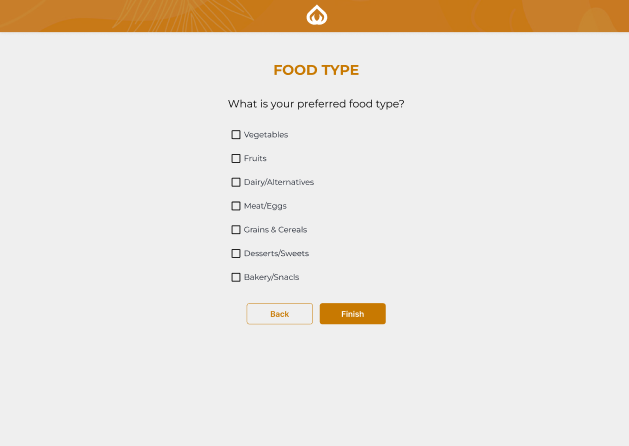
Preferred Food Type
-
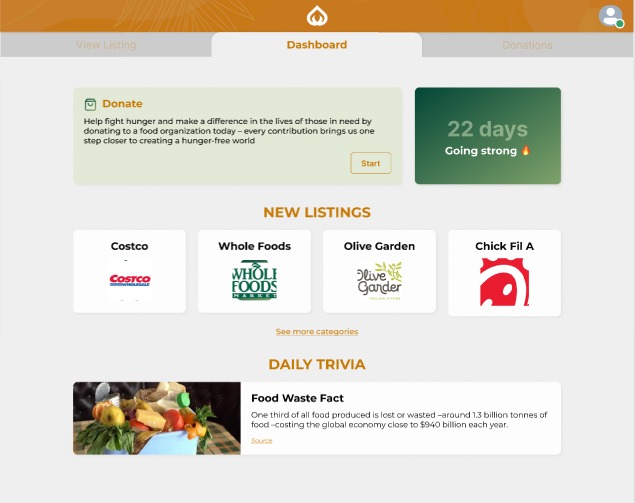
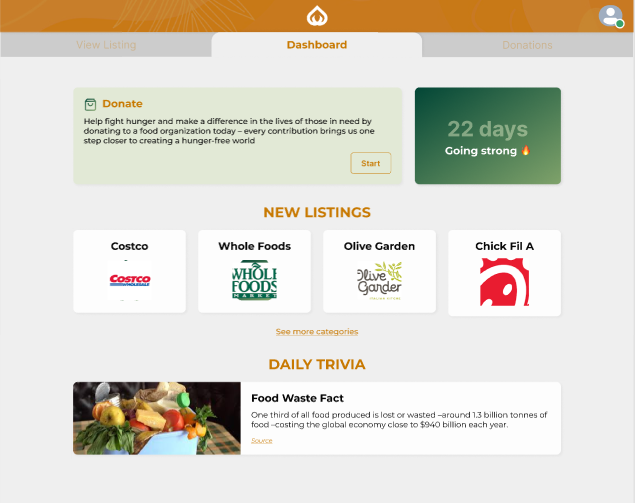
Dashboard
-
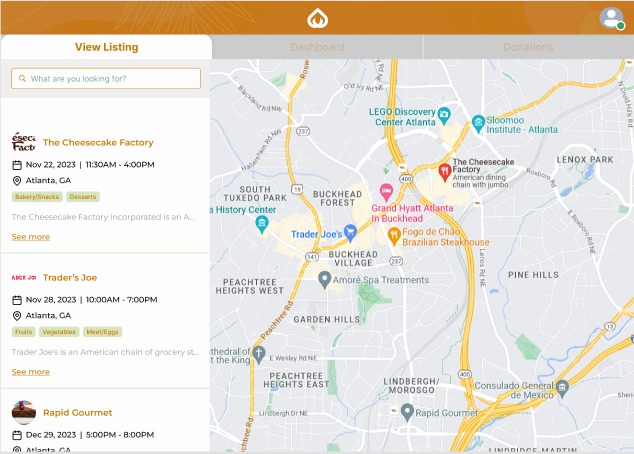
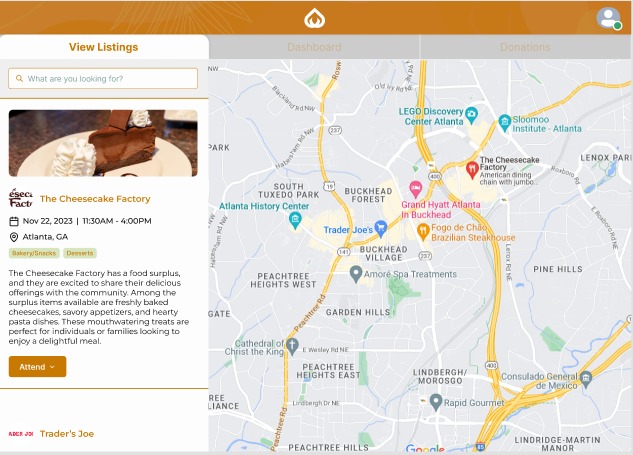
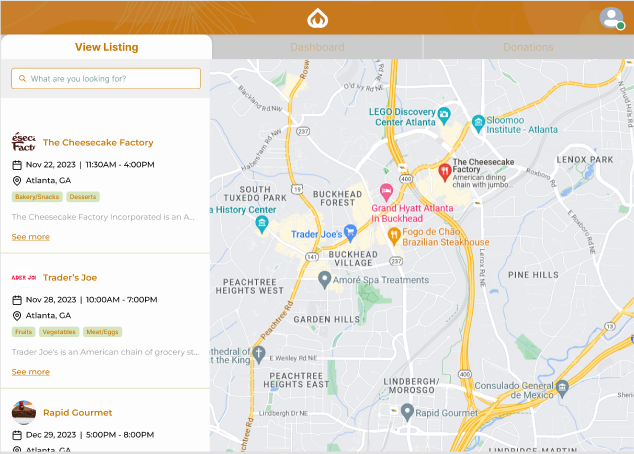
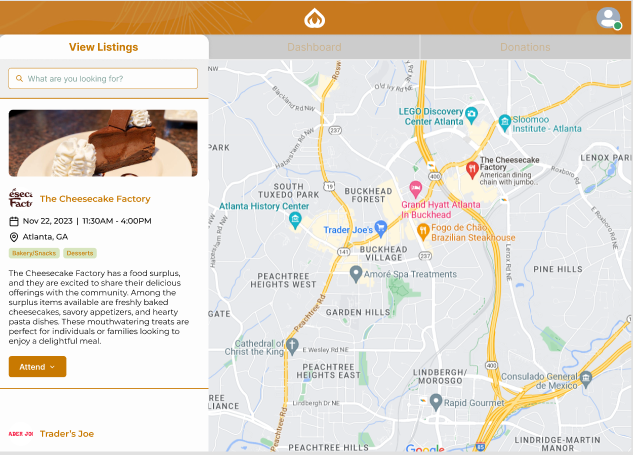
View Listing
-
-
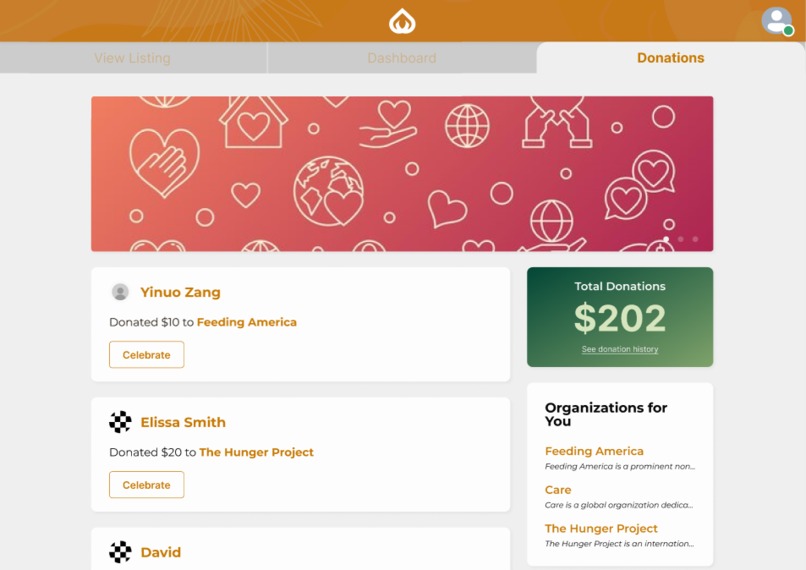
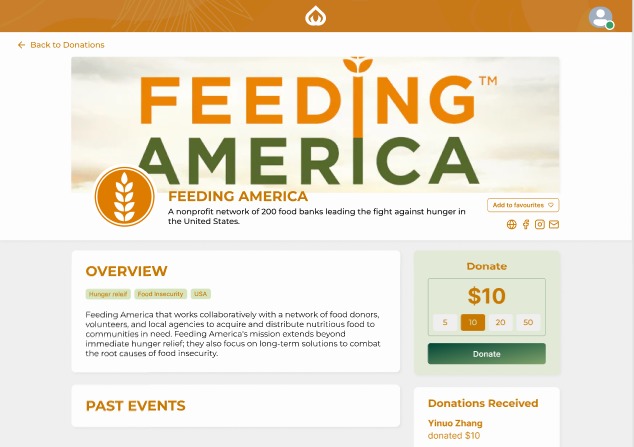
Donations
-
Inspiration
The alarming statistics on global food waste, widespread hunger, and the profound environmental impact ignited the inspiration for our project. Annually, approximately 1.3 billion tons of food—equivalent to one-third of global production—is wasted, while 820 million people suffer from hunger worldwide. This staggering paradox not only deepens societal inequalities but also contributes significantly to environmental degradation, generating an estimated 3.3 billion tons of greenhouse gas emissions, further intensifying the urgency to address both food waste and hunger for the well-being of people and the planet. Driven by a deep commitment to social good, we envisioned a platform that would serve as a catalyst for change, seamlessly leveraging technology to address these pressing issues. By creating a space where businesses can redirect surplus food to those in need, we aim to foster a sense of community, drive sustainability efforts, and actively contribute to reducing the staggering amount of food wasted each year. Our project represents more than just a technological solution; it's a step towards making a meaningful contribution for a more sustainable and socially responsible future.
What it does
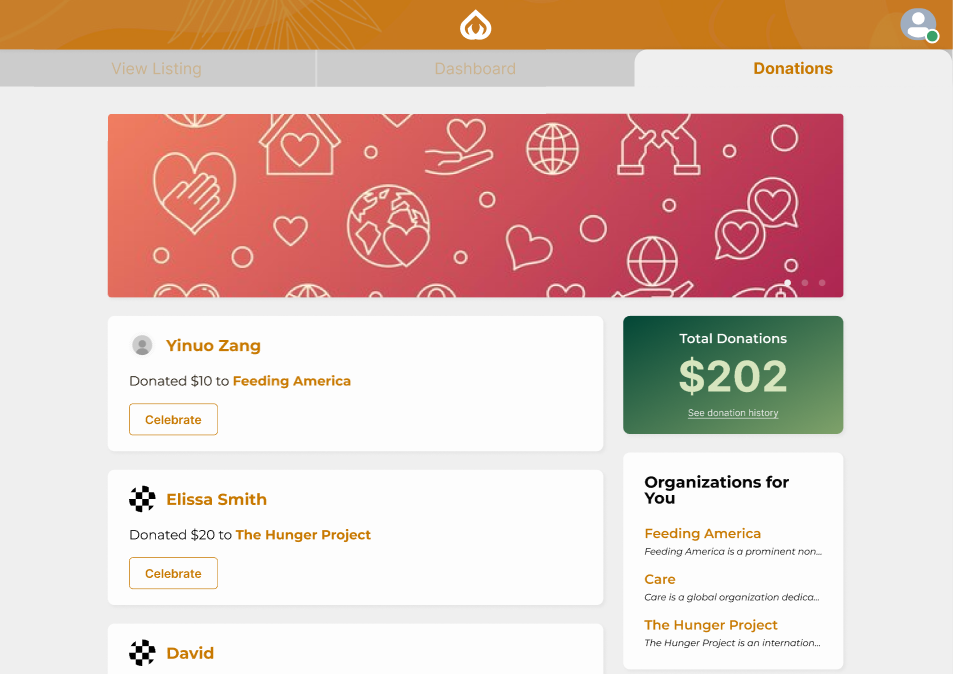
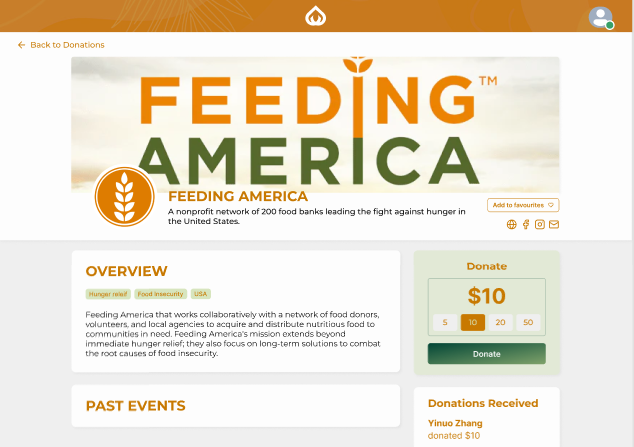
The platform serves as a dynamic hub connecting businesses with surplus food to individuals and organizations in need, fostering a community-driven approach to combat food waste and hunger. Users can seamlessly register, specifying their preferred food types and dietary needs. They can receive real-time notifications about available surplus food in their vicinity, tailored to their preferences. Moreover, they can also explore detailed listings near their location, communicate with donors, and confirm pickups, contributing to a more sustainable and compassionate community. Furthermore, they can also donate to non-profit organizations which help fight hunger and food insecurity issues, thereby making a positive impact.
For businesses, the platform provides a user-friendly interface to list surplus food items with details such as type, quantity, and expiration date. An intelligent matching algorithm then identifies potential recipients based on proximity and preferences. Businesses can communicate directly with recipients, coordinating the efficient and safe transfer of surplus food.
How we built it
- Design: Figma
Challenges we ran into
- Coming up with an innovative and feasible idea
- Creating a design within limited time
Accomplishments that we're proud of
- Doing a solo project
- Completing the project within the given time frame
- Making an intuitive and user-friendly design
What we learned
- Efficient time management and collaboration
- Prioritization
- Problem-solving abilities
- Prototyping and creating an MVP
What's next for SustainServe
- Building a functional application
- Adding more new features (we had limited time, so we couldn't implement all the features we wanted to)
- Integrating ML/AI
Built With
- figma


Log in or sign up for Devpost to join the conversation.