About the Project: SustainLABs
Inspiration
The idea for SustainLABs was born from a simple question:
“How can we make clean energy education immersive, accessible, and future-ready?”
With climate change accelerating and energy systems evolving, we wanted to empower students to not just learn—but simulate, optimize, and innovate. Inspired by real-world microgrids, smart cities, and the rise of AI and blockchain in energy, we envisioned a platform where learners could experiment safely and creatively.
What We Learned
Building SustainLABs taught us:
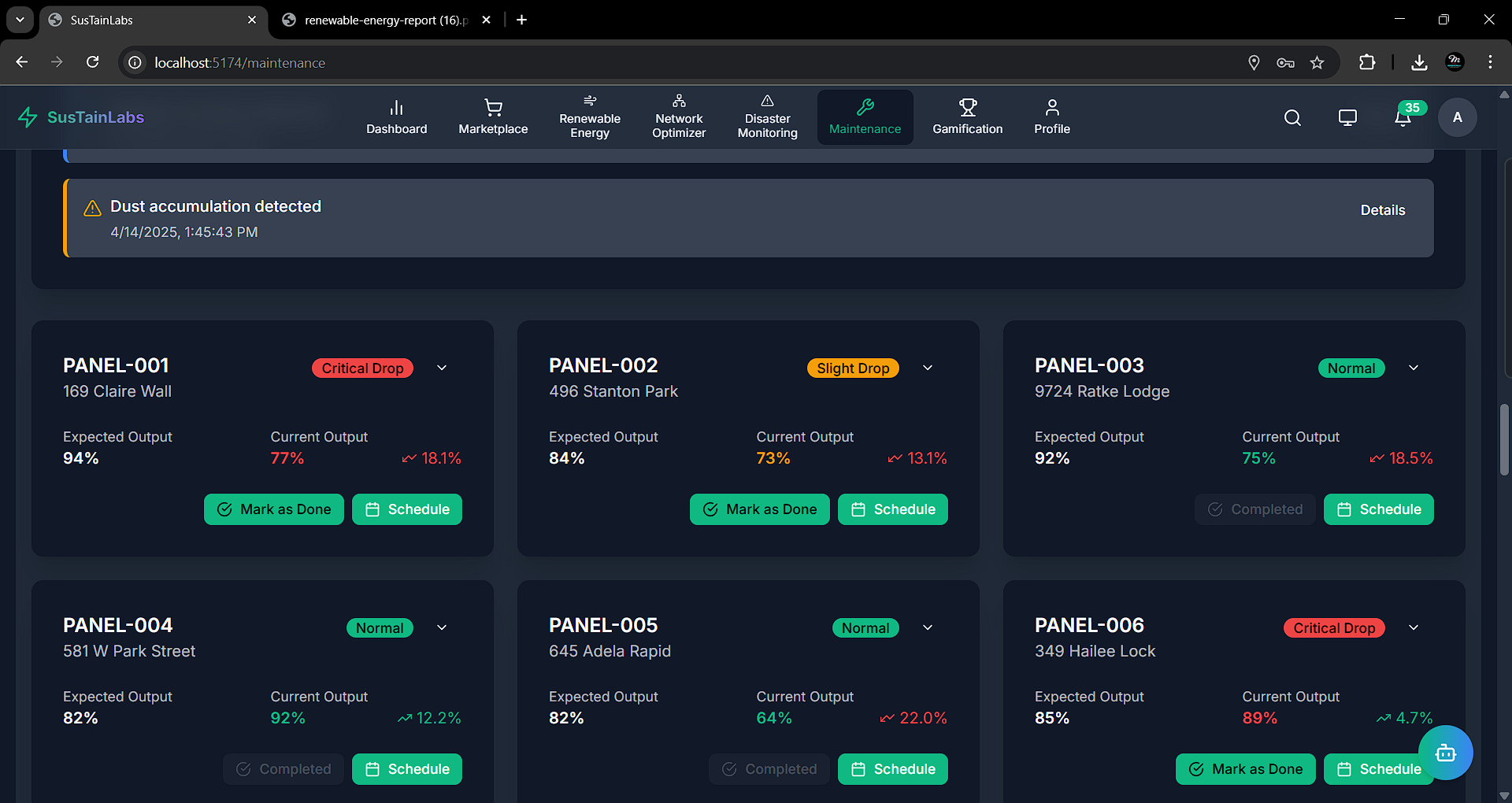
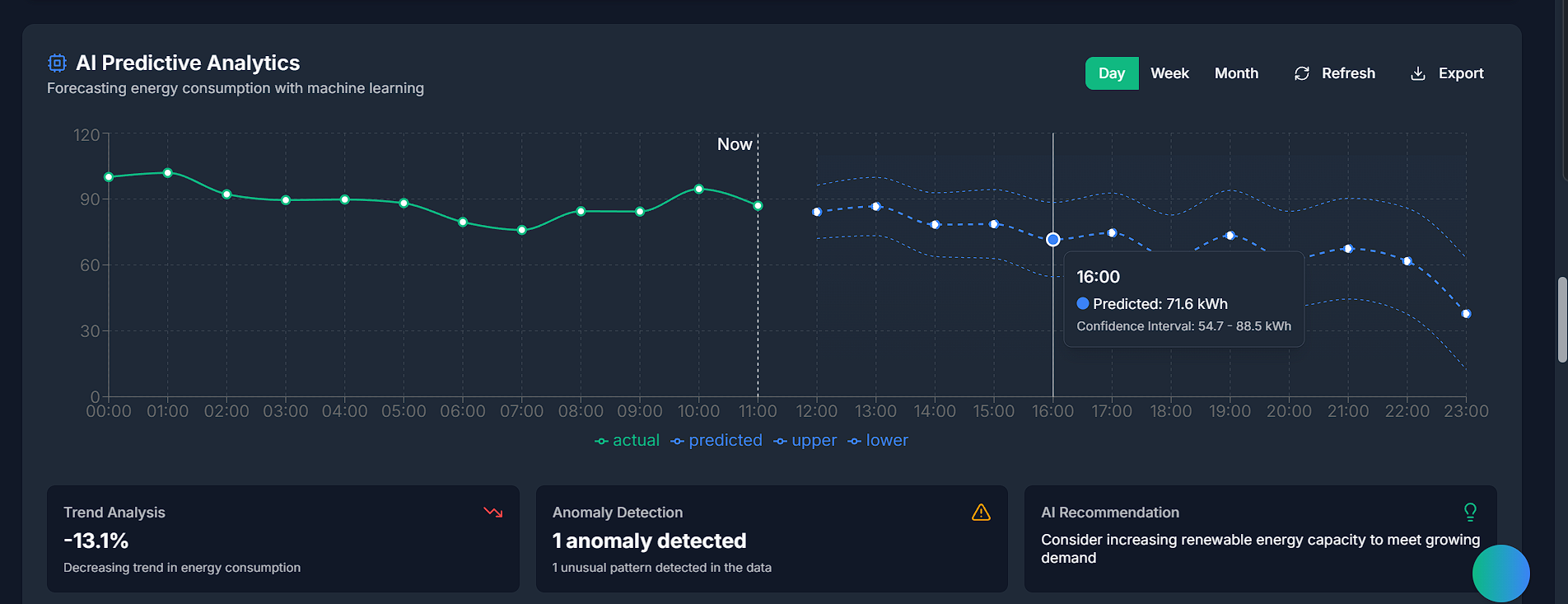
- How to integrate AI models for predictive maintenance and energy optimization
- The power of blockchain in simulating decentralized energy trading and credit tracking
- How to design gamified learning paths that keep students engaged
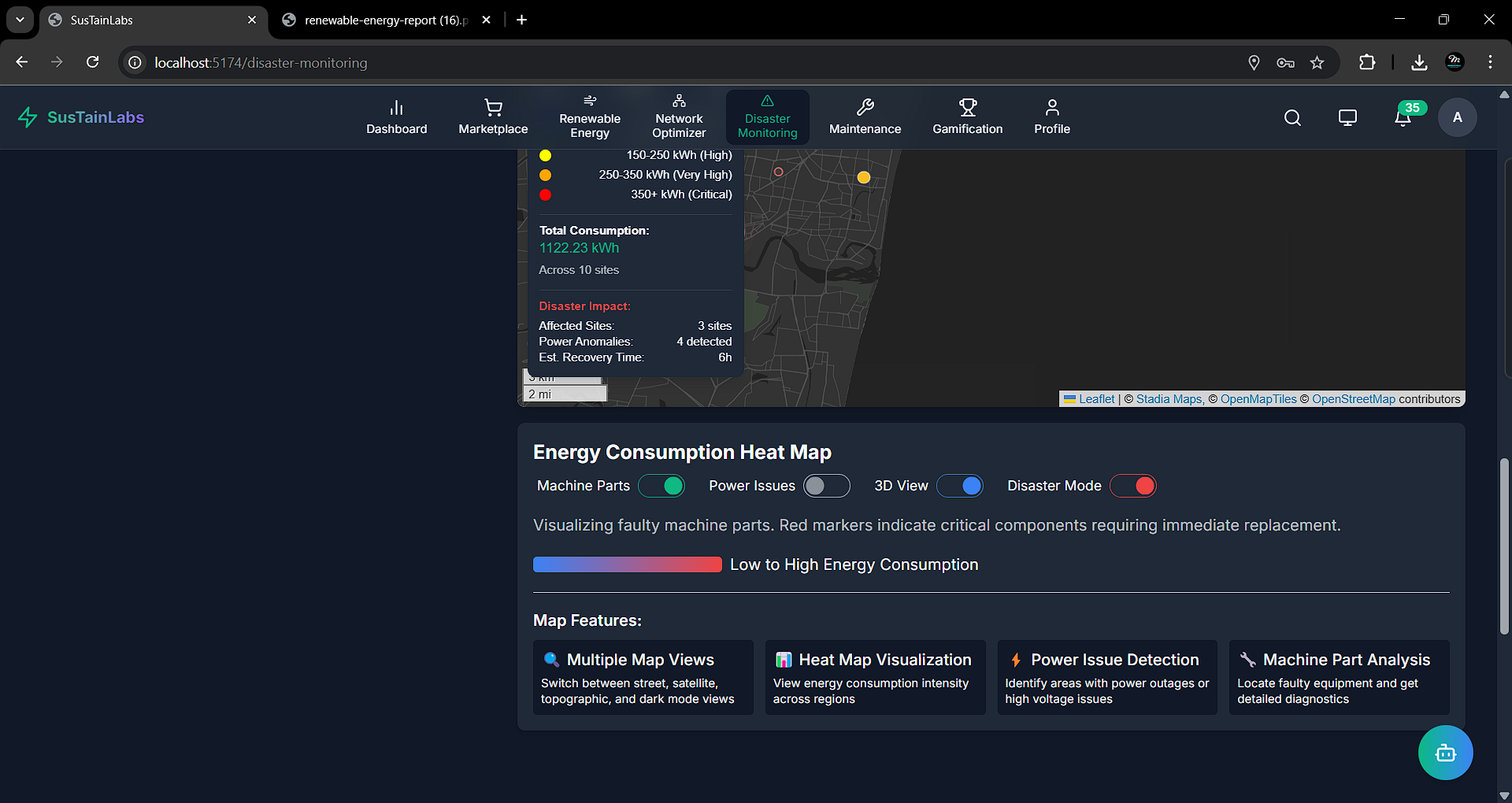
- The importance of real-time data streaming and visualizations for system health and decision-making
We also deepened our understanding of energy systems, including:
Efficiency = (Useful Energy Output / Total Energy Input) × 100%
and how weather variables like irradiance and wind speed impact energy production.
How We Built It
Frontend:
- React + TypeScript for a dynamic UI
- Framer Motion for smooth animations
Backend:
- Python (Django) for API and AI integration
- TensorFlow + Google Generative AI for predictive modeling
- Supabase, MongoDB, and TimescaleDB for data storage
- InfinyOn/Fluvio for real-time data streaming
- Monad + Base for blockchain simulations
Setup Highlights:
npm install
npm run dev
python manage.py runserver
Challenges We Faced
- AI tuning: Training models to predict failures with limited synthetic data
- Blockchain UX: Making smart contract interactions intuitive for students
- SPA routing: Ensuring smooth navigation with Netlify and dynamic dashboards
- Performance: Optimizing real-time simulations without lag on low-end devices
Final Thoughts
SustainLABs is more than a project—it's a movement toward hands-on climate education. We believe that by simulating the future, students can shape it. And with every dashboard, mission, and microgrid, we’re one step closer to a greener tomorrow.


Log in or sign up for Devpost to join the conversation.