-
-
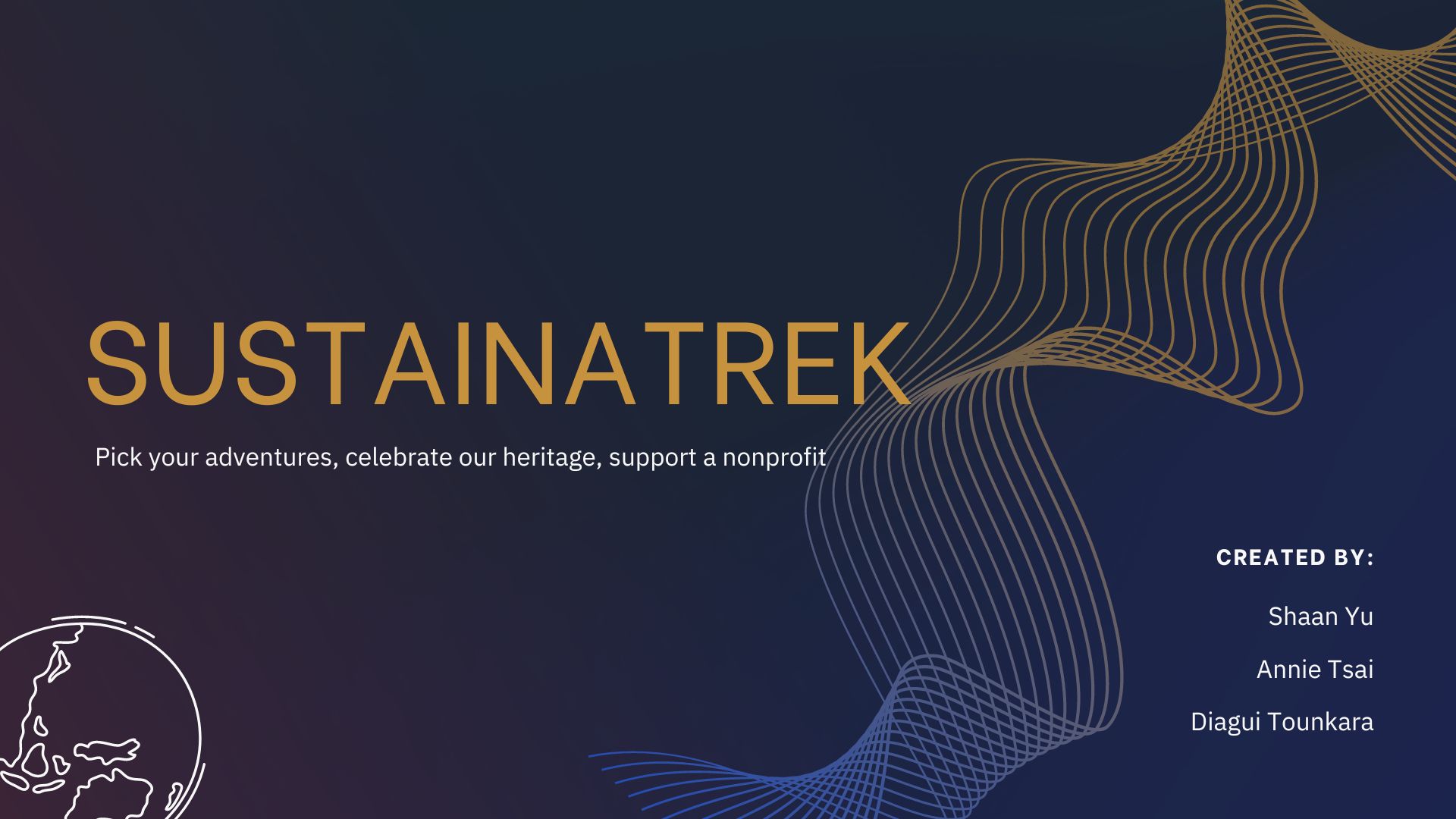
Cover page
-
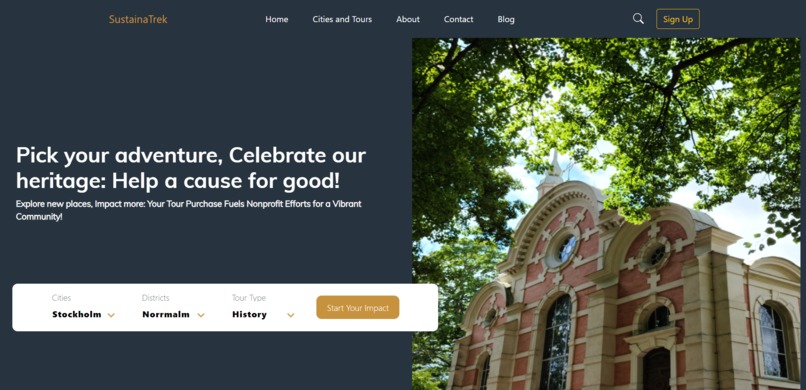
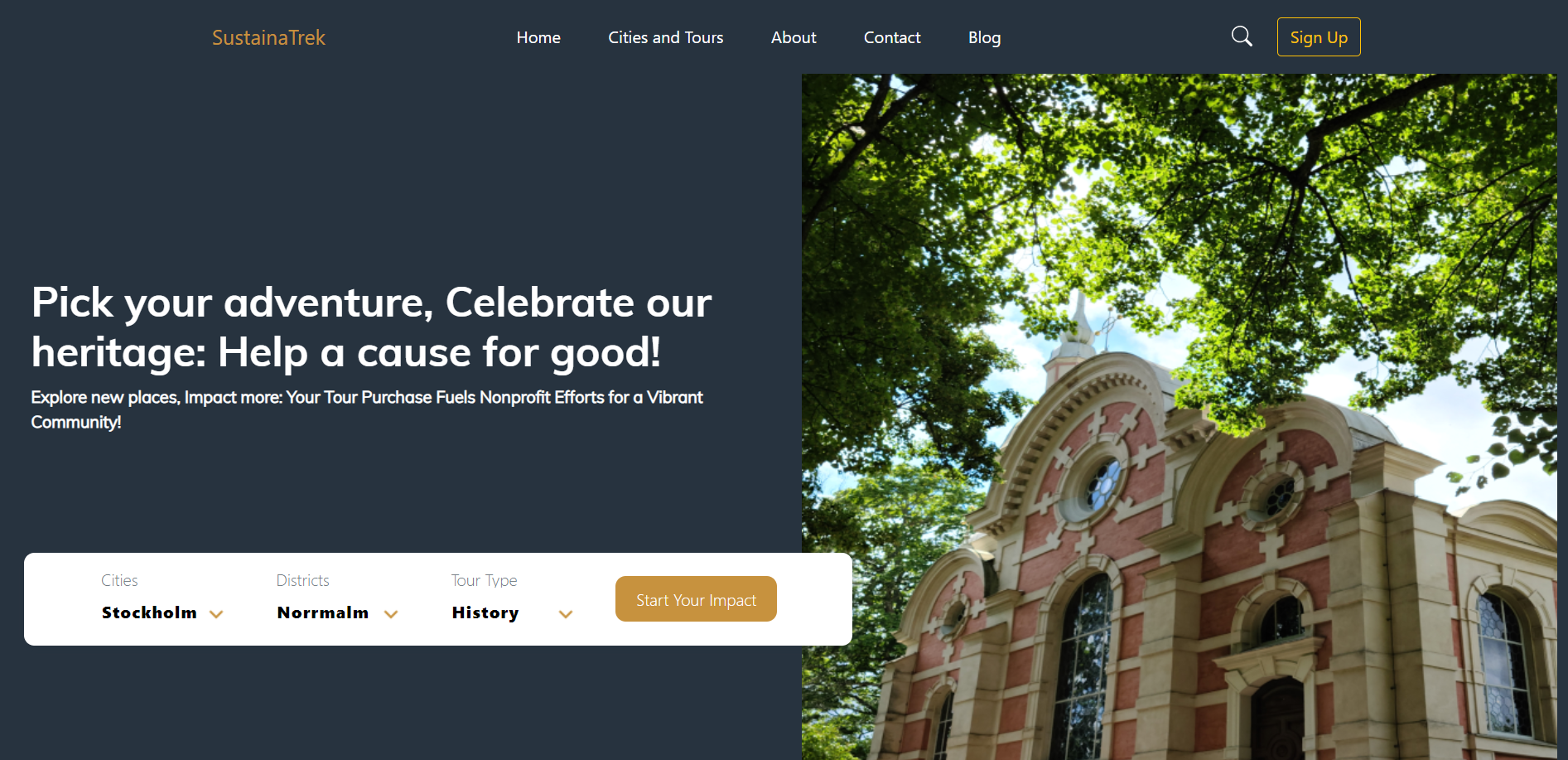
Website home page
-
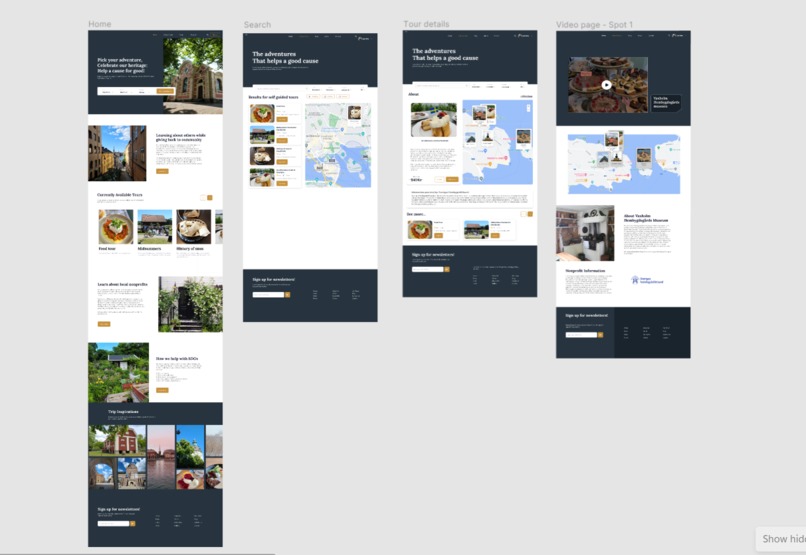
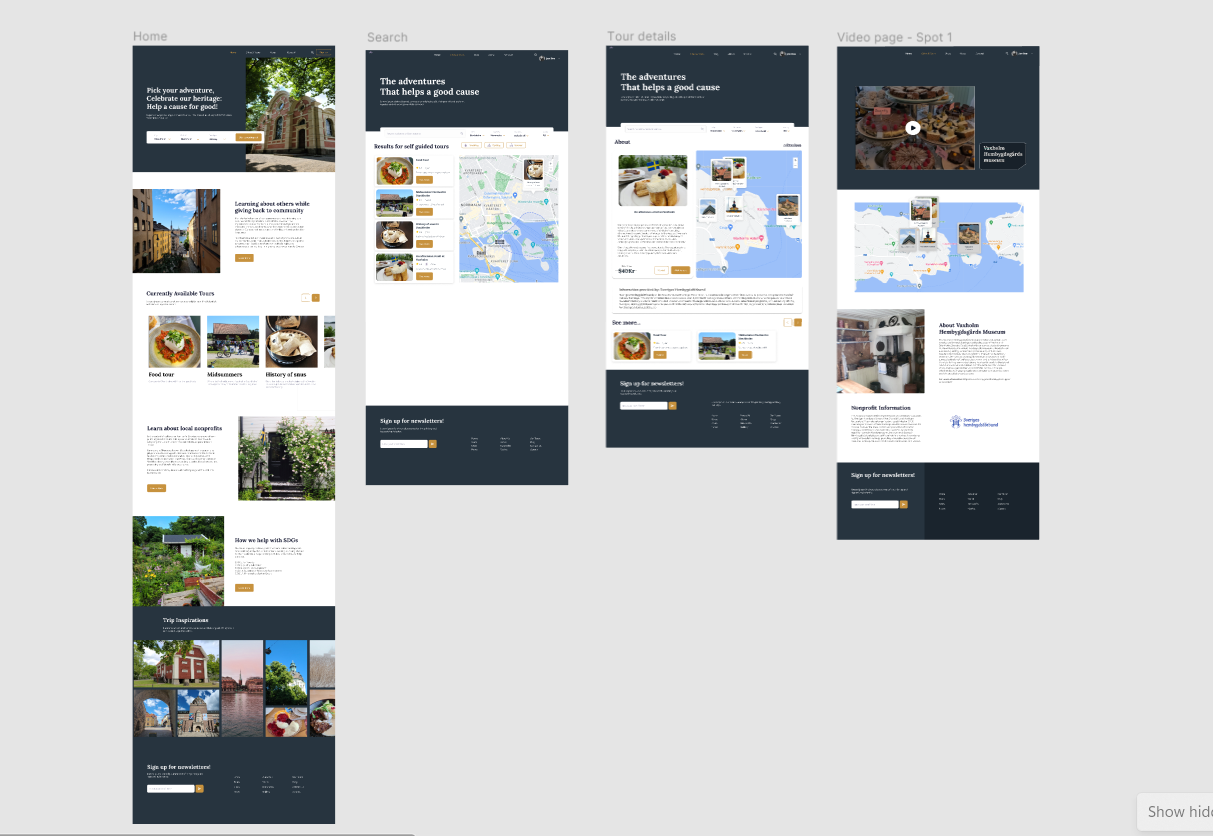
Concept page 1
-
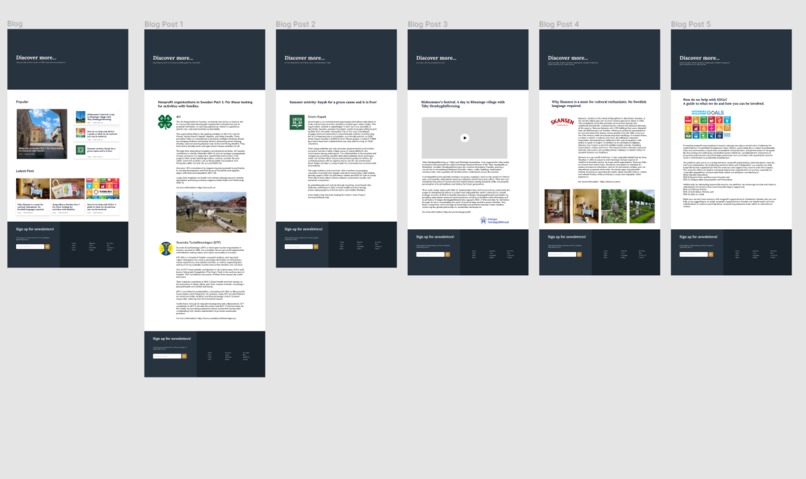
Concept page 2
-
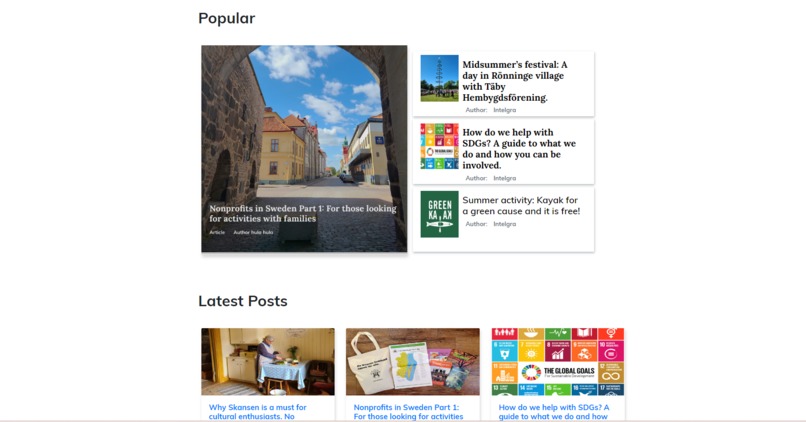
Blog page
Inspiration
Connecting Travel and Nonprofits
Have you ever wondered how you can help nonprofits while traveling? Are you tired of visiting places you found on Google Maps and Tripadvisor with glowing reviews but still feeling unfulfilled, like something is missing? Do you want to receive carefully crafted tours ingrained with local culture whilst also supporting a good cause?
The Birth of SustainaTrek
It all began in the summer of 2022 in Stockholm, Sweden when Annie was interning at Sveriges Hembygdsförbund, the Swedish Cultural Federation. The organization has a wealth of amazing resources on Swedish culture and history, yet there was a lack of an outlet, staff, and resources to publish their content. Additionally, despite the 9.2 million international visitors to Stockholm, Sweden in 2021, the organization is struggling to attract international visitors and immigrants to attend their cultural events. Furthermore, the nonprofit organization is seeking additional funding sources but is hesitant to accept donations because, in their culture, they believe in working for something in exchange.
After conducting online and in-person surveys, Annie discovered that international visitors and immigrants face difficulties accessing information about Swedish culture and local events that are unique and curated by locals. The information provided by most tourism-related sites, including reviews and ratings, is not satisfactory for users who want to learn more about the background of cities.
The Tourism Industry Landscape
The Vast Tourism Market
Tourism is a multi-trillion-dollar industry worldwide. According to Statistica, the market size projection for 2023 is $2.29 trillion USD. Companies such as Tripadvisor, Yelp, and Google Maps have successfully diversified travel experiences within the tourism industry. However, a survey conducted by Skift (2020) found that 65% of participants agreed that sharing personal, local stories is a more effective content strategy than simply highlighting beautiful imagery and locations within a destination. Despite these successful strategies, there have been limited efforts to share and learn from them in order to help nonprofit organizations in local areas gain more exposure and funding.
What it does
Empowering Nonprofits through SustainaTrek
The SustainaTrek project is an innovative solution that aims to support nonprofit organizations by providing them with a platform to showcase local communities' culture, history, and activities to do with their own content. Through the creation of travel routes and curated content about each point of interest along the way, the project offers a unique way to share the narratives of these communities by the nonprofit organizations. These routes can be accessed by a variety of means, including walking, biking, or public transportation.
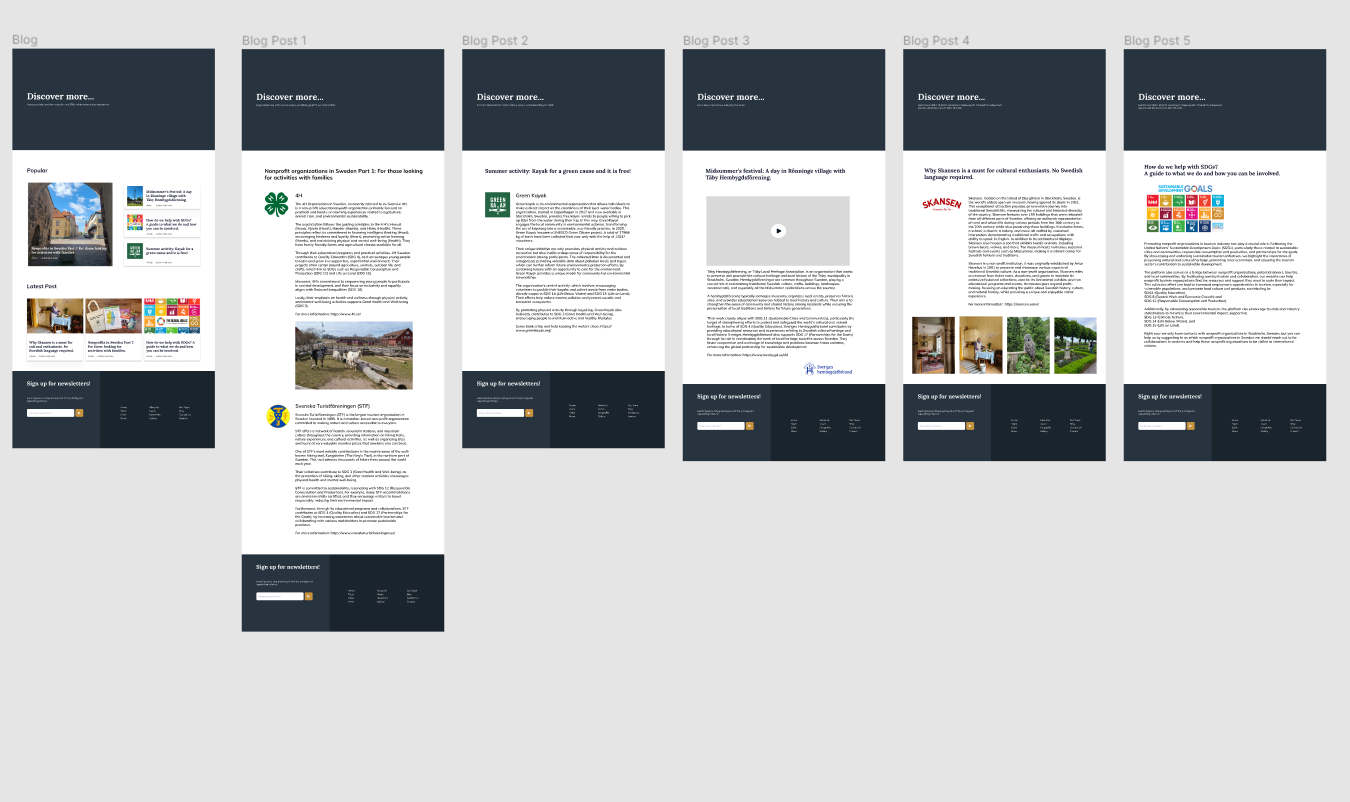
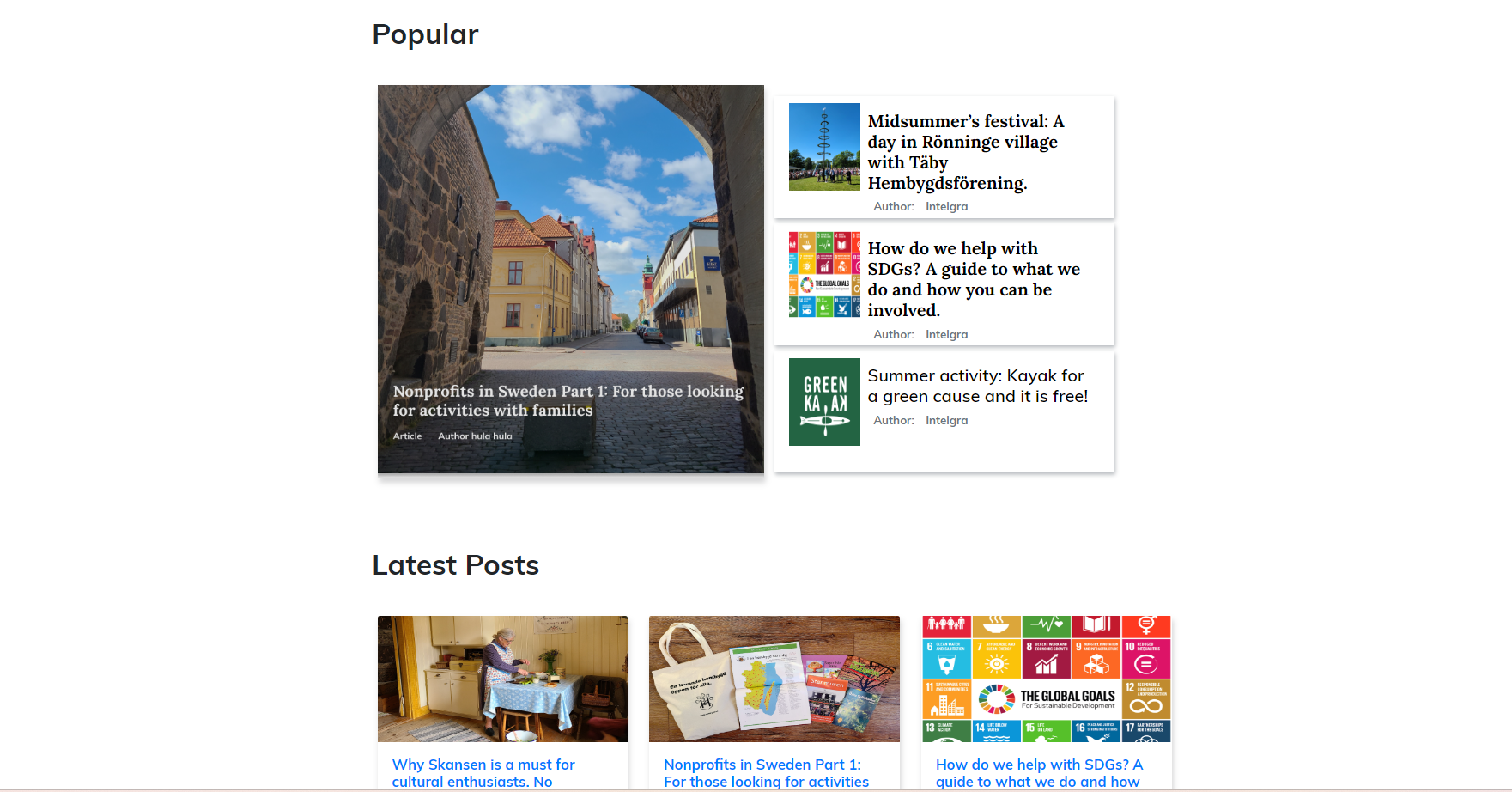
In addition to promoting local communities, the SustainaTrek project also seeks to advance the Sustainable Development Goals (SDGs) by highlighting the organizations involved in the project through articles in the blog section. These articles provide users with an opportunity to learn more about each organization and the work they are doing to promote sustainability in their respective communities.
By participating in the SustainaTrek project, nonprofit organizations gain exposure to diverse audiences who are interested in sustainable tourism and are looking for ways to connect with others. Moreover, the project helps these organizations to gain additional funding resources and to express the unique characteristics of their community through their own narratives. In this way, the SustainaTrek project helps to promote sustainable tourism and supports the important work of nonprofit organizations.
How we built it
Collaborative Efforts in Creation
In the development of the SustainaTrek project, Annie Tsai played a crucial role as she was responsible for the UX design and content creation of the website. Annie's contributions included the creation of most of the photos, videos, and articles featured on the concept website. As a result, her role was instrumental in ensuring that the website was user-friendly and visually appealing, which would ultimately help attract more users to the site.
Whilst Annie was developing the UX and Content, the website developers Shaan Yu and Diagui Tounkara played a critical role in coding the website, utilizing various technologies such as Bootstrap, HTML, CSS, JS, and the Google Maps API to build the website. These technologies helped the developers create a website that was not only visually appealing but also functional and interactive.
In the end, everyone involved played a monumental role in creating SustainaTrek as it is today.
Overcoming Challenges
The first challenge our team encountered was determining the project's scope and requirements. With only two weeks to work with and team members in different time zones with other obligations, we needed to be concise in our plans. We decided to create a website with only one tour route available to reduce content creation time, while also including more blog articles to increase content variety, and all the content are focused on Stockholm, Sweden for demonstration purpose. As a team, we relied on text messages for communication and trusted each other to complete the assigned tasks.
During the SustainaTrek project, Shaan Yu used Bootstrap, HTML, CSS, JS, and the Google Maps API. However, he faced some challenges with JS due to his limited experience with it, which required him to spend time researching and making the Google Maps API compatible with the website. Despite the challenges, this experience provided a great opportunity to learn how to integrate APIs into a project.
Diagui Tounkara, as a PHP, CSS, and JavaScript developer working on a website focused on tourism and biodiversity, encountered several challenges throughout the development process. One of the challenges that really stood out to him is cross-platform adaptability: In a world where users access websites from different platforms and devices, it is important to make the site compatible with different screen sizes and browsers. He had to make sure the website was responsive and provided a consistent experience across desktops, tablets, and smartphones. This challenge required continuous effort, research, and problem-solving, but through this challenge, He was able to gain and improve web development skills.
For Annie Tsai, deciding which web page to create content for was a challenge. With only 2 weeks of time, it took some research effort to select appropriate nonprofit organizations that have interesting activities that may be useful information for users. Also doing the website design in a short amount of in 2 days was also challenging since Annie Tsai just started her UX design career.
During the development of the project, everyone involved took a less-than-traditional approach to the development. Whilst on an ordinary project, the developers would not begin programming until the design was created by the UI/UX Personnel, in this project, we we were unable to take such liberties. Due to the very limited time constraints, developers were forced to program as more content was being added and adjusted, leading to a large and fast development workload.
According to Shaan Yu, a front/back-end developer for the project, "We were adding new features and content as they came, and were in fact actively adjusting the website multiple times during the filming of the demo."
All in all, this project was a great challenge for everyone involved, and greatly increased the experience of all the developers.
Accomplishments that we're proud of
Shaan Yu takes pride in turning UI designs into code and working on API integration in the project. Diagui Tounkara is proud of developing his frontend development skills after months of not working on them, and making the website adjustable to different screen sizes. And last but not least, Annie Tsai is proud of finishing her first hackathon project and being able to handle UX/UI design and content creation in just two weeks. Overall, the team came up with an efficient solution to help nonprofit organizations generate additional funding sources while also benefiting those interested in learning about different cultures, and efforts toward SDGs is the biggest accomplishment we are all proud of.
What we learned
The Importance of Trust in Team Projects
After working on the SustainaTrek project, our team realized that trust is one of the most important factors that contribute to the success of any project. Without trust, it would have been challenging to proceed with the project, given that all three members live in different time zones and have other obligations in life. This made it difficult for us to have video or voice chat meetings, which are essential for discussing and resolving issues effectively.
However, by trusting each other, we were able to establish a strong communication framework that allowed us to share ideas, provide feedback, and work collaboratively toward achieving our goals through text messages.
As a result of this experience, we learned that trust is essential in any team-based project. It helps to build a positive and productive working environment, where team members feel comfortable sharing their ideas and opinions. Without trust, team members may hesitate to communicate openly, which can lead to misunderstandings, delays, and conflicts.
Tailoring Solutions for Nonprofits
We also learned that it is important to identify the problems that most nonprofit organizations face and discuss appropriate solutions. This helps in understanding the scale of work needed. Some problems require advanced technological innovations to resolve, while others can be addressed by utilizing appropriate business models and variations of technology that are already in use. We decided our options on what to do for our project based on what is the most efficient way to solve the problems that nonprofit organizations face.
What's next for SustainaTrek
There are many potentials for SustainaTrek. The website can be further developed to have full backend functionality so organizations can upload and create their own travel routes, and people can start purchasing travel routes. And there can be outreach efforts to nonprofit organizations in Sweden that are interested to gain additional sources of funding while contributing content that benefits international visitors and immigrants who want to learn more about local activities and history. Partnerships with local tourism agencies such as the Stockholm city tourism office and international student organizations in Stockholm can also be formed to help spread the word about the website.
Conclusion
A Journey with Challenges and Impact
Our Team faced many challenges during the development of this project. All the last minute adjustments, bug fixing, content adding, and tough decisions. Despite all of us facing this, and more, we can all agree that we created this demo for a good cause.
In just a short period of time, the SustainaTrek project has come a long way, and we are incredibly proud of what we have accomplished as a team. Our collective effort and dedication have led us to create an innovative platform that supports nonprofit organizations, promotes sustainable tourism, and contributes to the achievement of the Sustainable Development Goals (SDGs).
We firmly believe that SustainaTrek has the potential to make a significant impact. By providing a platform for nonprofits to share their unique narratives and curated travel routes, we can foster a deeper connection between travelers and local communities. This not only enriches the travel experience for visitors but also helps nonprofit organizations gain additional funding to pursue their noble goals.
Looking Forward
As we look ahead, we envision a bright future for SustainaTrek. With further development, the website can expand to include full backend functionality, empowering nonprofits to create and upload their own content seamlessly. We are excited about the potential partnerships with local tourism agencies and international student organizations in Stockholm to spread awareness and attract a wider audience.
We encourage other non-profit organizations to adopt this solution and adapt it to their specific contexts. Together, we can contribute to a more sustainable and socially responsible approach to tourism, benefiting communities and travelers alike.
Gratitude and Purpose
Finally, we extend our heartfelt gratitude to the organizers of this hackathon for providing us with this platform to innovate and create positive change. We also thank our team members for their commitment and hard work throughout this journey. It has been a rewarding experience, and we eagerly look forward to seeing SustainaTrek make a real difference in the world.
Even if we don't win this hackathon, in the end, we know that our true victory lies in the impact we've made and the progress we've achieved. We weren't in it to win; we were in it to create positive change and empower nonprofits towards a more sustainable future.


Log in or sign up for Devpost to join the conversation.