-
-
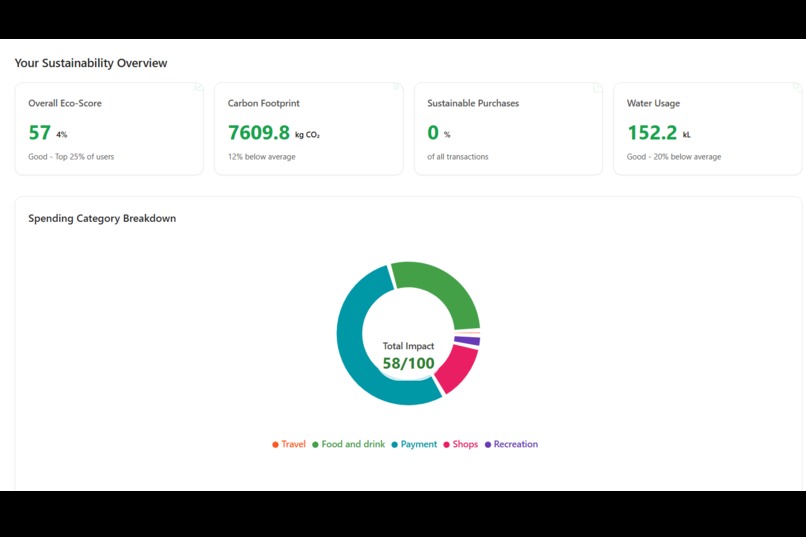
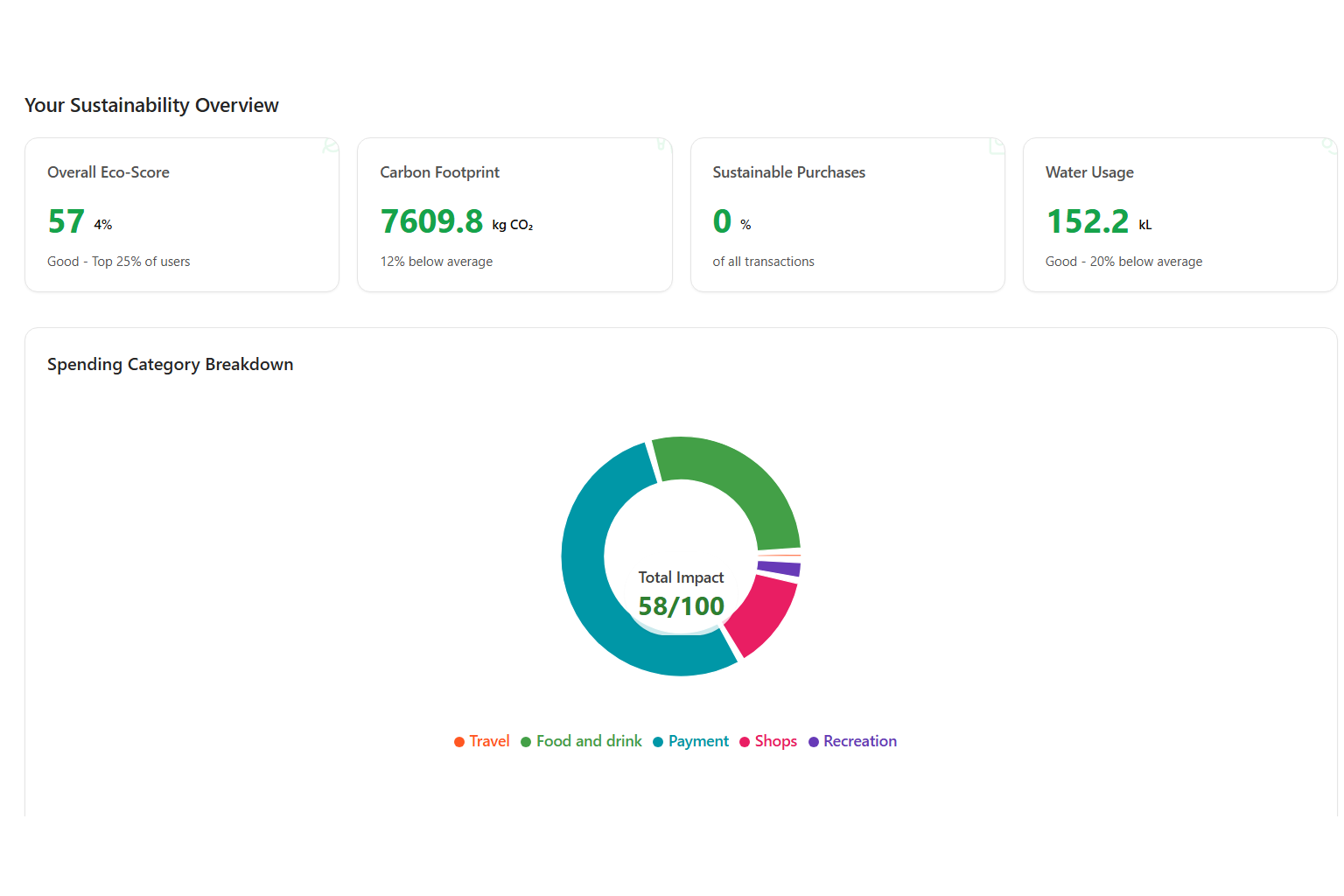
Sustainability overview
-
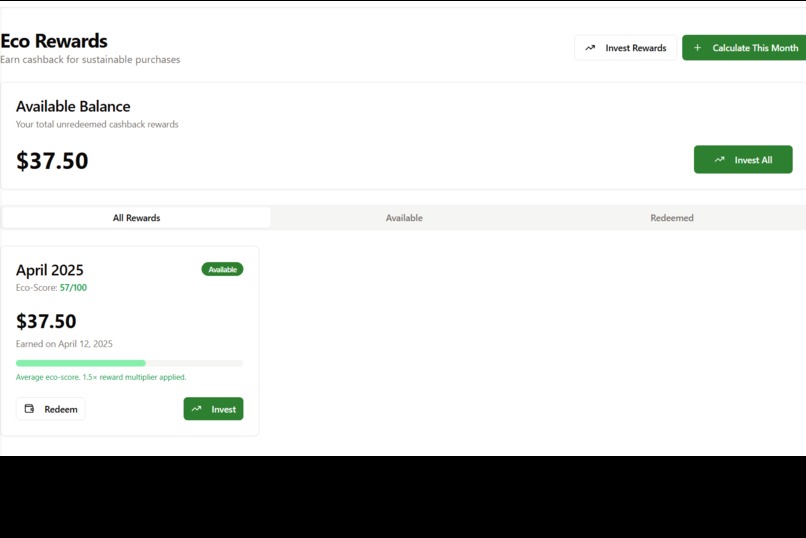
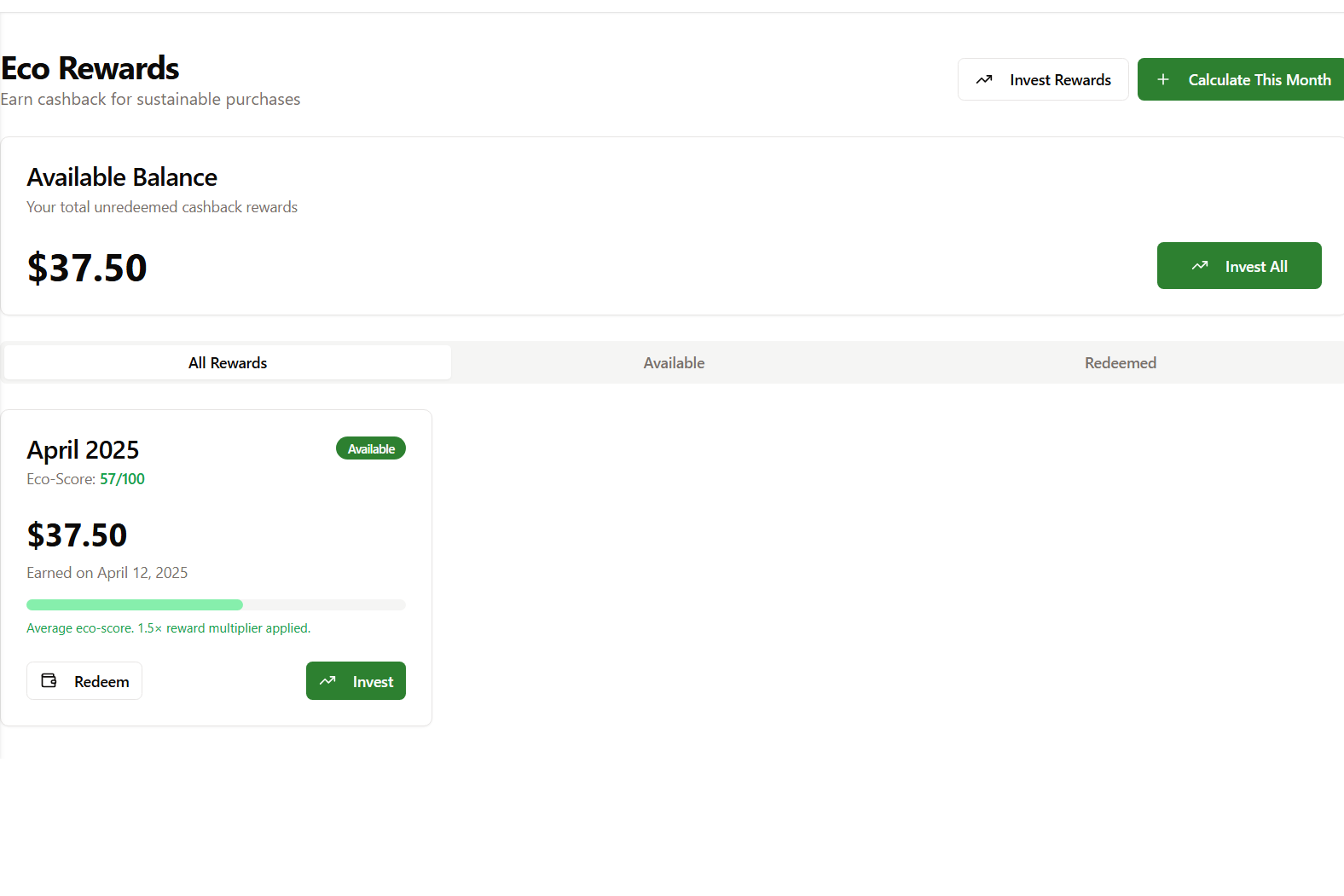
Rewards based on eco-score
-
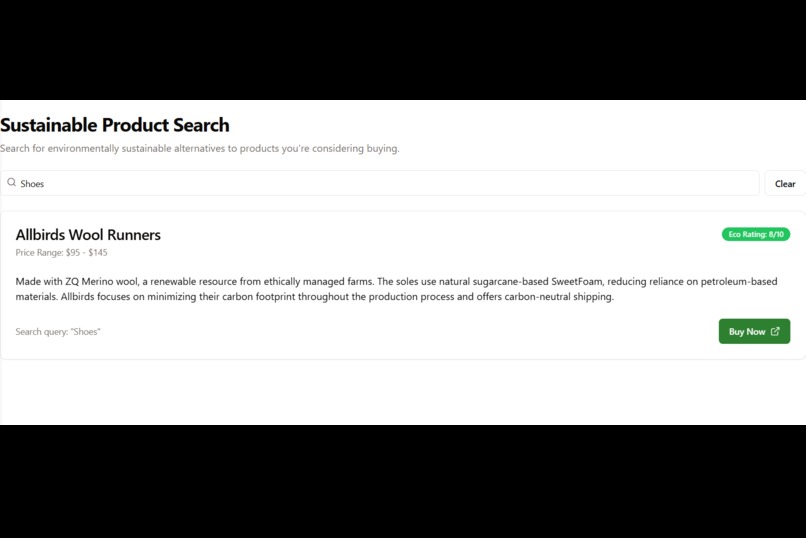
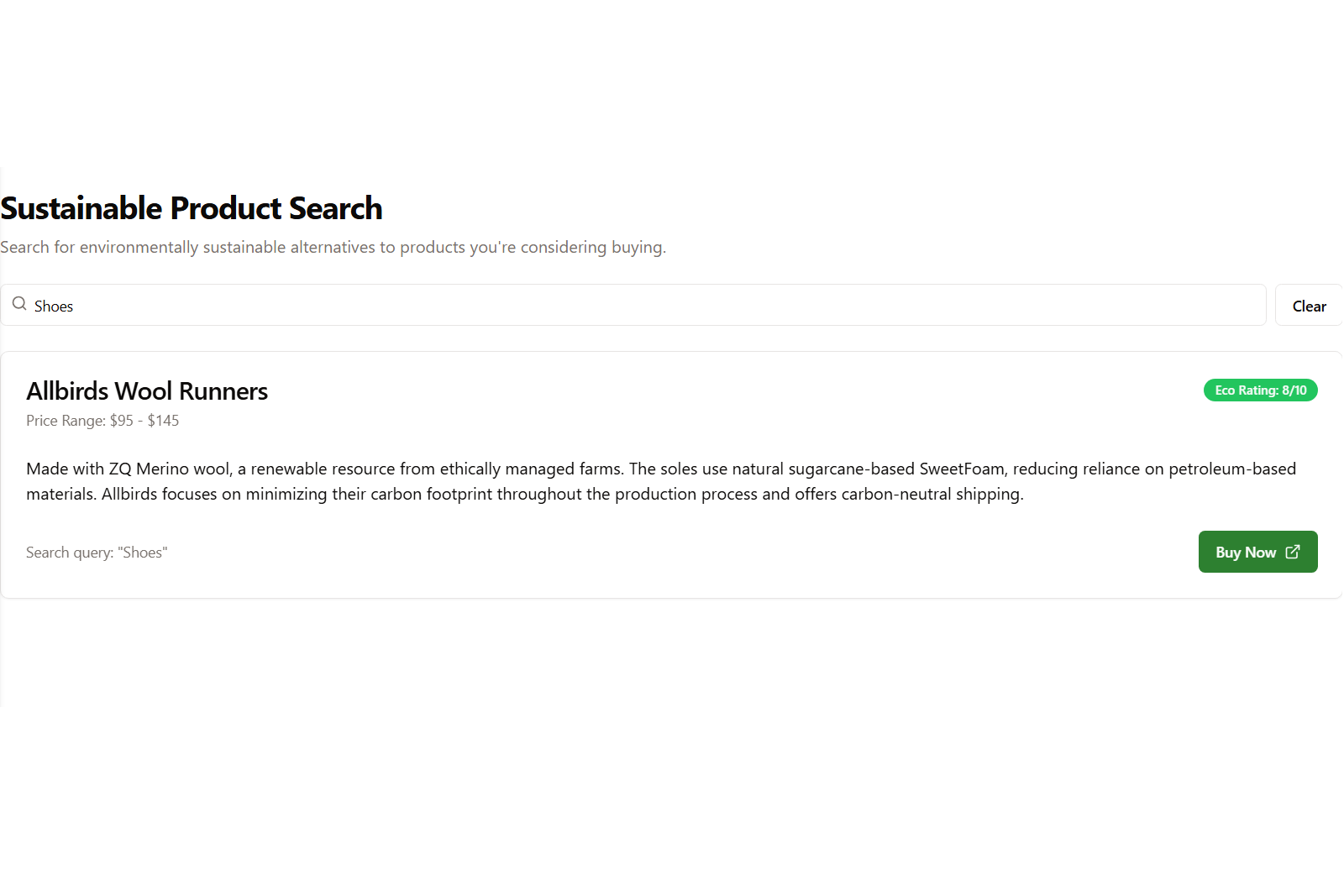
Sustainable search engine
-
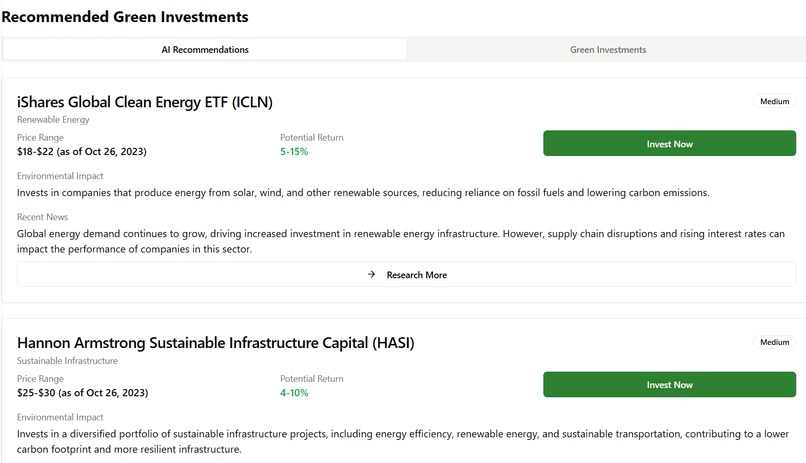
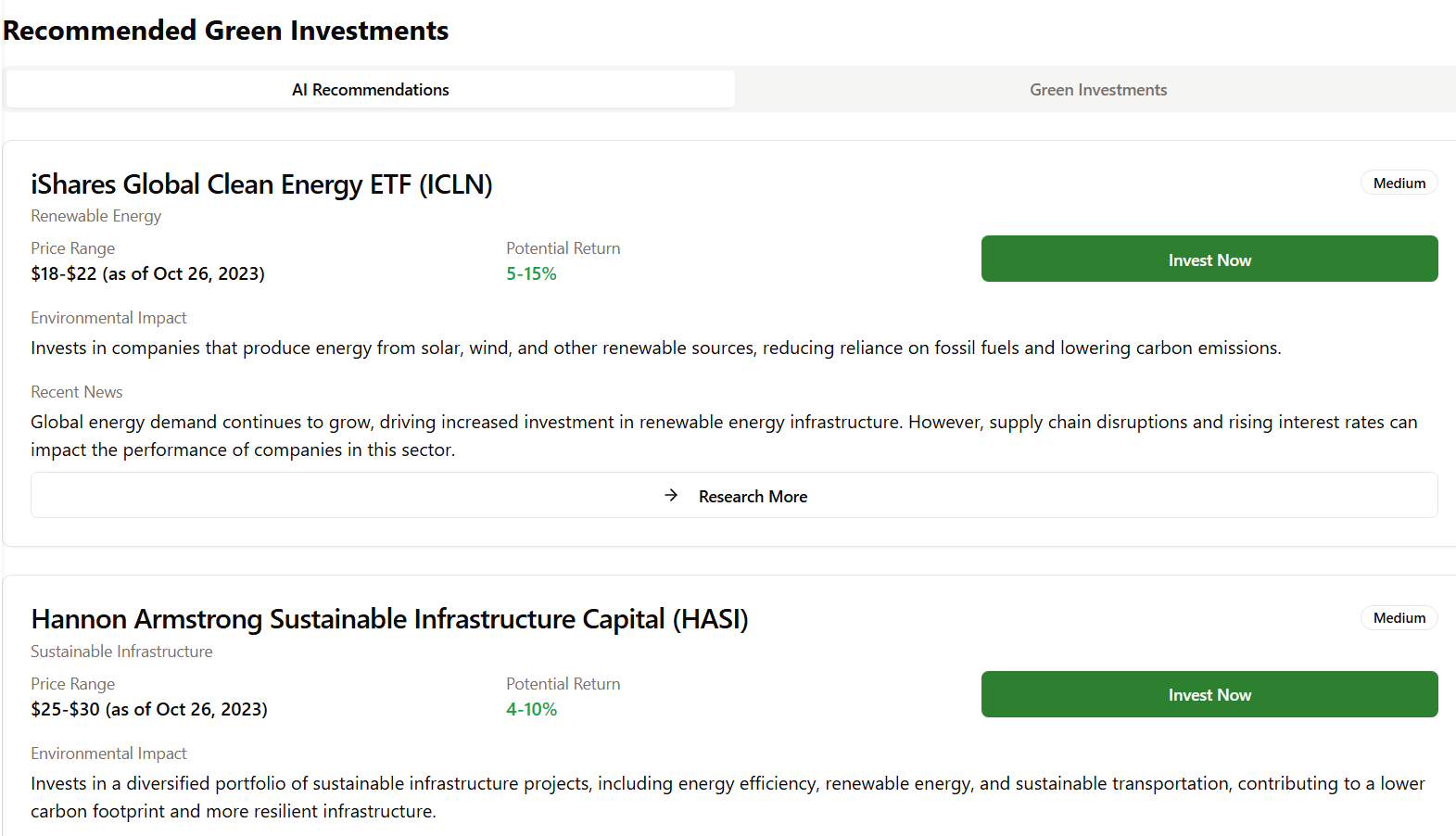
Green stock investment options
Inspiration
From climate change and extreme weather to environmental pollution to ecosystem degradation, we wanted to make a difference on the environment using finance. Taking inspiration from Acorn, an app which invests spare change, we wanted to invest small portions of money into eco-friendly companies for clients while also encouraging clients to spend green.
What it does
Sustainable Earth is a banking application which tracks the client’s transactions, either through manually inputting a csv file or connecting with the client’s primary banking app with Plaid, and provides a eco-score for the user as well as other eco-friendly metrics. The user is then provided with recommended steps to take to decrease their carbon footprint and make more sustainable purchases. The user can then search for any product and the application will return the most sustainable option for the user to purchase as well as an eco-score for the product. The next part of the application is rewards. Based on a multiplier system, the user can purchase products based on their rewards credit through companies partnered with Sustainable Earth. In addition, users can invest their rewards money in eco-friendly companies. In the investments page, the user is asked to answer questions for the application to obtain a grasp on the user’s financial situation and risk preference.
How we built it
We first thought of an idea that we all liked. Then we shared a repository and began coding. We used multiple technologies to make our functionalities work. We then created the front end using latest tech like tailwind and react. Then we created and tested the backend code and our prompts for the LLM APIs. After, we connected the frontend and backend using tech like flask and express. Finally we had our friends attempt to break the “product” and fix as many bugs as possible!
Challenges we ran into
Figuring out how to obtain user transaction data was difficult, so we ended up using Plaid. We also had trouble with developing an effective visualization for the user’s active investments, ended up implementing yfinance api to fetch live stock data. Had trouble parsing web-scraped data specifically for application usage, fixed by using Gemini API which did parsing for us instead.
Accomplishments that we're proud of
We're proud of being able to integrate Gemini into our search engine for environmentally product options and green stocks, allowing users to help the environment through everyday tasks like shopping and investing. We are also proud of our UI and the use of Plaid API to retrieve user banking data. Finally, we are proud of our team bonding exercises and our accountability in finishing each part of the project on time.
What we learned
Learned how to use Gemini API for multiple aspects of our project. Learned how to connect Plaid API with application using Plaid’s mock account.
What's next for Sustainable Earth (Eco-Finance)
The next step that we plan to take is to work with banks to sponsor real-money cashback rewards for customers who have environmentally friendly spending habits. We also plan to gamify this experience through achievements, streaks, and a leaderboard encouraging player competition. Combined, these additions will increase player engagement and make a larger impact towards the environment.
Built With
- beautiful-soup
- chart.js
- express.js
- flask
- gemini
- in-memory-storage
- nivocharts
- nltk
- node.js
- numpy
- pandas
- plaid
- postgresql
- python
- react
- shalcn-ui
- tailwind-css
- tanstackquery
- typescript
- yfinance


Log in or sign up for Devpost to join the conversation.