-
-
-
-
Logo
-
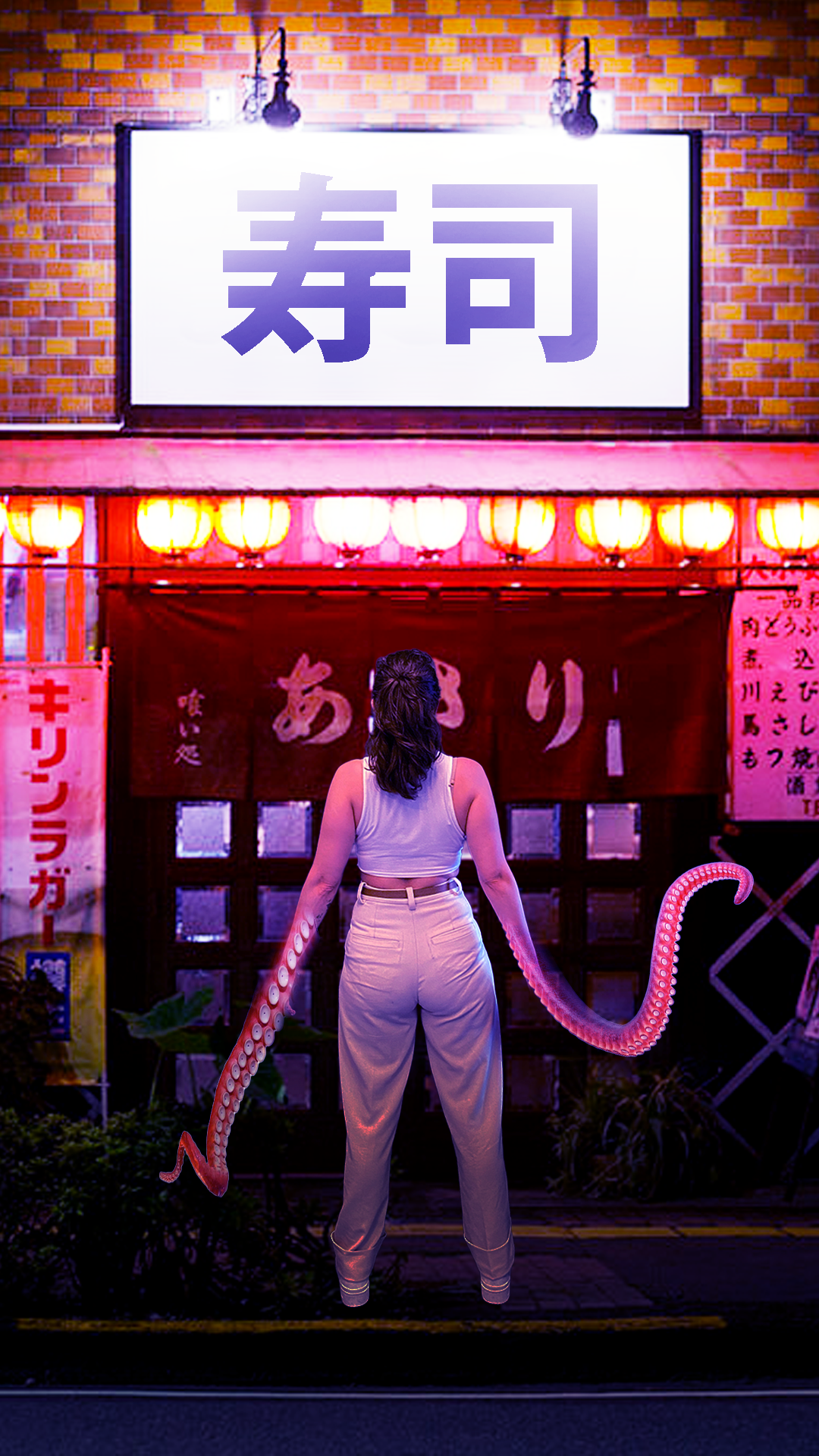
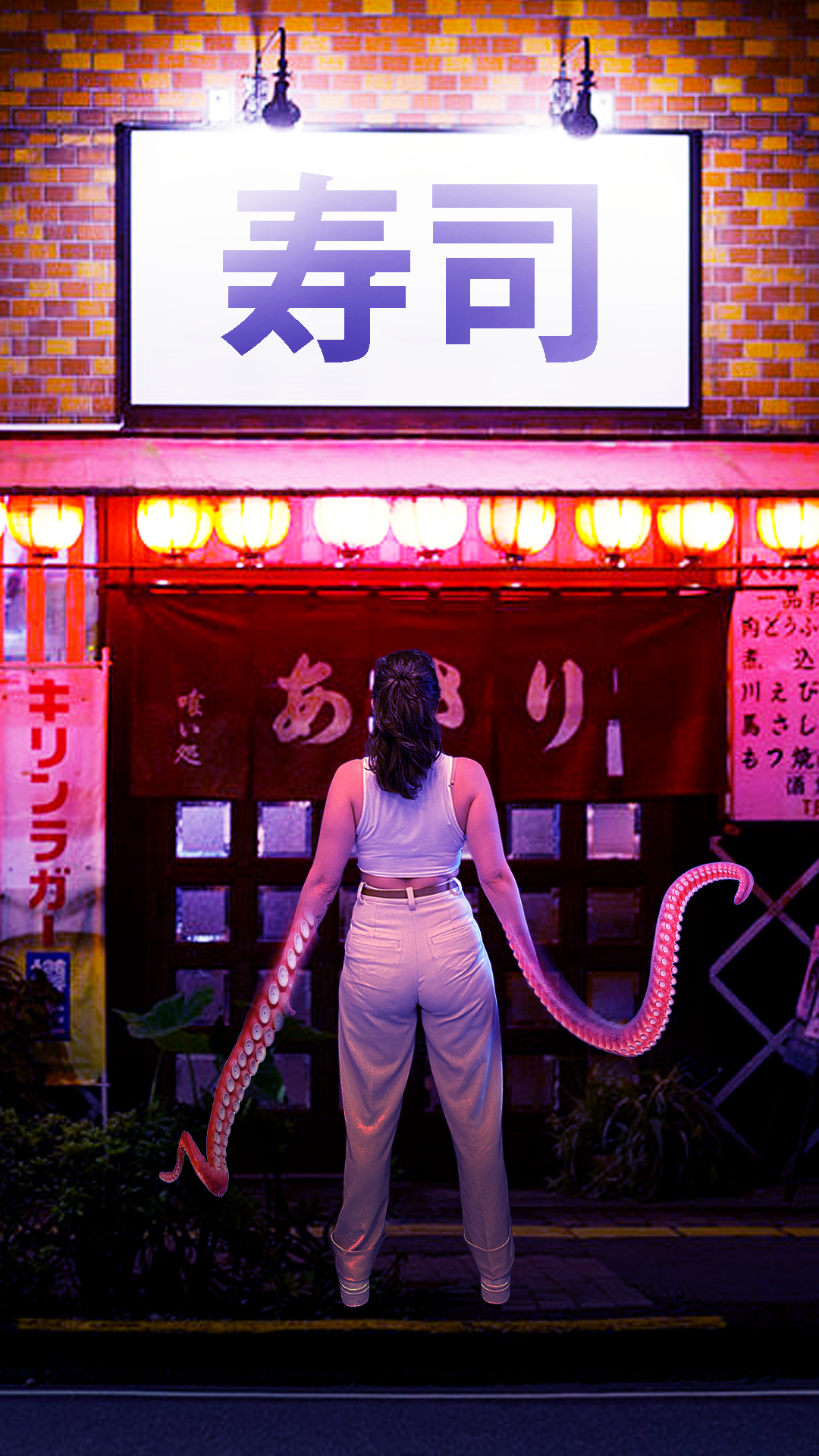
Cover Art
Inspiration
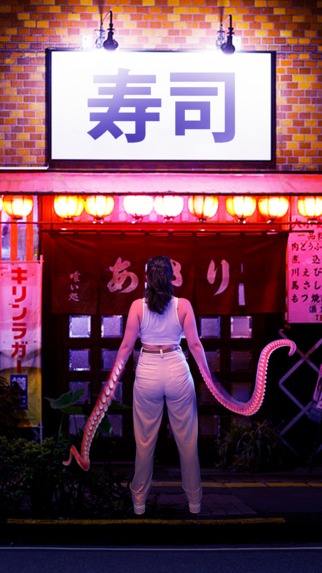
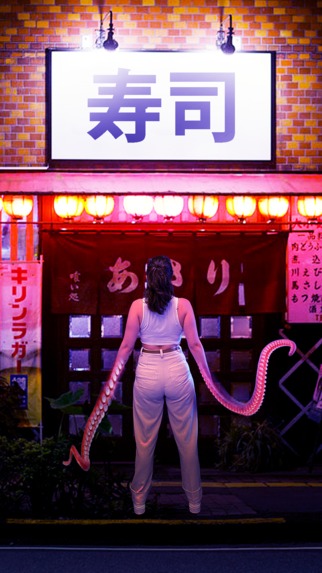
We were inspired by the idea of interacting with normal things with something that's really hard to control. Once we settled on the tentacle as the thing that's hard to control, it was only natural to stick to the nautical theme and start slapping sushi around.
What it does
The lens is a (single or multiplayer) game in which you are a tentacled sushi chef who owns a small restaurant. You only have one customer who's hungry for sushi but hates bugs. Use your tentacle to slap sushi off the bubbly conveyor belt into their mouth to score points. Feeding them bugs will result in negative points.
If you play the multiplayer version you're competing with your friends to get the best score.
How we built it
We used the features Lens Studio offer to build a dynamic and fun game. We focused on using physics components with hand tracking to create a fun method of control. The connected lens template also came in very handy for building the multiplayer mode, which added a competitive element to the game.
The sushi, monster and tentacle objects were built and rigged using Blender. We then imported them into Lens Studio, with some native bubble assets. The rest of the game was scripted using JS scripts in Lens Studio which were attached each object.
Challenges we ran into
Getting the physics of the tentacle working in a fun and somewhat realistic but controllable way was probably our biggest challenge. We found the Physics Chains template particularly useful for overcoming this challenge.
Another major challenge was applying physics to objects that we wanted to move in an elliptical path. We initially tried to do this by applying forces and impulses to the but couldn't get the objects moving in a consistent manner. We solved this by having all the physics bodies constrained to a hidden physics body which we moved around the path. We'd then disable the constraints when the tentacle collided with them.
Accomplishments that we're proud of
When we started working on this we'd not used Lens Studio before and found it hard to use to begin with. However the more time we spent with it the easier we found it. We're particularly proud of how much progress we've made, from struggling with implement simple physics on day 1 to now having a fully fledged game on Snap Lens.
What we learned
Creating engaging and retentive augmented reality experiences requires the user to physically move. This is a new way of interacting with a game and as such is a new behaviour that users are not used to. As such extra attention is required to onboard users to the experience so they understand and are comfortable. Without physicality, augmented reality experiences are not retentive or engaging. A lot of thought has to be taken into account around where the user experiences the lens. Users tend to play games wherever they are comfortable, eg at home. This means that we have to take into consideration the available space the user can move in, so to ensure that a user can play but still physically move, we placed the game space just outside of their reach so they had to physically move.
What's next for Sushi Slaps
Expand the multiplayer aspect of the lens, allowing the users to see one another in realtime as they are playing. Improve the moment to moment feedback to make the game more appealing Implement Spectacles support - allow both hands to be free to interact with the experience. Dominate the world one new tentacle at a time.
N.B - We haven't published the version of the Lens with multiplayer because Snap seems to have issues with publishing lenses that use connected lenses. Let us know if this issue gets resolved and we can publish the latest version of the lens which has multiplayer.
Built With
- javascript
- lensstudio


Log in or sign up for Devpost to join the conversation.