-
-
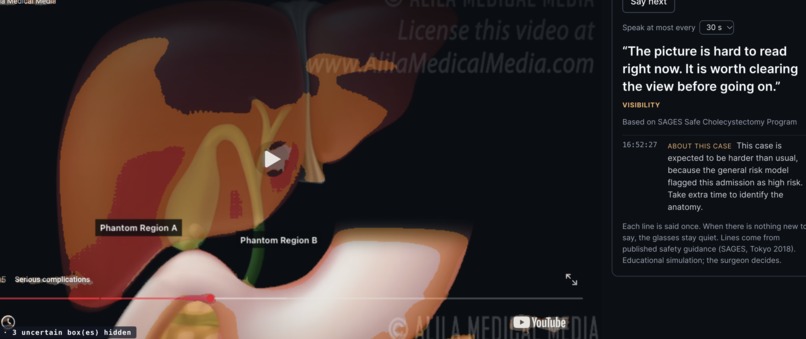
Initial Model
-
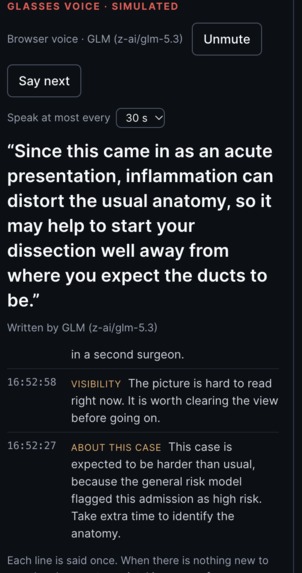
AI Side Agent
-
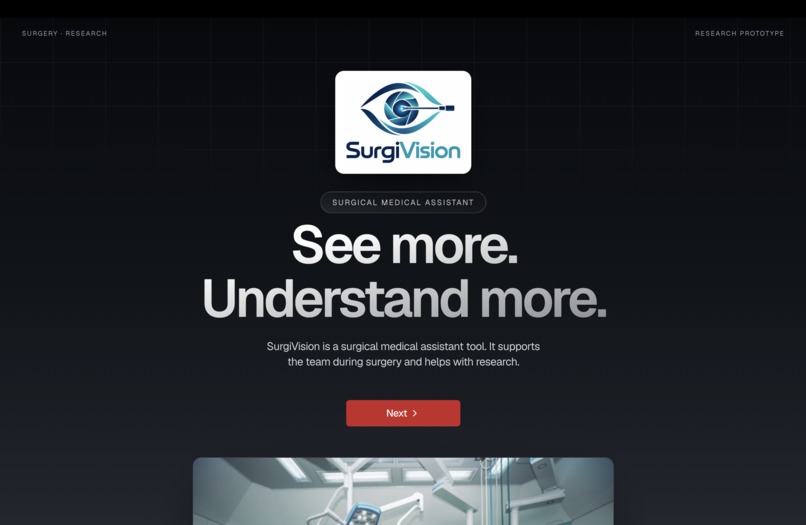
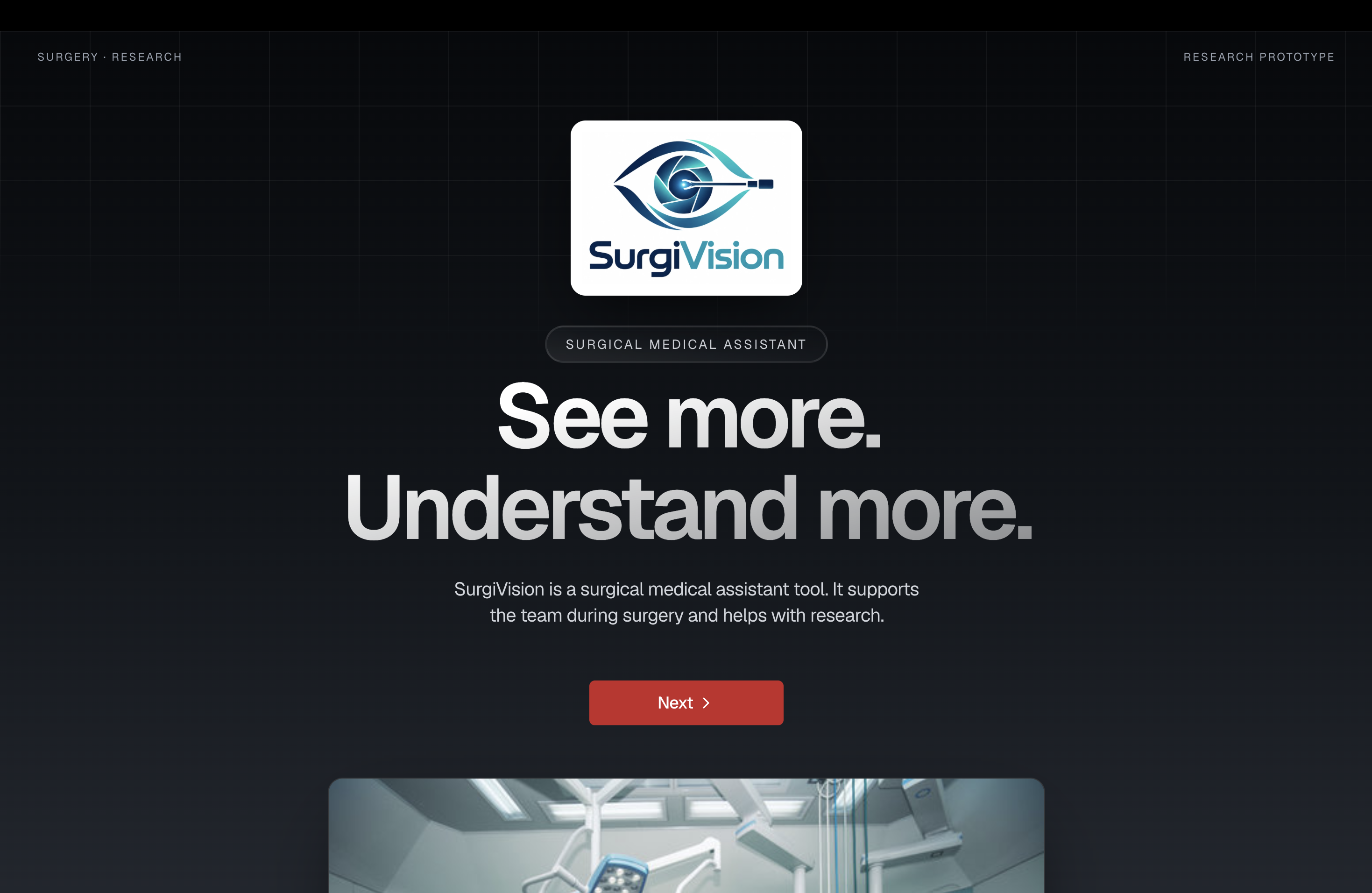
Landing Page
-
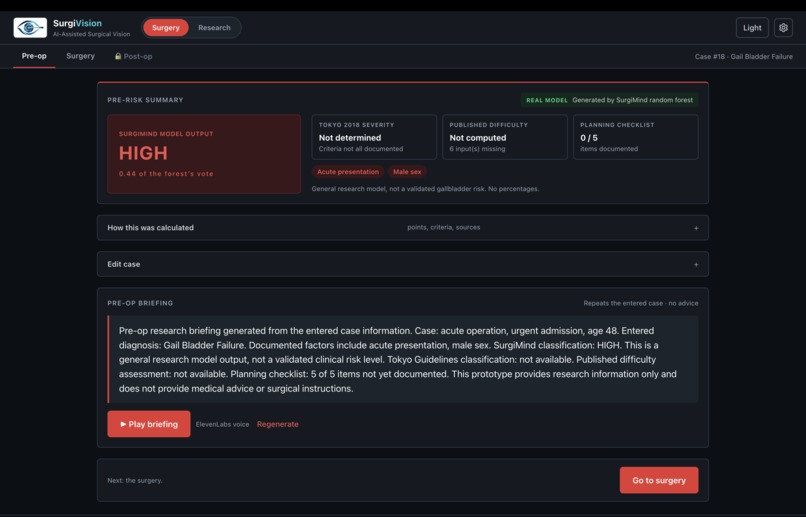
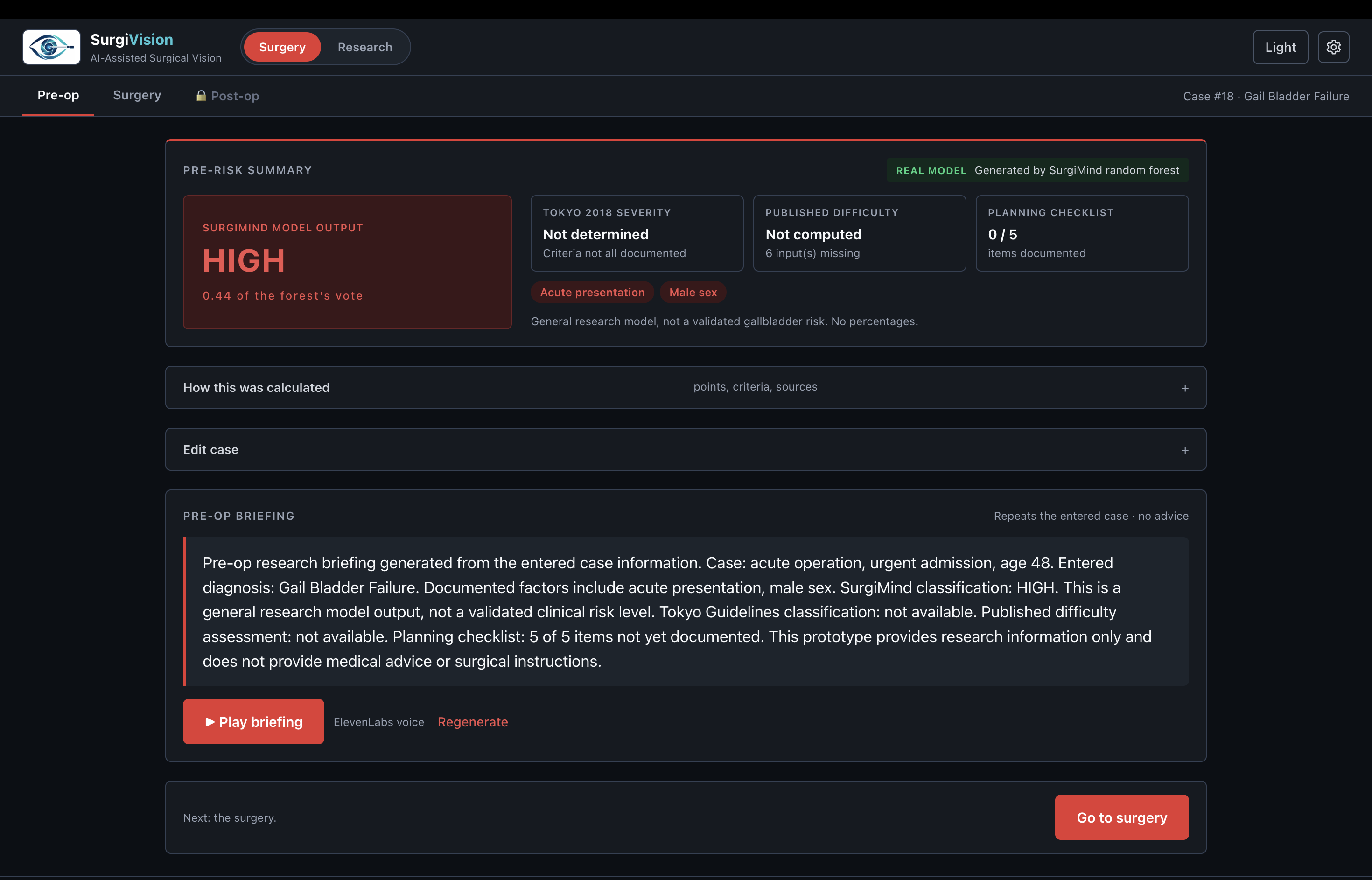
Preoperation
-
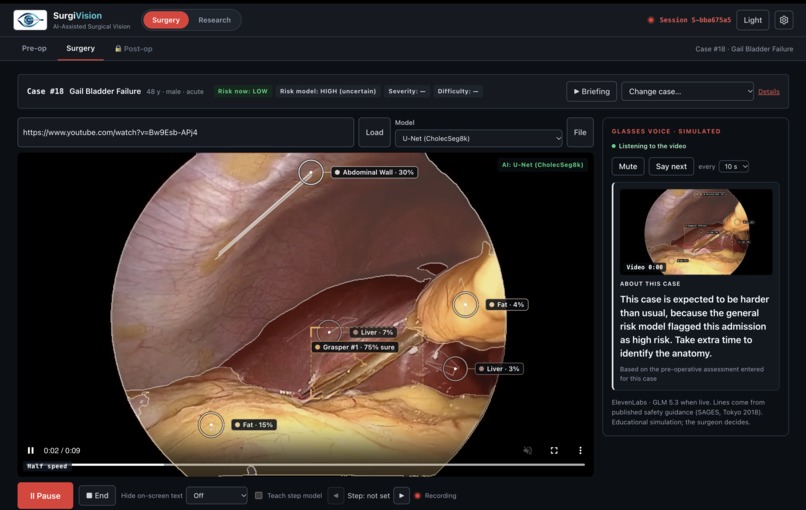
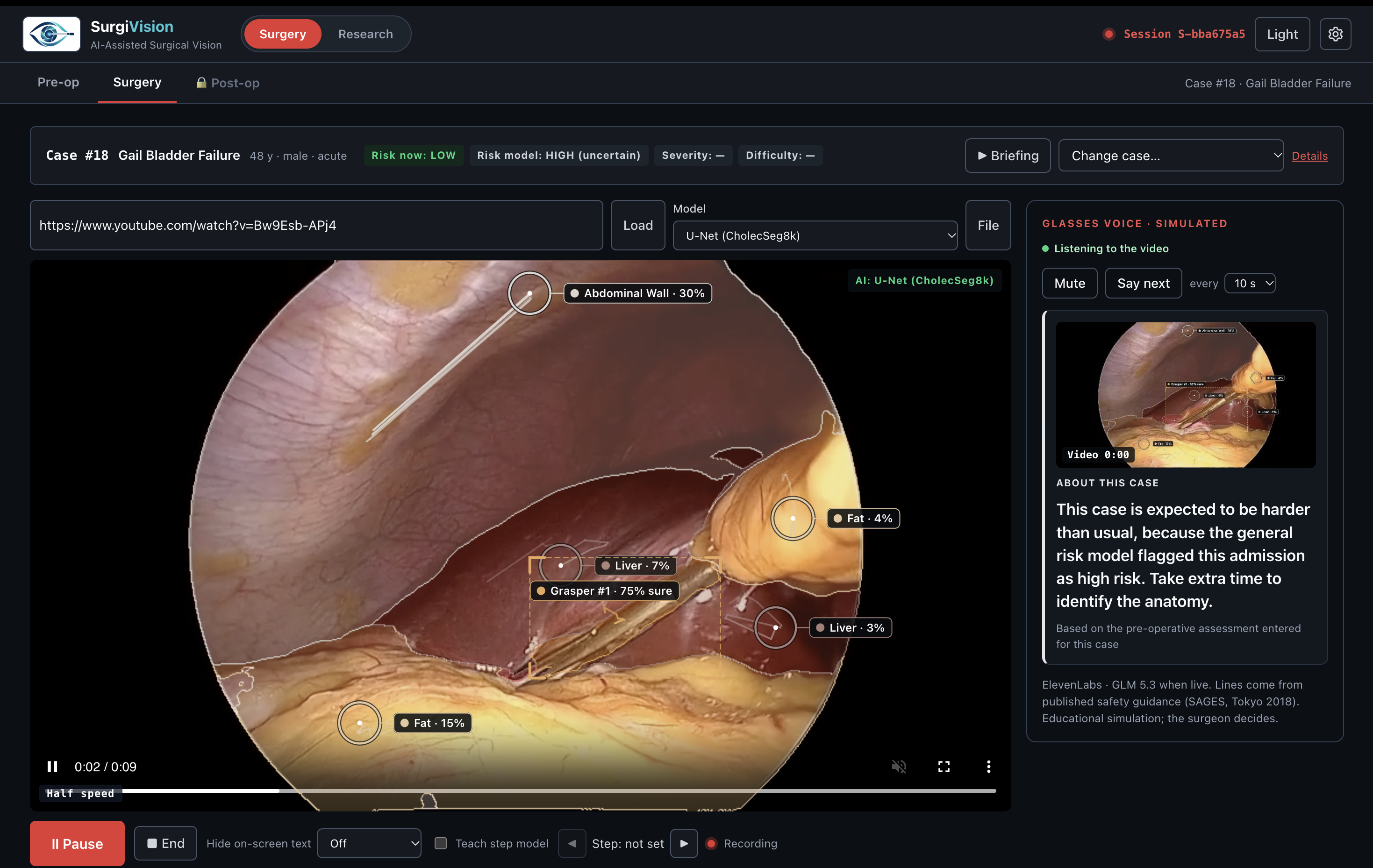
Surgery Agent
Inspiration
SurigiVision was built on the inspiration that 260,000 to 440,000 valuable human lives pass away each year due to surgical mistakes in the operating rooms. These mistakes are easily preventable, but long 18-28 hour shifts done by doctors cause exhaustion and illogical thinking. The 0 margin for error in surgery is often affected by mistakes, leading to accidental deaths in the operating room.
What it does
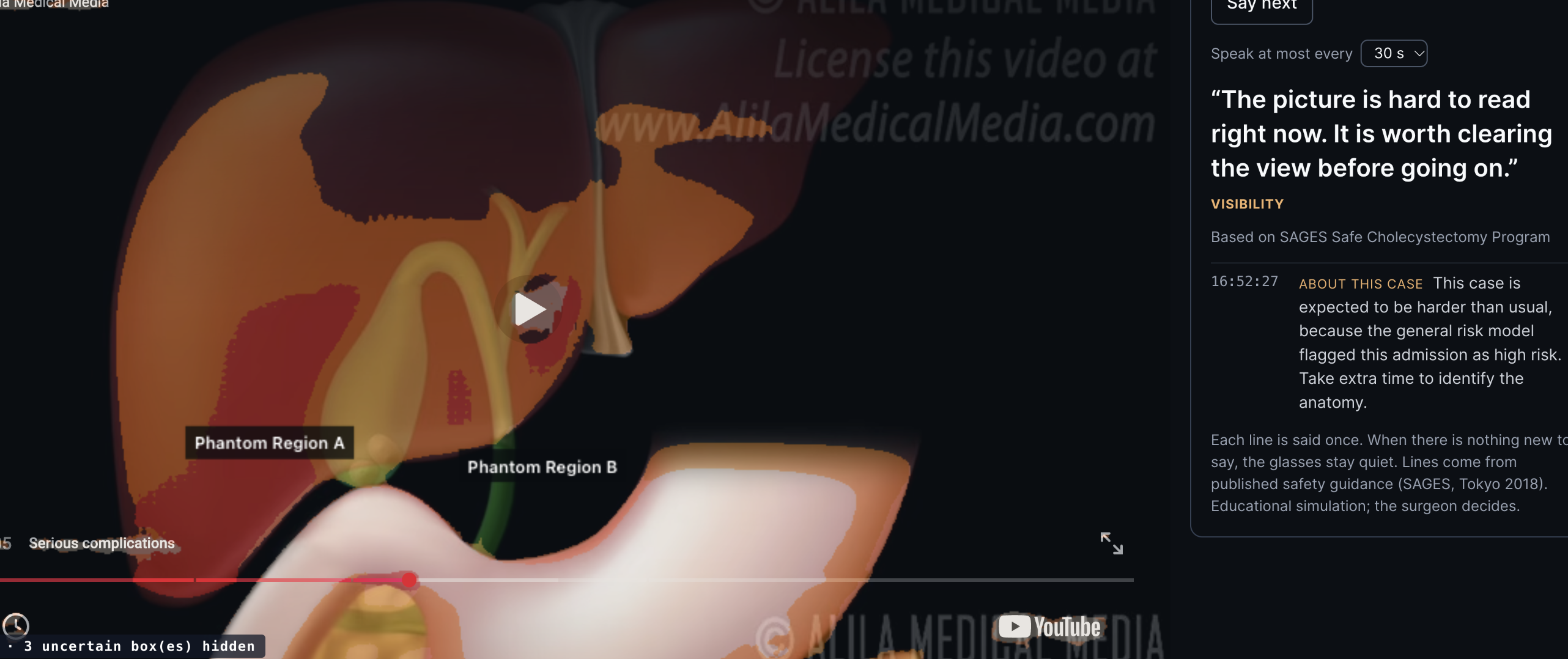
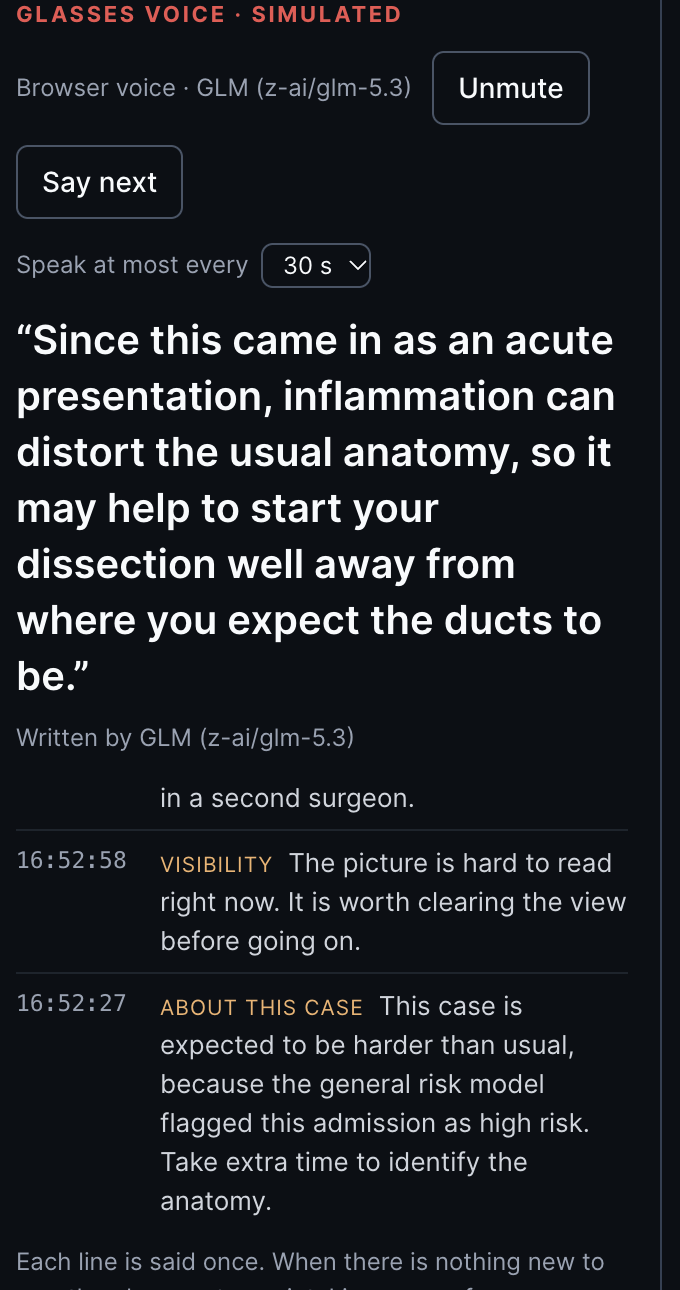
SurgiVision is an AI-powered platform that provides surgeons with the medical assistance needed in their operating rooms. The vision for this is to be in Meta glasses in order for them to receive real-time feedback. It helps prevent mistakes made by surgeons during their long shifts, giving a second perspective to their medical operations.
How we built it
We used the GLM 5.3 model and trained it to use semantic segmentation to look pixel by pixel and identify what organ it is. We trained the model on hundreds of Kaggle datasets on laparoscopic surgery to understand it, know what was going to happen, predict the risk factors, and see the post-operative pain. For the purpose of this hackathon, without Meta Glasses, we created a simulation to show what the Doctor would visualize during the surgery.
Challenges we ran into
It was really hard to train our GLM 5.3 model on a multitude of domains inside medicine, so we decided to use and specialize in laparoscopic surgery for the purpose of this simulation. This involved finding very precise, accurate datasets that can best train our AI model and fit the required tasks it needed to.
Accomplishments that we're proud of
We started off at 60% accuracy on the model detecting what each organ was and how the surgery was going to be done, and giving comments to the doctor. Later, as time went on, by tuning and adding more data and training the model, we got it to reach 90% accuracy. This will create a huge impact for surgeons in the future by providing accurate information in the operating room.
What we learned
We learned how to utilize computer vision to train RNN models and to increase their accuracy for their respective domains. We also were able to efficiently develop using LLM based coding, including Claude Code and Codex, to form a working, functioned application.
What's next for SurgiVision
We plan to implement our software with Meta glasses. Our goal is to get this medically improved, expand across multiple domains in medicine, and get this into a few hospitals across the nation to create real impact on the community.
Built With
- ai-models
- computer-vision
- javascript
- laparoscopic-surgery
- medical
- model-tuning
- python
- react
- rnn
- semantic-segmentation
- typescript

Log in or sign up for Devpost to join the conversation.