-
-
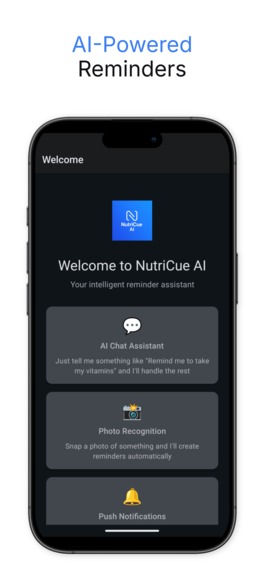
Onboarding
-
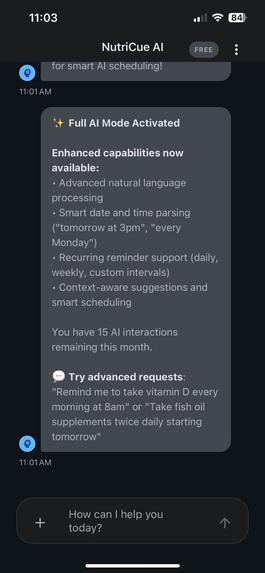
Chat Home
-
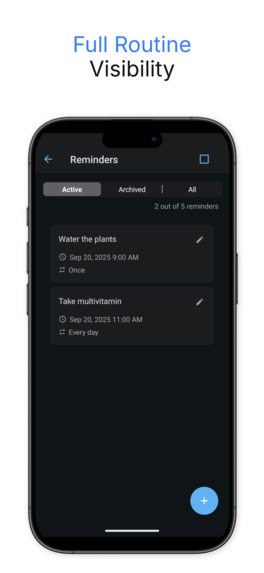
View All
-
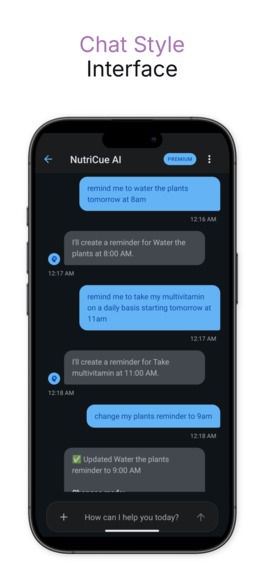
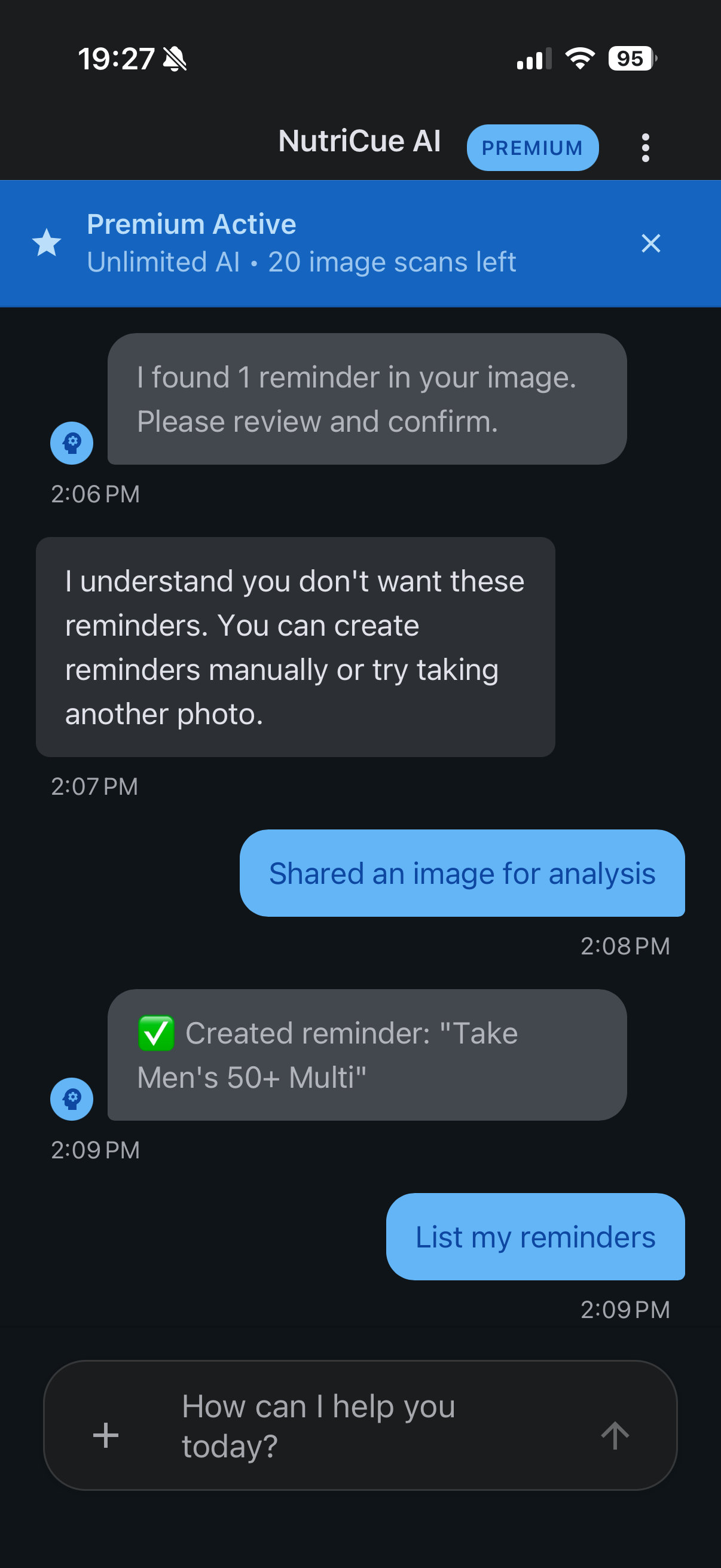
Chat 1
-
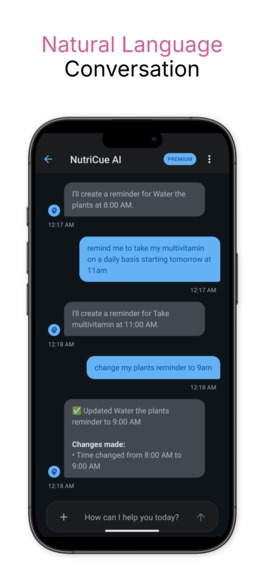
Chat 2
-
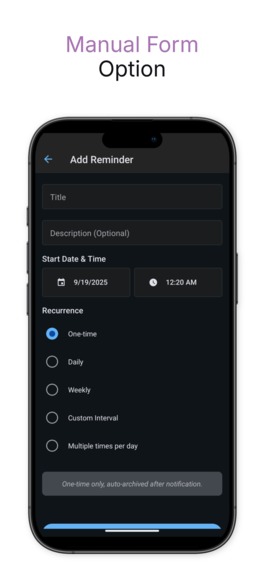
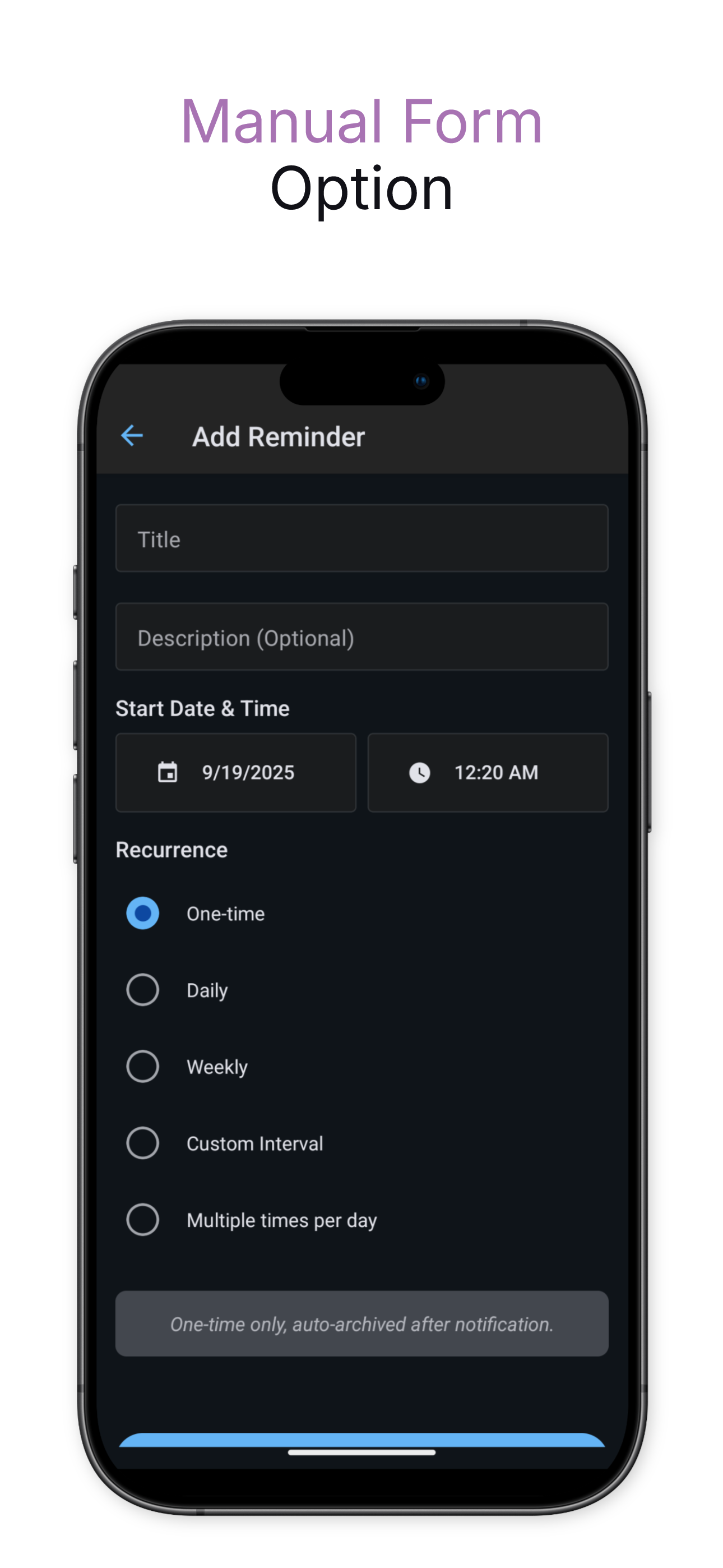
Manual Form
-
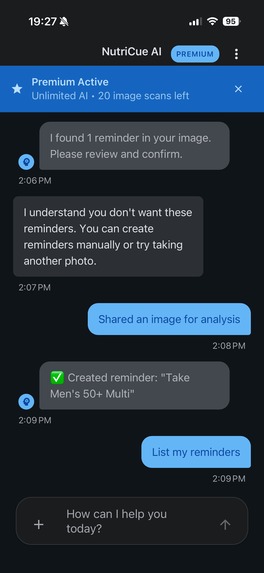
Create via image
-
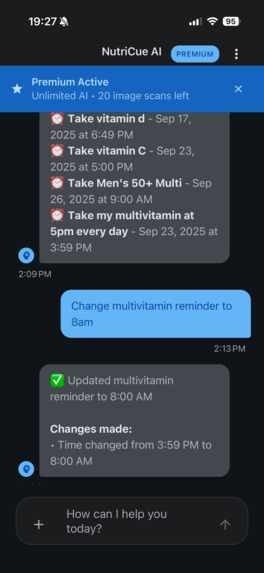
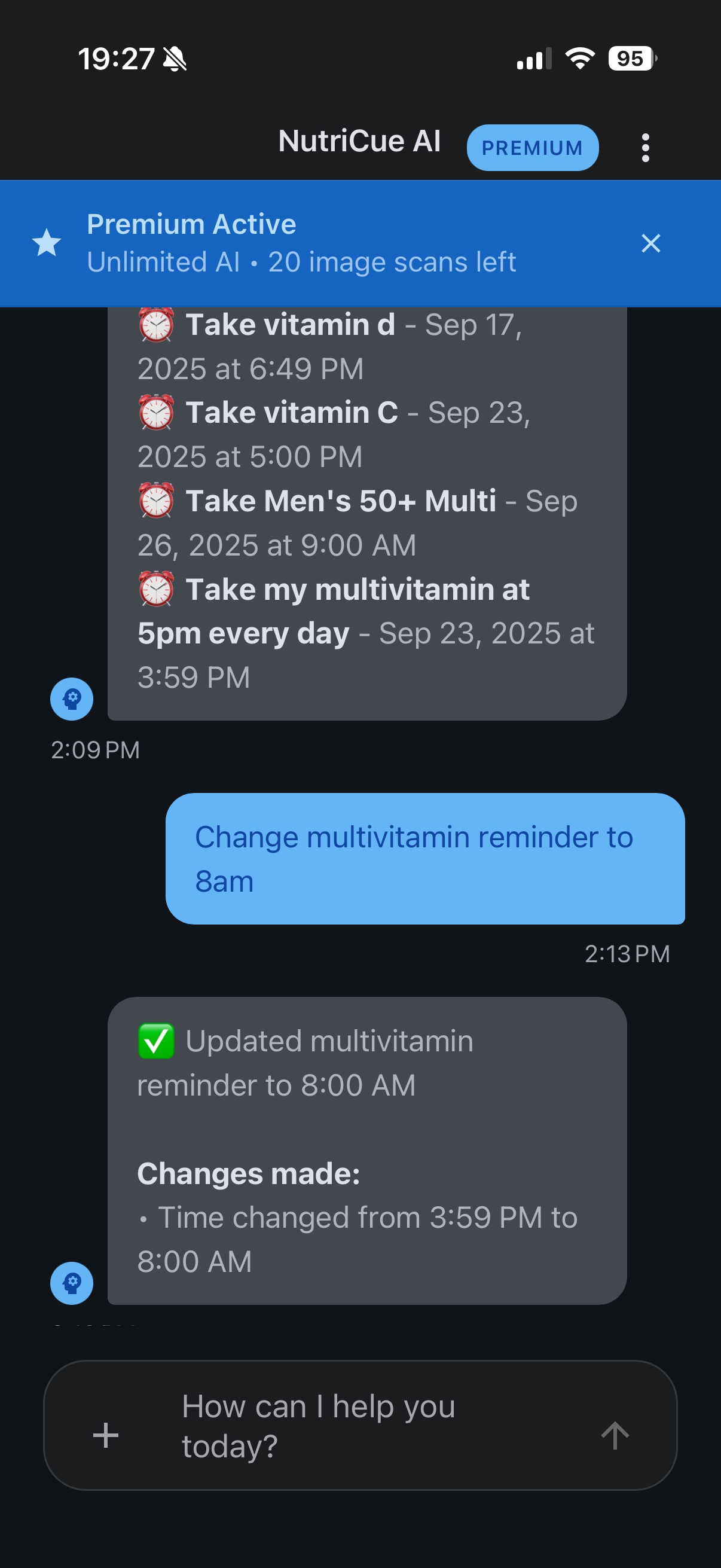
Update
-
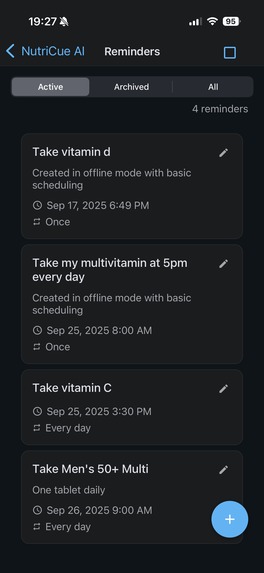
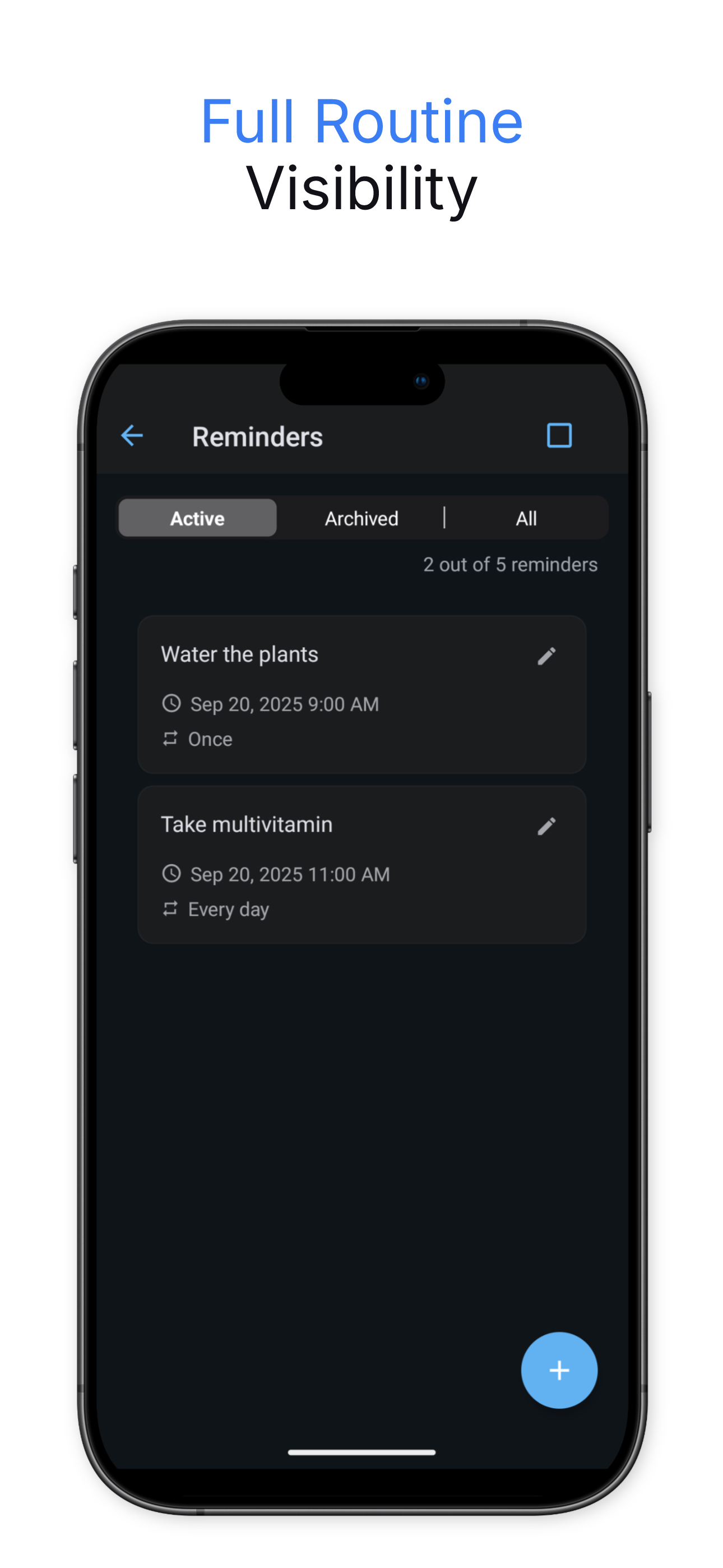
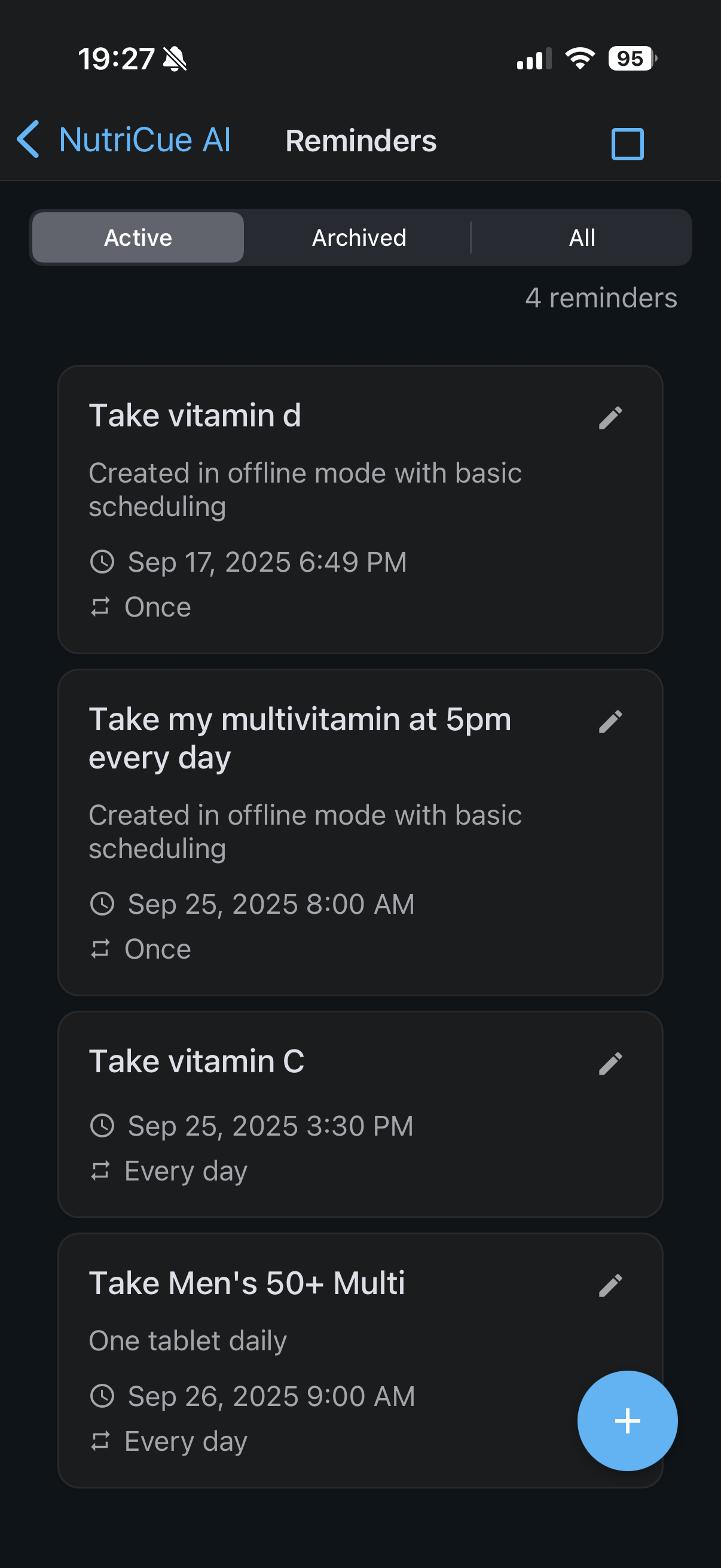
View All Reminders
-
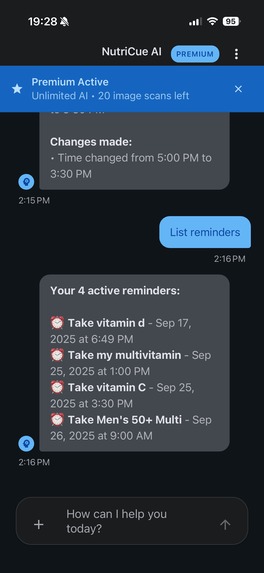
Read
-
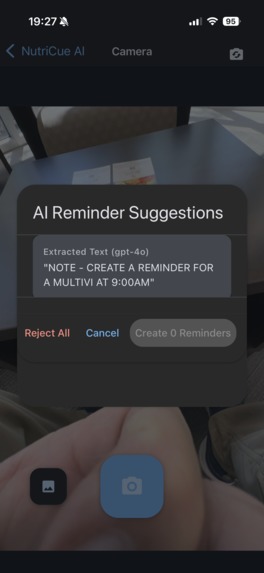
Image Analysis
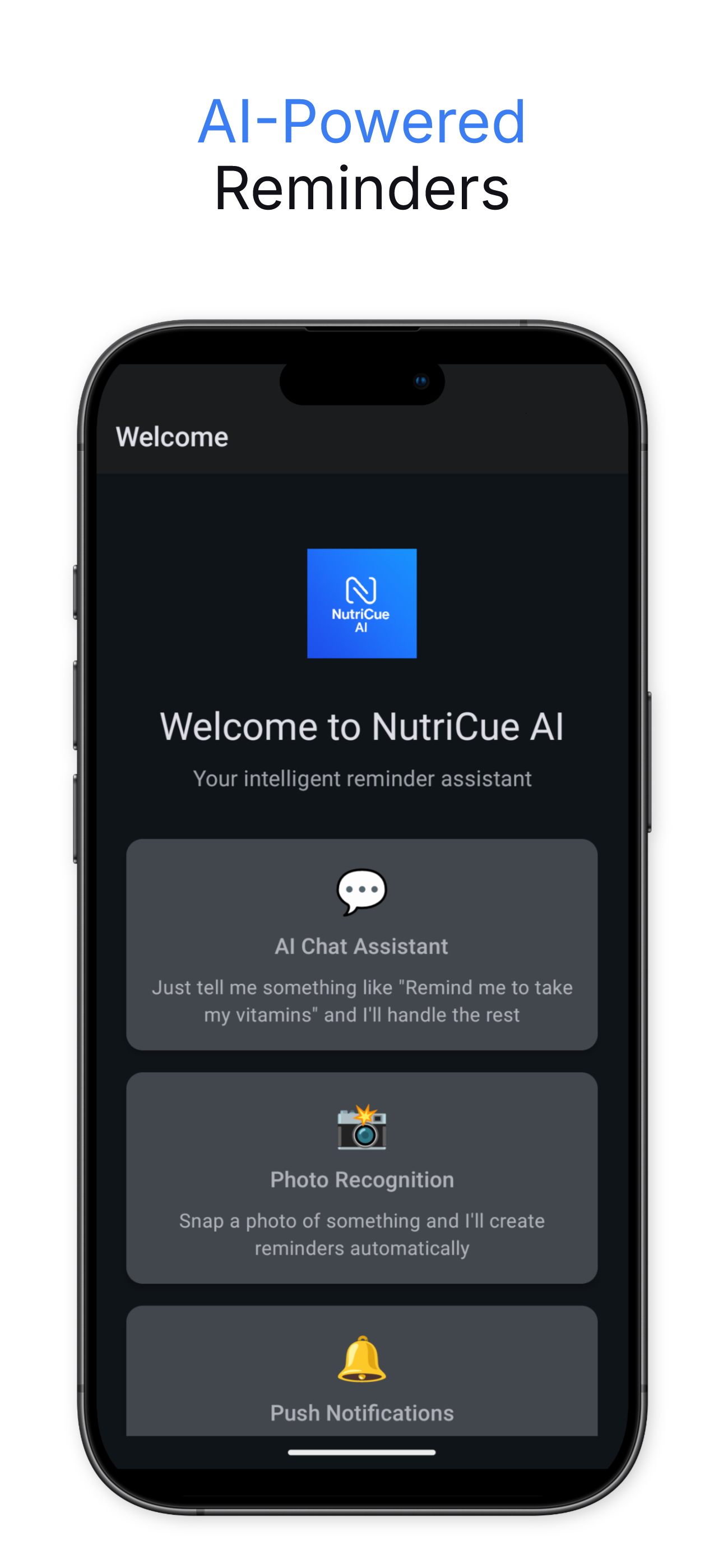
Inspiration
The idea for this app actually came from my wife's post C-section surgery recovery last year. When we went home from the hospital, the doctors gave us 3 or 4 medications that she had to take every day around the clock. Some of the medications she had to take just once per day and others she had to take every 4 hours. As she was resting in bed, I managed this regimen 24x7 for the initial recovery time and it ended up just using a combination of calendar reminders and timers with everything written down on post-it notes. It was not efficient to say the least nor easy to keep track of with a new baby. After life went back to 'normal', I started thinking about this problem and I came up an initial idea for the app. The idea was a dedicated app that would handle complex recurrence types and all associated notifications. I don't like putting reminders like that (high frequency, lower importance) into my calendar because it becomes too crowded on top of my already busy work schedule. To bring the app into existence, I decided that would focus on a simple use case of the helping users remember to take their vitamins (something that I always forget). I could also make it easier to use by allowing users to use natural language or images as the input, and then have an AI model save the records and schedule the notifications. It would have been a life saver for me to have last year, but I am finding it makes my life easier now.
What it does
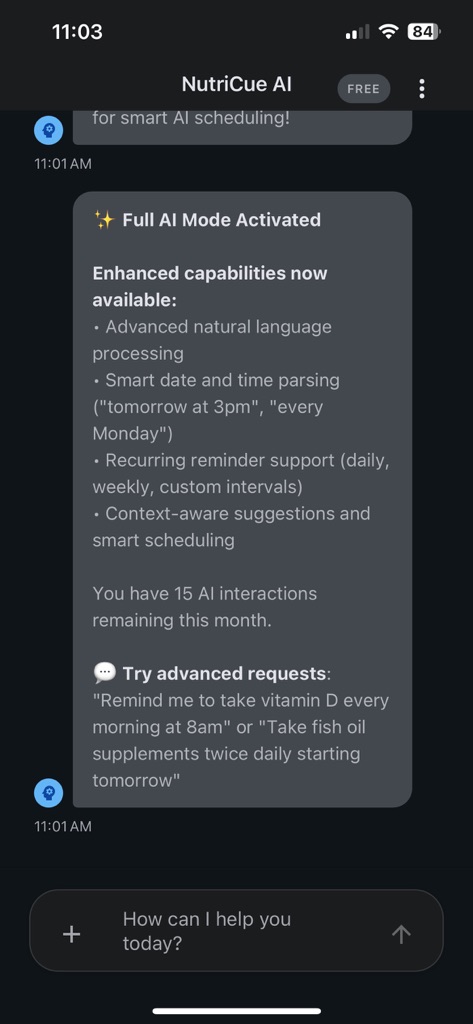
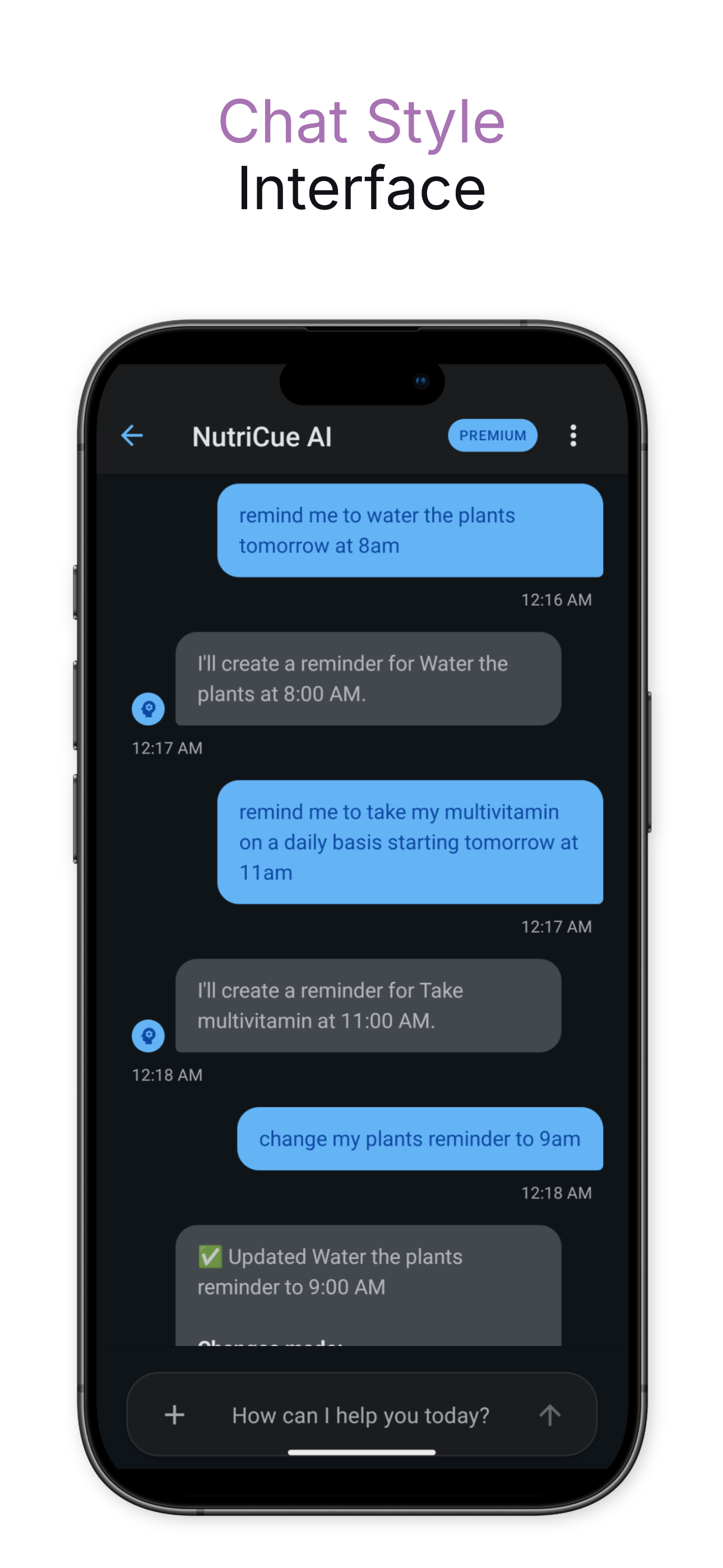
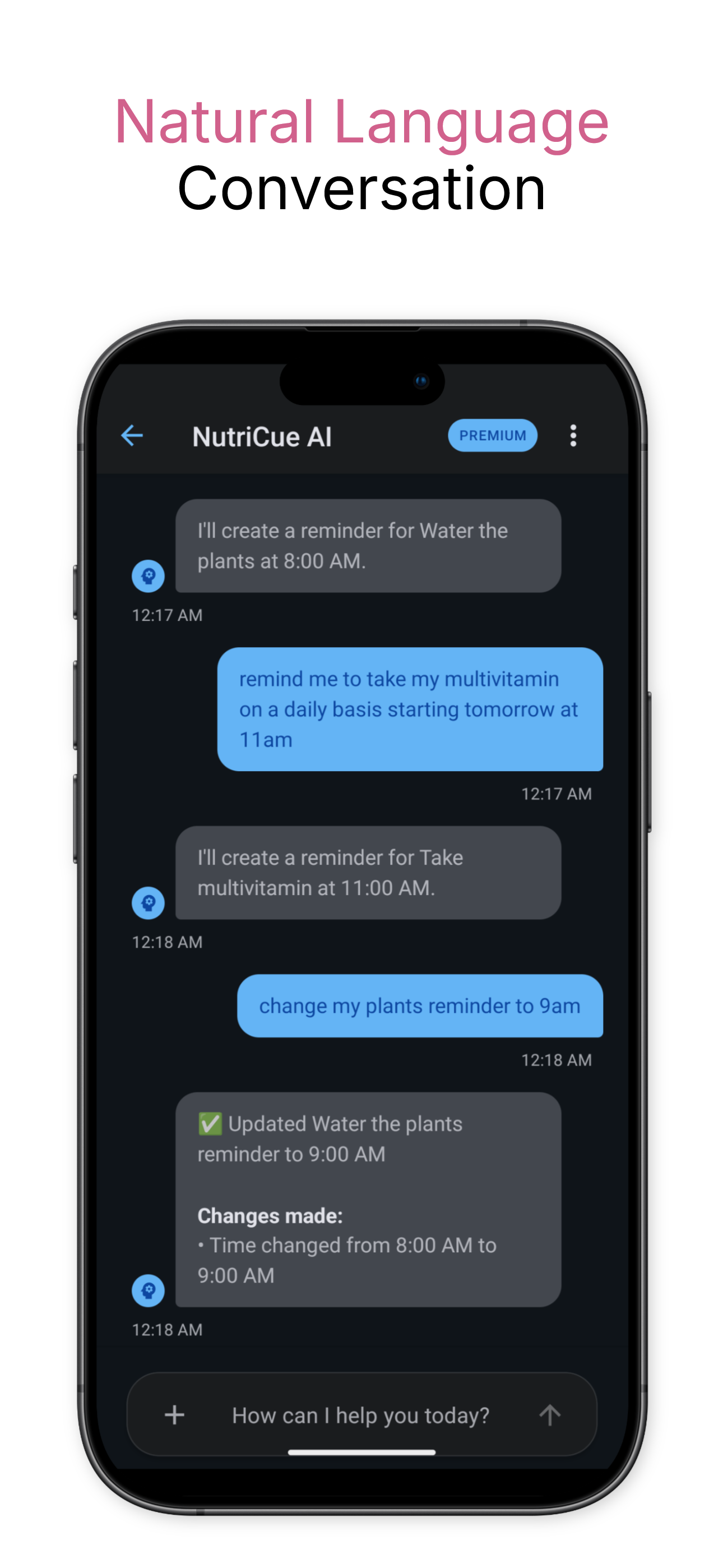
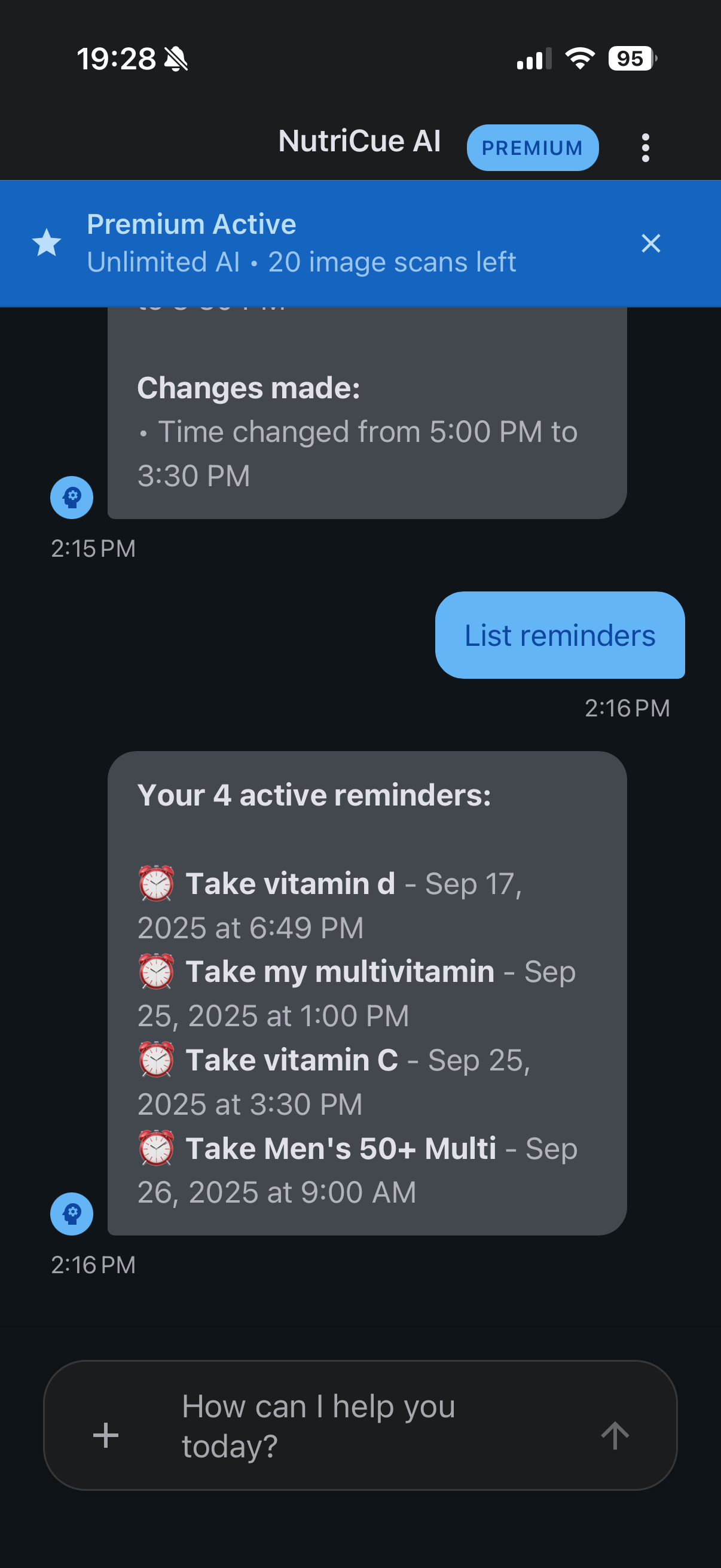
NutriCue AI helps you stay consistent with your vitamins by turning natural input into reminders.
- It lets you chat naturally to create schedules (e.g., “remind me to take a multivitamin every day at 10am”).
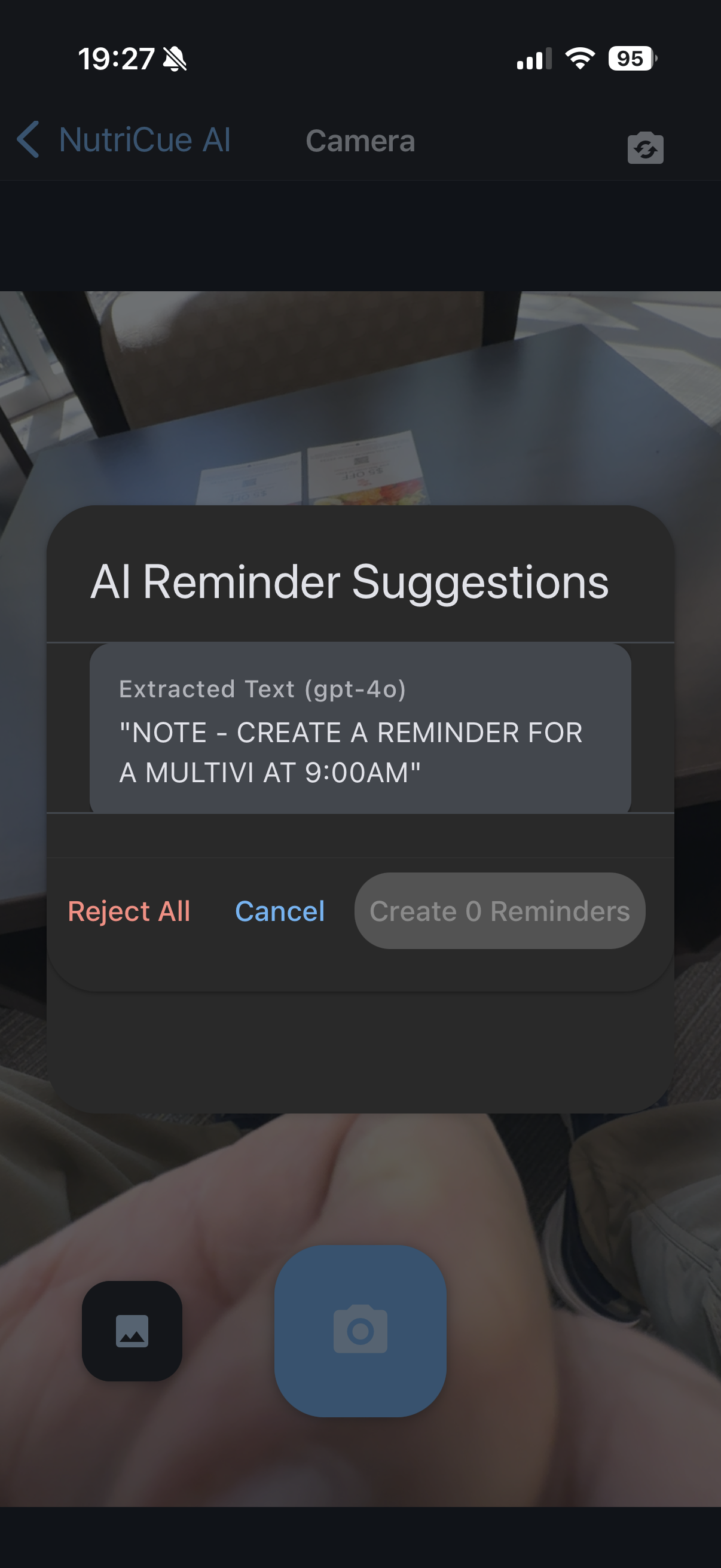
- It analyzes supplement bottles or labels with AI vision to extract dosage and timing automatically.
- It delivers lightweight, reliable notifications that keep you on track without cluttering your calendar.
How we built it
I built the mobile app using React Native (Expo) with Typescript and Expo Router. I used things like Zustand and Expo Notifications within the app itself. I built the backend as a Node.js with Express server that uses a PostgreSQL DB, and is hooked up to OpenAI's API for text and image processing. I used two different models for processing, for text I used GPT 3.5 Turbo and for image I used GPT 4o. And I also used RevenueCat for the subscription management piece. If you are interested in more details, I am including a website link at the bottom of this.
Challenges we ran into
I ran in to many challenges, but as I will discuss below, I was able to learn a lot from them. The primary challenge that I am still facing is the image processing piece. I focused a lot in getting the text part working, but getting everything you need from a single image to create a reminder is a different story. For example, if you take a picture of a melatonin supplement bottle, the timing instructions may be on the back label. To solve for that, I added "smart scheduling", so for something like melatonin it will default to an evening time, but for a multivitamin it would be morning. There were also a lot of AI related challenges that stemmed from it being the first time that I had worked with it within an app, and I am still figuring out some aspects like chat context.
Accomplishments that we're proud of
I am proud of building out the backend infrastructure and incorporating AI features. The only other app that I have published was frontend only (offline-first architecture), so this was fun to learn about how to build out and deploy a backend, and hook it up to the OpenAI API.
What we learned
As an example, I learned a lot about notifications as well as the intricacies of using AI. There are countless lessons learned along the way, especially when developing for cross-platform in React Native.
What's next for NutriCue AI
I am launching close to the end of the hackathon, so in the short-term the goal will be to expand to new users outside of my family and friends test group. If I am able to get some traction with new users and hopefully paid subscribers, I will be able to continue to grow and focus on improving existing features (like AI image processing, AI chat context, etc.) and adding new ones. A theoretical "what's next" would be expanding beyond vitamins/supplements into what the idea was originally for, specifically handling medical after-visit care tasks/reminders. However, I understand the need to 'get it right' for that space and I am but a humble, solo developer that certainly does not have the medical expertise to build something as robust as that would deserve.
Nevertheless, I will try to keep the website below updated with any updates:
Built With
- expo.io
- express.js
- jest
- node.js
- openai
- postgresql
- railway
- react-native
- revenuecat
- typescript

Log in or sign up for Devpost to join the conversation.