-
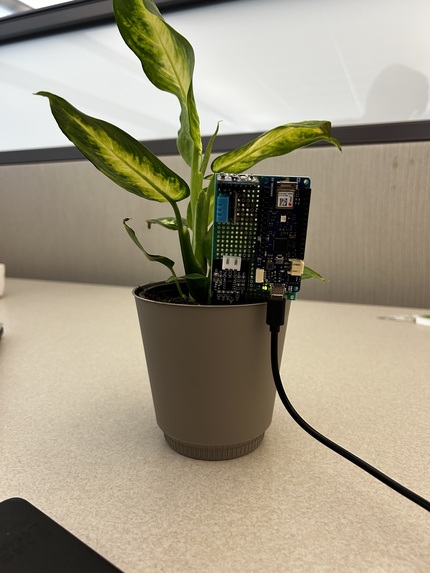
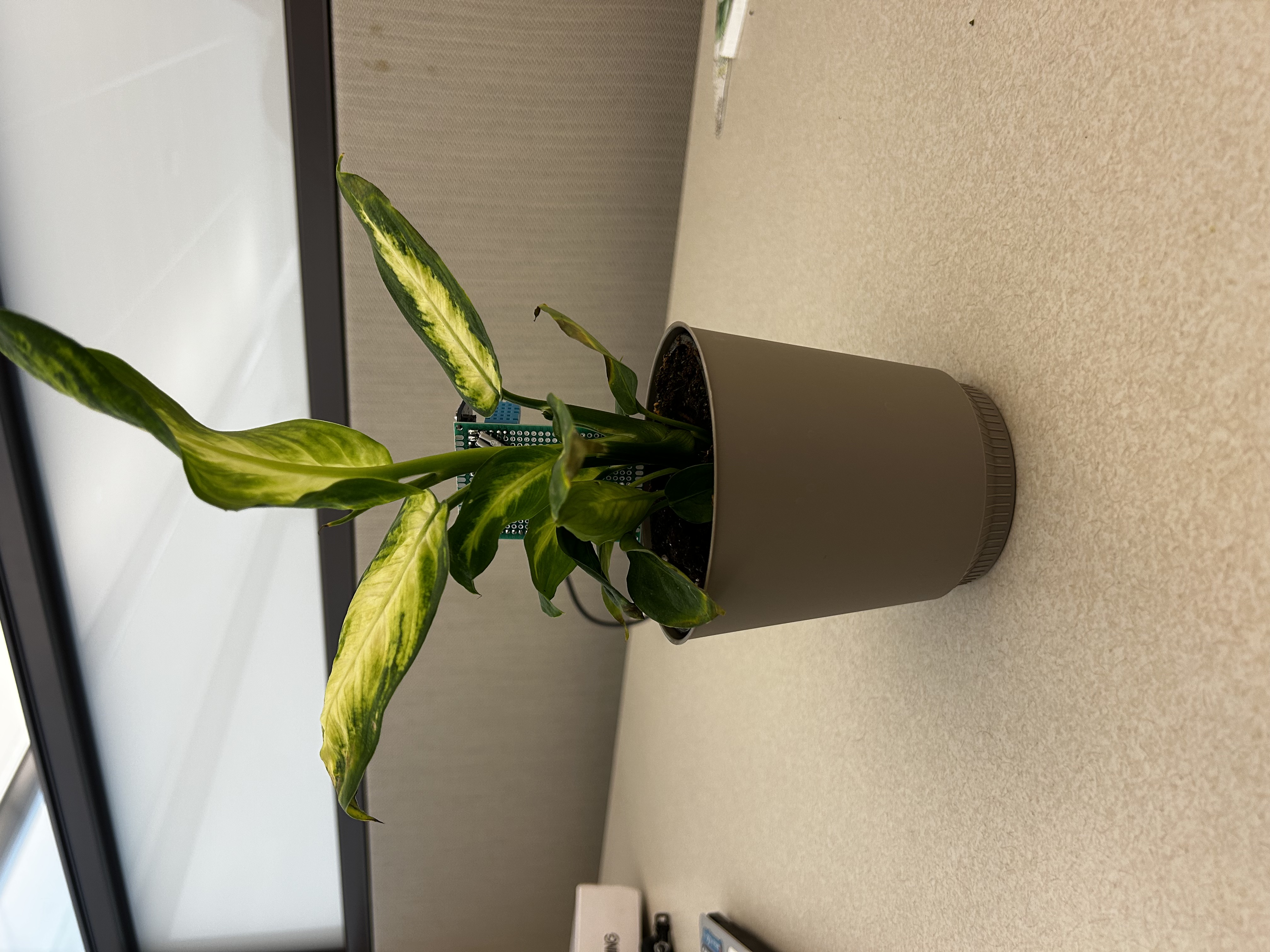
Green Thumb in Action - Front
-
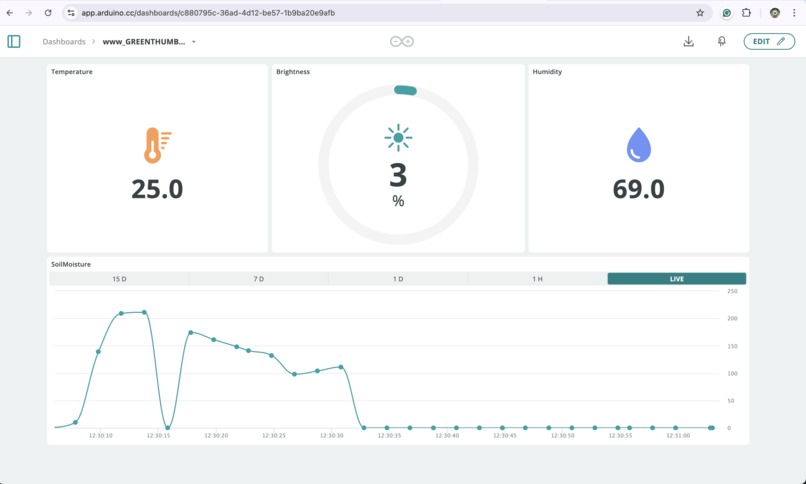
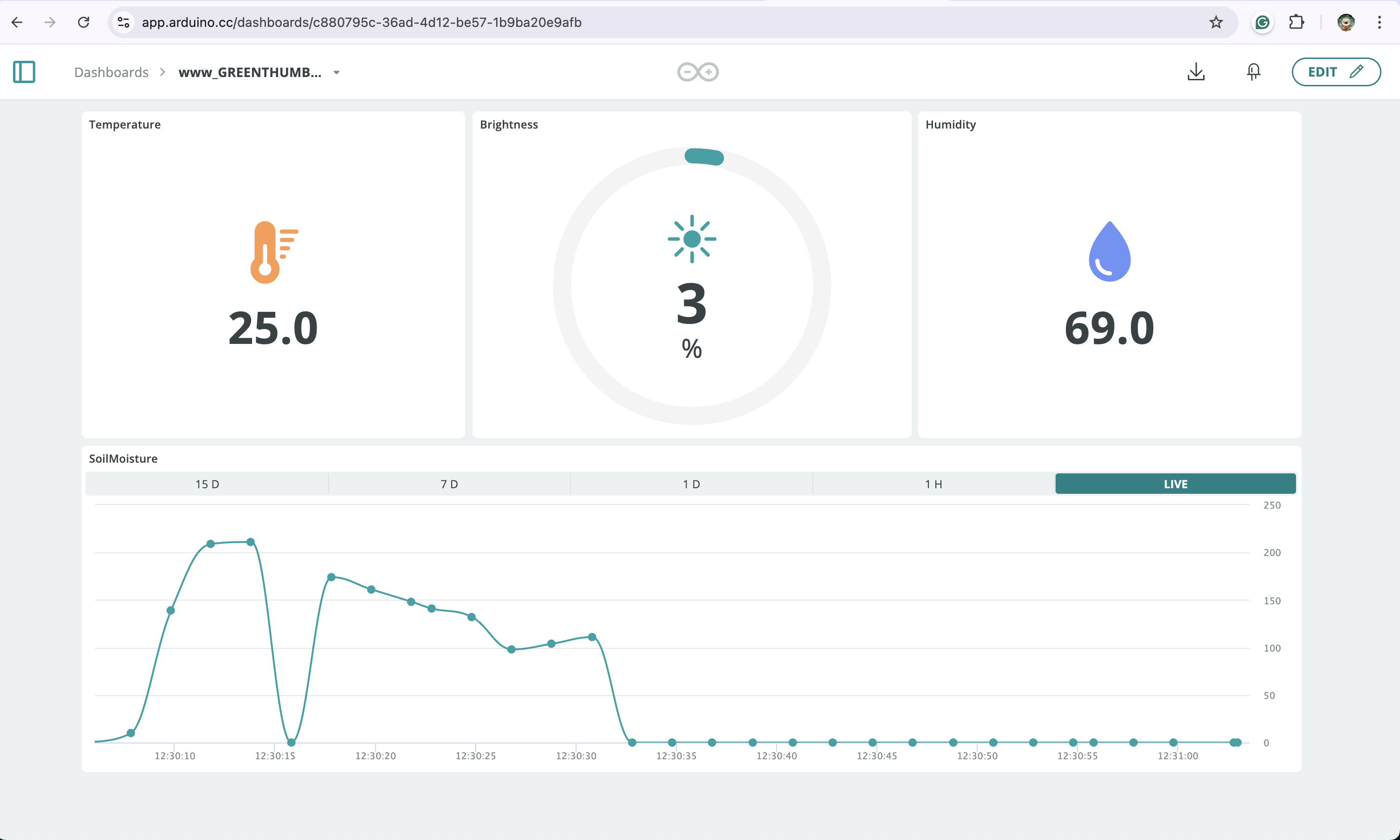
Dashboard - Desktop Website
-
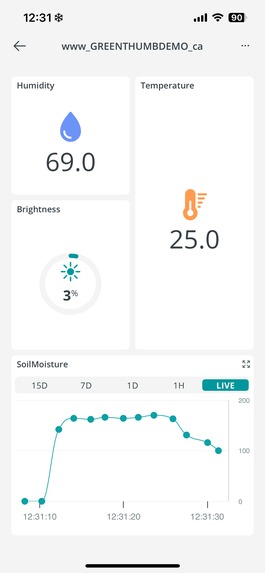
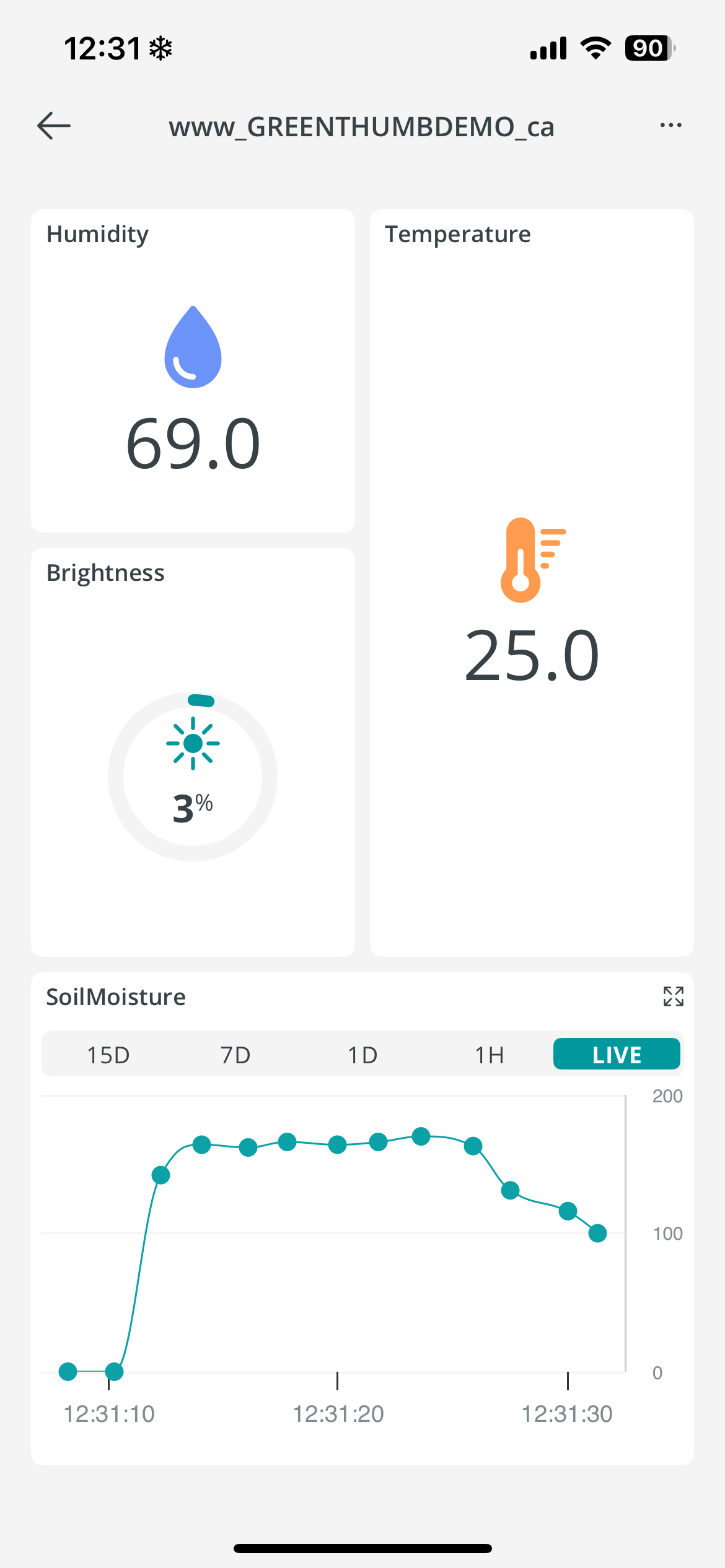
Dashboard - Mobile App
-
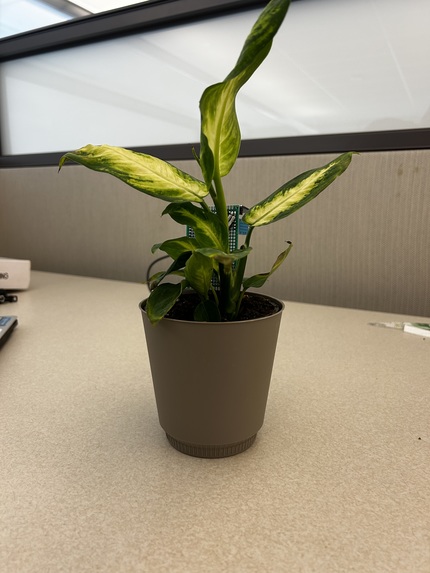
Green Thumb in Action - Back
-
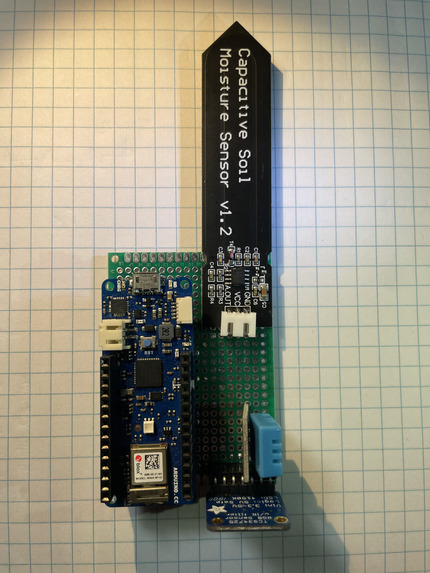
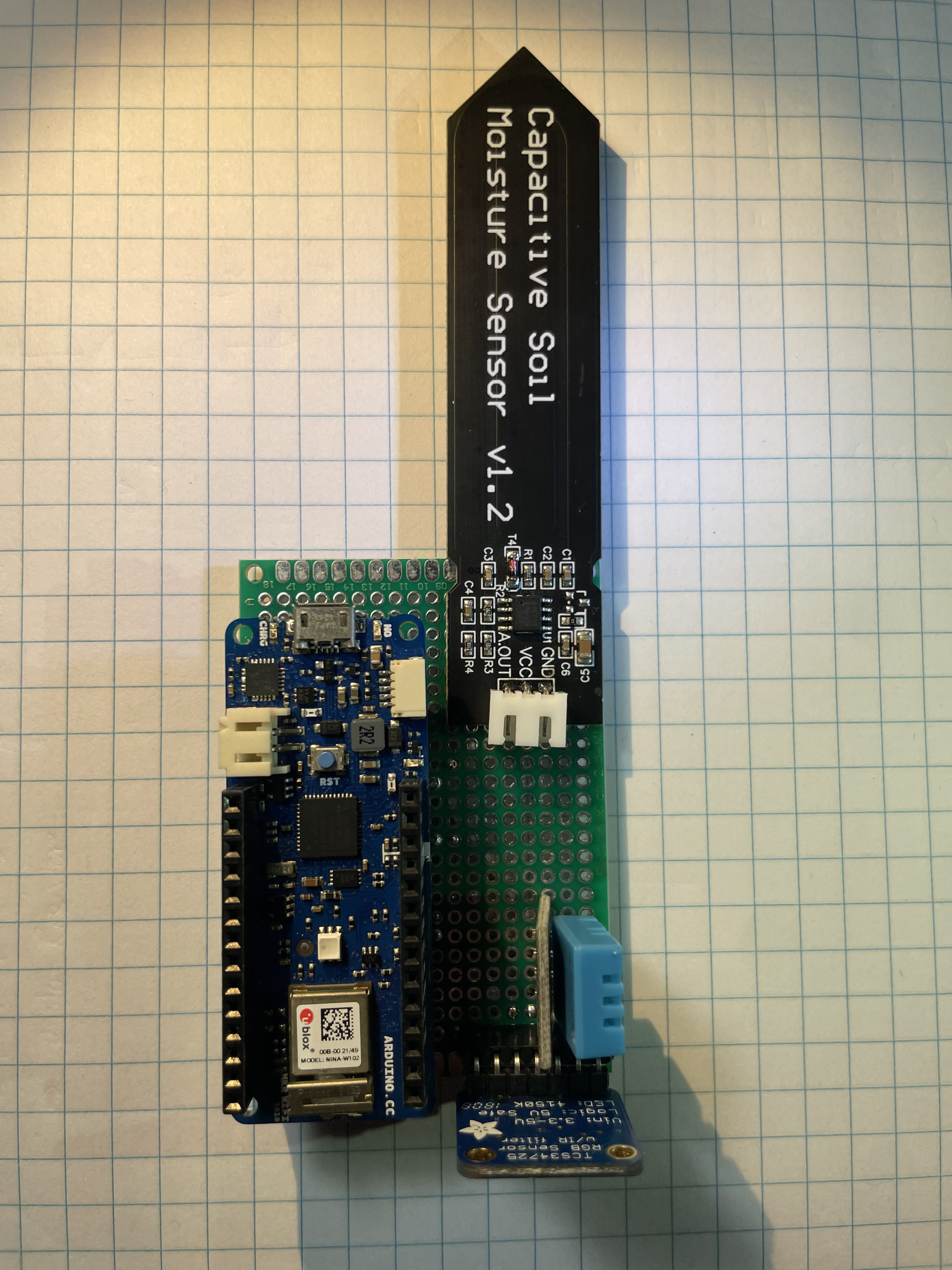
Green Thumb: final prototype
-
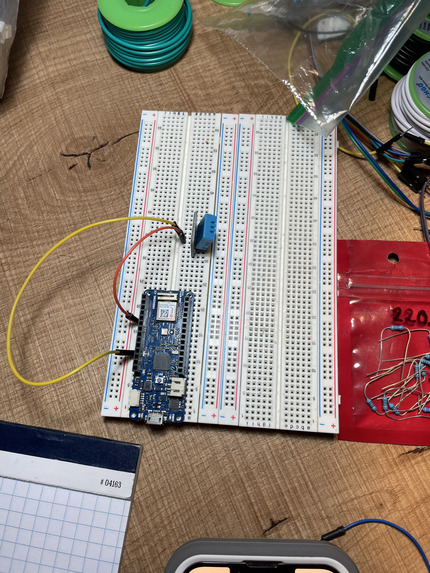
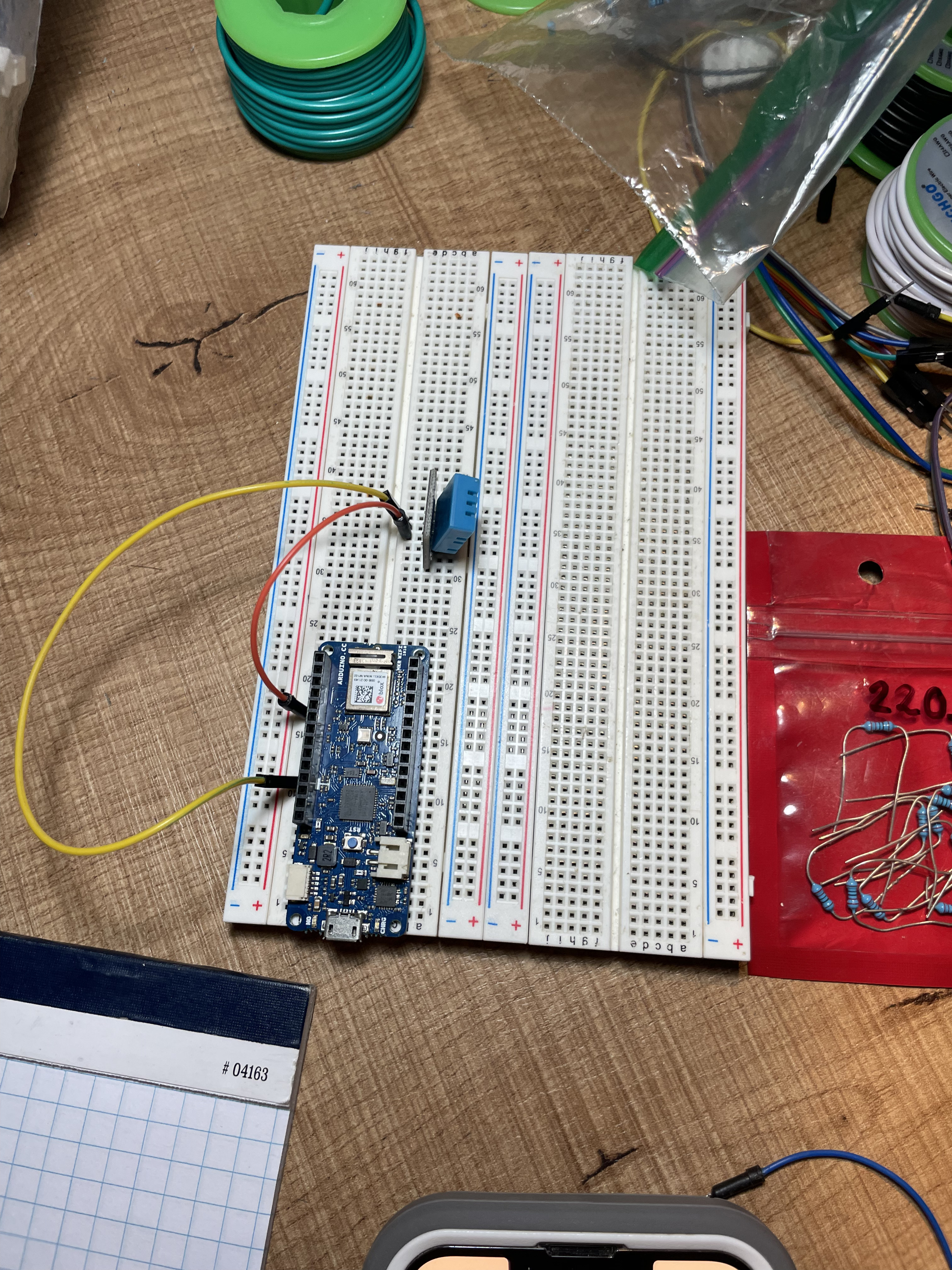
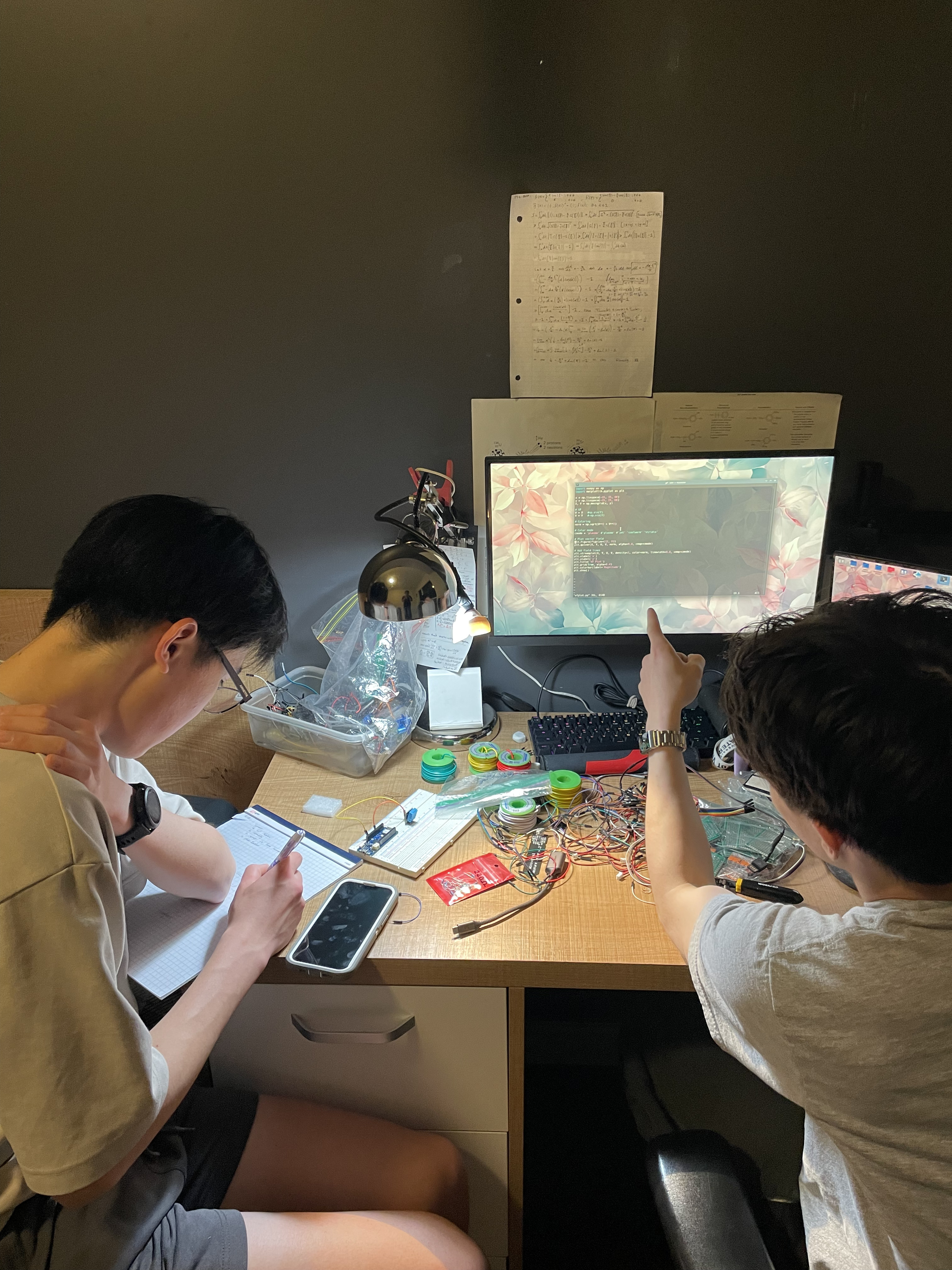
Early prototype
-
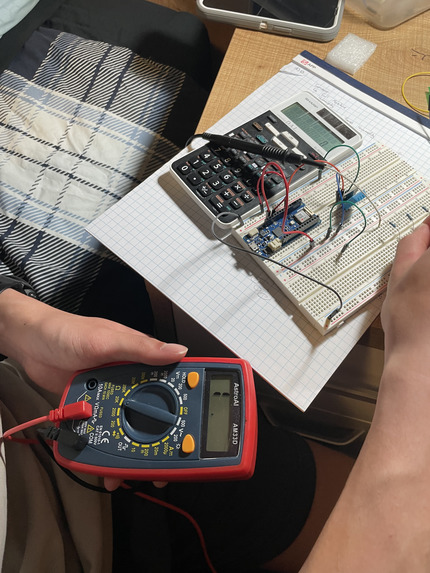
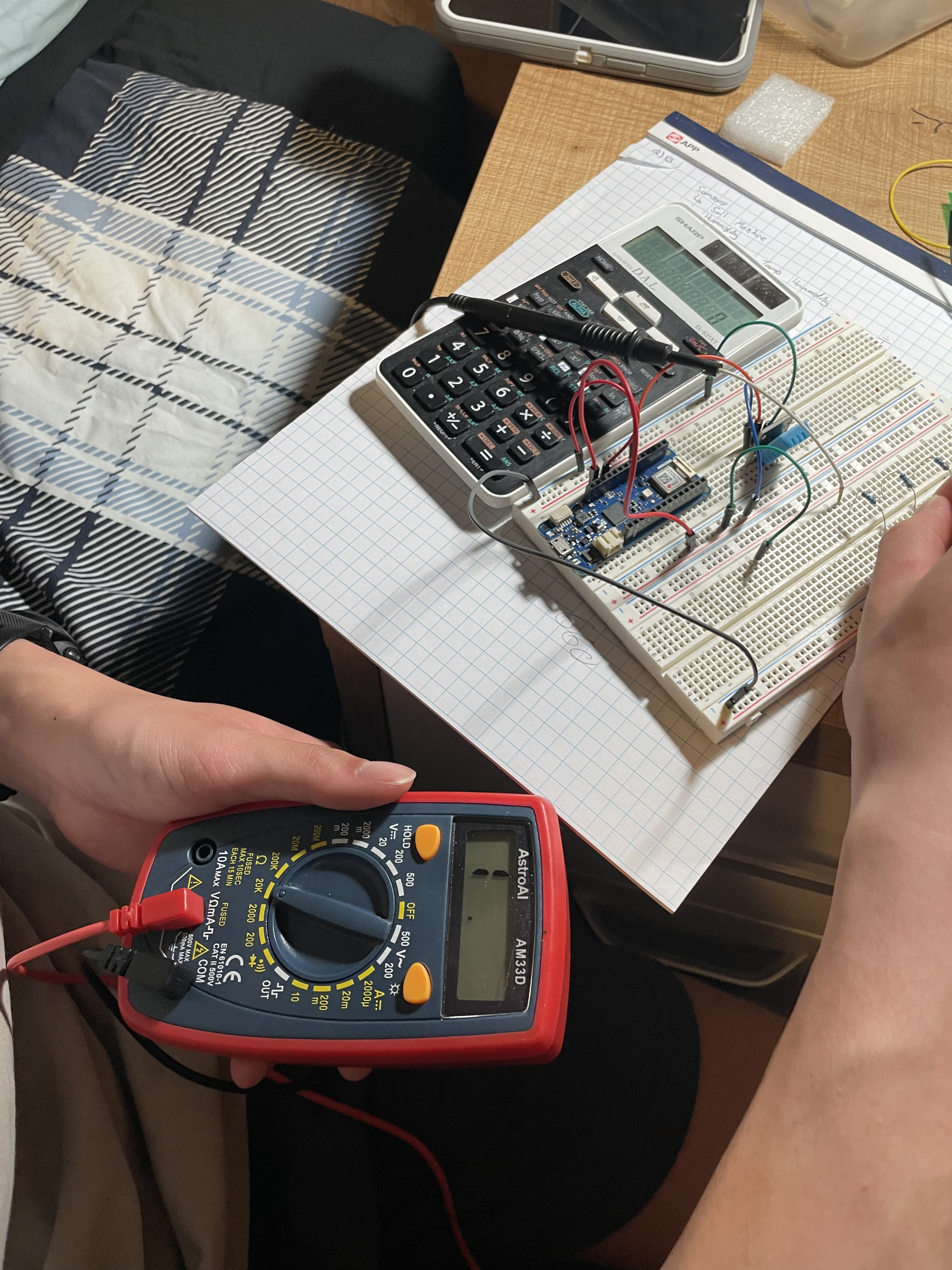
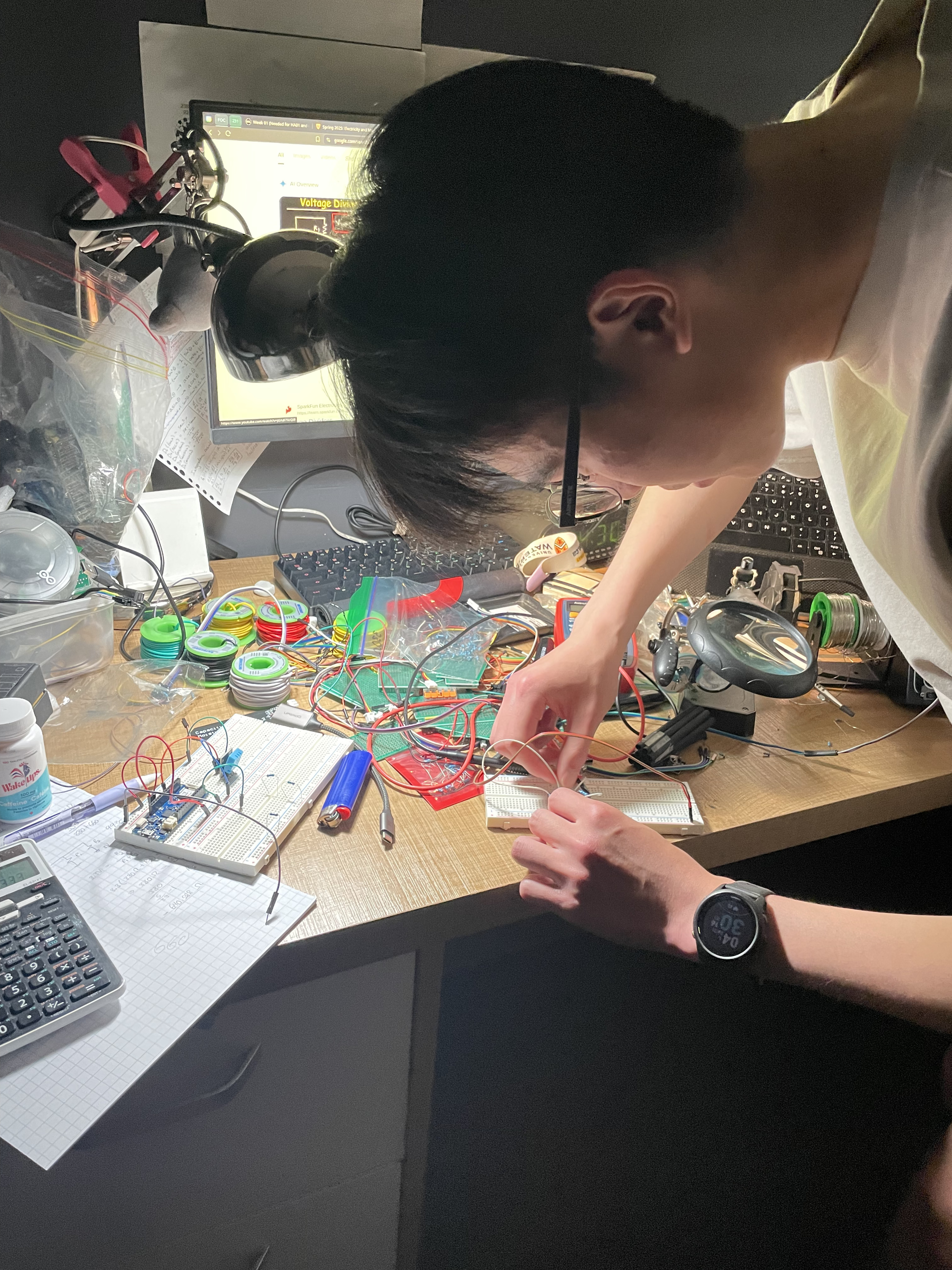
Troubleshooting voltage divider
-
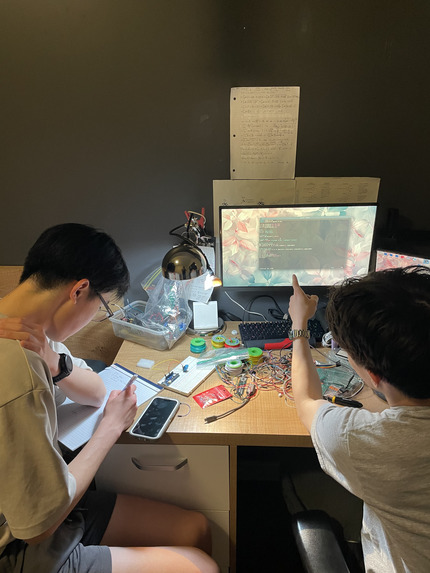
-
-
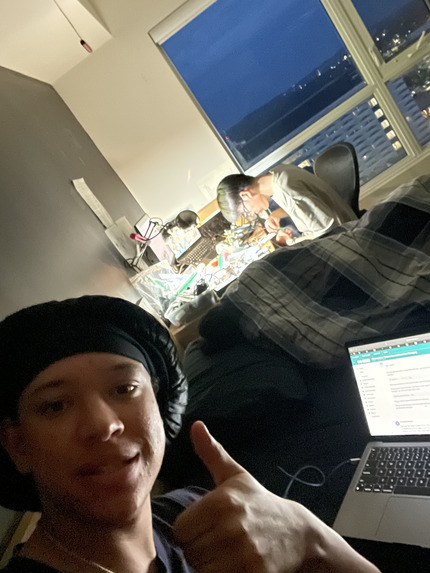
Sun rising after the first all nighter
-
-
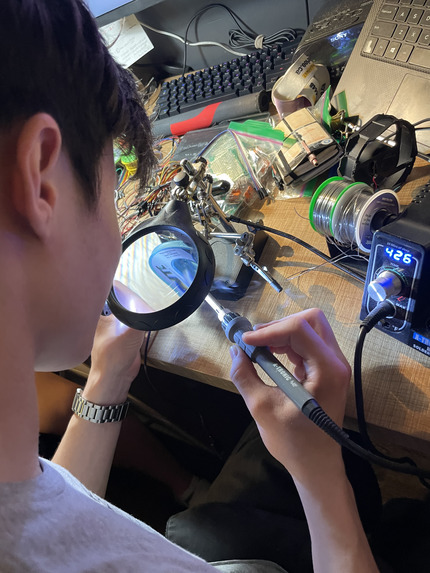
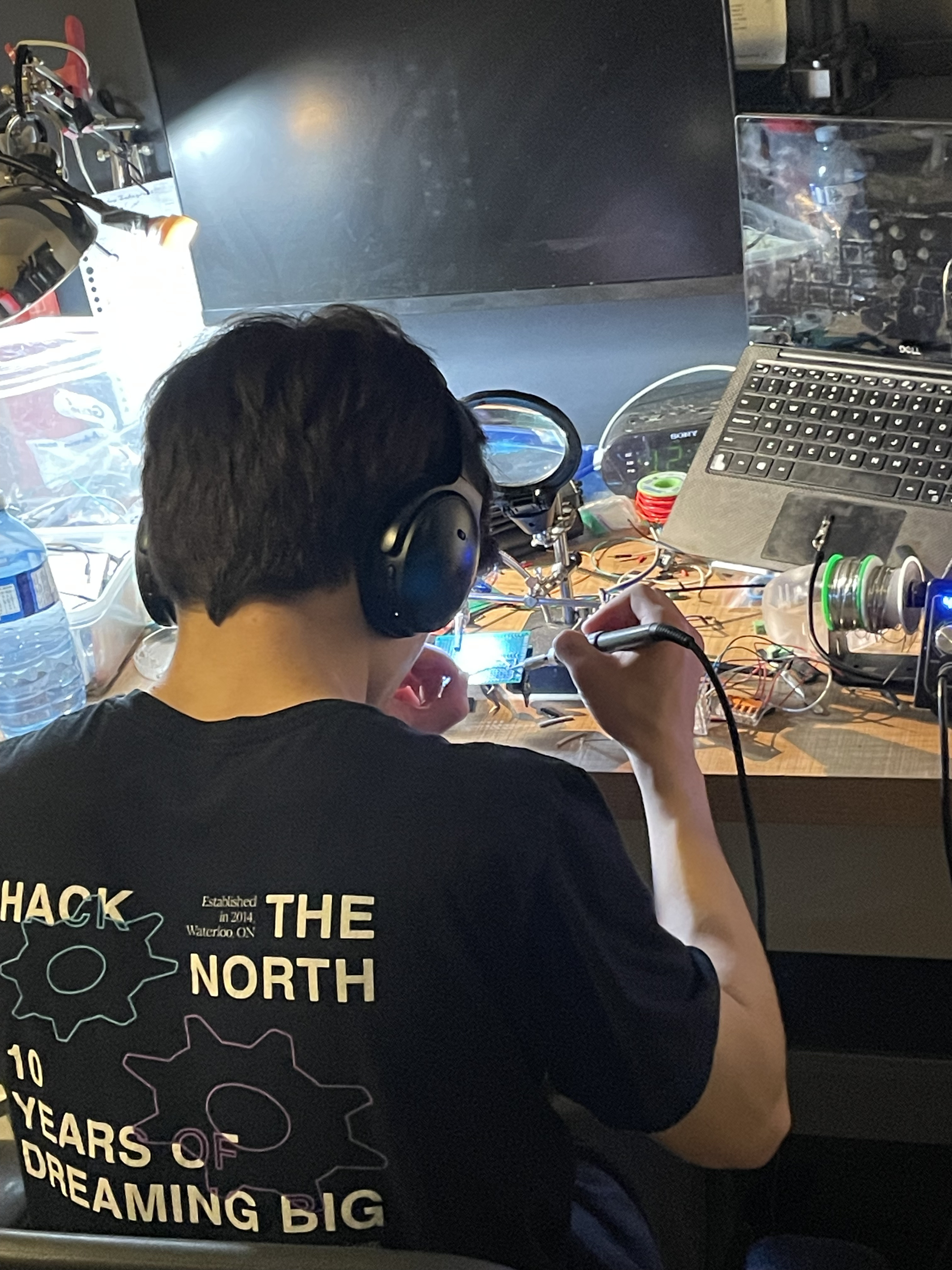
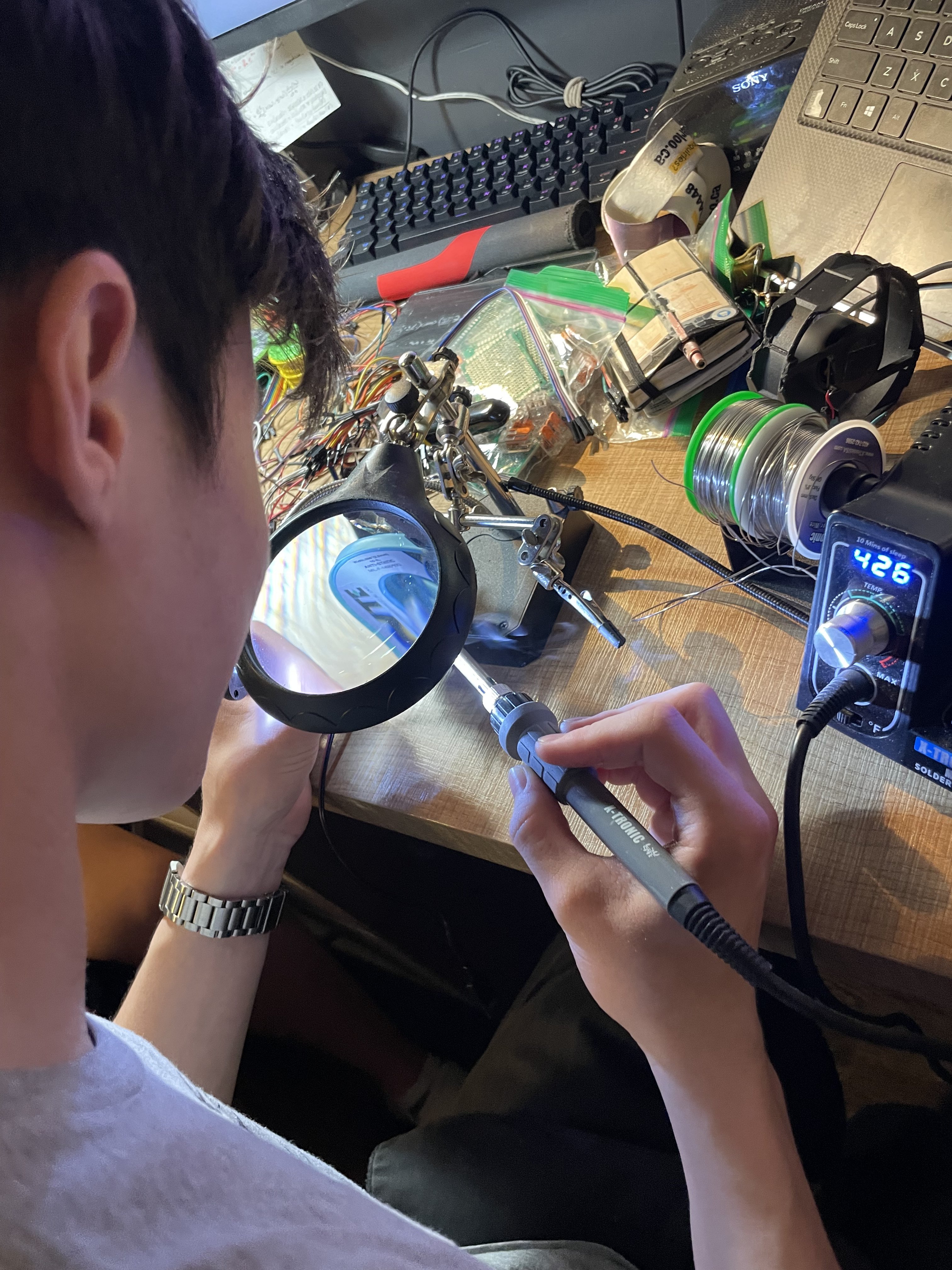
Soldering: final adjustments
-
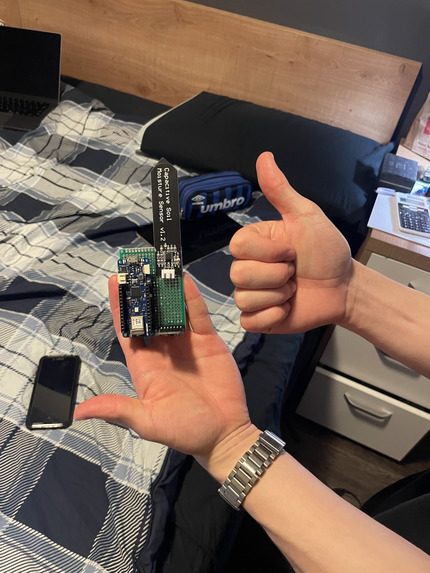
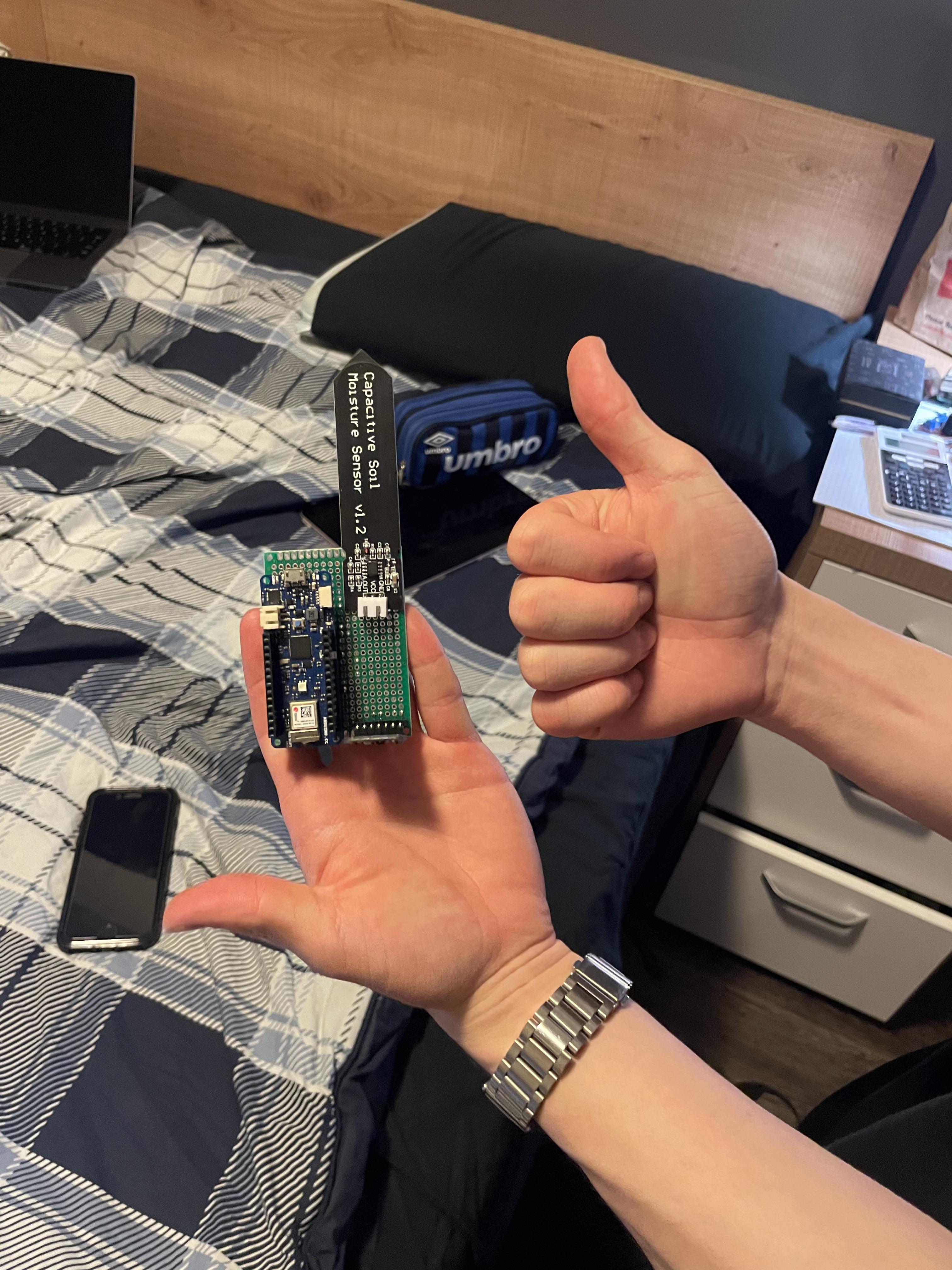
Size of a thumb, green too!
-
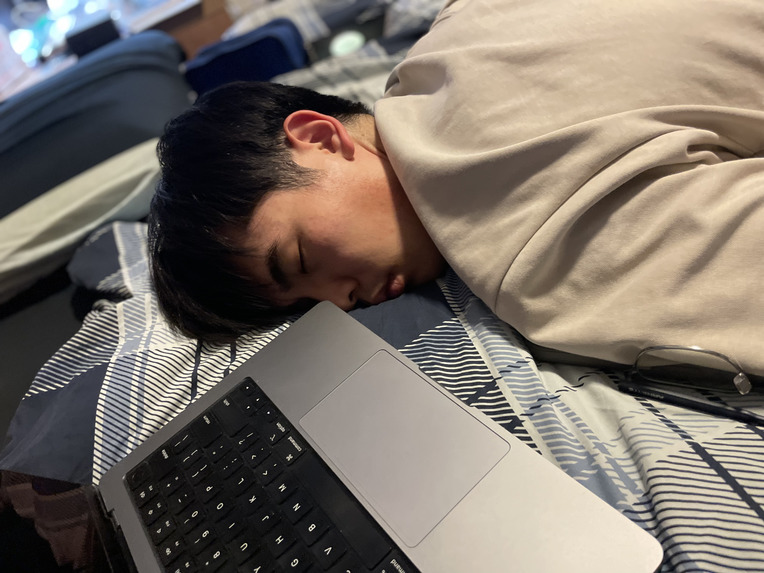
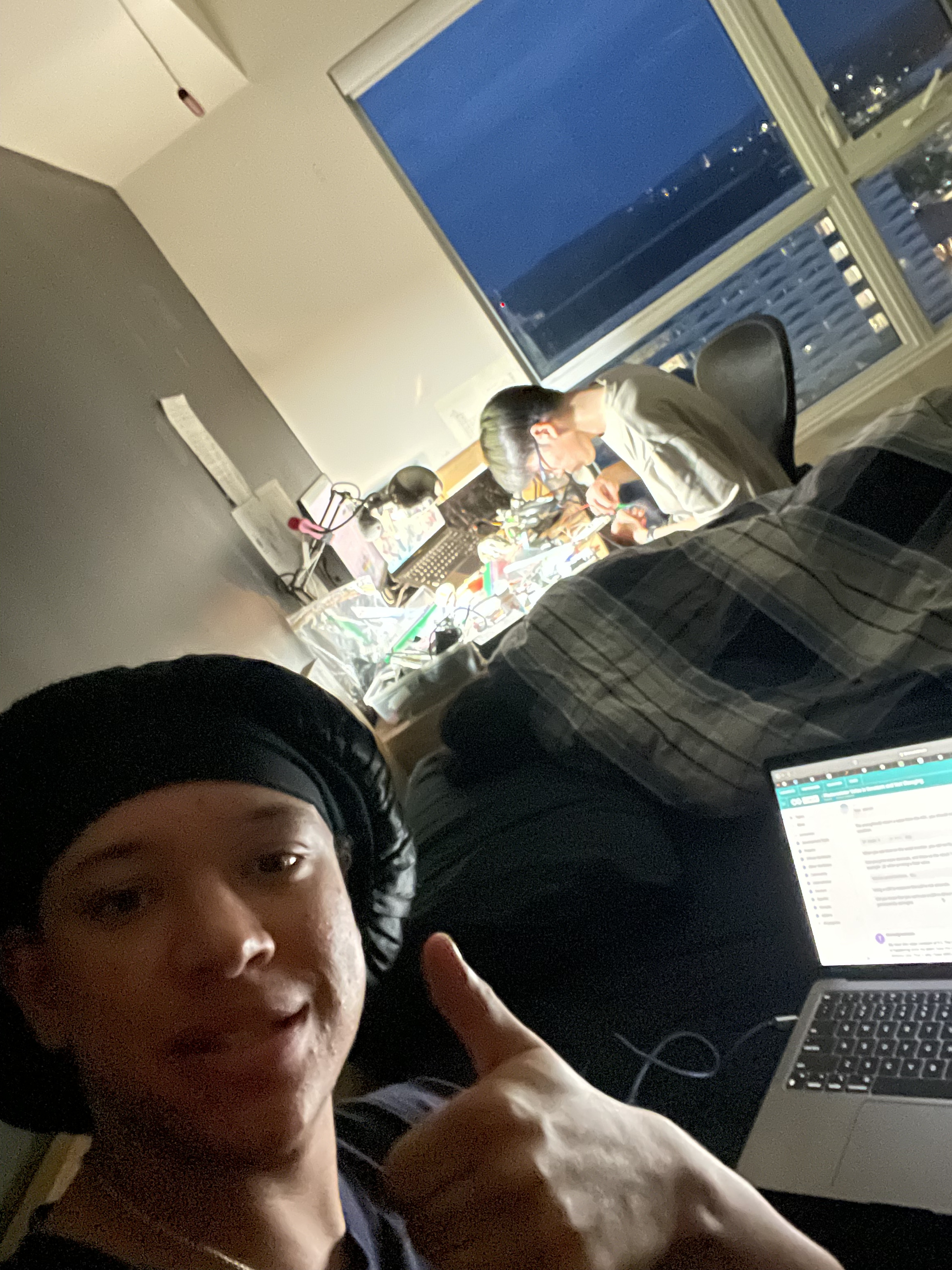
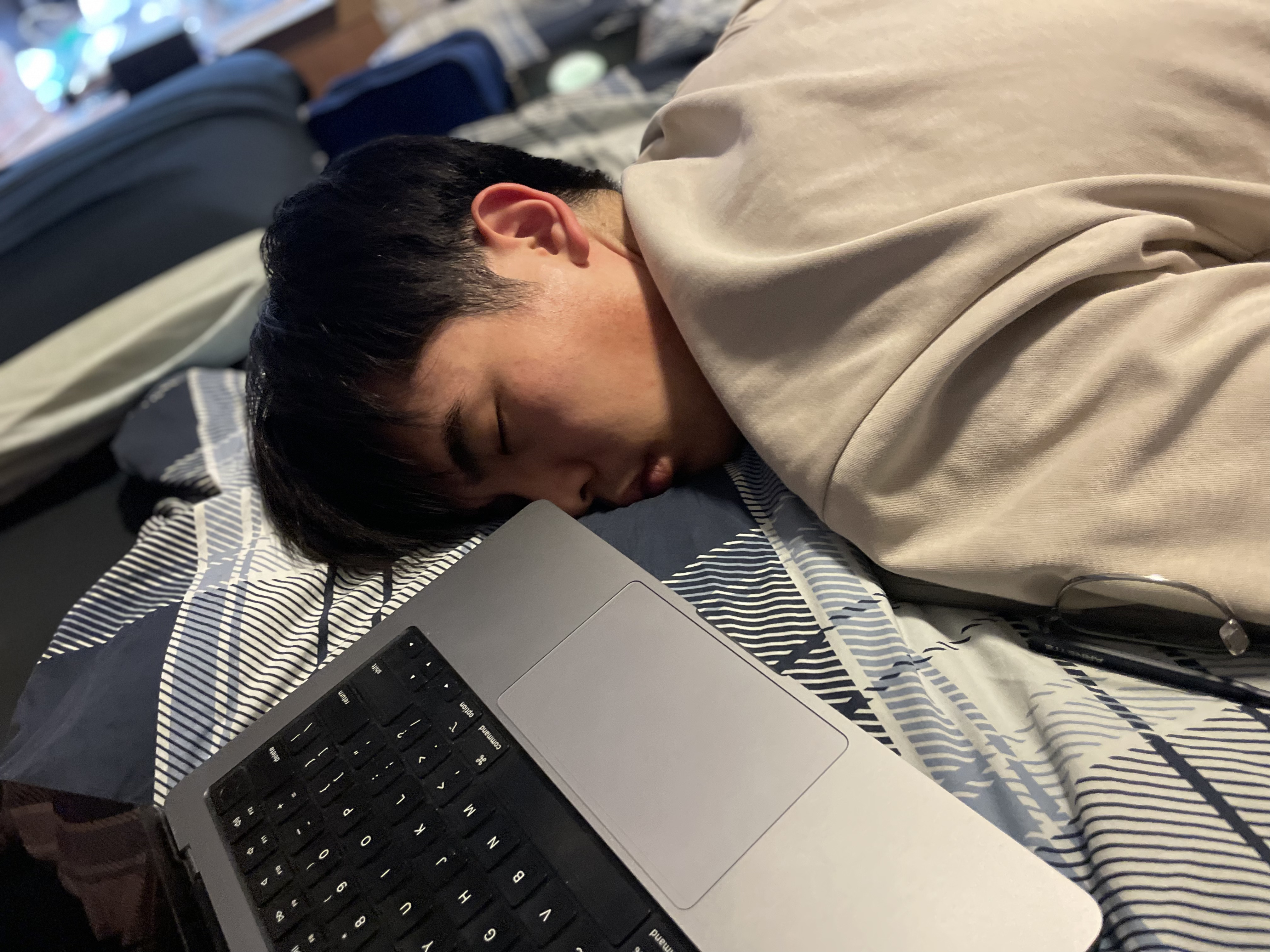
Unpaid intern taking a break
Inspiration
When I was younger, I never understood the appeal of plants. But after moving into a dull dorm room, I suddenly wanted to bring some life into the space and found myself buying houseplants left and right. Unfortunately, I quickly realized that plant care has never been as simple as “just water it once a week.” Within weeks, my ferns wilted, my succulents shriveled, and even my plastic plants somehow looked sad.
That moment sparked a question: Why isn’t there an easier way to take care of plants especially for people without green thumbs?
Like most teams, Superposition set out to solve a real problem affecting real people. During our initial brainstorming, we tossed around a wide range of ideas including a soil quality analyzer. Ironically, we scrapped it, thinking it was too niche and unrealistic for university students.
Little did we know we were on the verge of discovering our entire identity.
A few hours later, during our final brainstorming session, someone floated the idea of a smart greenhouse. That’s when things clicked. The concept quickly gained traction and evolved far faster than any of us expected eventually becoming the project we now call Green Thumb™.
What it does
At its core, Green Thumb™ is an intelligent plant monitoring system designed to eliminate the steep learning curve of home horticulture. By leveraging real-time environmental sensing and cloud connectivity, it delivers actionable insights across key metrics:
🌞 Sunlight Intensity – Tracks photonic exposure to ensure optimal light levels. 💧 Soil Moisture – Uses capacitive sensing to detect hydration status and avoid root rot. 🌡️ Air Temperature – Monitors ambient thermal conditions for climate-sensitive species. 💦 Humidity – Measures relative air moisture to support proper transpiration.
Data from the Green Thumb™ hardware is streamed to our responsive web dashboard or mobile application, offering users real-time analytics and personalized care suggestions. If your soil is over-saturated, our system will alert you and recommend corrective action based on species-specific thresholds.
Future iterations will integrate AI-powered diagnosis, cross-referencing user-collected data with a large-scale plant database to generate predictive care models and intelligent recommendations.
How we built it
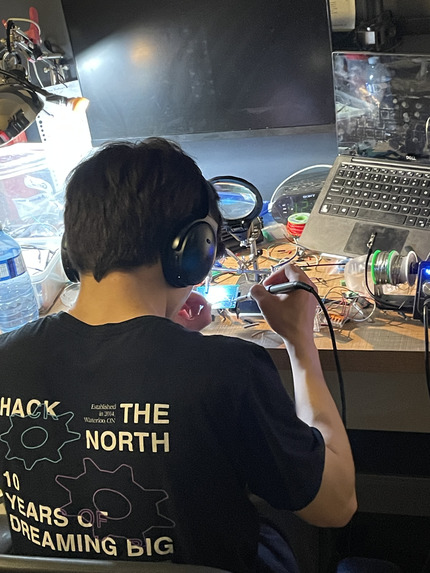
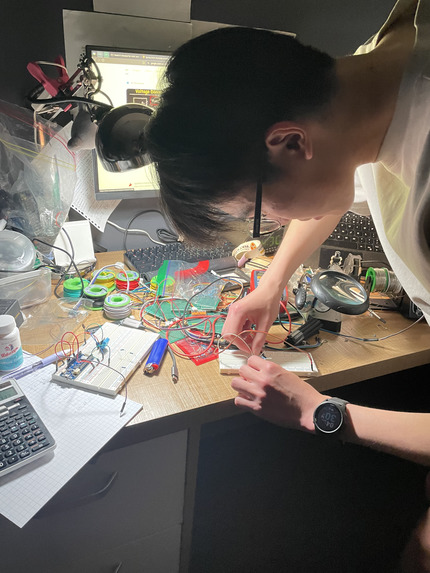
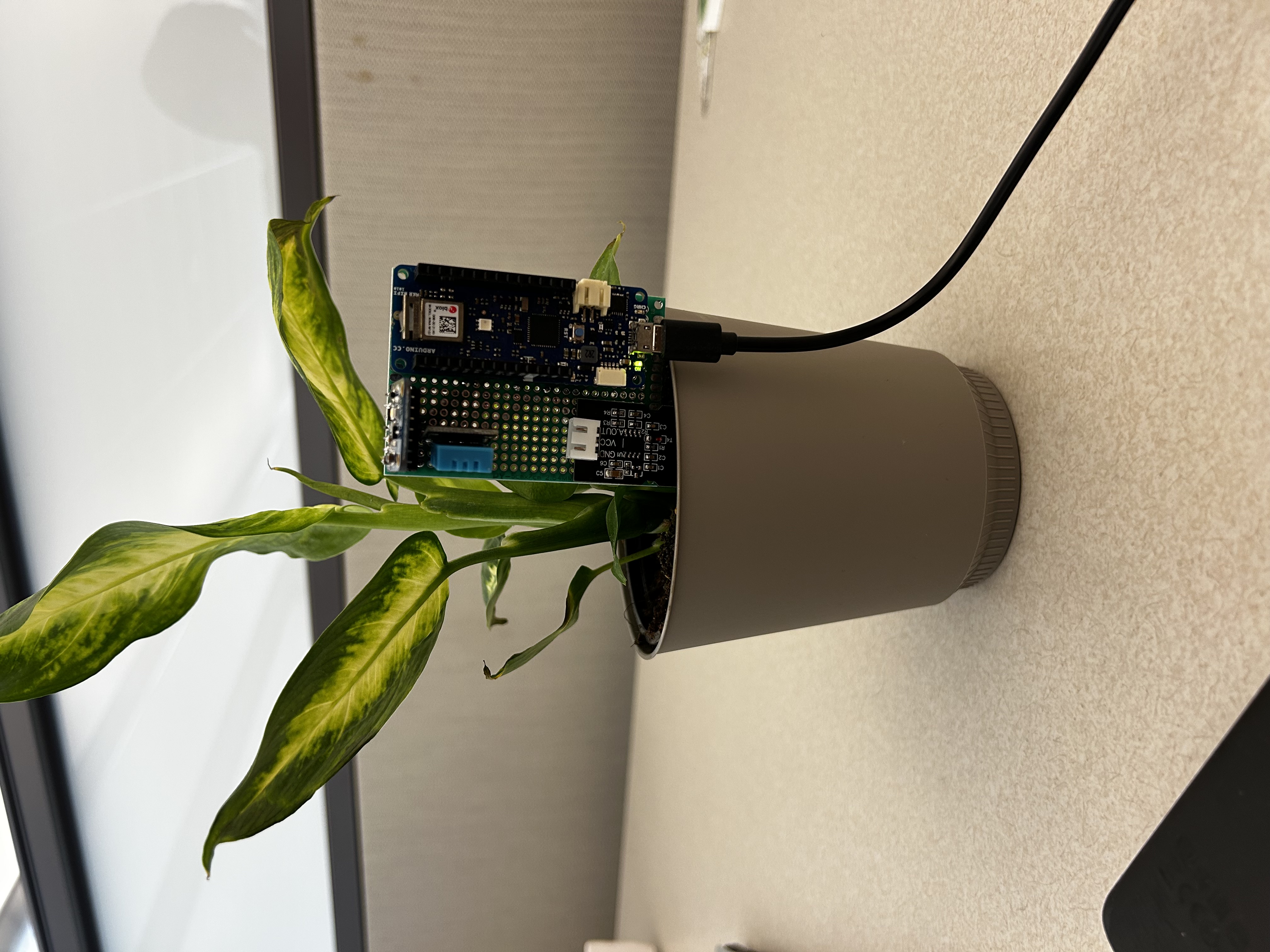
We used the Arduino MKR WIFI 1010 as our microcontroller for the Green Thumb. The device contains 3 additional components, each of which provides real time updates through the Arduino. These updates are then transmitted to our mobile app and website for further analysis. We utilize the Capacitive Soil Moisture Sensor, TCS34725 RGB Sensor, and DHT11 Humidity & Temperature Sensor; all of them providing the controller with 4 unique sources of input. Each of devices was soldered onto a custom perfboard for wireless connection.
Challenges we ran into
During our prototype phase, we initially used an external power source to power the entire system. The power source provided a higher voltage to what we actually needed; we needed a 3.3V rather than a 5V. Through this, we attempted to use a voltage division circuit to redirect a specific amount of voltage to the devices that required a lower voltage to run. However, after issues of redesigning and testing, we realized, that the voltage division, despite it being being able to reallocate the voltage, was not solving our issue. Through external sources on the internet, we realized that to achieve what we wanted, we had to incorporate a linear regulator or buck converter. After concluding on this finding, we realized that we didn't actually need the external power supply, and just needed to supply the power through the Arduino via. the network cable.
Another issue we faced is when we relayed our brightness and soil moisture data to our website and mobile app. For this metrics we decided to represent it through our applications as a percentage. Because of this, we had to divide the original data value by a fixed amount that we computed as the maximum. However, when we tested to see if our report on our application was working, the percentage displayed through the widget wasn't reflecting the correct results. Through more debugging, we realized that the issue wasn't because of the sensors, as we were receiving data, but had to do with how we were working with that data before we sent it to our application. After reviewing the code, we realized the issue had to do with the floating point representation of numbers in coding in general. Since we were dividing the inputs by such large values, the error in the result was significant, resulting in our report being unable to recognize it as a large enough value to represent it on the report. To solve this issue, we had to recompute our original fixed amount values with a smaller one. After testing these results, the report began to work immediately.
Finally, just like all projects we had the challenge of deciding what technologies and ambitions would make it to the final demo stage. As im sure any team can tell you this was difficult because obviously we wanted our project to be as ambitious as possible while still retaining its core values. I believe because of our excellent team chemistry and realistic approach we were able to pass this stage quite quickly and stayed modular throughout the design process allowing us to remove or include new features as necessary.a
Accomplishments that we're proud of
We at Superposition are incredibly proud of what we achieved in just 36 hours. As our first hackathon, we had no idea what to expect but delivering a compact, fully functional hardware prototype with real-time environmental monitoring exceeded even our own expectations.
Beyond the tangible build, we’re proud to have developed a scalable, impact driven solution that addresses a real world problem in a novel way. Green Thumb isn't just technically impressive, it has the potential to meaningfully improve plant care for a wide range of users. The home gardening sector in 2025 is estimated at roughly 16 Billion Dollars, with predictions for 2034 reaching 26.47 Billion Dollars.
Expecting users on all sorts of devices, our project includes a fully responsive web and mobile interface that displays live sensor data streamed from our Green Thumb device in real time. We also demonstrated our ability to iterate rapidly, integrating user feedback and constructive critique directly into our final product design.
What we learned
Building Green Thumb™ was more than just a technical challenge it was a crash course in real world product development. Over 36 hours, we learned how to take an idea from a concept to physical prototype. Technically, we gained real experience in Arduino IoT integration, working with sensors to measure light, moisture, humidity, and temperature. We learned how to calibrate analog sensors, manage real-time data transmission, and build a responsive web and mobile dashboard that could reflect changing conditions in real time.
Perhaps most crucially, we learned the necessity of troubleshooting errors that are inevitable to arise when working with hardware. Its probably safe to say that every single sensor was refusing to cooperate the first time around, some taking hours to configure to a point we were content with. However which each solution we only became more proficient.
Rapid prototyping taught us how to prioritize what matters. With limited time, we had to make smart decisions unfortunately cutting non essential features and focusing on building a stable, working MVP. That mindset helped us stay agile and goal focused.
What's next for Superposition
To us, Green Thumb isnt a one and done idea, We believe the scalibilty is almost endless. Although we were not able to implement it this time around, the applications are endless
AI Applications for Green Thumb™
Intelligent Diagnosis & Recommendation Engine will leverage real-time sensor inputs (sunlight exposure, soil moisture, air humidity, and temperature, etc) to identify deviations from optimal plant care conditions. "Your Fiddle Leaf Fig is experiencing low humidity, consider misting daily." "Soil moisture has dropped below the optimal range, recommend watering ¾ cup within 12 hours."
Cross-Referencing a Global Plant Data Bank, Sensor data collected from the user will be compared against a centralized, anonymized database containing:
Historical data from similar plant species and environments.
Crowdsourced optimal care conditions.
Community-verified symptom-to-solution patterns. This cross-referencing will allow the AI to identify early-stage problems and recommend best practices based on high-performing peer plants. For instance, the system may determine that 90% of snake plants in similar humidity and lighting conditions thrive under a 12-day watering cycle, and suggest adjustments accordingly.
Natural Language Feedback and Visual Alerts The AI system will interface with a chatbot-style assistant and visual dashboard: Users will be able to ask natural language questions such as “Why is my plant drooping?” and receive AI-generated, sensor-informed insights. A visual health indicator system (e.g., color-coded risk levels) will show plant status based on AI assessments.
Future Integration with RGB and CO2 Sensors:
- RGB sensors for leaf and stem color analysis. AI algorithms will evaluate color patterns to detect early signs of disease or nutrient deficiency.
- CO2 sensors for monitoring photosynthetic activity and environmental quality. Combined with other data, this will allow for deeper insights into plant health and productivity.
With or without AI, future iterations will continue to shrink in size while expanding in sensor variety, thus resulting in richer, more comprehensive environmental data.
Built With
- arduinoapi
- arduinoiot
- aurduino
- c++
- google-workplace
- javascript
- microcontrollers
- swift


Log in or sign up for Devpost to join the conversation.