Inspiration Most AI trip planners fail for a simple reason: users don’t lack ideas — they have too many. People constantly save travel videos, posts, and guides across TikTok, Xiaohongshu, and YouTube, but when it’s time to plan, those collections become an overwhelming archive instead of a usable resource. We were inspired by this gap between taste and action. Users’ real preferences already exist in their saved content; the problem is turning that unstructured signal into a concrete, executable plan. We wanted to build an AI system that understands personal taste at scale and transforms it into decisions, not just suggestions.
What it does SuperHero is an AI travel agent that converts a user’s saved travel content into a personalized, executable itinerary.
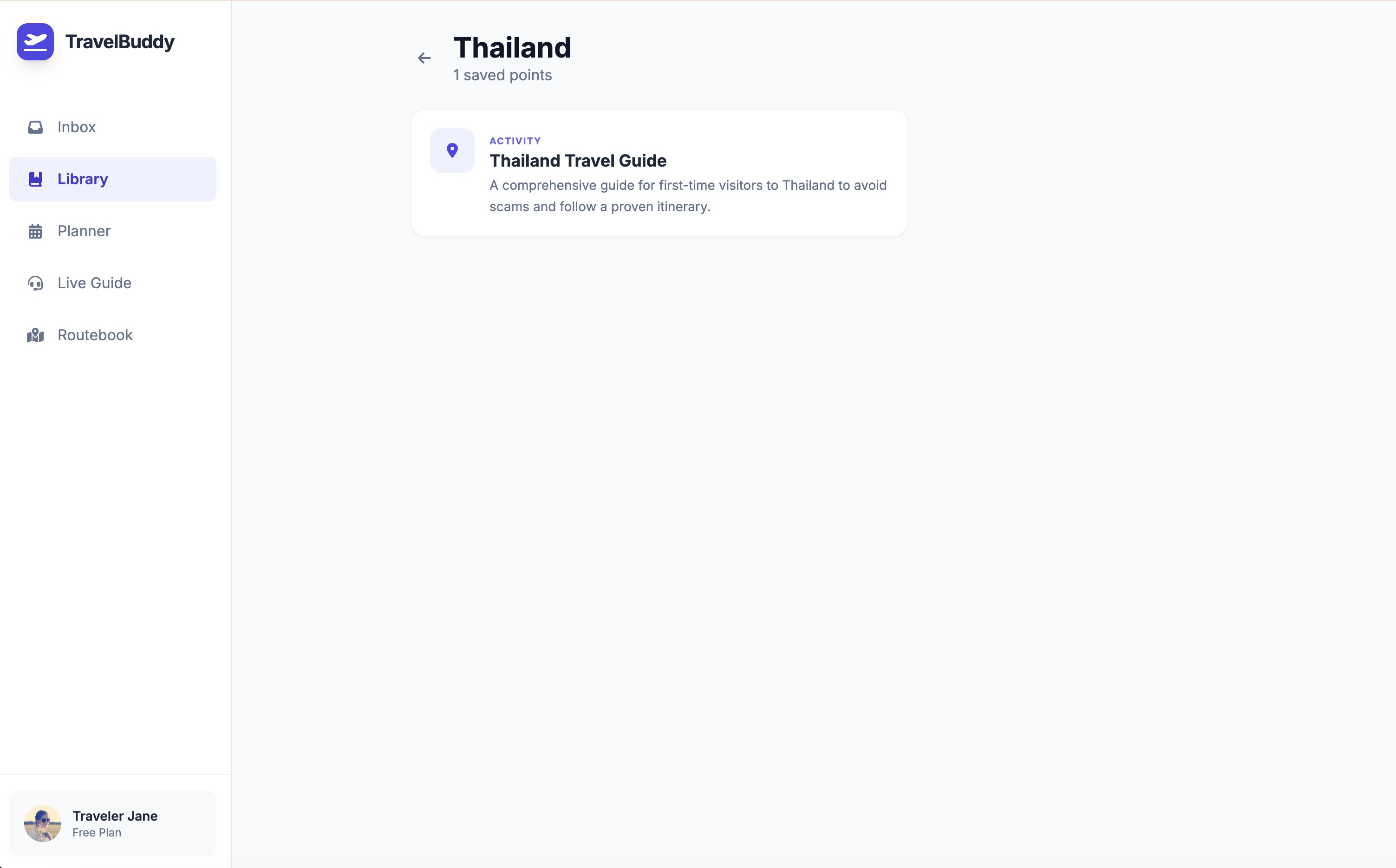
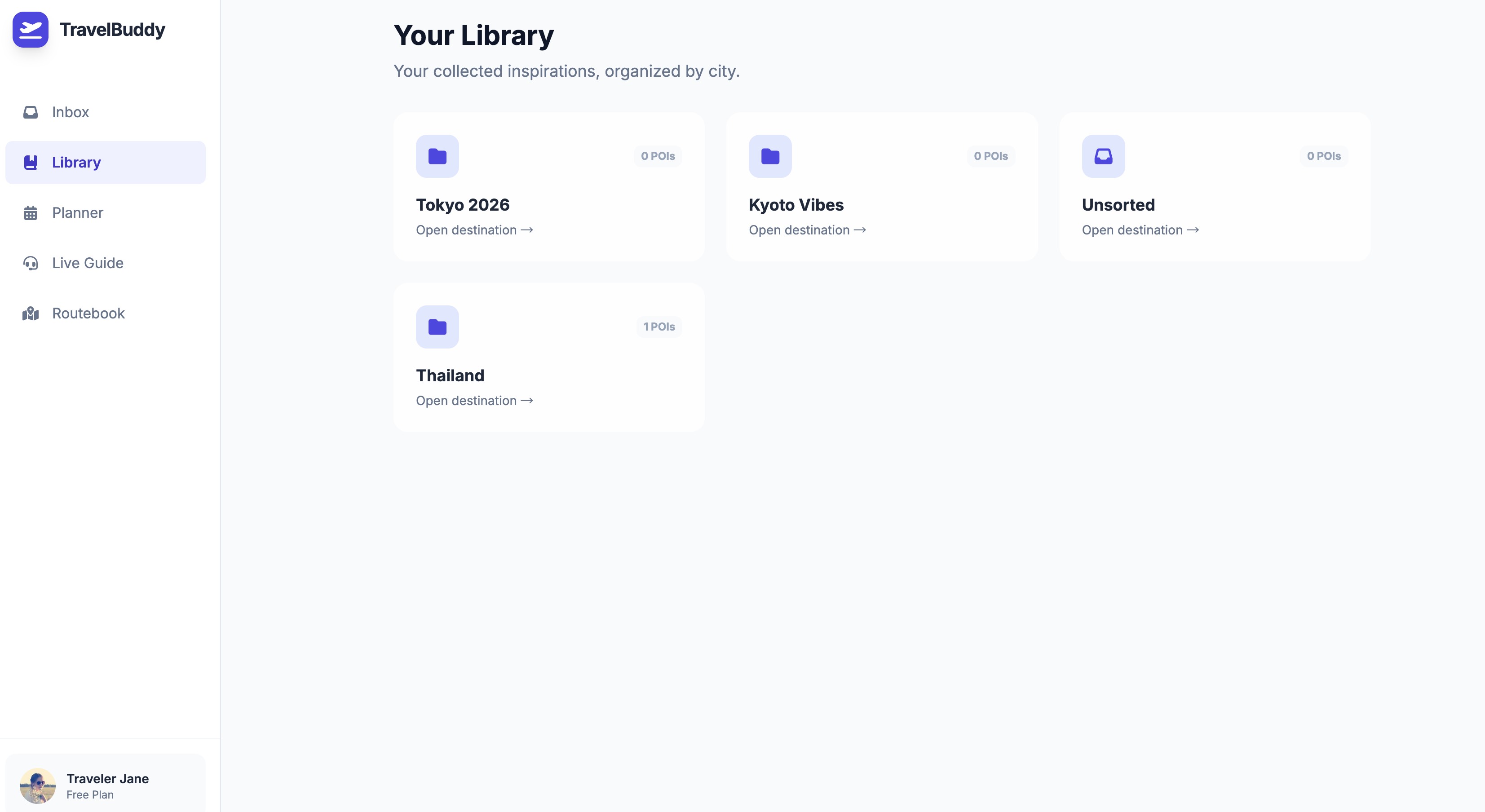
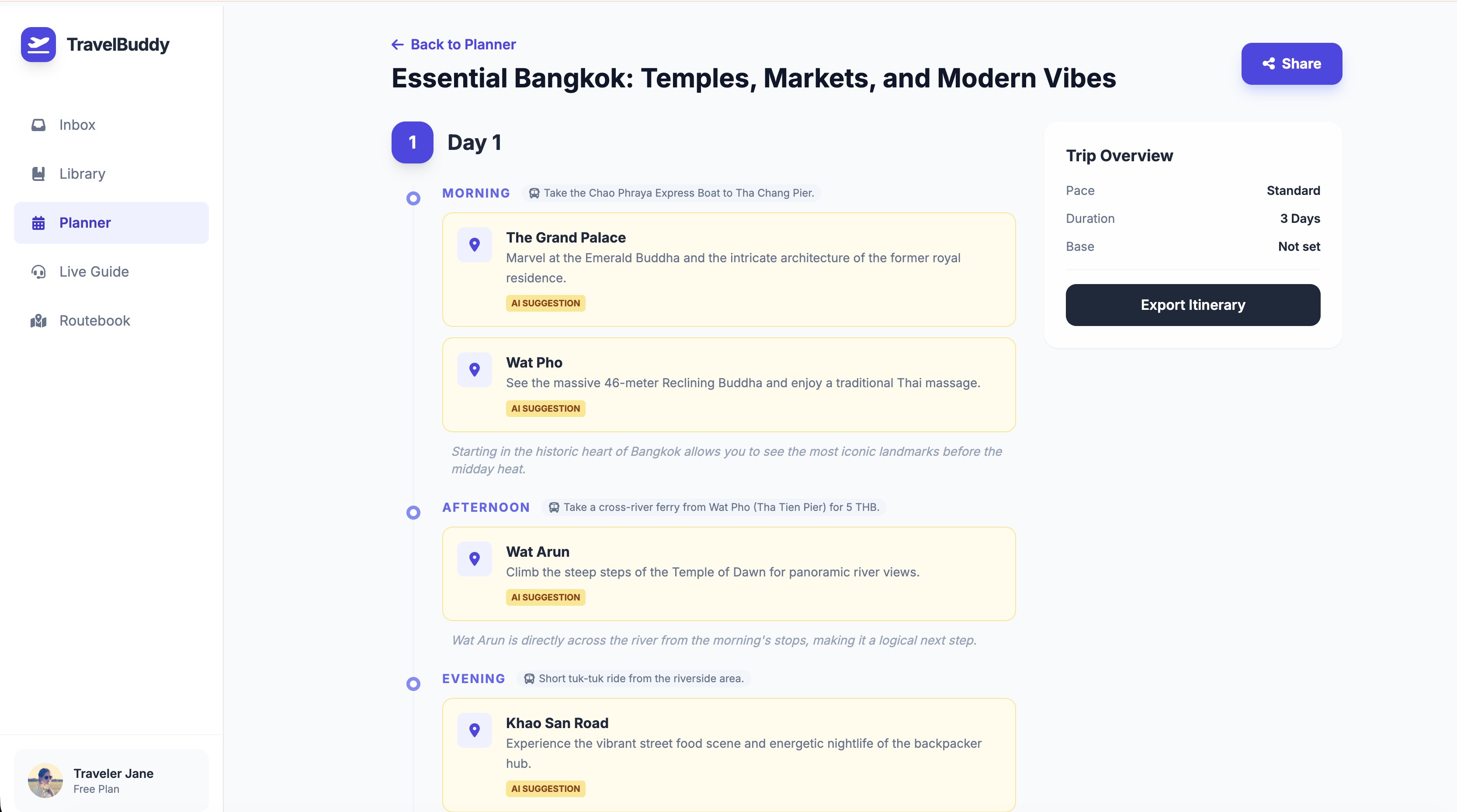
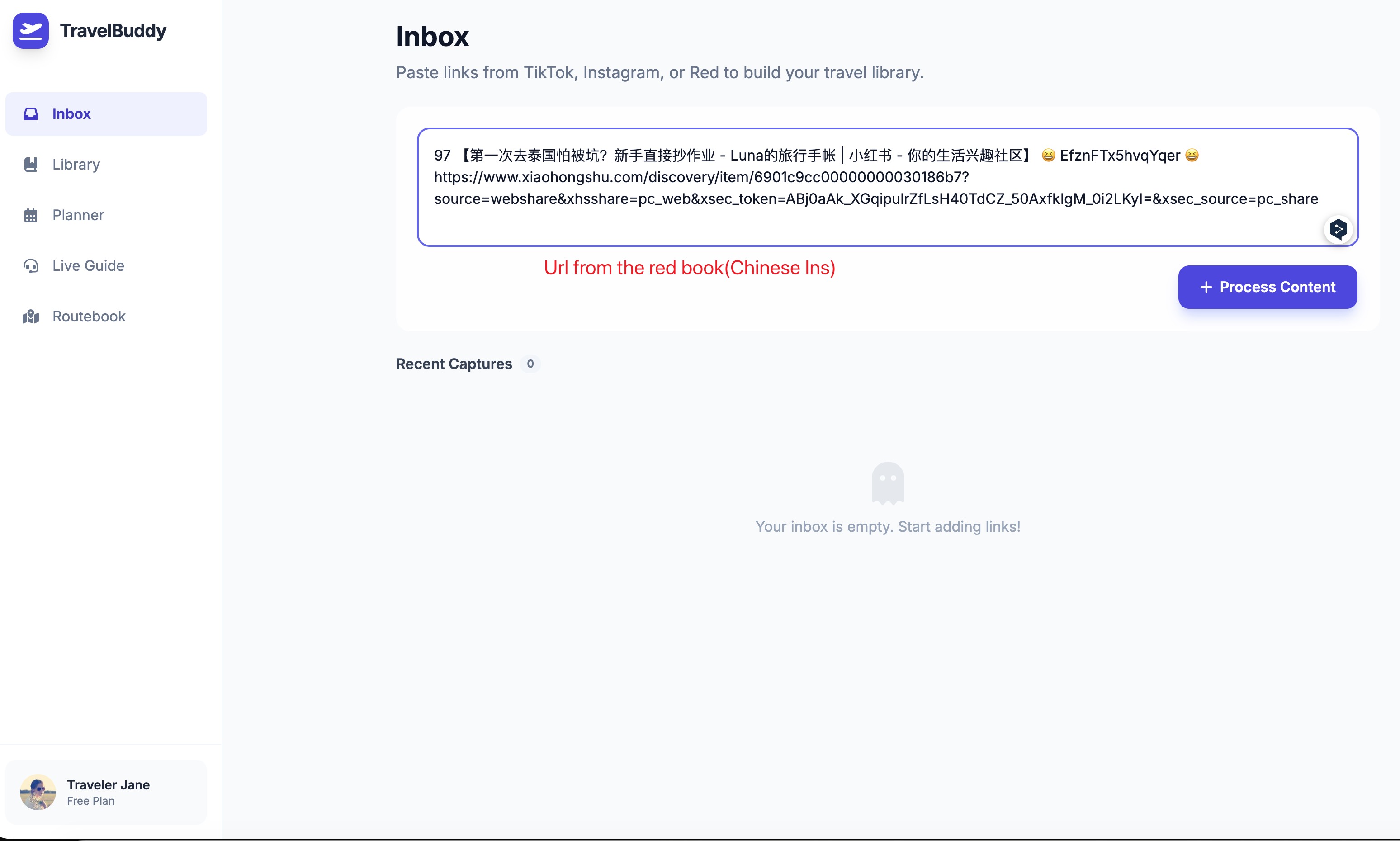
Users drop links (videos, posts, articles) into destination folders. The system reads all content, extracts POIs, activities, restaurants, constraints, and hidden preference signals (pace, vibe, budget hints, interests), deduplicates them, and maps everything into a realistic day‑by‑day plan.
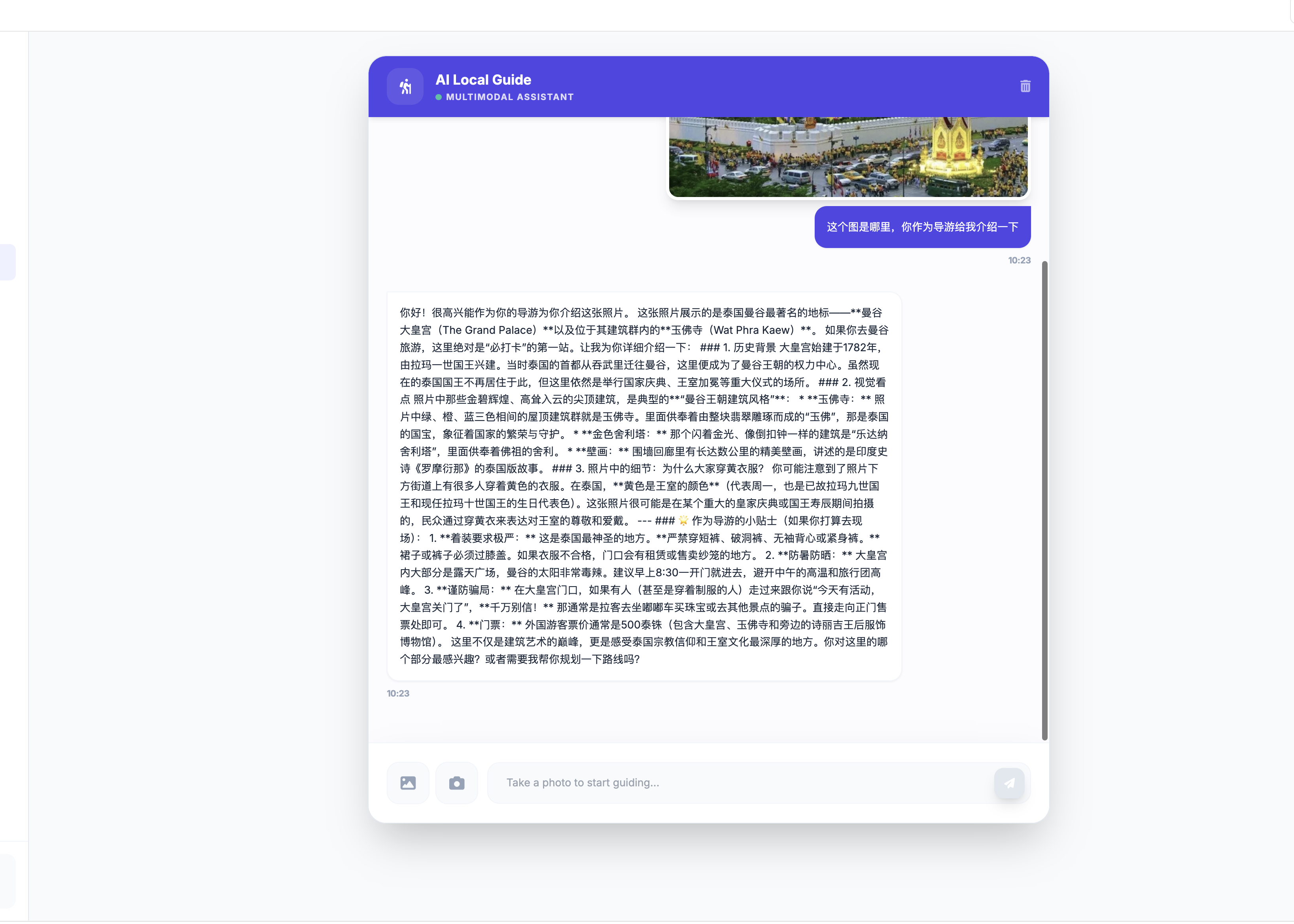
Instead of generating a random itinerary, SuperHero assembles a trip from the user’s own digital footprint. We also close the loop with a lightweight travel-time/post-trip feature, such as auto-generating a shareable travel journal from photos, proving the system extends beyond planning into storytelling.
How we built it We built SuperHero around a preference-to-plan pipeline powered by Gemini’s multimodal and long-context capabilities.
Content ingestion layer Links are parsed and converted into structured multimodal inputs (text + image/video summaries).
Preference extraction agent Gemini processes long cross-source context to infer implicit signals:
attraction patterns
activity styles
pacing preferences
food and culture interests
Normalization + deduplication engine Extracted entities are mapped into canonical POIs and grouped to remove noise and repetition.
Planning engine The cleaned preference graph is translated into itinerary constraints and optimized into a realistic schedule:
Plan
f ( Preferences , Time , Budget , Constraints ) Plan=f(Preferences,Time,Budget,Constraints) Presentation layer The final output is a human-readable travel route with timing, logistics, and narrative explanations.
Challenges we ran into One major challenge was ambiguity: saved content is messy, emotional, and incomplete. A single travel video might mix aesthetic inspiration, practical tips, and personal storytelling. Teaching the system to separate preference signals from noise required careful prompt design and iterative evaluation.
Another challenge was scale. Long-context reasoning is necessary to see patterns across dozens of links, but we had to maintain responsiveness and coherence. Balancing depth of understanding with performance was a constant tradeoff.
Finally, realism was harder than creativity. Many AI itineraries sound good but fail in real-world logistics. Ensuring geographic feasibility and pacing required extra planning logic beyond simple generation.
Accomplishments that we're proud of We’re proud that SuperHero doesn’t feel like a generic planner. When testing, users recognized their own taste in the output. The itinerary feels familiar, as if it was assembled by a friend who deeply understands them.
We’re also proud of building a system that demonstrates a true multimodal AI workflow, not just text generation. The agent reasons across formats and time, turning scattered inspiration into actionable structure.
Most importantly, we created a demo that shows a complete loop: inspiration → planning → memory.
What we learned We learned that personalization is not about asking more questions — it’s about listening to data users already produce. Saved content is a powerful behavioral signal that traditional planners ignore.
We also learned that AI products succeed when they reduce cognitive load, not just automate tasks. The real value isn’t faster planning; it’s removing the mental friction between dreaming and doing.
From a technical perspective, we learned how critical long-context reasoning is for real-world agents. Many consumer problems are not single prompts — they are archives.
What's next for SuperHero Next, SuperHero evolves from a personal planner into a shared planning network. Travel plans can become social artifacts: users can publish routes, remix others’ trips, match with compatible travel partners, and connect with local hosts.
We envision a future where travel planning is collaborative, memory-driven, and taste-aware — an ecosystem where AI doesn’t replace exploration, but amplifies it.

Log in or sign up for Devpost to join the conversation.