Project Story: SuperConductor Insights
Inspiration
The inspiration for the SuperConductor Insights project stemmed from our fascination with the enigmatic world of superconductivity. Superconductors have the potential to revolutionize various industries, from energy transmission to healthcare. However, their behavior is still not fully understood. We saw an opportunity to apply machine learning to unlock the secrets hidden in vast datasets of superconductivity data.
What We Learned
Throughout our journey, we learned several valuable lessons:
Data Is Key: Gathering and curating high-quality data is paramount. We spent a significant amount of time sourcing and cleaning datasets from various experiments and research papers.
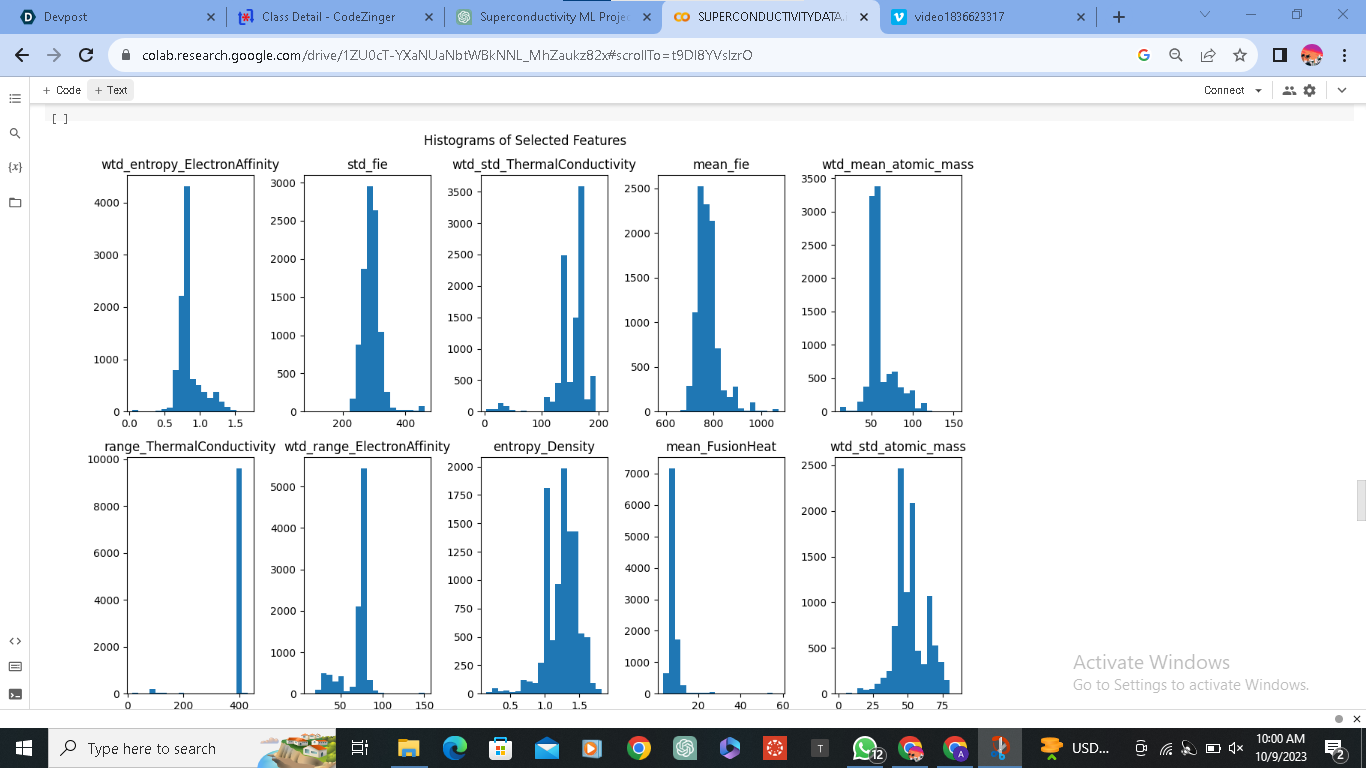
Feature Engineering Matters: Crafting meaningful features from raw data was crucial. We experimented with different feature engineering techniques to improve model performance.
Model Selection: Selecting the right machine learning models for the task was challenging. We tried various algorithms, including deep learning and ensemble methods, to find the best fit for our data.
Interpreting Results: Interpreting model outputs was often complex. We developed visualization tools and techniques to gain insights into the superconductivity phenomena we were studying.
Ethical Considerations: We encountered ethical dilemmas related to data privacy and responsible AI. Ensuring our project adhered to ethical guidelines was a critical aspect of our work.
How We Built Our Project
Our project followed a structured workflow:
Data Collection: We scoured research databases, academic papers, and experimental datasets to gather a diverse range of superconductivity data.
Data Preprocessing: We cleaned, standardized, and preprocessed the data to ensure consistency and remove outliers.
Feature Engineering: We extracted relevant features and engineered new ones to capture the essence of superconducting materials.
Model Development: We experimented with various machine learning models, including decision trees, random forests, neural networks, and gradient boosting, to predict superconductivity properties.
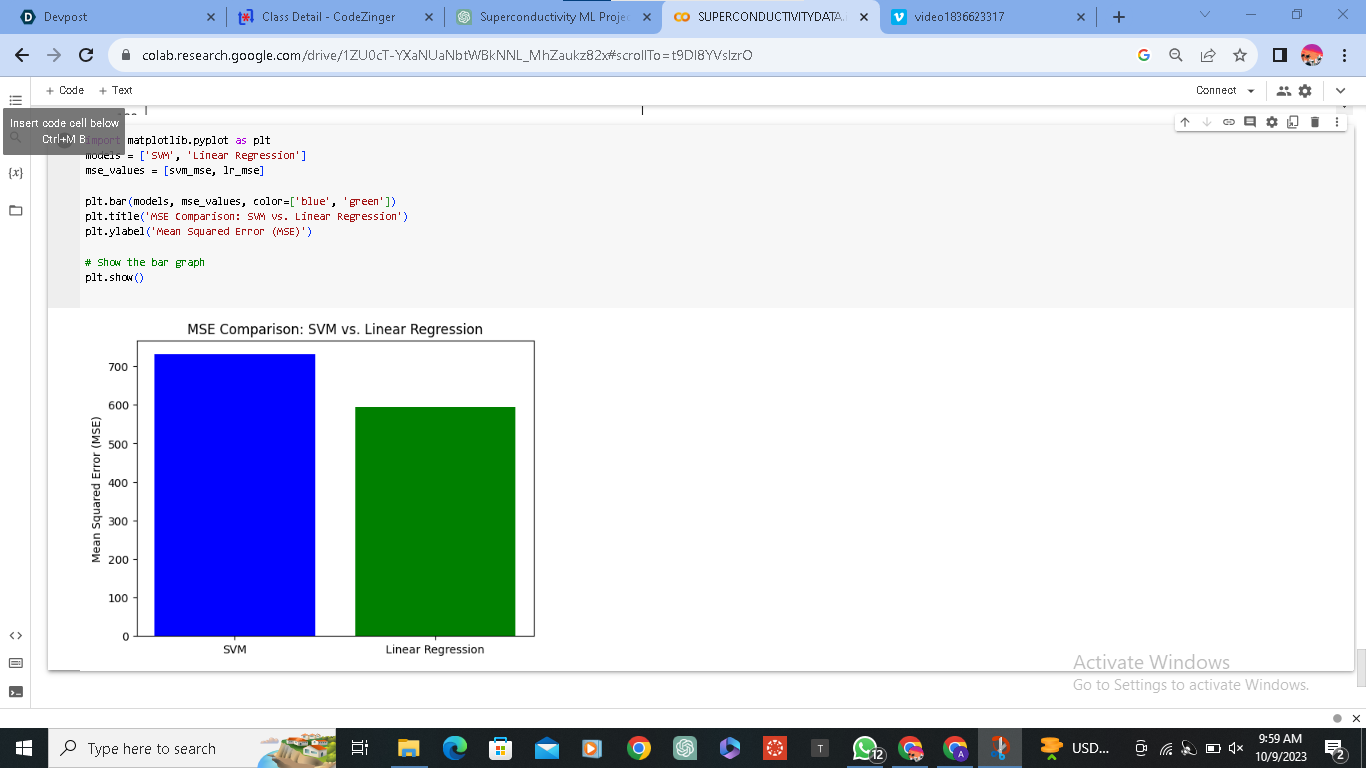
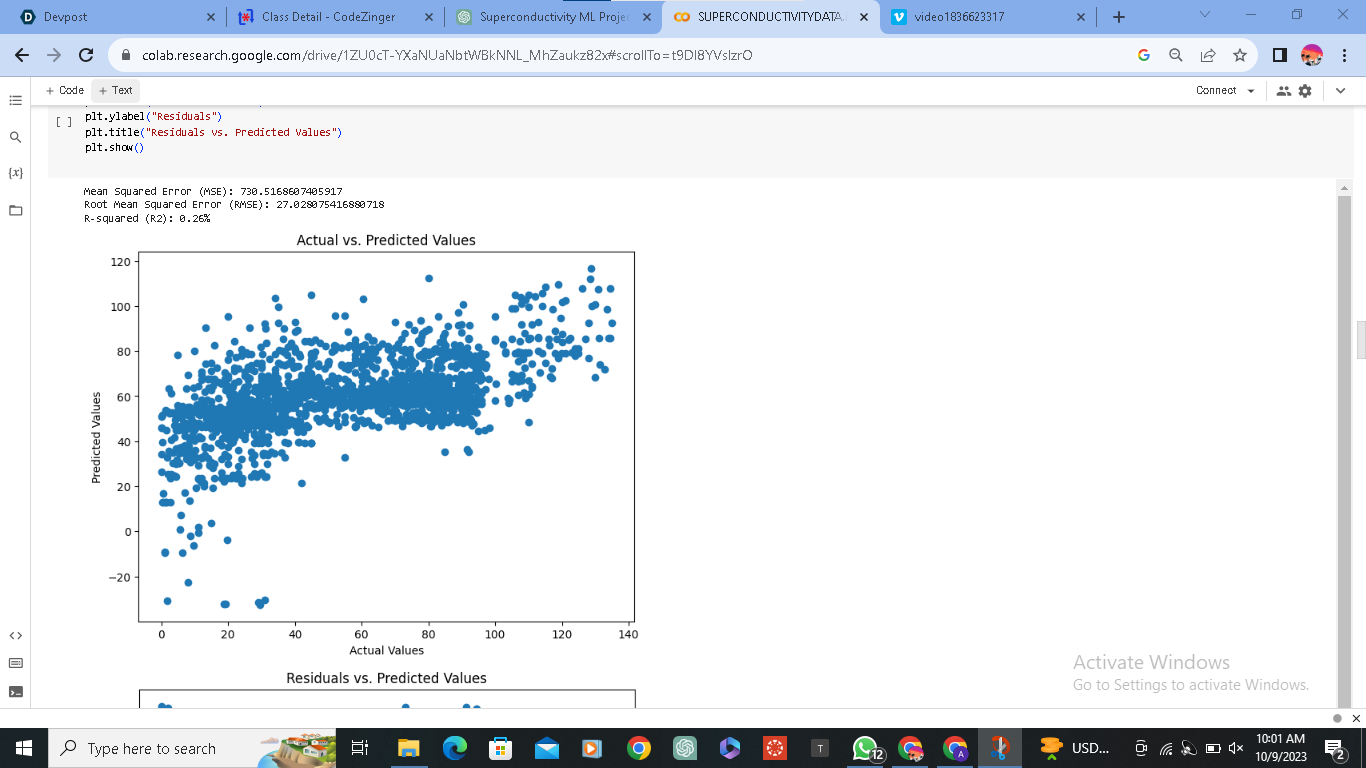
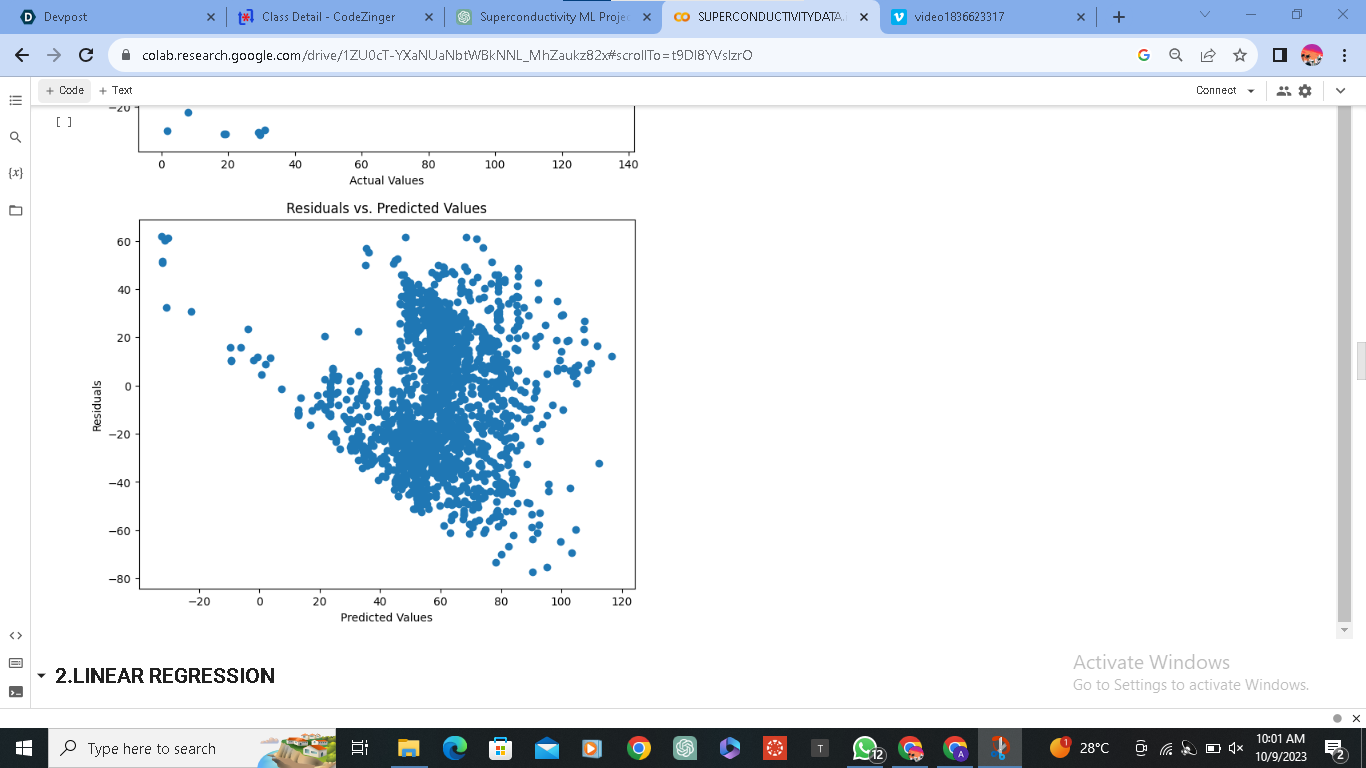
Model Evaluation: We used cross-validation and performance metrics like mean squared error and R-squared to assess model performance.
Interpretability: To enhance understanding, we created visualizations and feature importance analyses to interpret the models' predictions.
Ethical Review: We conducted an ethical review to ensure data privacy and responsible AI practices.
Challenges Faced
Our project was not without its challenges:
Data Variety: Integrating data from different sources with varying formats and quality was a major challenge.
Model Complexity: Finding the right balance between model complexity and interpretability was difficult. Deep learning models, while powerful, often lacked transparency.
Resource Constraints: Training complex models and handling large datasets required substantial computational resources.
Ethical Dilemmas: Ensuring that our project adhered to ethical standards and addressed potential biases was an ongoing concern.
Despite these challenges, our SuperConductor Insights project provided valuable insights into superconductivity and its potential applications. We hope our work contributes to advancing this fascinating field of science.
Built With
- linearregression
- matplotlib
- minmaxscaling
- mse
- numpy
- pandas
- python
- r2
- rmse
- scikit-learn
- simpleimputer
- svr
- train-test


Log in or sign up for Devpost to join the conversation.