-
-
Team 18 Title Slide
-
-
-
-
-

Inspiration
We were inspired by the excessive smartphone usage today's society and the urge that many face to pick up their phones every few minutes. Currently, the apps developed to address this problem decrease phone usage by locking the screen or hiding notifications; however, the user can easily get around the apps and go on their phone. As a result, we decided to create a device that physically locks the phone so that even if the user feels the urge to pick up their phone, the process for accessing it would be more difficult, which in turn decreases probability that the user actually picks it up.
What it does
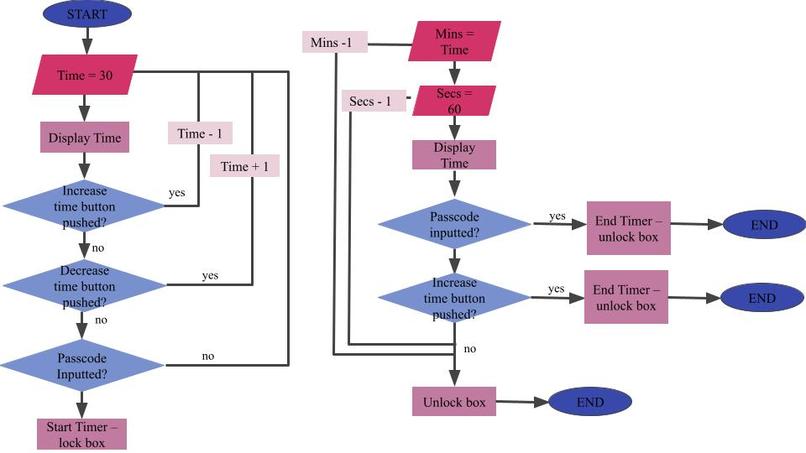
The super phone wrap locks your phone for any desired amount of time but unlocks for calls and emergencies. Compete with friends to determine who has the most self control based on whoever keeps their phone locked for the longest amount of time. It is customizable for individual needs: the super phone wrap has three modes -- amplification mode, remote mode, and game mode.
How we built it
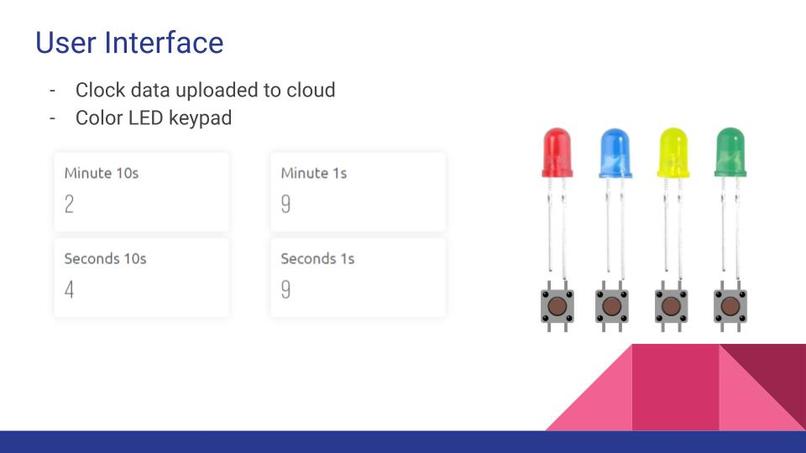
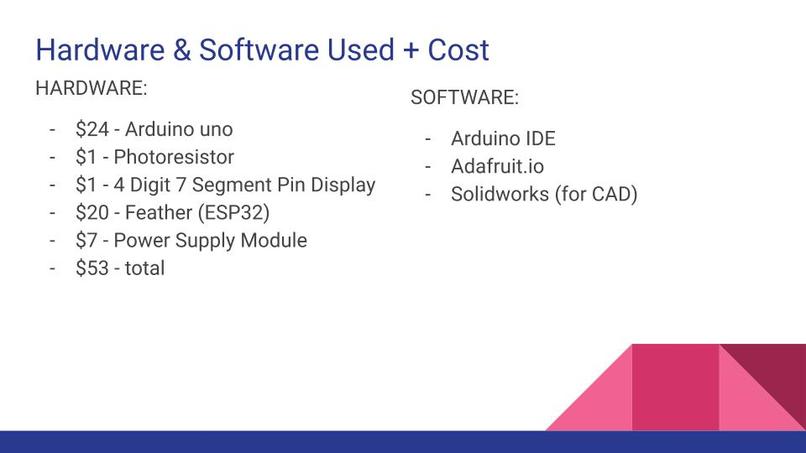
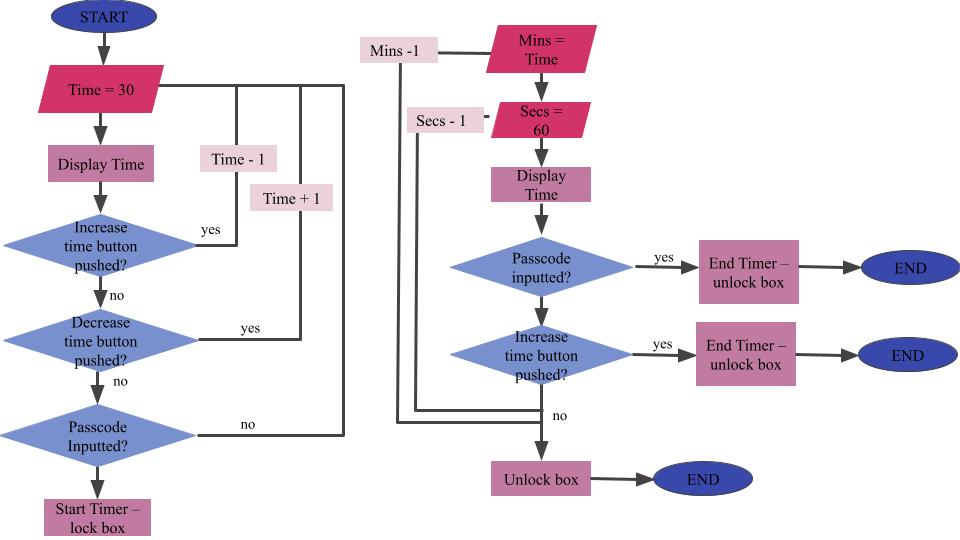
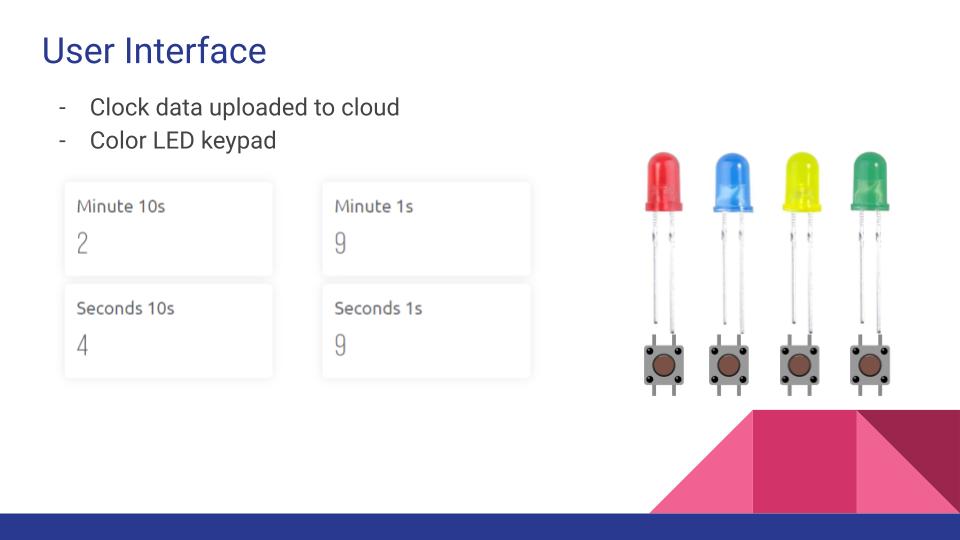
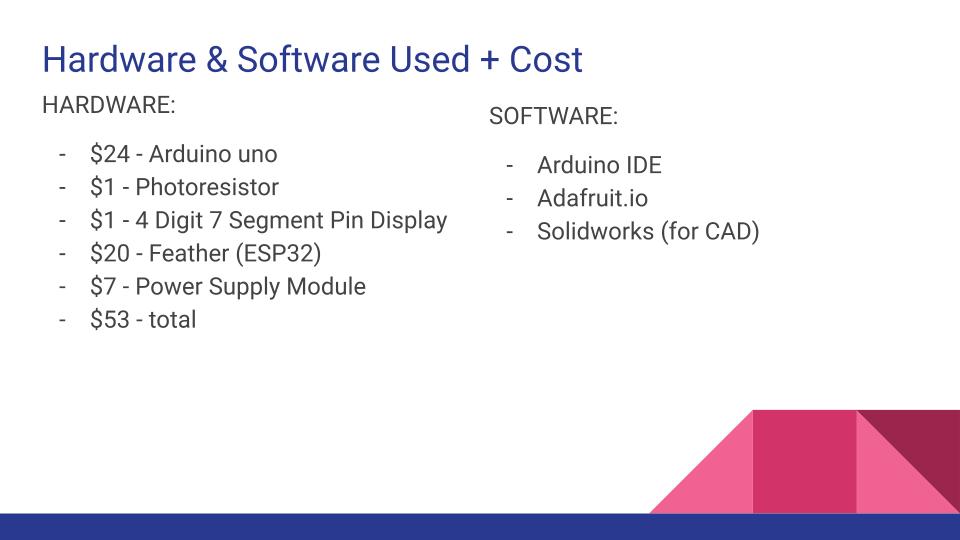
We started by creating a simple circuit that turns a servo to the "locked" position when a button is pushed and turns the servo back to the "unlocked" position when the photoresistor detects light for ten seconds, which the phone emits when it receives a call. Afterwards, we added a color pattern passcode function to our circuit using buttons and color LEDS, a timer using a 4 digit 7 segment pin, and created a user interface with Blynk that sends the amount of time to the Adafruit.io dashboard.
Challenges we ran into
As we started adding different functionalities to our circuit, we ran into a couple challenges:
- when trying to implement the timer with the 4 digit 7 segment pin, we had to go through many different libraries until we finally found one that worked with our specific pin
- we also had difficulty with getting the ESP32 to communicate with the arduino through UART because uploading code to the arduino was interfering with the serial communication, which led us to rewire our circuit so that the Blynk and Arduino could both be powered by the power supply module
- The serial communication was also interfering with the frequency that the arduino read the button values, which decreased our passcode reading accuracy.
Accomplishments that we're proud of
We are proud of getting our serial communication to work with very good accuracy, and having the time displayed on the 4 digit 7 segment pin show up on the Adafruit.io dashboard. We are also proud of having a working project.
What we learned
We learned a lot about how UART/serial communication, 4 digit 7 segment displays, and different approaches to problem solving through addressing the challenges we faced throughout the project.
What's next for Super Phone Wrap
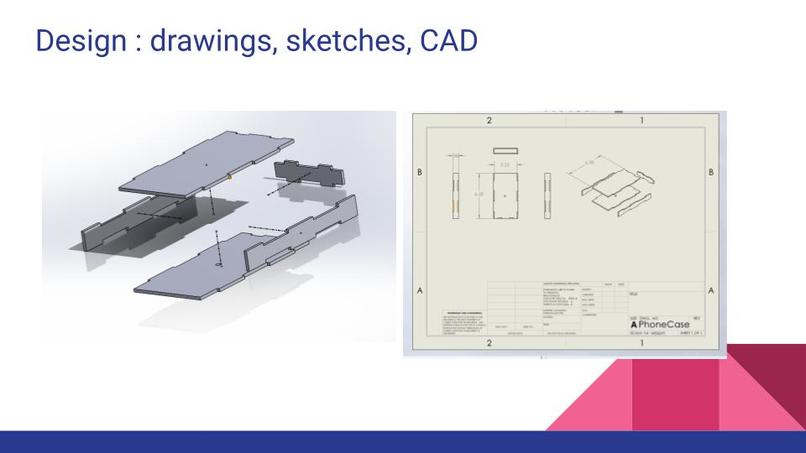
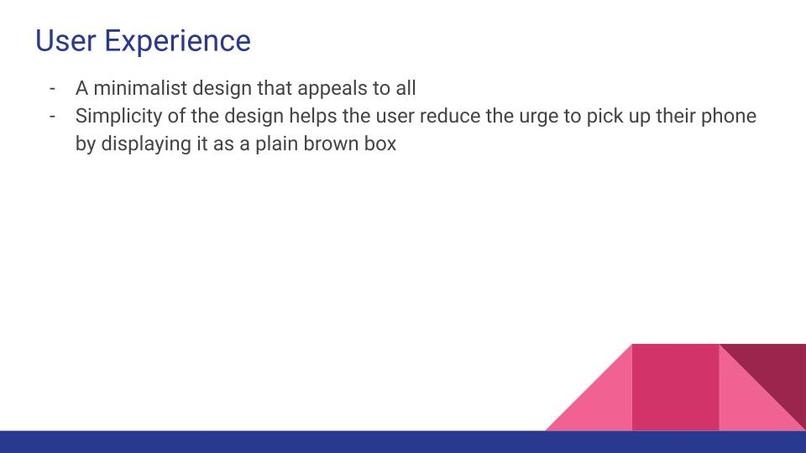
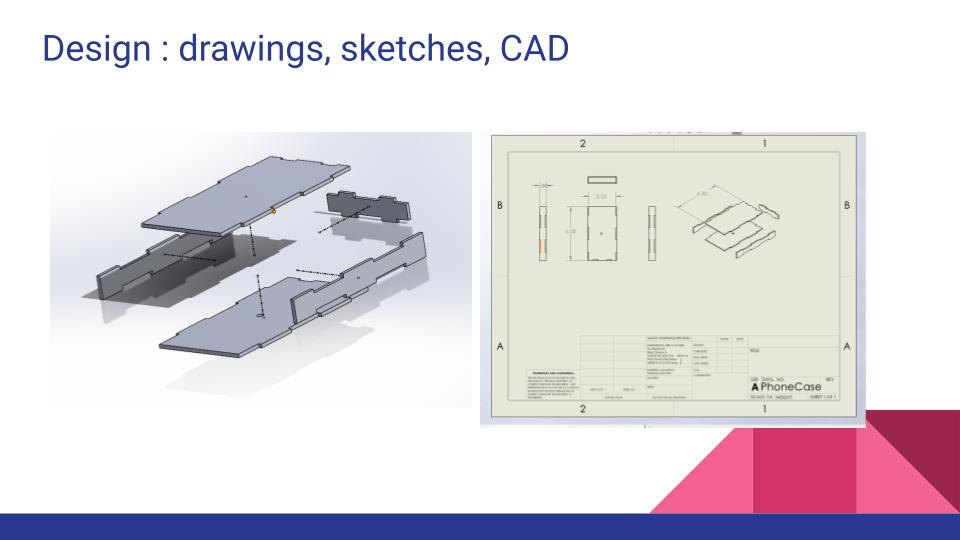
Our next step is to create a container to hide all of the wiring, which will create a better, cleaner user experience. We would also like to gamify the user interface so the user can see statistics on how much they use their phone or compete with friends to who can stay off their phone for the longest amount of time.

Log in or sign up for Devpost to join the conversation.