-
-
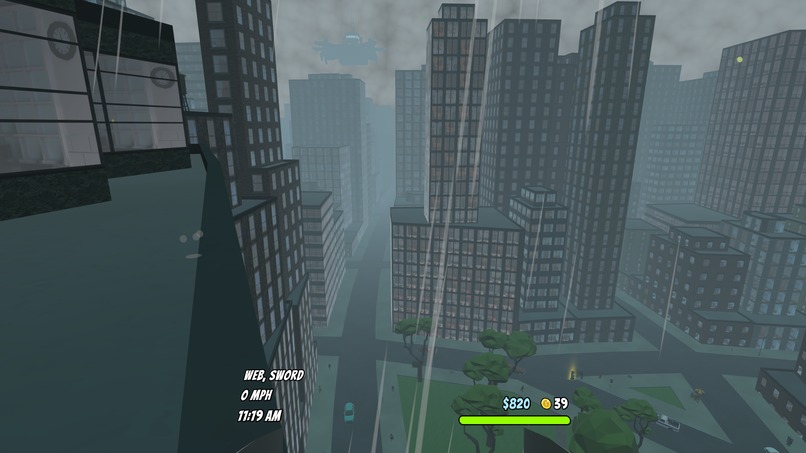
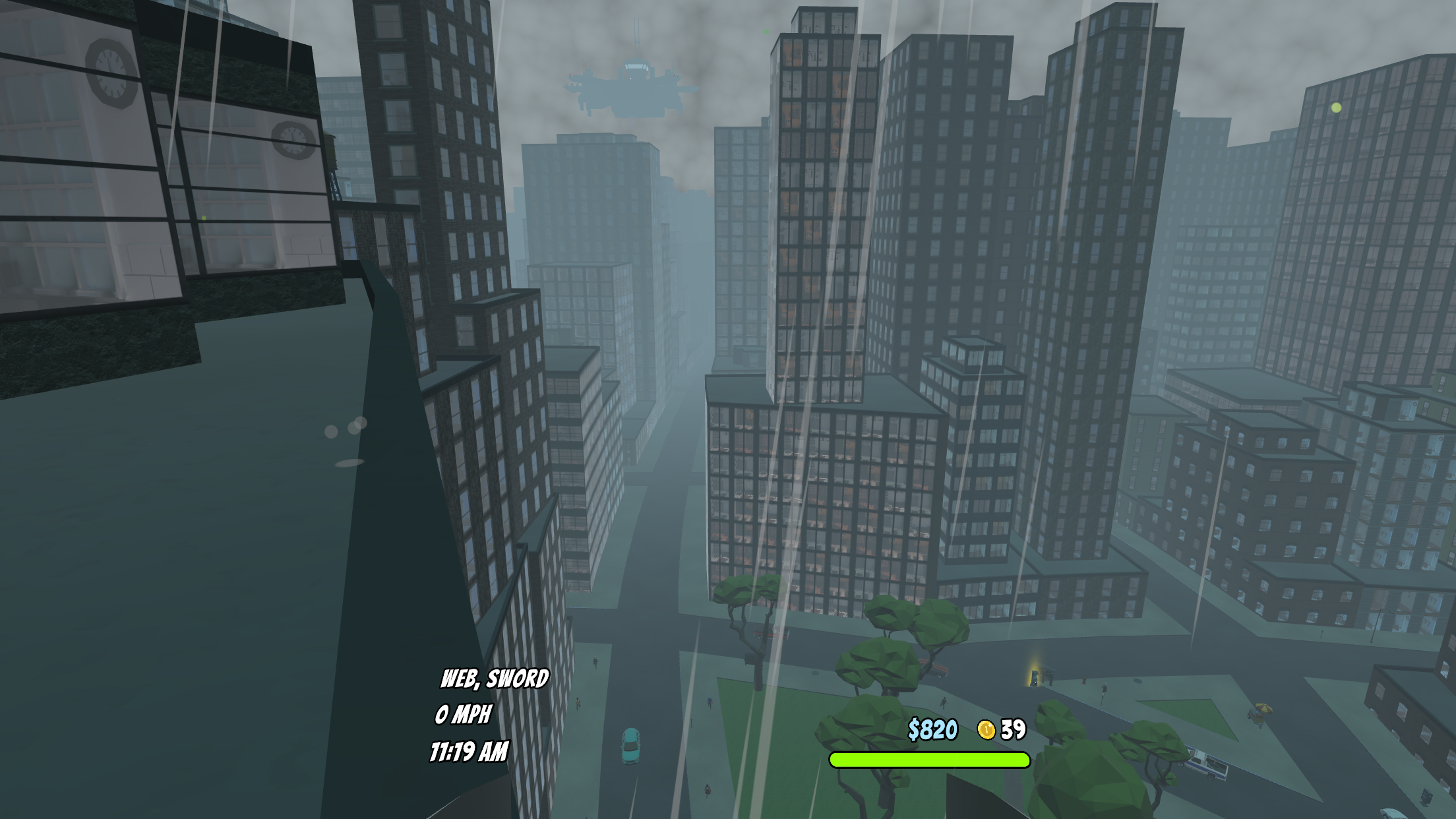
A player overlooks the city during a thunderstorm
-
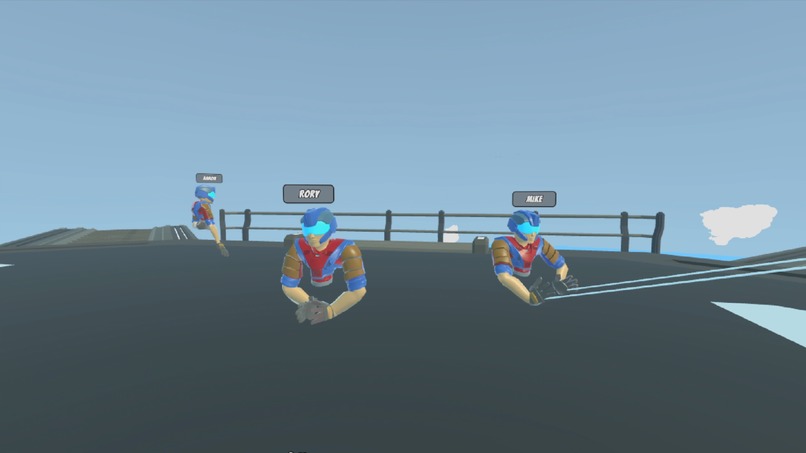
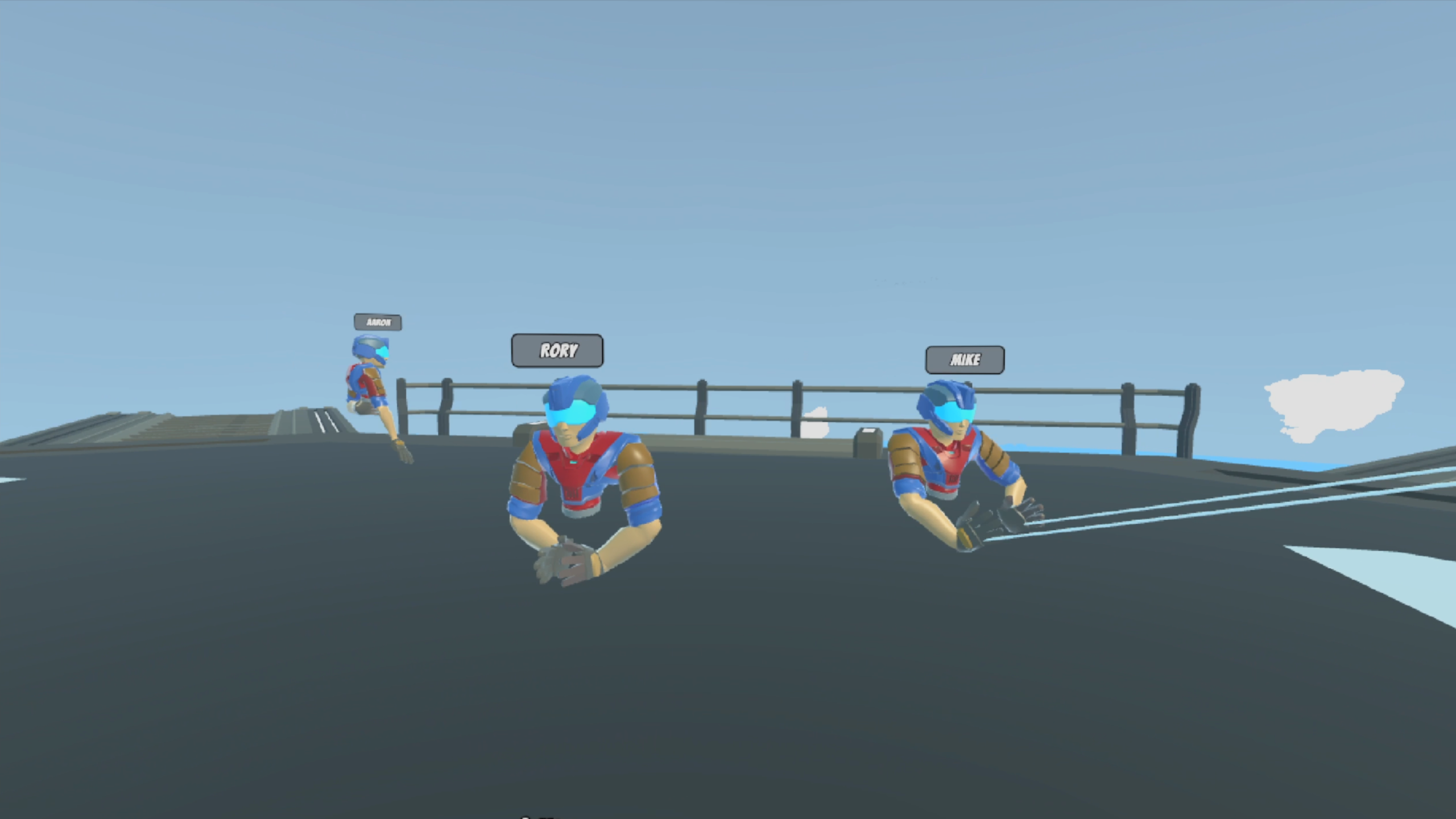
A group of three players hang out in the hub area
-
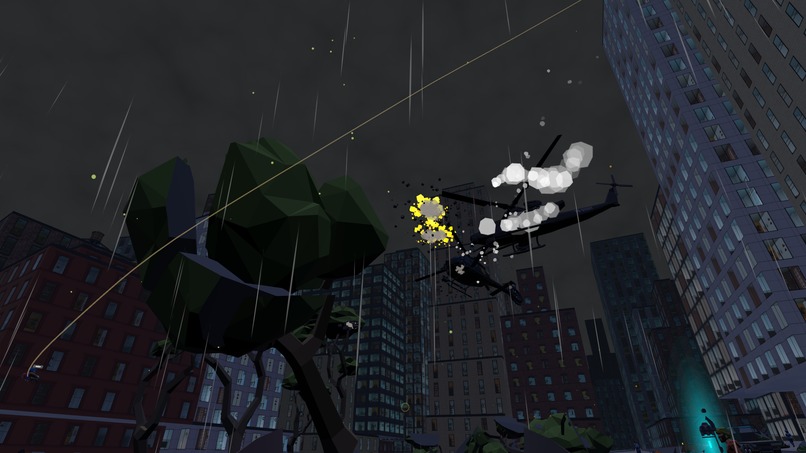
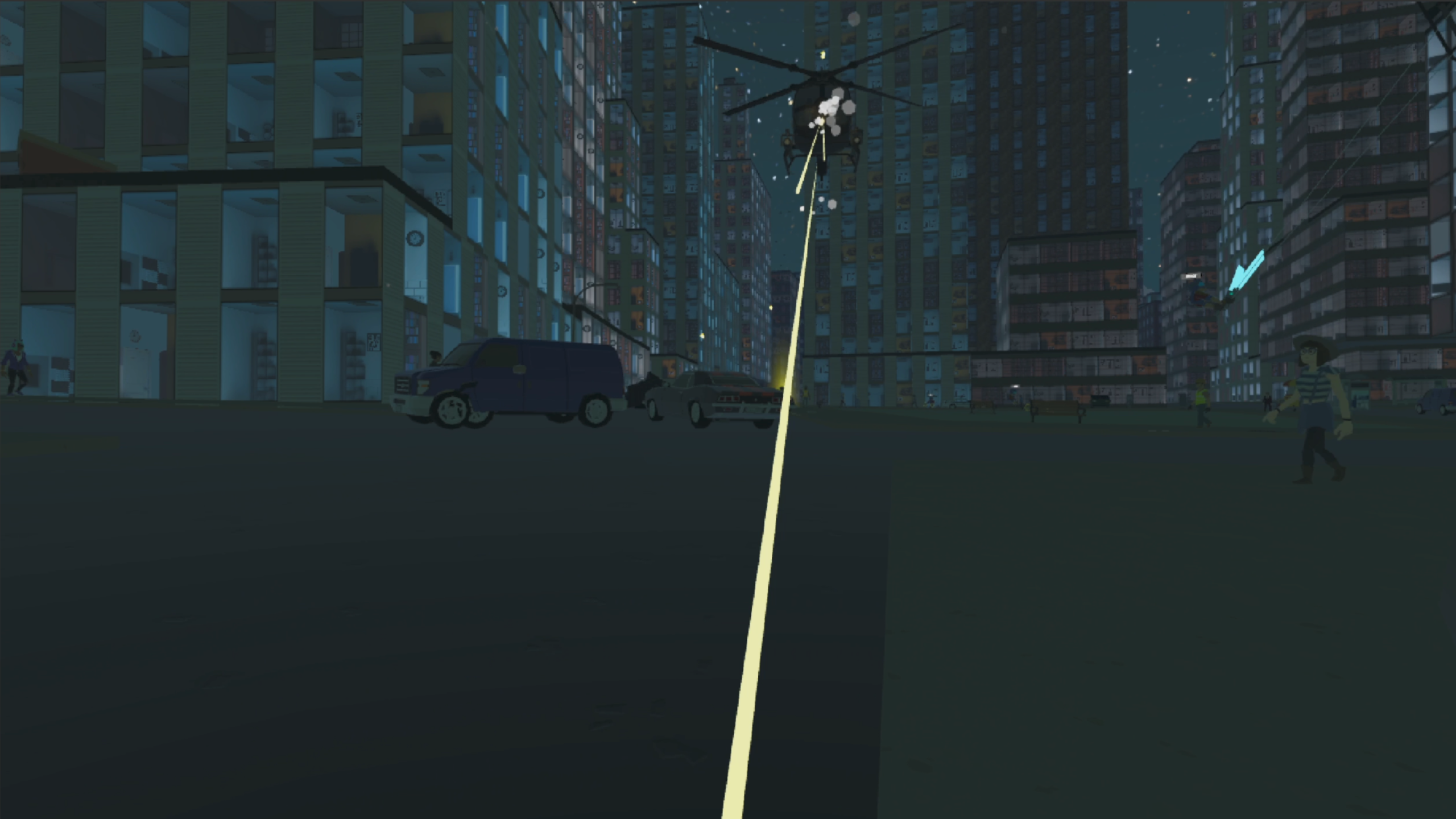
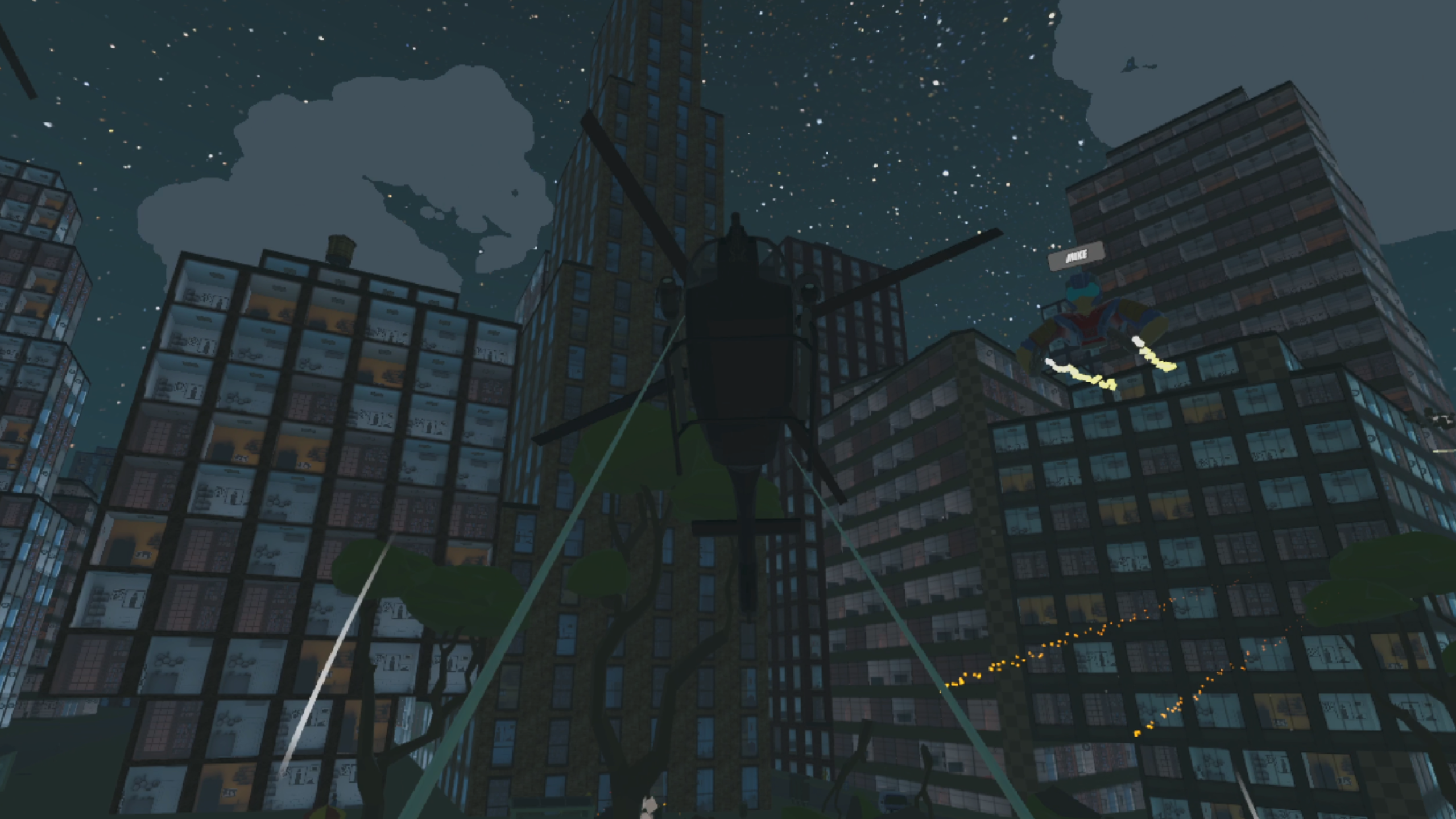
A player flees from a pair of enemy helicopters at night
-
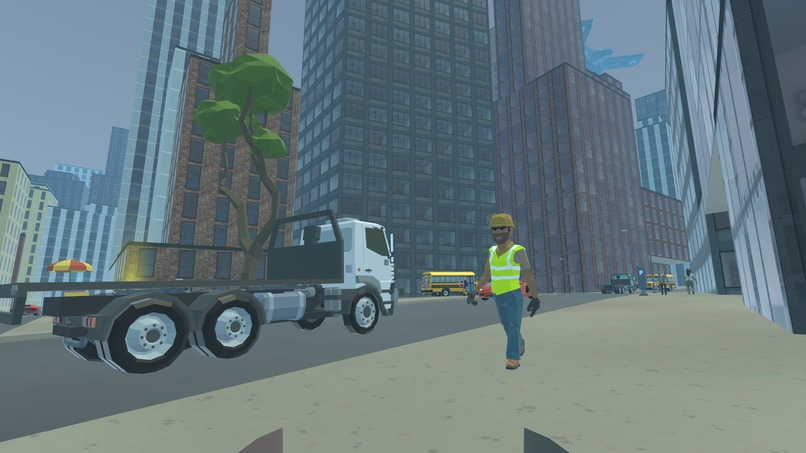
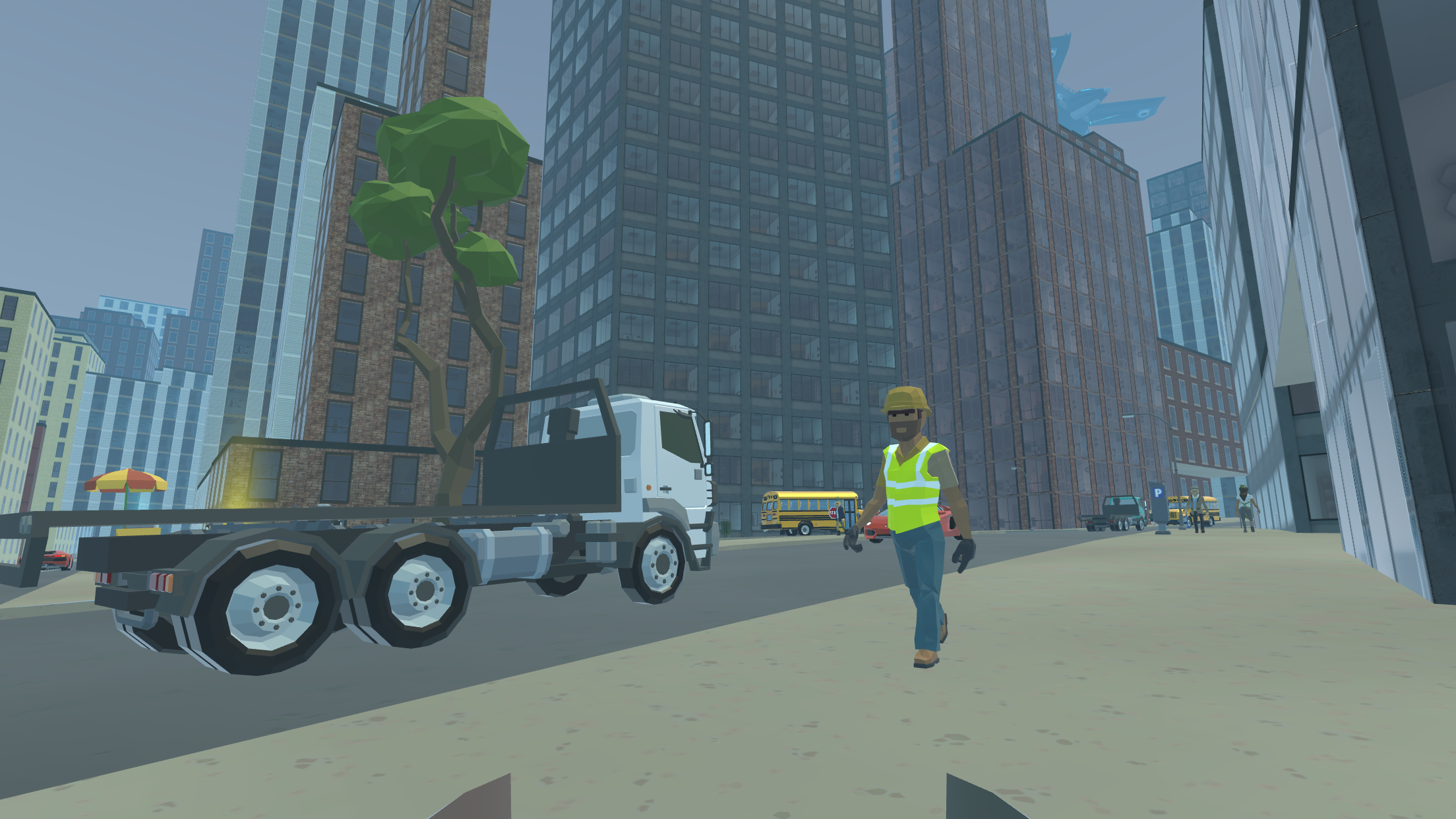
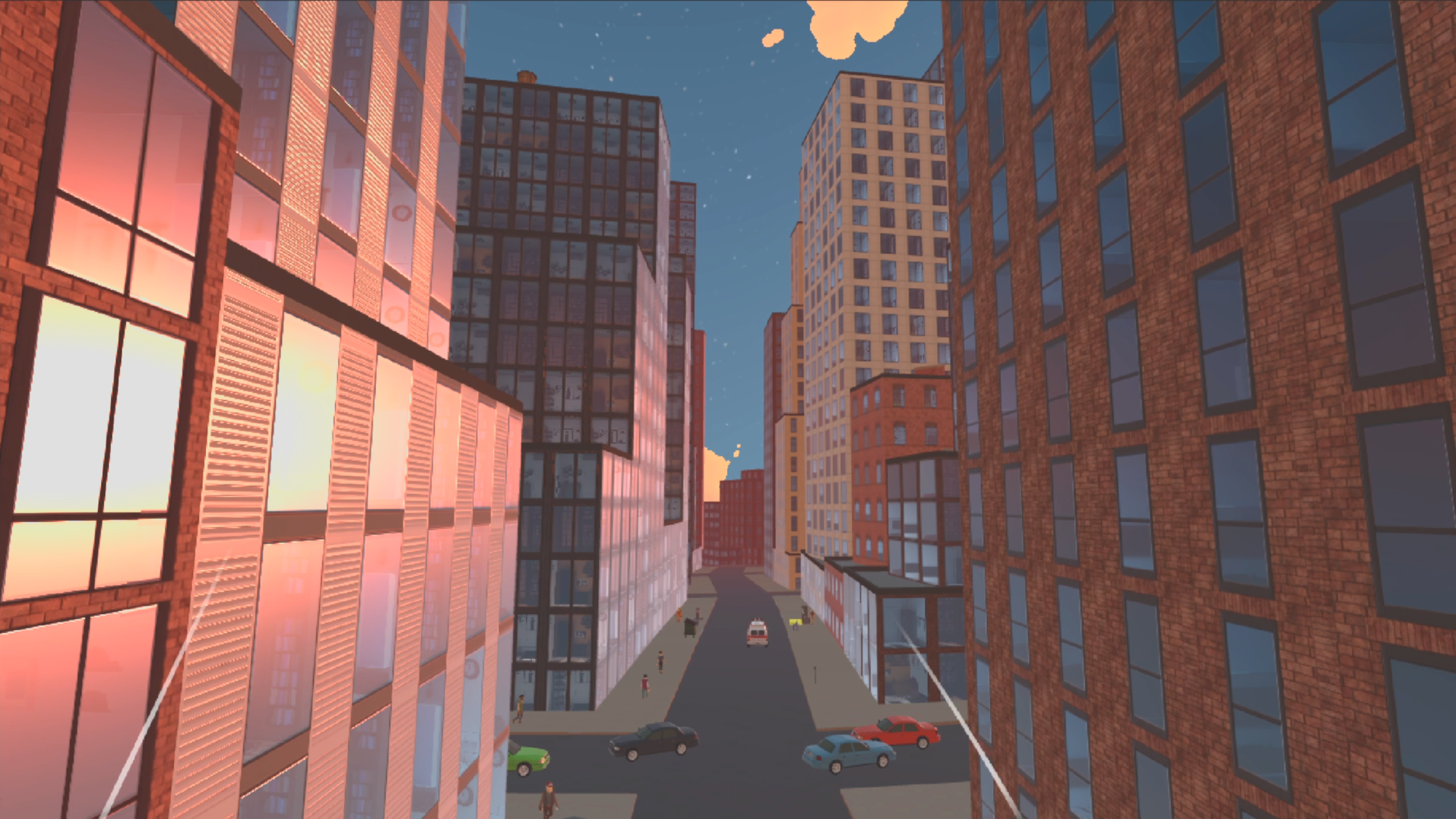
A construction worker walks down the street on a sunny day
-
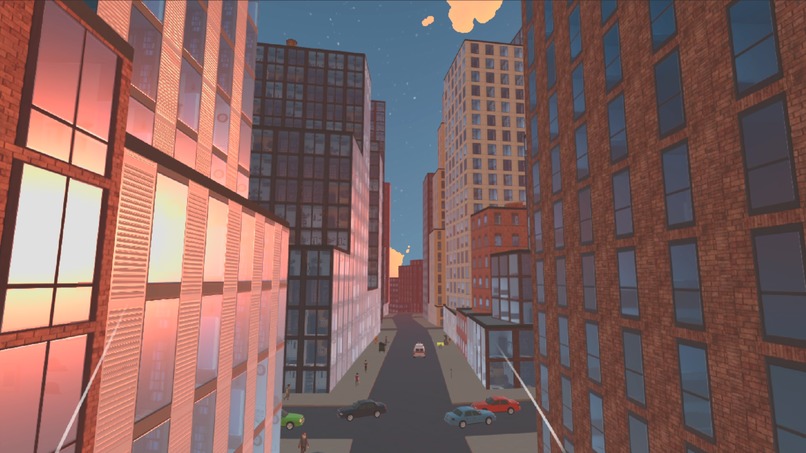
A player uses the web power to swing down a city street
-
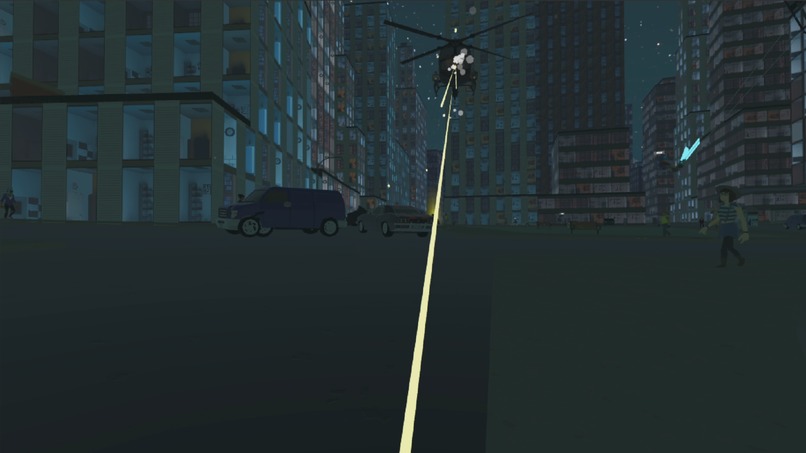
A player is shot at by an enemy helicopter
-
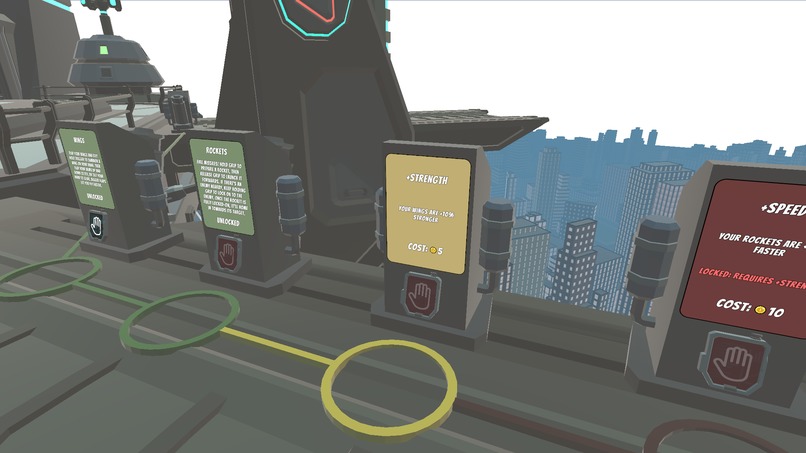
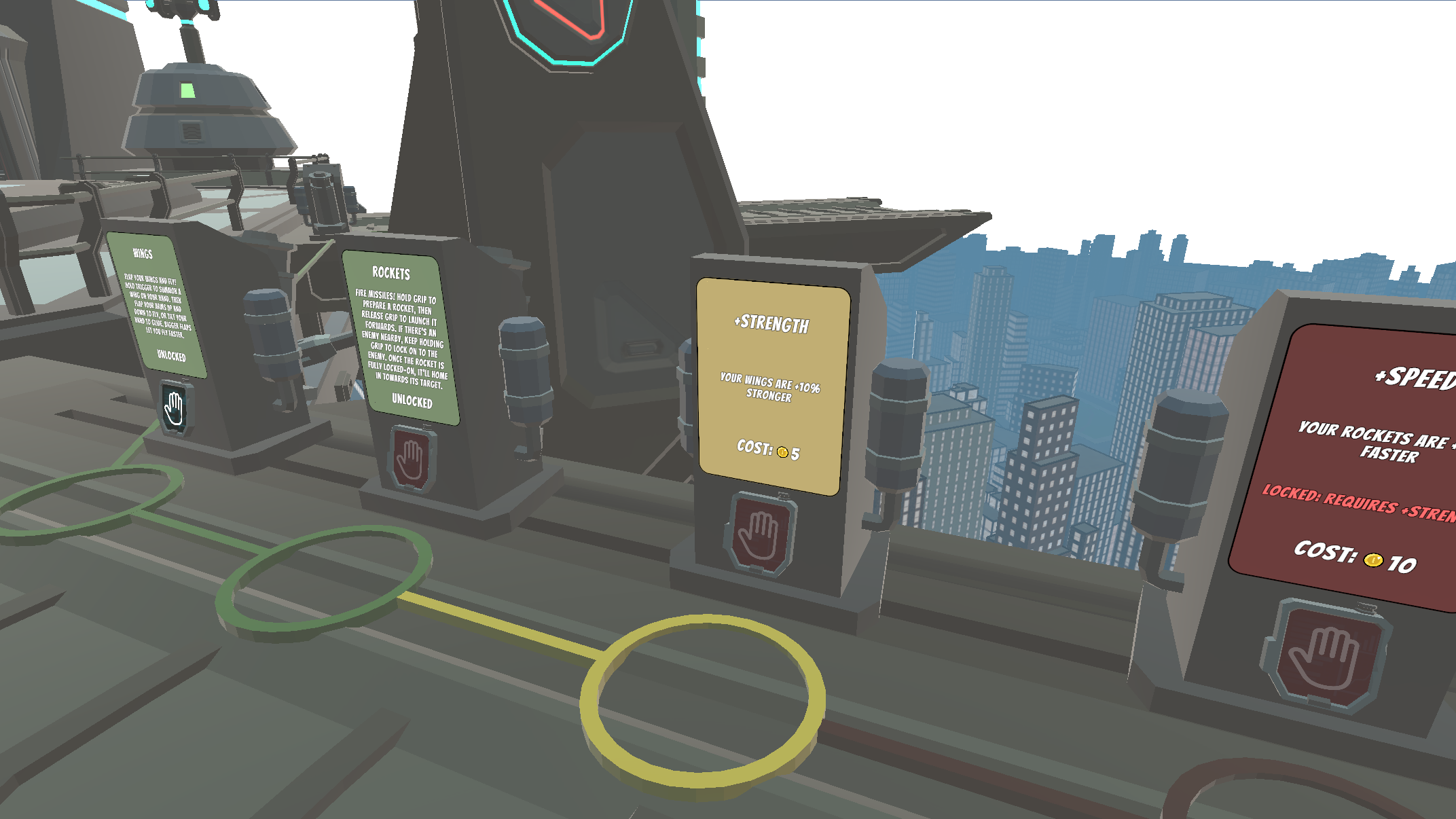
An upgrade tree that unlocks new powers and higher stats
-
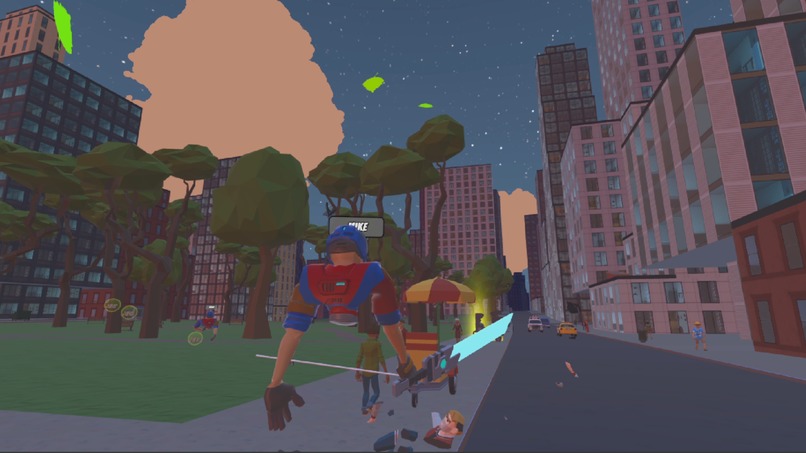
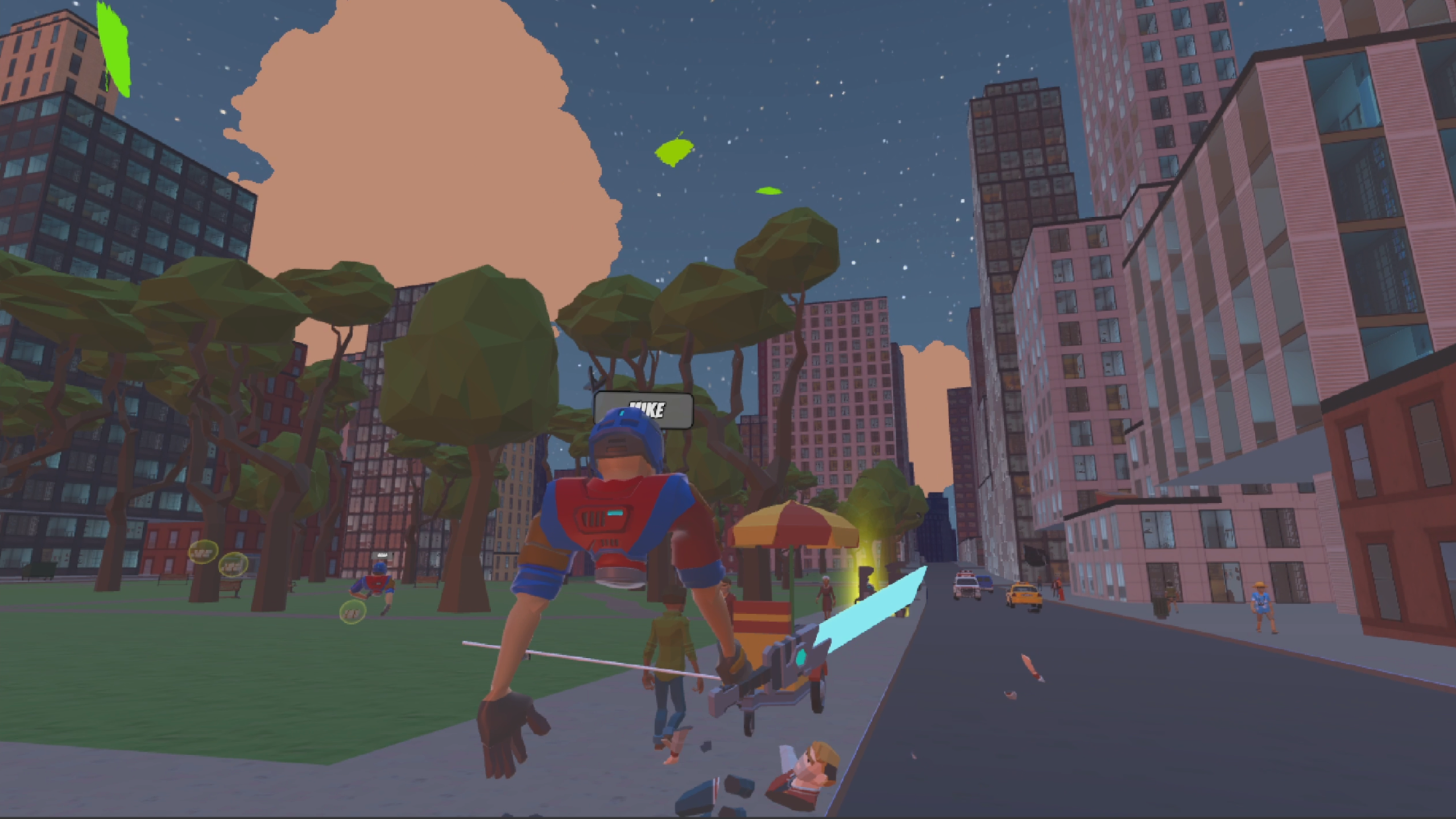
A couple players smash objects on a city street
-
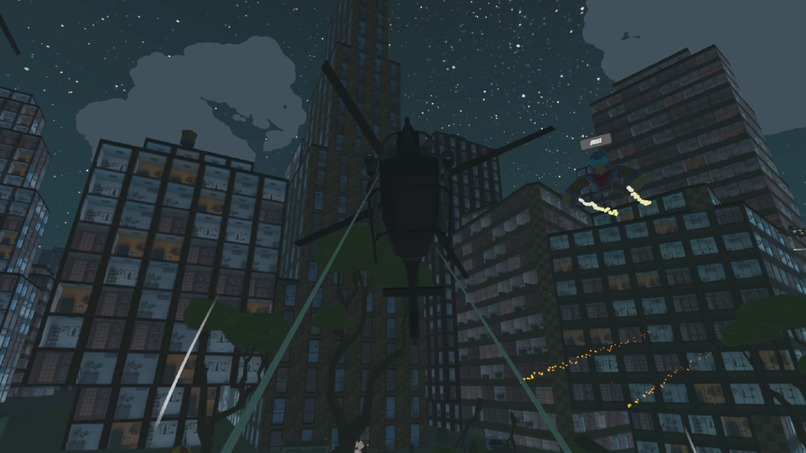
A player grapples onto a helicopter with the web power

Inspiration
I’ve always loved superhero movies. I first got into VR development after I watched Into the Spider-Verse and I built my own web-swinging physics prototype - a project which eventually became our first published game, Superfly. I’ve also been amazed by the success of social multiplayer games in VR, and how very simple concepts can be incredibly fun along with friends. What if you combined the two?
What it does
Super City is a social multiplayer sandbox where you can use superpowers with your friends. You play as a novice supervillain just discovering your abilities. You practice and learn your powers, destroy the city to gain money, evade the police, and buy upgrades and new powers. Try to survive against an army of attack helicopters, race your friends across the city, or just hang out and watch the clouds move through the sky.
How we built it
We use Unity and Fusion Shared for networking. The player’s base movement was adapted from Gorilla Tag, while the player’s powers were adapted from movement modes in our past games. The city is mostly procedurally generated, with a hand-crafted hub area. The wide variety of small objects in the city come from asset packs.
Challenges we ran into
This was our first time using Unity’s UI Toolkit, which was a significant learning curve. We also struggled with graphics performance, as our dynamic weather is very GPU-heavy even on mobile settings. Onboarding is an ongoing challenge: it’s hard to teach the movement controls and the core game loop at the same time, and we need to keep improving our tutorial.
Accomplishments that we're proud of
We’re proud of the game’s movement: we combined everything we learned from our past games to build locomotion that’s quick, intuitive, and satisfying. Each of the game’s four powers can fly around the city in a unique and interesting way.
We also built a uniquely detailed and dense city. We have thousands of moving cars and pedestrians networked at zero bandwidth cost, thanks to a custom algorithm that deterministically computes their position without transferring data. Our fake interiors shader renders realistic 3d building interiors without the performance cost of having any actual 3d geometry. Combined, these let us have a 2km wide city with over 1000 buildings and over 18,000 destructible objects.
What we learned
While designing Super City, we playtested a ton of other social multiplayer VR games to learn more about the genre. That inspired our upgrade tree progression system, our gorilla-style movement, and our focus on co-op and teamwork instead of PvP.
What's next for Super City
We’re planning to start public alpha testing in January and launch in Early Access in February. If the game gets any traction, we’ll continue updating it with new powers and mechanics. If we’re lucky, Super City might be the next big social multiplayer hit on Quest.
Built With
- cozy-weather
- photon-fusion
- procedural-generation
- ui-toolkit
- unity


Log in or sign up for Devpost to join the conversation.