Inspiration
We are Mechanical and Environmental Engineers, so we wanted to build a project that would fit both of our strong suits, while also making something unique to what we have built in the past. Formerly as a team, we focused on automotive and mobility projects, but now we wanted something that most people overlook. That is when we realized a need for both farmers and urban residents; closed - loop renewable energy and resources.
What it Does
SunSoil is a product that harvests energy from the sun, rain from the clouds, and soil from the earth to grow food, while self-irrigating and storing energy to be used for other purposes. The machine can be installed in large sizes, where farms or suburban areas may benefit more from large areas of solar power and rain collection, or small magnitudes that would fit onto rooftops for residents to grow vegetables and lower their energy bill. The major goal of this machine is to be a closed-loop energy storage system. It requires almost no foundational construction to be implemented and can be placed anywhere when needed.
How We Built it
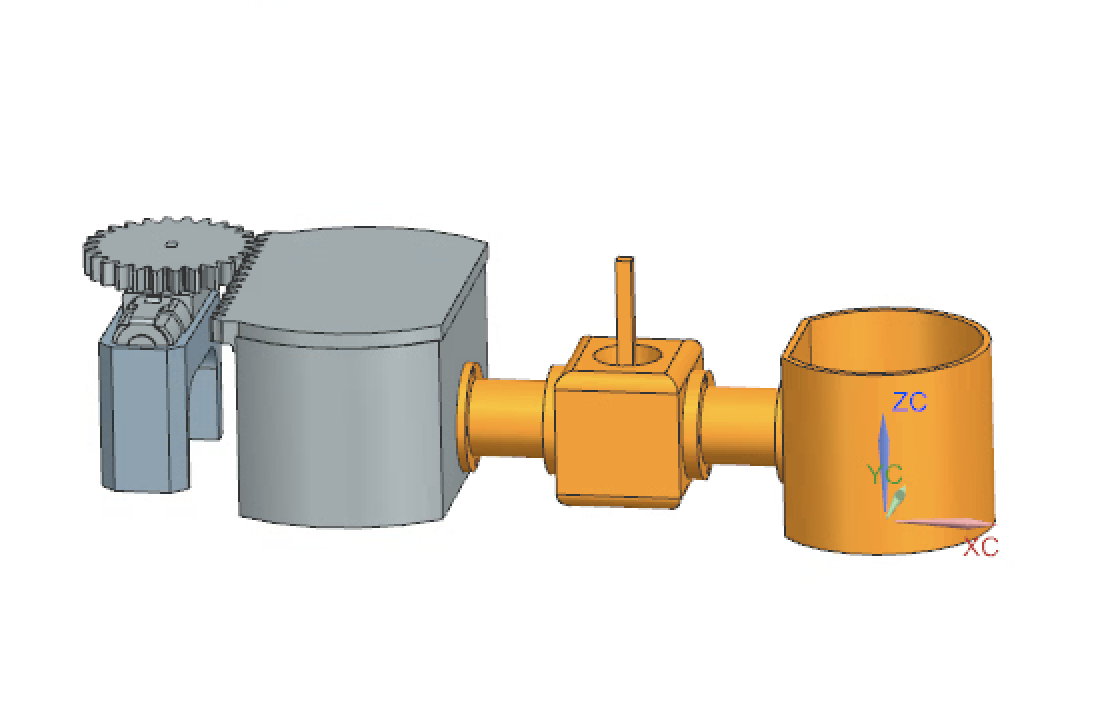
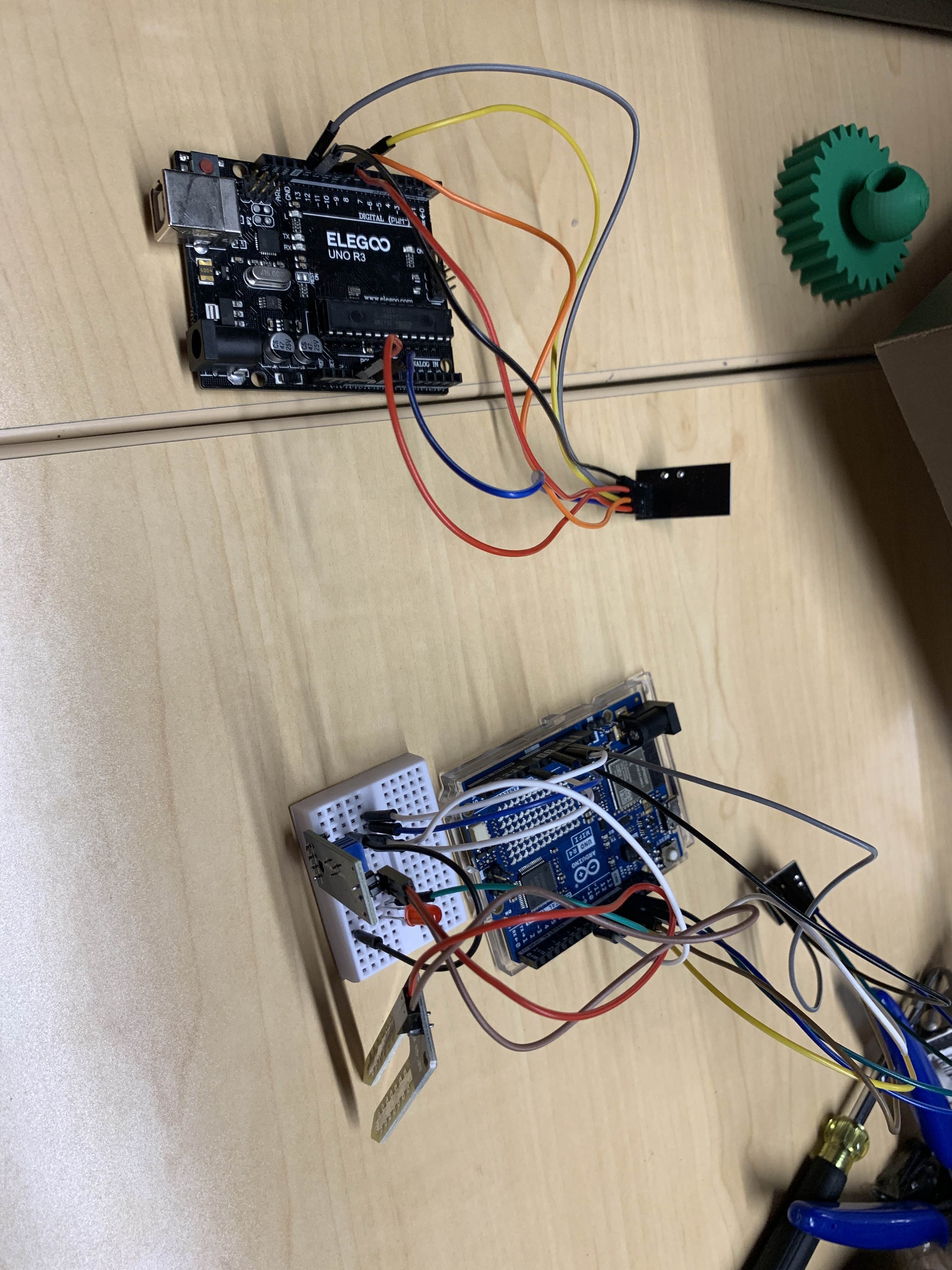
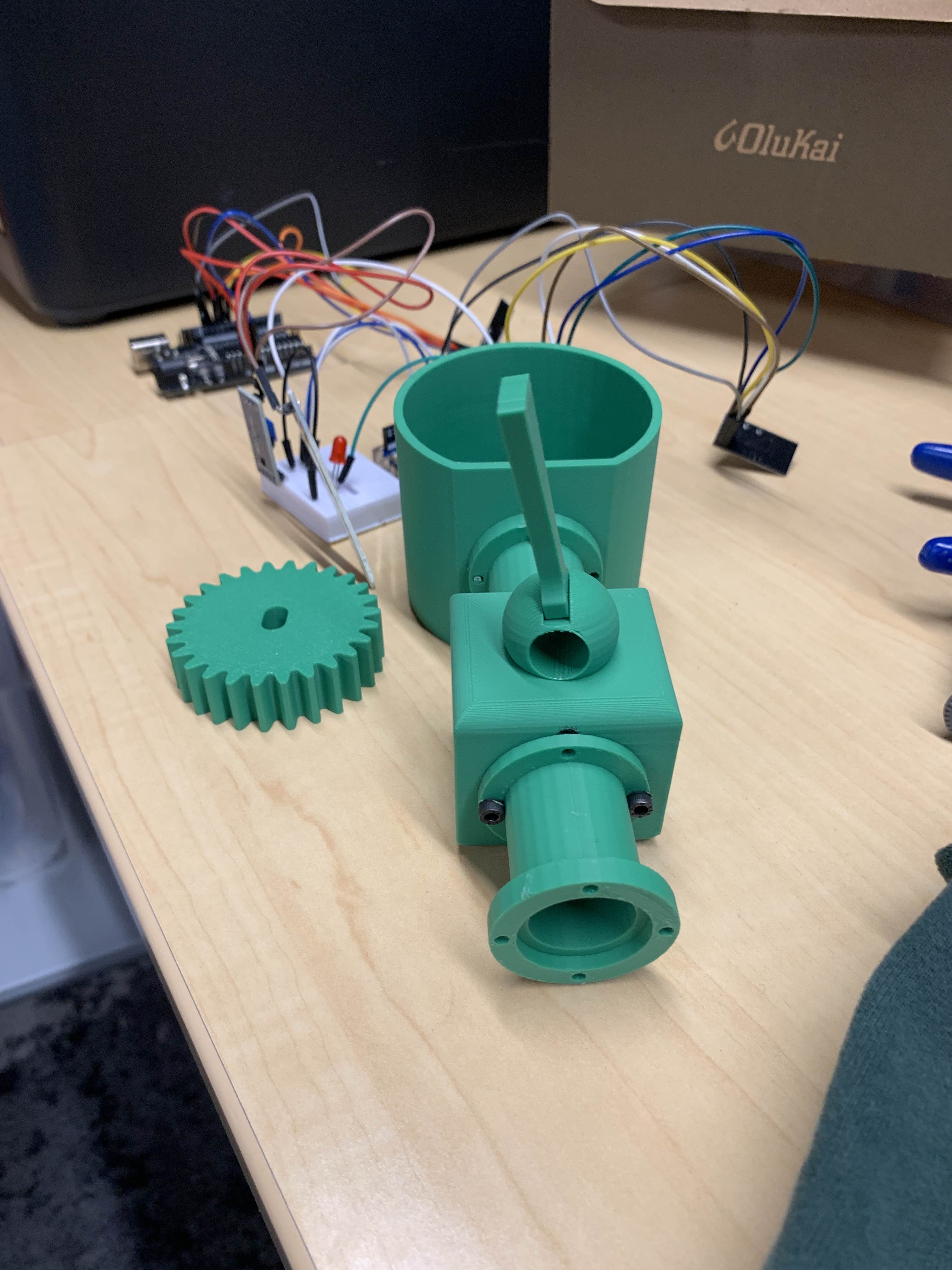
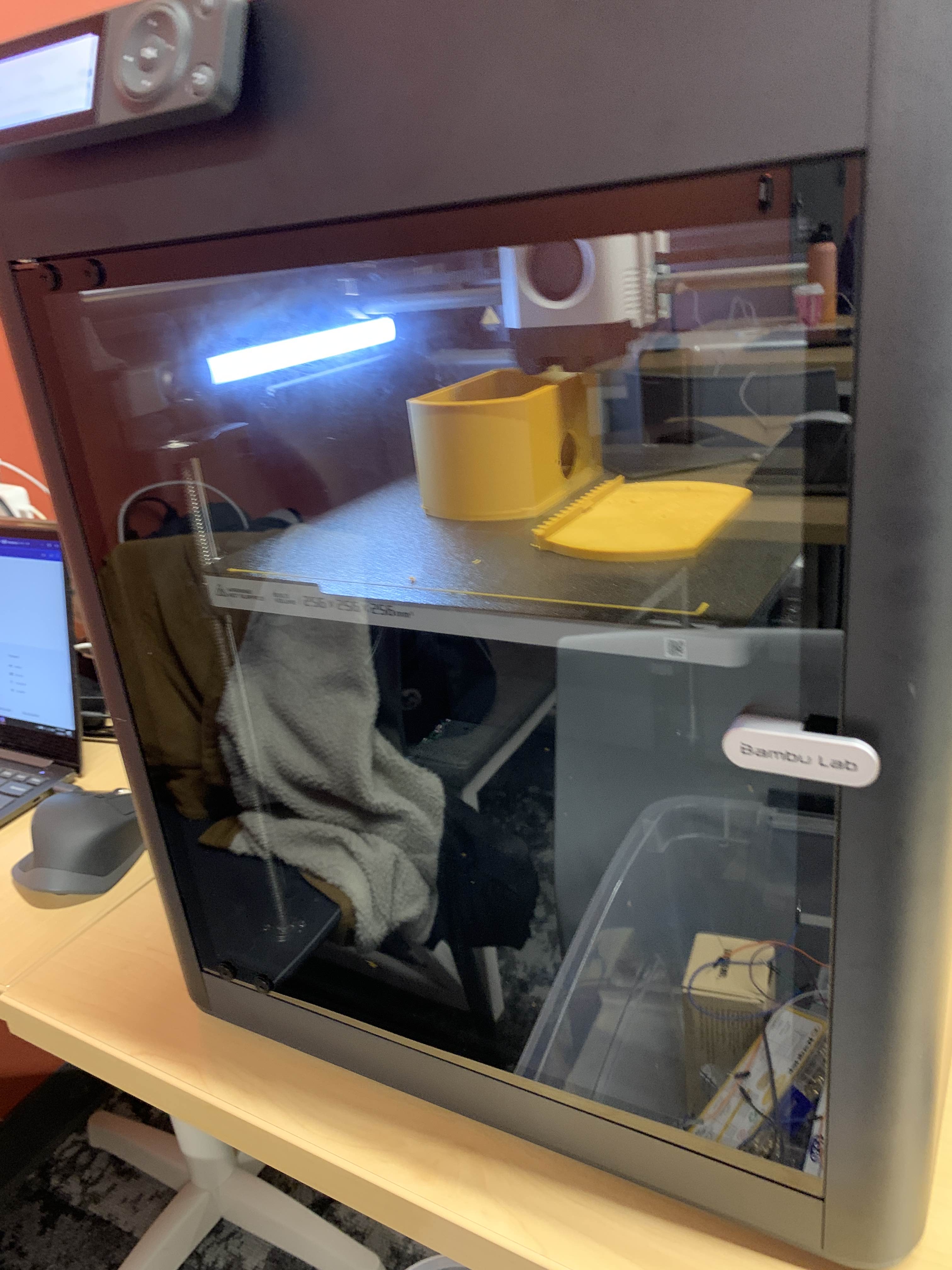
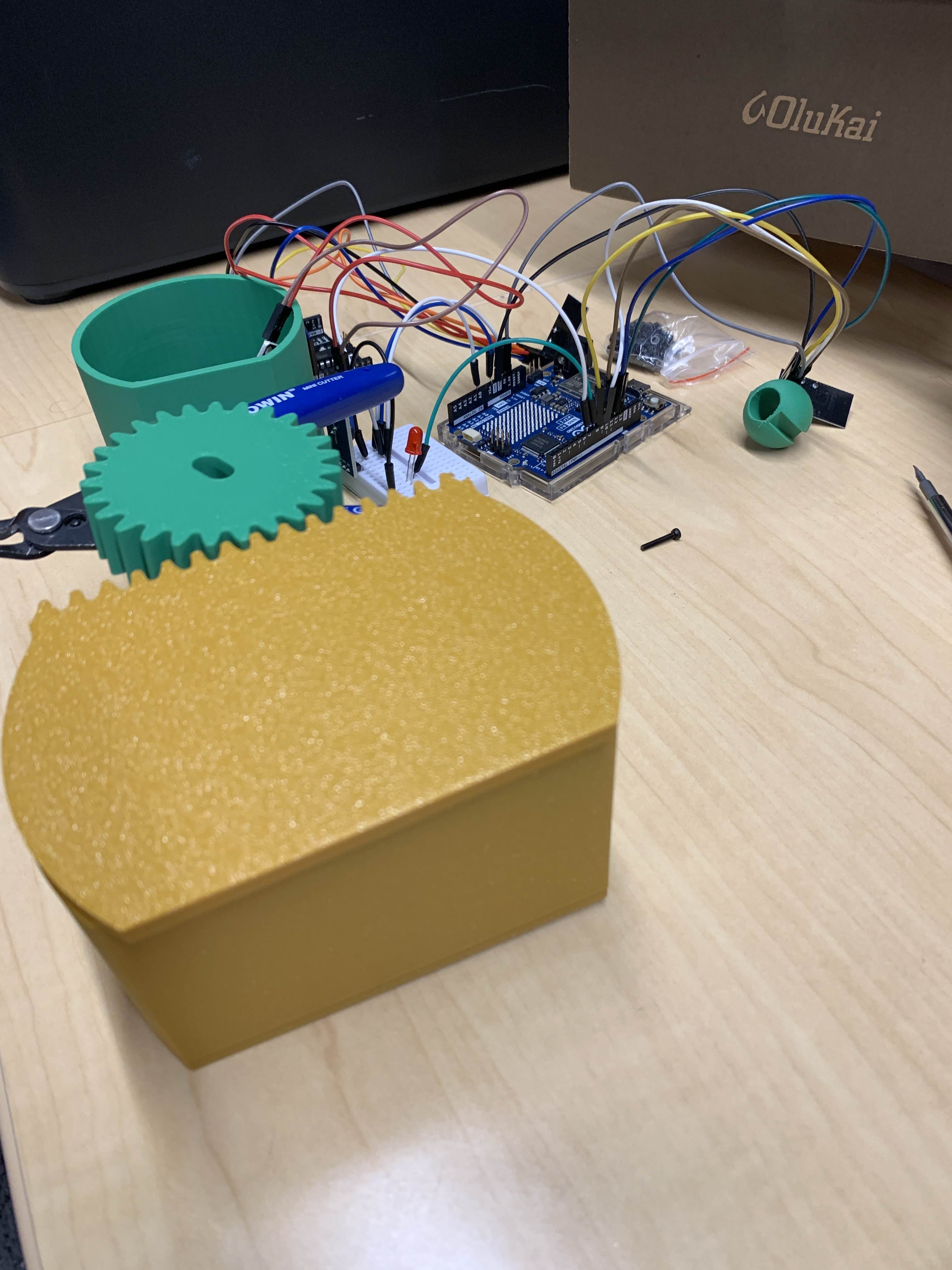
Our duo has worked in 3D printing labs for the past 4 years and wanted to incorporate that into our work. We brought a Bambu Lab P1S to the event and printed a scale model of the machine to demo. NX2206 was used for all of the computer-aided design (CAD) elements, and Bambu Studio was the slicer of choice. Additionally, Arduino and microelectronics make up the electrical components to simulate the functions of the device. Our proudest achievement was integrating NRF modules to communicate data from one device remotely to another. Finally, a bit of research went to looking at how the product could be expanded, looking at different areas' rainfall versus sunshine averages, which can inform consumers where to build a SunSoil machine.
Challenges We Ran Into
SunSoil is not without problems in the prototyping stage. Adequate sealing for rainwater to flow through is undoubtedly needed, along with reliability issues in the electronics. We were able to overcome those concerns by modifying the parts using soldering irons and bolts, and the electronics can be improved by including antennae on the NRF modules for further range and reliability of data.
Accomplishments that We Are Proud of
Getting a functioning project complete using 3D printed parts within 24 hours was one of our goals, and we were able to complete this task. Additionally, combining those with electronics was an added bonus. Overall, another achievement was being able to test and work together on our shared interest was incredibly beneficial.
What We Learned
Our CAD skills definitely improved over the past 24 hours, as well as our improvisation skills in manufacturing. And while there is so much more to be learned in the NRF space, the exploration into the area was demonstrated the intricacy of wireless data transfer.
What is Next for SunSoil
AI is the future and SunSoil is no different. The machine can be improved by implementing AI to control solar panel direction in relation to the sun to maximize energy generation. Additionally, as electric storage capabilities increase, paddle wheels can be implemented in the rainwater flow tank to generate hydro-electric power. The machine can be made modular to fit different needs and outputs depending on the customer, which will be a necessary change for urban areas and tight spaces.


Log in or sign up for Devpost to join the conversation.