-
-
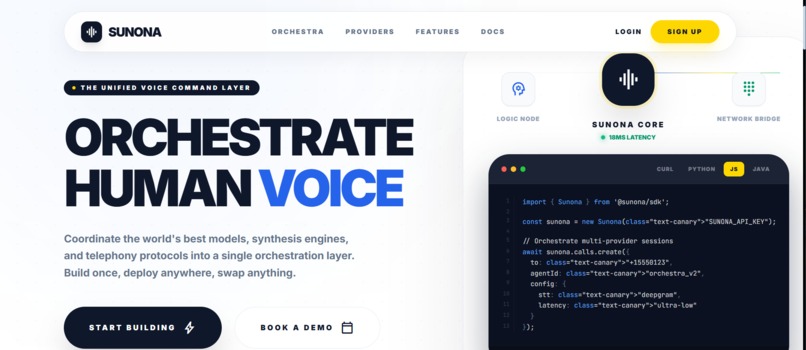
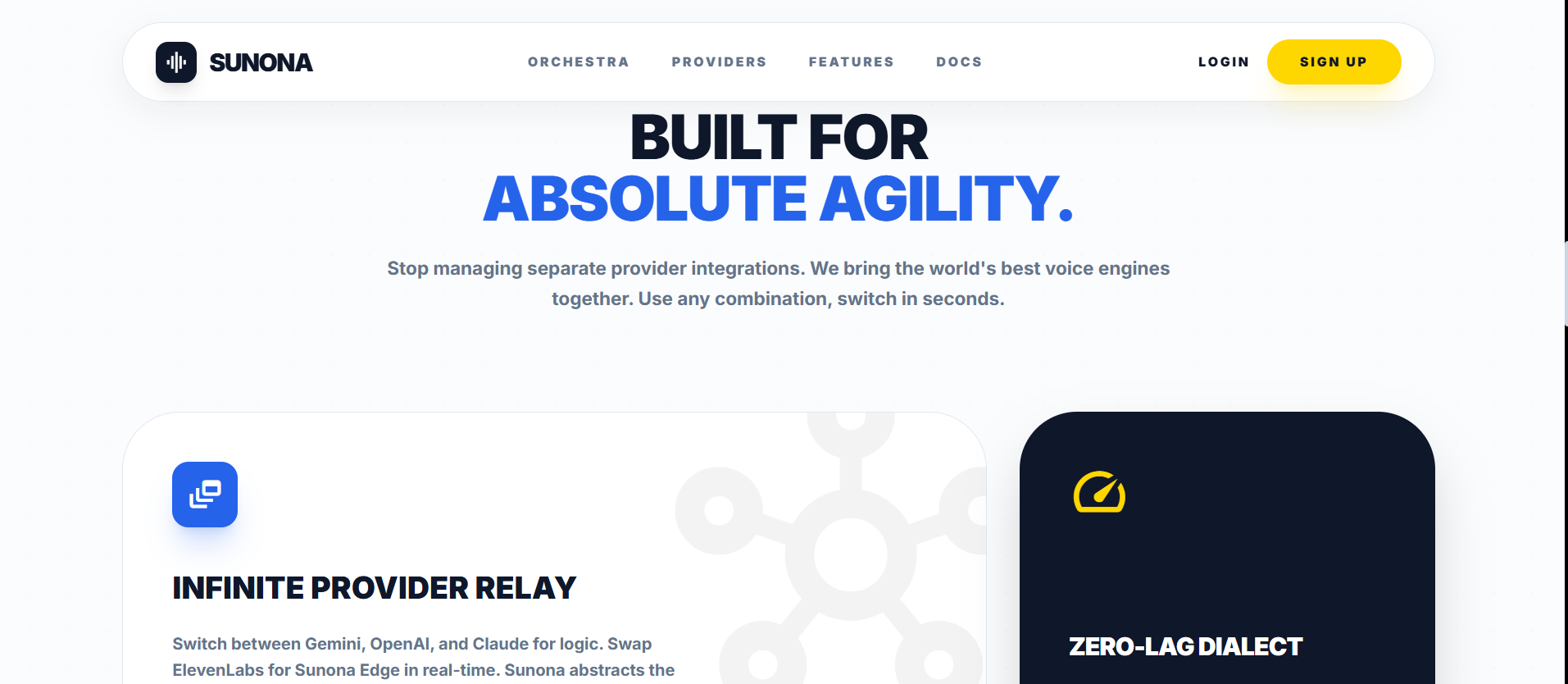
Home page ( NOTE : We are still building this frontend design are on mock data.)
-
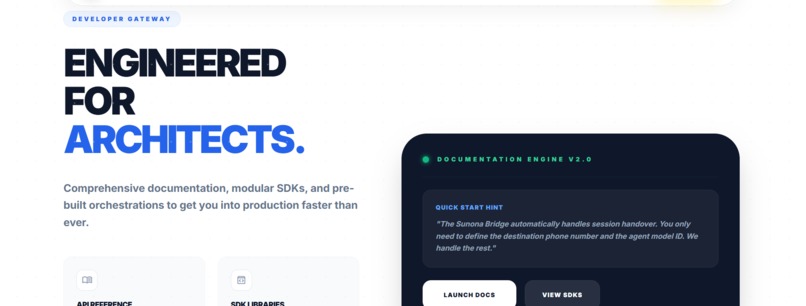
Home page
-
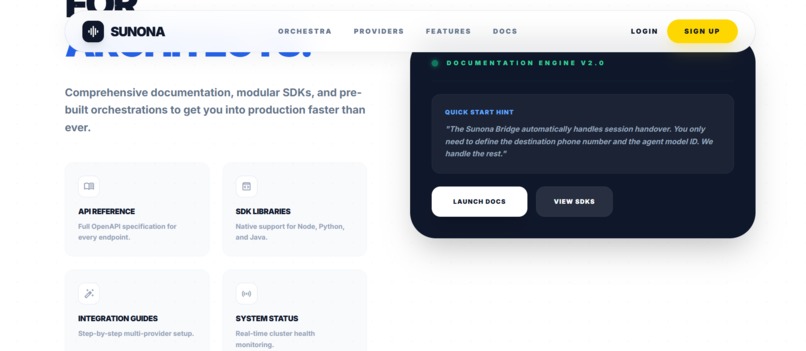
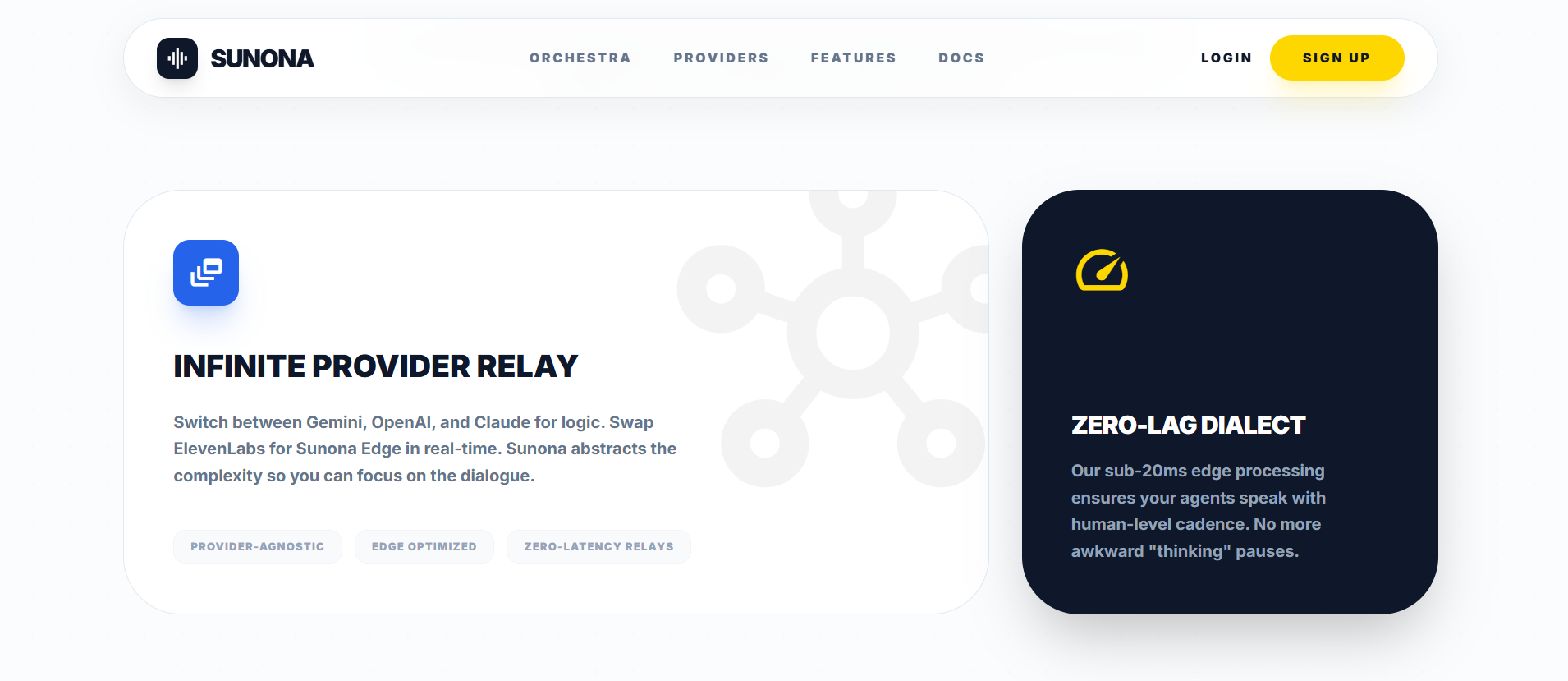
Home page
-
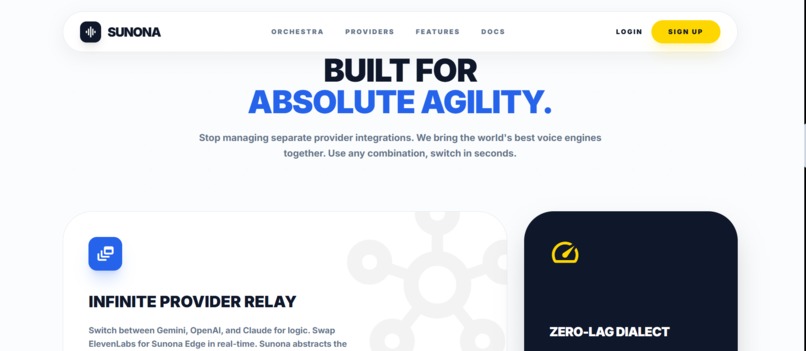
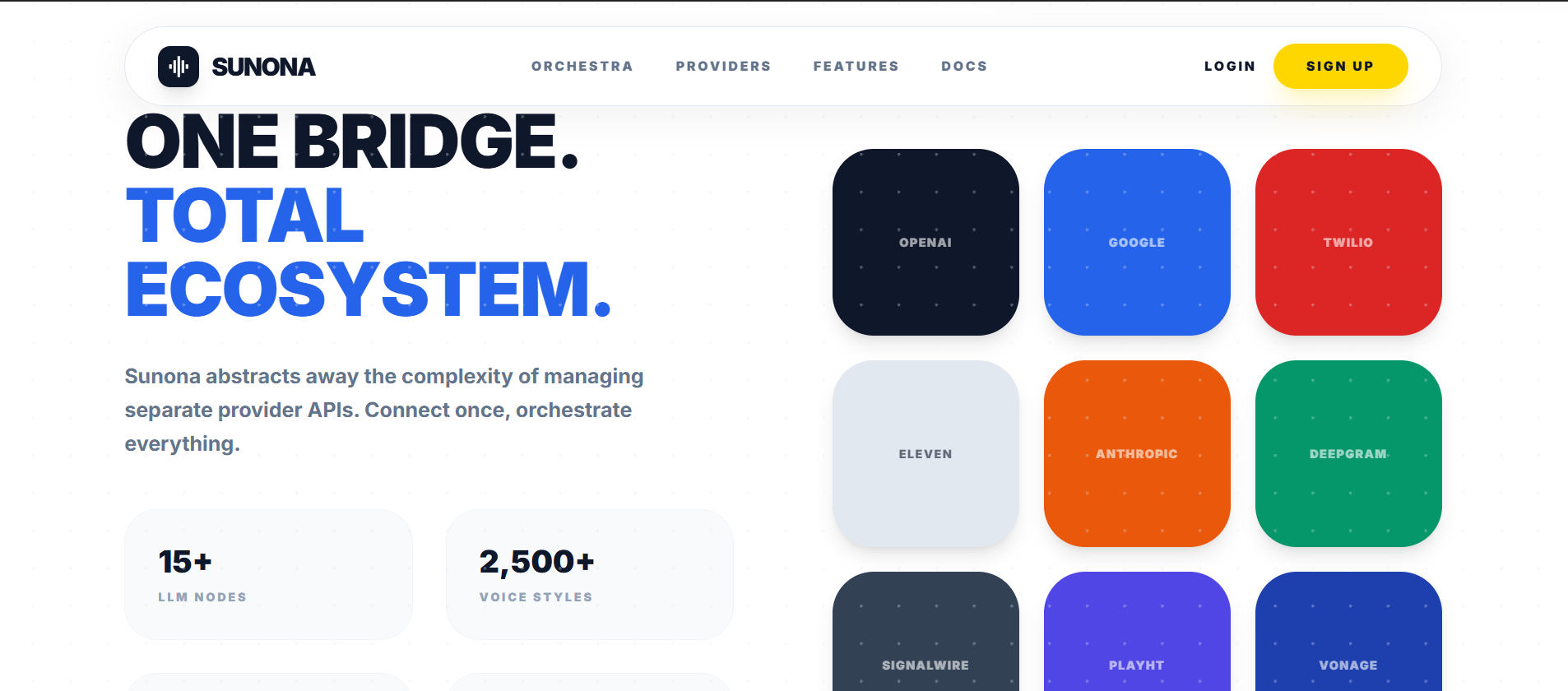
Home page
-
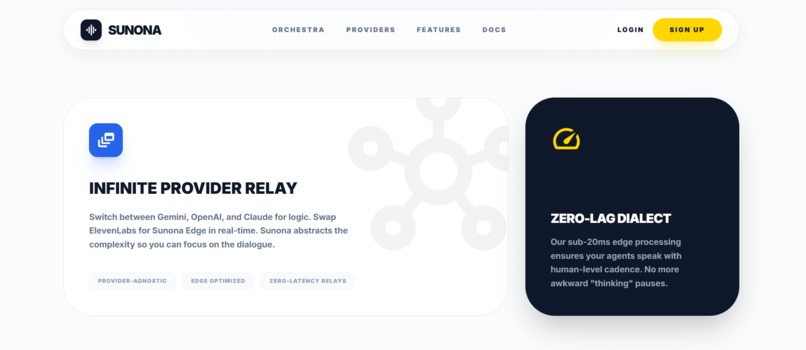
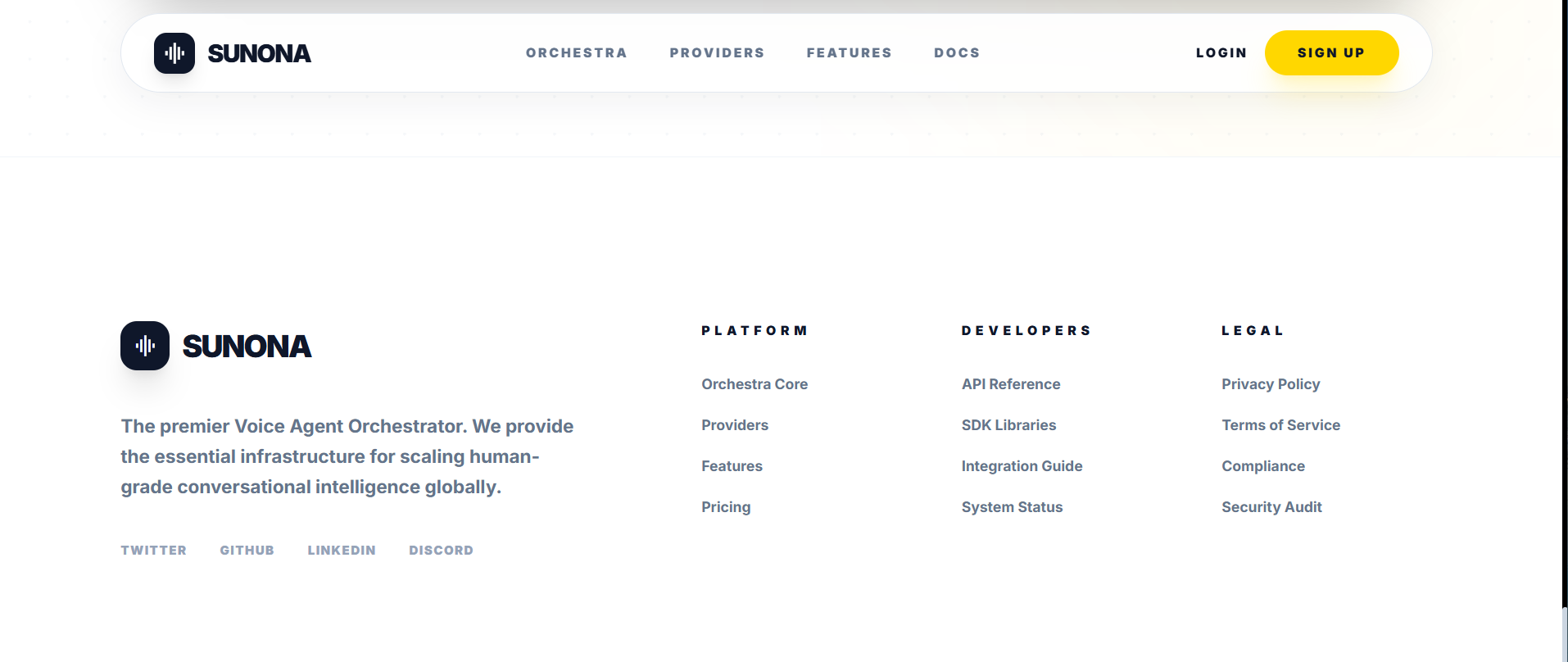
Home page
-
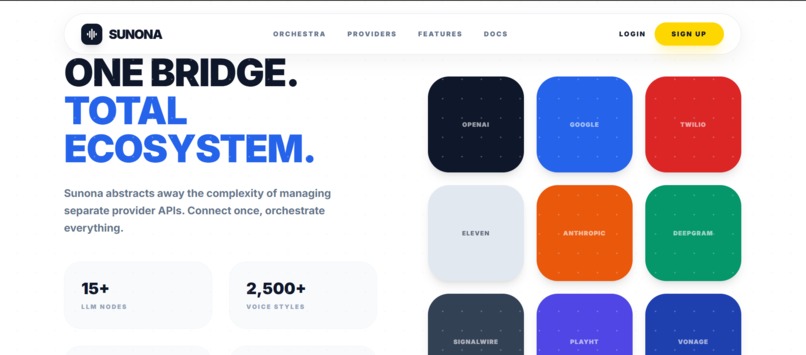
Home page
-
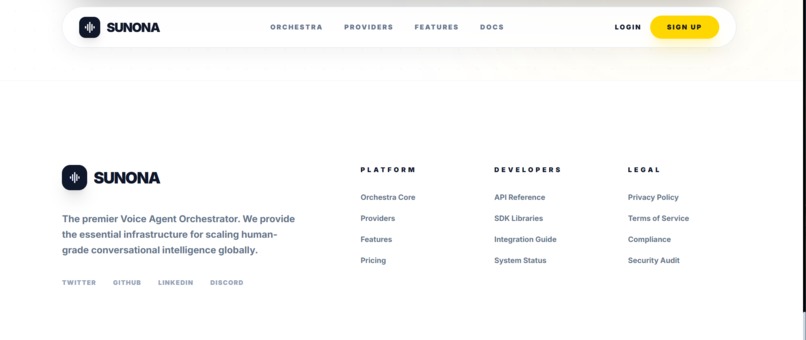
Home page
-
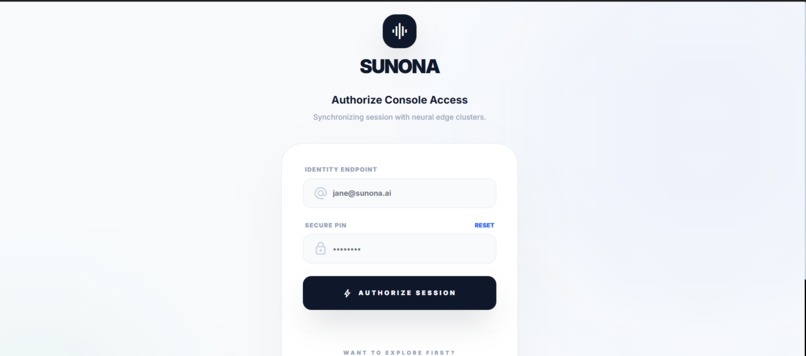
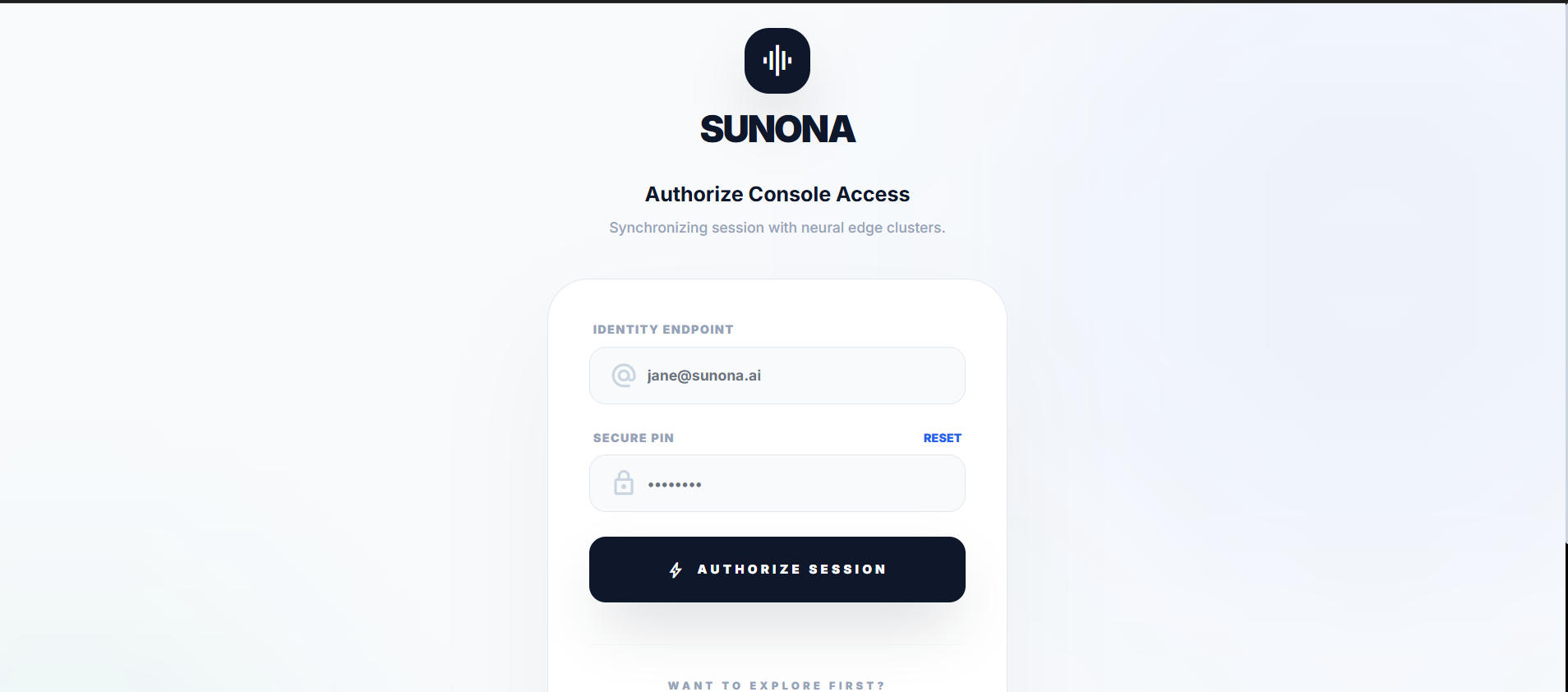
sign-in page
-
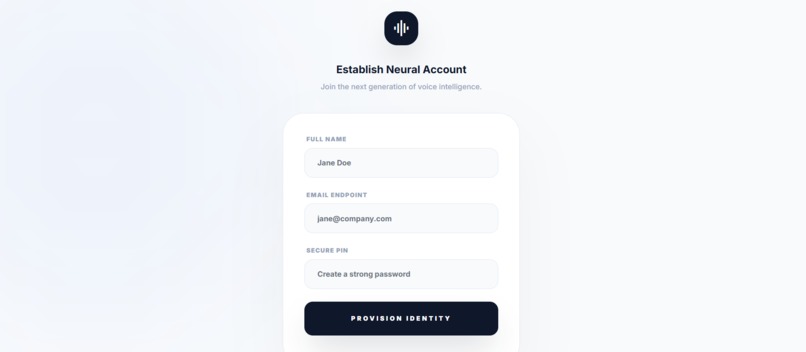
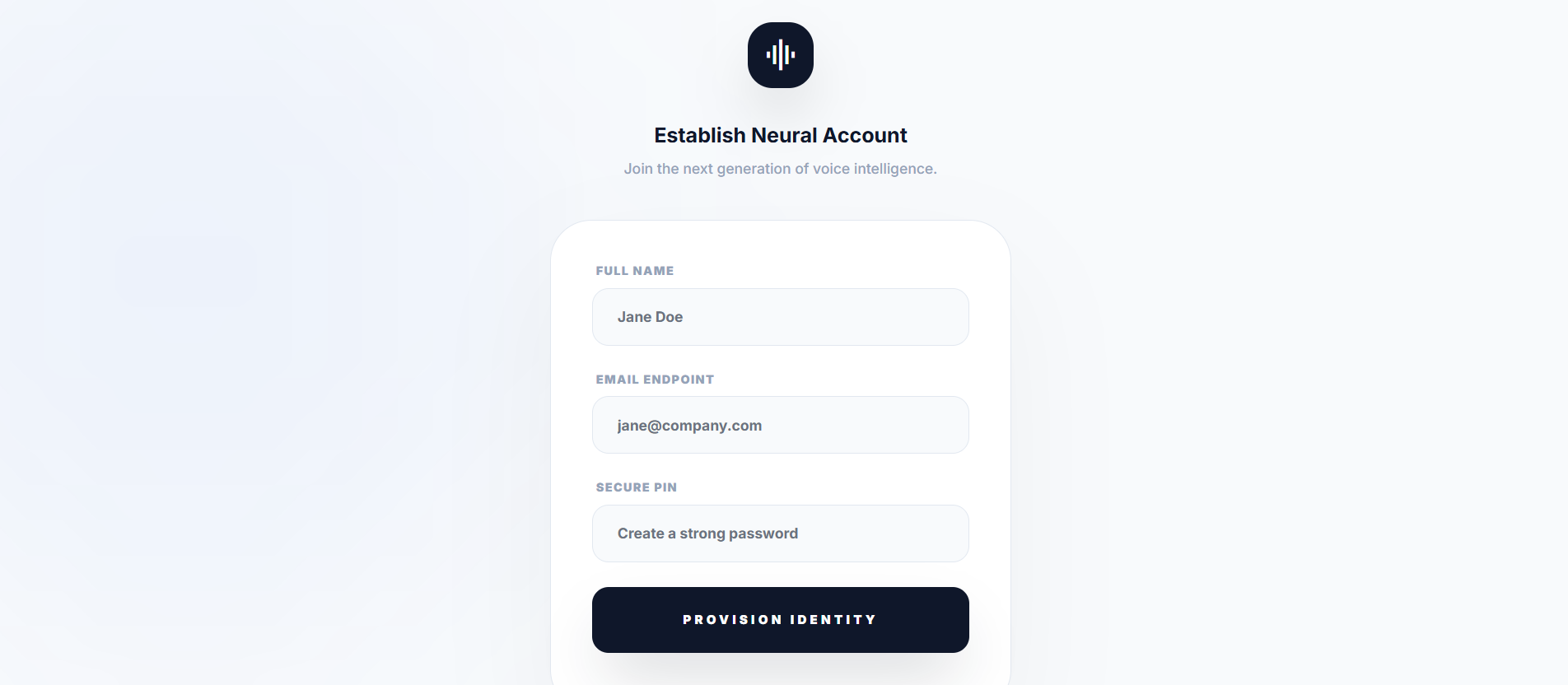
sign-up page
-
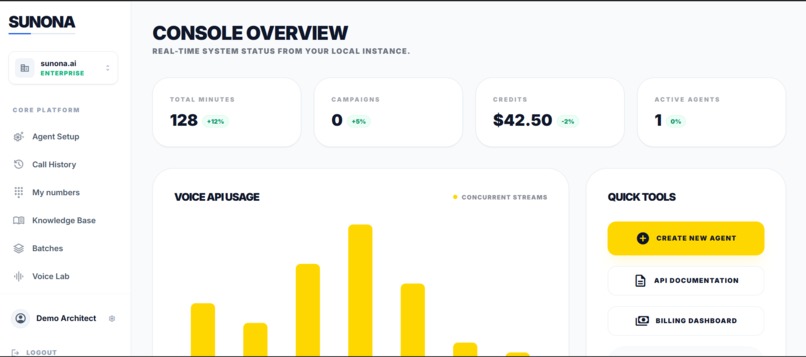
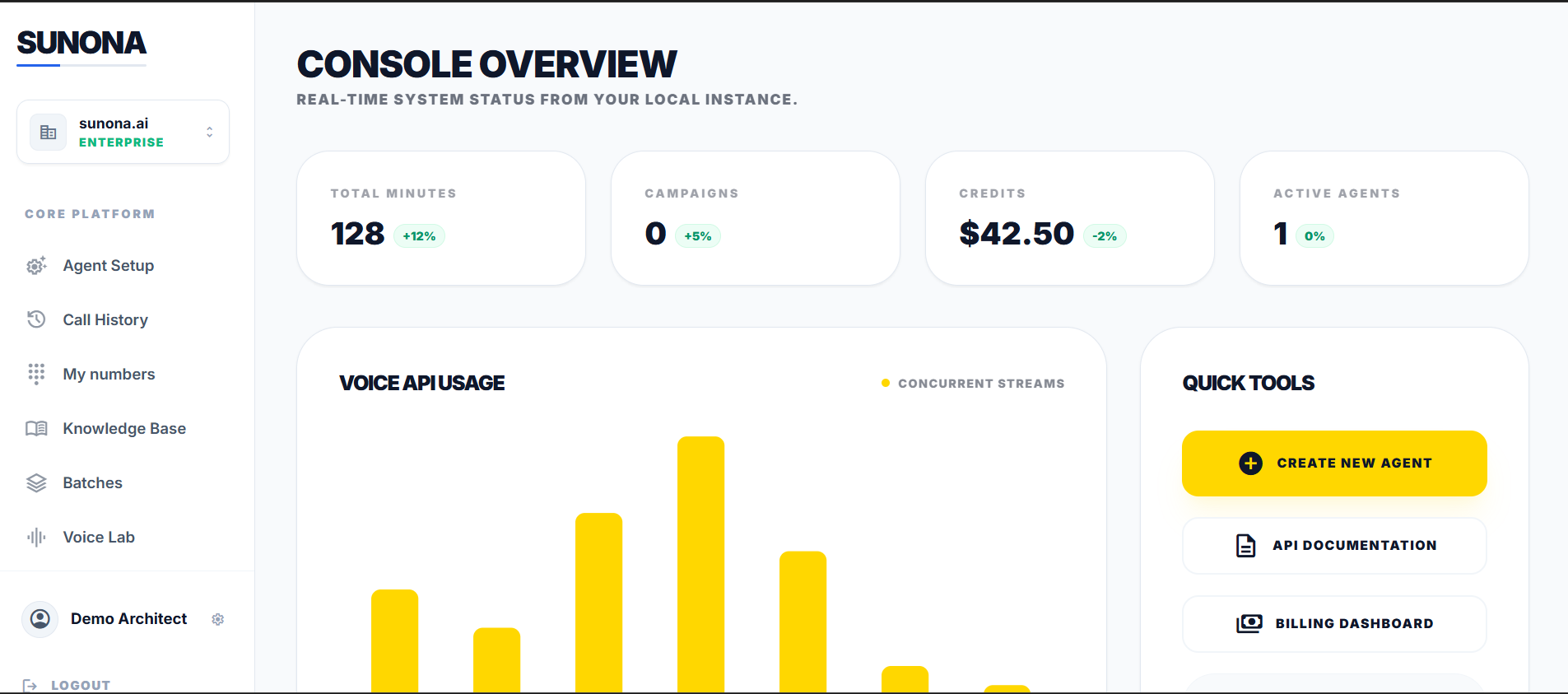
User Console page
-
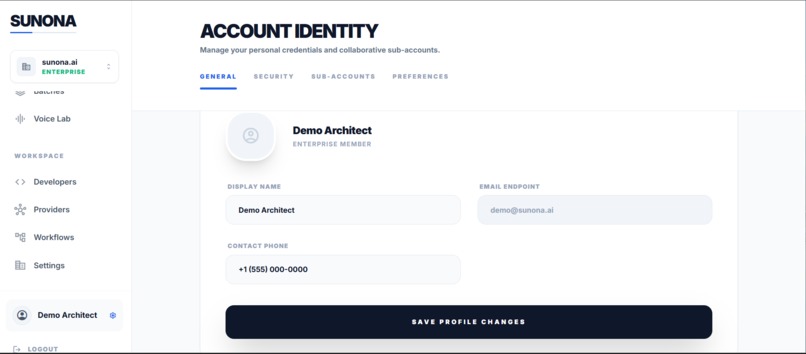
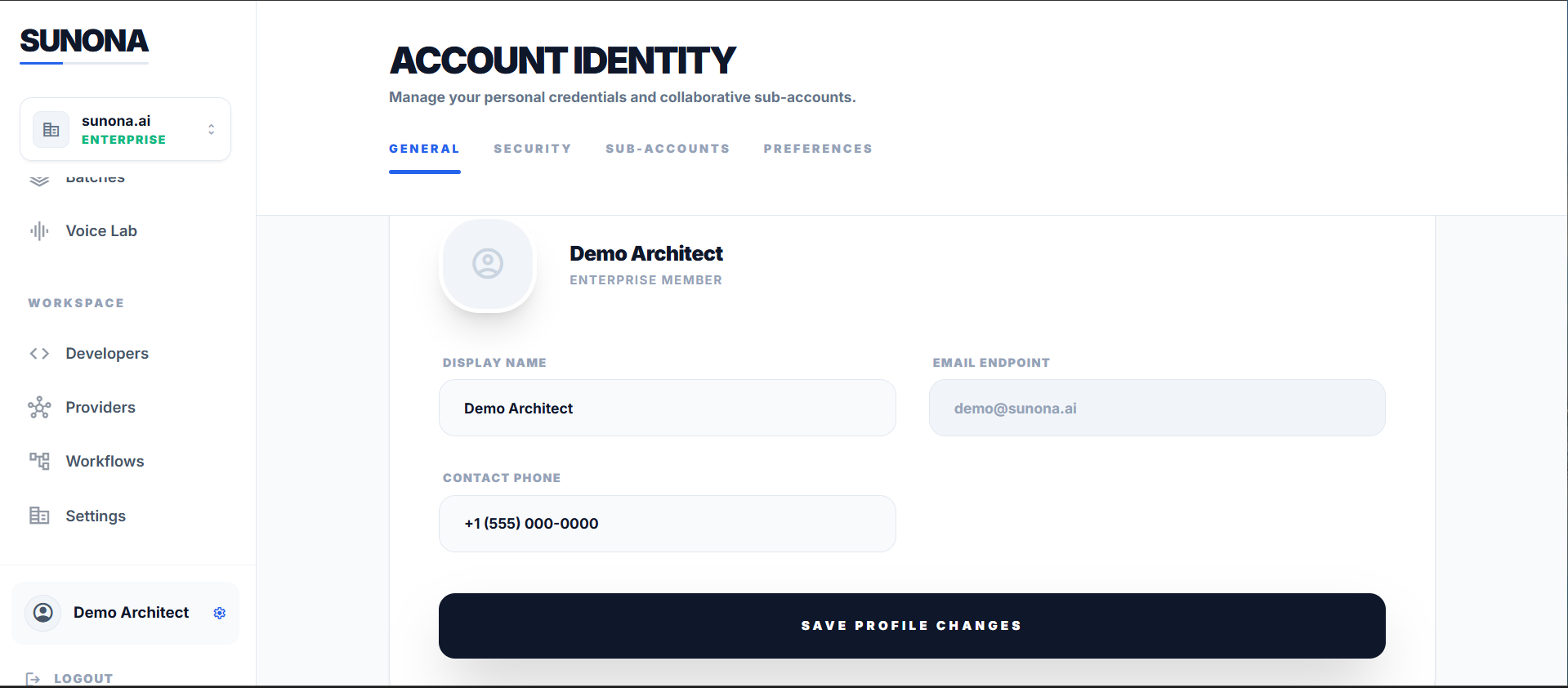
User profile page
-
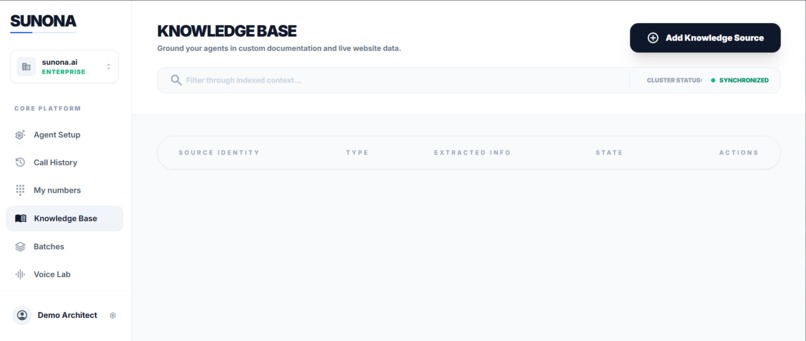
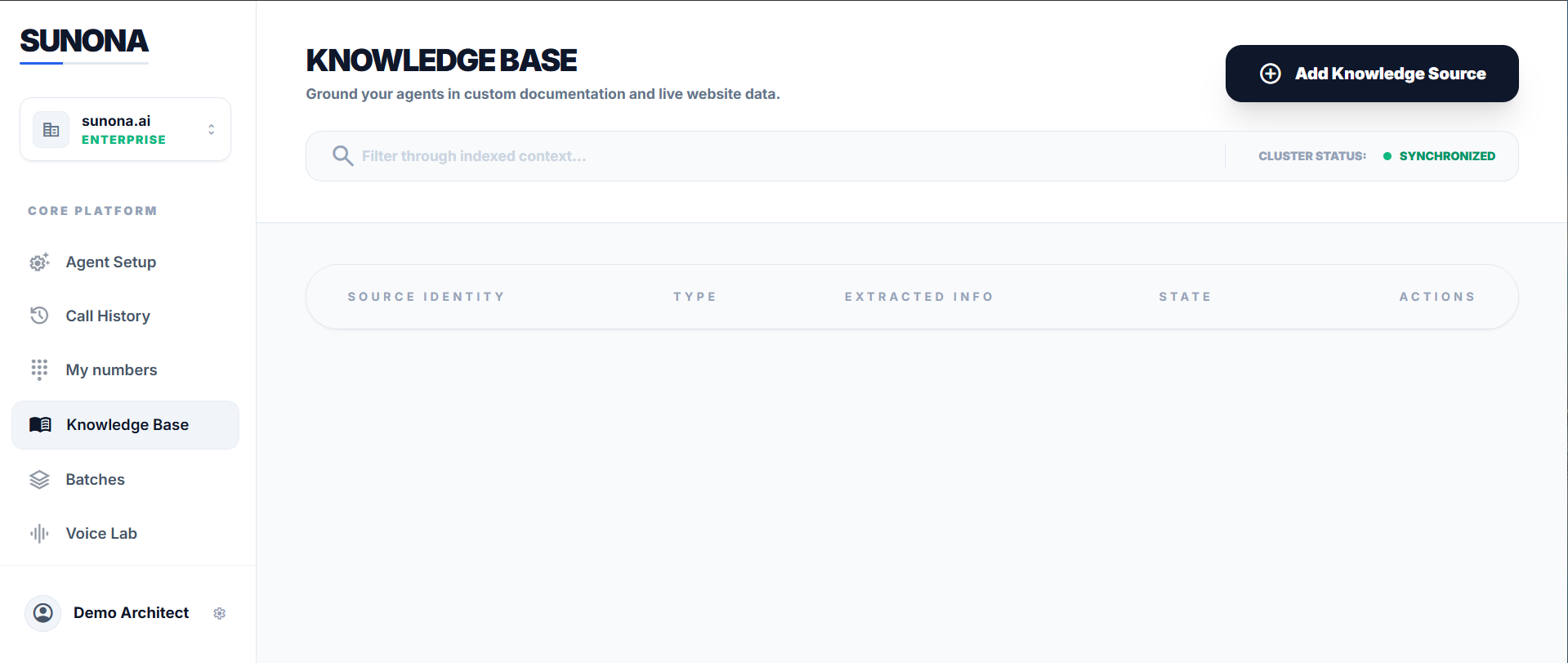
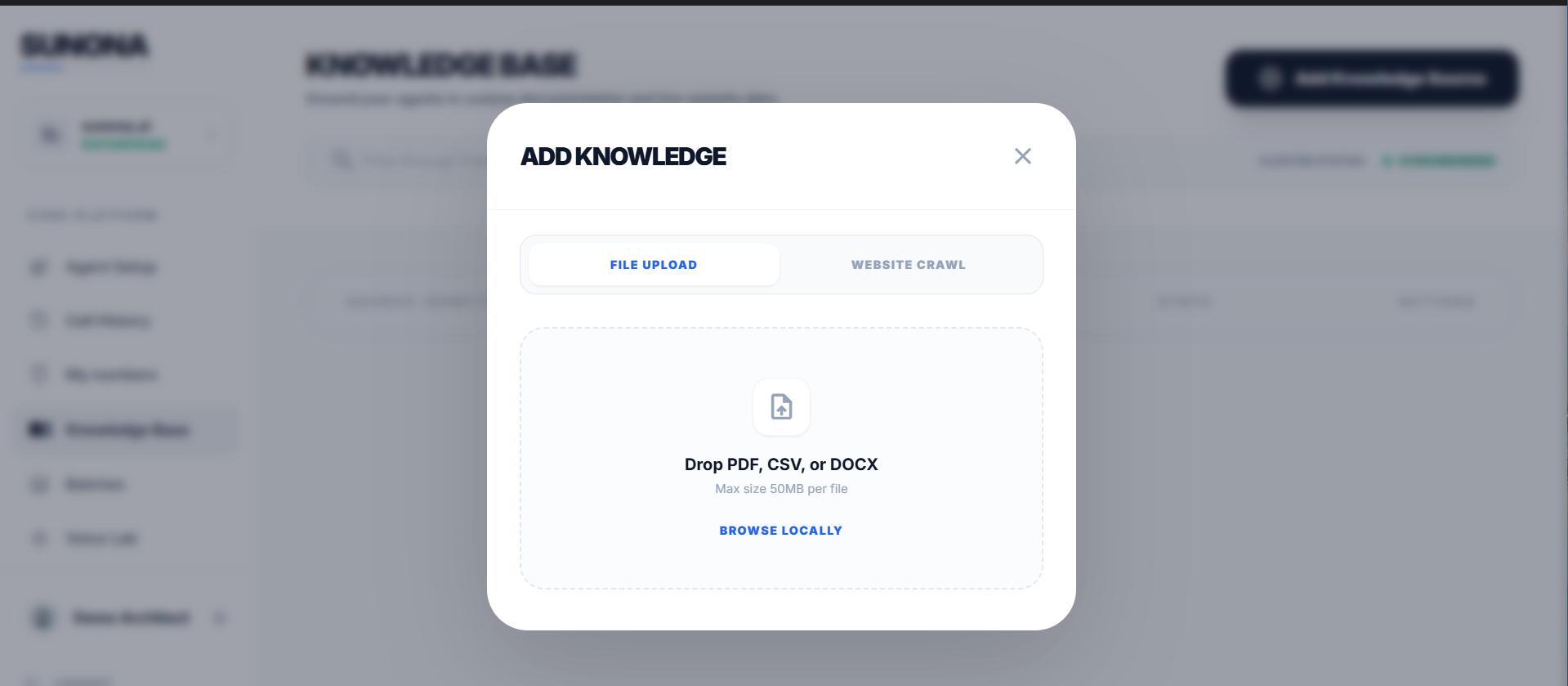
Knowledge Base page
-
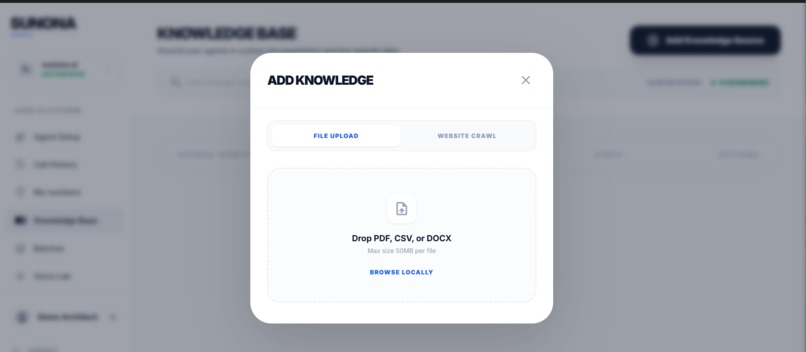
Knowledge Base page
-
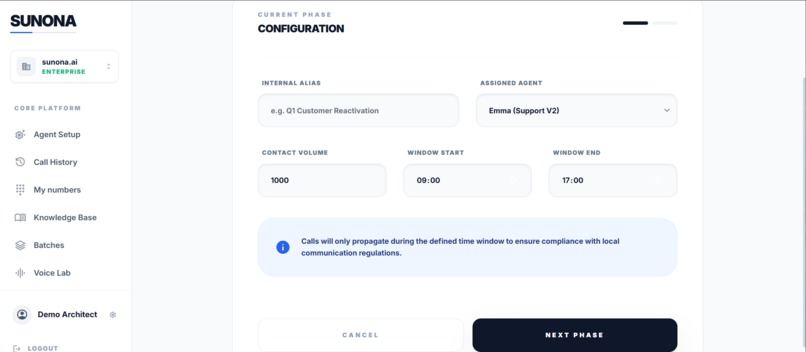
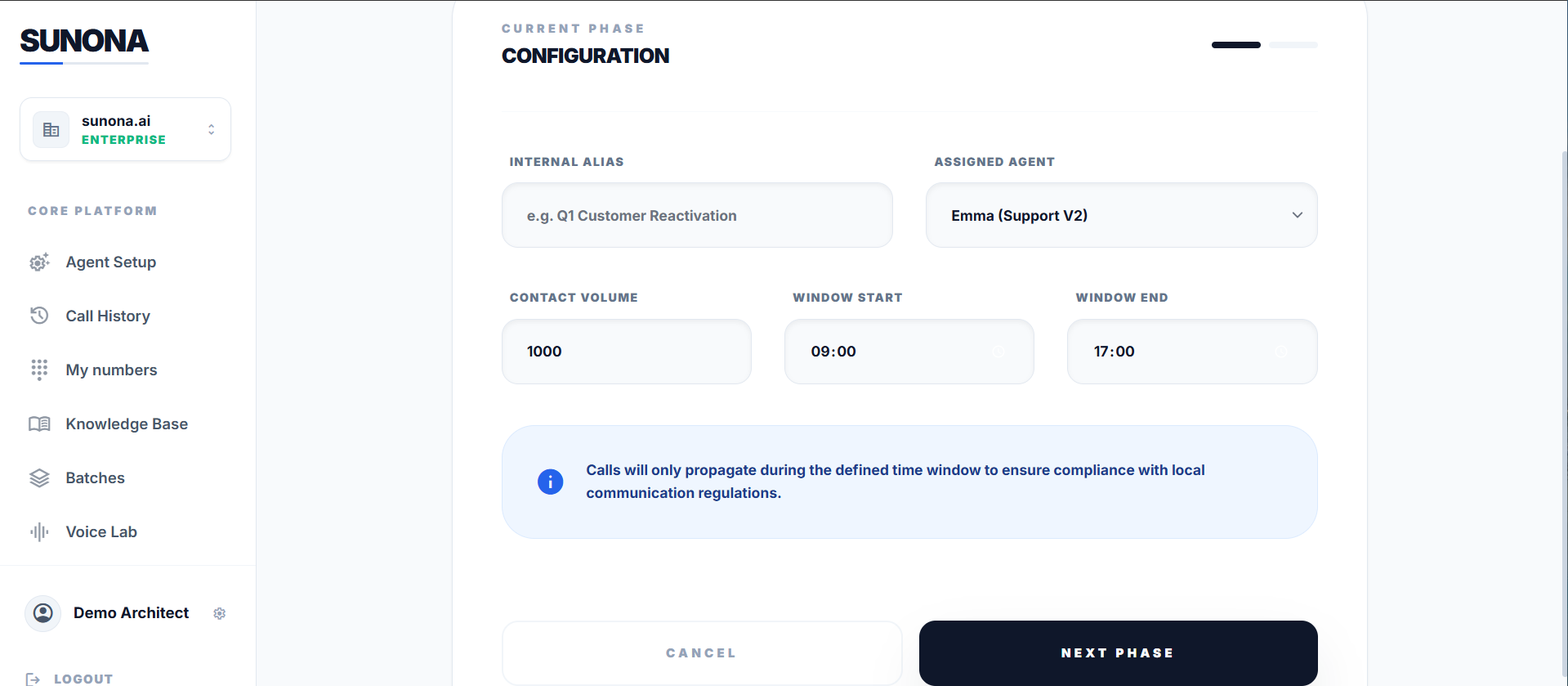
Batche call config page
-
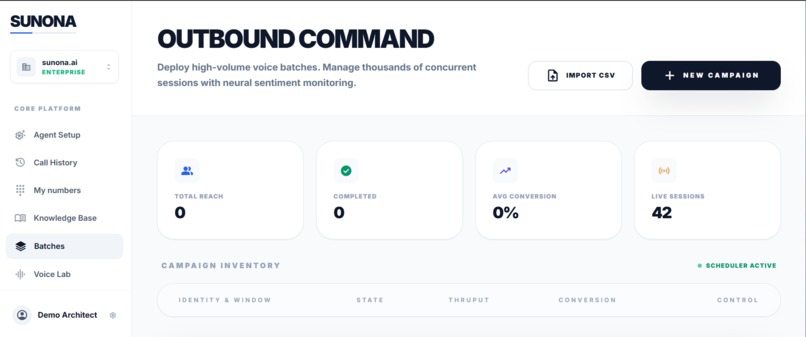
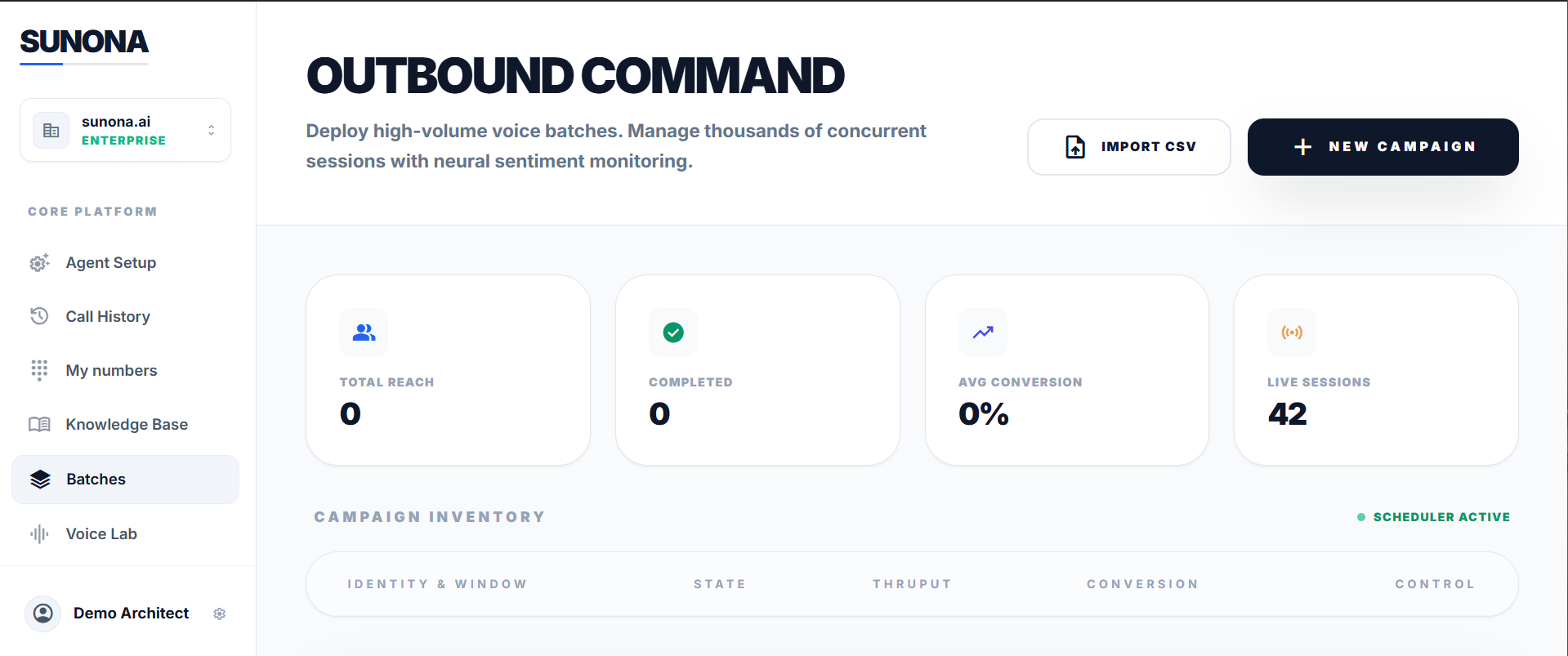
Batche call page
-
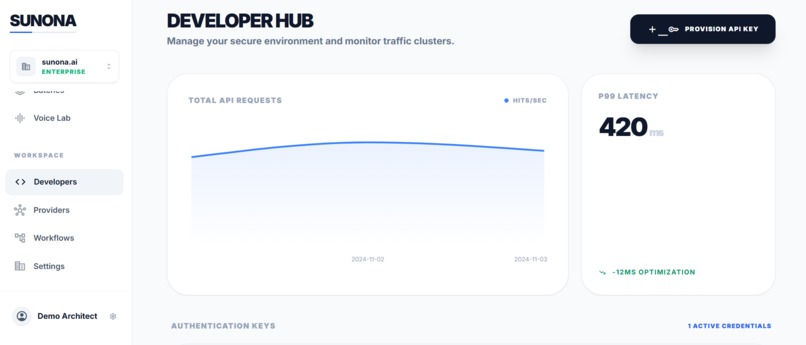
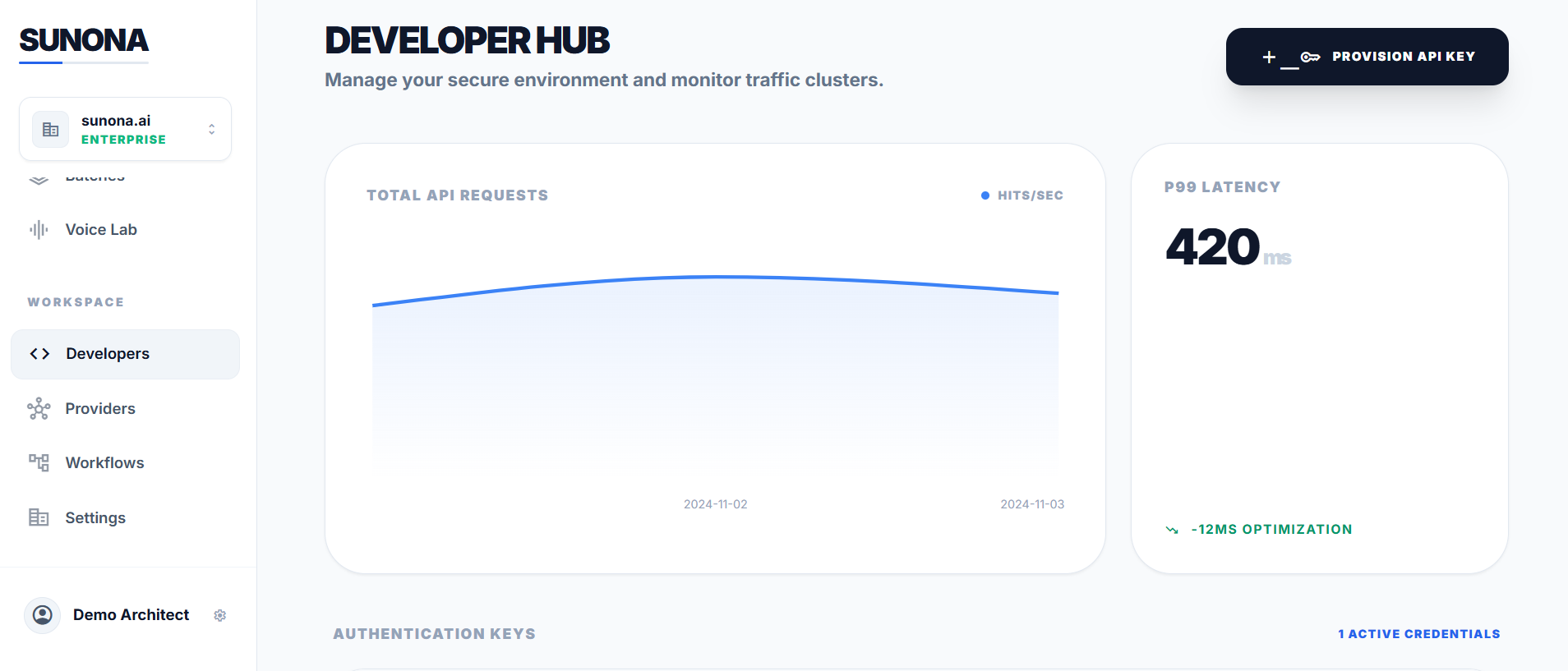
Developer page (API)
-
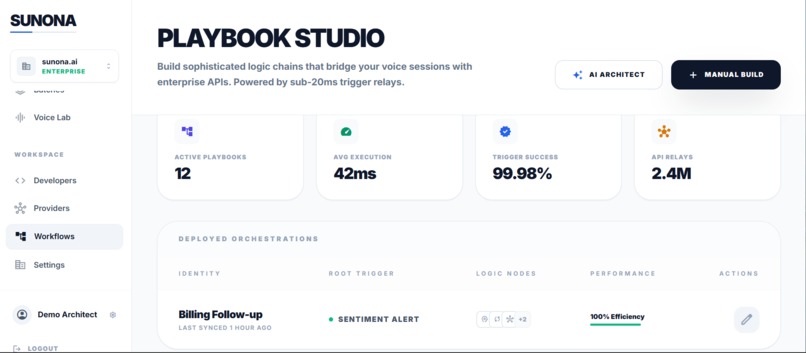
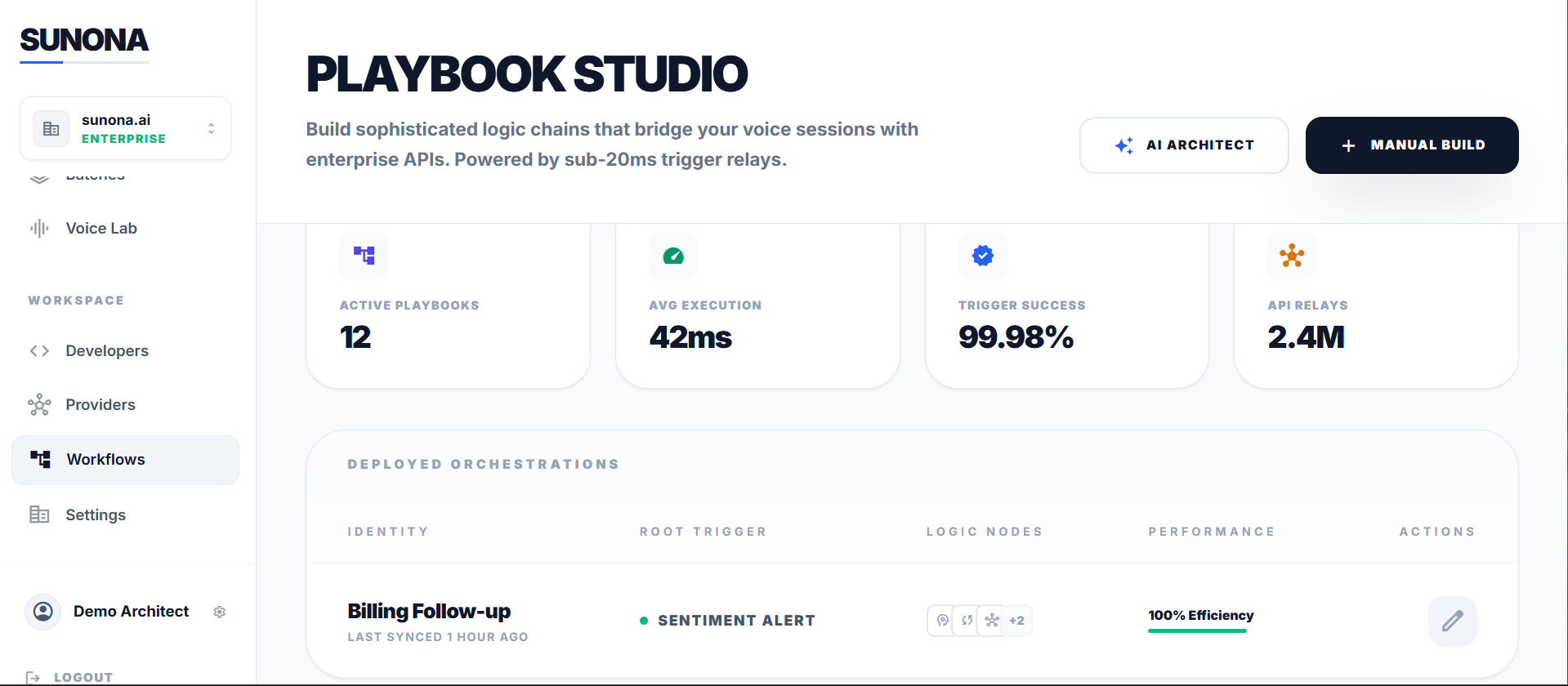
Playbook page
-
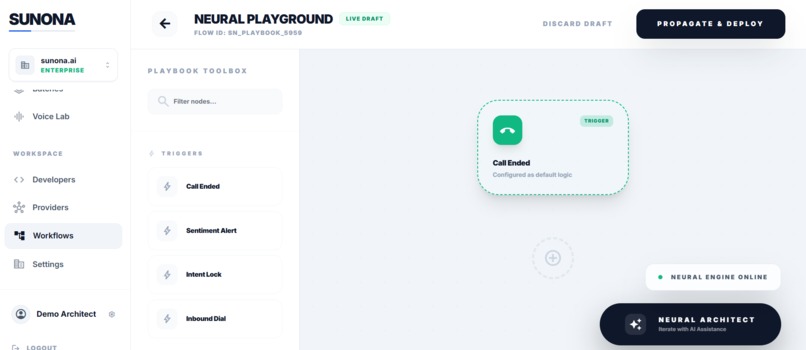
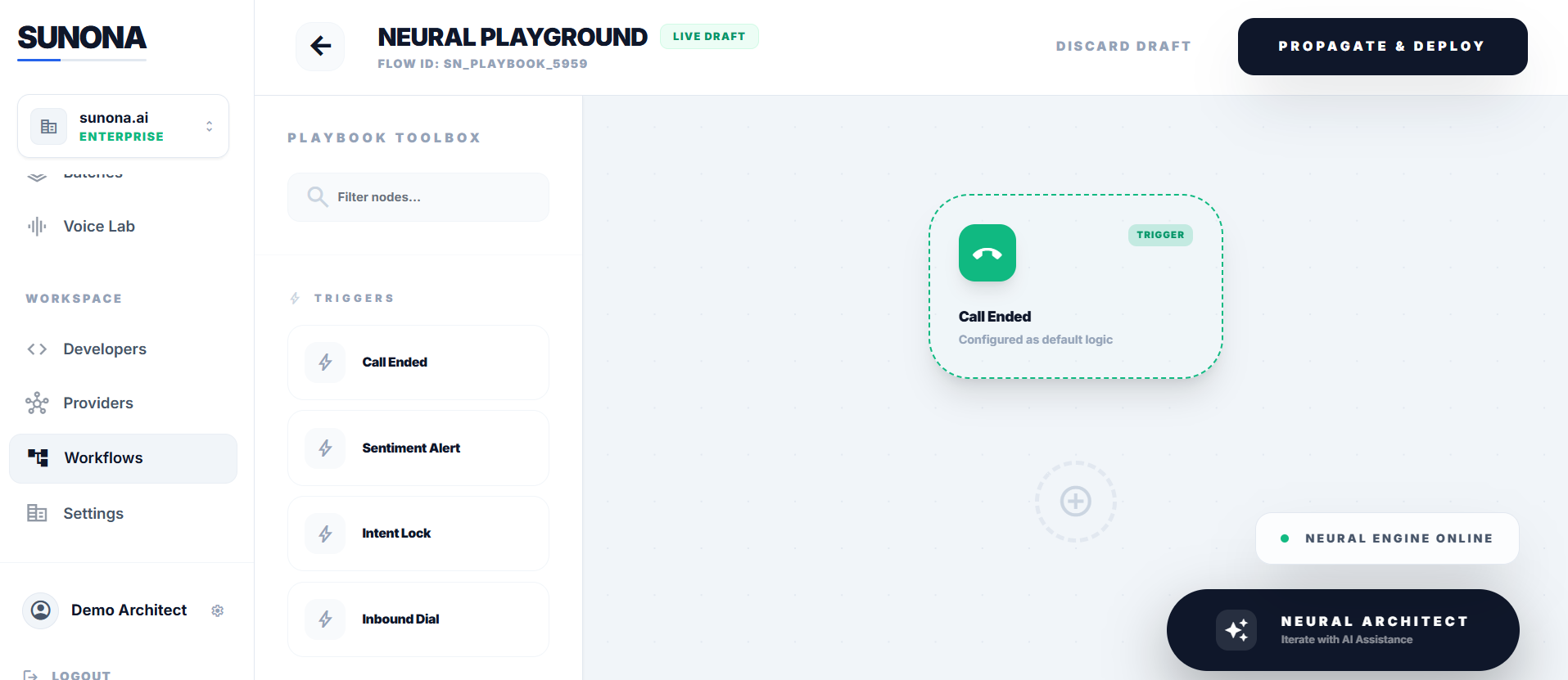
Playbook page (drag and drop feature)
-
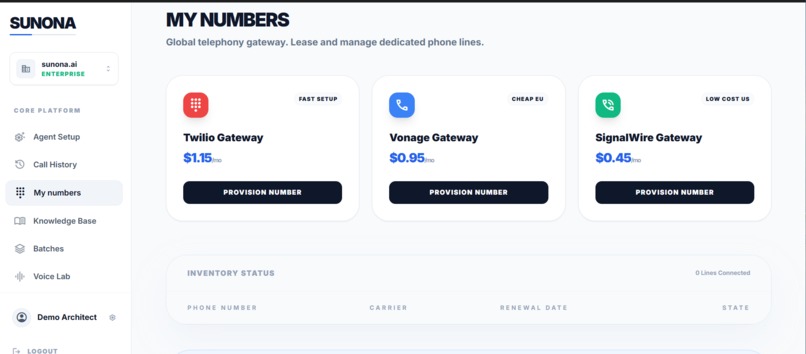
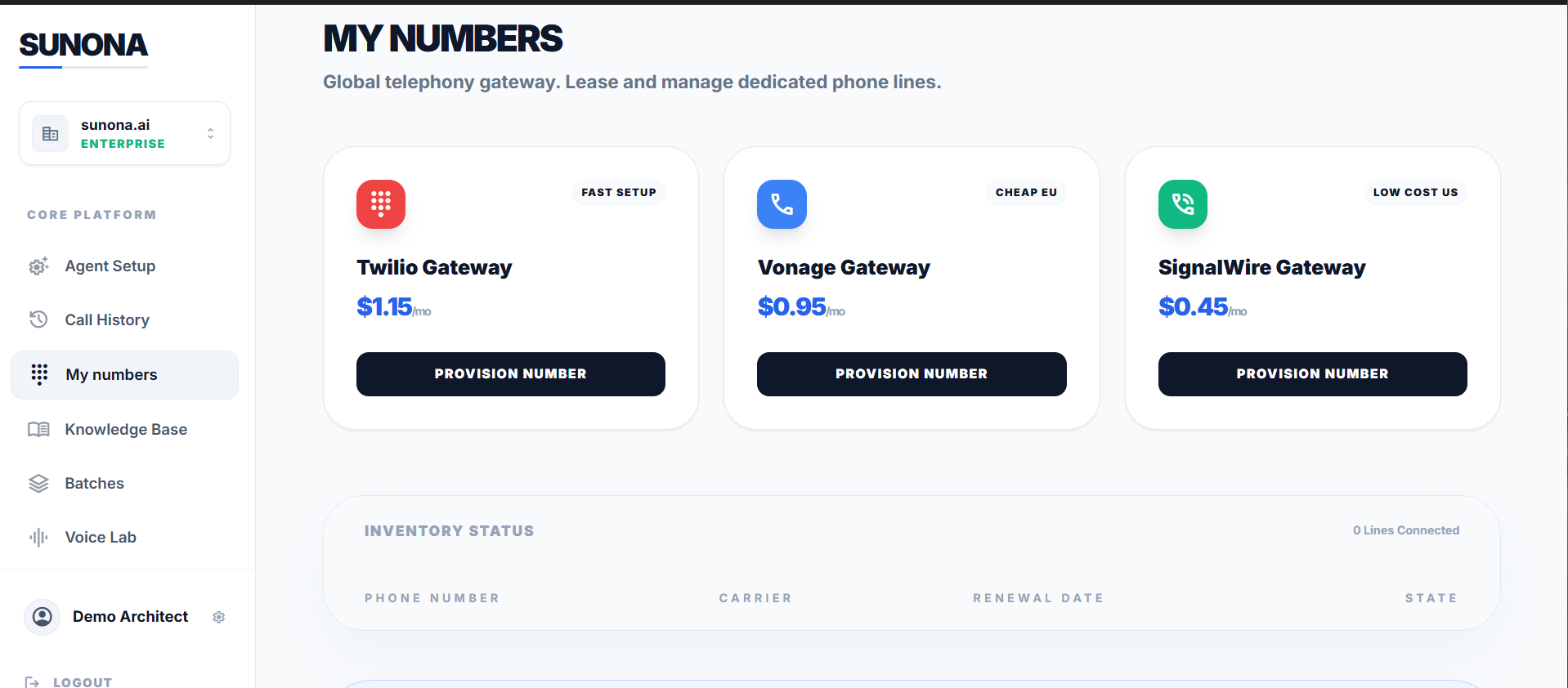
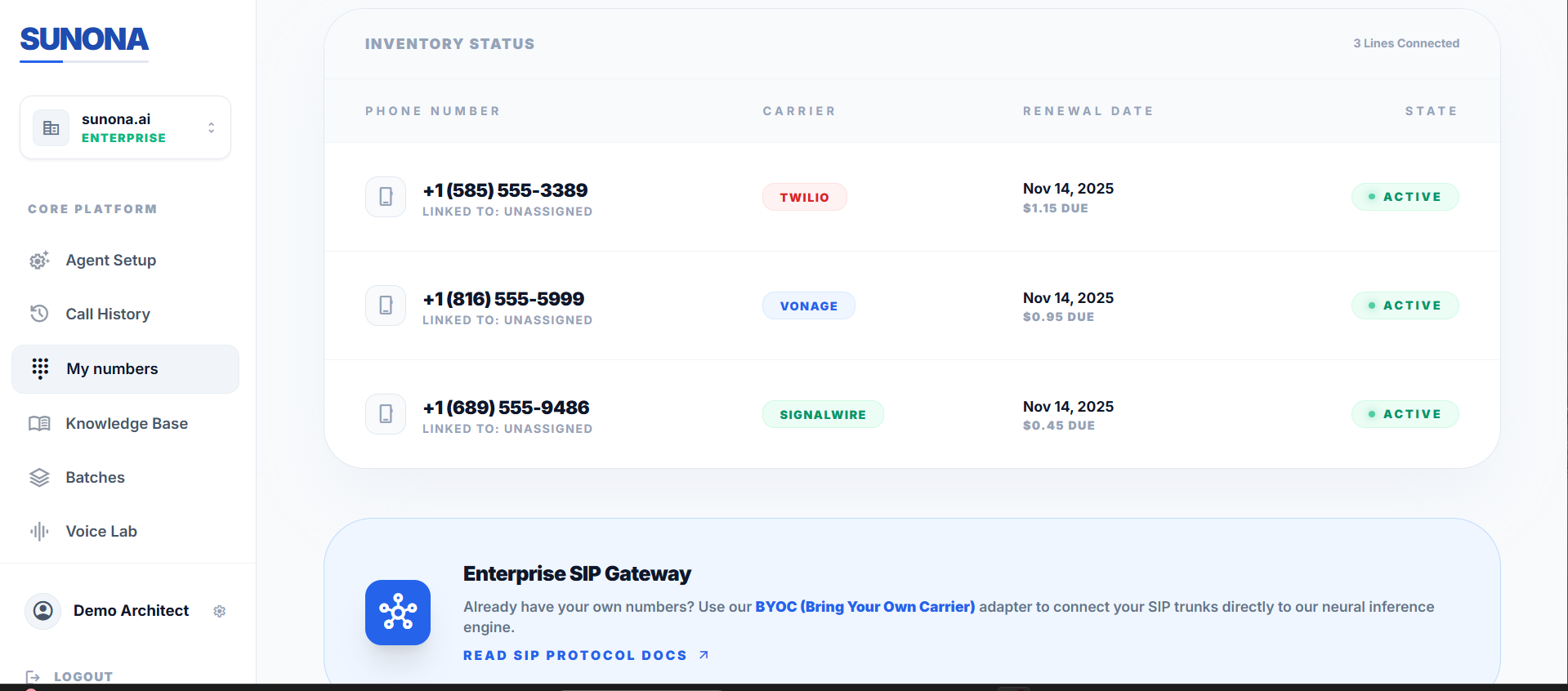
My numbers page.
-
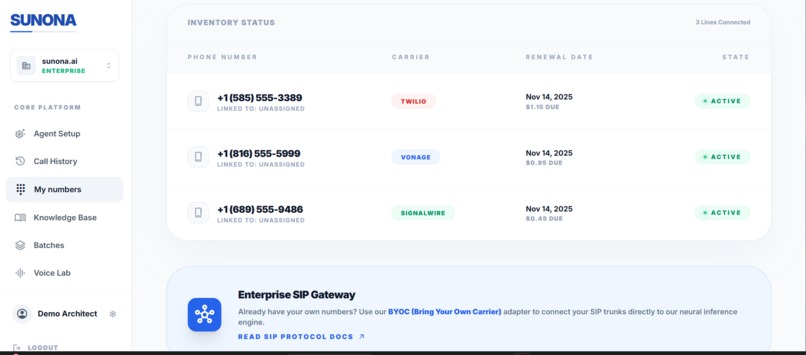
My numbers page
-
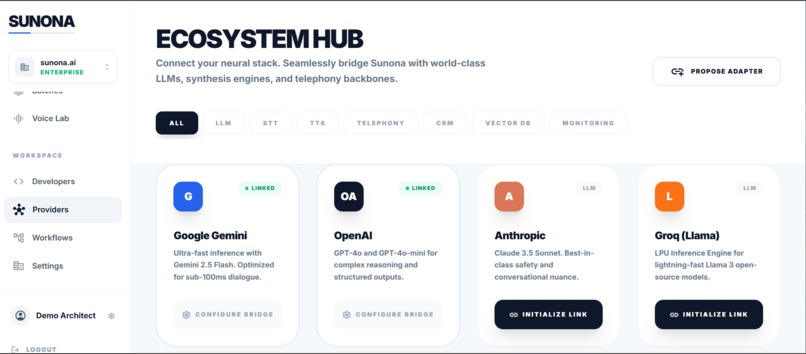
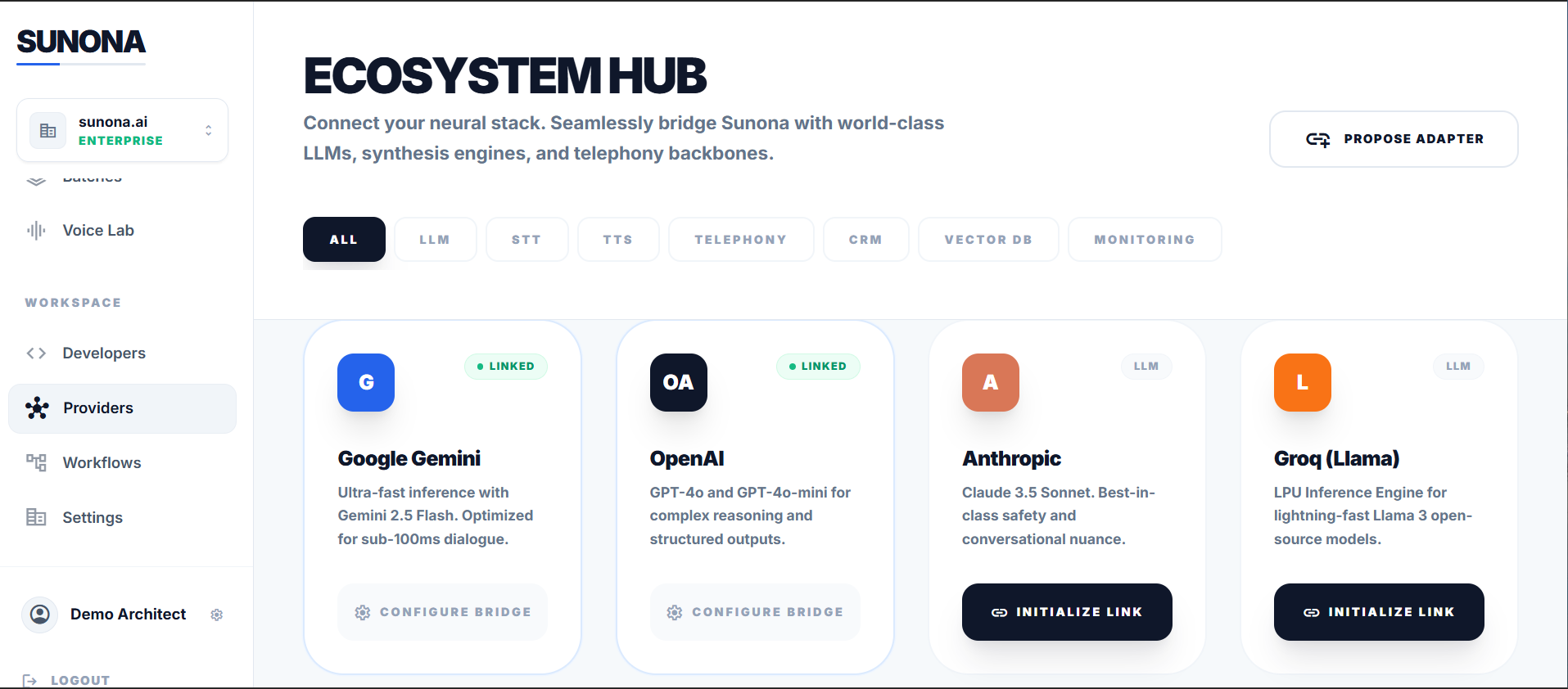
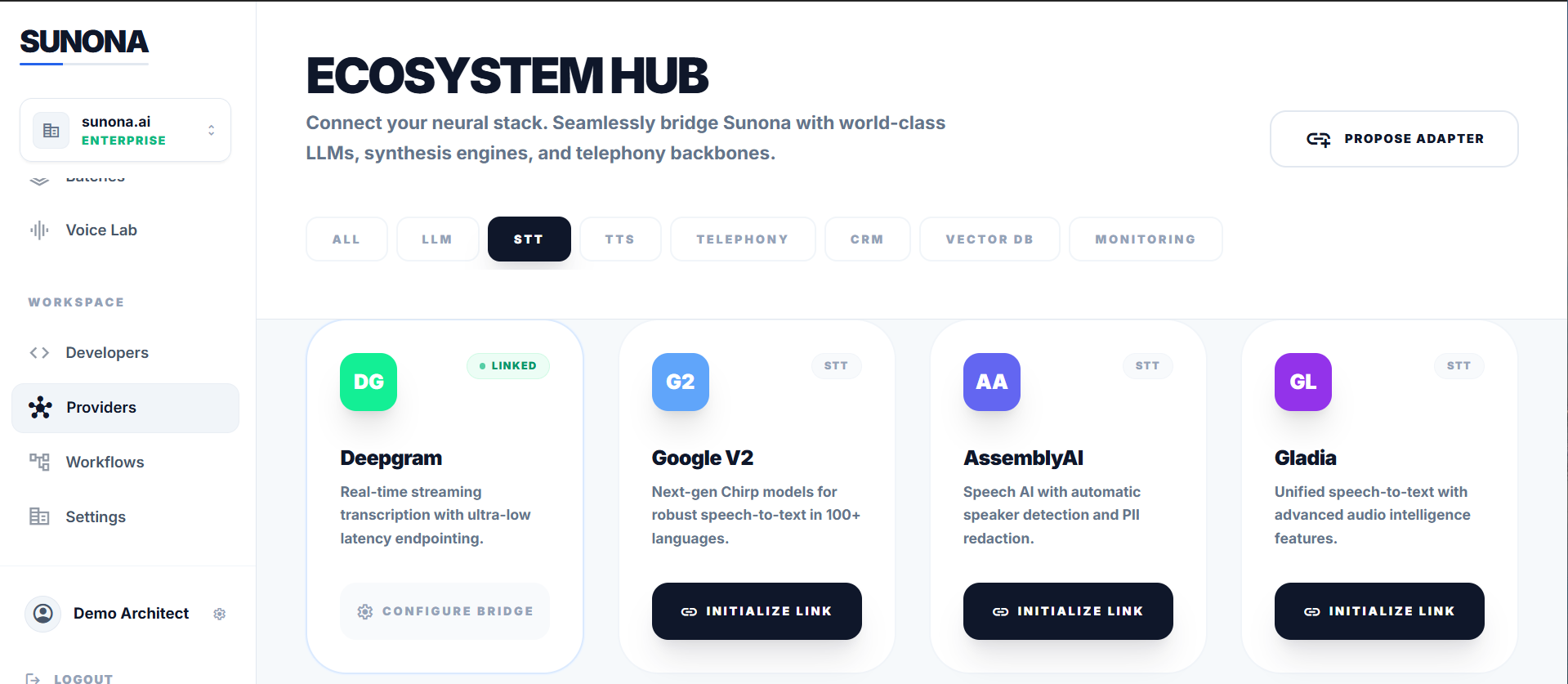
Providers page
-
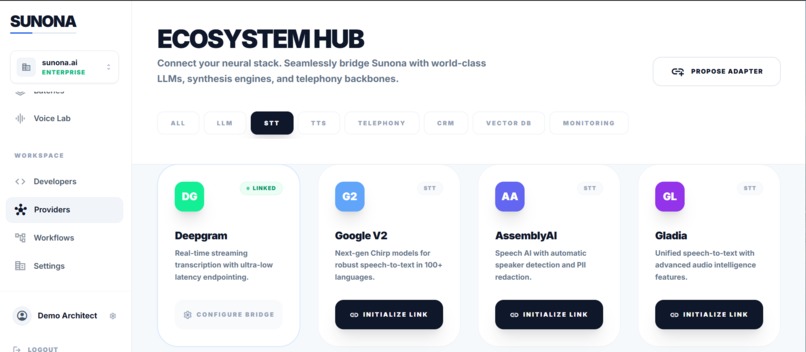
Providers page
-
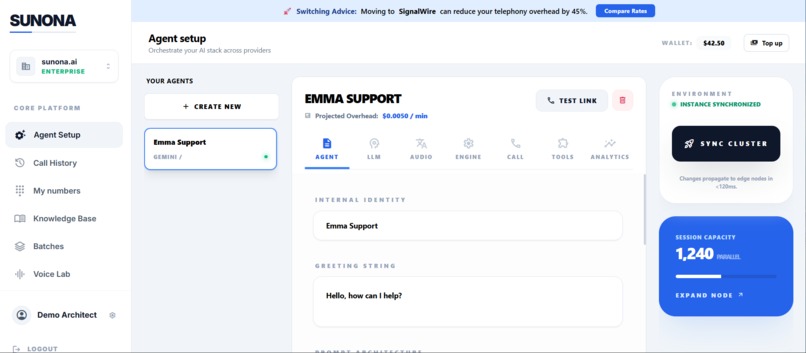
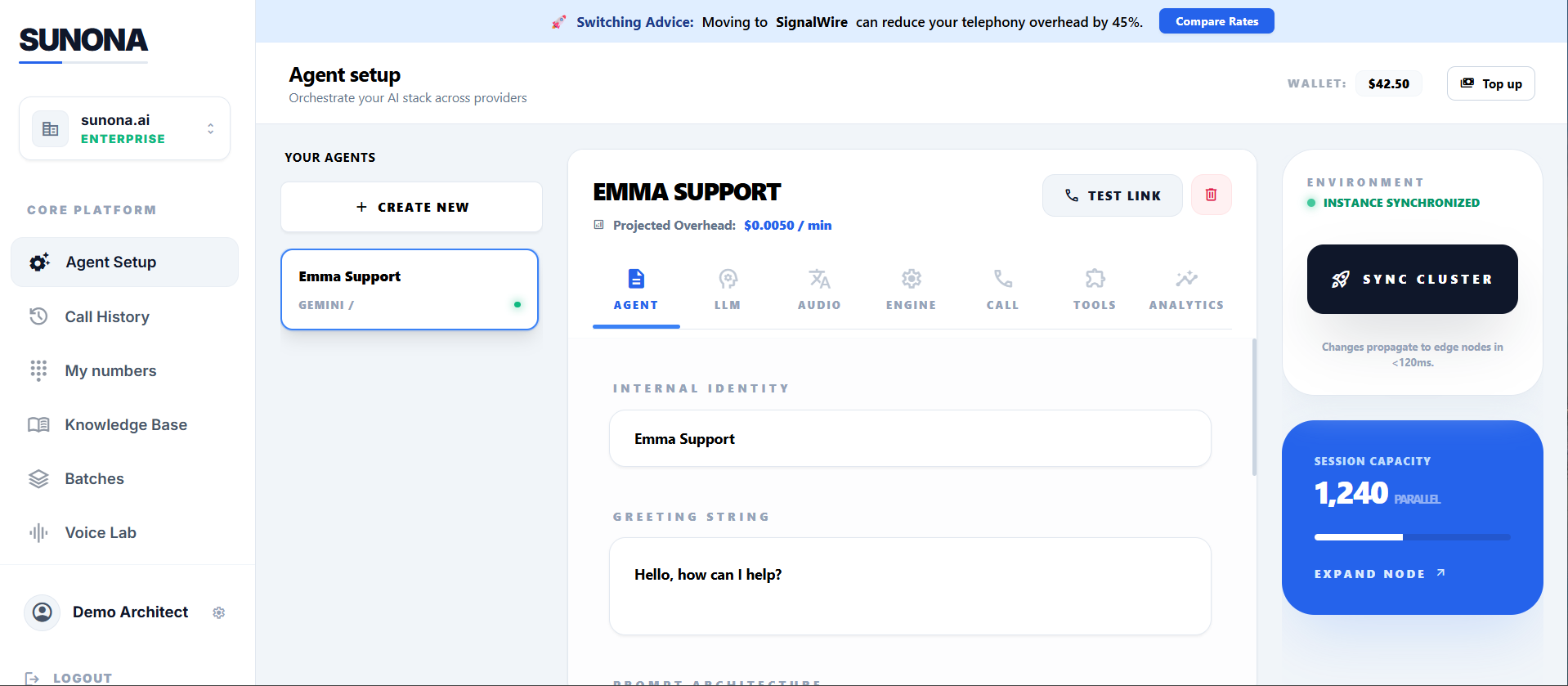
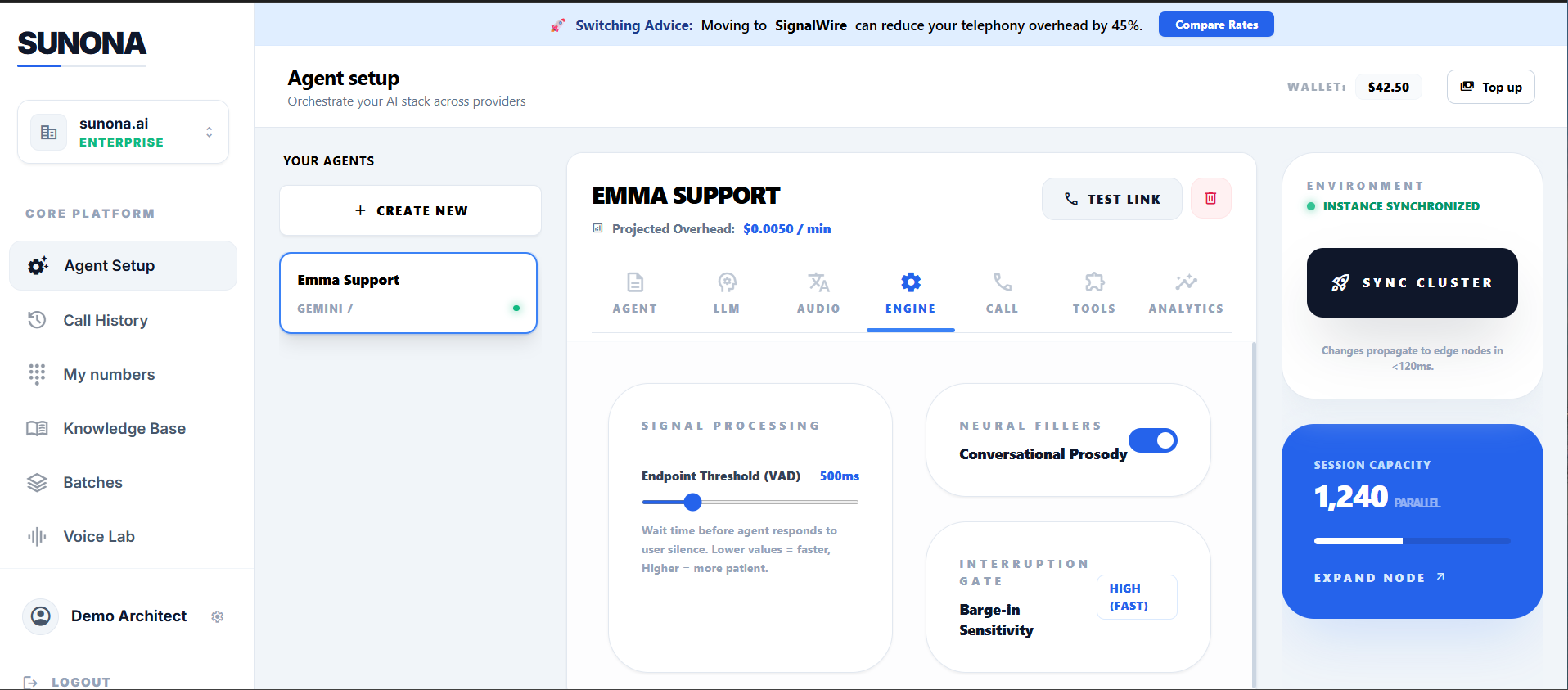
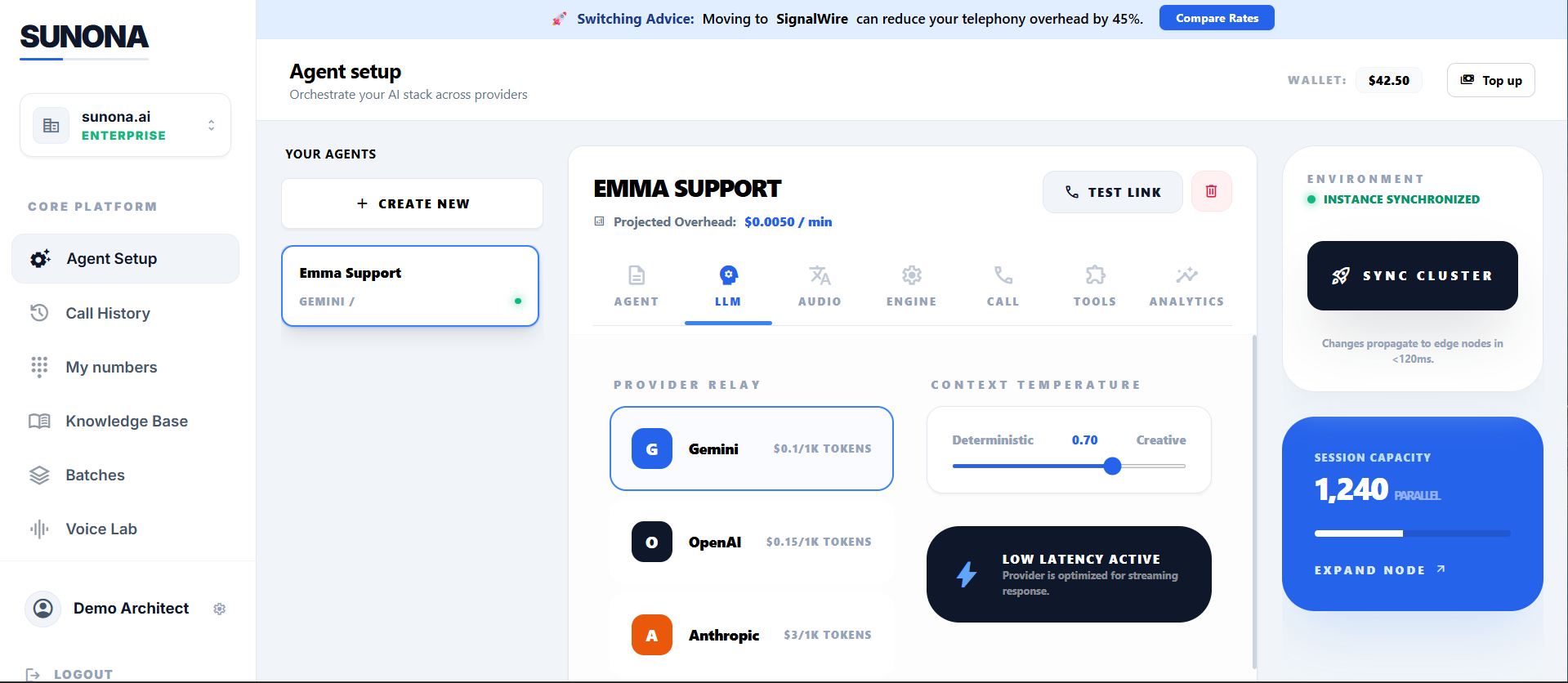
Agent setup page
-
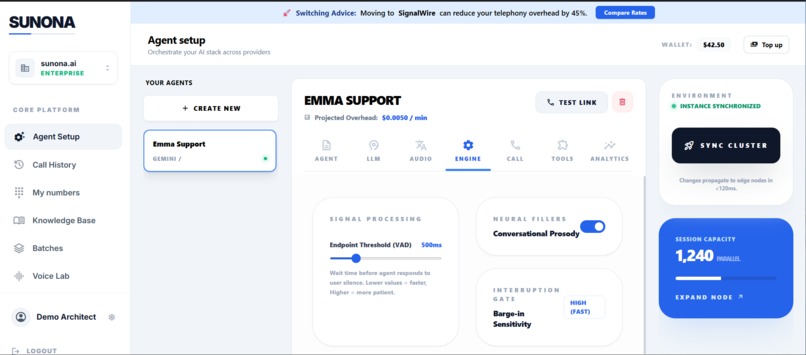
Agent setup page
-
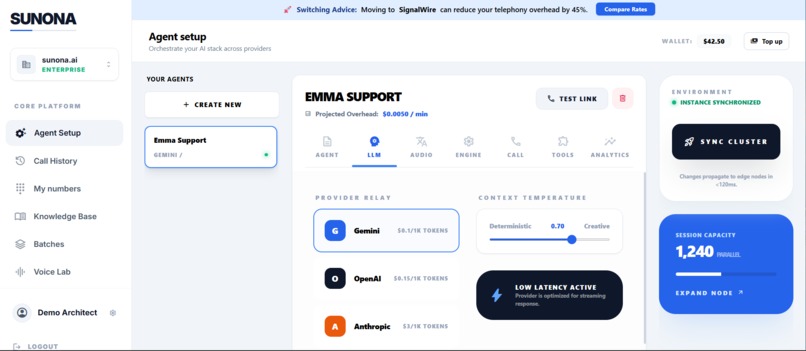
Agent setup page
-
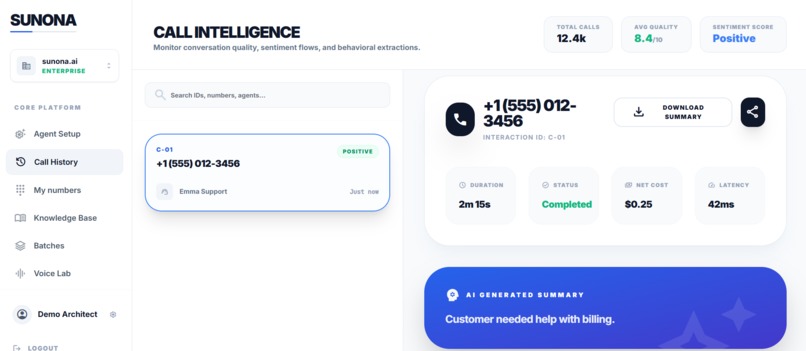
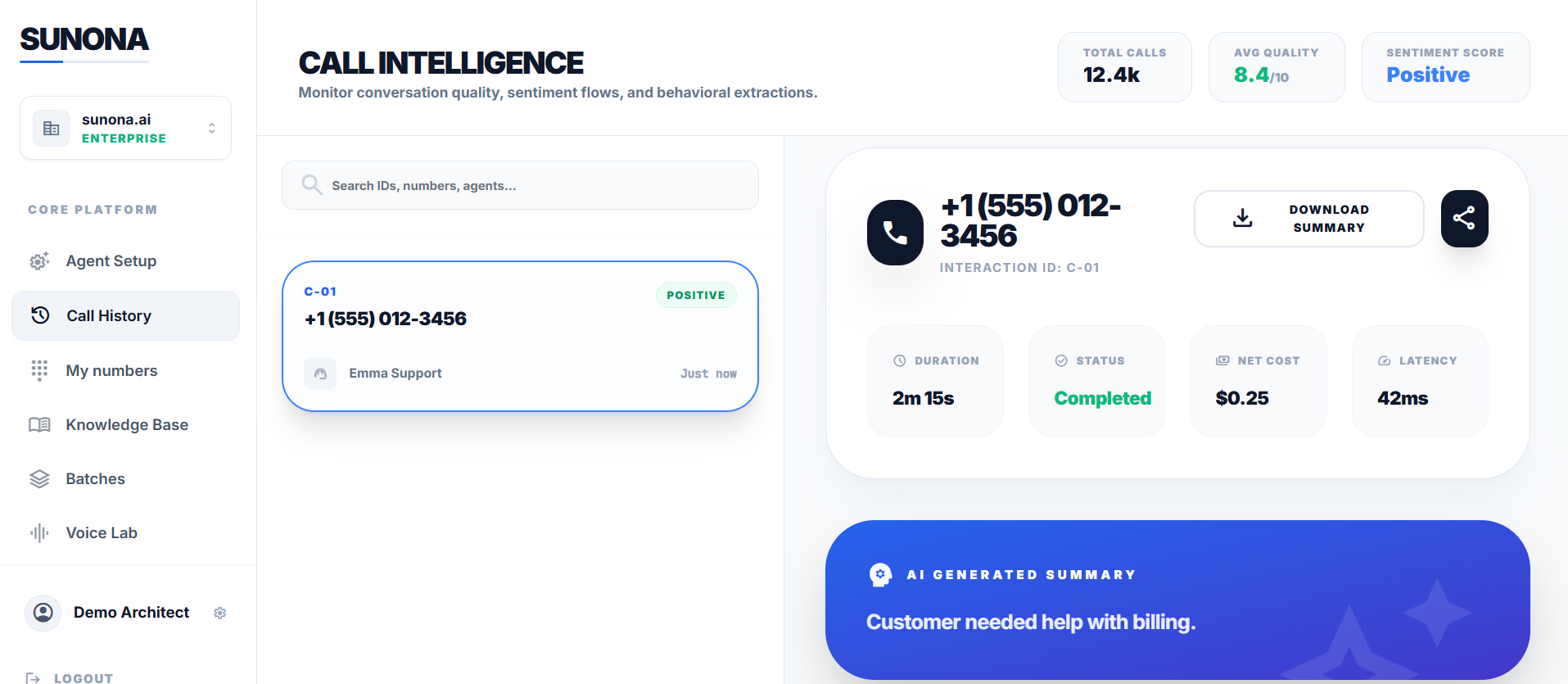
Call History page
-
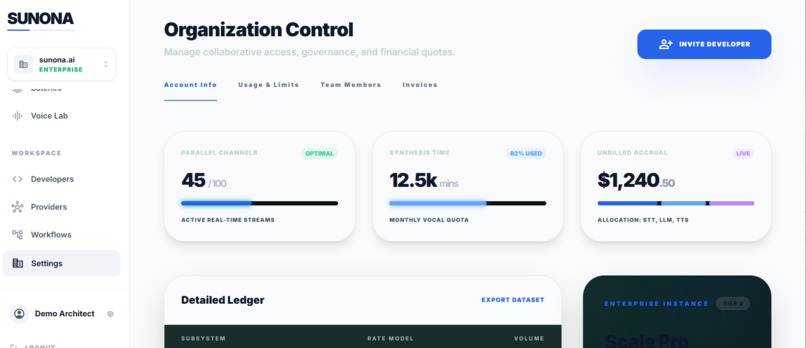
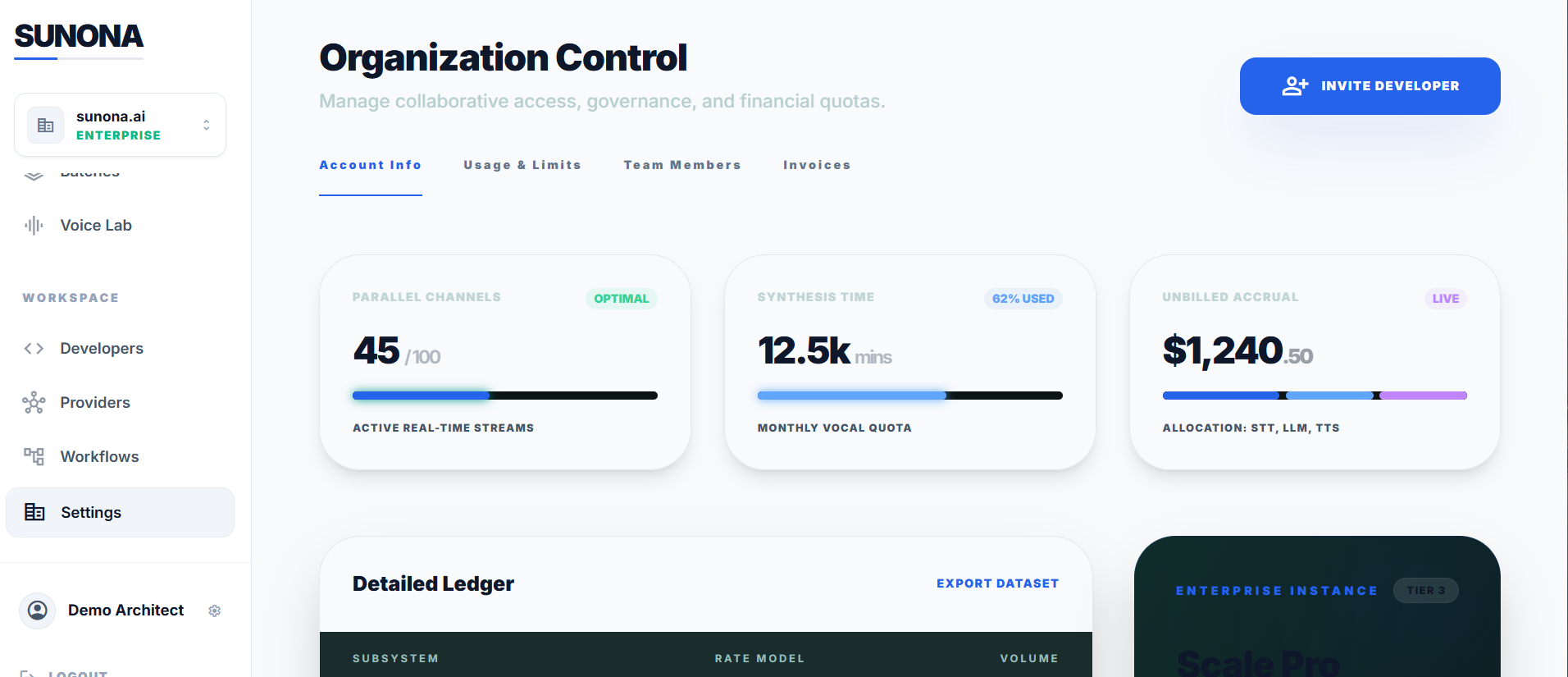
Settings page
-
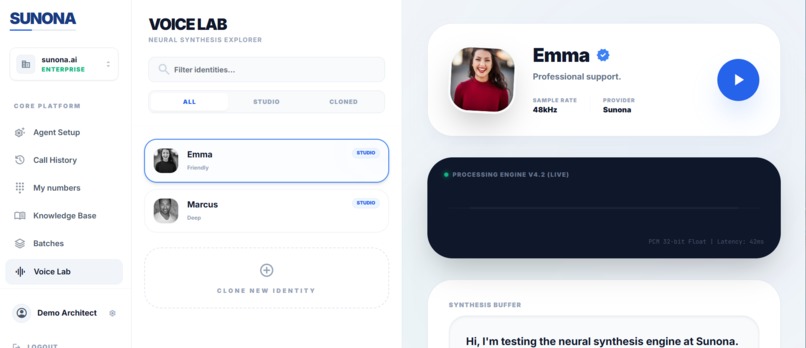
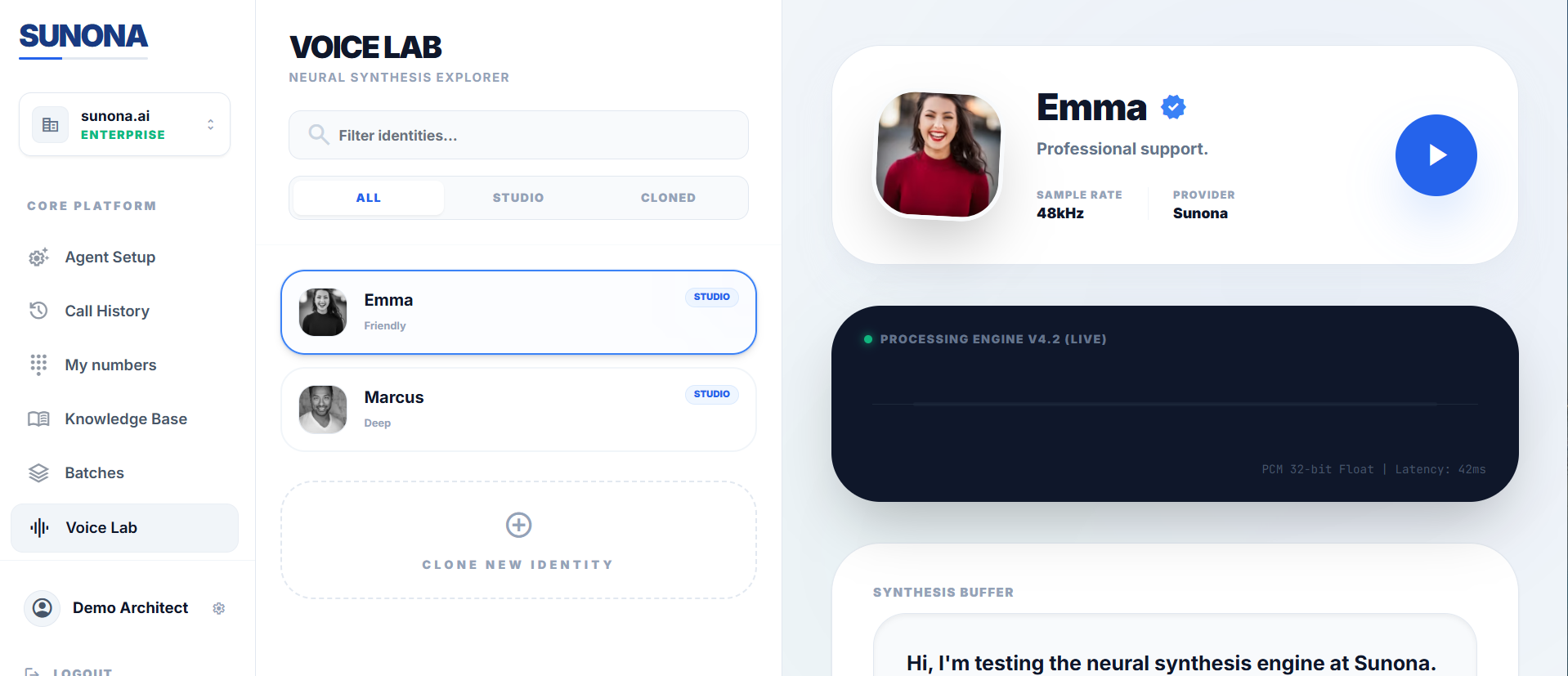
voice lab page
-
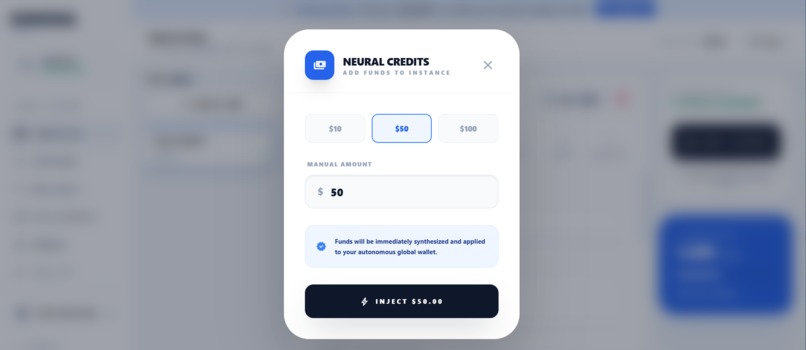
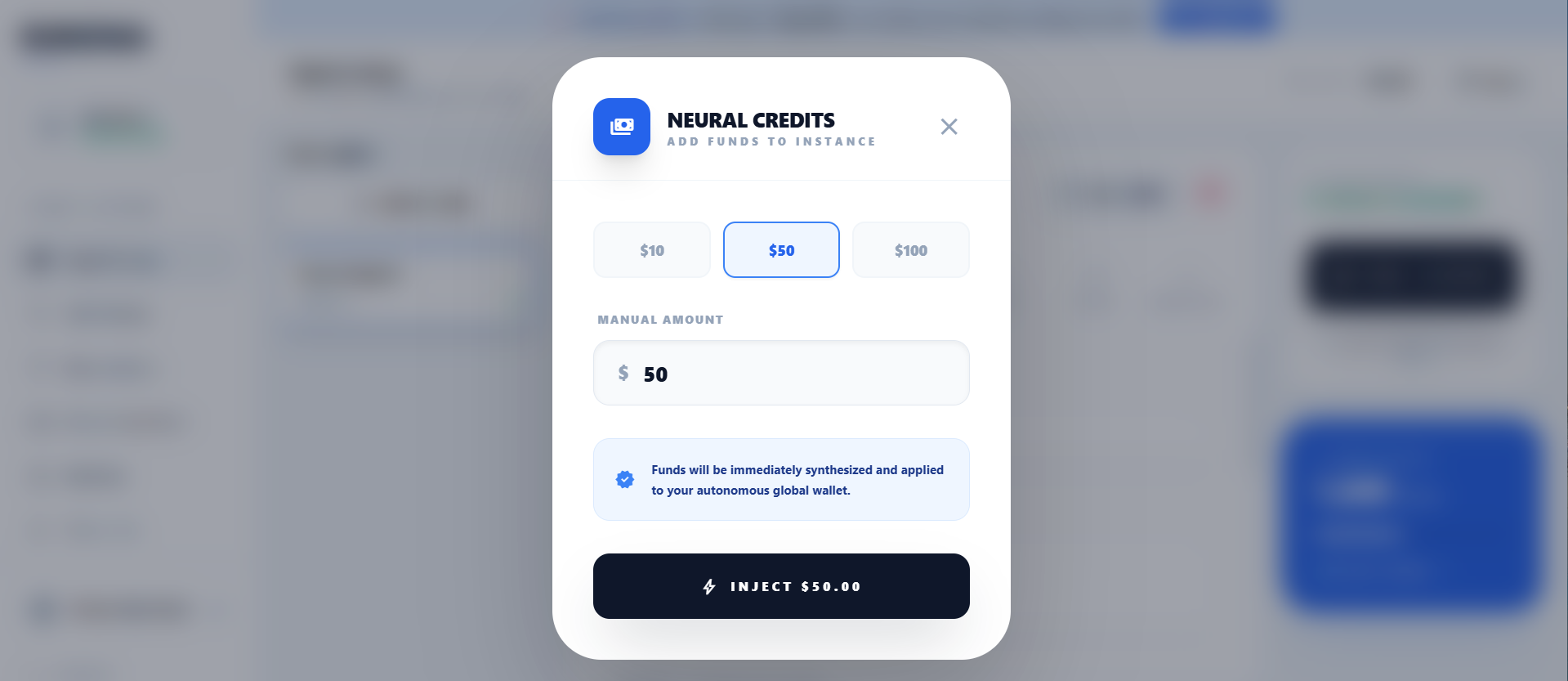
Top-Up page
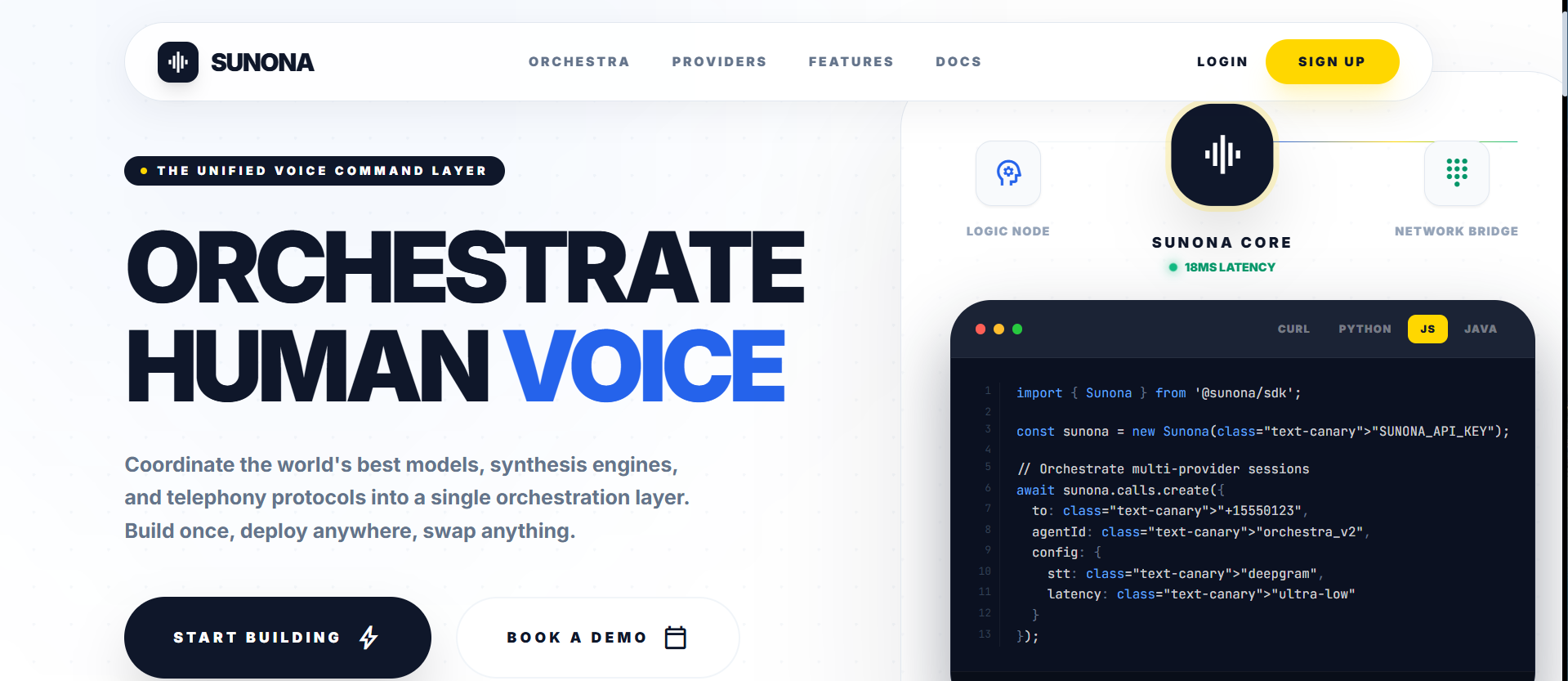
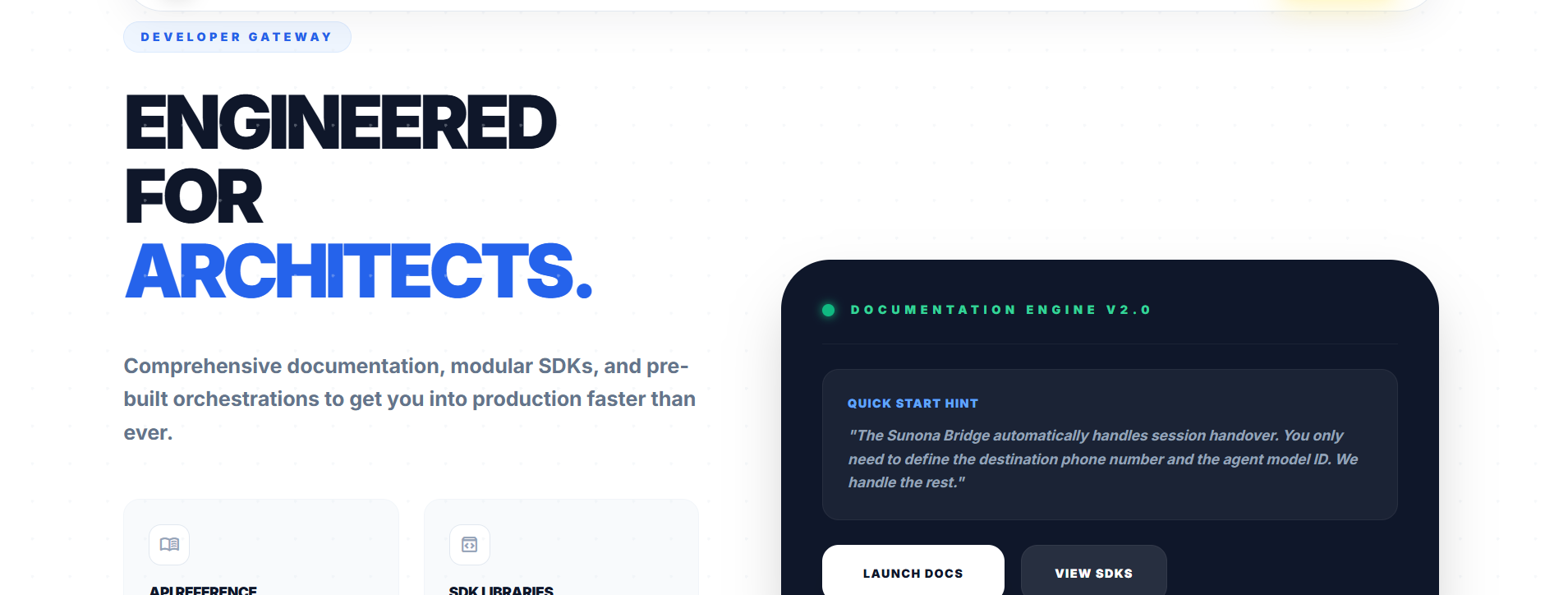
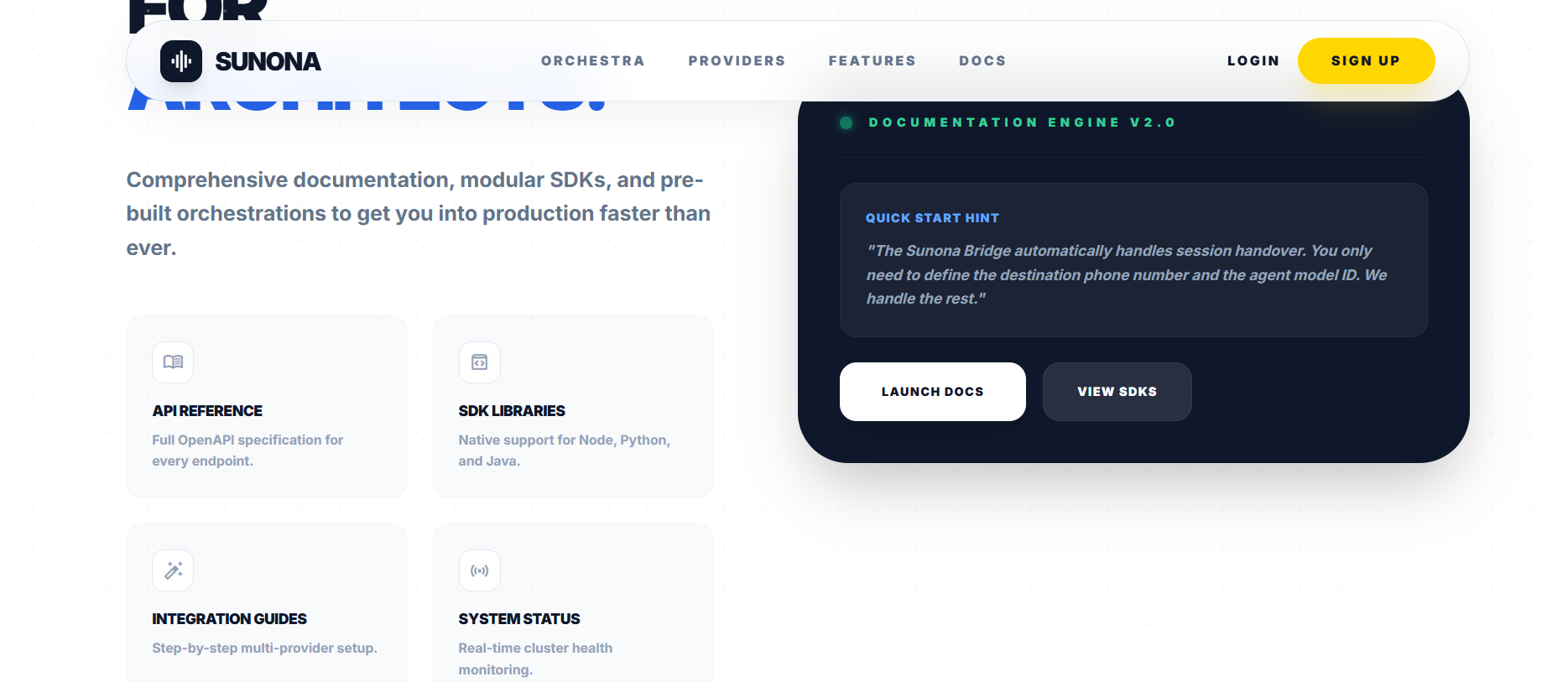
Sunona AI
Inspiration
Sunona AI was inspired by the vision of creating an open‑source voice intelligence platform that blends backend stability with real‑world usability. We wanted to democratize access to advanced voice AI without locking it behind commercial SaaS barriers.
What We Learned
- How to design scalable backend infrastructure using PostgreSQL, Redis, and Docker.
- The importance of clear documentation and reviewer‑friendly ASCII diagrams.
- How licensing can protect open‑source projects from misuse.
How We Built It
- Backend: Developed with Python + FastAPI, containerized via Docker.
- Database: PostgreSQL hosted on free tiers (Neon/Supabase).
- Cache Layer: Redis for fast response times.
- Deployment: Optimized on Railway/Render free tiers with Cloudflare SSL.
Challenges
- Limited budget for hosting production workloads.
- Worker crashes (Uvicorn restarts, Redis startup issues).
- Tight page limits for hackathon submissions, requiring concise ASCII diagrams.
Example Markdown Formatting
- Bold text for emphasis
- Italicized text for softer highlights
- > Blockquotes for key insights
- Lists (ordered/unordered) to keep content structured
Inline codefor commands or snippets
Example LaTeX Math
Inline (Latency):
Average response latency L = (t1 + t2 + t3 + ... + tn) / n
Display (Throughput):
T = R / (C * U)
Where:
T = throughput (requests per second)
R = total requests handled
C = number of CPU cores
U = utilization factor
Architecture (ASCII Diagram)
                     +-------------------+
                     |   Client Layer          |
                     | (Web / Mobile UI)  |
                     +-------------------+
                                |
                                v
                     +-------------------+
                     |   API Gateway         |
                     | (FastAPI / NGINX) |
                     +-------------------+
                                    |
    -------------------------------------------------
    |                                                             |
    v                                                            v
+-------------------+ +-------------------+ | Voice Processing | | Auth & Security | | (Speech-to-Text, | | (JWT, OAuth) | | NLP Modules) | | | +-------------------+ +-------------------+ | | -------------------+----------------------------- | v +-------------------+ | Core Backend | | (Sunona Engine) | | Business Logic | +-------------------+ | ----------------------------------------------- | | v v +-------------------+ +-------------------+ | PostgreSQL DB | | Redis Cache | | (User Data, AI | | (Sessions, | | Models, Logs) | | Fast Lookups) | +-------------------+ +-------------------+ | | -------------------+--------------------------- | v +-------------------+ | External Services | | (Cloudflare CDN, | | Storage, APIs) | +-------------------+
Final Notes
We believe Sunona can become a global benchmark for open‑source voice AI, empowering developers, educators, and communities worldwide.


Log in or sign up for Devpost to join the conversation.