Inspiration
Our primary inspiration came from combining the satisfying feel of parrying/deflecting in classic action games (like Punch-Out!!) with the powerful 1:1 interaction offered by modern VR hand-tracking. We wanted to move beyond simple dodging and create a core mechanic where the player actively redirects the boss's power.
Theme: The contrast between traditional Japanese culture (Sumo) and high-tech Sci-Fi (Giant Robots).
Mechanics: The intense timing challenge of bullet-hell and the physicality of real-world martial arts, all amplified by a cinematic Slow Motion mechanic.
What it does
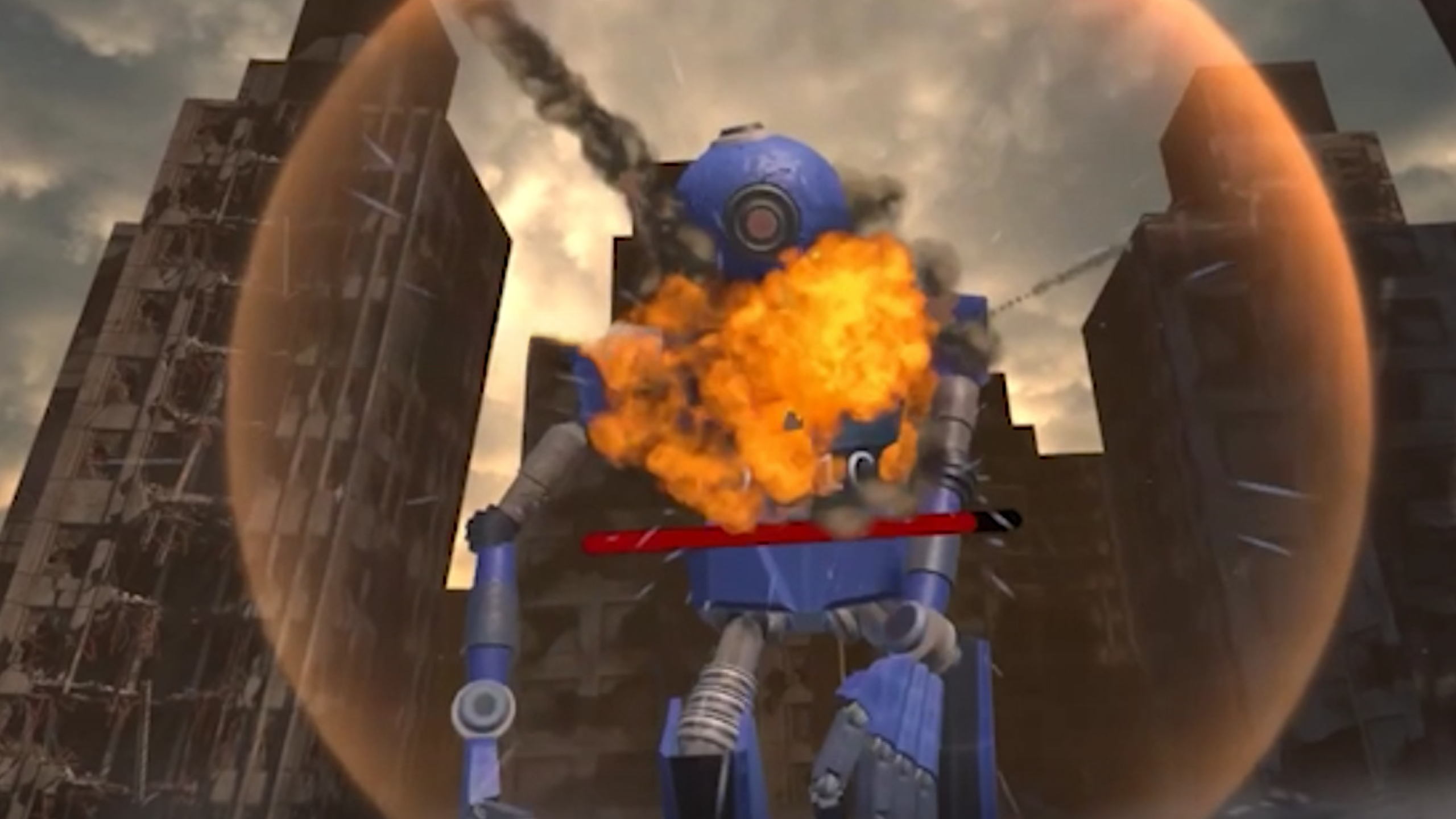
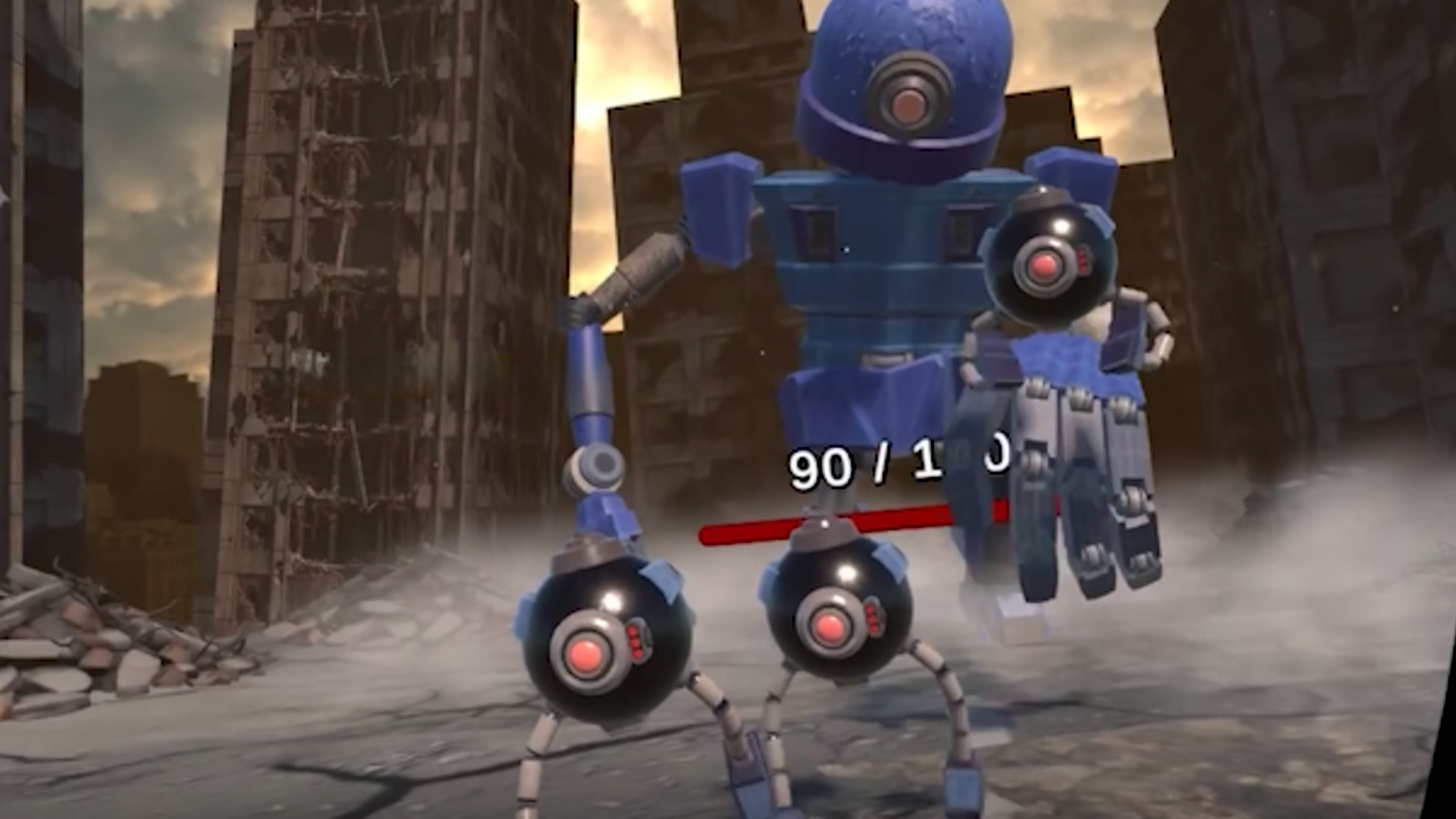
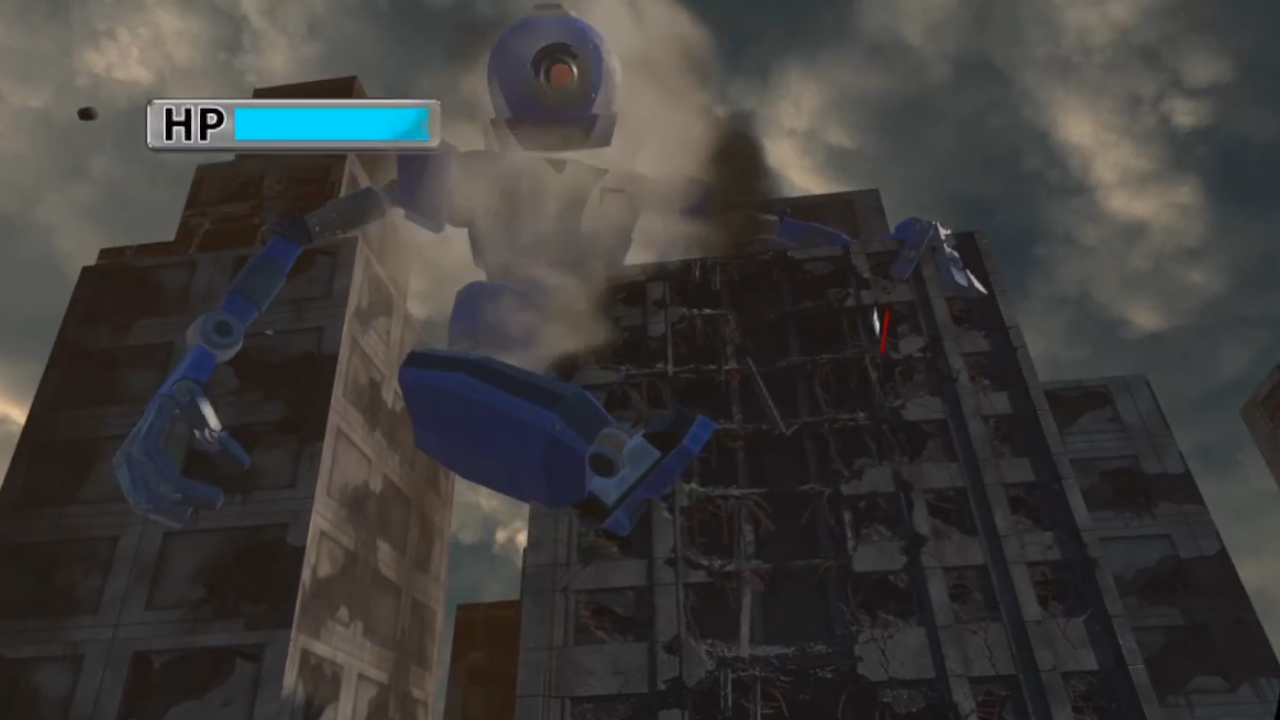
Project Story Sumo Fighter vs. Space Robot Army is a high-octane VR boss-fight experience that blends the ancient physicality of Sumo with a massive, over-the-top Sci-Fi invasion.
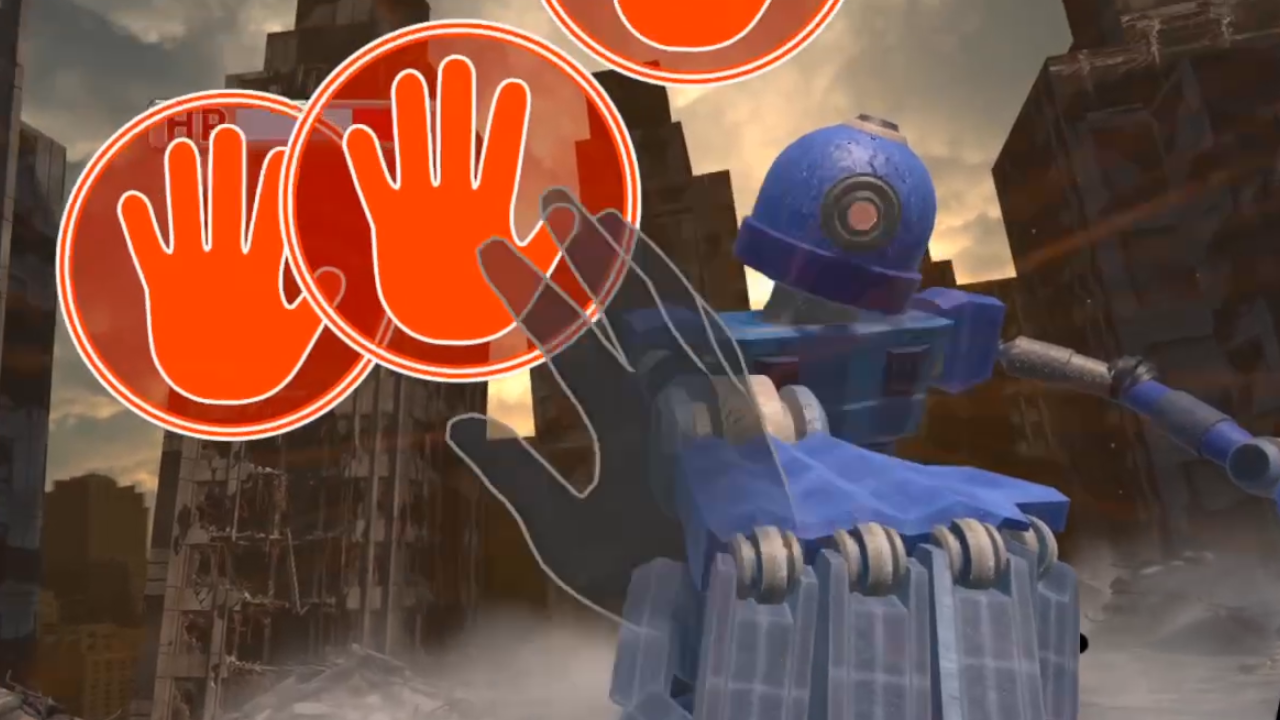
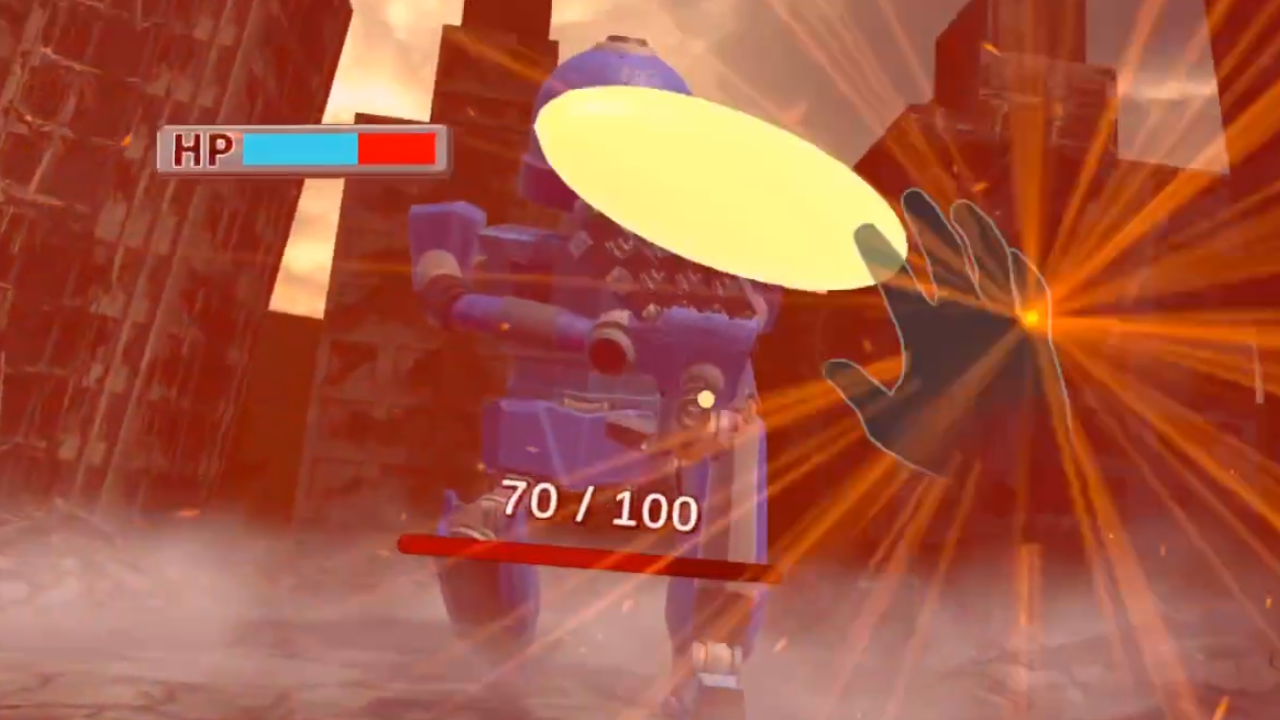
Humanity's last defense is the legendary Sumo Grand Champion, facing a colossal space robot commander bent on planetary annihilation. The fate of the world hinges on your ability to master the art of the Tsuppari (thrusting hand). When the robot attacks, time slows down, giving you a heart-pounding window to clear dynamic targets with your own two hands, successfully parry the massive blows, and open the machine up for a counter-attack. It is a pure, unadulterated test of skill, timing, and VR physicality against overwhelming mechanized force.
How we built it
The project was built around tightly coupled, dedicated controller scripts to manage the complex boss fight mechanics cleanly.
AI Orchestration: The RobotAIController manages the boss's entire state machine, using weighted probabilities (slapChance, machineGunChance) to select the next attack and triggering animations.
Time Control: The dedicated SlowMotionController handles global time scale manipulation, ensuring the parry window is cinematic and consistent.
Dynamic Targeting: The PunchTargetManager dynamically generates the required hit targets, linked directly to the RobotPunchController which tracks the player's proximity and initiates the slow-motion sequence.
Robustness: We implemented an essential Animation Event Fallback system using Invoke to guarantee that every attack transitions correctly to a cooldown state, even if animation events are skipped (a common issue under heavy performance load).
Challenges we ran into
AI Freezing/Flow Control was the most significant hurdle. Due to the high number of animation events required to control colliders (EnablePunchCollider) and signal attack endings (punch_end), the AI would occasionally freeze indefinitely if an event was missed (especially during performance dips).
We overcame this by:
Adding a dedicated xxx_end_fallback method and timer to every attack sequence (Punch, Slap, Machine Gun, Missile, Spawn).
Ensuring these fallbacks would unconditionally call the final end method to reset the _isAttacking flag and start the cooldown, guaranteeing the robot would never permanently stall.
Accomplishments that we're proud of
The Sumo Parry Mechanic: Successfully implementing a challenging yet satisfying VR parry system where precise hand-tracking input is essential to survival. The slow-motion transition and the subsequent pushback feel incredibly rewarding.
Fluid Boss Flow: Creating a boss that features varied and seamless transitions between complex attack types (melee, ranged, and summoning) while remaining highly robust against common animation bugs.
Immersion Details: Implementing small but impactful features like the random bullet spread and muzzle flash on the Machine Gun, and the bullet deflection off the player's VR hands, significantly enhancing the feeling of a chaotic, dangerous battle.
What we learned
The project taught us the absolute necessity of Fail-Safe Logic when designing complex, timing-dependent VR interactions. In standard games, missing an animation event is often recoverable; in a VR boss fight, it can completely halt the player's progress. We learned to design systems that assume animation events will fail and rely on predictable timer-based resets as a necessary backup. We also learned how precisely to tune Time.timeScale to create a challenging moment that still feels fair to the player.
What's next for Sumo Fighter vs. Space Robot Army
Phase 2 Boss Design: Introduce new, combined attack patterns (e.g., Punch + Slap simultaneously) and a new "Super Slap" attack that requires a dual-hand, perfectly timed parry.
Player Progression: Implement a simple skill tree or progression system that allows the Sumo Fighter to unlock new Tsuppari Techniques (such as increasing the slow-motion window or damage bonus).
Mixed Reality Integration: Explore using Meta's Passthrough capabilities to introduce a Mixed Reality mode, placing the giant Space Robot Commander directly into the player's real-world living room for the ultimate scale effect.


Log in or sign up for Devpost to join the conversation.