What Inspired Us
We found ourselves repeatedly watching long lectures, tutorials, and even recorded team meetings searching for specific details or taking notes for revision. This was especially time-consuming and prone to missing important context. That’s when we realized that an AI-powered assistant that can quickly transcribe and summarize any recording would be a total game-changer. We wanted to help students (and busy professionals) save precious hours by offering quick insights instead of endless rewinds.
What We Learned
- Transcription Nuances: We discovered that accurate transcription isn’t just about converting speech to text it’s also about handling different accents, noise levels, and even emotional tones.
- Summarization Techniques: We explored how large language models like those from OpenAI can parse and distill long transcripts into concise bullet points, key takeaways, and even sentiment analysis.
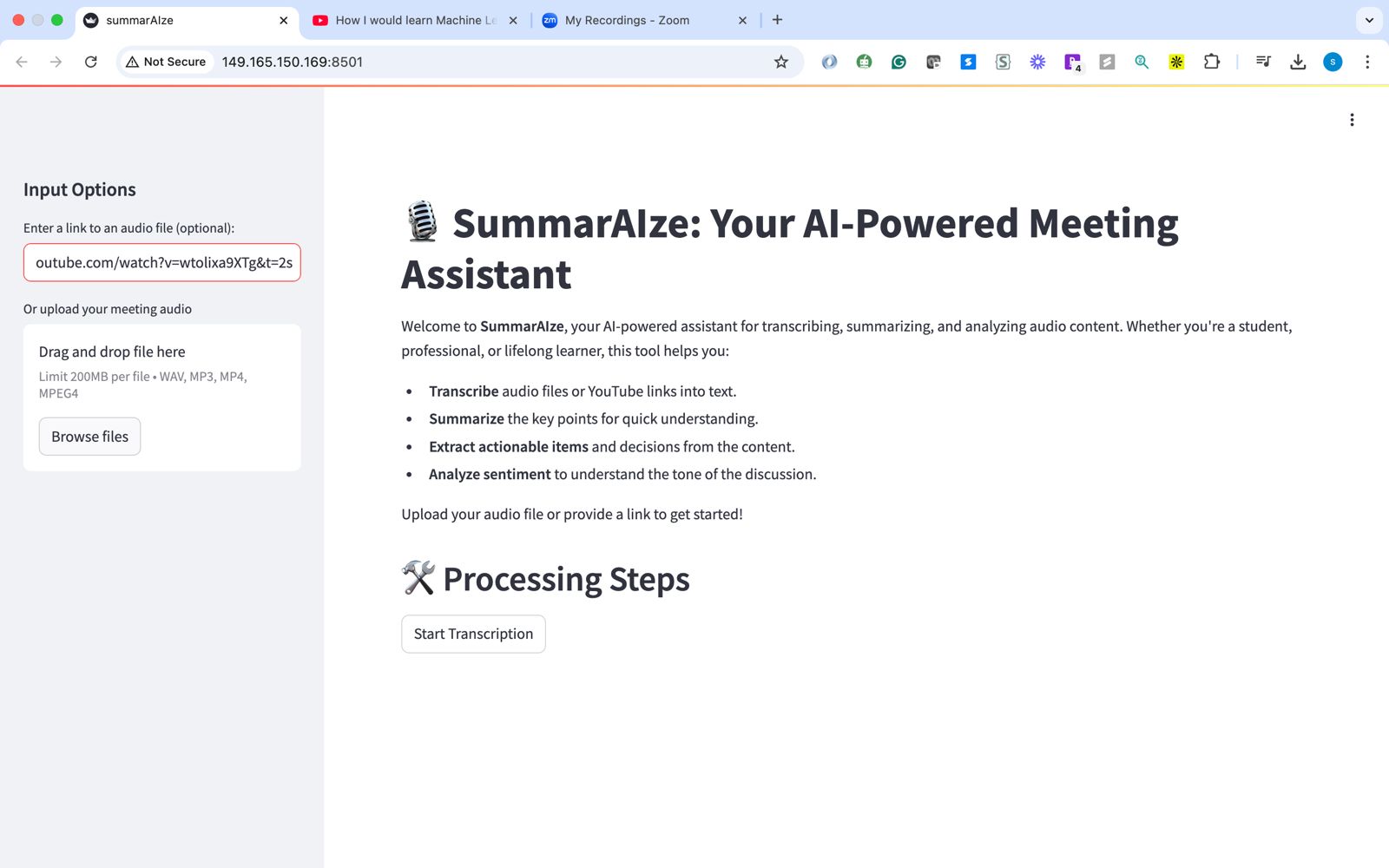
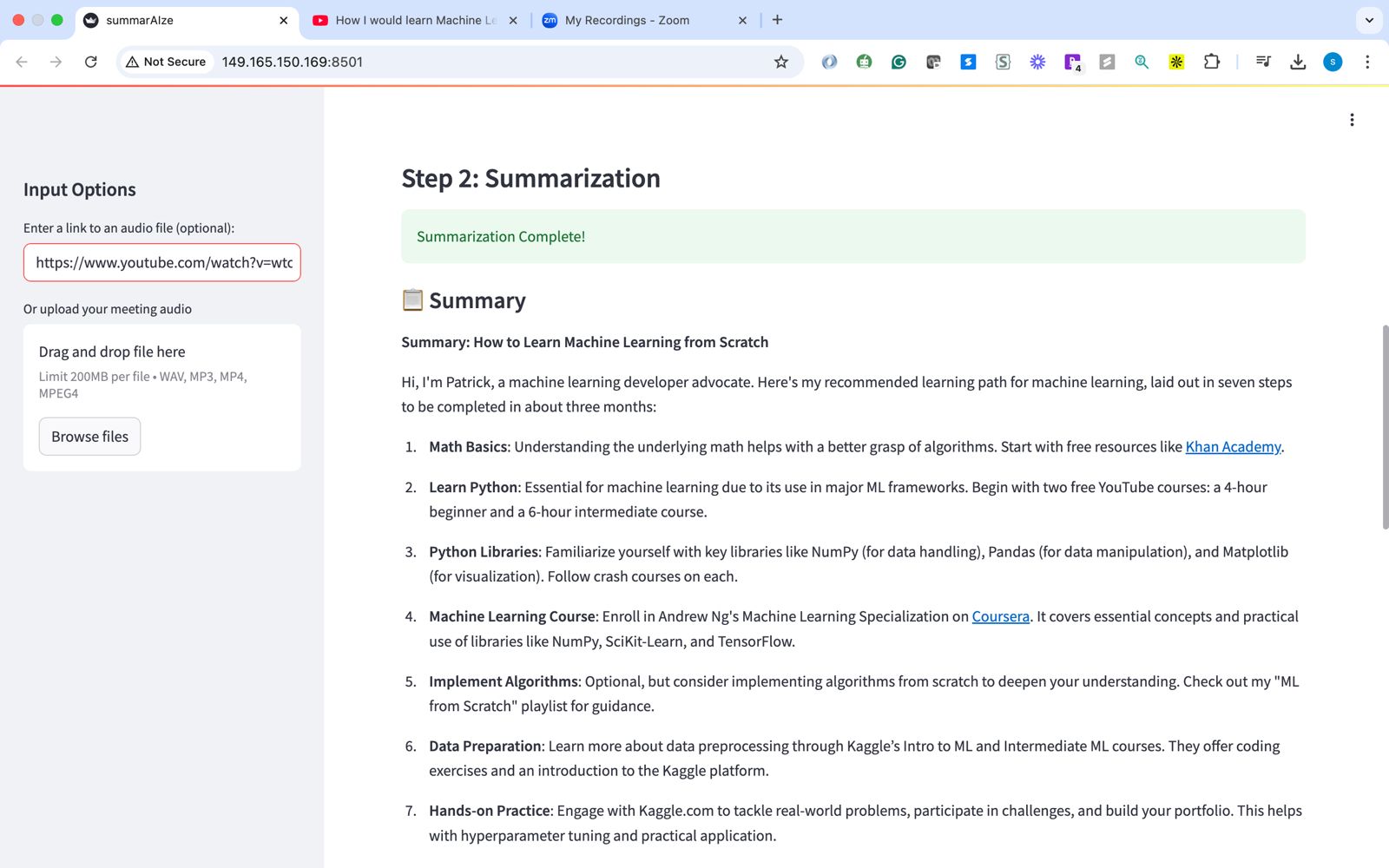
- User Experience Matters: Even the best AI engine can falter if the user interface is cumbersome. We learned the importance of designing an intuitive workflow so users can effortlessly upload a video or paste a link, then view the final transcript and insights.
How We Built It
Transcription
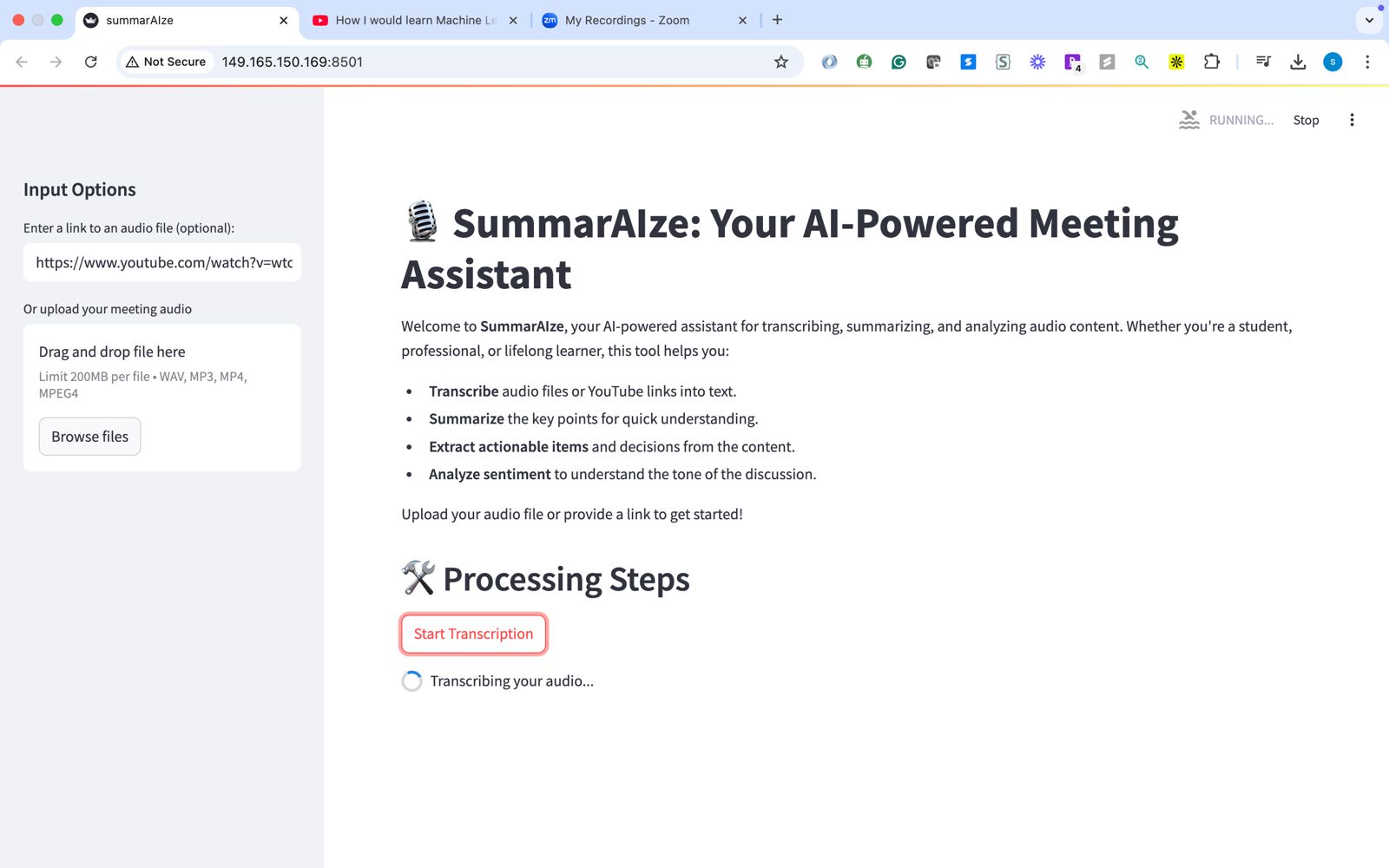
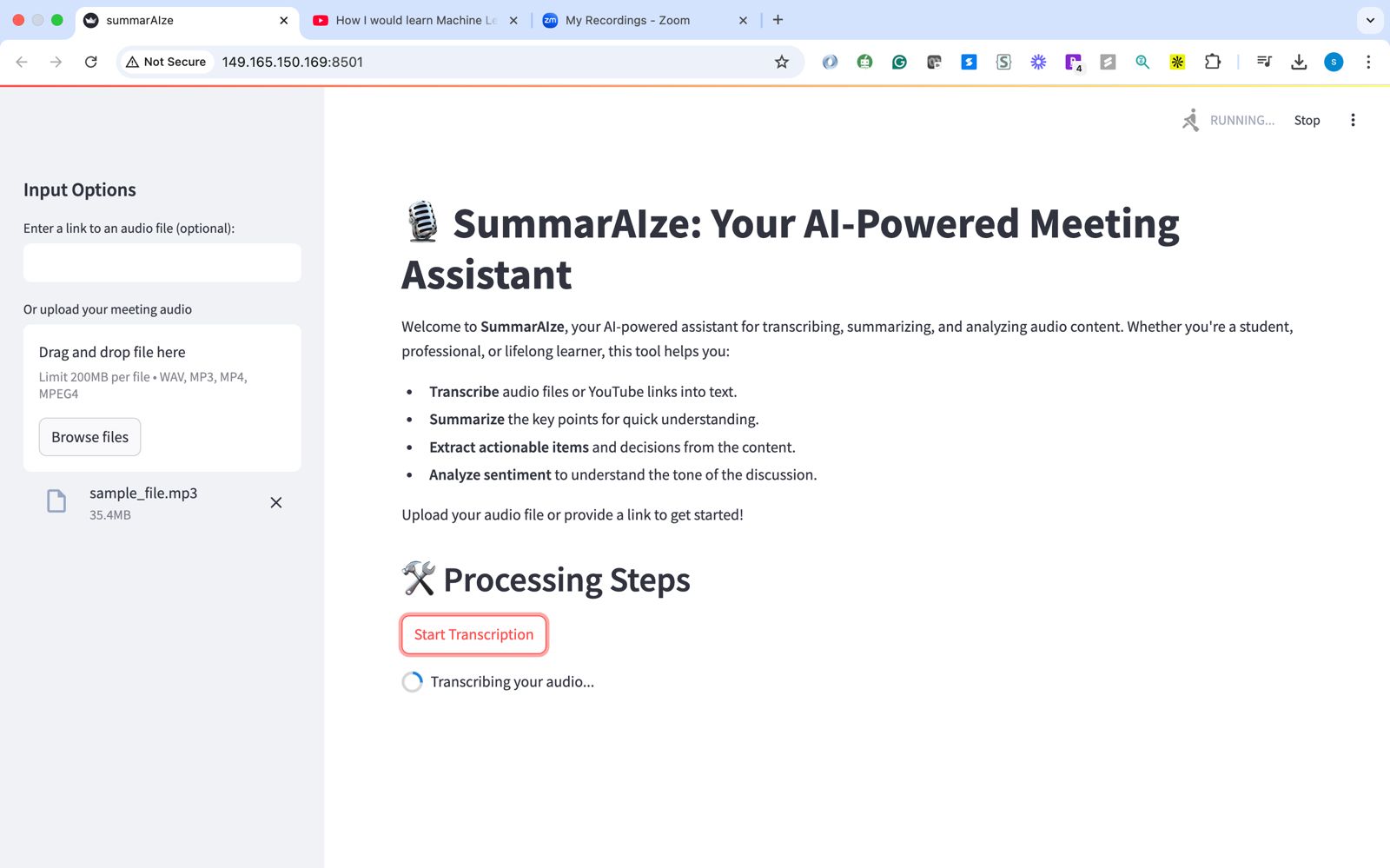
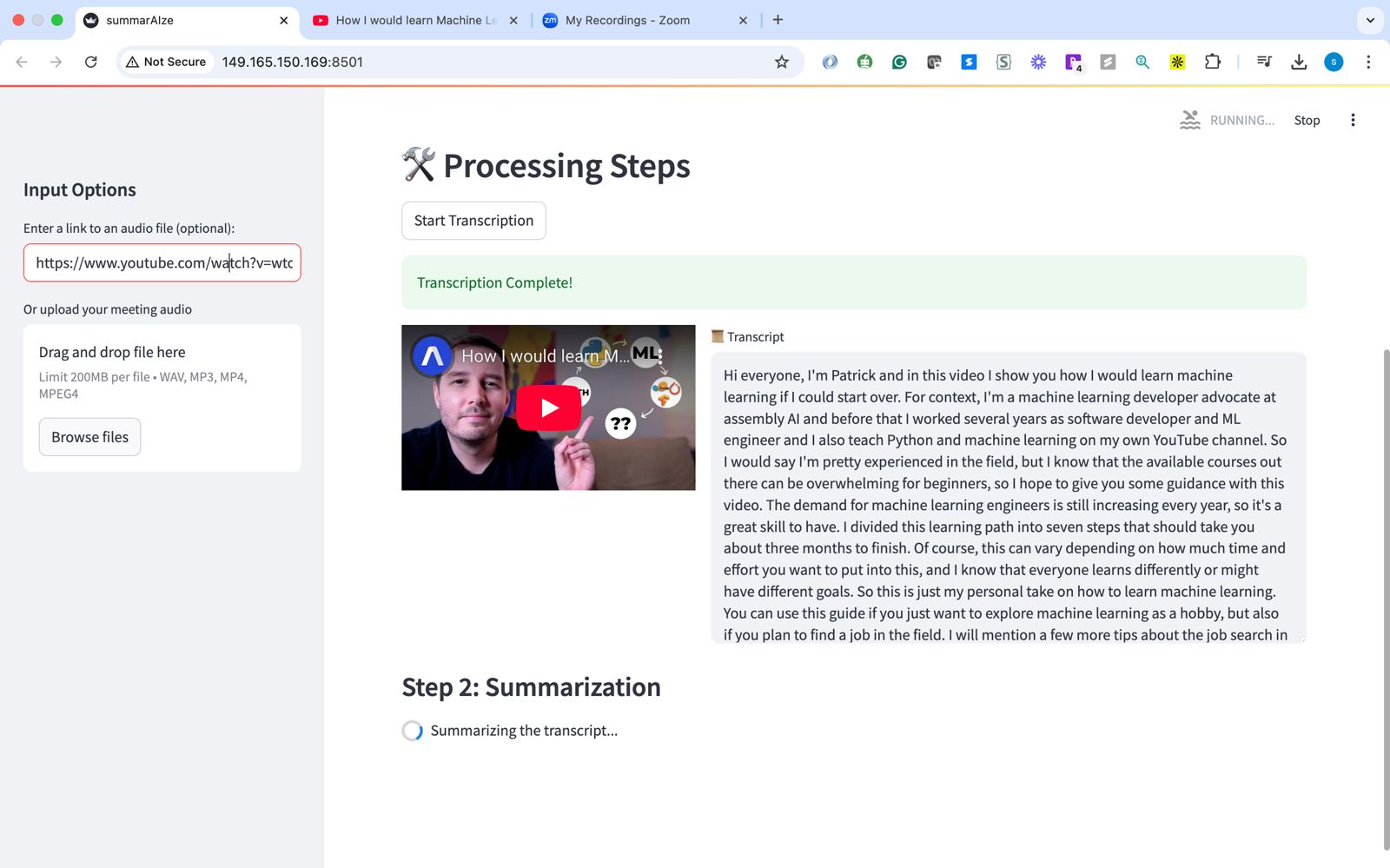
- We leveraged AssemblyAI for transcribing uploaded files or YouTube audio content. Once the transcription completes, we store the full text for further processing.
Summarization and Insights
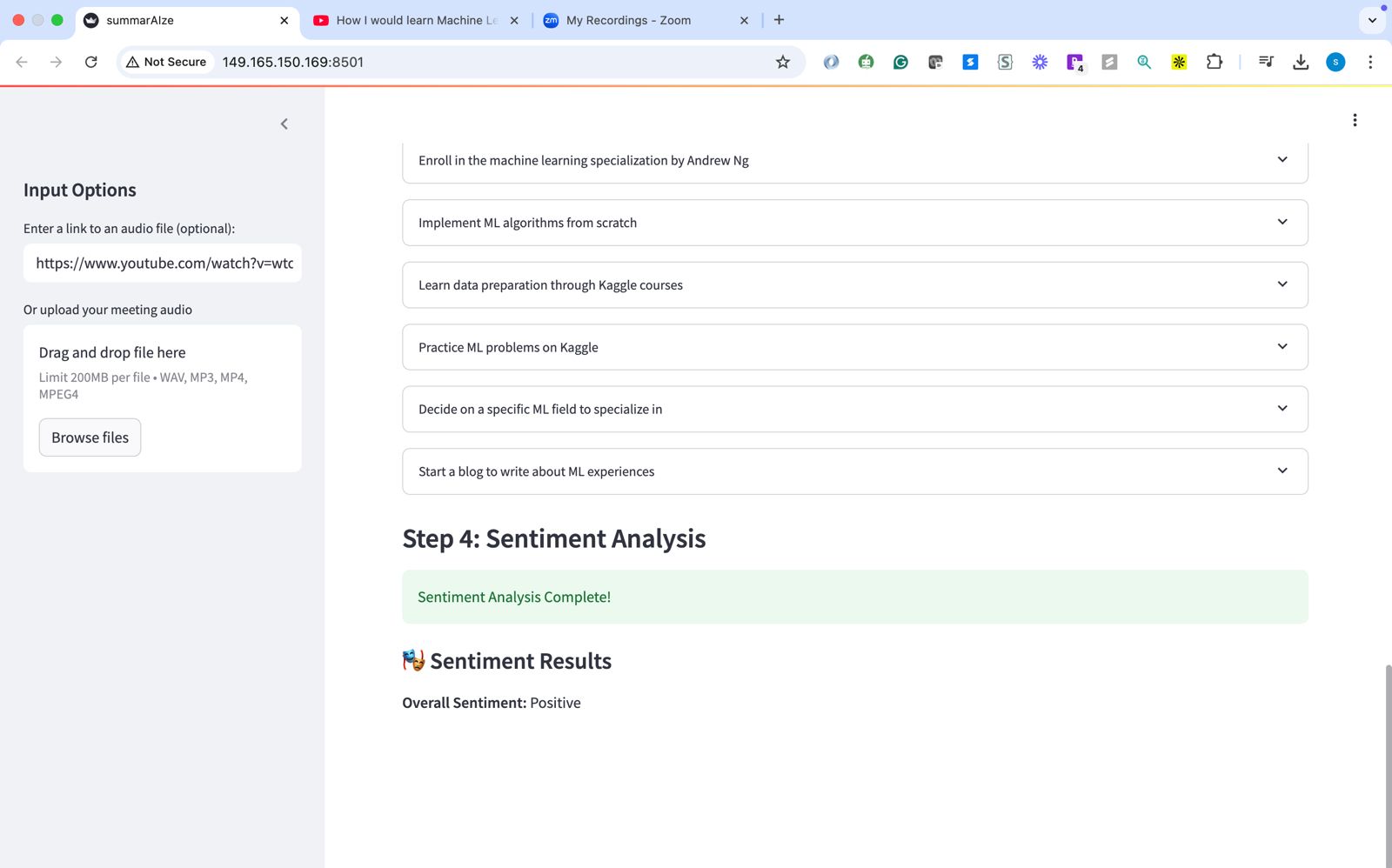
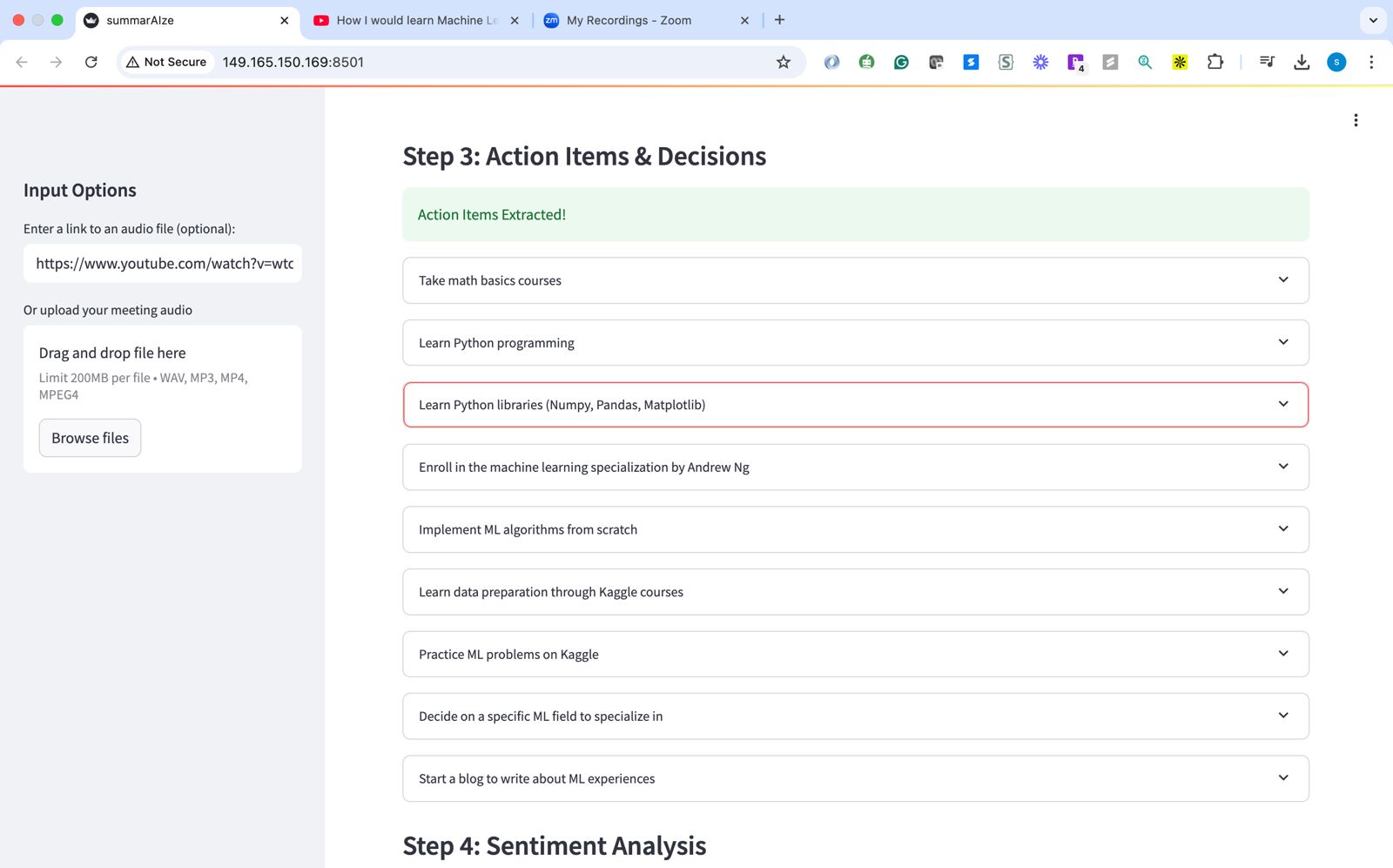
- We use OpenAI’s language models to generate short summaries, key action points, and sentiment analysis. Each piece of text in the transcript is passed to these models, which return bullet-pointed highlights and tone indicators.
Web Interface (Streamlit)
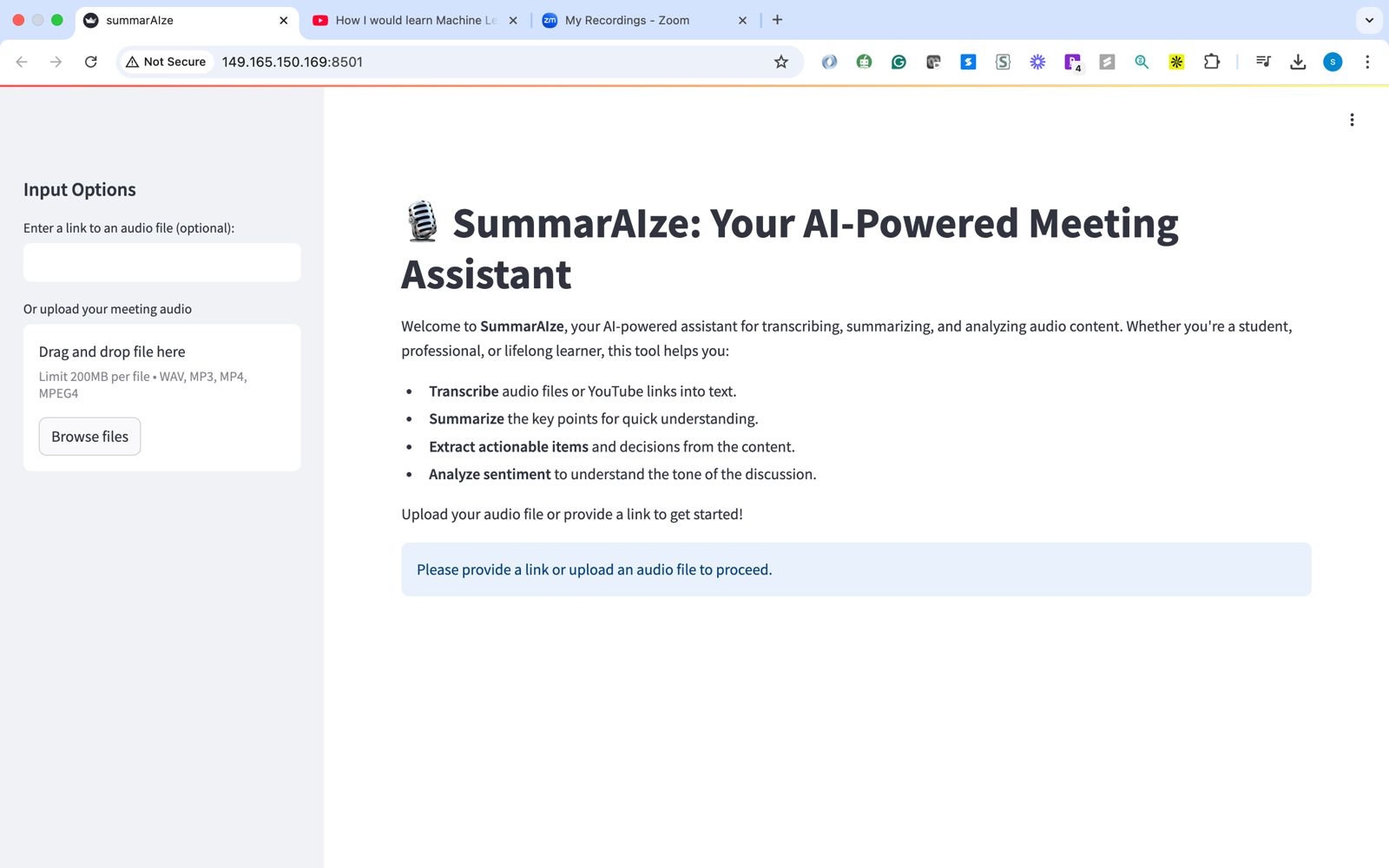
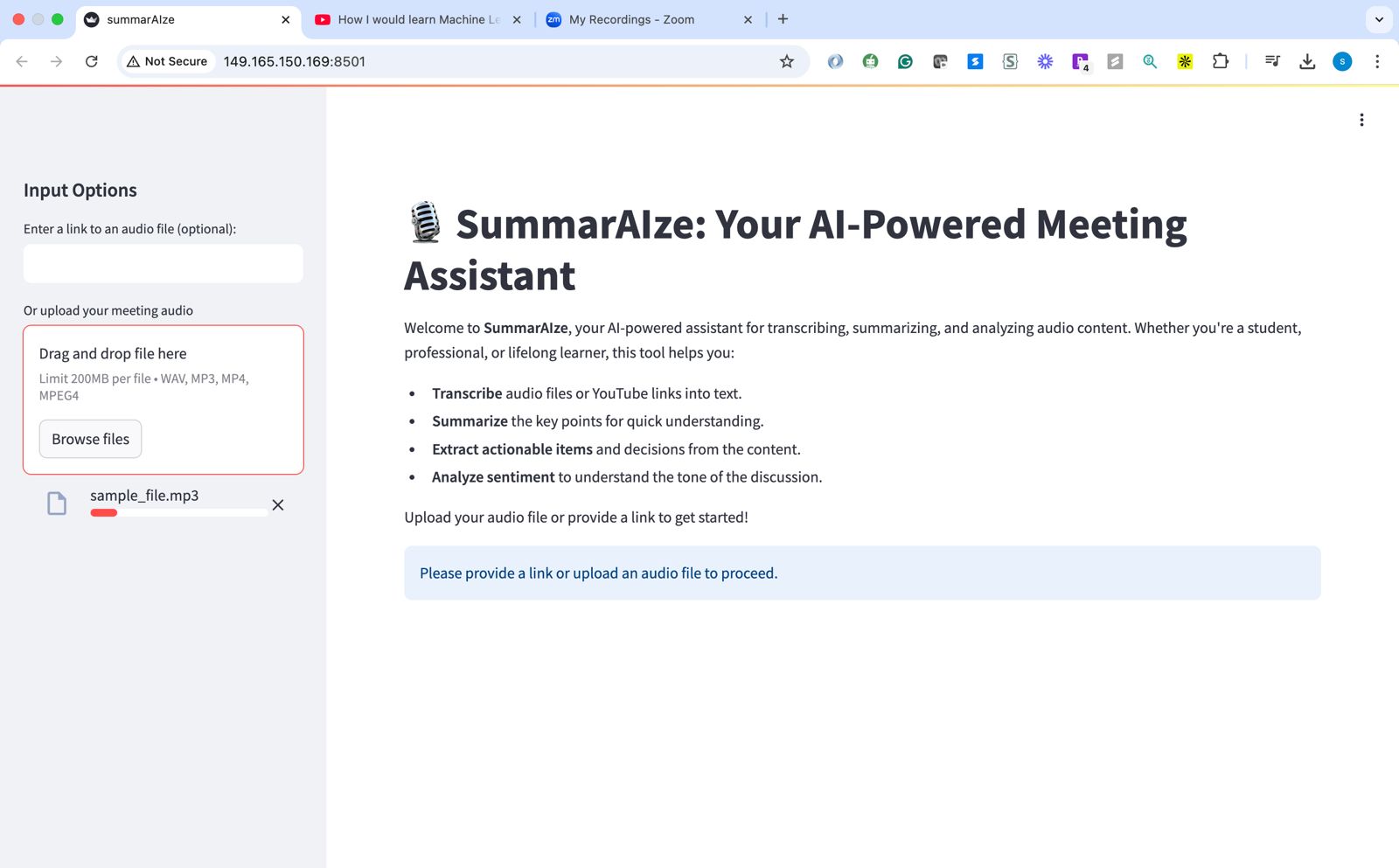
- Our front end is built in Streamlit. It handles file uploads, YouTube link inputs, and dynamically displays the transcript, summary, and any additional analysis in separate sections.
Challenges We Faced
- Handling Large Files
We encountered performance bottlenecks when dealing with very long videos. Splitting audio into chunks and orchestrating them in parallel became essential to keep things manageable. - Timing and Sync
While we focused primarily on providing a full transcript at once, implementing timing markers for each segment proved tricky, especially with varying processing speeds. - API Rate Limits
Using multiple APIs meant juggling rate limits and timeouts. We had to optimize calls to ensure we stayed within plan constraints without degrading the user experience.
Ultimately, this project pushed our limits in AI integration and user-centric design. We’re excited about the potential for SummarAIze to empower people to study and collaborate more efficiently, and we’re looking forward to adding new features like timestamps, quiz generation, and multi-language support soon!
Built With
- assemblyai
- openai
- python
- streamlit
- yt-dlp


Log in or sign up for Devpost to join the conversation.