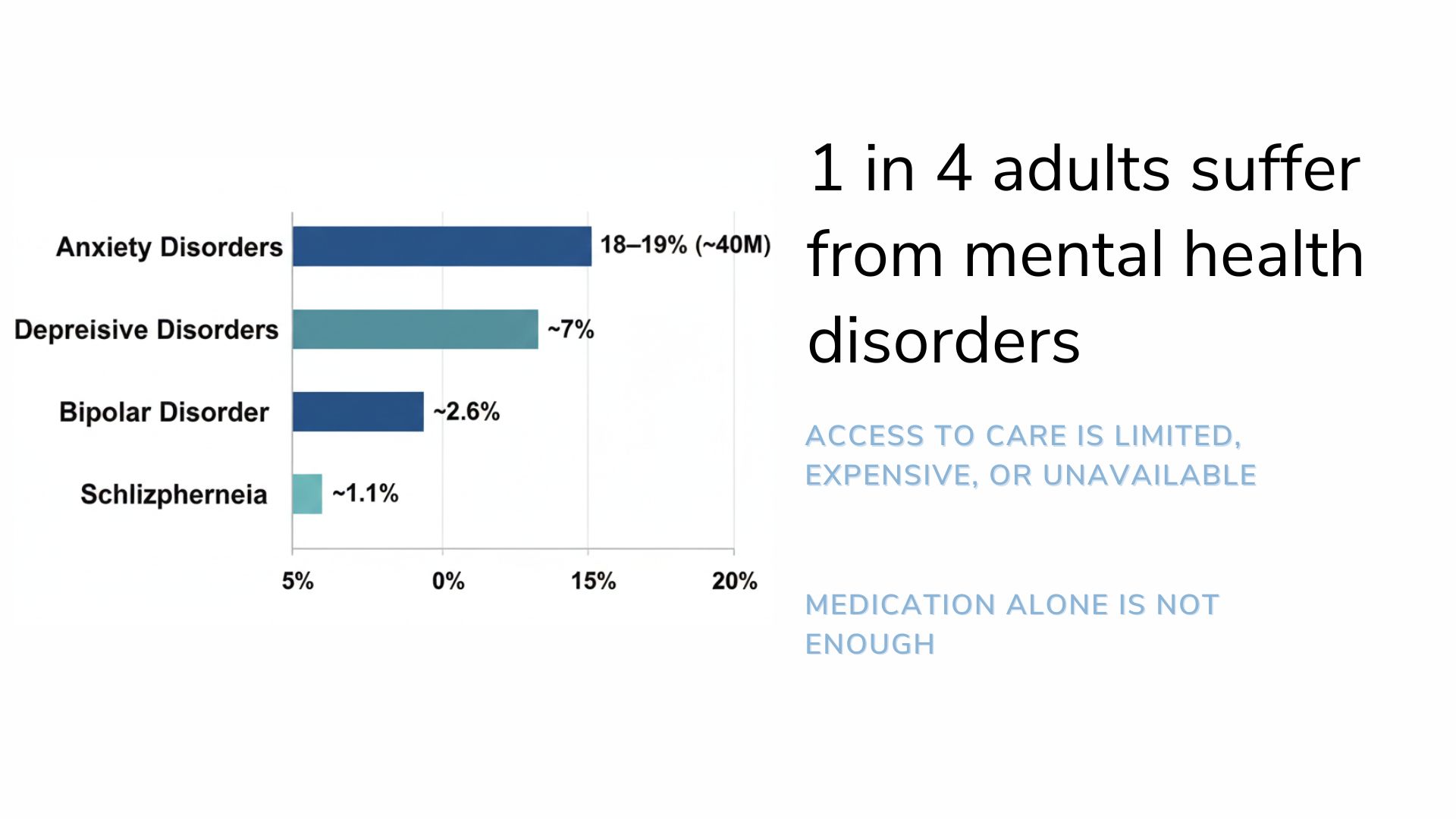
Inspiration Mental health disorder affects 23% of the population, yet carries a suicide rate 50 times higher than the general public. We saw a gap: therapy works, but it only happens one hour per week. What about the other 167 hours? Patients struggle alone, families feel helpless and confused by intense emotions, and therapists walk into sessions blind to what happened in between. We built Sukoon because recovery shouldn't be a solo journey, it should be a coordinated team effort with the right tools in everyone's hands.
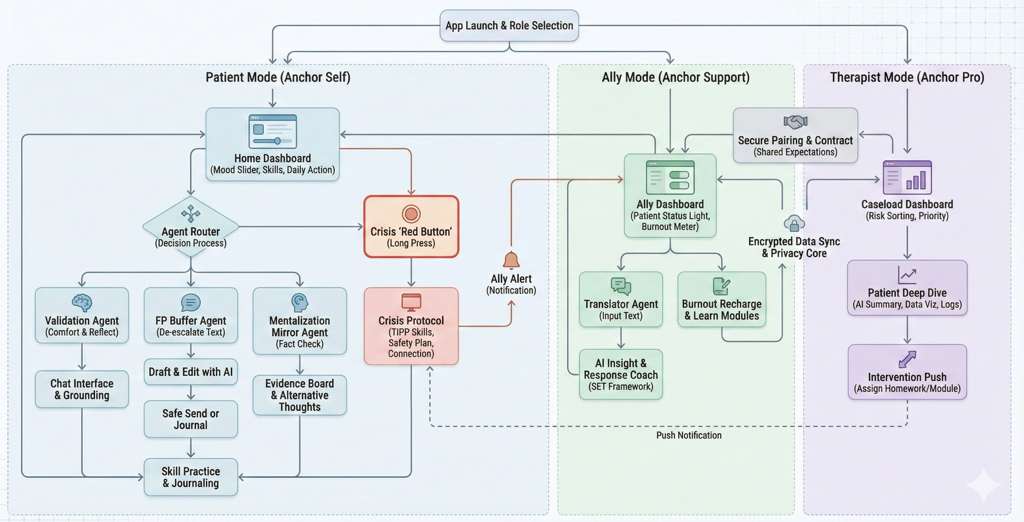
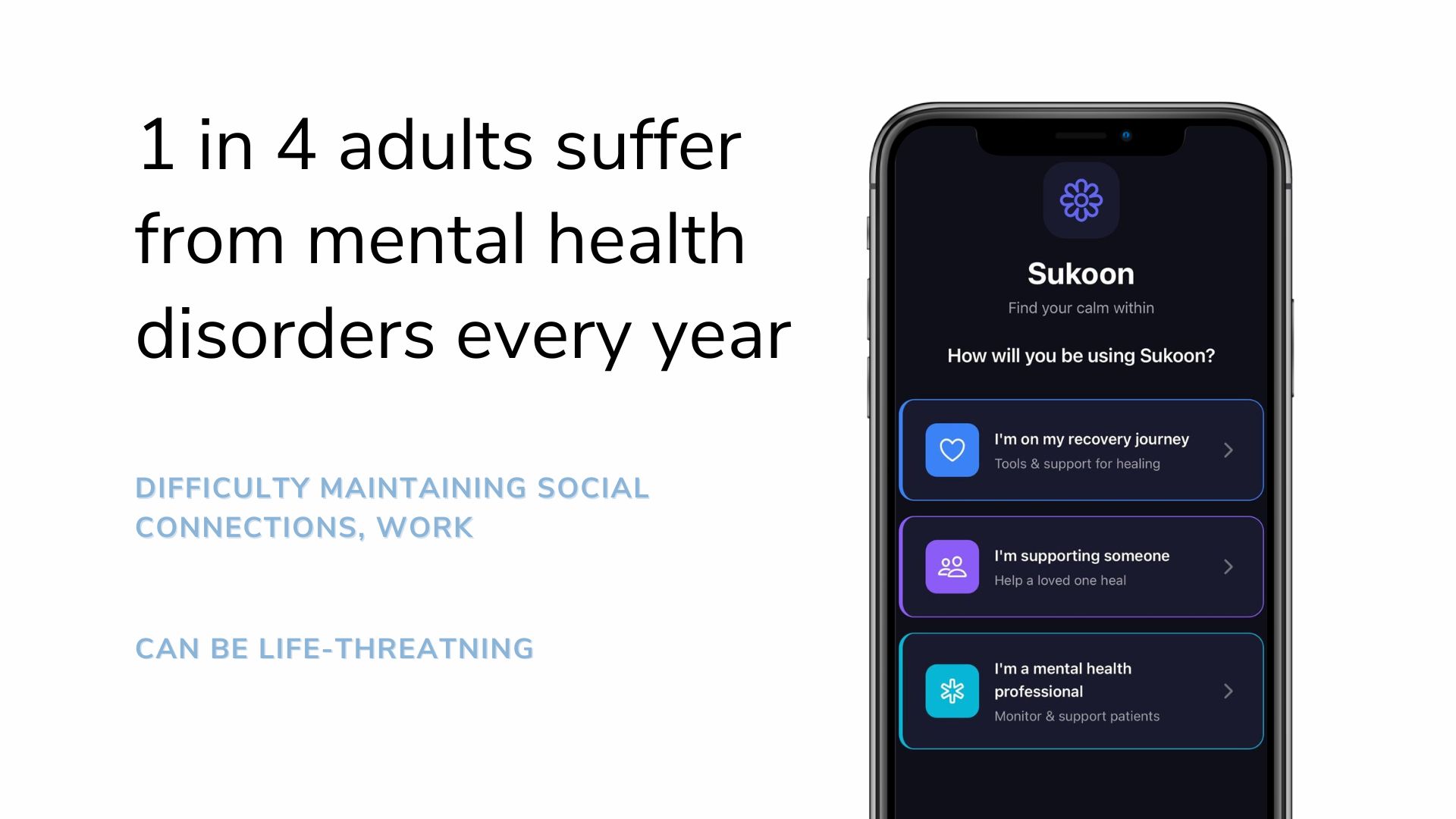
What it does Sukoon is a three-sided mobile platform connecting patients, allies (family/friends), and therapists:
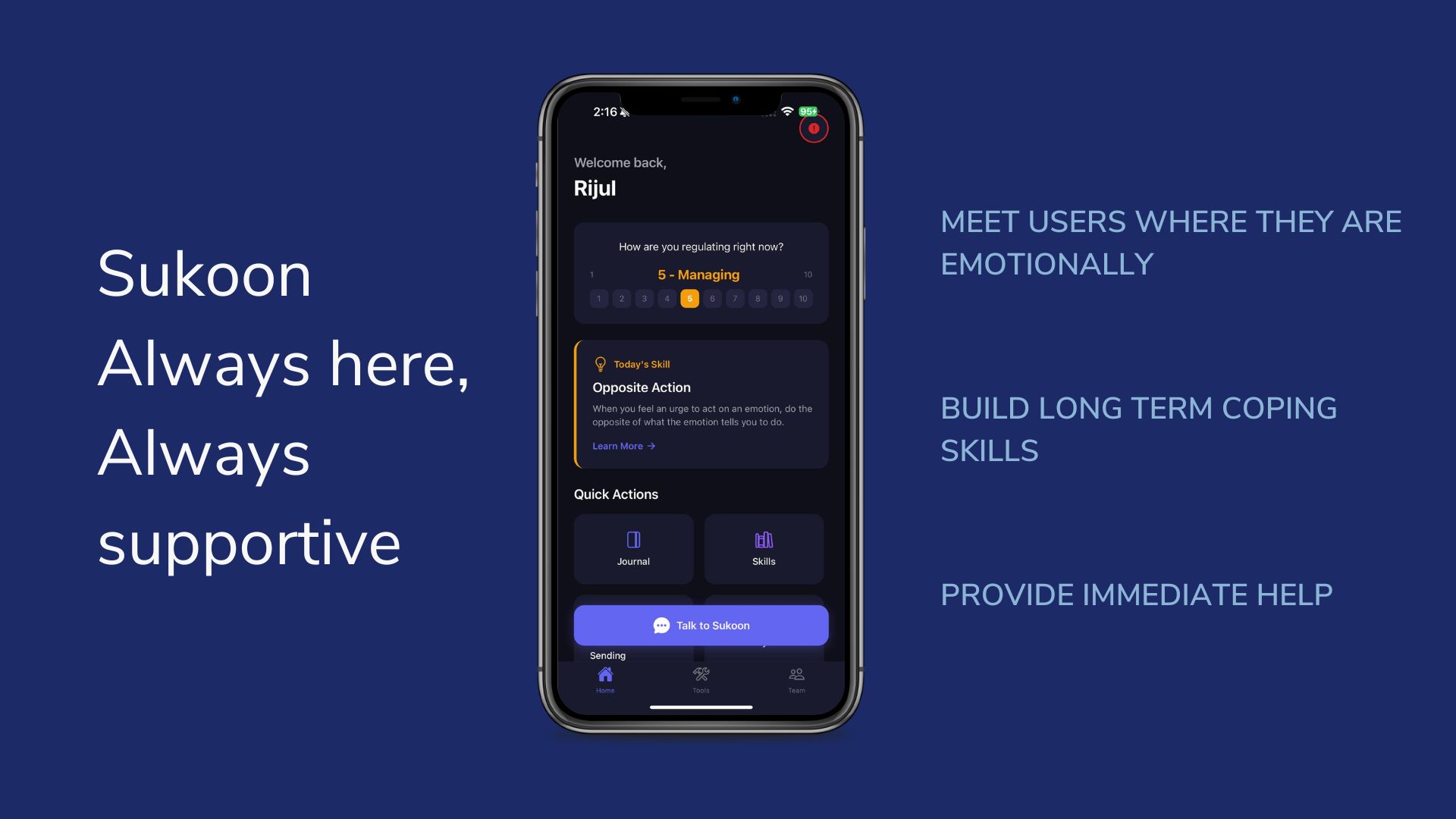
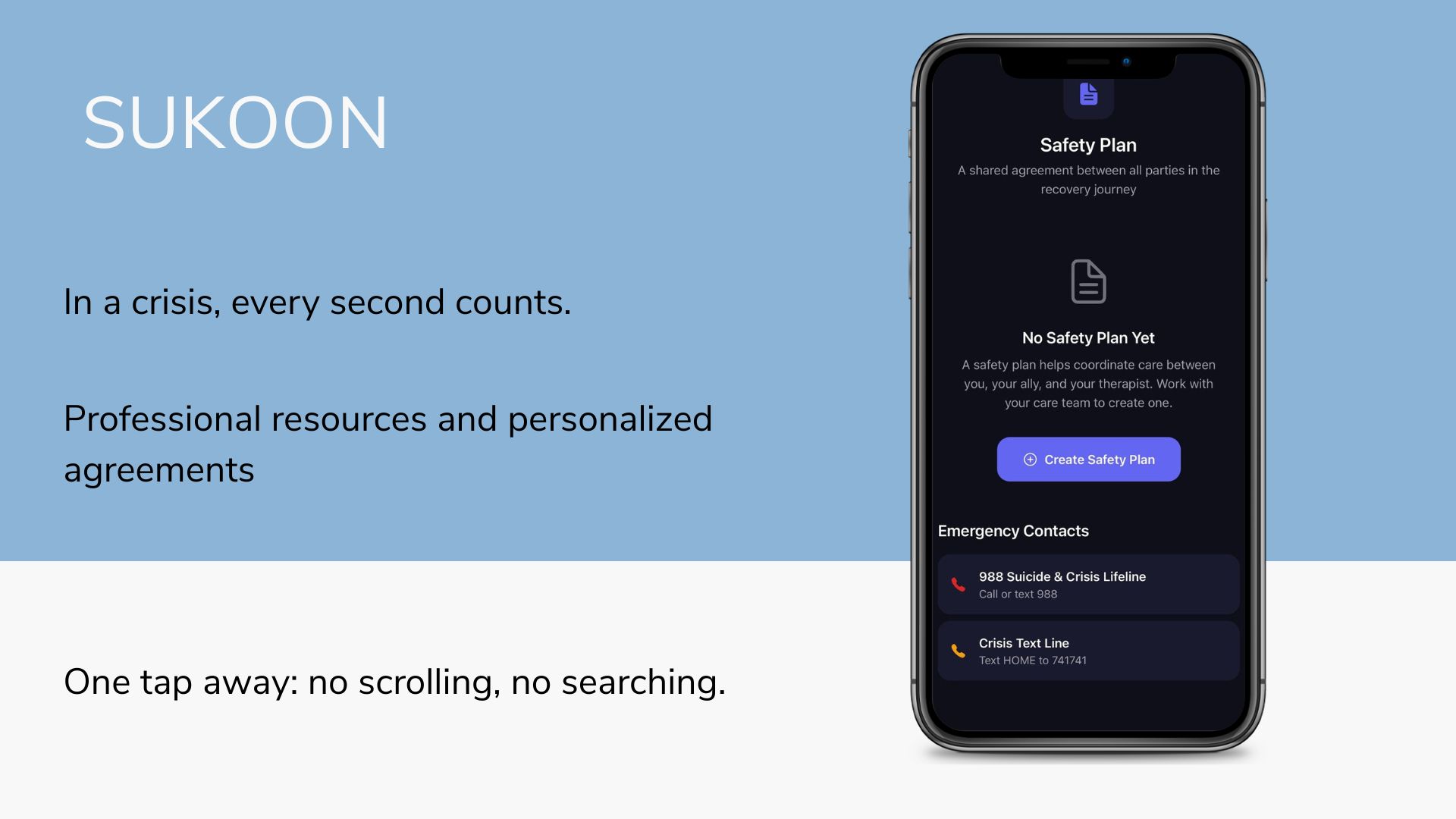
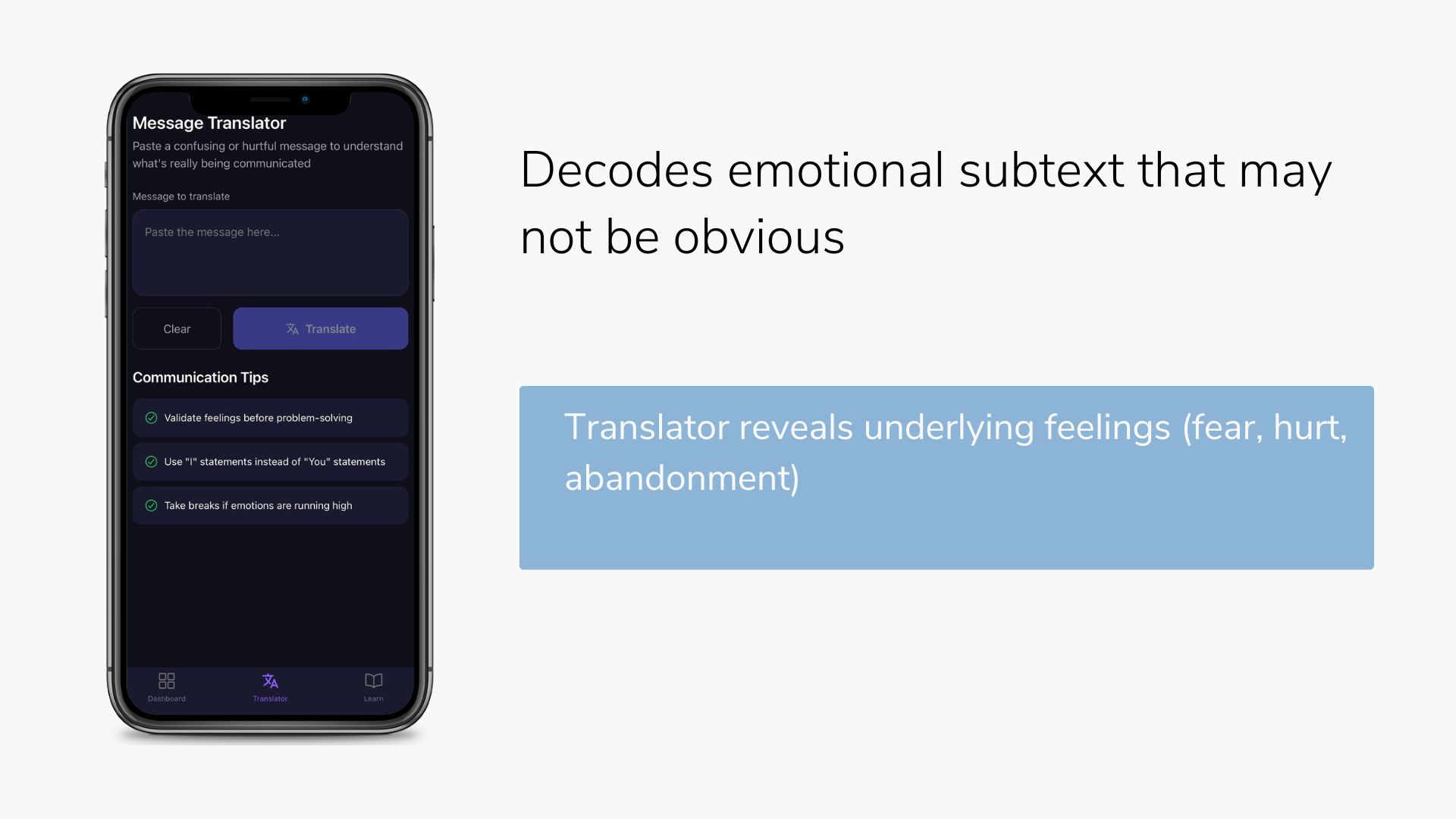
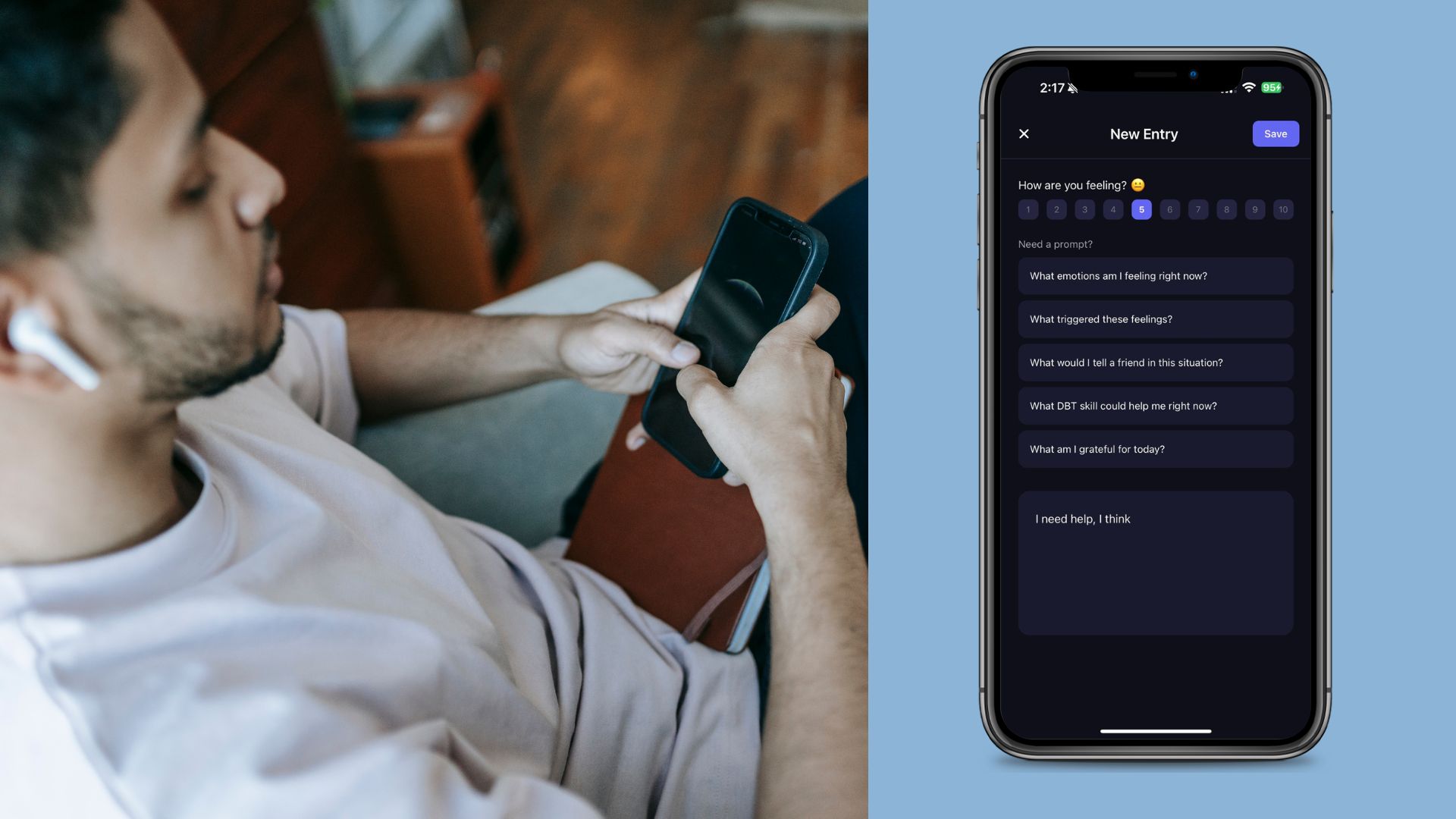
For Patients: Daily mood check-ins, AI companion trained in DBT techniques, a "Pause Before Sending" buffer for emotional messages, crisis intervention tools, and a comprehensive DBT skills library. For Allies: An AI-powered Message Translator that decodes confusing or hurtful messages to reveal underlying emotions, plus education on the DBT skills their loved one is learning. For Therapists: Real-time data streams showing mood patterns, crisis events, and skill usage between sessions, so appointments start informed, not catching up. For Everyone: A shared Safety Plan that keeps the entire care team aligned.
How we built it Frontend: React Native with Expo for cross-platform mobile development State Management: Zustand with AsyncStorage persistence AI Agents: 5 specialized agents hosted on DigitalOcean Gradient AI Platform: Validation Agent (patient support) Translator Agent (ally message interpretation) Mentalization Mirror (understanding mental states) FP Buffer (pause-before-sending support) Router Agent (intelligent request routing) Database: MongoDB Atlas for user data, mood logs, safety contracts, and account linking Navigation: React Navigation with role-based tab navigators (Patient/Ally/Therapist views)
Challenges we ran into: Designing for crisis: Building UI that's calming yet functional when someone is in distress required careful thought, high contrast, minimal friction, immediate access to help. Three audiences, one app: Balancing the needs of patients, allies, and therapists in a single codebase while keeping each experience focused. AI tone calibration: Ensuring AI responses are validating and DBT-aligned, not generic chatbot responses that could feel dismissive. Privacy vs. coordination: Giving patients control over what data is shared while still enabling meaningful support from allies and therapists.
Accomplishments that we're proud of Built a fully functional three-role mobile app with distinct experiences for each user type Integrated 5 specialized AI agents that provide contextually appropriate support. Created an "Anchor Code" pairing system that lets patients securely link with their care team. Designed a Message Translator that genuinely helps allies understand BPD communication patterns. Implemented a shared Safety Plan visible to all parties, one source of truth for crisis prevention.
What we learned Mental health apps need to be designed with clinical frameworks, not just good intentions—DBT principles guided every feature. The "ally" perspective is massively underserved in mental health tech; caregivers need tools too. AI can extend therapeutic reach without replacing human connection. Small UX decisions (like a 3-second long-press for crisis mode) can have outsized impact on safety
What's next for Sukoon Biometric authentication for Safety Plan access Push notifications for therapists when crisis events occur Mood pattern analytics with AI-generated insights Voice journaling with emotion detection Integration with telehealth platforms for seamless session handoffs Localization to support more languages and cultural contexts Clinical validation study to measure outcomes Feedback submitted

Log in or sign up for Devpost to join the conversation.