-
-
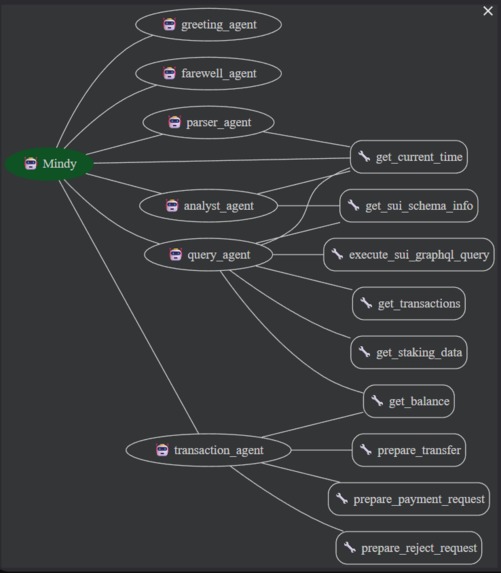
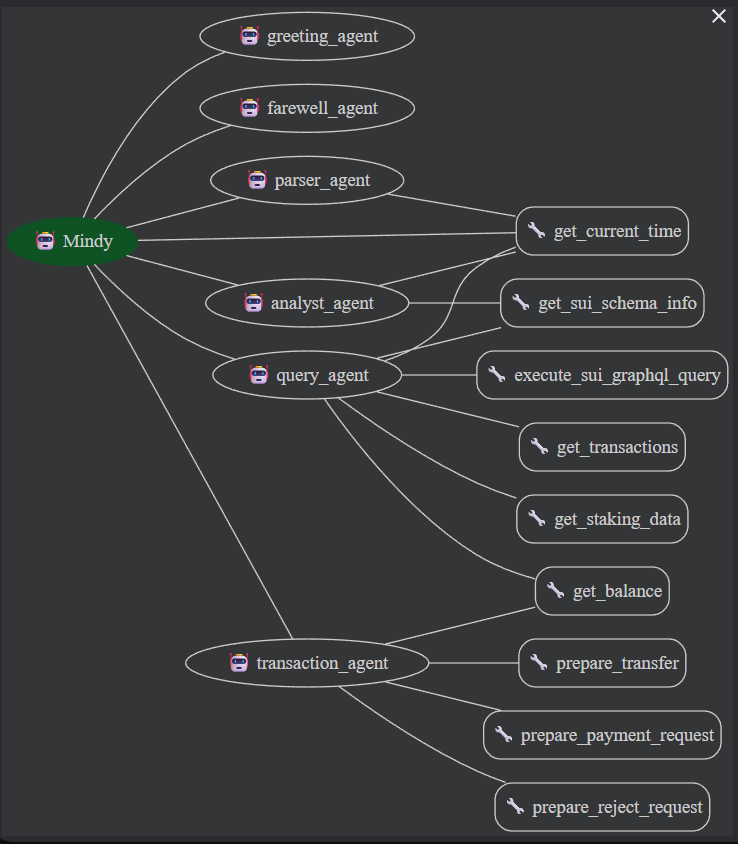
Agent Architecture
-
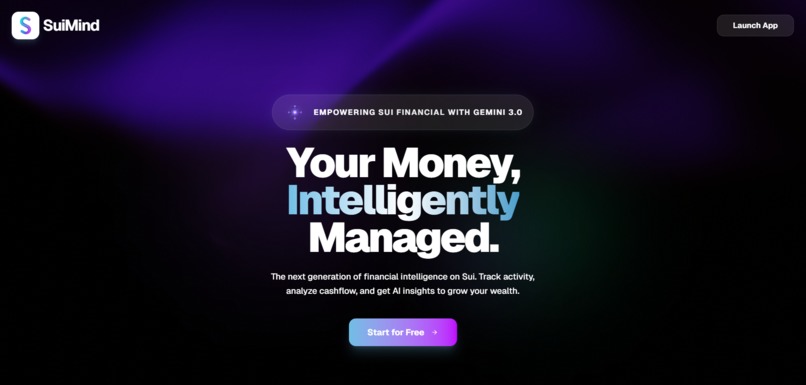
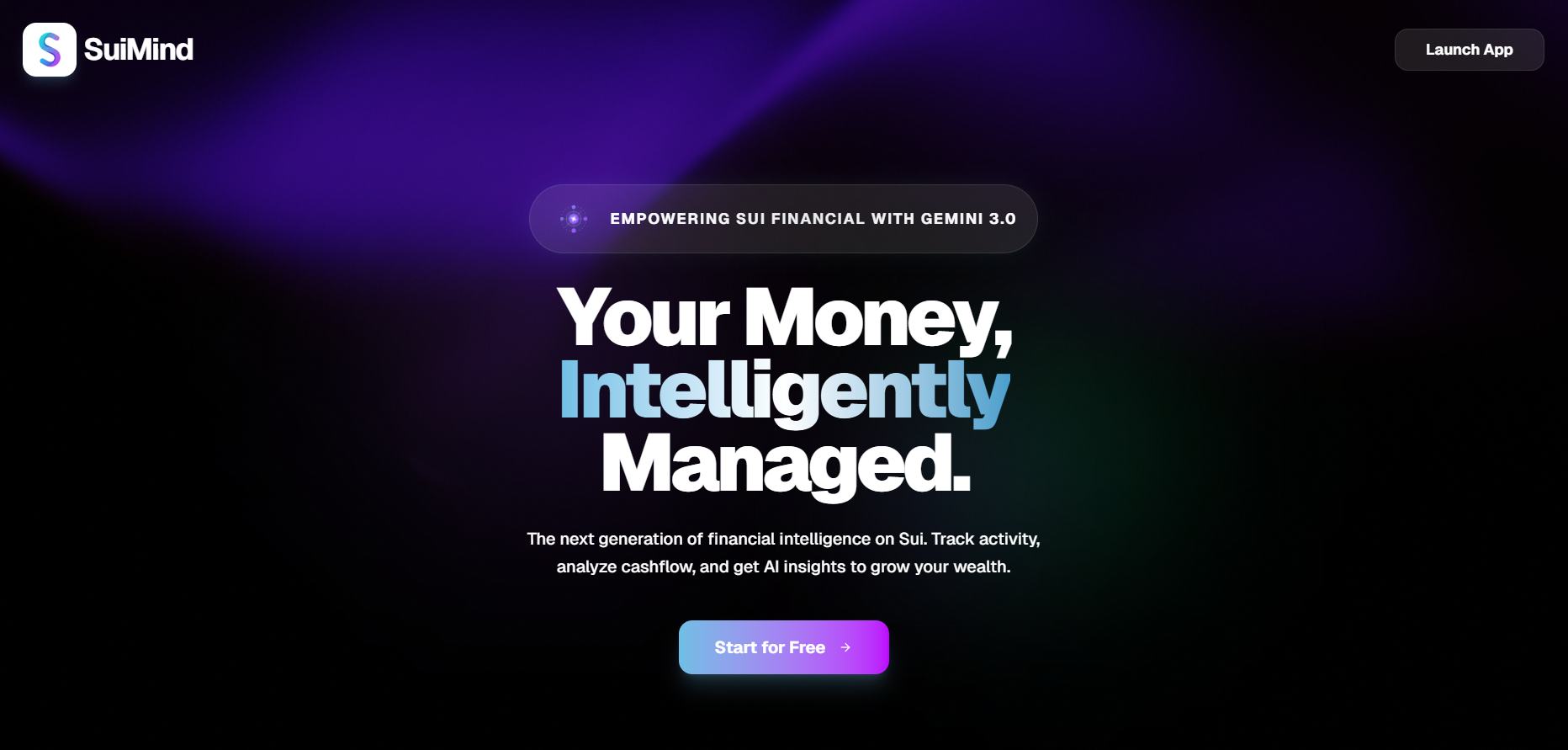
SuiMind
-
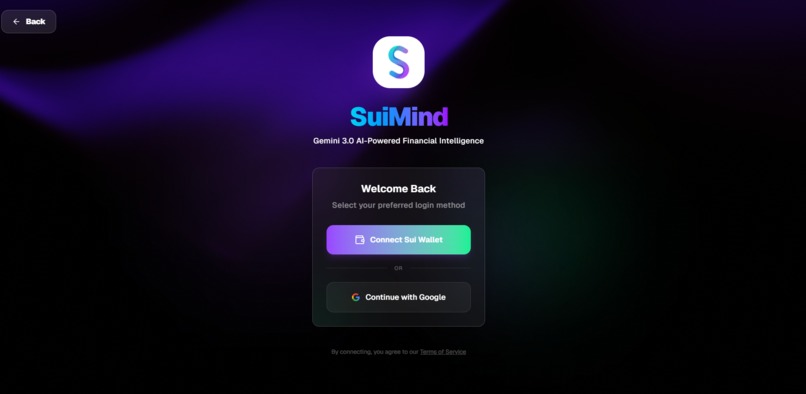
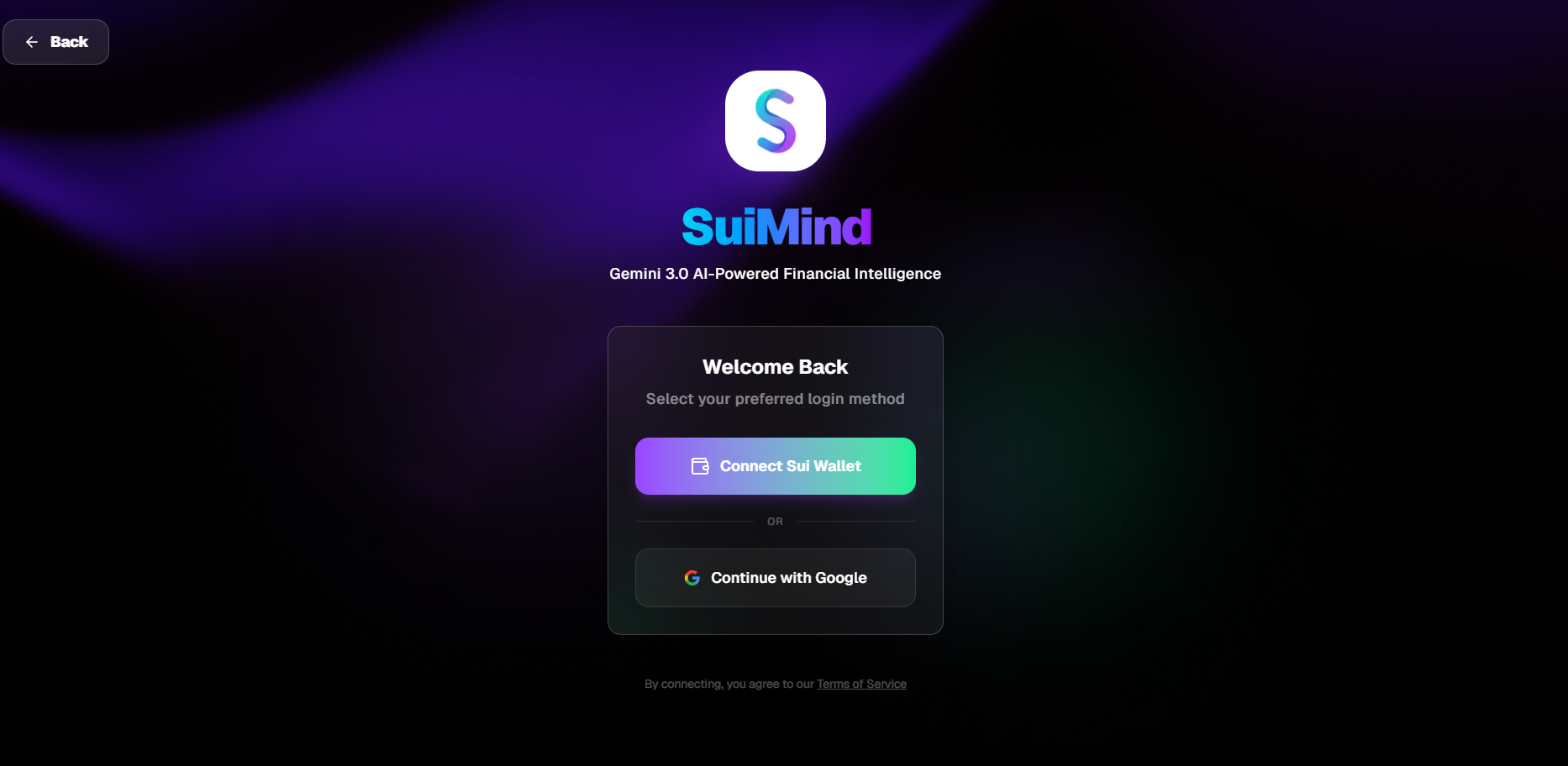
Login
-
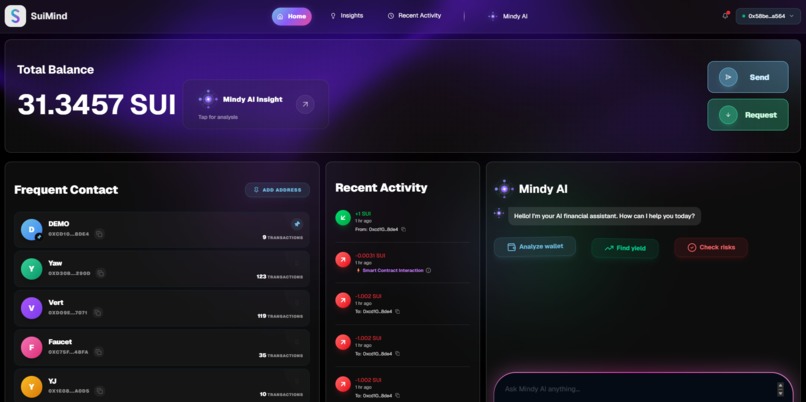
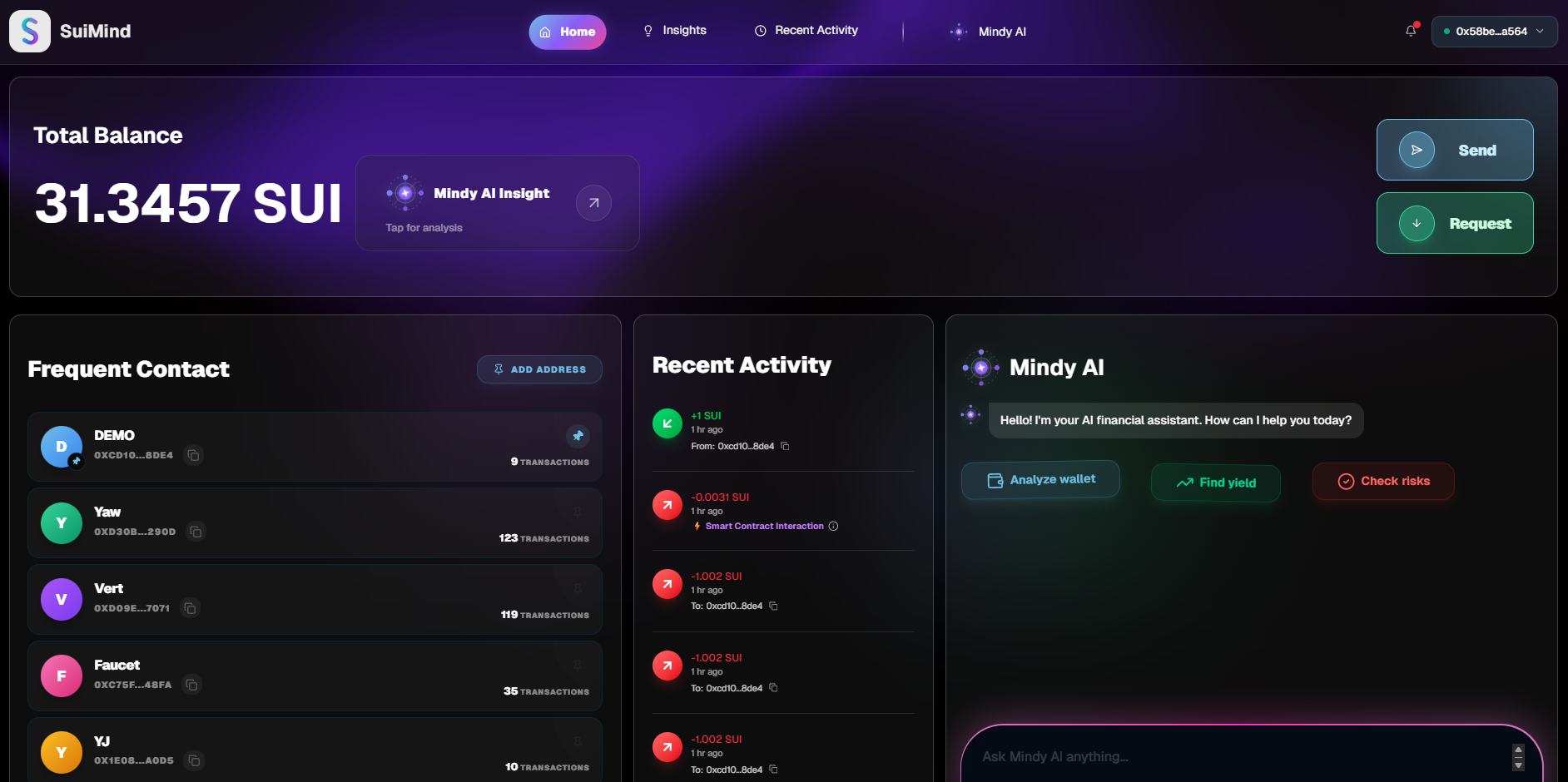
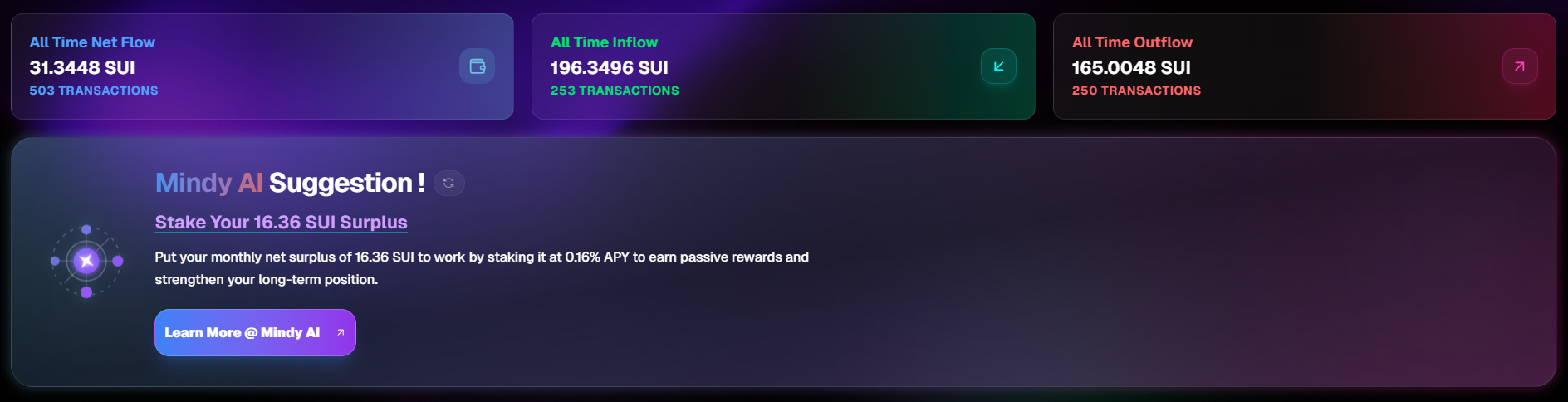
Home Page (a) - Analytics
-
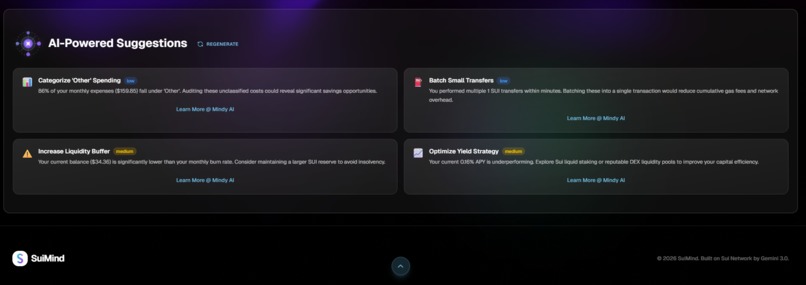
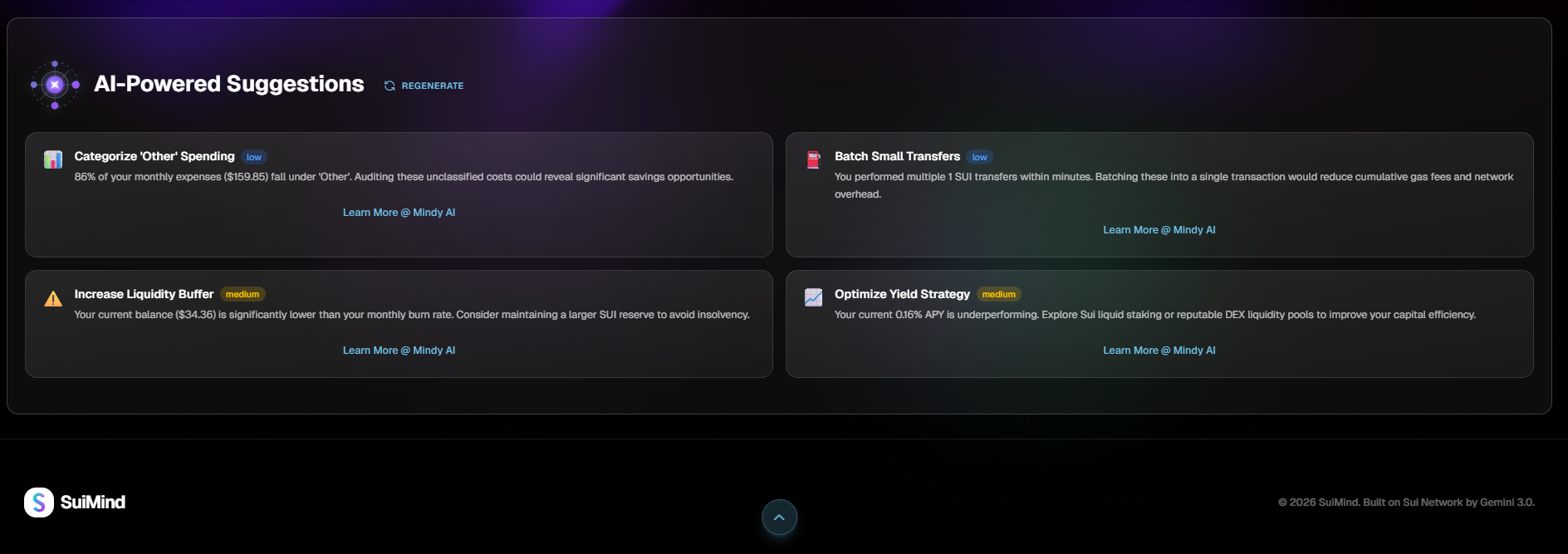
Home Page (b) - Mindy AI Suggestion
-
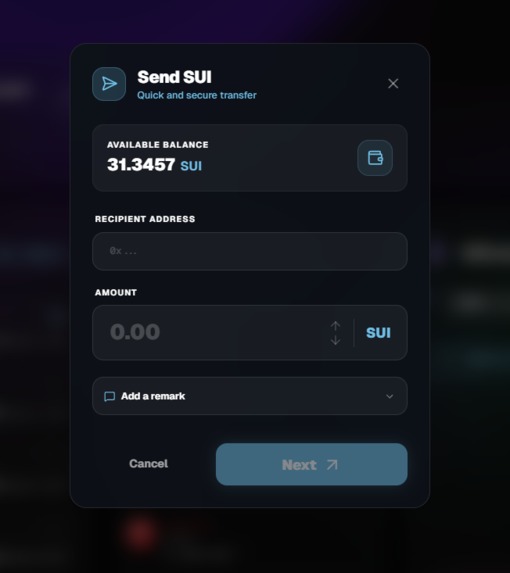
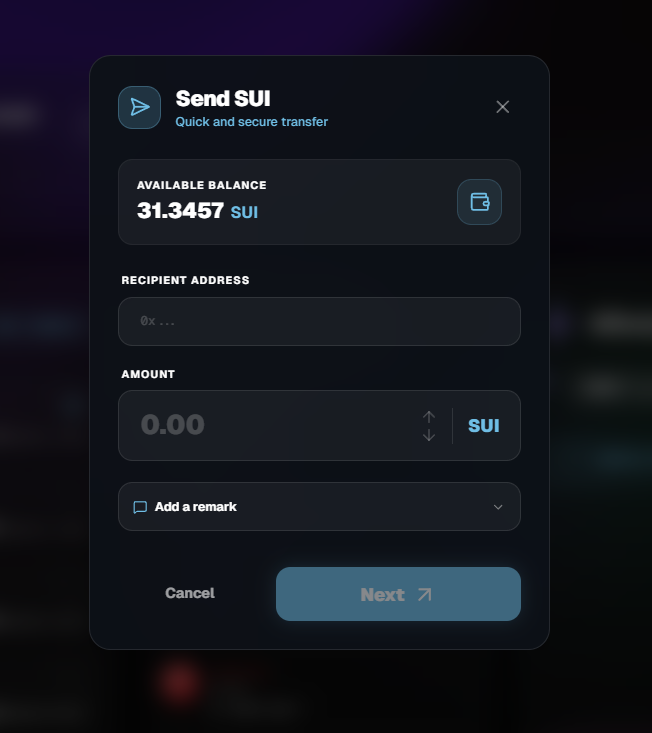
Send UI
-
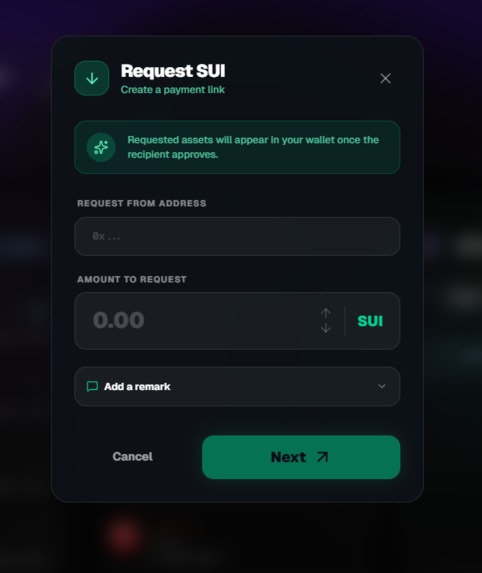
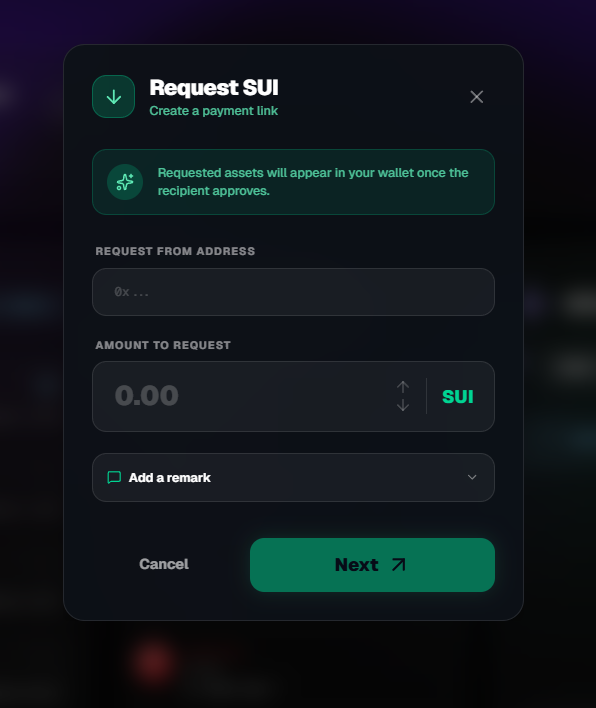
Request UI
-
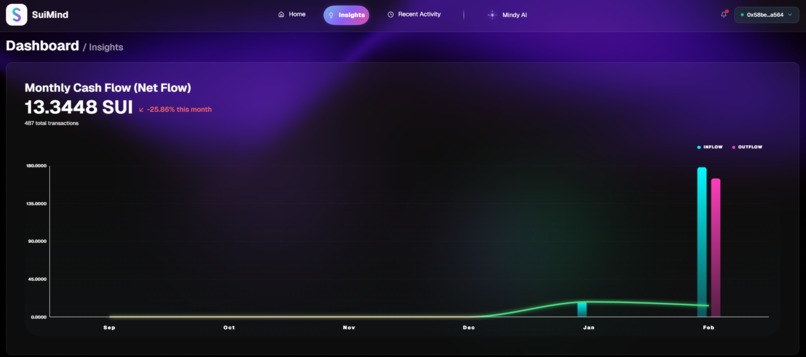
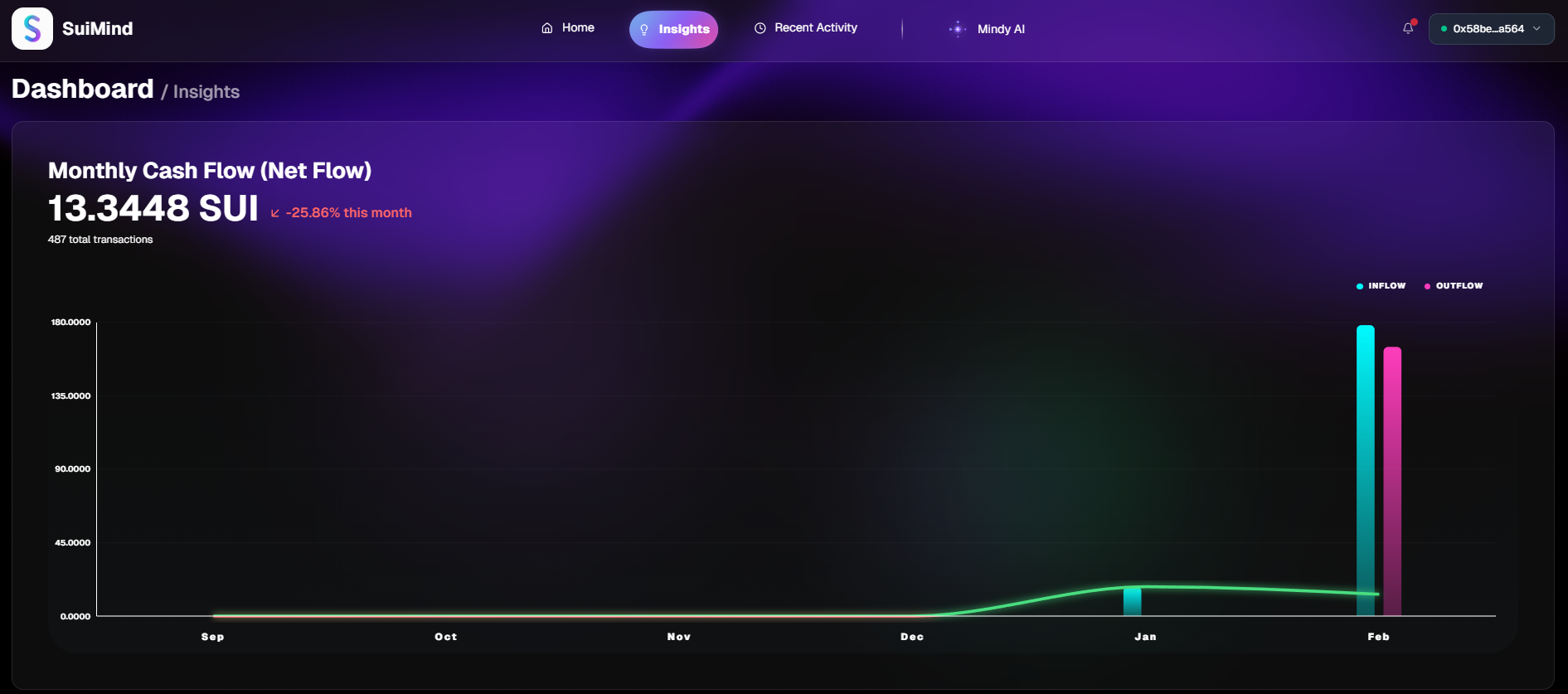
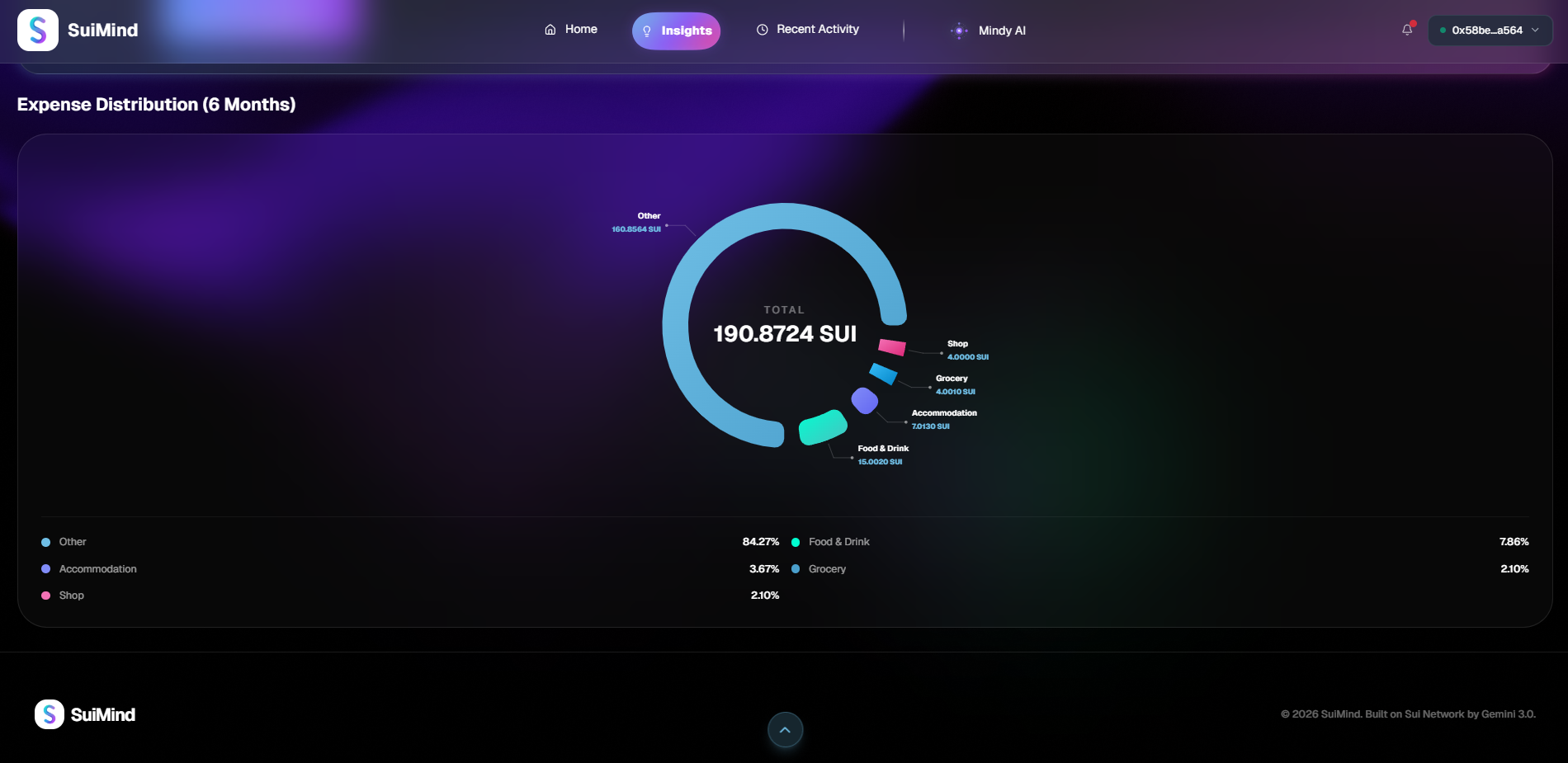
Insight Page (a) - Monthly Cashflow
-
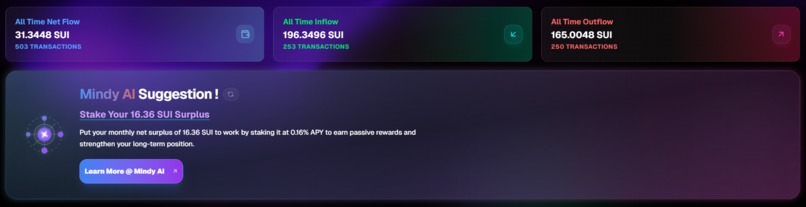
Insight Page (b) - Mindy AI Suggestion
-
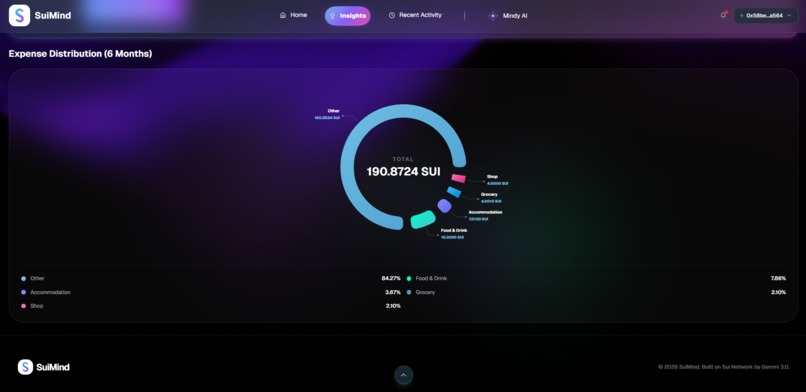
Insight Page (c) - 6 Months Expenses Category
-
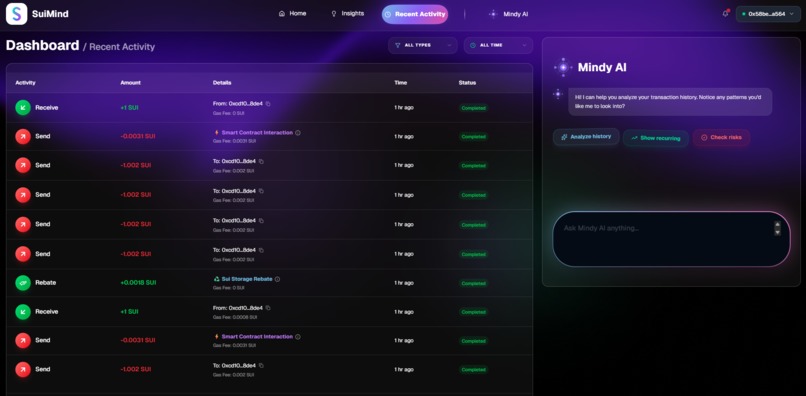
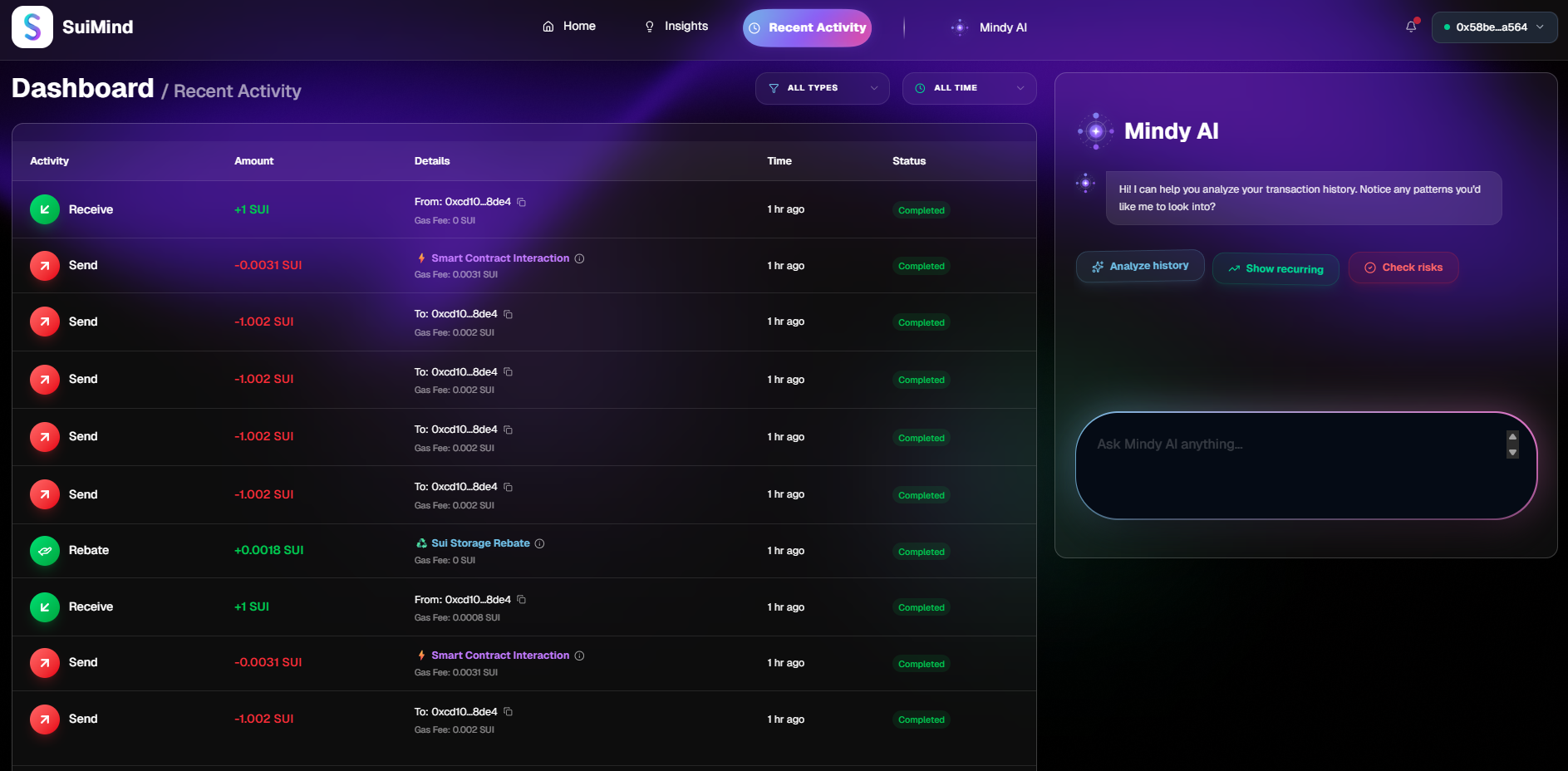
Recent Activity
-
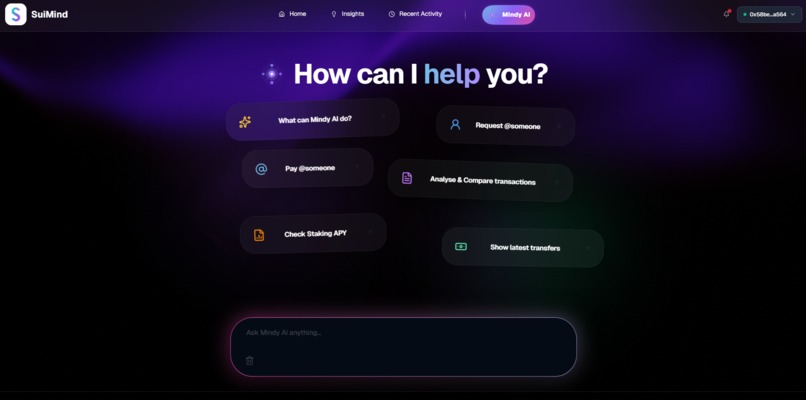
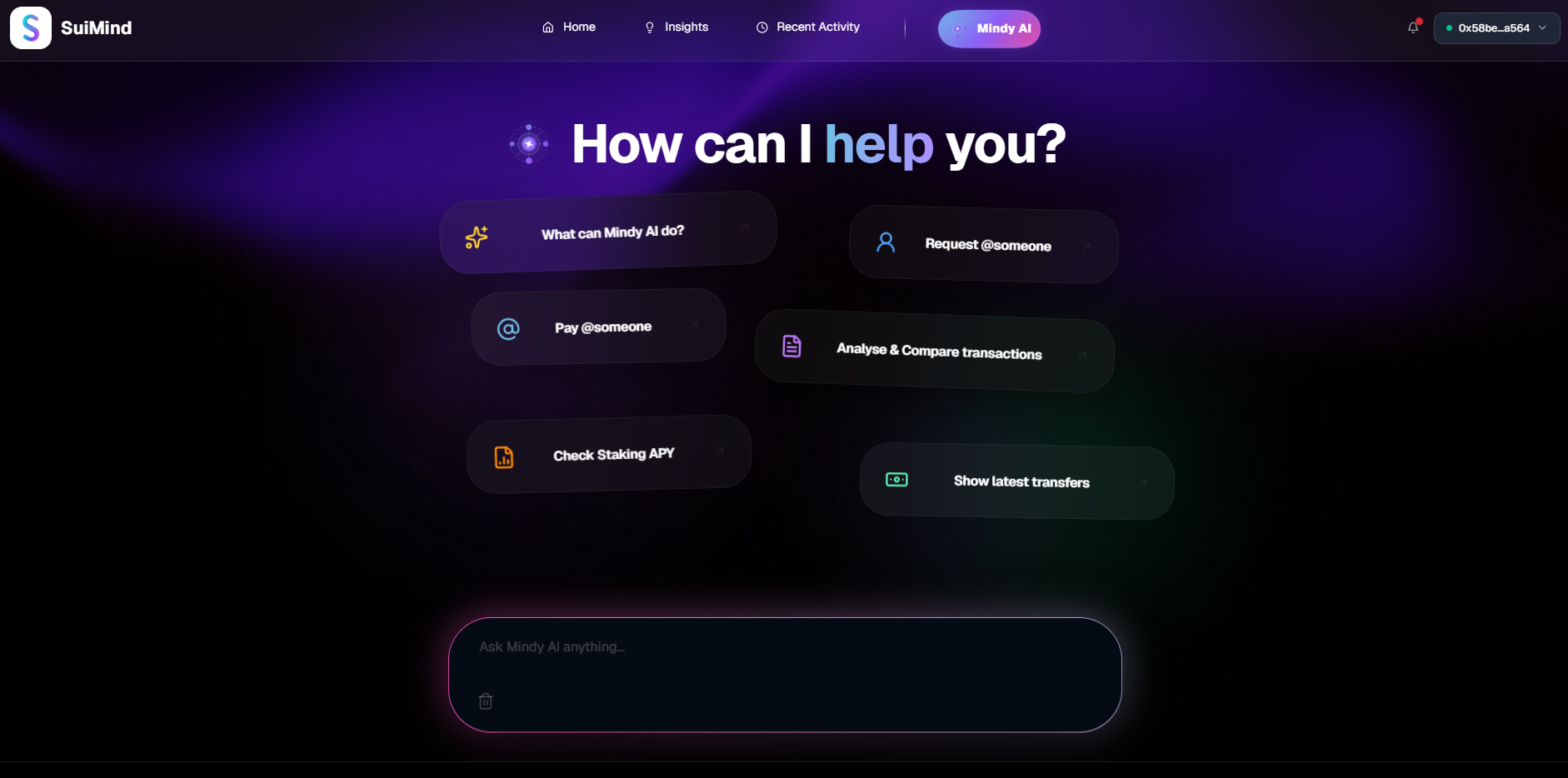
Mindy AI
Inspiration
We built SuiMind because we noticed a frustrating barrier: while everyone is curious about Web3, very few can survive the "Vertical Learning Curve." For a typical Web2 user, entering Web3 feels like moving to a planet with different physics. In Web2, a forgotten password is a simple email reset; in Web3, a lost seed phrase means your assets are gone forever. We saw people get intimidated by 64-character hex addresses and technical jargon like "Gas Fees" or "RPC Endpoints."
We asked ourselves: Why do we force humans to speak the language of the blockchain? We built SuiMind to be the bridge—an entry point where the wallet speaks the language of the human.
What it does
SuiMind is a Chat-to-Execute (C2E) agent that replaces buttons and complex menus with a proactive conversation.
- Google zkLogin: No more seed phrases. Users sign up using their existing Google Account, creating a non-custodial wallet that feels as familiar as signing into any modern app.
- Proactive Execution: Instead of searching for "Send" buttons, users type: "Send 10 SUI to [Address]." SuiMind resolves the identity, builds the transaction, and presents a simple "Sign Now" card.
- On-Chain Intelligence: Users can ask, "How much gas did I spend last week?" or "What's the best staking APY?" SuiMind queries the blockchain in real-time to provide plain-English answers.
How we built it
We designed SuiMind as a hybrid system that separates "The Brain" (AI logic) from "The Face" (User Interface).
- The Brain (Google ADK): We used the Google Agent Development Kit to build a Multi-Agent System. A central router named Mindy directs user intents to specialized agents (Analyst, Transaction, or Query agents).
- The Logic (Gemini 3.0): We leveraged Gemini 3.0 Flash not just for chat, but for its Native Function Calling capabilities. This allows Mindy to structurally bind natural language to our TypeScript tools, enabling the AI to execute specific Sui SDK functions without "hallucinating" parameters.
- The Execution (Sui SDK & zkLogin): The frontend is built with Next.js 14 and uses the
@mysten/sui.jsSDK. This allows the AI to prepare transactions while the user remains in full control of signing them via zkLogin.
Challenges we ran into
- Intent-to-Transaction Mapping: The biggest hurdle was ensuring that a user's conversational intent accurately mapped to a blockchain transaction without the AI "hallucinating" data. In early versions, the model might suggest a transaction to a non-existent address or miscalculate a decimal place. We solved this by building a strict validation layer that cross-references all AI-generated intents against live data from Sui fullnodes before a user ever sees a "Sign" card.
- The On-Chain vs. Off-Chain Dilemma: We faced a major architectural trade-off: keeping everything on-chain is expensive and slow, but moving too much off-chain loses the spirit of Web3. We had to carefully architect a hybrid system where the AI reasoning happens off-chain (for speed and cost-efficiency), but the transaction construction and final execution are strictly on-chain and non-custodial.
- Bridging the Multi-Language Stack: Integrating a Python-based AI brain with a TypeScript-based Next.js frontend and a Move-based smart contract was an engineering puzzle. We built a robust bridge to ensure transaction payloads—the "instructions" for our smart contracts—passed through without data corruption or security leaks.
- Abstracting "Gas" without Losing Transparency: In Web3, gas fees are a necessary reality, but they are a massive "turn-off" for new users. We had to fine-tune our agents to explain these costs conversationally. Instead of showing a raw hex value for gas, SuiMind explains it like a small "processing fee," keeping the user informed without overwhelming them with technical jargon.
Accomplishments that we're proud of
We are incredibly proud of Mindy, our router agent. Seeing a user give a vague instruction and watching Mindy correctly route it, fetch live data, and prepare a valid transaction is a true "aha!" moment for Web3 UX. We successfully moved the friction from the user's screen into the AI's backend logic.
What we learned
- UX is the Real Scalability: High TPS (Transactions Per Second) doesn't matter if users can't figure out how to log in. zkLogin is a game-changer for mass adoption.
- Agents > Chatbots: Giving an AI "tools" (like GraphQL access) turns it from a search engine into a functional assistant.
- Context is Key: An AI that understands your specific transaction history is 10x more valuable than a generic LLM.
What's next for SuiMind
- DeFi Orchestration: Moving beyond simple transfers to complex financial logic. We want users to be able to set intent-based triggers, such as: "Swap my SUI for USDC if the price hits $X," or "Rebalance my portfolio to 50% stablecoins if volatility increases."
- Social Graph Integration: Integrating with SuiNS (Sui Name Service) and social protocols to replace long hex addresses with human-readable names and social identities, making the experience feel even more like Web2.
- AI-Powered Security & Anomaly Detection: Security is our top priority. We plan to implement a proactive "Guardian" layer that monitors for:
- Anomaly Detection: If a transaction looks significantly different from a user's historical pattern, SuiMind will trigger a secondary confirmation.
- Scam Protection: Real-time scanning of destination addresses against known blacklists to protect users from phishing and malicious contracts.
- Compliance & Safety: Integration of AML (Anti-Money Laundering) detection logic to ensure the ecosystem remains safe and trustworthy for all users.
- Mobile-First Agent: Bringing the C2E (Chat-to-Execute) experience to a dedicated mobile application with voice-to-execute capabilities, allowing users to manage their assets securely on the go via natural speech.


Log in or sign up for Devpost to join the conversation.