Inspiration The inspiration for this project came from a love of puzzles and logic games like Sudoku, which challenge players’ problem-solving skills. The goal was to create an interactive, intuitive, and scalable Sudoku game while exploring how AI tools, such as Amazon Q, could streamline development and simplify repetitive coding tasks.
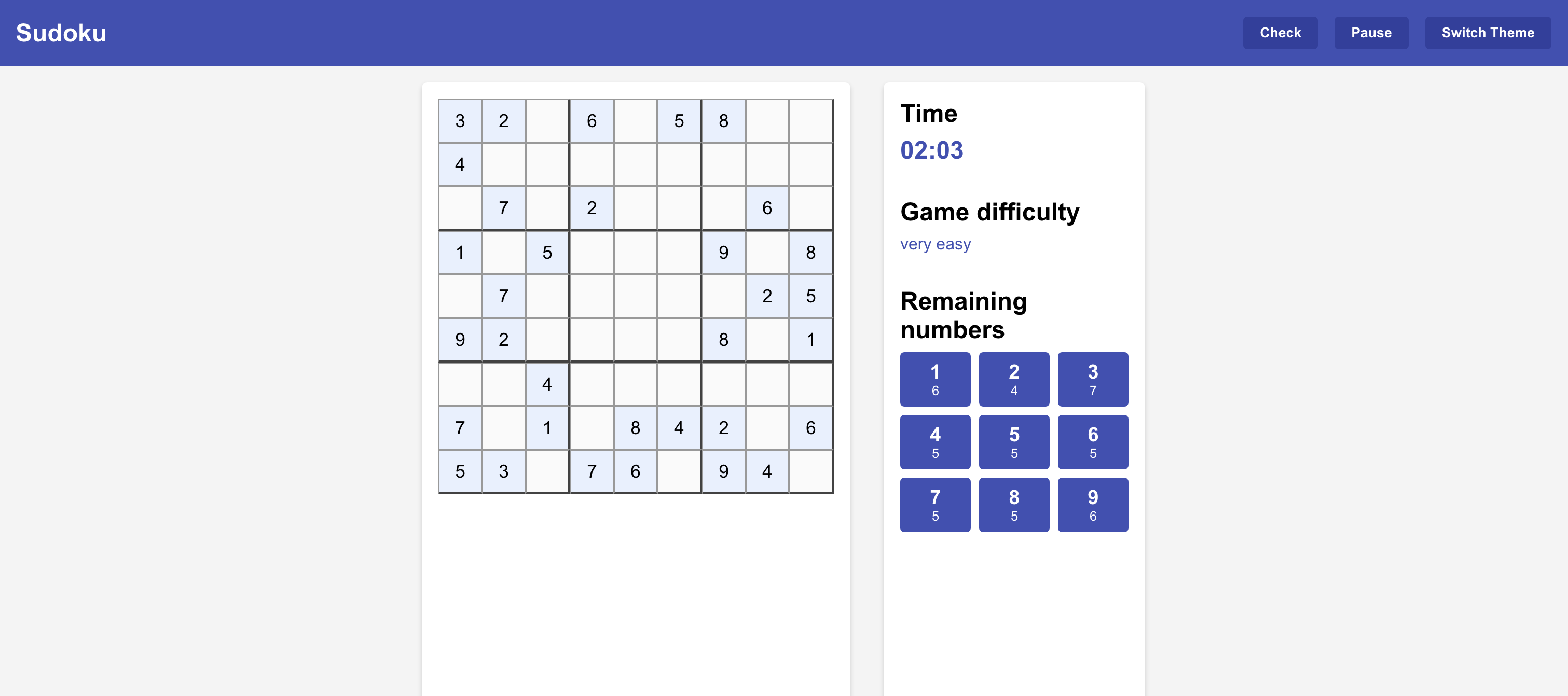
What It Does This project is a web-based Sudoku puzzle game that: Provides a 9×9 interactive grid for users to solve puzzles. Enforces real-time validation for rows, columns, and 3×3 subgrids. Tracks elapsed time and updates dynamically as players progress. Offers an engaging and user-friendly interface with responsive design.
How We Built It Frontend Framework: Built using React.js for a responsive and modular interface. AI-Assisted Development: Leveraged Amazon Q to handle repetitive tasks, such as: Generating data structures for the 9×9 Sudoku board. Writing validation logic for rule enforcement. Managing React states for game progress, timers, and user inputs. State Management: Used React hooks and effects to dynamically track and update puzzle progress and timing. Deployment: Deployed the project online for accessibility and ease of sharing. Challenges We Ran Into Complex Validation Logic: Ensuring that rows, columns, and 3×3 grids met Sudoku rules in real time required careful implementation and testing. Dynamic State Updates: Managing state changes for time tracking, input validation, and visual updates proved challenging but was streamlined with React hooks. AI Integration: Effectively utilizing Amazon Q to generate reusable code while maintaining flexibility and customization for future enhancements. Accomplishments That We're Proud Of Successfully built a fully functional and interactive Sudoku game in a short development cycle. Leveraged AI-powered tools to accelerate development and simplify repetitive coding tasks. Created a modular and scalable codebase that’s easy to expand with new features. Delivered a polished user experience with responsive design and dynamic gameplay.
What We Learned AI Can Boost Productivity: Using Amazon Q saved time by automating repetitive code, allowing more focus on gameplay and UI design. Importance of Modularity: Building modular components for validation, timers, and grids simplified debugging and future enhancements. Real-Time Feedback Matters: Implementing dynamic updates and validation significantly improves user engagement.
What's Next for Sudoku Game Difficulty Levels: Introduce easy, medium, and hard puzzles to cater to different skill levels. Hints and Error Highlighting: Provide optional hints and highlight invalid entries for better user assistance. Leaderboards and Stats: Track player performance and completion times to add a competitive edge. Mobile Optimization: Improve the mobile experience for seamless play across devices. Additional Features: Add features like save progress, dark mode, and animations for enhanced gameplay.


Log in or sign up for Devpost to join the conversation.