-
-
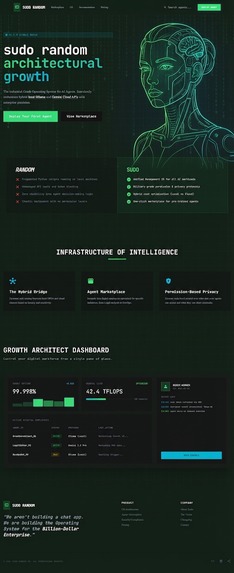
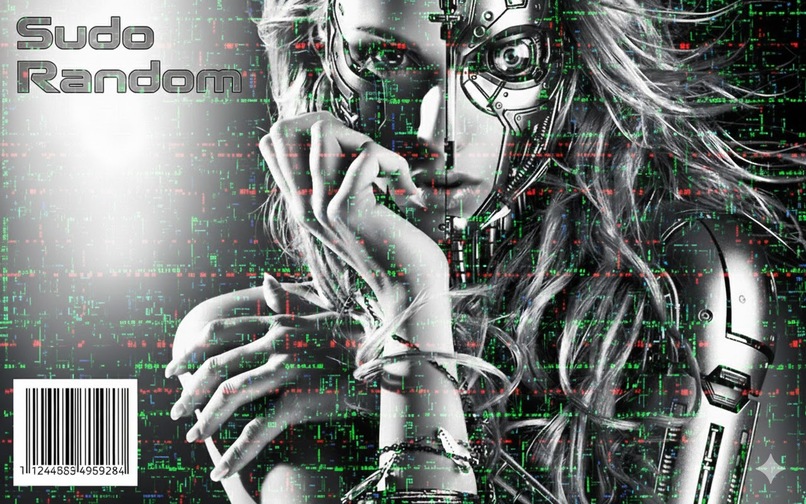
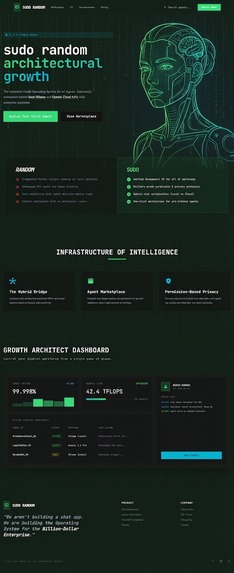
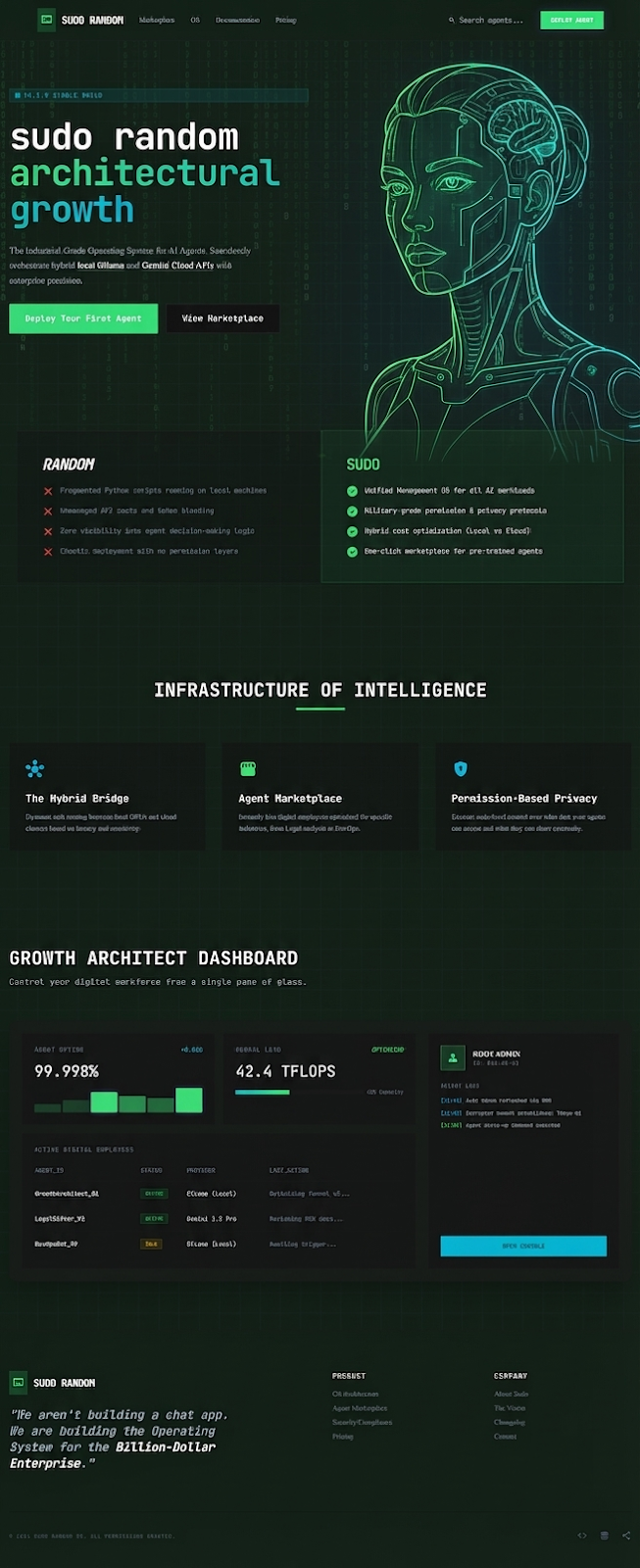
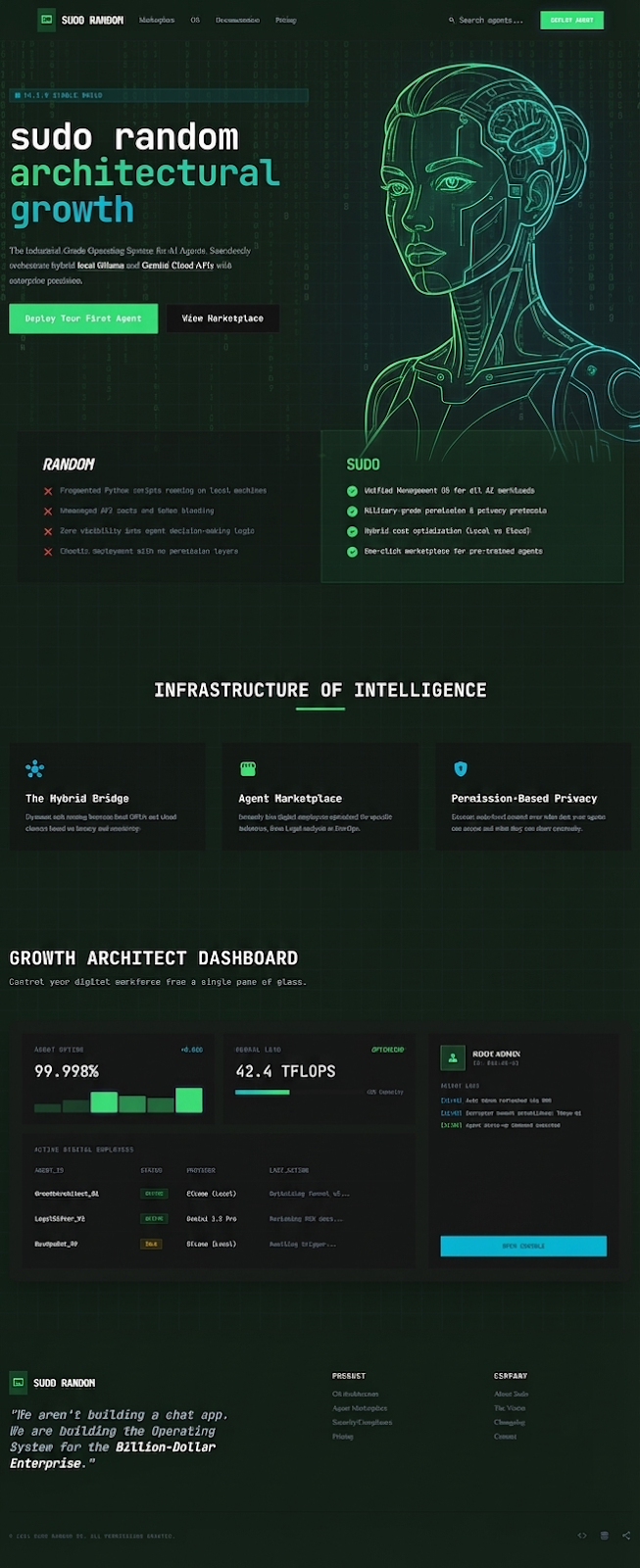
I have few different version of this
-
-

-

-
-


Inspiration
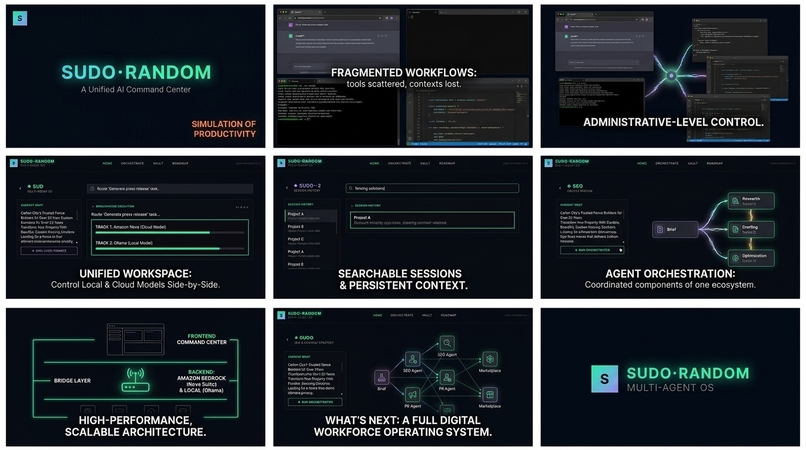
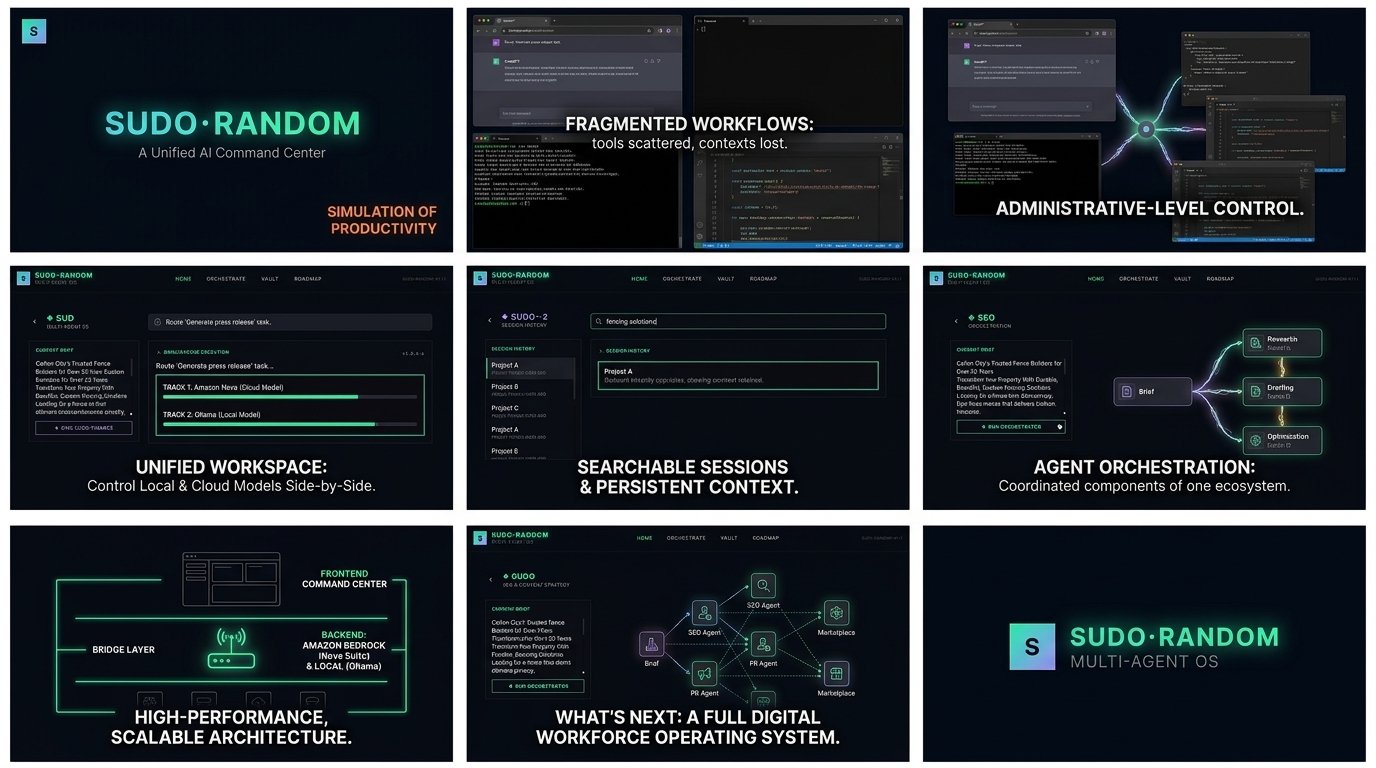
Many organizations believe they are operating efficiently, but much of their work happens inside a fragmented digital environment—tools scattered across platforms, data stored in multiple systems, and AI services that operate independently from one another. The result is a simulation of productivity rather than true operational control.
Sudo Random was created to change that. The idea is simple: give users administrative-level control over their digital workflow. Instead of being limited by disconnected tools and platforms, users gain the ability to coordinate and command their AI infrastructure from a single system.
What it does
Sudo Random: A Unified AI Command Center
Working with multiple AI systems often leads to fragmented workflows. A project might begin in one platform, code might be executed somewhere else, and drafts or research may live in separate local environments. Retrieving past work or continuing a project can quickly turn into a time-consuming search across accounts, tabs, and systems.
Sudo Random eliminates this fragmentation by consolidating everything into a single workspace.
It functions as a centralized AI command center, allowing users to manage multiple AI agents and models from one interface. Instead of switching between services, users can interact with cloud-based models and local models side by side through a unified dashboard.
Key Capabilities
Unified Workspace Control multiple AI agents and models from a single environment without constantly switching between platforms.
Persistent Context Projects retain structured memory because Sudo Random orchestrates interactions between models, keeping context organized and accessible.
Searchable Sessions Instead of remembering where a task or conversation occurred, users can quickly locate their work through searchable sessions and activity history.
Agent Orchestration Different AI systems operate as coordinated components of one ecosystem rather than isolated tools.
How We Built It
We designed a high-performance web interface that acts as the platform’s operational command center, with a clean workspace-style layout and modern typography to deliver a premium SaaS experience.
Backend Orchestration Amazon Bedrock powers the backend integration, enabling access to the Amazon Nova model suite for high-speed processing and strong price-performance.
The Bridge Layer A custom middleware system routes requests intelligently based on task requirements and data sensitivity. Sensitive data can be processed locally through Ollama, while complex strategic tasks can be directed to more powerful cloud models.
The Frontend Dashboard The interface provides a multi-workspace dashboard that allows users to monitor and manage active AI sessions across multiple projects or businesses.
Challenges we ran into
One of the biggest technical challenges involved balancing latency and orchestration logic. Coordinating handoffs between local models and cloud models without noticeable delay required significant optimization. The orchestration layer had to intelligently route tasks without introducing friction or slowing the user experience.
Accomplishments that we're proud of
Hybrid AI Architecture We built a workflow that allows users to elevate tasks to more advanced AI models only when additional processing power is needed.
Enterprise-Level Model Integration Integrating Amazon Nova through Bedrock created a fast and scalable engine capable of supporting complex agent workflows.
Intuitive Interface The platform includes a marketplace and training environment that simplifies AI orchestration, making advanced capabilities accessible through a clear and structured dashboard.
What we learned
Building Sudo Random reinforced an important realization: the future of AI is not about relying on a single model. It is about orchestrating multiple models effectively.
Different AI systems excel at different tasks. The real advantage comes from intelligently selecting the right model for each job while maintaining a seamless user experience. We also found that newer AI infrastructure platforms can significantly accelerate development for startups and experimental projects.
What's next for sudo random
Our goal is to evolve Sudo Random from a prototype into a full Digital Workforce Operating System.
Autonomous Task Execution Agents will move beyond conversation-based workflows and begin executing real operational tasks such as updating SEO content, publishing press releases, or managing business profiles through APIs.
Model Customization and Training The platform’s training environment will allow businesses to fine-tune AI models on their specific voice, style, and internal knowledge.
An Expanding Agent Marketplace We plan to open the platform to third-party developers so they can create and distribute specialized AI agents, enabling an ecosystem where businesses can deploy ready-made digital workers tailored to their needs.

Log in or sign up for Devpost to join the conversation.