-
-
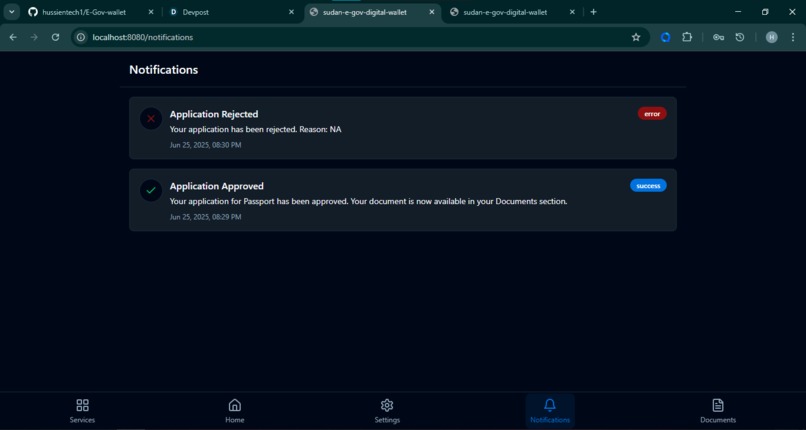
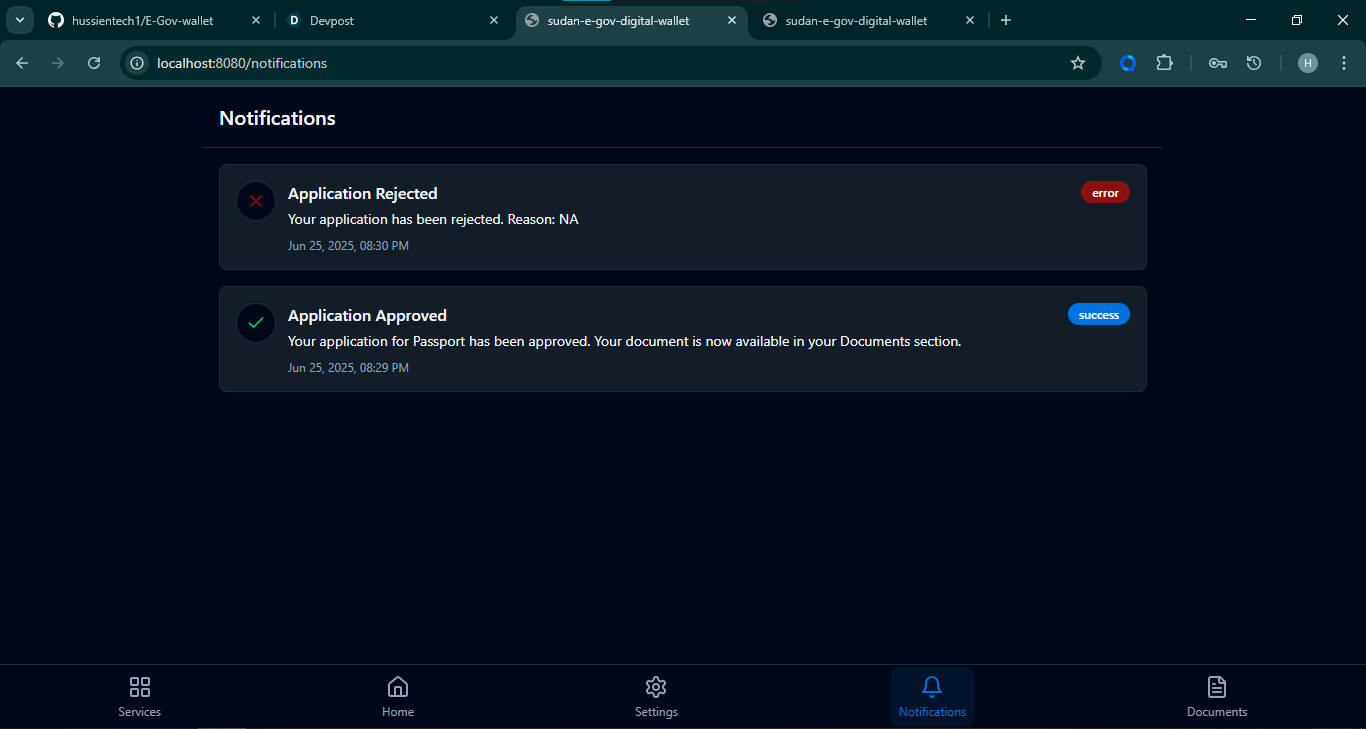
Notification Screen
-
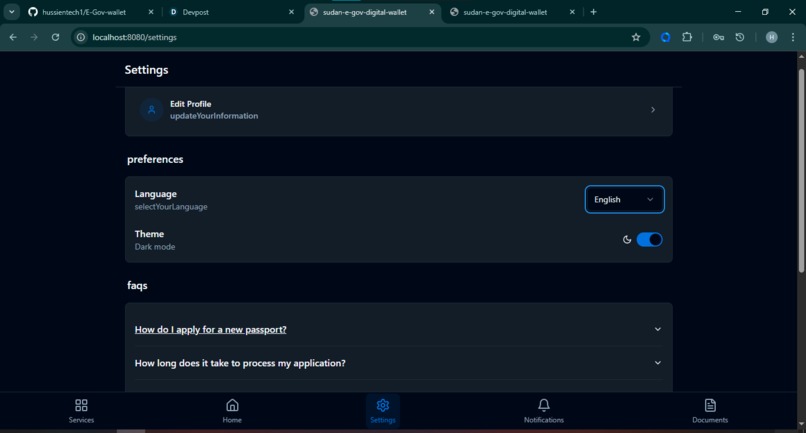
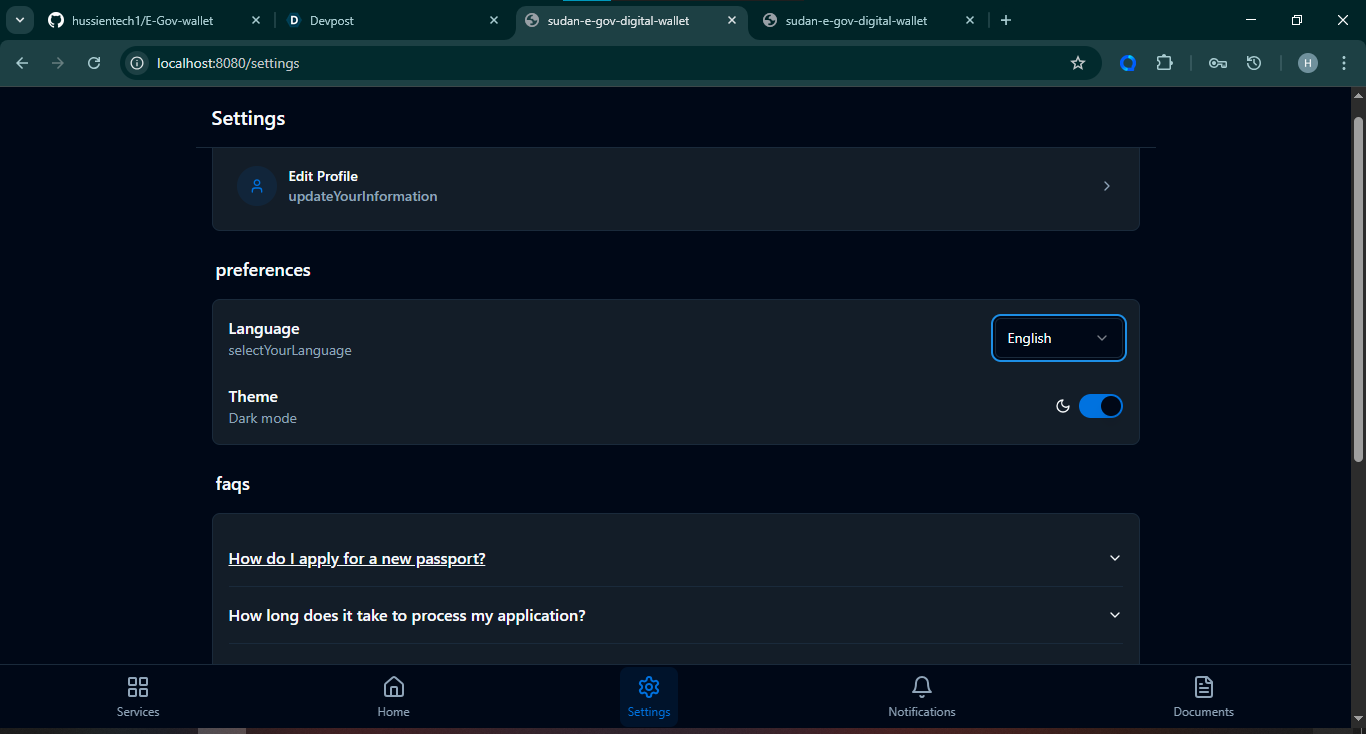
Settings Screen
-
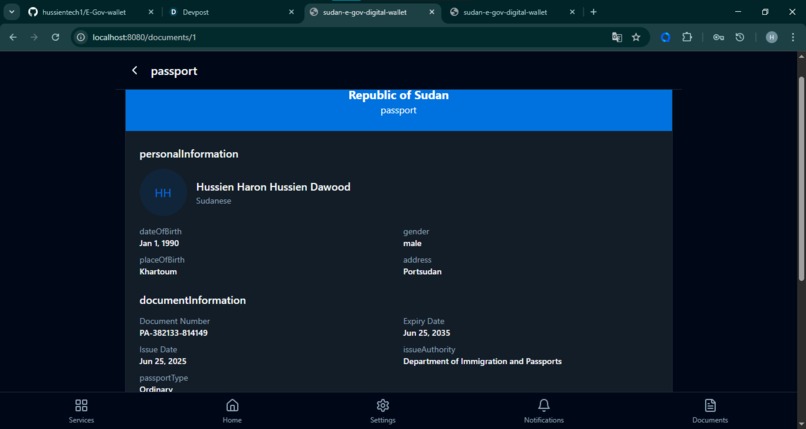
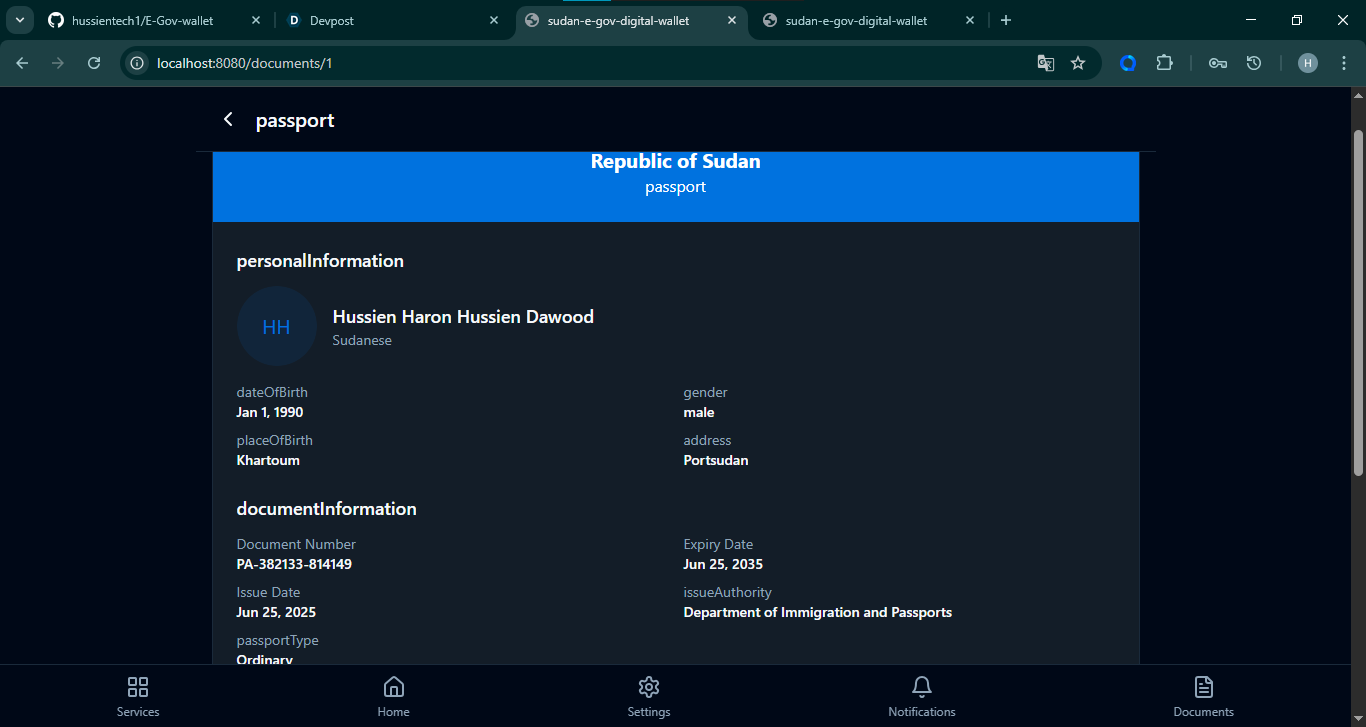
Documents Prereview
-
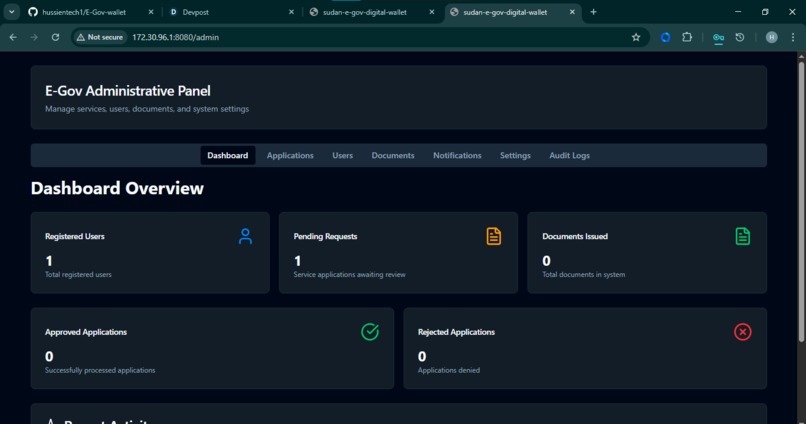
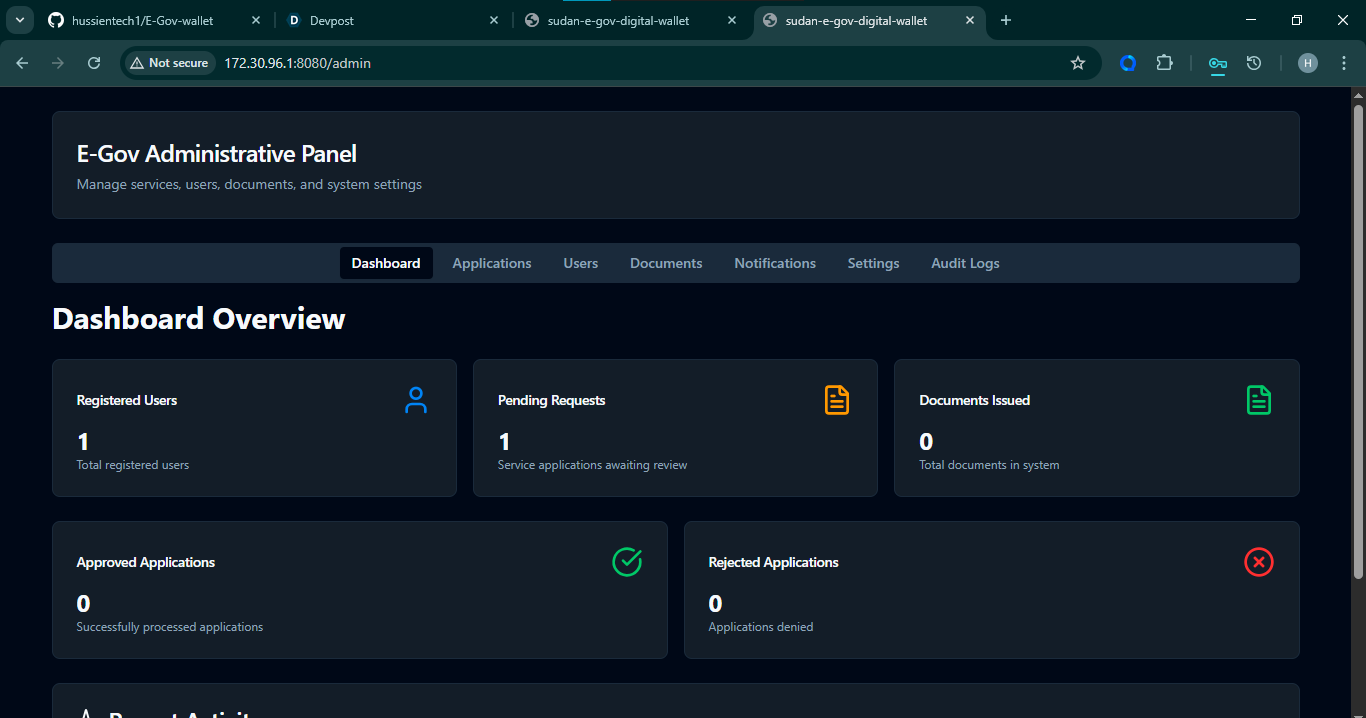
Admin Panel
-
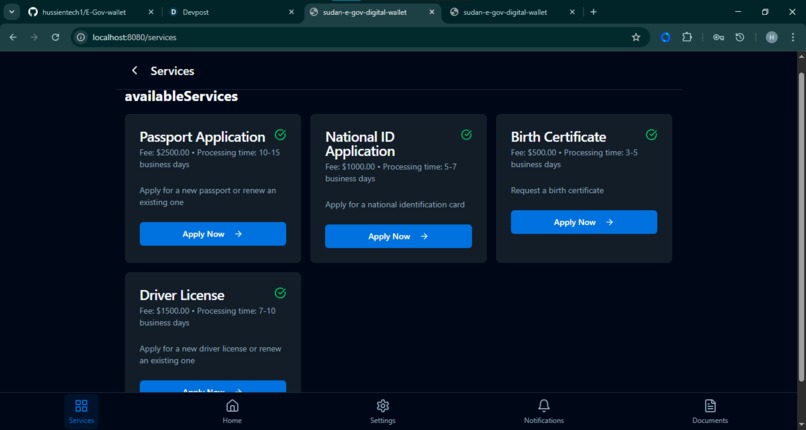
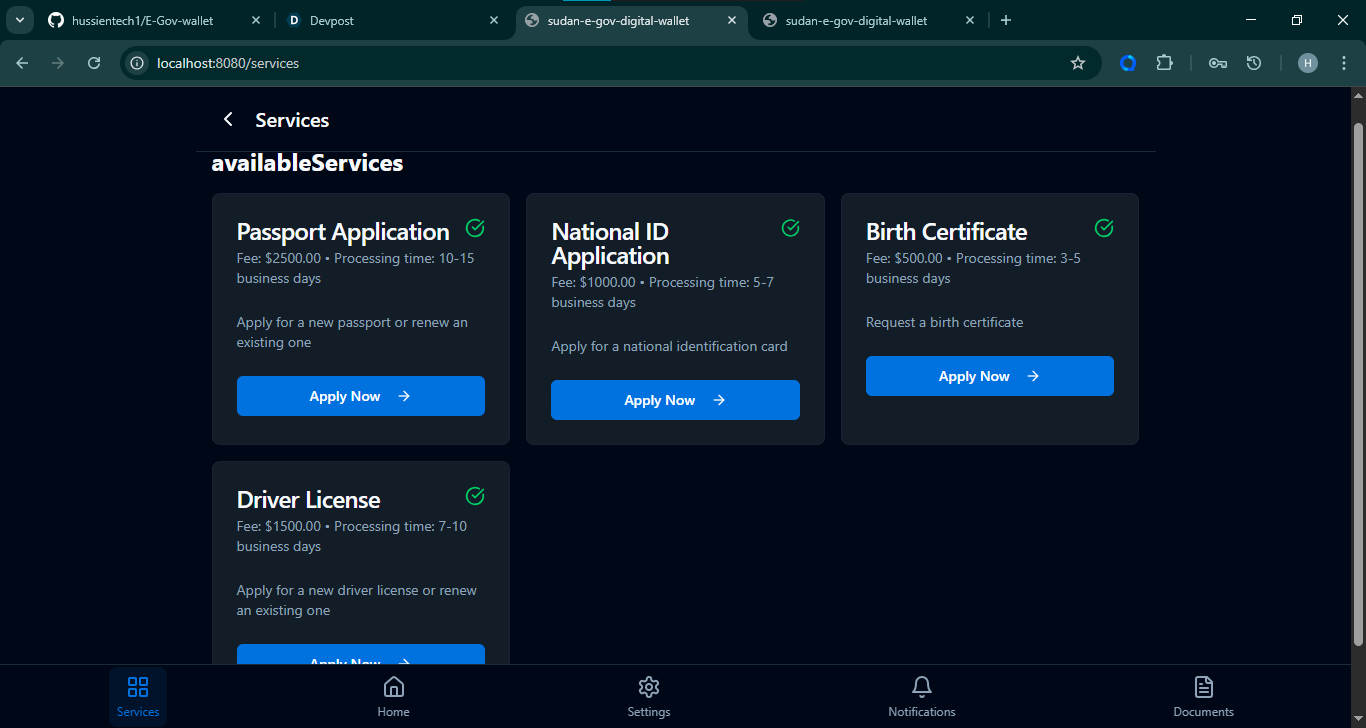
Services Screen
-
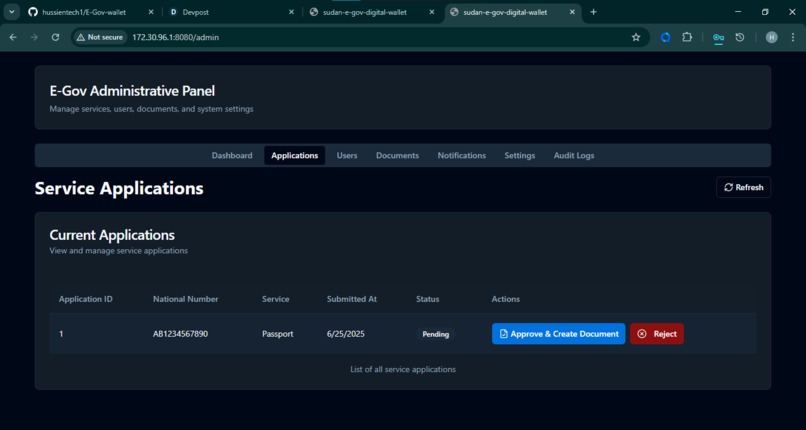
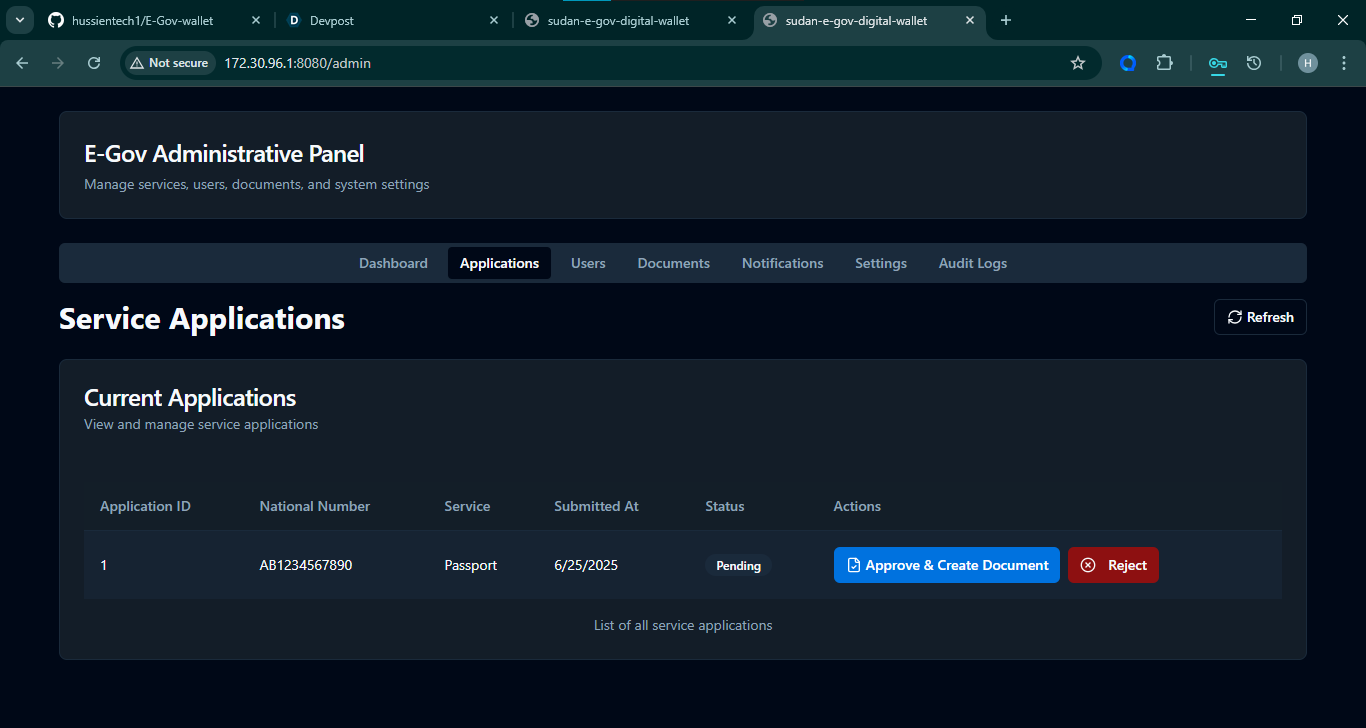
Admin Panel For Managing Users Applications
Inspiration
The idea for this project was inspired by the urgent need to modernize how citizens interact with government services, especially in countries where digital transformation remains limited. Observing successful implementations such as the Saudi Absher platform, I realized the potential of creating a local version tailored for our governmental environment. I was driven by the goal of reducing bureaucracy, eliminating paper-based processes, and enabling citizens to access essential services from anywhere with dignity and ease.
What it does
This web-based platform serves as a centralized digital gateway for citizens to access and manage essential government services. It simplifies traditionally complex, paper-based administrative processes by offering the following core functionalities:
Secure User Authentication: Citizens log in using their national identification number, ensuring a trusted and streamlined access method.
Dynamic Service Applications: Users can apply for services such as passport issuance, ID card renewal, and other administrative requests through interactive, auto-filled digital forms that reflect real-life government documents.
Digital Document Wallet: The platform allows users to view their official documents—such as ID cards, passports, and licenses—in a structured and visually accurate format.
Real-Time Notifications: Users receive timely updates about the status of their applications, ensuring transparency and reducing the need for in-person follow-ups.
User Settings: The platform includes customization options such as language preference, appearance (dark/light mode), and access to frequently asked questions and support.
Admin Panel: A dedicated interface for government administrators to review, manage, and respond to citizen requests, complete with data validation tools and workflow status tracking.
How we built it
This platform was developed as a full-stack web application designed to digitally transform the delivery of government services. The architecture emphasizes security, modularity, and maintainability, with a strong focus on user experience and local infrastructure compatibility.
System Architecture
Frontend (User Interface):
- Built with React using the Vite build tool for rapid development and optimized performance.
- Developed entirely in TypeScript for robust type safety and maintainable code.
- Styled using Tailwind CSS and ShadCN UI to ensure responsive, clean, and accessible designs.
- Routing handled by React Router, with logical separation of screens (Home, Services, Docs, Settings, Notifications).
Backend (API & Business Logic):
- Built with TypeScript using a Node.js framework (Express.js or NestJS, depending on implementation).
- Structured as a RESTful API to manage all business logic and data interactions.
- Handles:
- User authentication using national identification number as the primary key.
- Secure processing of service requests.
- Retrieval and updating of official documents.
- Admin operations (view, approve, reject requests).
- Input validation, access control, and error handling implemented at every API layer.
Database:
- PostgreSQL is used as the main relational database system for its reliability and support for complex queries.
- Database schemas were normalized and designed around core entities:
- Citizens
- Applications
- Official Documents
- Admin Logs and Roles
Challenges we ran into
During the development of this platform, we encountered several critical challenges that required in-depth research, strategic planning, and iterative problem-solving:
1. 📊 Collecting Reliable Data
2. 🧠 Analyzing Legacy Systems
3. 🛠️ Designing the Best Replacement System
Accomplishments that we're proud of
Despite the technical, logistical, and organizational challenges encountered throughout the development process, the project resulted in several key accomplishments that demonstrate both the system’s potential and the team’s ability to execute complex digital transformation objectives.
1. Building a Fully Functional Government Services Platform
2. Developing a Flexible, Scalable Admin System
3. Creating a Reusable and Modular Codebase
4. Enhancing the Citizen Experience
What we learned
The development of this government services web platform provided valuable learning opportunities across multiple domains—technical, analytical, and operational. The experience offered insights into real-world digital transformation, citizen-centric service design, and system-level thinking.
1. Bridging Technology and Public Service is Complex but Impactful
2. Data Collection is Critical and Often Underrated
3. The Value of Simplicity in System Design
4. Scalable Architecture Requires Early Planning
5. Collaboration Between Developers
What's next for Sudanese Digital Wallet
Following the successful development of the initial version of the Sudanese Digital Wallet, we are now preparing for the next phase of expansion and refinement. The focus will shift toward enhancing system capabilities, increasing adoption, and integrating additional government and public sector services.
1. Expansion of Service Offerings
2. Mobile Application Development
3. Biometric and Multi-Factor Authentication
4. Integration With National Payment Gateways
5. Data Analytics and Reporting Tools
The next phase of Sudanese Digital Wallet focuses on transforming it from a prototype into a nationwide digital public service infrastructure, empowering citizens and strengthening digital governance across Sudan.
Built With
- postgresql
- react
- tailwindcss
- typescript
- vite


Log in or sign up for Devpost to join the conversation.