-
-

logo
-
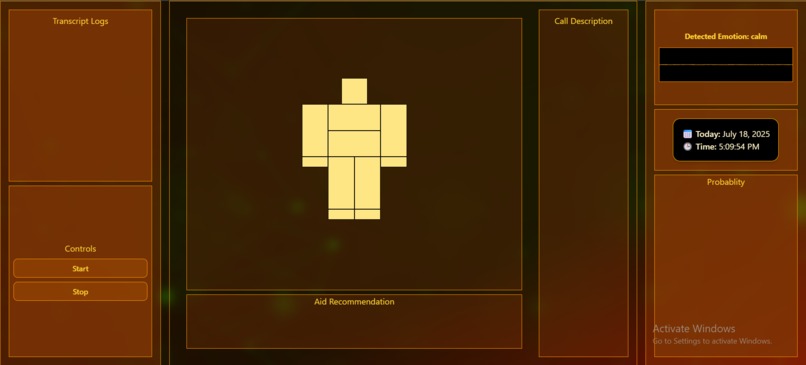
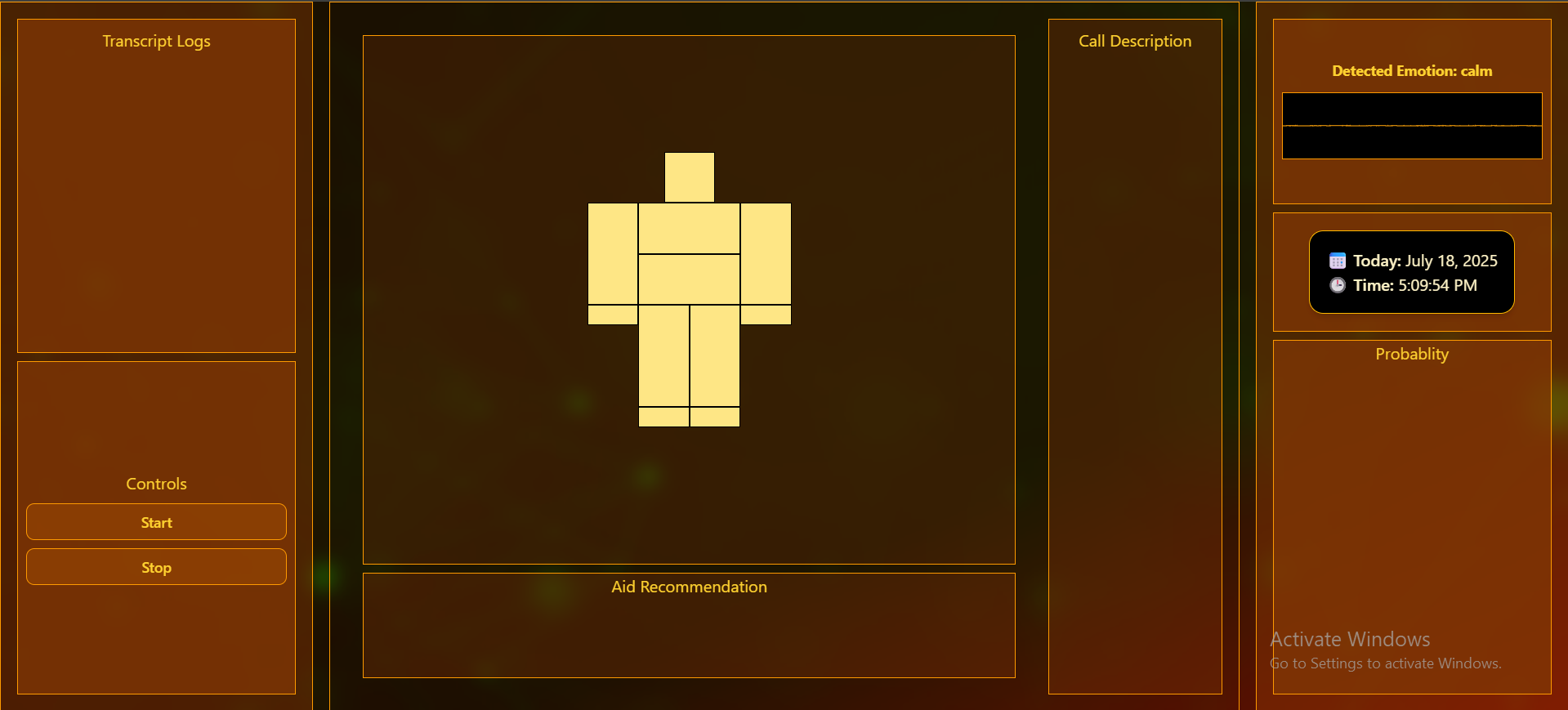
Succor Starting
-
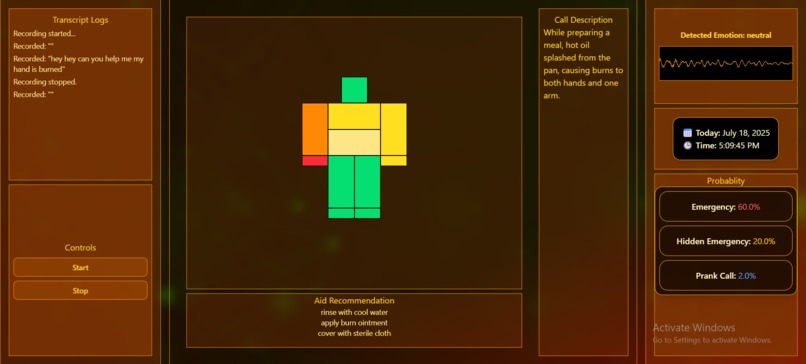
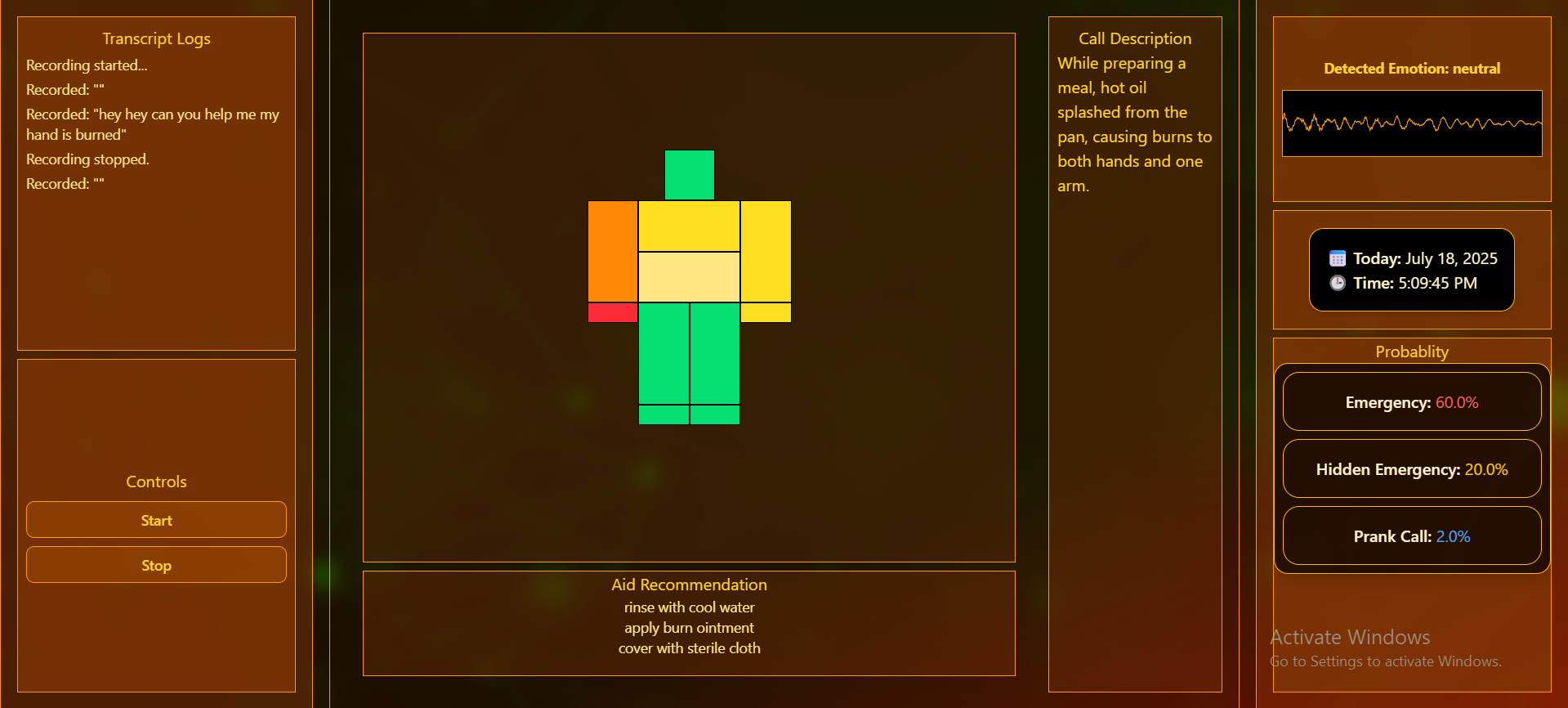
Succor On Work

Succor
Your AI backup when every second counts.
📄 Project Description
🚨 Problem I'm Solving
Every year, emergency calls are mishandled due to dispatcher errors caused by stress, human limitations, or communication issues. These delays can cost lives. I wanted to explore how AI could help support dispatchers in real-time.
👤 Who It’s For
- Trainee 911 dispatchers
- Emergency response educators
- Developers interested in voice-based AI
- Anyone who wants to practice emergency simulations using just their voice
⚙️ How It Works
- I speak into the mic to simulate a 911 call.
- Succor transcribes my speech using Speech-to-Text.
- It analyzes my voice for signs of emotion (nervousness, panic, calm).
- It detects keywords, classifies the type of emergency, and estimates the likelihood of it being real, hidden, or a prank.
- It visually highlights potential injuries and suggests what to do next — all in real-time.
❤️ Why It Matters
This project helped me appreciate how demanding a dispatcher’s job is. By combining voice emotion and language processing in the browser, Succor could eventually serve as a tool to train dispatchers, reduce mistakes, and save lives.
🚀 What It Does
- 🎙️ Listens to voice input like a real 911 call
- ✍️ Transcribes speech to text live
- 📈 Analyzes emotional tone using audio features
- 🧠 Detects and classifies emergency scenarios
- 🩻 Highlights potential injury zones
- 📊 Adjusts probabilities of the situation type
- 💻 Runs entirely in the browser
⚙️ Tech Stack Used
- Languages: JavaScript, JSX
- Frameworks: React (Next.js), Tailwind CSS,
- Libraries & APIs:
- Web Speech API (for STT)
- Meyda.js for voice emotion analysis
- Custom JSON logic for accident classification
- Web Speech API (for STT)
🛠️ How I Built It
I used Next.js for the frontend and designed everything with Tailwind CSS and Framer Motion for a dark, sci-fi theme. I integrated the Web Speech API for continuous speech recognition and Meyda.js for voice signal analysis. I created a JSON-based classification system that reacts to transcribed text and inferred emotions, updating visuals and probabilities live.
⚔️ Challenges I Ran Into
- Getting STT to run continuously
- Syncing audio feature extraction and live transcription
- Designing meaningful emotion-to-risk logic
- Making everything work without a backend or external ML engine
🏆 Accomplishments I’m Proud Of
- Built a fully working voice-based emergency assistant
- Integrated emotion detection and speech analysis together
- Created a live simulation tool that's both useful and educational
- Designed it to be browser-only — no installs or servers needed
📚 What I Learned
- How to analyze voice features like pitch and energy using JavaScript
- How dispatchers think under pressure
- How to structure real-time UI updates in React
- The power of combining audio and language data in one interface
🔮 What’s Next for Succor
- 🧠 Add machine learning with TensorFlow.js for better emotion detection
- 🌐 Multilingual support
- 🔊 Text-to-Speech (TTS) responses
- 🧪 Training mode with simulated calls
- 📱 Mobile-first redesign so anyone can train anywhere
