Inspiration
SubMaker was inspired by the idea that personal growth tools should feel intimate, calm, and repeatable. Many affirmation and meditation apps provide pre-made content, but they often feel generic. I wanted to build something that lets users turn their own goals, emotions, and intentions into personalized audio experiences they can return to every day.
The core question behind the project was:
What if a user could write one personal intention and instantly turn it into a calming, listenable affirmation session?
What It Does
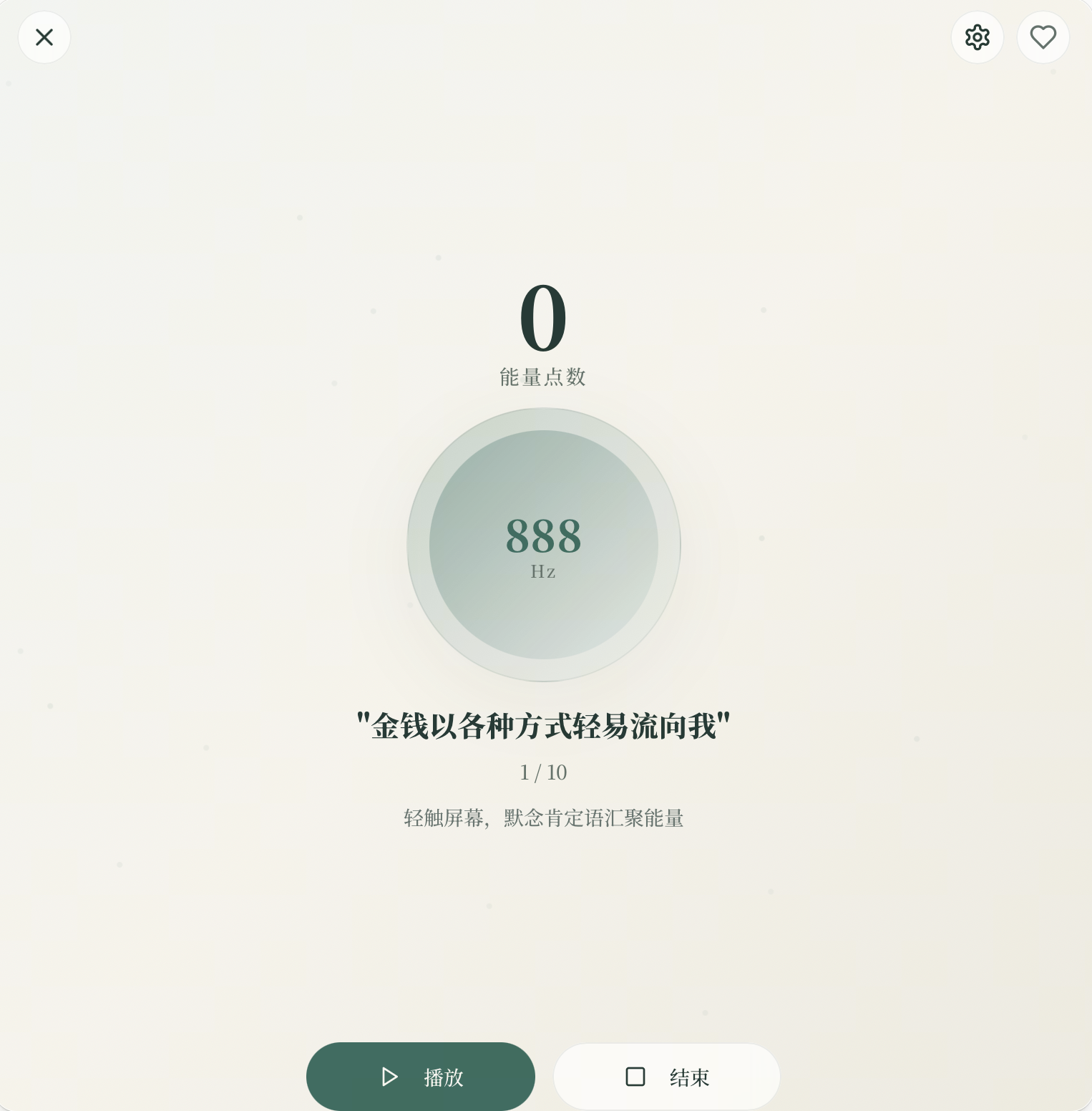
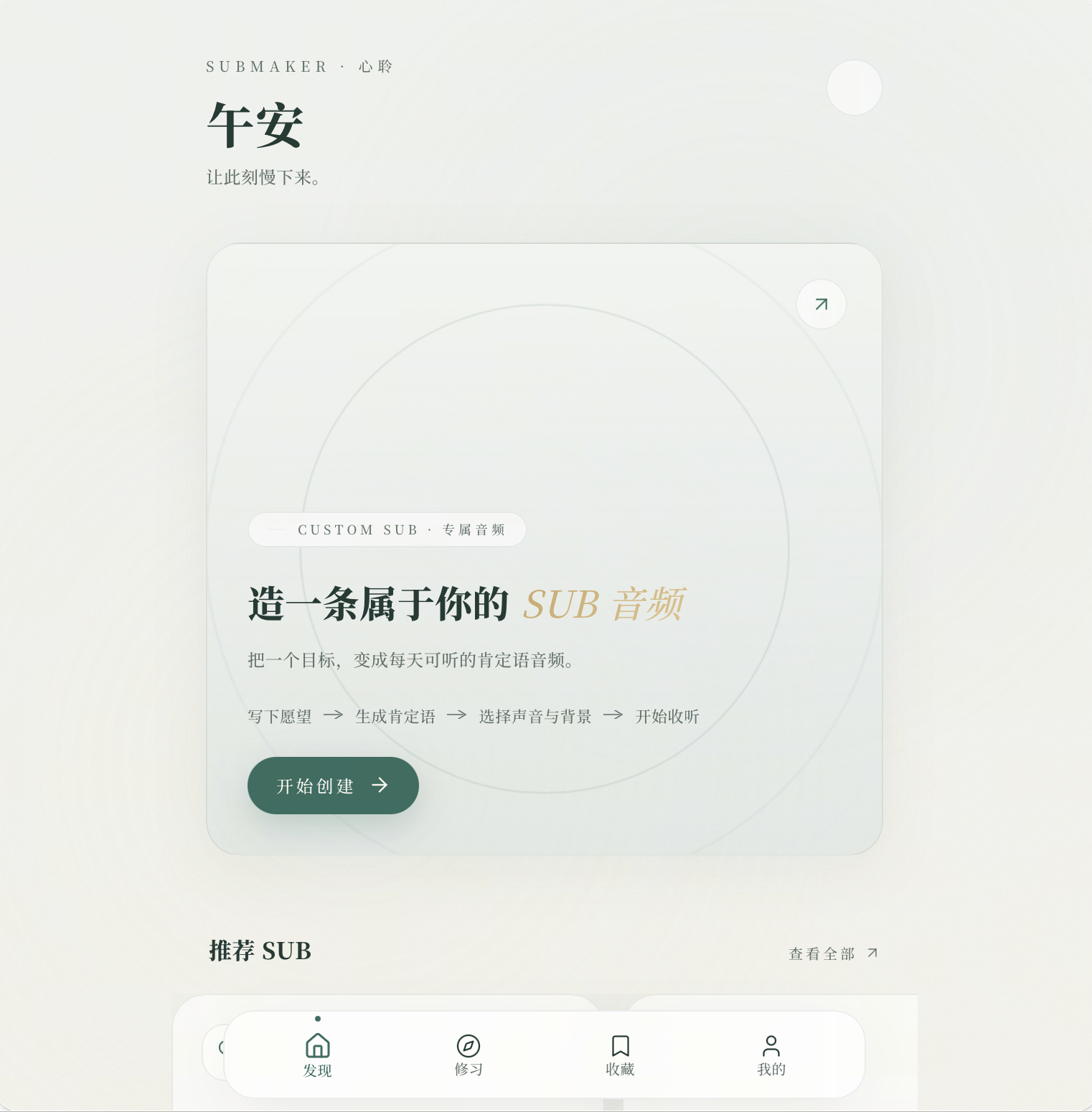
SubMaker helps users create personalized subconscious affirmation audio. Users can write or select affirmations, generate customized “sub” audio, choose soothing sound/frequency styles, save favorite content, and track daily practice.
The app is designed for people who want a gentle tool for relaxation, confidence, focus, emotional regulation, and habit-building.
How I Built It
I built SubMaker as a web-first mobile app and then packaged it for iOS. The project uses a modern frontend stack for the user interface, Capacitor for iOS packaging, and App Store Connect for distribution preparation.
For monetization, I configured subscriptions and in-app purchases through RevenueCat, including monthly, yearly, and lifetime access options. I also prepared App Store assets such as screenshots, app metadata, privacy information, pricing, and a production app icon.
Key parts of the build included:
- A clean mobile-first interface for creating and listening to affirmation audio
- Personalized affirmation and audio generation flow
- Saved affirmations and practice-oriented screens
- iOS build and App Store submission setup
- RevenueCat subscription integration
- App Store screenshots, metadata, privacy, and review configuration
Challenges
One of the biggest challenges was turning a web app into an App Store-ready iOS product. The technical work was not only about building the app itself, but also preparing everything around it: bundle identifiers, signing, App Store Connect setup, screenshots, privacy forms, subscription products, build numbers, and review submission requirements.
Another challenge was making the experience feel calm and focused instead of overloaded. Since the app is related to self-practice and audio, the interface needed to feel quiet, polished, and easy to return to.
What I Learned
I learned a lot about the full path from prototype to App Store-ready product. This included iOS packaging, App Store Connect workflows, subscription configuration, build management, and the importance of product details like icons, screenshots, privacy policy links, and review notes.
I also learned that a strong wellness app is not just about features. The tone, pacing, interface, and emotional feel of the product matter just as much as the technical implementation.
What's Next
Next, I want to improve the personalization engine, add more audio styles, refine habit tracking, and support more languages. I also plan to improve the onboarding flow so users can create their first affirmation audio even faster.

Log in or sign up for Devpost to join the conversation.